
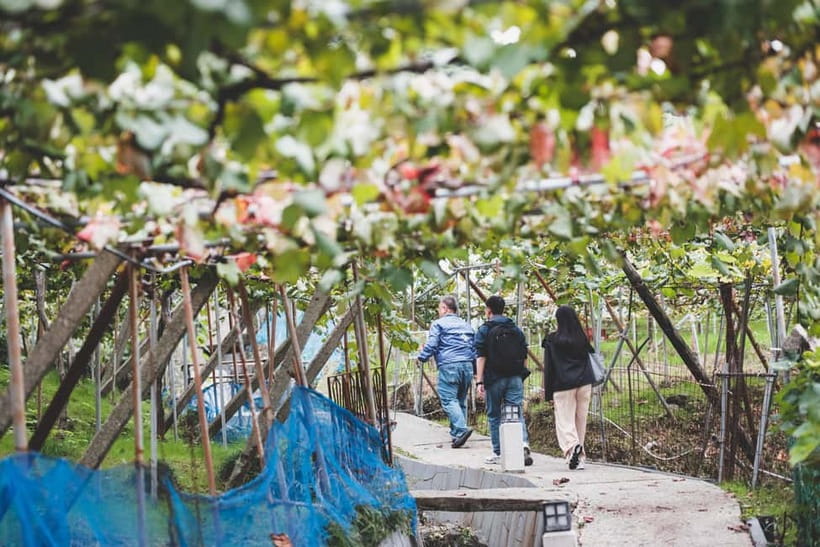
Reviewed · FOOD & DRINK
Osaka Winery Tour with Wine Tasting & Vineyard Walk
Wine and history, close to Osaka.
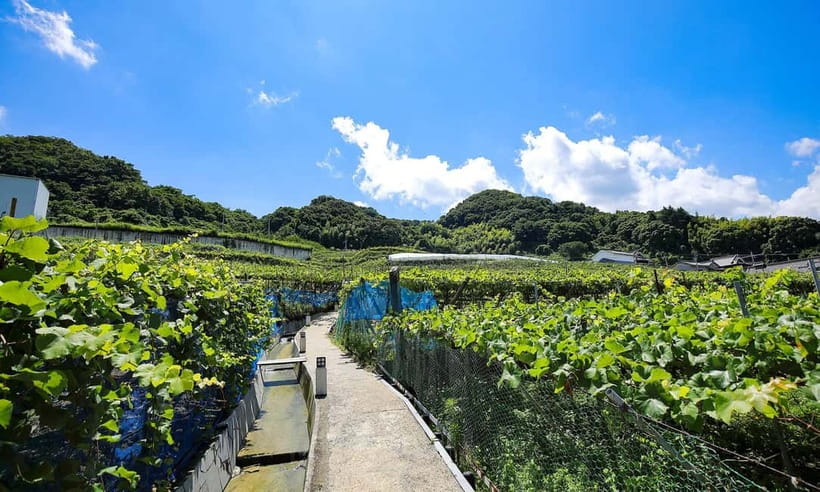
This Osaka Winery Tour pairs a visit to Katashimo Winery (founded in 1914) with a guided walk through old-town streets and a short, focused tasting that teaches you how Japanese wine culture works. It is a tidy 2-hour format that feels like a day trip even when you stay near the city.
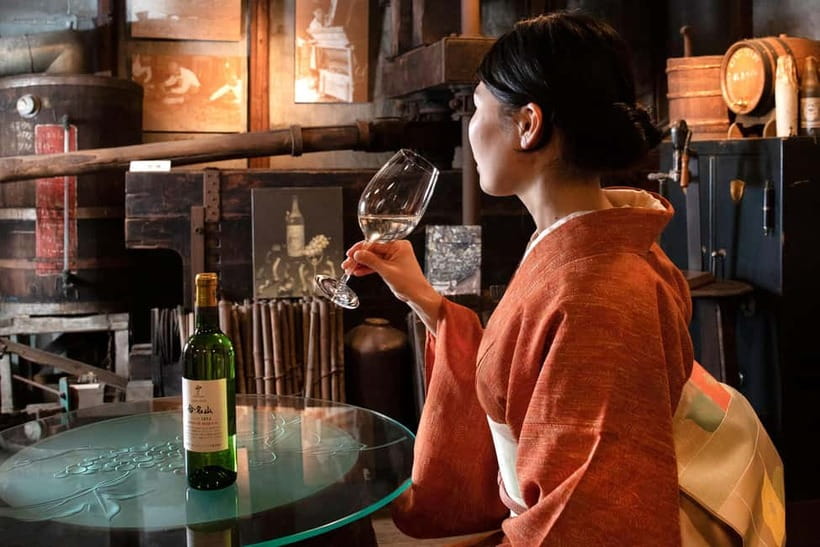
What I like most is the mix of wine education and place-based storytelling. I especially enjoy the stop at the winery bar before going into a 100-year-old aging cellar that is recognized as a cultural heritage site, then finishing with tastings that include premium bottles, including ones listed as G20 Summit-selected.
One consideration: it is short. You taste just three wines, and you walk at a relaxed pace, so if you want a long vineyard-style excursion or an all-day wine crawl, you will need a bigger itinerary.
Key things that make this tour worth your time
- Katashimo Winery founded in 1914, western Japan’s oldest winery setting the tone immediately
- Historic cellar time, including a look at a 100-year-old aging space marked as cultural heritage
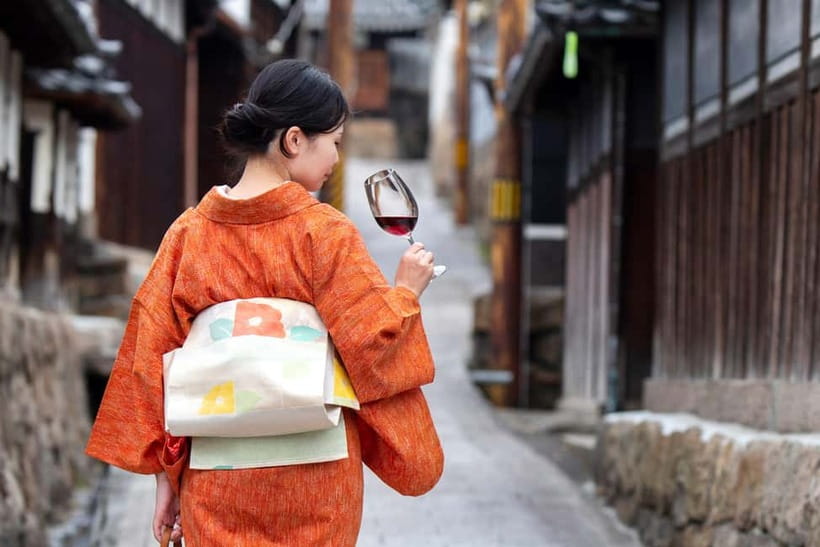
- Edo-period town atmosphere, with wooden buildings and old-style street scenes that make the history feel real
- Three curated tastings, including G20 Summit-selected bottles, not random pours
- English and Japanese guidance, with a guide who answers questions and keeps things understandable
- Wine museum access, so you get context, not just a sip-and-go experience
Katashimo Winery: why this place feels different
Katashimo Winery is not a generic tasting room tucked into a shopping district. It is a long-running wine site tied to the growth of wine culture in western Japan, and the date on the story, 1914, helps everything click. You can feel that age in the way the tour is paced, starting with a proper warm-up at the winery bar before moving into the more serious cellar space.
If you are coming from Osaka’s fast pace, this tour has a nice reset effect. Instead of racing between landmarks, you get one anchored location plus a guided walk nearby. That matters because wine tastes better when you understand where it comes from, and this tour makes that connection fast.
You will also be in good hands if you care about explanations. The guides on this kind of tour are used to translating wine terms and Japanese context into plain language, and the English support is consistently called out as clear. Even if you are a wine beginner, you should be able to ask basic questions and follow the story without feeling lost.
More Food Tours in Osaka
- Osaka: Shinsekai Food Tour with 13-15 Dishes at 5 Eateries
★ 4.8 · 2,204 reviews - Osaka Food Tour: 13 Dishes at 5 Local Eateries
★ 5.0 · 2,149 reviews - Hungry Osaka Street Food Tour:15 Tastings & 3 Drinks with a Local
★ 5.0 · 1,727 reviews
Getting there and meeting point: the simplest way to start
Meet at the front of Katashimo winery. That is a small detail, but it is the kind that saves stress on travel days. You do not need to hunt inside a complex or figure out which gate is right.
From Osaka City, the winery is about 40 minutes by train. Since the tour duration is only 2 hours, you should plan to arrive a bit early so the start time does not become a sprint. If your day is already packed with Namba or Dotonbori, treat this as a calm break and schedule it when you can show up rested.
This tour runs with live guidance in English and Japanese, so you can choose based on what you prefer. If you want more explanation, English is the easiest way to catch the nuances, especially when the guide is linking wine-making and local culture.
Step one: your hour inside Katashimo Wine Food
The first portion is about an hour, starting with Katashimo Wine Food, where you get the visit and the wine tasting. This is where the tour starts turning your attention from sightseeing to flavor.
You begin with small bites with wine. That is more important than it sounds. Japanese wine tastings can include styles that are not always paired with the same assumptions as European red wine culture, so a little food support helps you keep your palate steady. It also makes the whole session feel social and unhurried, rather than like a rushed lineup of pours.
Then comes the tasting itself: three different kinds of Japanese wine. You are not just given a flight and told to pick favorites. The guide helps you connect each wine to the broader story of boutique Japanese winemaking, including what makes it distinct. If you like to learn while you sample, this is the best part of the day.
One practical tip: take notes if you care about remembering which bottle felt best. With only three tastings, it is easy to forget what you liked five minutes later. A quick scribble like dry, fruity, or balanced will save you when you are shopping in Japan later.
The cellar walk: from bar to aging room
After the tasting portion, the guided tour focuses on the winery itself, including a look at a 100-year-old aging cellar. This is the moment that turns your experience from tasting to understanding.
Starting at the winery bar first makes the cellar feel like the next chapter. You go from flavor discussion to production atmosphere. When you step into an aging space with wine matured for generations, you get a better sense of why Japanese wineries emphasize craft and patience.
This cellar is also described as a designated cultural heritage site. Translation: it is not just a pretty room for photos. It signals that the history of winemaking here is treated with care, and the tour usually guides your attention to what that means in practice. You may notice the difference in temperature feel, the quiet, the slower pace. Even if you do not know wine science, the setting tells you that aging is part of the product’s identity.
If you are the type who likes “how things work” rather than only “what you see,” this cellar portion is a highlight. It also pairs well with the wine explanation because you can connect the concept of aging directly to what you tasted earlier.
More Walking Tours in Osaka
- Osaka: Hotspots & Hidden Gems Walking Tour Private or Group
★ 4.9 · 1,300 reviews - Osaka Local Foodie Walking Tour in Dotonbori and Shinsekai
★ 5.0 · 985 reviews - Osaka Bar Hopping Night Walking Tour in Namba (3 bars, 6 tastes)
★ 5.0 · 958 reviews - Osaka: Deep Backstreets Walking Tour with Dinner Option
★ 4.9 · 902 reviews
Walking tour: Edo-period streets, old Osaka energy
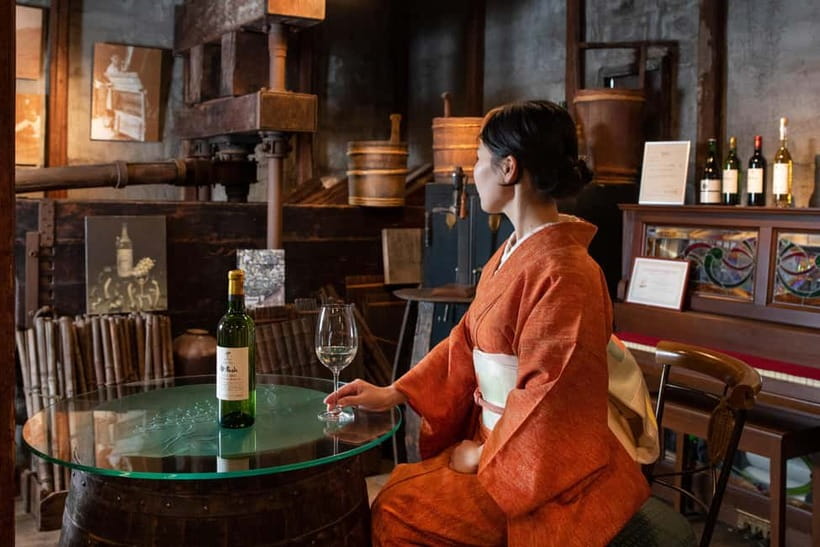
The second hour shifts gears to a walking component. This is not a strenuous march. It is a guided stroll that gives you a taste of older Osaka around the winery area.
You will see Edo-period wooden buildings, which are the kind of details that make Japan feel layered. They help you understand that Osaka was never only modern neon. It had an older rhythm, and the tour uses the walk to show that the winery sits inside a living town story.
Two specific sights that help anchor the walk are a 1,000-year-old camphor tree and a shrine visit. Even when you are not a temple person, a stop like a shrine is useful on a tour like this because it places the day inside local cultural patterns. Wine may be the focus, but Japan often treats the landscape and spirituality as part of daily life, and you get a hint of that here.
I also like that the walk is guided by someone who can connect what you see to the bigger narrative. Instead of you guessing which street matters, you get cues. That makes the walk feel purposeful, not like a scenic add-on.
What you taste: three Japanese wines, explained
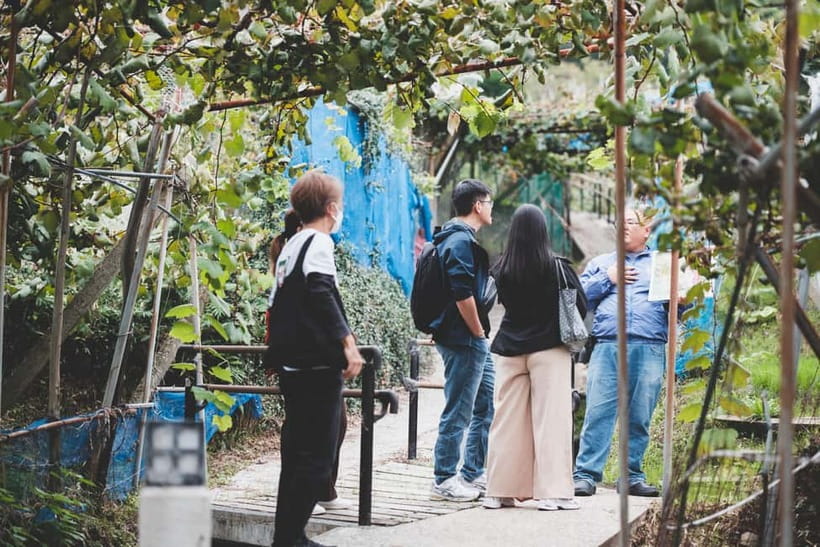
The tasting portion is designed to be short but meaningful: three premium wines. The standout detail is that the set includes bottles selected as part of the G20 Summit. That does not automatically mean the wine is your favorite style, but it tells you you are sampling wines with recognized quality standards.
Japanese wines cover a wide range of styles, and boutique producers often emphasize balance rather than aggressive fruit or heavy oak. During the tasting, the guide helps you understand what to notice in each pour. You are learning how to read the taste, not just repeating the words you hear.
Because you also get small bites, you can pick up on food-and-wine interactions quickly. That is handy if you plan to eat in Japan after your tour. You will start to notice how wine works with Japanese flavors that might surprise you if you only eat familiar Western pairings.
Also, keep an open mind if you are used to wine categories from home. Your tasting includes Japanese wines and can include non-wine options like juices depending on the session flow. The goal is to broaden your sense of what people mean by drinkable craft in this region.
The walk plus tasting combo, and why it works
A lot of wine tours fail because they treat the wine as a separate attraction from the place. This one does the opposite. You start with wine, then you walk through old street scenery, then you loop back into the winery story via the cellar.
That structure helps you build a mental map. You connect Katashimo Winery to older Osaka, not only to a tasting counter. Even in two hours, you end up with a clearer idea of how wine fits into local culture.
There is another practical reason the combo works: it changes your tempo. Tasting is mostly seated and sensory. Walking adds context and gives your brain a chance to reset. By the time you finish, the experience feels complete rather than like a single quick activity.
If you are doing Osaka on a tight schedule, this is the kind of tour that can fit without taking over your entire day.
Price and value: what $83 buys you
At $83 per person for 2 hours, you are paying for three things at once: access to the winery experience, guided interpretation, and the tasting itself.
Here is why that can be good value:
- You taste three different Japanese wines, not just one or two.
- You get small bites, which makes the tasting more enjoyable and useful.
- The tour includes wine museum tickets, so there is more than a single-room experience.
- You also get a guided walk with specific historic stops, not a free-form wander.
The main tradeoff is still time. With only two hours, you will not do a long educational program or a bigger vineyard-focused outing. But if your goal is a high-quality taste of wine culture plus historic atmosphere in a short Osaka day trip, the pricing feels reasonable for what you actually receive.
Who this tour suits best
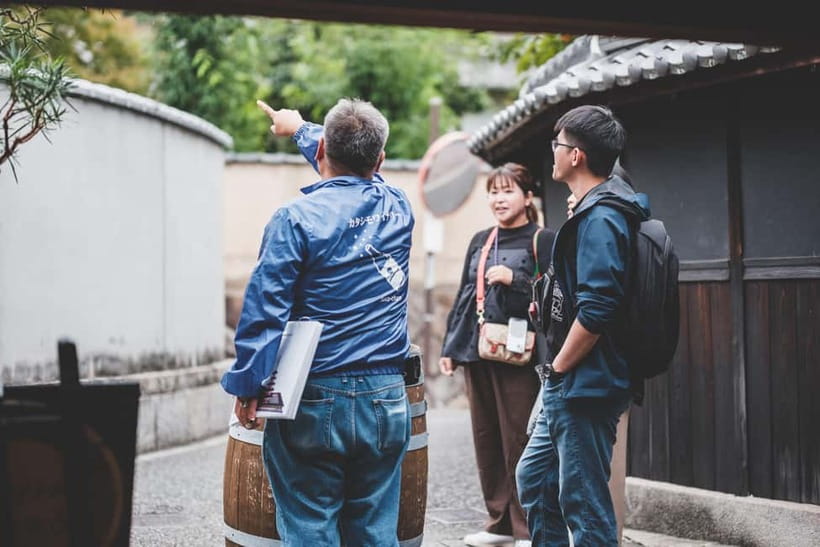
This is a strong fit if you want:
- A wine experience that teaches, even if you are new to Japanese wine
- A break from Osaka’s main crowds, with old-town streets as the reward
- A short itinerary that is easy to schedule, about 40 minutes from Osaka by train
- An experience with English or Japanese live guidance so you can ask questions
It might be less ideal if you want:
- A long, vineyard-heavy walk or an all-day excursion
- A deep technical course on wine chemistry and cellar processes
- Very late-day plans, since the entire experience is built around a quick 2-hour window
What to watch for on the day
Wear comfortable shoes. You are walking through historic streets, and you will want your legs to feel good, even if the pace is relaxed.
Also, go into the tasting with curiosity, not expectations. Japanese wine is often about balance and craftsmanship, and the guide will help you find what matters in each pour. If you bring a mindset of learning, you will get more out of those three wines than if you treat it like a quick sip stop.
If you have strong dietary preferences, you can ask about the small bites pairing. The data does not list specific options, so it is worth confirming what is included for you.
Should you book the Osaka Winery Tour with Wine Tasting and Vineyard Walk?
I think you should book this tour if you want a short Osaka day trip that actually teaches you something. Katashimo Winery’s history since 1914, the 100-year-old aging cellar, and the mix of tasting plus old-town walking create a satisfying rhythm in just 2 hours.
You might skip it if you are chasing a longer wine outing with more tastings and more time in the vineyards, because the experience is intentionally focused. Still, for most people who want an authentic, well-guided taste of Japanese wine culture close to Osaka, this hits the sweet spot.
Fresh options around Osaka
- Osaka: Early Morning Osaka Castle Guided Tour, Avoid Crowds★ 4.9 · 12 reviews
- Kyoto Day Trip from Osaka Port – Private Shore Excursion★ 5.0 · 13 reviews
- Osaka Private Pop Culture Tour: Historic Tenma to Dotonbori★ 4.5 · 13 reviews
- Osaka Castle Admission Ticket★ 4.0 · 13 reviews
- Hidden Osaka Foodie Tour: Nishinari Backstreets & Local Dining★ 5.0 · 13 reviews
- Discover Real Osaka: A Cultural Walk with Food & Drink★ 5.0 · 13 reviews
- Nara private tour (Shore excursion available from Osaka or Kobe port)★ 5.0 · 13 reviews
- Private Japanese Cooking Class in Osaka with Culinary Expert Yoko★ 5.0 · 13 reviews
Food & Drink, compared.
Shinjuku Food Tour (13 Dishes at 4 Local Eateries)
Read our review →
Tokyo Tsukiji Fish Market Food and Culture Walking Tour
Read our review →
Shinsekai Food Tour with 13-15 Dishes at 5 Eateries
Read our review →
Osaka Food Tour: 13 Dishes at 5 Local Eateries
Read our review →
Shinjuku Food Tour (15 Dishes and 4 Eateries)
Read our review →
Best of Shinjuku: Izakaya Food Tour (4 Stops, 14+ Tastings)
Read our review →
Kyoto Night Foodie Tour in Gion (9+ dishes + 6 Sake tastings)
Read our review →
Hungry Osaka Street Food Tour:15 Tastings & 3 Drinks with a Local
Read our review →Browse the lists this tour appears in