Reviewed · TICKETS
Osaka: teamLab Botanical Garden Entry Ticket
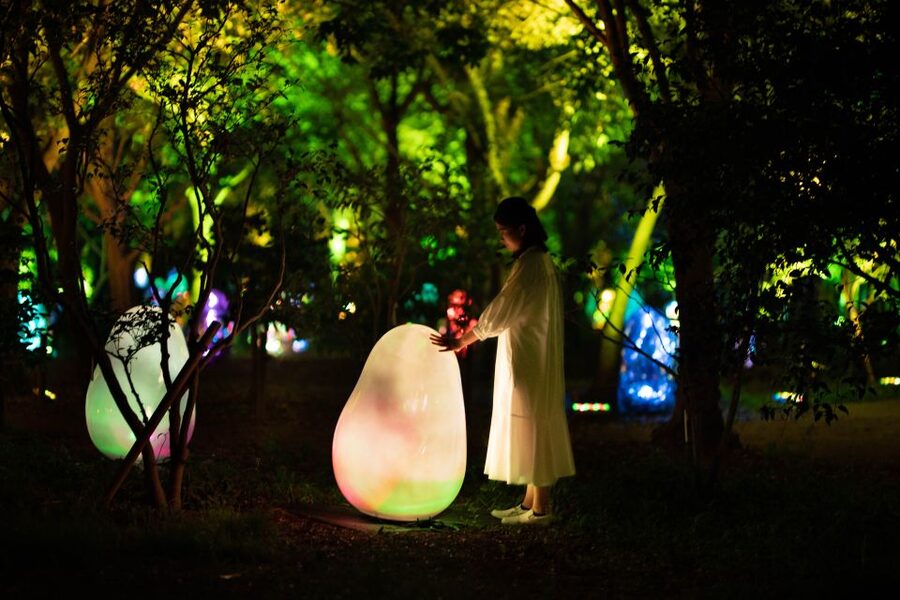
Osaka turns quiet at night. In the Nagai Botanical Garden, nature and light art share the same paths, with installations that respond to visitors and the garden itself. It’s a newly reopened space that feels part botanical sanctuary, part creative playground, and part night-time dream you can walk through at your own pace.
Two things I like right away are the sheer scale of the garden, with about 1,200 plant species across 240,000 square meters, and the calm pause you get at the central pond before things light up. The other big win is the way the work is built around a simple idea, non-material digital tech like light displays can turn nature into art without harming it.
One possible drawback to plan for: it’s outdoors and it gets dark, so you’ll want comfortable shoes and you should check the weather. If you’re the type who wants a quick, photo-and-leave stop, this one can feel more satisfying when you slow down and wander.
Key reasons this ticket is worth your time
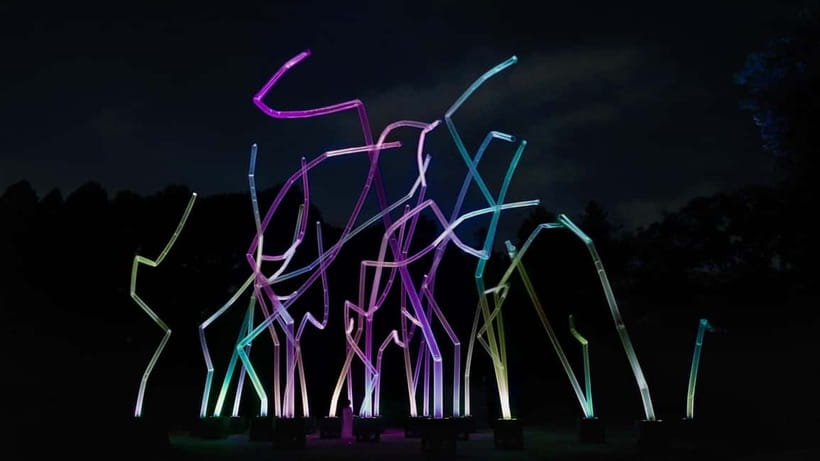
- Day-to-night contrast: botanical garden atmosphere in the evening, then teamLab installations after dark
- Huge plant variety: 1,200 species to spot and enjoy, not just a couple of themed displays
- You’re part of the art: installations interact with visitors and the surroundings
- Built for walking: roaming freely through outdoor space, with start times that help manage crowds
- No onsite food: you need to plan snacks or dinner before you go
- Strict photo rules: no flash photography, drones, tripods, or selfie sticks
Night Lights Meet a Real Botanical Garden
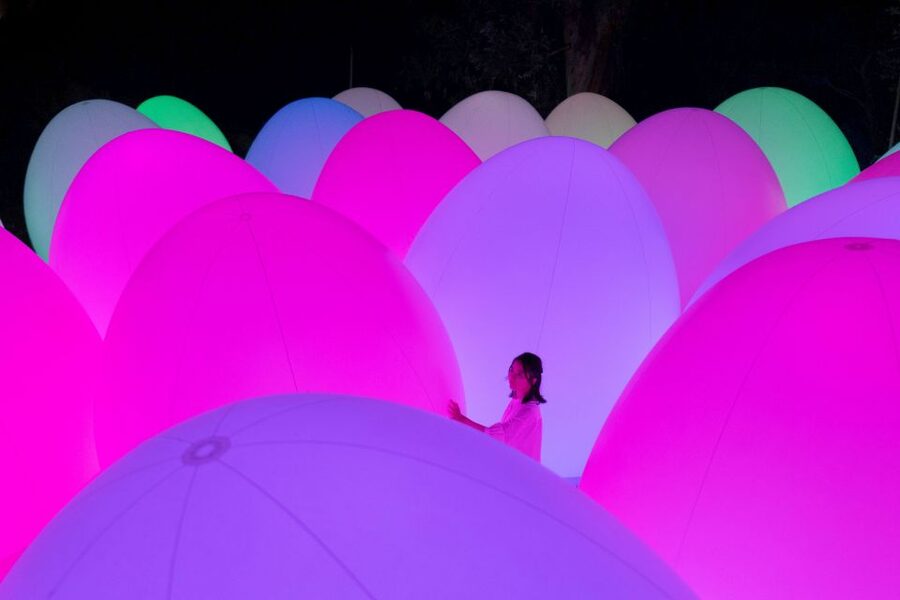
If you’ve ever wished art could feel less like a museum and more like a place you can actually move through, this is the ticket. teamLab runs the Nagai Botanical Garden as a hybrid garden and art space. During daylight hours you’re in a classic Japanese garden setting, with paths, ponds, and a big collection of plants. Then the same grounds take on a new personality after dark when light-based installations turn the garden into an interactive experience.
What makes this special is that it is not trying to replace the garden with something artificial. The central concept is that digital technology, specifically non-material light, can transform nature into art without damaging it. That message matters because it affects the vibe you’ll feel as you walk. You aren’t being pushed through shiny objects, you’re being guided through a living environment that gets enhanced rather than overwritten.
A few more Osaka days worth comparing
- Osaka Go Karting Tour with Funny Costume
★ 5.0 · 2,658 reviews - Osaka Castle: Museum and Tower Entry Ticket
★ 4.5 · 2,380 reviews - Osaka: Shinsekai Food Tour with 13-15 Dishes at 5 Eateries
★ 4.8 · 2,204 reviews
The Nagai Botanical Garden Walk: What You See Before the Lights
Your visit starts in the garden itself, the heart of the experience. The grounds cover about 240,000 square meters, and the garden is home to roughly 1,200 species of plants. That detail changes how you experience the space. You’re not just looking at a show, you’re surrounded by an actual collection, which gives you lots of smaller moments to notice even before the art turns on.
A favorite early stop is the central pond. It’s the kind of place where you can slow your pace, watch reflections, and reset before evening lighting begins. Even if you’re excited for the teamLab effects, I recommend giving yourself a little time here, because the quiet contrast makes the later installations hit harder.
The path design also helps you avoid the feeling of being herded. Start times are offered, so you can usually enter within your time window without everyone arriving at the exact same second. You’ll still see plenty of people, but the overall flow is meant to keep the walking experience comfortable, and the grounds give you enough space to move.
When the Garden Becomes teamLab After Dark
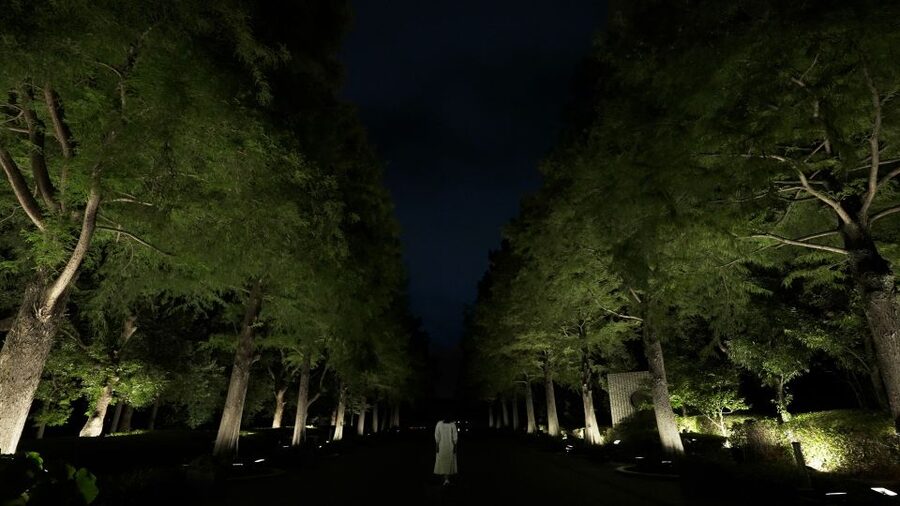
Night is when the whole concept comes alive. As darkness settles, you’ll stay in the grounds and follow the installations as they appear and evolve through the evening. This is where the experience shifts from a traditional garden visit to a light-and-sound art walk, built around interactive scenes.
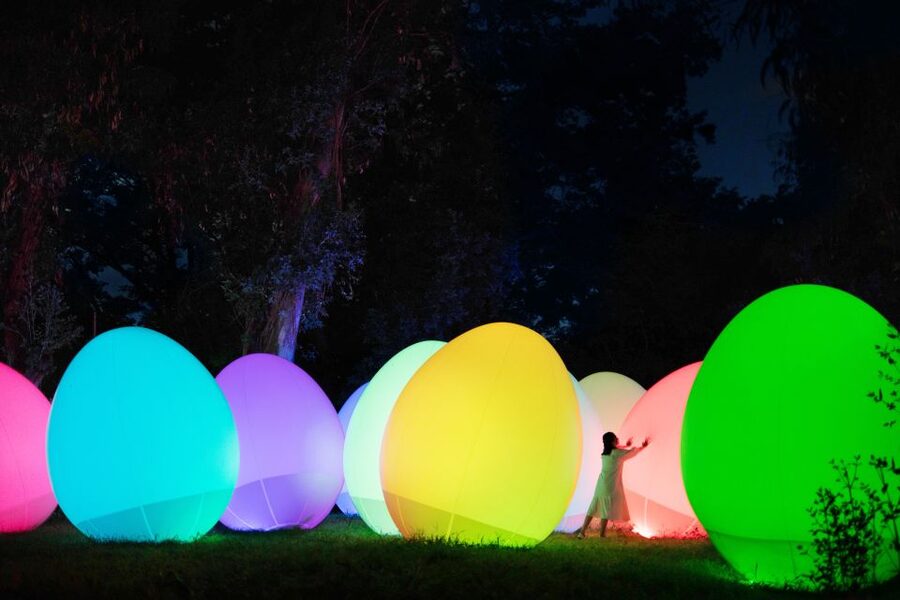
The big idea to keep in mind is that the installations are designed to connect with their surroundings. The light spectacles are meant to interact with nature and with visitors, so your movement and presence become part of what you’re seeing. In practice, that means you’ll often feel like you’re not simply watching. You’re navigating the space in a way that changes the experience.
This is also where music and sound come into the mix for many of the installations. Some visitors describe it as mesmerizing, almost like you’re in another mood entirely, and I agree with the logic of why it works. Sound plus moving lights inside trees and garden paths creates a stronger sense of atmosphere than light alone.
A practical tip from how people plan their evenings: if you can, aim to arrive early rather than waiting. The park fills quickly, and dark enough timing is key for the best effect. One good rule is to think about around 6 pm for peak lighting, then build in buffer time so you don’t feel rushed.
Interactive Moments: How You Become Part of the Art
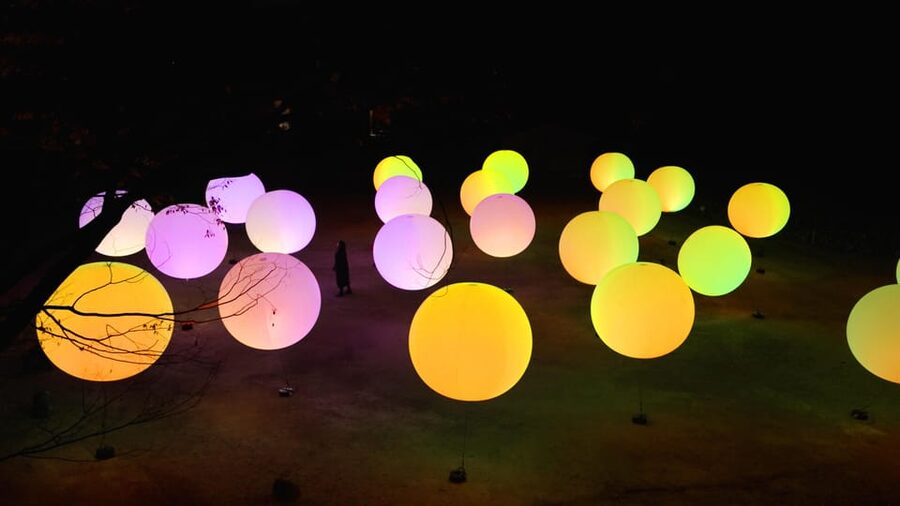
The ticket is not just for watching a performance. It’s for walking inside an artwork. The installations are built so they respond to nature and visitors, so your actions have visible impact. That’s the core reason people call it fun, playful, and even a little trippy in the best way.
You should expect moments where you can’t resist stepping closer, then stepping back to see how the light and shapes change around you. Some installations also create experiences that invite movement through space, like light effects you pass near or around. You’ll often see people experimenting with where they stand, where they move, and how they watch from different angles.
Because the art is integrated into an outdoor environment, you should also expect the experience to feel more casual than a controlled indoor gallery. You can slow down, stand for a minute, then move on. If you come with kids, this kind of interaction tends to be a highlight since it encourages play without turning it into chaos.
One important note: there’s a re-entry rule. You can take photos, but you can’t leave and come back later. Plan to stay within your chosen time window and keep your route in mind so you don’t waste time doubling back.
Same corner of Japan, a different kind of day:
- Osaka Food Tour: 13 Dishes at 5 Local Eateries
★ 5.0 · 2,149 reviews - Hungry Osaka Street Food Tour:15 Tastings & 3 Drinks with a Local
★ 5.0 · 1,727 reviews - Osaka: Tea Ceremony Experience
★ 4.9 · 1,426 reviews - Osaka Kickstart: Hotspots & Hidden Gems Tour
★ 5.0 · 1,306 reviews
Finding the Right Pace: Wandering Without Missing the Magic
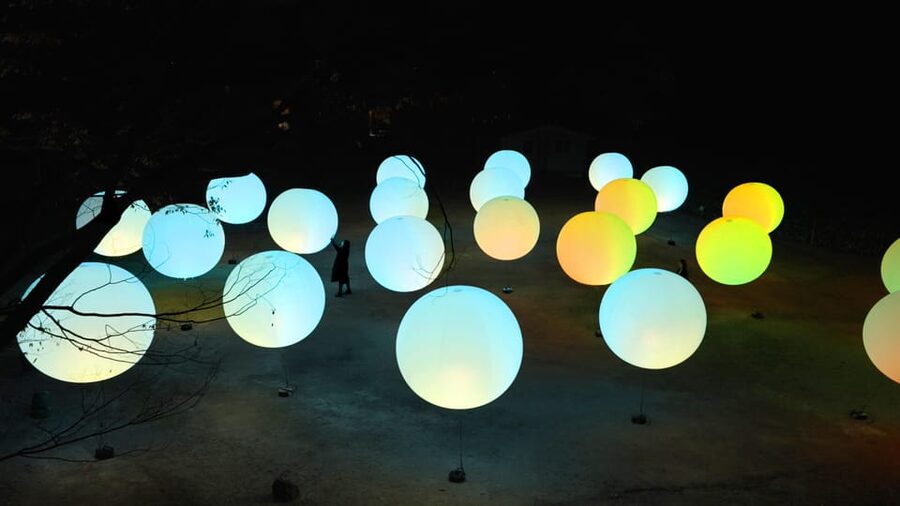
This is the kind of ticket where your enjoyment depends on pacing. If you sprint, you’ll miss how the garden changes as lighting activates and shifts. If you slow down too much, you might feel stressed near the end because you have to finish before your session window is over.
Here’s a pacing approach that fits the way the grounds are set up. First, focus on a relaxed garden loop until the atmosphere shifts. Then, when the installations begin to take over, give yourself time to walk through each scene more than once from different spots. You don’t need to stand forever, but you do want to let your eyes adjust.
Also, keep your expectations realistic. Some people find the first light scenes look simpler than the bigger moments later in the route. The experience tends to unfold. If the first few installations feel subtle, that’s normal. Stick with it. The longer you stay, the more you’ll see how the tech and nature are meant to work together.
Practical Logistics That Actually Matter
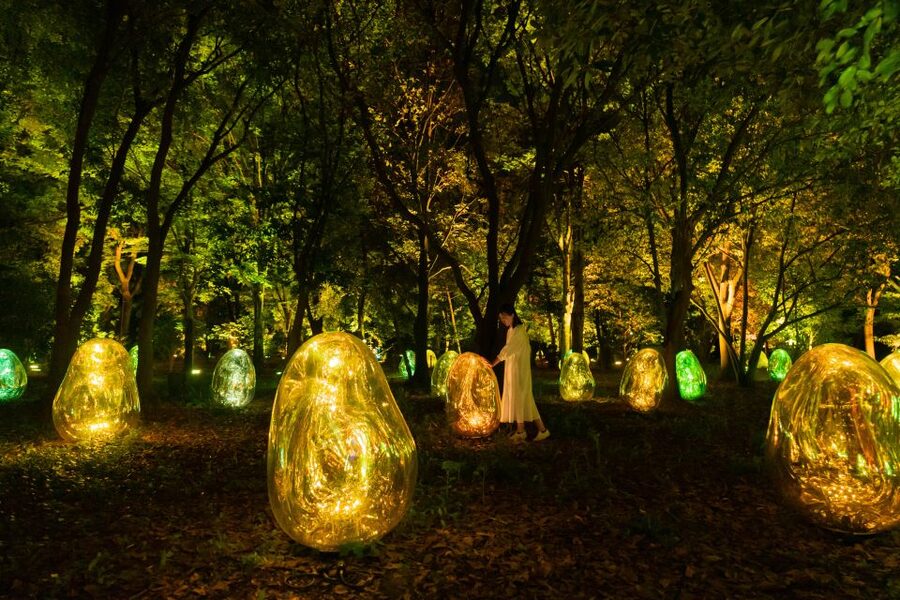
This is one of those experiences where small planning details make a big difference.
Price and value: The ticket is about $11 per person, and for that cost you’re getting a full outdoor garden experience plus a night art transformation. The value comes from the two-layer format: garden by day, art by night, and interactive elements rather than passive viewing only.
Timing and entry windows: The ticket is valid for 1 day, and you’ll need to check available starting times. Also, arrive on time for final entry. If you show up after the final entry time, you’ll be denied entry. That’s a big deal, because you can’t rely on flexibility once the lights start and the route fills up.
No food on site: There are no restaurants or cafes on site. Plan dinner or snacks before you arrive. This matters because it affects how long you can comfortably stay after dark, especially if you’re with kids.
Getting there and leaving: The location is walkable from the nearest subway area, but you should plan for limited taxi availability right after the event. Many people end up walking to catch transit, so leave with enough time to get yourself back before you feel stuck.
What to Bring, What to Wear, What Not to Do
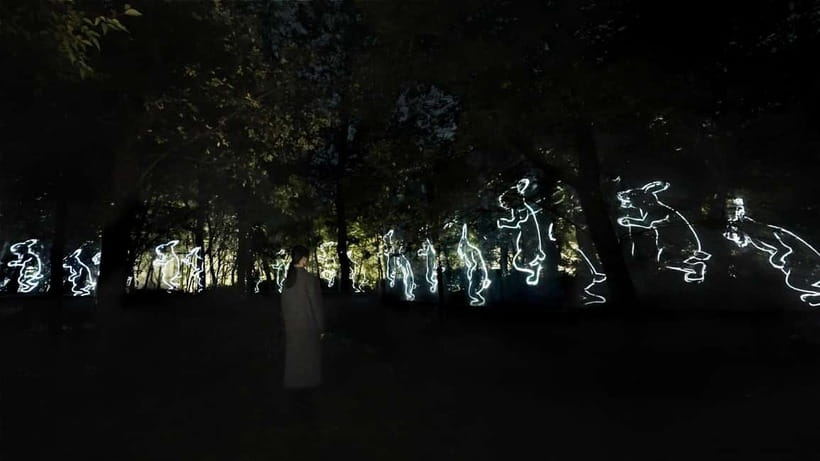
This venue is outdoor and interactive, so your gear matters as much as your ticket.
Bring:
- Comfortable shoes
- Long-sleeved shirt
- Long pants
- Insect repellent
Insect repellent may sound like an obvious line item, but it’s genuinely smart for a garden visit. Also, long sleeves and long pants help you stay comfortable while walking in outdoor areas after dark.
Don’t bring:
- Pets
- Smoking
- Luggage or large bags
- Drones
- Selfie sticks
- Food
- Flash photography
- Tripods
- Alcohol and drugs
- Flashlight
You can take photos, but flash photography is prohibited. Tripods and selfie sticks are also off-limits, so think hand-held and move-friendly. If you love photos, plan to get your shots by moving with the action rather than setting up gear.
Kids, Adults, and Accessibility: Who This Works For
This experience is family-friendly in the sense that it invites interaction, but it has clear rules.
Children must be accompanied by an adult who is 18+ years old. There must be one accompanying adult for every three children. If you’re bringing a mixed group, make sure you meet that ratio so the entry process goes smoothly.
Wheelchair users and children in strollers may enter the venue, but some artworks may not be accessible. If accessibility is a concern for you, contact the venue by phone to confirm which areas and installations work best.
Staff Help and Human Touch
Even though the spotlight is on technology and light, you’ll still benefit from being polite and observant in how you move through the space. Some visitors mention having helpful guidance, including a guide named Tomoko Matsukiyo. I take that as a hint that staff support is part of how the experience flows, especially if you’re trying to figure out where to go next or how to time your route.
A simple mindset helps: treat it like a guided walk even when you’re self-paced. Pause when a scene changes. Follow the flow of the crowd, but don’t let the crowd force you to rush.
Weather, Comfort, and the Outdoor Reality
Because the art is outdoors, weather is not a side note. Bring a plan B mindset. If it’s raining, the mood can change, and your comfort level with long walking time drops quickly.
Also, darkness is part of the design, so you’ll want comfortable footing. The grounds are meant for strolling, but uneven outdoor surfaces are still outdoor surfaces. Slow down on steps and turns, and keep your long pants and shoes in mind if the path is slick.
Should You Book teamLab Botanical Garden Osaka?
Book this ticket if you want a night activity that feels different from standard Osaka sightseeing. The best reason to go is the day-to-night format: real botanical garden paths, then a light art experience that reacts to nature and visitors. At around $11, it’s strong value, especially if you like interactive art and you’re okay walking for an extended evening.
Skip it, or adjust your expectations, if you only want a quick stop for a few photos. This works when you settle in and take your time, letting the experience build as the lighting and installations develop. If you’re bringing kids, it can be a hit because the environment encourages playful interaction, just follow the adult-to-child ratio.
If you go, do two things: arrive early enough to enjoy the garden before the biggest lighting moments, and plan your food since there are no restaurants or cafes on site.
FAQ
How long does the teamLab Botanical Garden Osaka ticket last?
The ticket is valid for 1 day. Starting times depend on availability, so check the time slot options before you go.
What’s included in the ticket?
You get an entry ticket for teamLab Botanical Garden Osaka.
Is this activity refundable?
No. This activity is non-refundable.
Are there any places to eat on site?
No. There are no restaurants or cafes on site.
Can I re-enter the venue after I leave?
No. Re-entry is not allowed.
What should I bring for the garden?
Bring comfortable shoes, a long-sleeved shirt, insect repellent, and long pants.
Is flash photography allowed?
No. Flash photography is not allowed.
Can I bring a drone, tripod, or selfie stick?
No. Drones, tripods, and selfie sticks are prohibited.
Are pets allowed?
No. Pets are not allowed.
What are the rules for children and adults?
Children must be accompanied by an adult who is 18+ years old, and there must be one accompanying adult for every three children.
Is the venue accessible for wheelchair users and strollers?
Wheelchair users and children in strollers may enter the venue, but some artworks may not be accessible. For details, contact the venue by phone.
Fresh options around Osaka
- Osaka Winery Tour with Wine Tasting & Vineyard Walk★ 4.9 · 12 reviews
- Osaka: Early Morning Osaka Castle Guided Tour, Avoid Crowds★ 4.9 · 12 reviews
- Kyoto Day Trip from Osaka Port – Private Shore Excursion★ 5.0 · 13 reviews
- Osaka Private Pop Culture Tour: Historic Tenma to Dotonbori★ 4.5 · 13 reviews
- Osaka Castle Admission Ticket★ 4.0 · 13 reviews
- Hidden Osaka Foodie Tour: Nishinari Backstreets & Local Dining★ 5.0 · 13 reviews
- Discover Real Osaka: A Cultural Walk with Food & Drink★ 5.0 · 13 reviews
- Nara private tour (Shore excursion available from Osaka or Kobe port)★ 5.0 · 13 reviews
Tickets, compared.


teamLab Planets TOKYO Digital Art Museum Entry Ticket
Read our review →


Japanese Dance Cabaret Theater Asakusa-Kaguwa Ticket
Read our review →