
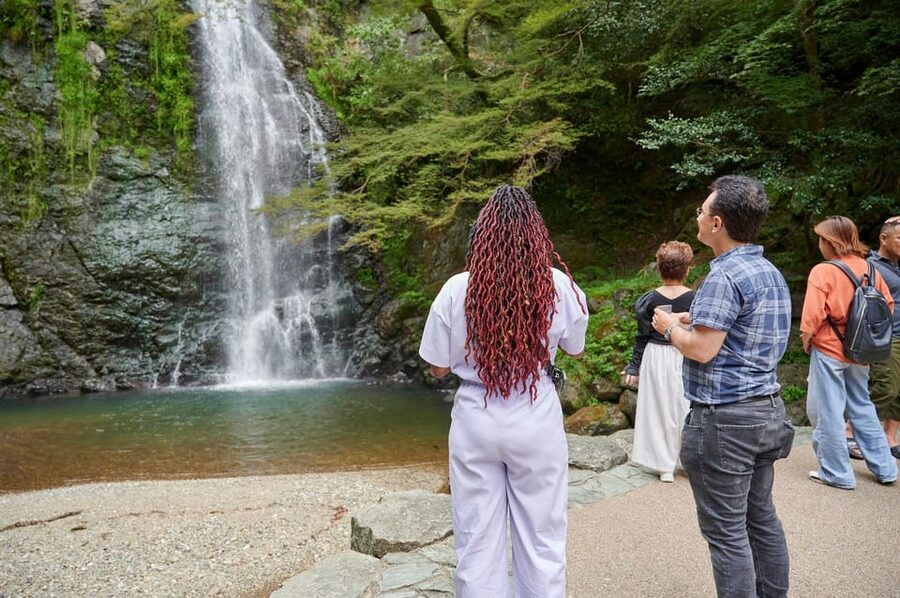
Reviewed · SAMURAI & NINJA EXPERIENCES
Osaka: Private Samurai Experience – Train with Sword Master
One teacher, one sword, and a quiet forest temple. In Minoh, Osaka, you meet at Minoh Station and head to Ryuan-ji, where Tatsuya Watanabe shares classical kenjutsu with the help of guide Benoit, plus a special sword performance reserved for this tour.
I also like the restricted access to Ryuan-ji’s private training grounds, usually closed to the public. You get time in a calm, historically charged setting, then hands-on instruction that focuses on technique, discipline, and the mental side of sword practice.
One possible drawback: it’s only 3 hours, so you’ll learn basics and get solid feedback, but you won’t walk out with full mastery of timing, cutting power, and control.
Key things that make this Osaka samurai experience special
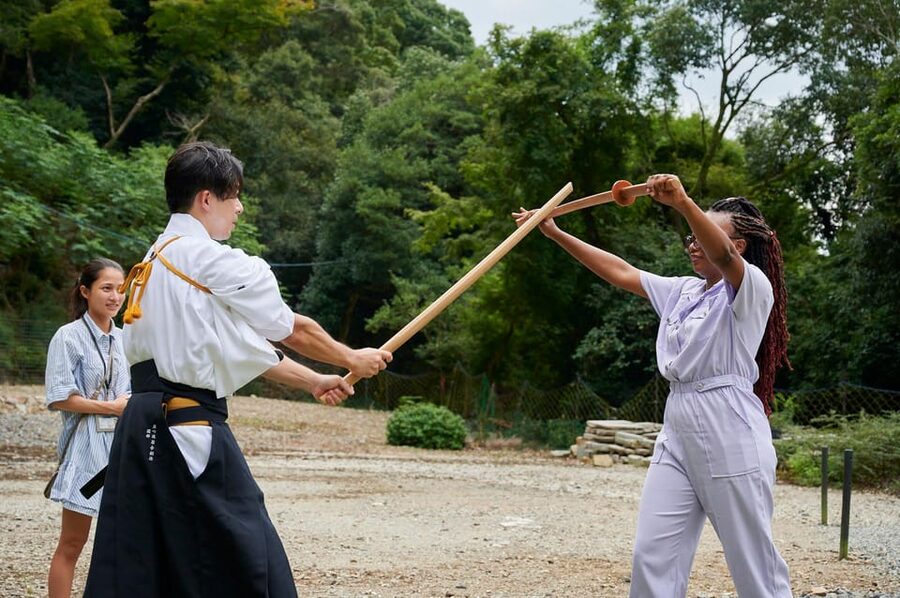
- Training with a classical sword lineage: your main instructor is Tatsuya Watanabe, tied to Yagyū Shinkage-ryu and appointed soke of Suishin-ryu.
- Normal public access is blocked for your session: you train in temple areas that are typically closed off.
- A tour-exclusive sword performance: you get a rare start show that sets expectations for form and focus.
- Practice with proper tools, not just photos: you train with wooden swords first, and some sessions include moving toward real-blade practice and paper cutting.
- English, Japanese, French support: the guide team helps keep the instruction clear so you can actually improve your technique.
- Private group format: this is built for your party, so you can ask questions and get personal corrections.
Minoh Station start: where the session truly begins
The meeting point is simple: in front of Minoh Station, where your guide holds a yellow DeepExperience sign. This matters more than it sounds. In Japan, the first few minutes decide how smoothly the day goes, and a clear meet-up point removes the usual stress of “Did we miss them?”
From there, the translator and guide role becomes clear right away. In past groups, you may meet guides like Benoit (also called Ben in some groups), and the language support is part of the value. Swordsmanship is not only physical. It is also vocabulary, rhythm, and posture cues. If you don’t understand the cues, you end up copying shapes instead of improving.
You’re also joining a private group, so the pace can flex for your comfort. That’s important in a class format, because people learn at different speeds when the movements are new.
More Samurai & Ninja Experiences in Osaka
- Samurai Training Experience KENDO in Osaka
★ 5.0 · 515 reviews - OSAKA NIGHT FUSION Japanese Taiko Kabuki Samurai Dance Show
★ 4.8 · 155 reviews - Osaka: Samurai Training Experience KENDO in Osaka
★ 5.0 · 111 reviews
Ryuan-ji Temple access: training where the public usually can’t go
This experience centers on Ryuan-ji Temple in the Minoh area of Osaka (Honshu). The big deal is not just that you visit a temple. It is that your program gets access to areas that are normally closed. You are effectively stepping into a training space built for focus, not sightseeing crowds.
That changes how the training feels. Outdoors, with visitors wandering nearby, it is easy to get distracted and rush. Here, you get a calmer environment where the teacher can demonstrate, correct, and then work with you on controlled practice. Reviews repeatedly point out that the temple setting is a major highlight, because it gives the practice a sense of purpose, not just entertainment.
One more detail to note: the tour description also references Saiko-ji as a temple location for the secluded training areas. So even if you’re mentally picturing Ryuan-ji only, keep an open mind that the program may use either temple depending on the session plan.
Who you’re learning from: Tatsuya Watanabe and the Suishin-ryu mindset
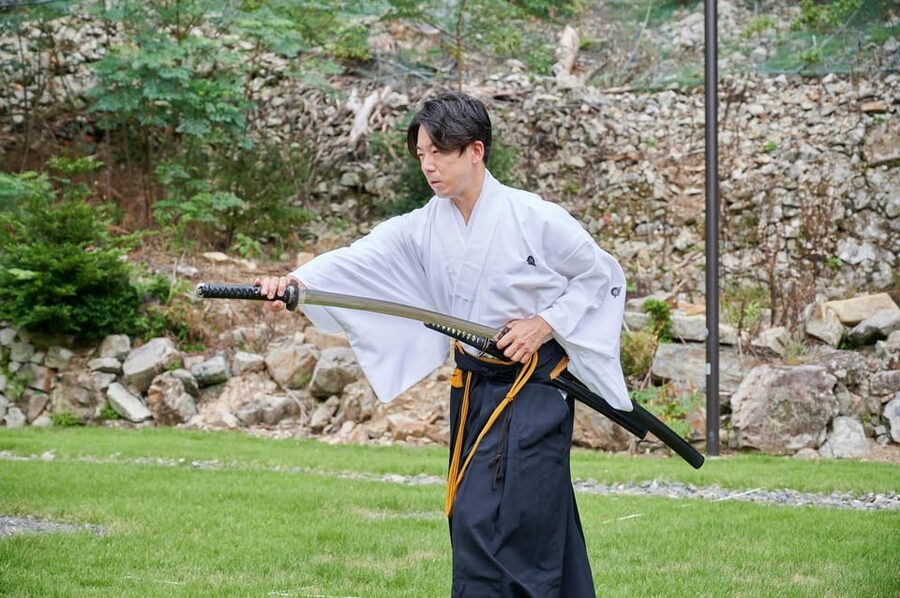
The sword master leading the instruction is Tatsuya Watanabe. The tour doesn’t treat him like a performer who drops by for a demo. The structure is built around his background and how he explains sword culture.
Here’s the part that really makes the lesson feel credible: Watanabe started with kendo in his early teens, then moved into classical kenjutsu training with Yagyū Shinkage-ryu during his university years. Later he trained through other lineages, and he was appointed soke (headmaster) of Suishin-ryu at a very young age.
Why does that matter to you, practically? Because different instructors teach different priorities. In a classical framework, training is not only about hitting harder or moving faster. It is about intent, awareness, posture, and how movement connects to discipline. Watanabe’s teaching style, described in participant feedback, focuses on clarity and spiritual or mental factors alongside mechanics.
You also get the cultural context. Watanabe remains committed to daily training while working to promote and preserve Japanese sword culture globally. That helps the experience feel like education, not like a stunt. The goal is to show you how people approached the sword historically, and how the mindset still shapes the practice today.
The opening sword performance: a lesson in control before you swing

A defining feature of this tour is a special sword performance exclusive to the program. You don’t start by grabbing a weapon. You start by watching.
That matters because good sword instruction needs a reference point. Watching Watanabe’s performance gives you a baseline for things you might not notice at first:
- how he controls spacing
- how movement stays calm instead of flailing
- how presence and timing affect the technique
One useful way to watch is to pick two things to track, not ten. For example, follow his feet and then his blade line. When you later practice, those two anchors make your corrections easier to understand.
If you’re worried the performance will be too abstract, don’t. Even when the session moves quickly, the instruction is designed to connect what you saw to what you do next.
More samurai and ninja experiences in Osaka:
- Osaka: A Modern Samurai, Kabuki, Taiko, & Dance Show
★ 4.5 · 66 reviews - Osaka 2-Hour Genuine Kendo / Samurai Experience In Japan
★ 5.0 · 65 reviews - Osaka: Learn Bushido – Trial Slashing with Samurai Sword
★ 4.9 · 59 reviews - Samurai Show, Tea Ceremony, Japanese Traditional Activities
★ 5.0 · 56 reviews
Practice time in restricted training grounds: wooden swords, then real lessons
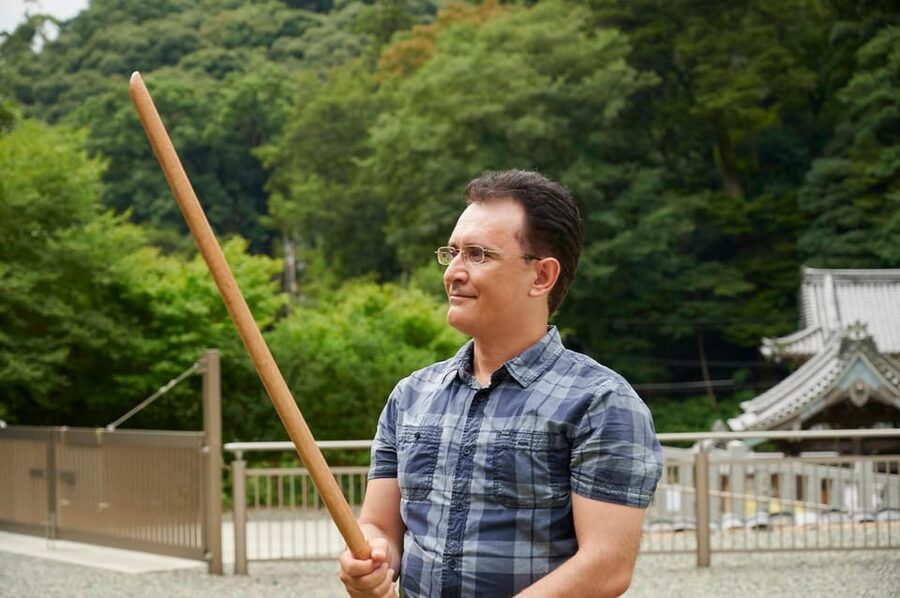
Your hands-on training happens in the temple’s secluded training space, closed off from the public for the session. Again, that matters because training needs concentration and consistency. You’re practicing in an environment where a teacher can correct posture and strike mechanics without visual noise.
In many past experiences, you begin with wooden sword practice (bokken) and focus on core elements like:
- how to hold the sword
- how to strike with proper posture
- how to think about fluidity and intention
Several participants also mention that the day can include progression beyond bokken. In at least one described group, they moved toward real swords and practiced cutting, including paper-cut style drills. I cannot guarantee every session follows the same progression, but the pattern is clear from the way instruction is described: you start with safe fundamentals, then advance if the flow and rules allow.
If you’re new to martial arts, this should still work. The class format is designed for short sessions where everyone gets instruction and feedback. Reviews include notes about receiving specific tips for posture and strikes, and that kind of targeted coaching is exactly what makes the experience worth doing as a beginner.
If you’re experienced, you’ll still benefit, because classical schools often correct details that modern “fitness martial arts” can overlook. Even if you already train, you might find that the mental side and the structural discipline are different from what you’re used to.
Temple tour time: history you can actually connect to the training
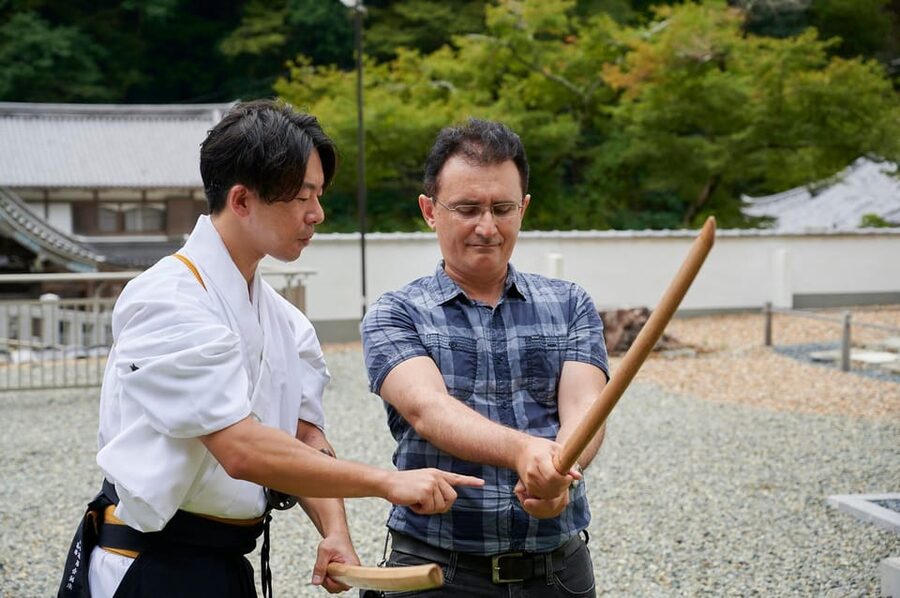
The full session runs for about 270 minutes, with a structured program that includes a temple visit, guidance, and the sword class. You don’t just train in a vacuum.
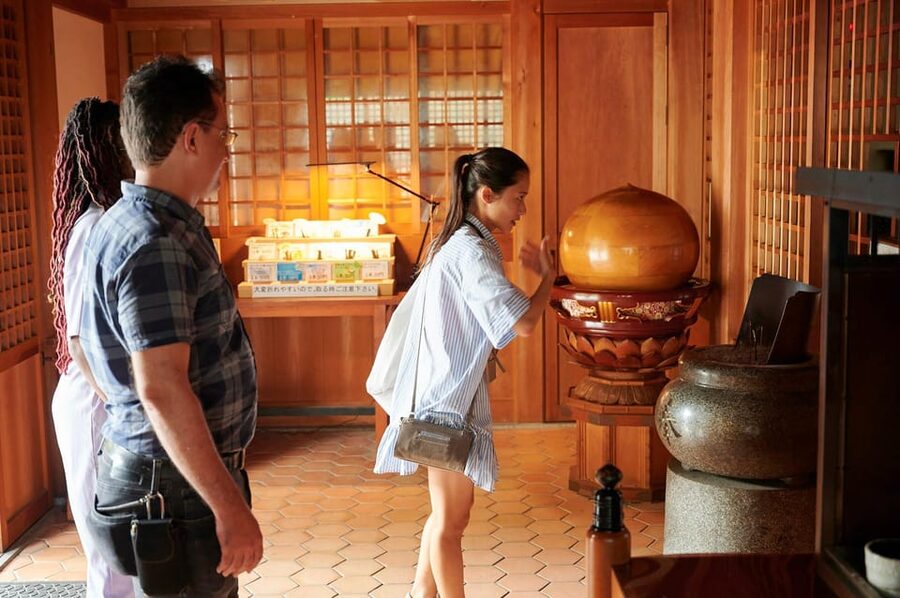
A key part of the value is the way the temple tour supports the sword practice. Ryuan-ji’s setting in Minoh gives you a sense of calm and tradition, and your guide helps connect what you see to why the training framework looks the way it does.
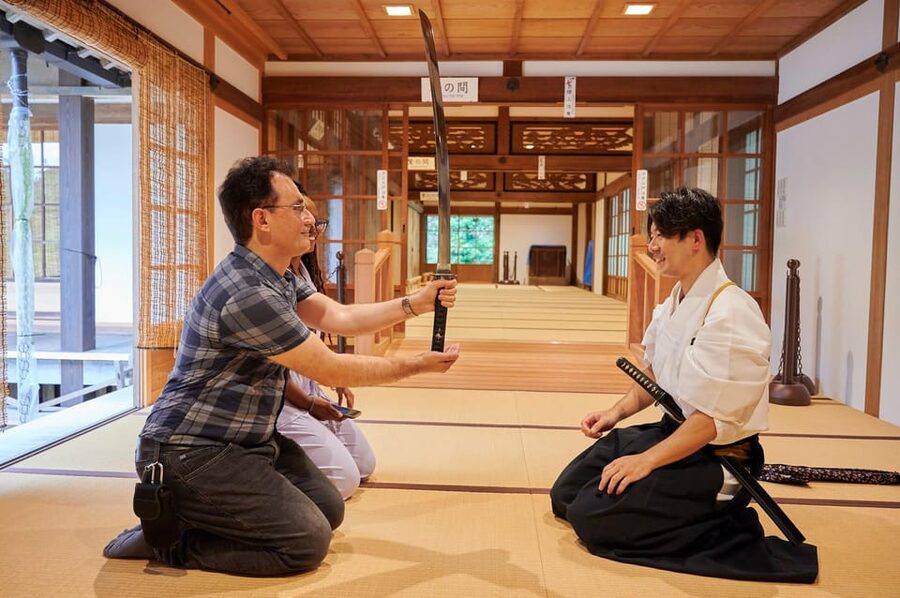
In participant accounts, there are also moments where you get a closer look at sword artifacts. For example, one review mentions seeing the sword master’s personal sword and an example dated 1370 inside the temple house area. Since that is a specific reported detail, treat it as something you might see when the schedule allows, not something you should count on as universal. Still, it shows the program can provide a level of access that you won’t get on your own.
Language support is not a bonus, it is part of learning
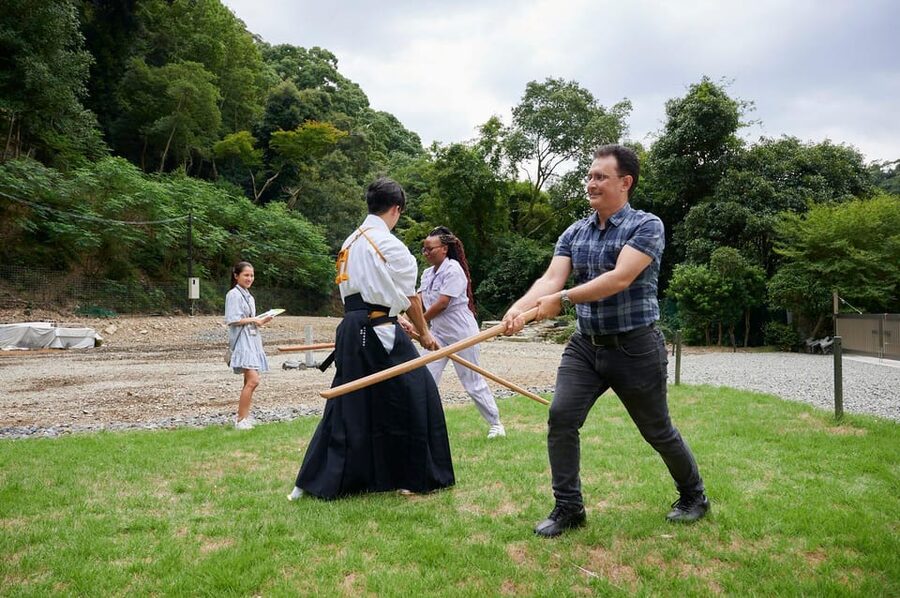
The tour includes a live guide and translator support in English, Japanese, and French. In sword training, that is not fluff. It affects how you understand instructions and how quickly you can fix mistakes.
In multiple accounts, people specifically thanked the translator for turning what could have been difficult or challenging into something understandable during training. If you want to get real value from the session, language support lets you focus on technique instead of guessing.
Also, the guide is there for the whole arc: meeting at the station, walking to the temple, and keeping you on track during the training portion. That helps if you only have a few hours in Osaka and want this to be stress-free.
Price and value: $158 for 3 hours with a soke-level instructor
Let’s talk straight about the price: $158 per person for a 3-hour private experience.
At first glance, that might feel high compared to other Osaka activities. But you’re paying for three expensive things at once:
- Time with a high-level sword master who trains daily and teaches a classical system.
- Access to restricted temple areas that are typically closed to visitors.
- Guide and translation support during both the cultural component and the training.
Private instruction also changes the value equation. You’re not competing with a big group for correction time. Your teacher can adjust technique details to your level.
If you compare this to a standard museum visit or basic demo, the difference is that you participate. That changes the kind of memory you carry home. Instead of only photographs, you leave with a sense of how the movements work, how the mindset feels, and what to practice next if you keep training.
Who this tour fits best, and who might want to think twice
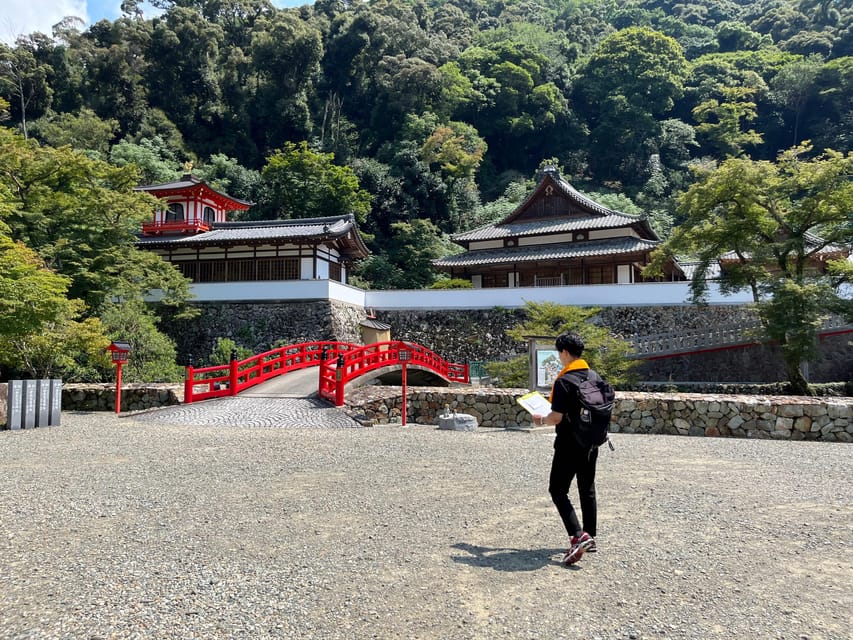
This experience fits best if you want a hands-on cultural activity that goes beyond watching. It’s also a great choice if you like authenticity over spectacle, since the day is structured around classical lineage and disciplined instruction.
You’ll likely enjoy it if:
- you want to learn basics of kenjutsu form and approach
- you like temples and want special access, not just a quick walkthrough
- you want a private group session with clear language support
- you enjoy learning history through practice, not through posters
You might think twice if:
- you expect a long training immersion lasting all day, because this is a 3-hour program
- you are looking for a casual sightseeing-only experience, because the core of the session is practice and instruction
Should you book this private samurai sword experience in Osaka?
My take: book it if you want a short, meaningful training session with a real sword master and you value clear instruction in a calm temple setting. The combination of private access, a tour-only performance, and hands-on coaching is what turns it from a “cool story” into something you can build on.
If you’re the type who likes to learn one skill deeply for a few hours, this is a strong match. And if you’re traveling with someone who loves martial arts, you’re getting both culture and technique in the same package.
If you want, tell me your travel dates and whether you’re a total beginner or have martial arts experience, and I’ll help you decide how this fits with the rest of your Osaka plan.
FAQ
Where is the meeting point for the tour?
Please meet your guide in front of Minoh Station. The guide will be holding a yellow DeepExperience logo.
How long is the experience?
The duration is 3 hours, or 270 minutes.
What temples are involved?
The training is described around Ryuan-ji Temple, and the tour also references secluded areas at Saiko-ji Temple.
Is this a private group?
Yes. The tour is a private group.
What languages are available?
The live tour guide is available in English, Japanese, and French.
What is included in the experience?
The experience includes the sword experience fee and the guide fee.
Is there free cancellation?
Yes. You can cancel up to 24 hours in advance for a full refund.
Can I reserve and pay later?
Yes. You can reserve now and pay later.
What is the price per person?
The price is $158 per person.
Fresh options around Osaka
- Osaka Winery Tour with Wine Tasting & Vineyard Walk★ 4.9 · 12 reviews
- Osaka: Early Morning Osaka Castle Guided Tour, Avoid Crowds★ 4.9 · 12 reviews
- Kyoto Day Trip from Osaka Port – Private Shore Excursion★ 5.0 · 13 reviews
- Osaka Private Pop Culture Tour: Historic Tenma to Dotonbori★ 4.5 · 13 reviews
- Osaka Castle Admission Ticket★ 4.0 · 13 reviews
- Hidden Osaka Foodie Tour: Nishinari Backstreets & Local Dining★ 5.0 · 13 reviews
- Discover Real Osaka: A Cultural Walk with Food & Drink★ 5.0 · 13 reviews
- Nara private tour (Shore excursion available from Osaka or Kobe port)★ 5.0 · 13 reviews
Samurai & Ninja Experiences, compared.
Samurai Ninja Museum Guided tour and Experience
Read our review →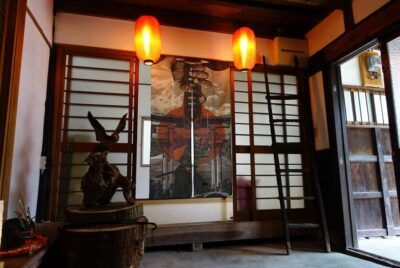
Kendo and Samurai Experience with Uniform and Gear
Read our review →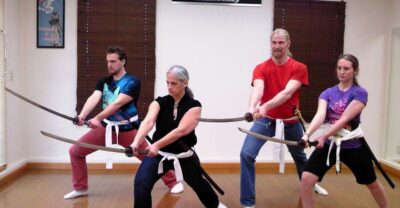
Samurai Sword Class by Experts in Traditional Arts
Read our review →
Skip the lines Basic Ticket at SAMURAI NINJA MUSEUM KYOTO
Read our review →
Samurai Sword & Archery Class from Samurai Descendant
Read our review →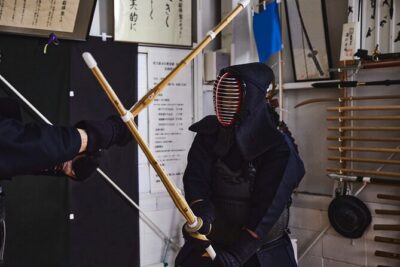
Browse the lists this tour appears in