
Reviewed · SAMURAI & NINJA EXPERIENCES
Osaka: Samurai Training Experience KENDO in Osaka
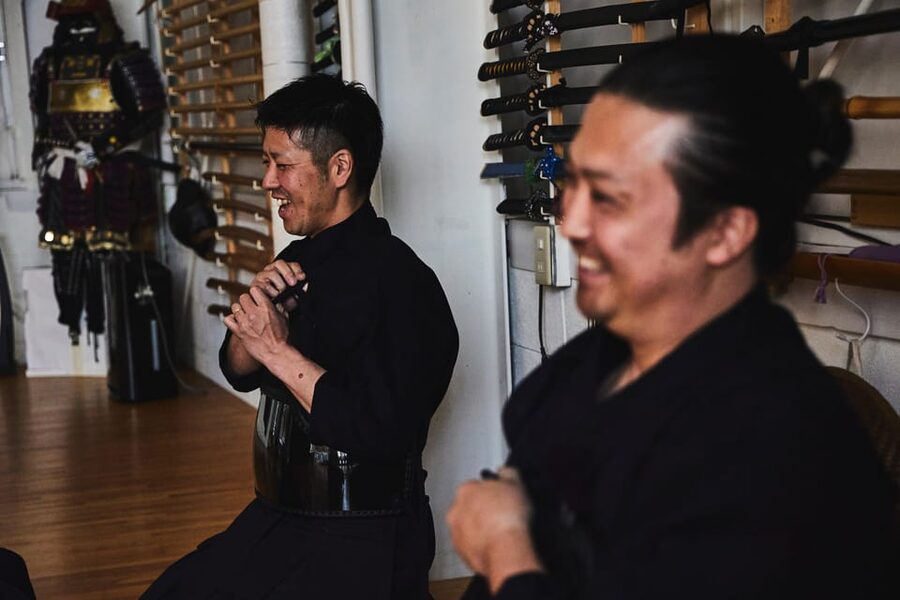
Kendo in Osaka feels real, fast. The big draw is you get kitted in full Kendo armour and coached through actual fundamentals and respectful sparring in a real dojo setup, with instructors like Toshi and Kumiko often highlighted for clear, patient teaching and English support. You also get a short history and etiquette lesson tied directly to how you train, not just random facts.
What I really like here is that the experience is built for first-timers while still letting you try competitive-style matches if you want. You’ll even do Samurai photo moments using swords and props inside the dojo, so it looks more like you stepped into a training hall than a costume stop. One consideration: the class is physical, and if you are in the older age brackets, there are limits. People over 75 are not allowed to try Kendo (viewing only), so check that before you book.
Key highlights worth your attention
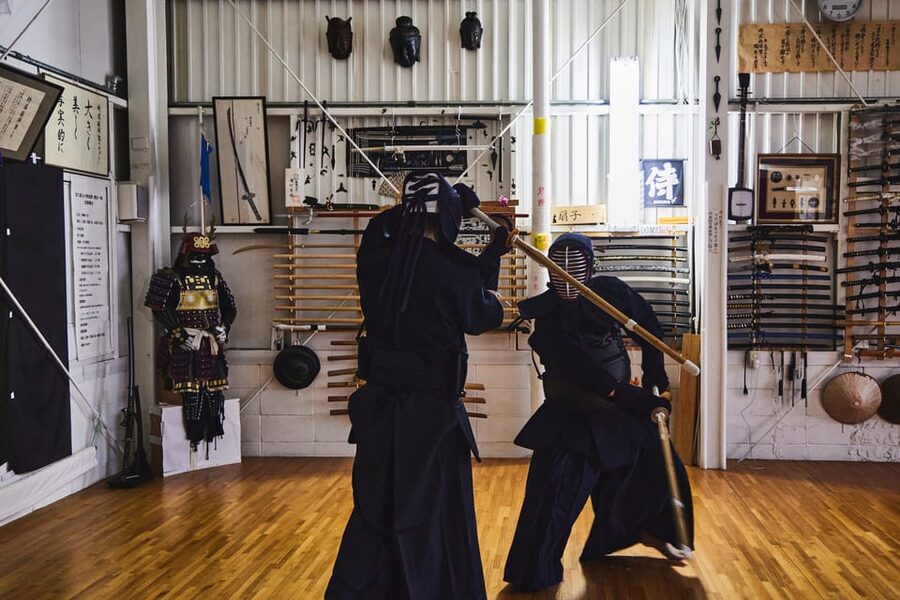
- Full bogu Kendo armour included, so you train with the right protection from the start
- English-speaking instruction with patient coaching, often with support from staff like Vicky and Nao
- Reiho and etiquette first, so you understand the rules and respect built into every move
- Match-style paired practice that feels like Kendo, not just a demo
- Photo session in an authentic dojo, with posed and action-style shots using Samurai items
- Beginners welcome, and training is adapted to your level during sparring
Why this Osaka Kendo training beats a typical culture stop
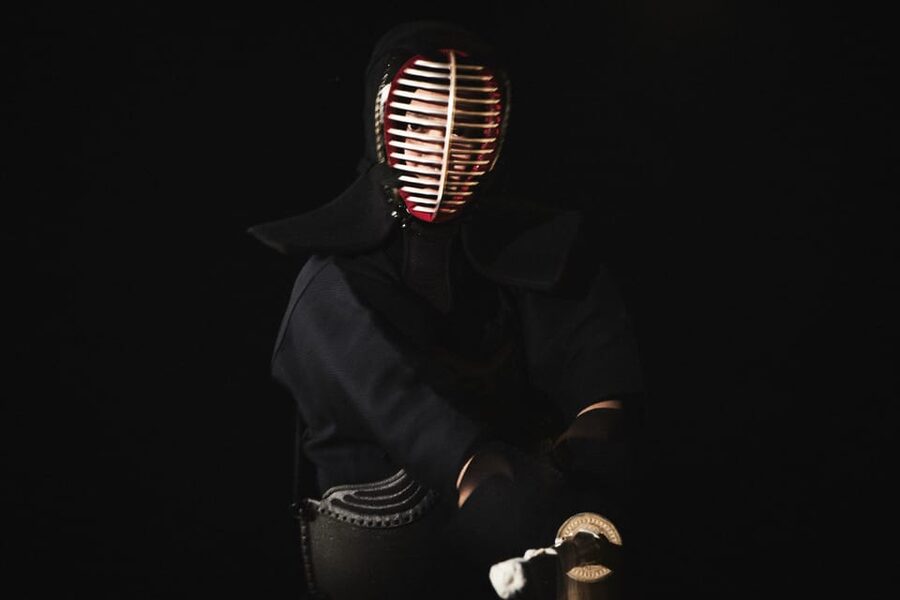
If your Osaka plan is already packed with temples and food runs, a Kendo session gives you something different. This isn’t “watch someone do it.” You actively train in a genuine dojo environment, and the 2 hours fly by because each part feeds the next.
I love that the experience is structured around Kendo as a discipline. You start with what Kendo is, how it connects to Bushidō, and why Reiho, etiquette, is treated like part of the training. Then you put on the gear and learn how posture, footwork, and distance work together. That order matters because it makes sparring feel safer and more meaningful.
There’s also a practical bonus: Kendo is a workout you can feel in your legs and core. Several participants describe finishing sweaty, which tells you the training is real enough to raise your heart rate. If you want a hands-on Osaka activity that still feels authentic, this is a strong candidate.
More Samurai & Ninja Experiences in Osaka
- Samurai Training Experience KENDO in Osaka
★ 5.0 · 515 reviews - OSAKA NIGHT FUSION Japanese Taiko Kabuki Samurai Dance Show
★ 4.8 · 155 reviews - Osaka: A Modern Samurai, Kabuki, Taiko, & Dance Show
★ 4.5 · 66 reviews
The instructors and the dojo vibe you should expect
The class is typically led by the Kendo teacher often named Toshi, supported by Kumiko, with other staff helping with translation, gear support, and photos. You’ll notice a pattern in the feedback: people keep calling the instruction kind, patient, and easy to follow, even when they were complete beginners.
That matters because Kendo has a lot of “small rules” that can be confusing at first. In a normal tourist experience, you might get one big overview and then a quick try. Here, the coaching is step-by-step, with corrections so you understand positions and safety basics. One review even notes that a session went semi-private when the group size was small, which is a nice reminder that you can get closer attention.
The dojo space is also described as clean and bright, with room to move. For your comfort, that means you are not crammed into a corner while you learn footwork and paired drills. It helps you focus on your technique instead of your surroundings.
Gear up in the right order: dōgi, hakama, and full bogu
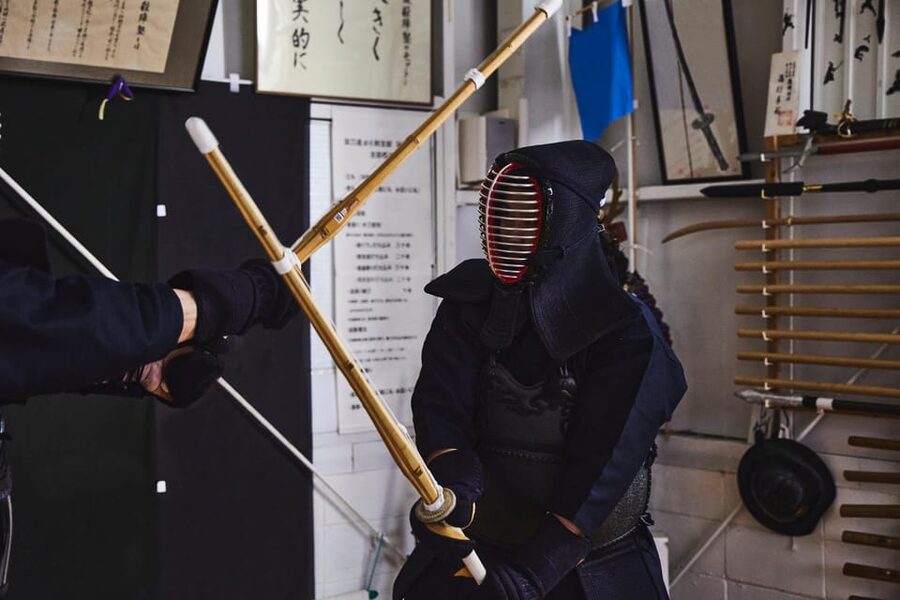
This is one of the main reasons the experience is worth considering. You do not just hold a shinai for a photo. You wear traditional Kendo uniforms (dōgi and hakama) and then step into full protective armour, including the main pieces like men, kote, dō, and tare.
Practically, that order reduces anxiety. When you know you are protected, you can concentrate on form. And when you focus on form, sparring becomes something you can participate in sooner, even if you have never trained a martial art before.
A couple of details are also worth your prep:
- The protective armour can feel bulky at first, so you want comfortable clothing for the changeover.
- You will be moving a lot, especially with stance and footwork drills, so bring water and be ready for sweat.
If you are curious about what Kendo looks like in real training, the armour is the shortcut. You get the full visual and physical experience, then you learn how those pieces fit into the way you strike and defend.
What you learn first: Reiho, posture, and safety rules
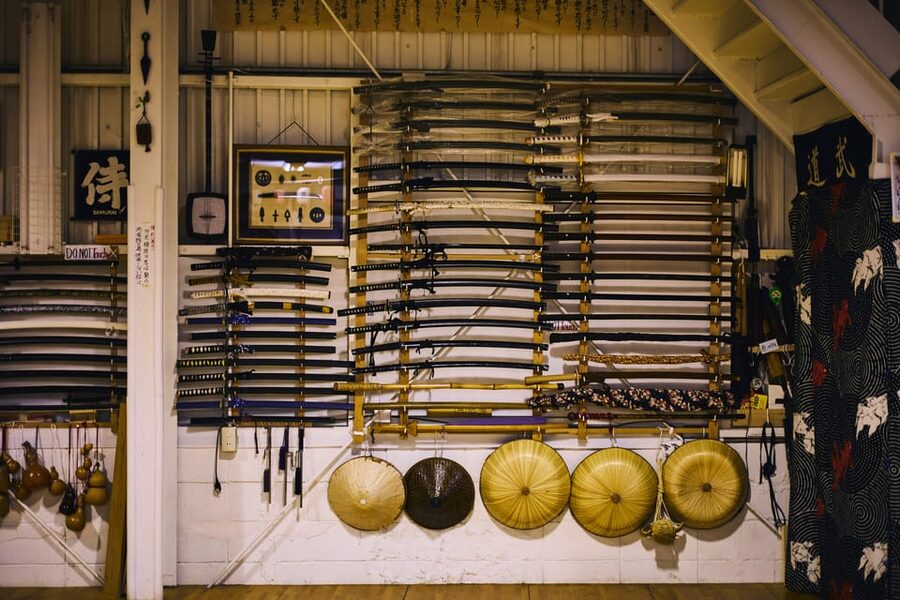
You start with an introduction to Kendo history and its connection to Bushidō. Then you shift to Reiho, etiquette. This isn’t just ceremonial. In Kendo, etiquette shapes how you enter, how you start and stop training, and how you treat your partner.
From there, the instruction focuses on fundamentals:
- basic posture and stance awareness
- footwork patterns and how to stay balanced
- safety rules that prevent sloppy impact
- how to hold and control the shinai
One review also mentions learning how to draw a sword and basic striking ideas as part of the lesson. Even if you think you are only there for sparring, those early pieces make your later attempts make sense. You learn what you are supposed to do, then you can practice it under supervision.
If you’re worried you will feel out of place, take heart. The program is described as mainly for beginners and first-timers. That usually means you are not thrown into chaos. You build up.
More samurai and ninja experiences in Osaka:
- Osaka 2-Hour Genuine Kendo / Samurai Experience In Japan
★ 5.0 · 65 reviews - Osaka: Learn Bushido – Trial Slashing with Samurai Sword
★ 4.9 · 59 reviews - Samurai Show, Tea Ceremony, Japanese Traditional Activities
★ 5.0 · 56 reviews - Osaka: Private Samurai Experience – Train with Sword Master
★ 5.0 · 36 reviews
The training arc: from shinai basics to paired, match-style sparring
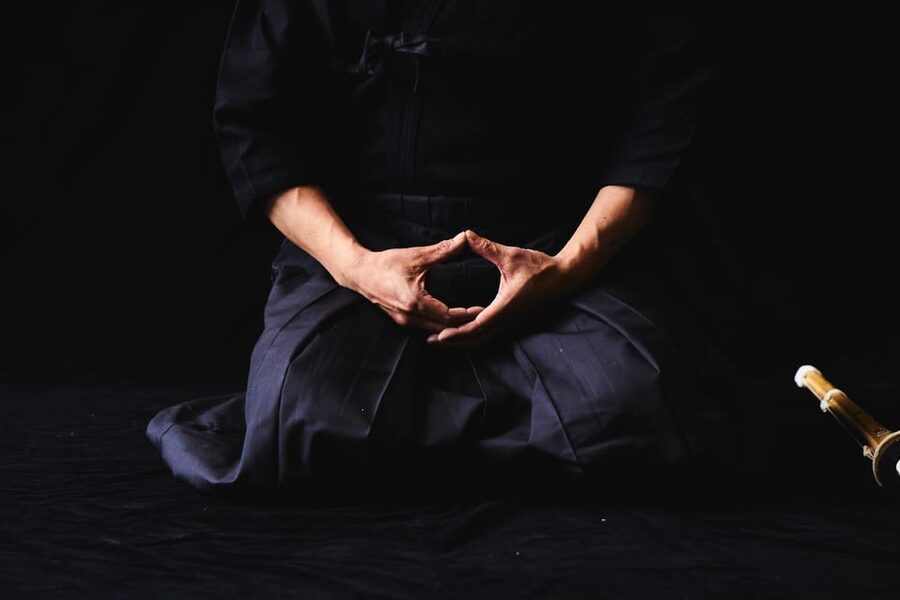
After the foundation, you move into paired practice. This is where Kendo stops being a “lesson” and starts feeling like training. You try techniques in a structured way, focusing on timing, spirit, and focus rather than brute strength.
Then comes the part many people remember most: sparring in a match-style format. Reviews describe it as intense and fun, not just a light touch. The key is that instruction is done to your level, so the experience can be respectful and exciting without being reckless.
What you should pay attention to while sparring:
- Timing matters more than force. You want clean contact and controlled distance.
- Spirit and attention matter, meaning you stay present, watch your partner, and follow the rules.
- Your partner is not an opponent to “beat,” they are a training partner to help you improve.
A nice detail from the feedback is that people often feel they practiced real Kendo, not just acted out a few moves for the camera. That comes from the way the class flows, fundamentals first, then drills, then sparring.
Samurai-style photos inside a real dojo
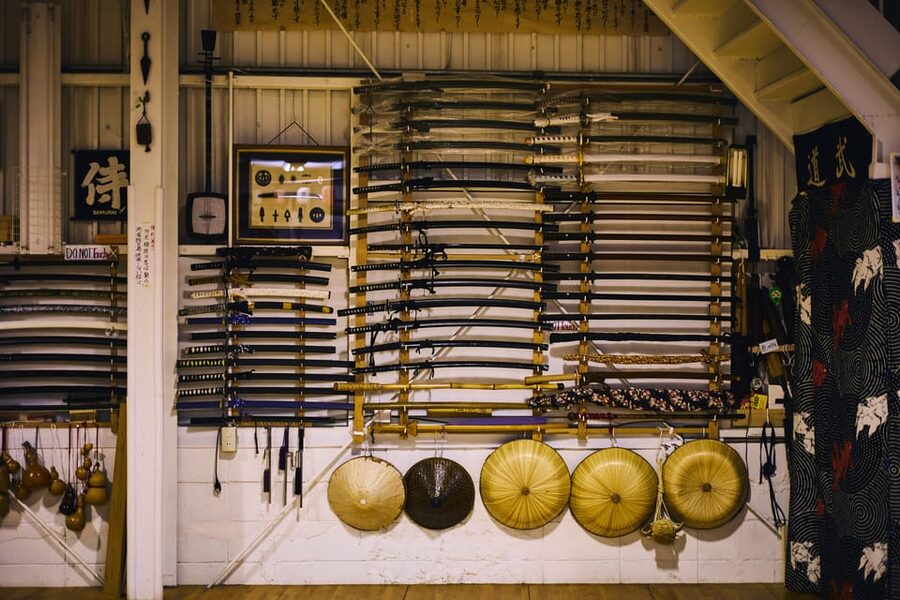
After training, you get a photo session with Samurai items. The standout detail is that it is inside an authentic dojo. That setting changes everything. Your photos end up looking like they belong in a real training space, not in front of a generic backdrop.
You also get a chance to take your own unique style of Samurai photos with swords and props. In other words, you are not limited to one pose. You can recreate the vibe you want, whether that is dramatic sword posture or action-like shots.
In some sessions, there are extra touches like snacks or small birthday souvenirs. I would treat those as “nice if offered,” not a guarantee. The consistent piece is the photos in the dojo context, right after you’ve already done the armour and training.
Who this Osaka Kendo experience suits best
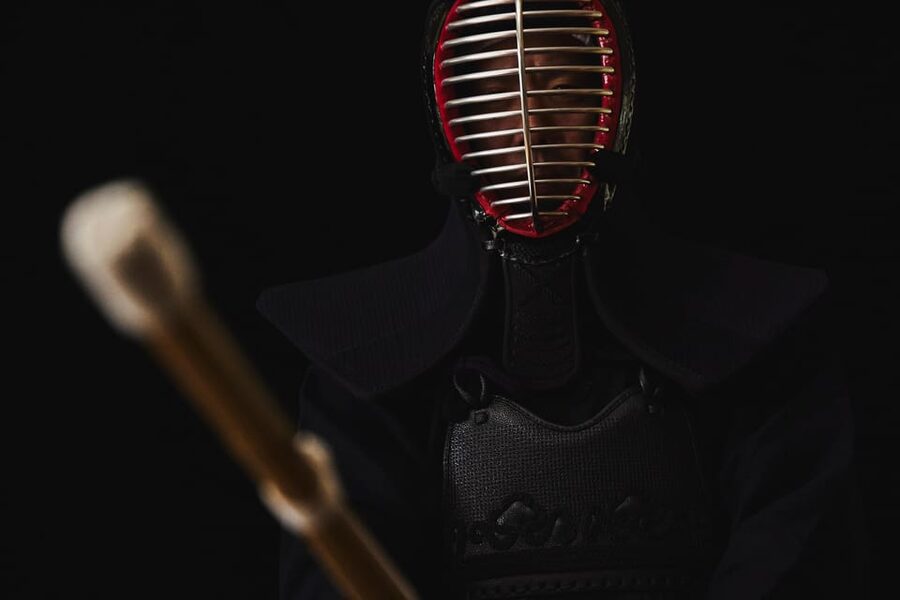
This activity is designed mainly for beginners. That’s great if you want an active way to learn Japanese culture without needing prior martial arts experience.
You’ll likely enjoy it most if you:
- want a hands-on Osaka activity tied to Samurai values
- like anime and Samurai culture, but also want to learn the real sport behind it
- enjoy learning by doing, not just watching
- want an experience that gives you both photos and actual training
It also has a specific family fit. Children ages 3 to 5 mainly do a photo-focused version, focusing on wearing uniforms and trying on armour for photos. They cannot have the same experience as adults, so set expectations accordingly.
Age rules are also strict. People over 76 are not allowed to try Kendo (viewing only). Children under 2 years old cannot try Kendo. People 75 and under are the active participants, based on what’s stated.
If you are recovering from injury, have mobility limits, or fear physical contact even in protective gear, you may still be able to view. But for full participation, your best match is an able-bodied first-timer who can move and stand for the full session.
Price and value: is $127 reasonable for 2 hours?
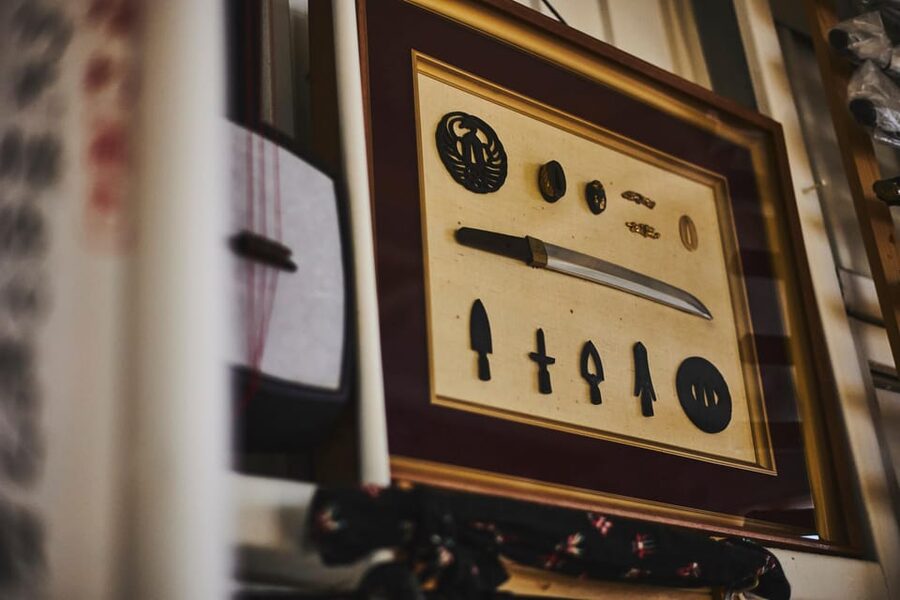
At about $127 per person for a 2-hour session, this is not a “cheap activity.” But it is also not overpriced in a typical tourist sense because you are paying for several things that add up quickly.
You are paying for:
- time with an experienced instructor who teaches beginners step-by-step
- protective armour and uniforms, meaning you train properly
- structured training time that goes into paired practice and sparring
- the dojo setting that makes the experience feel authentic
- a photo session with Samurai items after training
Value is strongest if you want the full package. If you only want photos, you would get less out of it. If you want the real training component, this is one of those activities where the cost maps to tangible effort and coaching.
One more value point: some people end up in a smaller group session, which can mean more attention and a smoother learning pace. Even without that, the format is built for individual understanding, and reviews repeatedly mention patience and corrections.
Practical tips so you enjoy every minute
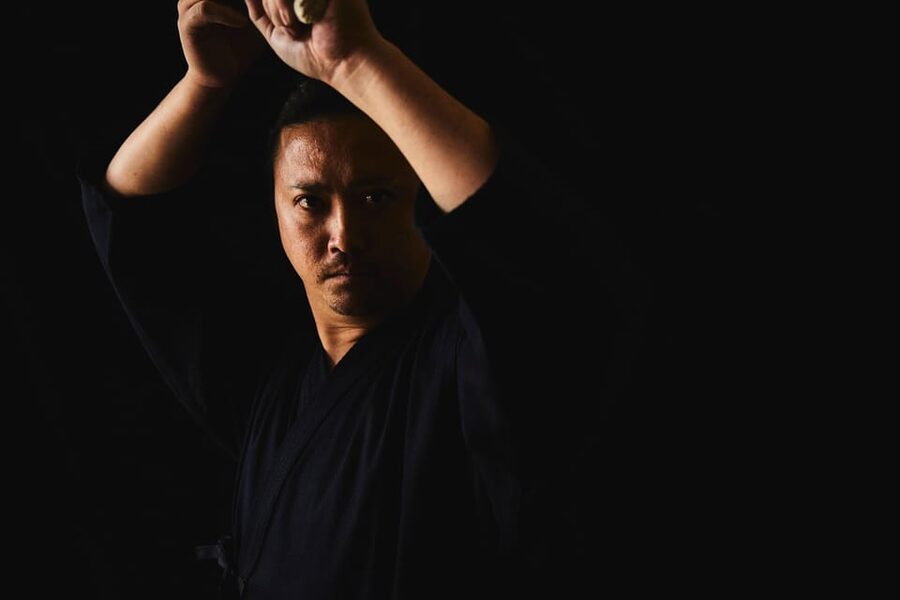
Here’s how to make your 2 hours easier and more comfortable.
First, bring drinks. That’s all you are explicitly required to bring, and it’s smart. Kendo training makes you thirsty, especially with armour on.
Second, share your height, weight, and gender when booking so the staff can fit the gear. This affects comfort and safety, and good fitting also helps you focus.
Third, expect a workout. Even if you are athletic, the footwork and stance work adds up. Several reviews point out that the sparring feels stronger than people expect, which is part of the fun.
Fourth, skip alcohol and anything that could affect you. It’s not allowed, and it also makes the training less comfortable.
Finally, if you’re a first-timer, listen closely to Reiho and safety rules early. That’s the difference between feeling cautious and feeling confident during sparring.
Should you book Samurai Training Experience KENDO in Osaka?
I think you should book it if you want an active, authentic Osaka cultural experience where you learn the rules, train with proper gear, and end with both sparring and Samurai dojo photos. The repeated praise for patient instruction, real dojo training, and English support from instructors like Toshi and Kumiko is exactly what you want when you’re trying something new.
Skip it if you are in the age band that restricts participation, or if you cannot handle moderate physical activity and focused training. Also consider whether you want photos only. This is a training-first experience, not a costume walkthrough.
If you’re on the fence, the decision is simple: $127 is steep, but you’re buying real participation, not just a ticket. For many people, that turns into a top Osaka memory for the rest of the trip.
FAQ
How long is the Osaka Kendo experience?
The experience lasts 2 hours.
Where do I meet for the experience?
Use this meeting point link: https://maps.app.goo.gl/TMh27QCxdZx2bgRS6
Is prior Kendo experience required?
No. The program is mainly designed for beginners and first-time participants, though people with prior experience are also welcome to join respectful sparring.
What is included in the price?
You get a lecture about Kendo, you wear Kendo uniforms and protective armour, instruction from an experienced English-speaking instructor, and a Samurai photo session.
What should I bring?
Bring drinks.
Are there age limits?
Yes. People over 76 are not allowed to try Kendo (viewing only). Children under 2 cannot try Kendo, and children between 3 and 5 mainly do photo shoots rather than the full adult training experience.
Is it wheelchair accessible, and what languages are used?
It is wheelchair accessible. Instruction languages include English and Japanese.
Fresh options around Osaka
- Osaka Winery Tour with Wine Tasting & Vineyard Walk★ 4.9 · 12 reviews
- Osaka: Early Morning Osaka Castle Guided Tour, Avoid Crowds★ 4.9 · 12 reviews
- Kyoto Day Trip from Osaka Port – Private Shore Excursion★ 5.0 · 13 reviews
- Osaka Private Pop Culture Tour: Historic Tenma to Dotonbori★ 4.5 · 13 reviews
- Osaka Castle Admission Ticket★ 4.0 · 13 reviews
- Hidden Osaka Foodie Tour: Nishinari Backstreets & Local Dining★ 5.0 · 13 reviews
- Discover Real Osaka: A Cultural Walk with Food & Drink★ 5.0 · 13 reviews
- Nara private tour (Shore excursion available from Osaka or Kobe port)★ 5.0 · 13 reviews
Samurai & Ninja Experiences, compared.
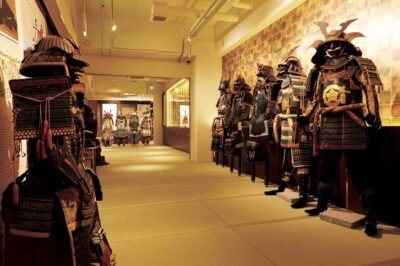
Samurai Ninja Museum Guided tour and Experience
Read our review →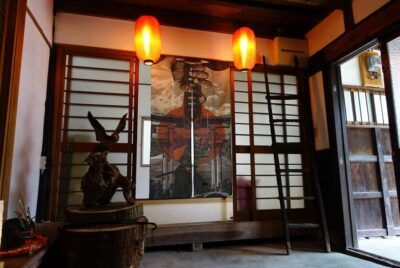
Kendo and Samurai Experience with Uniform and Gear
Read our review →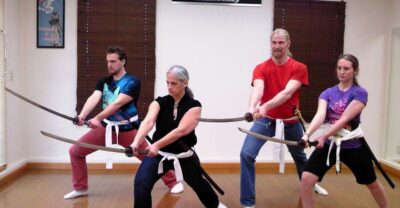
Samurai Sword Class by Experts in Traditional Arts
Read our review →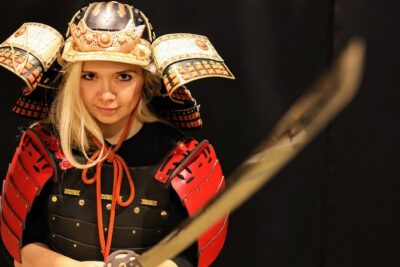
Skip the lines Basic Ticket at SAMURAI NINJA MUSEUM KYOTO
Read our review →
Samurai Sword & Archery Class from Samurai Descendant
Read our review →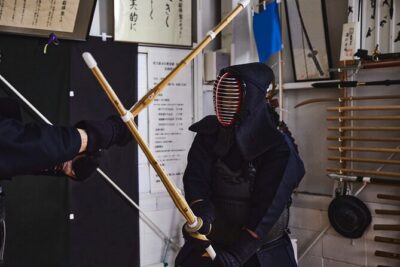
Browse the lists this tour appears in