
Reviewed · SAMURAI & NINJA EXPERIENCES
Kyoto: Kendo and Samurai Experience with Uniform and Gear
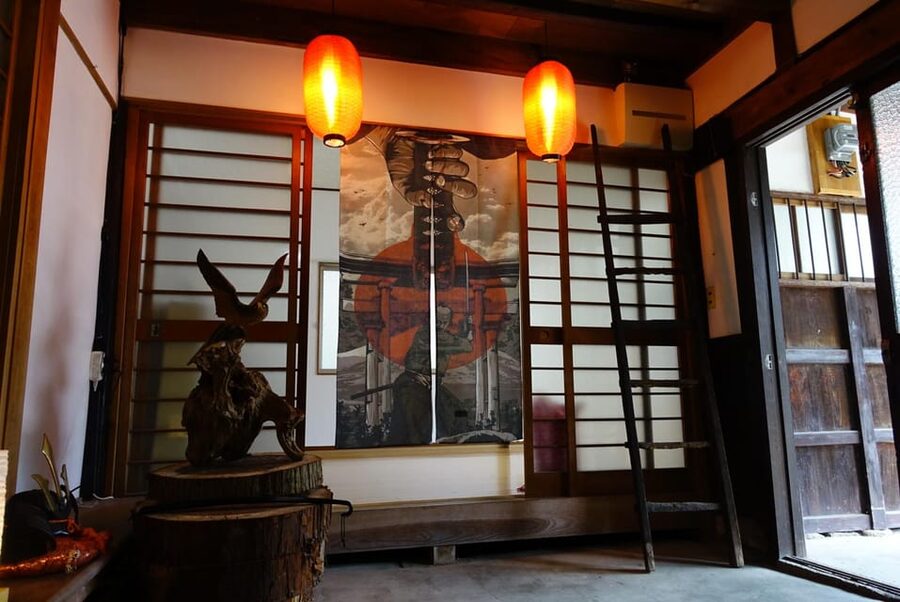
First time you wear samurai gear, it hits differently. This is a hands-on kendo and sword experience in a traditional Kyoto machiya, a place that feels old enough to have stories in the wood. I love that they hand you everything you need, so you just show up, suit up, and train. I also love the cultural framing, where Taka-san ties the moves to etiquette and mindset, not just sword swings.
One thing to consider: you are training with safe swords, so you should not expect real cutting. Also, the dojo space can feel a little dusty and worn, and the location is in a residential area that may take extra time to reach.
Key things to know before you go
- Full uniform and gear rental means no shopping, no confusion, and less stress on arrival
- Training in a 120-year-old machiya gives you real atmosphere compared with a generic studio
- Safe sword practice using bamboo, foam, or replica-style training blades keeps it beginner-friendly
- Taka-san’s English instruction covers etiquette, history, and practical technique, with a fun tone
- Instructor photos and videos help you leave with memories beyond a couple random snapshots
Suited Up in a 120-Year-Old Kyoto Machiya
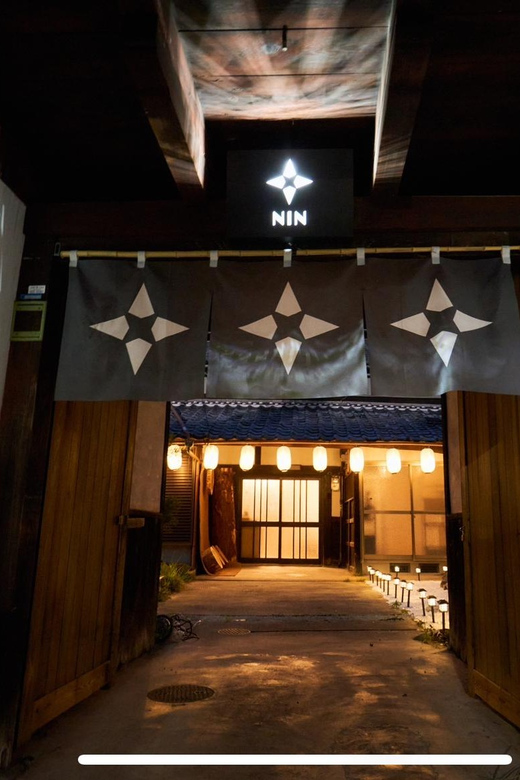
This workshop starts with a straight-up transformation. You arrive at an old Japanese house, the meeting point marked by a large gate, then you step into a traditional machiya setting. The building is reported as about 120 years old, which matters more than you might think. A real wooden space changes how your body moves and how seriously you take the training, even if you have zero martial arts background.
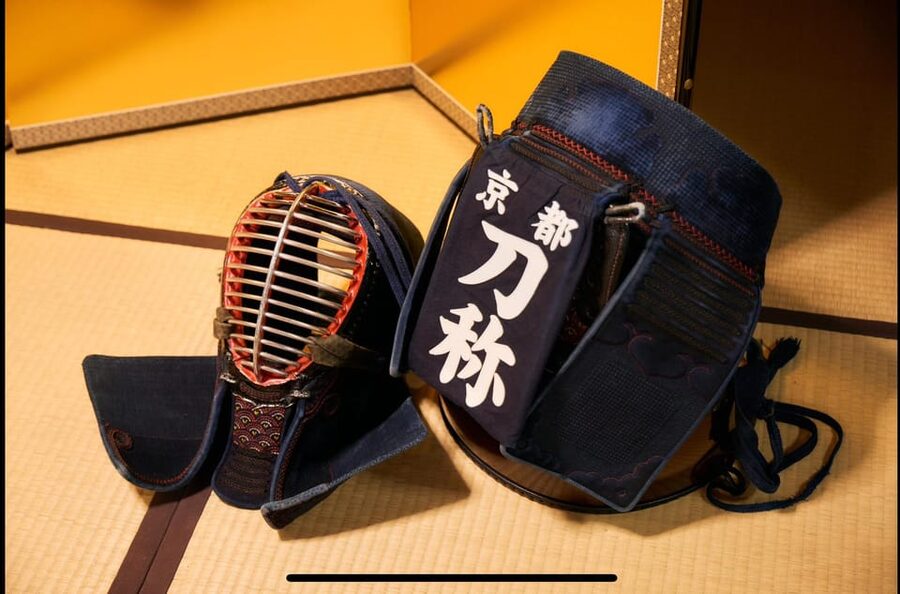
From there, you get help dressing in the full training uniform and footwear. The kit includes uniform rental, equipment rental, and shoe rental, so you do not need to bring a thing. Once you’re geared up, it feels less like a photo stop and more like you’ve entered a real dojo rhythm.
Practical tip: go in ready to change. Even if you’re comfortable with dressing, you want a calm start so you can focus on posture and safety when the instruction begins.
More Samurai & Ninja Experiences in Kyoto
- Kyoto Samurai Experience
★ 5.0 · 1,294 reviews - Kyoto: Samurai Sword Class by Experts in Traditional Arts
★ 4.9 · 657 reviews - Skip the lines Basic Ticket at SAMURAI NINJA MUSEUM KYOTO
★ 4.5 · 632 reviews
Safety Briefing and Samurai Etiquette, Before Anyone Swings
The best part of a sword lesson is the part where nothing dangerous happens. Here, you begin with an explanation of sword safety and training etiquette. The goal is simple: you learn how to hold the sword properly, how to stand, and how to move without rushing.
Taka-san and the team are also careful about creating a respectful environment. In reviews, people mention that everyone had a chance to practice basics, and that the instructors make sure you feel included. That lines up with how kendo training works at a beginner level, where control beats speed.
Because the workshop includes gear and sword practice, there are clear rules: no alcohol and no drugs. That’s not just legal housekeeping, it’s part of training culture and safety. If you’re planning your day in Kyoto, keep this class as a clean, focused block on your schedule.
If you are traveling with kids, note the limit: it’s not suitable for children under 7. Adults and older teens generally find it approachable, especially because you start with foundation movements.
Learning Kendo Basics with Bamboo, Foam, and Training Blades
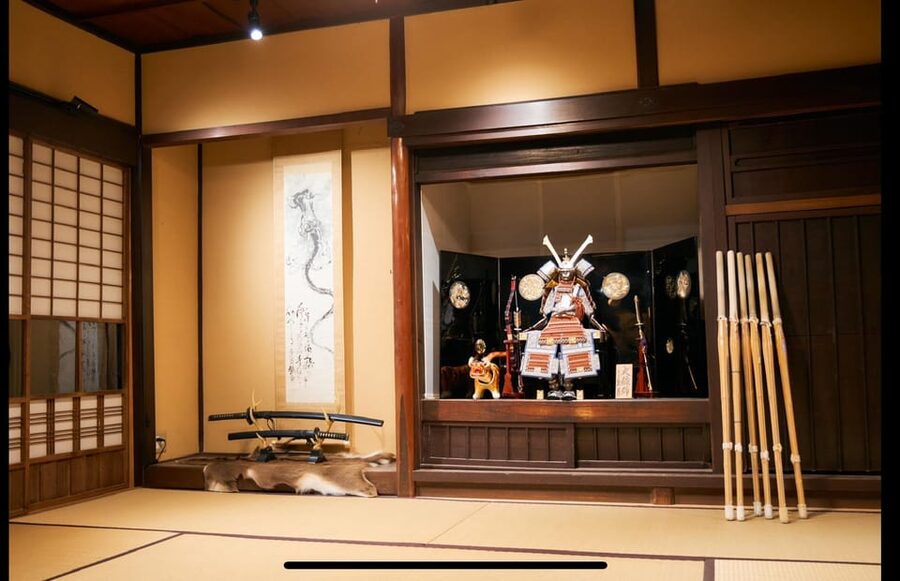
After the setup, you move into technique. Expect the basics of grip, posture, strikes, blocks, and footwork. The exact training tools can vary, but the experience is described as using safe yet elegant practice swords. Think bamboo swords, foam swords, or refined replica blades, depending on the segment.
You will not be thrown into heavy sparring right away. Instead, you learn the shape of the movement first, then you repeat it with guidance. This is where the old dojo space helps again. When you practice in a traditional setting, you naturally slow down and pay attention to form.
One expectation check that’s worth making now: you should not expect real cutting. Reviews specifically note that tatami mat slicing does not happen anymore. That can disappoint anyone who imagines a Hollywood katana moment, but honestly, it’s part of why this feels safe and well-managed.
Also, reviews mention a more playful competitive moment at the end, with partner practice and a small sparring-style session using training swords. It’s not about hurting your opponent. It’s about applying what you learned while staying disciplined.
The Samurai Mindset: History and Manners in Motion
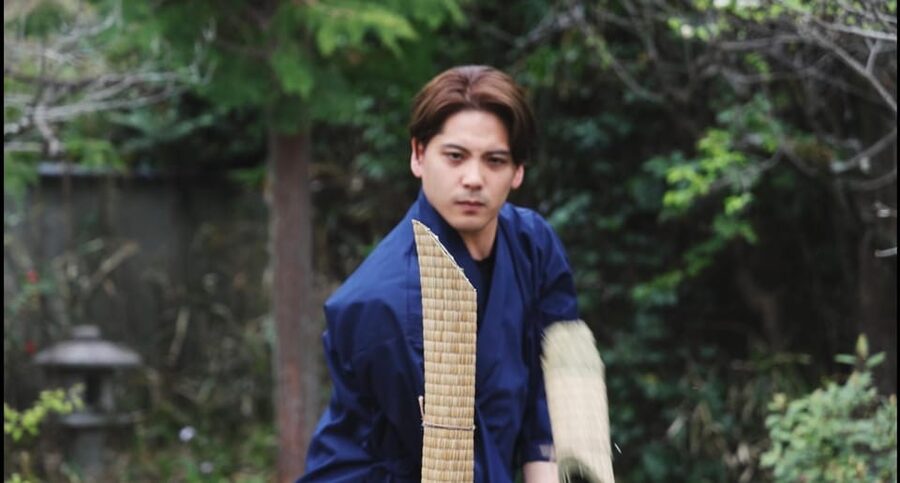
The sword training is only half the story. The other half is what makes this feel more than a stunt.
Taka-san’s instruction includes cultural context: the history of the samurai and how kendo developed. Multiple reviews highlight that the teaching covers etiquette and mindset, not just technique. That matters for you because it turns the workshop into something you can carry back into your Kyoto sightseeing.
You learn why kendo is structured around respect, timing, and presence. You also get the etiquette side, like how to treat the training space and how to behave while using the blade. Even if you never pick up a sword again, those habits are a useful window into Japanese martial culture.
One review notes the historical explanations felt meaningful without turning into an overload. That pacing is key. If you’re the type who wants context, you’ll likely enjoy it. If you just want to train, the history is there to guide the movements, not replace them.
More samurai and ninja experiences in Kyoto:
- Ninja 1-hour Hands-on Lesson by Japanese master in Kyoto -Entry
★ 5.0 · 489 reviews - Kyoto: Ninja Weapon Forging Experience
★ 4.8 · 478 reviews - Kyoto: Samurai Kenbu Traditional Sword Dancing Show
★ 4.5 · 426 reviews - Samurai Training with Modern day Musashi in Kyoto
★ 5.0 · 256 reviews
Photo and Video Memory Mode, Full Gear and All
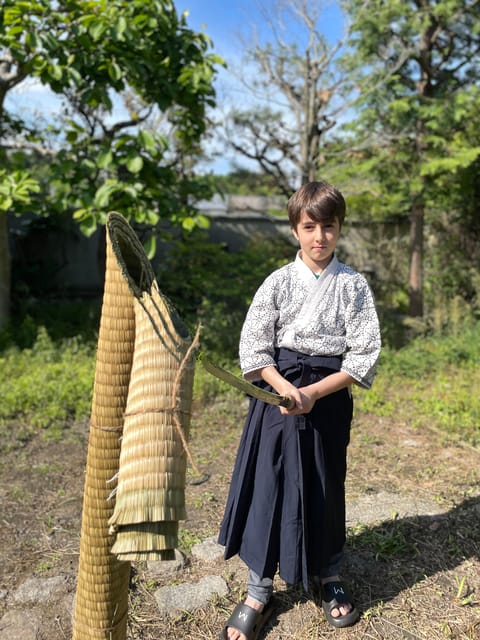
This is not one of those experiences where you get a quick thumbs-up and move on. The instructor helps with photos and videos while you’re dressed in your training gear. In reviews, people describe it as cinematic, and they mention the instructor assisted with images you can actually use afterward.
This part is also why suiting up matters. Once you’re in the full uniform and equipment, your photos look like something specific, not just a cosplay moment. And because you do it with the instructor guiding you, you’re less likely to freeze in front of the camera.
Pro tip: treat this part like part of the training. Listen for timing, pose based on what you’re shown, and stay aware of your space. It’s easy to get distracted when you’re holding a sword, so follow the cue from Taka-san.
The Real Value of a $103, 2-Hour Workshop
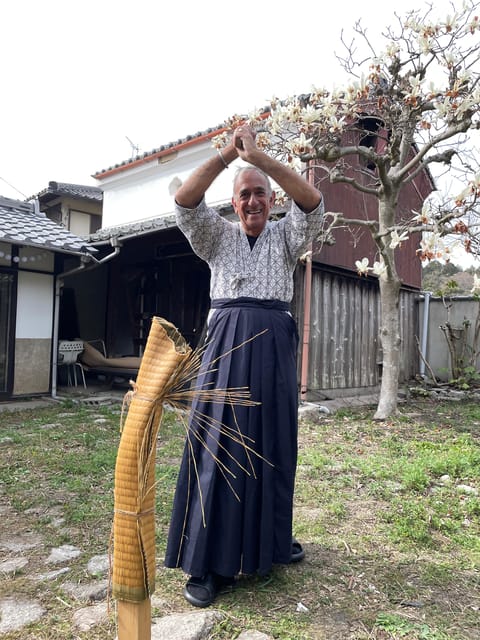
At $103 per person for a 2-hour experience, the value comes from what’s included, not just the price tag.
You get:
- Instruction
- Uniform rental
- Equipment rental
- Shoe rental
- Gear rental overall guidance
That’s a big deal in Kyoto. Lots of activities charge for a similar time, but then you realize you still need to handle rentals separately. Here, they bundle it, which keeps you focused on the actual activity.
Also, you’re not just getting a sword lesson. You’re getting cultural instruction plus instructor-supported photos and videos. That combination is what makes this feel like a memorable highlight instead of a quick class you forget two days later.
Not included: replica swords are available for purchase, but they are not part of the standard experience. If you want to leave with a souvenir sword, you can ask, but you don’t have to plan for it.
Getting There: Plan Time for the Old Gate and Residential Roads
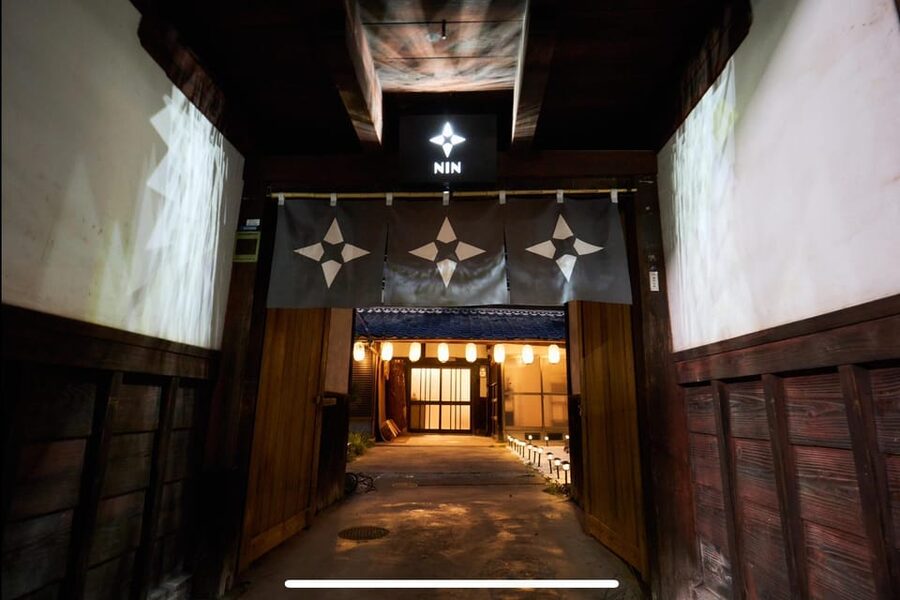
The meeting point is an old Japanese house with a large gate. That sounds simple, but the location is in a residential area reached by winding roads. In reviews, people recommend building in extra time and even taking a taxi from the station if you’re unsure.
If you want a stress-free start, do two things:
- Arrive a bit early so you can find the gate and settle before suiting up
- Consider a taxi to avoid the last-mile puzzle after train time
Because the workshop starts on schedule, being late can throw off the flow. One review notes tardiness can disrupt the class, so give yourself padding.
Who This Samurai Kendo Workshop Fits Best

This experience is a strong match if you want more than sightseeing. You’re looking for:
- A hands-on activity in Kyoto that teaches real basics
- A beginner-friendly sword experience with safe practice blades
- A cultural talk that connects samurai history and kendo etiquette to the actual training
It also works well for groups, since reviews mention small-group energy and that the instructors make sure everyone gets chances to practice.
It may not be the best fit if:
- You’re expecting a costume-only show, not real training
- You specifically want real cutting, like tatami slicing
- You are sensitive to a dojo that may feel a bit dusty or worn
If you go in colder months, plan for chill. One review mentions training with snow outside, and they recommend warm base layers and warm socks. Even if you do not train outside, having layers never hurts in Kyoto.
Should You Book This Kyoto Samurai and Kendo Experience?
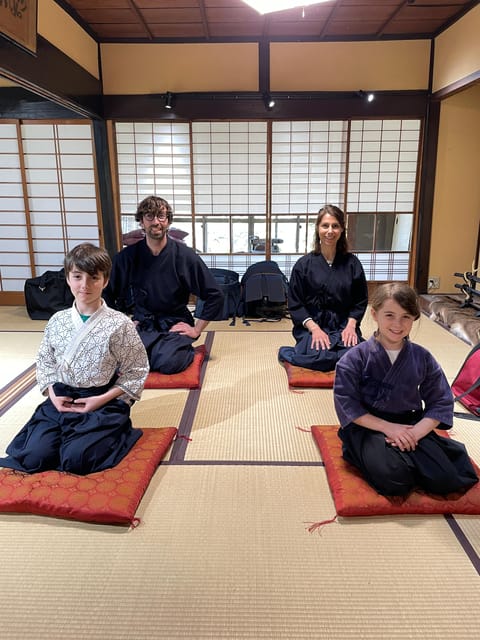
If your ideal Kyoto day includes dressing up, learning disciplined movements, and leaving with photos that actually look like you trained, then yes, book it. The big reasons are the full gear setup, the traditional machiya setting, and the way Taka-san blends practical kendo basics with samurai etiquette and history.
I’d especially recommend it if you like experiences that respect the culture, instead of treating it like a theme park performance. You will get a genuine feel for what kendo training is about, even if you’re a first-timer.
Go with the right expectations: safe training swords, no real cutting show, and a schedule that rewards arriving on time. If that sounds good, this is one of the more memorable ways to spend two hours in Kyoto.
FAQ
How long is the Kyoto kendo and samurai experience?
It lasts 2 hours.
What is included in the price?
The experience includes instruction, uniform rental, equipment rental, and shoe rental (gear rental is also included).
What kind of sword training will I do?
You use safe training swords, described as bamboo swords, foam swords, or refined replica blades, depending on the session.
Is the instructor fluent in English?
Yes, the instructor provides instruction in English.
Where do I meet for the experience?
The meeting point is an old Japanese house with a large gate.
Are replica swords included, or can I buy them?
Replica swords are not included, but they are available for purchase.
Are there any rules I should know before joining?
Alcohol and drugs are not allowed.
Is it suitable for children?
It is not suitable for children under 7.
What is the cancellation and payment policy?
You can cancel up to 24 hours in advance for a full refund, and you can reserve now and pay later.
Fresh options around Kyoto
- Kyoto Aquarium Admission Ticket★ 4.7 · 12 reviews
- Kyoto Gion Photoshoot – Private Session | Pro Photographer★ 5.0 · 12 reviews
- Gyoza Cooking Class in Kyoto: Traditional Japanese Dumplings★ 5.0 · 12 reviews
- Kyoto: Guided Food Tour with 12 Dishes & 3 Drinks★ 5.0 · 12 reviews
- Kyoto: Avoid the Crowds at the Hidden Gems of Arashiyama★ 4.9 · 13 reviews
- Kyoto Early Bird English Tour: Gion & Higashiyama(Private opt)★ 5.0 · 13 reviews
- Otsu-e Folk Art Workshop & Local Culture Walk Near Kyoto★ 5.0 · 13 reviews
- Kyoto, Osaka, Nara Full Day tour by Car English speaking Driver★ 3.5 · 13 reviews
Samurai & Ninja Experiences, compared.

Samurai Ninja Museum Guided tour and Experience
Read our review →
Samurai Sword Class by Experts in Traditional Arts
Read our review →
Skip the lines Basic Ticket at SAMURAI NINJA MUSEUM KYOTO
Read our review →
Samurai Sword & Archery Class from Samurai Descendant
Read our review →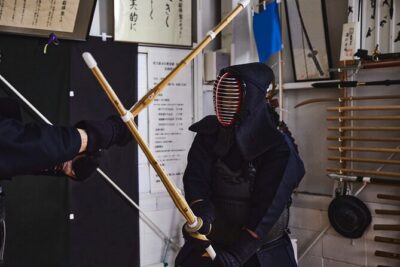
Ninja 1-hour Hands-on Lesson by Japanese master in Kyoto -Entry
Read our review →Browse the lists this tour appears in