
Reviewed · SAMURAI & NINJA EXPERIENCES
Samurai Training Experience KENDO in Osaka
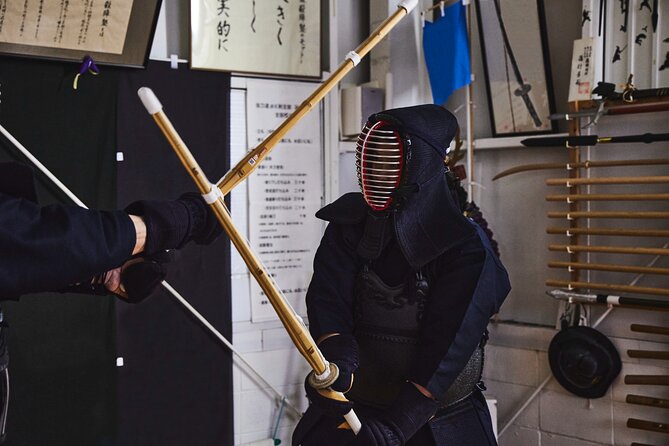
Kendo in Osaka is a hands-on history lesson. You start in a real dojo, learn the basics of samurai-era fighting spirit, then wear traditional armor and train with a bamboo sword. It is not a costume act. It is structured training, with a museum-like space that adds context as you go.
I love two things most: the small class size (max 12 people) that keeps the feedback close, and the fact you leave with digital photos and videos of the experience. You also get comfortable facilities like showers, changing rooms, and air conditioning, which matters when you are warming up in gear.
One thing to think about: it is physical. Even if the pace is beginner-friendly, you will do strikes, footwork, and a match-style practice, so it is not just sitting and watching.
Key highlights at a glance
- Small group (up to 12 people) means you actually get correction, not a generic pep talk
- Traditional uniforms and protective armor so you learn proper posture the real way
- Kendo basics plus match-style practice using the shinai (bamboo sword)
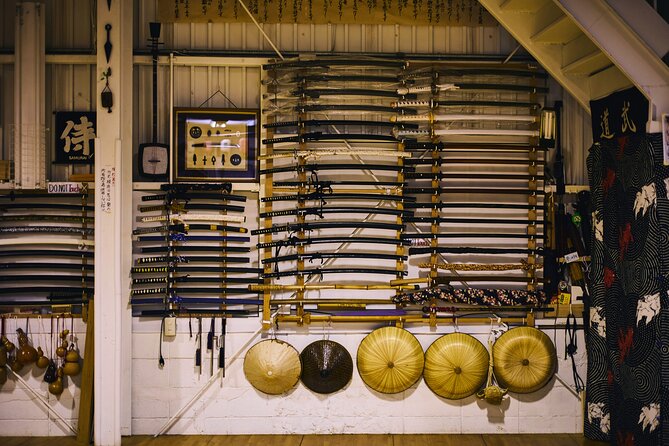
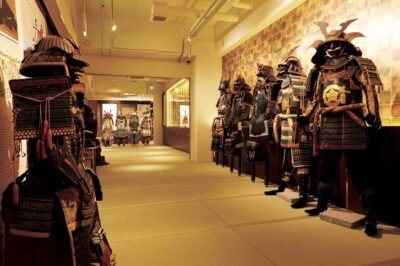
- Dojo museum atmosphere with samurai artifacts and memorabilia you can explore during your session
- Digital photo and video souvenirs that help you remember details you might forget later
Why Kendo in a real Osaka dojo feels different
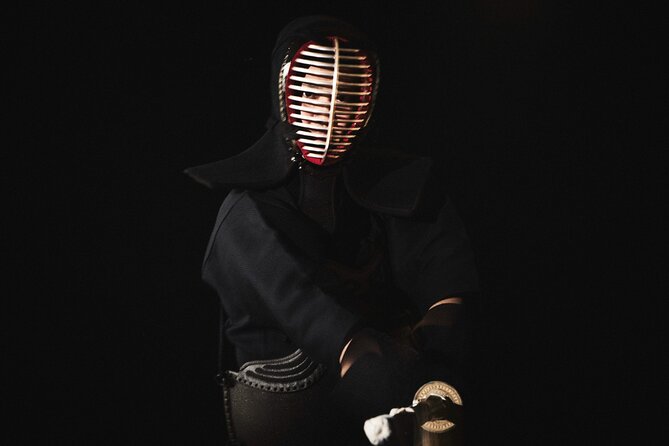
If you have ever taken a class that was more presentation than practice, this one changes the game. You are in a functioning dojo, and the training flows like a lesson, not like a stage show. You learn the why behind the movements, then you put on the gear and do the work.
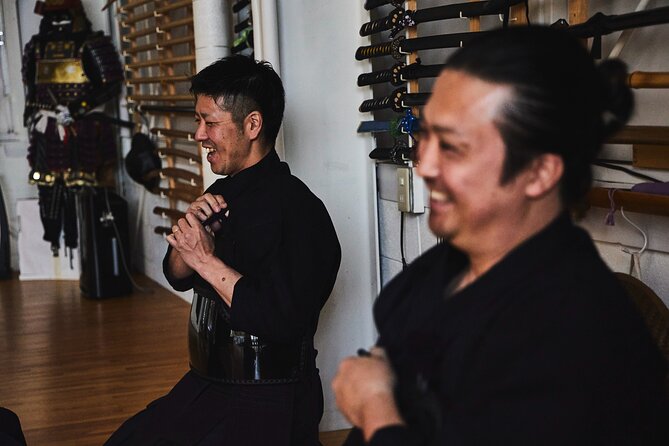
The instructors focus on basics you can use right away. That means you spend time learning stances, safe technique, and the right rhythm for strikes. And because the group is small, they can spot common beginner issues fast, like stance width, timing, and how you hold yourself during practice.
It is also a nice Osaka option because you get culture in your lap, not just in a lecture. The dojo doubles as a museum area with samurai artifacts and memorabilia, so the story stays close while you train.
More Samurai & Ninja Experiences in Osaka
- OSAKA NIGHT FUSION Japanese Taiko Kabuki Samurai Dance Show
★ 4.8 · 155 reviews - Osaka: Samurai Training Experience KENDO in Osaka
★ 5.0 · 111 reviews - Osaka: A Modern Samurai, Kabuki, Taiko, & Dance Show
★ 4.5 · 66 reviews
The full 2-hour flow, step by step
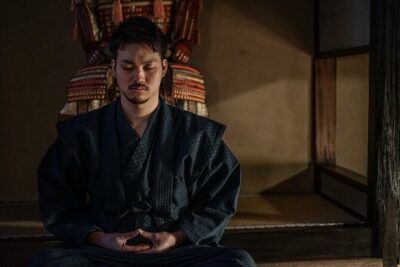
This experience runs about 2 hours, and the structure is simple enough that first-timers feel comfortable. Your session starts with an intro to Kendo, samurai culture, and Bushidō, so you understand what you are doing before you start swinging.
Then you move into the practical part:
1) You change into authentic Kendo uniforms and protective armor.
2) You learn basic techniques with the shinai, including safe striking and correct form.
3) You do a match-style session with guidance, so you get the fun part without chaos.
The order matters. Starting with the culture makes the discipline and posture feel purposeful. Then the gear and technique make it real in your body. You end back at the meeting point, so you are not stuck figuring out how to get out of some remote area.
Getting suited up: uniforms, armor, and what to expect
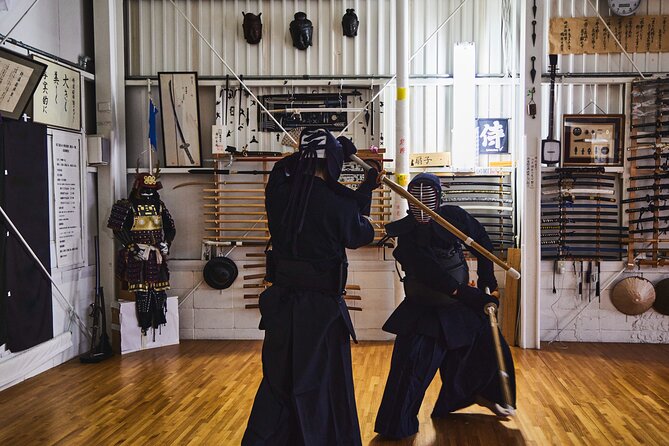
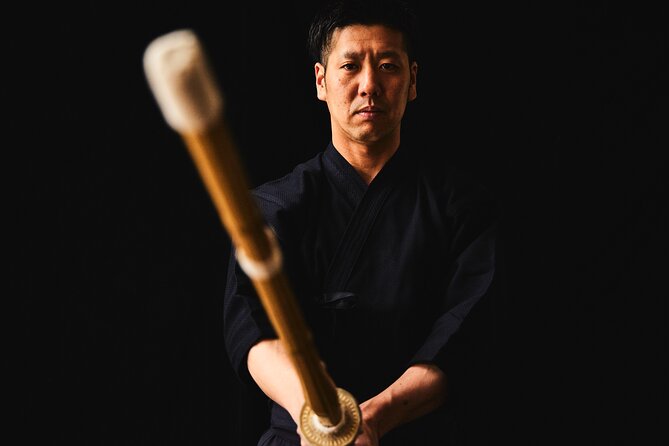
The best surprise here is that you are not just holding a shinai for photos. You actually get to wear a Kendo uniform and protective equipment, which changes your training instantly. It forces your posture into the correct form and makes practice feel more authentic.
The facility also helps you relax into it. There are changing rooms and showers, plus air conditioning and heating. That means you can show up, suit up comfortably, and reset afterward. I especially like experiences that respect the practical side of training, since body heat and sweat are unavoidable in armor.
For families, there is a clear approach too. Kids age 3–5 focus on wearing the uniform and armor and taking photos safely. Older kids and adults participate in the training portion, including technique practice and match-style activity.
Kendo basics with the shinai: how your first strikes get safer
This is a beginner-friendly lesson in English, and the instructors pace it so you can follow without prior martial arts experience. You start with foundational movement, then work up to strikes and combinations. The goal is not to make you a fighter in two hours. The goal is to make you competent enough to train safely and understand what you are doing.
Here is what you can look for during the lesson:
- Centering and stance so you stand stable before you swing
- Footwork cues that keep your timing and balance
- Proper striking form so you hit with intention rather than flailing
- Call-and-response practice where the instructor corrects your shape in real time
One big reason this class gets high marks is how encouraging it is. If you feel like you have two left feet, you are still guided step-by-step. The instructors also explain the meaning behind Kendo basics, so your movements connect to the tradition rather than feeling random.
More samurai and ninja experiences in Osaka:
- Osaka 2-Hour Genuine Kendo / Samurai Experience In Japan
★ 5.0 · 65 reviews - Osaka: Learn Bushido – Trial Slashing with Samurai Sword
★ 4.9 · 59 reviews - Samurai Show, Tea Ceremony, Japanese Traditional Activities
★ 5.0 · 56 reviews - Osaka: Private Samurai Experience – Train with Sword Master
★ 5.0 · 36 reviews
Match-style practice: the fun part, guided and controlled
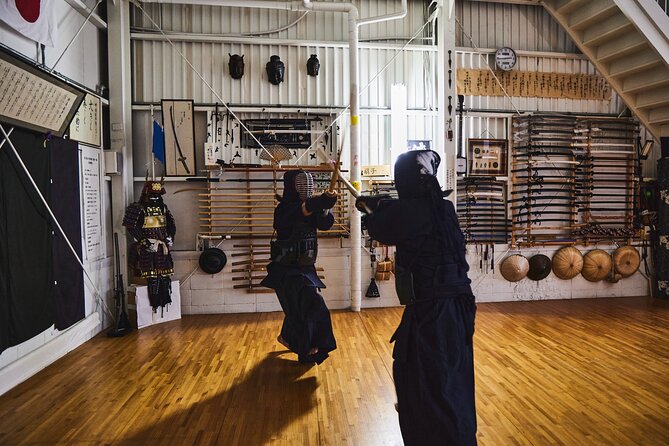
After technique practice, you get to spar in a safe, match-style session. You are not left alone with a shinai and hope. The instructors manage the flow and adjust the level based on what you can handle.
Many people come for the chance to duel, and you really do get that moment. You also get to experience how Kendo feels when both sides are paying attention to stance, distance, and timing. If you love sports, you will recognize the rhythm. If you like history and tradition, you will appreciate the discipline.
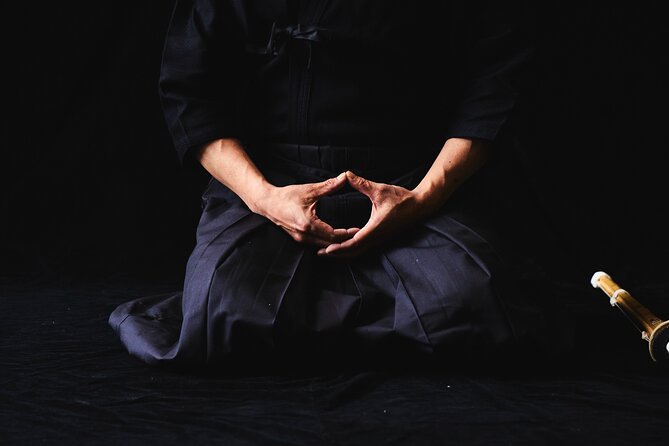
Important mindset tip: treat the match as practice, not a battle to win. In a good Kendo class, the respect is part of the rules. You will feel that tone as soon as you start training.
The dojo as museum: samurai artifacts plus hands-on learning
A quiet detail that I like is that you are not training in a bare room. The dojo is described as well-maintained and set up like a museum, with samurai artifacts and memorabilia on display. That means you can connect what you are learning to real objects and visual history as you move through the space.
This also helps the photography feel natural. You can capture photos and videos in traditional gear, then return to training with less pressure to perform. The vibe is less theme-park and more, this is a real place people practice.
And yes, you get that souvenir factor too: digital photos and videos of your experience. In real life, those extras do a lot. They help you remember the form and the sequence, and they give you a record of what your posture looked like when you were doing it right.
Who should book this Osaka Kendo experience
This is one of those rare activities where multiple types of people get value.
First-time Kendo fans and martial arts curious folks
If you want to try Kendo without needing experience, this fits. You get instruction in English, and the lesson is built around beginner technique, then moves into safe match-style practice.
History and culture lovers
You are not only learning movements. You also get an intro to samurai culture and Bushidō, so the training has meaning beyond the physical workout. The dojo’s museum-like setup reinforces that connection.
Families
The feedback highlights that the instructors work well with kids, including very young children who get a safer, more photo-focused version of the experience. If you are planning a birthday activity, this kind of hands-on tradition tends to land well because it is memorable and active.
People traveling solo
A solo session is possible, and one-on-one instruction is especially comforting if you are nervous walking into a new activity. You will still be guided into technique and sparring steps with support.
If you are the type who enjoys learning by doing, you will likely love this.
Price and value: does $131.32 make sense here?
At $131.32 per person for about two hours, the price is not a bargain. But it does not feel like a rip-off either, because you are paying for several high-cost parts that tourists usually miss.
You get:
- real instruction in a small group (max 12 people)
- authentic uniform and protective armor for the training
- shinai practice that ends in match-style sparring
- digital photo and video souvenirs as part of the experience
- comfort facilities like changing rooms, showers, and climate control
For comparison, many “try a sport” classes charge similar money but skip the gear, the structured coaching, or the real training element. Here, the combination is the value. You are paying to actually participate, not just pose.
Where it starts in Osaka, and how to show up ready
The meeting point is:
1-chōme-18-2 Honjōhigashi, Kita Ward, Osaka, 531-0074, Japan.
It is described as being near public transportation, and the class runs with a straightforward start and end, returning you to the meeting point. The “easy to find” factor matters because you do not want to spend your limited training time hunting down the right street.
Practical prep tips that help:
- Wear clothing that is easy to change out of when you switch into uniform
- Plan for a physical session. You will be active, even with beginner pacing
- If you care about photos, be ready to get suited up quickly and follow the instructor’s timing so you capture the moment without rushing
What I would watch for before you decide
This is a great fit for people who like structure and feedback. It is less ideal if you want a purely observational experience. This is training, and the lesson leads into sparring practice.
Also, because you wear armor, expect it to feel warm. The facility includes air conditioning and heating, which helps, but during practice you are still wearing protective gear. Bring a calm attitude and trust the safety approach.
Should you book Samurai Training Experience KENDO in Osaka?
Yes, you should book it if you want a real Kendo lesson with gear, coaching, and a strong cultural component. The small group size, the authentic uniform and armor, and the fact you get digital photo and video souvenirs make it feel complete for the time you spend.
I would also say yes if you are traveling with kids and want something that feels special without being fake. The instructors are set up to handle beginners, including young children with a safer, photo-forward focus.
Only skip it if you are looking for a passive cultural stop or you do not want any physical sparring elements at all. Otherwise, this is the kind of Osaka activity that sticks with you, because you leave having actually done something, not just watched something.
FAQ
What is the duration of Samurai Training Experience KENDO in Osaka?
The experience lasts about 2 hours.
How much does it cost?
The price is $131.32 per person.
Do I need prior Kendo experience?
No. It is beginner-friendly and designed for people with no prior experience.
Will the class be in English?
Yes, the experience is conducted in English.
Is there a maximum group size?
Yes. The activity has a maximum of 12 travelers.
Do I get to wear Kendo uniforms and protective armor?
Yes. You will change into authentic Kendo uniforms and protective armor during the training.
Will I practice with the bamboo sword (shinai)?
Yes. You learn basic techniques using the shinai and then do a safe, match-style practice.
Are photos and videos included?
Yes. You receive digital photos and videos as a souvenir.
What facilities are available at the dojo?
The experience includes changing rooms and showers, plus air conditioning and heating.
What is the cancellation policy?
You can cancel for free up to 24 hours in advance for a full refund. If you cancel less than 24 hours before the start time, the amount paid is not refunded.
Fresh options around Osaka
- Osaka Winery Tour with Wine Tasting & Vineyard Walk★ 4.9 · 12 reviews
- Osaka: Early Morning Osaka Castle Guided Tour, Avoid Crowds★ 4.9 · 12 reviews
- Kyoto Day Trip from Osaka Port – Private Shore Excursion★ 5.0 · 13 reviews
- Osaka Private Pop Culture Tour: Historic Tenma to Dotonbori★ 4.5 · 13 reviews
- Osaka Castle Admission Ticket★ 4.0 · 13 reviews
- Hidden Osaka Foodie Tour: Nishinari Backstreets & Local Dining★ 5.0 · 13 reviews
- Discover Real Osaka: A Cultural Walk with Food & Drink★ 5.0 · 13 reviews
- Nara private tour (Shore excursion available from Osaka or Kobe port)★ 5.0 · 13 reviews
Samurai & Ninja Experiences, compared.
Samurai Ninja Museum Guided tour and Experience
Read our review →
Kendo and Samurai Experience with Uniform and Gear
Read our review →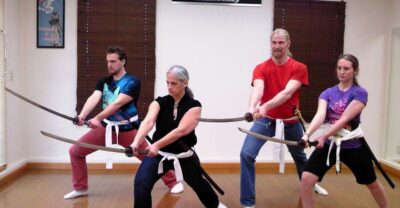
Samurai Sword Class by Experts in Traditional Arts
Read our review →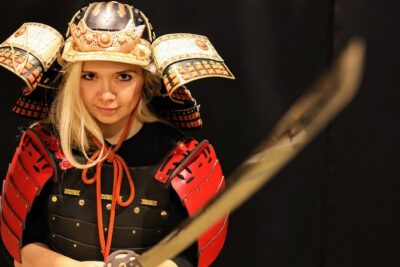
Skip the lines Basic Ticket at SAMURAI NINJA MUSEUM KYOTO
Read our review →
Samurai Sword & Archery Class from Samurai Descendant
Read our review →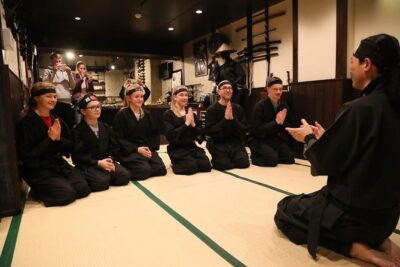
Ninja 1-hour Hands-on Lesson by Japanese master in Kyoto -Entry
Read our review →Browse the lists this tour appears in