
Reviewed · WALKING TOURS
Osaka Highlights: 4-Hour Walking Tour with Castle
Neon noodles and a castle stop. This 4-hour private walk strings together Osaka Castle park, Tsuruhashi Ichiba, Abeno Harukas views, Shinsekai, and Dotonbori backstreets, so you get big names plus the everyday Osaka feel. I love the blend of iconic sights and less-touristy lanes, and I love how guides such as Hugo and Kevin turn each neighborhood into a story you can picture. One consideration: you will walk, and there will be subway stairs, so comfortable shoes really matter.
You get to pick a morning or afternoon departure, and the route is designed to end in the lively Namba area, where you can keep going on your own. I also like that it is a private tour, so your group moves together and your guide can adjust for your pace and interests, even if you are traveling with kids or want more time to shop.
The price is $80 per person for the guide and tour structure, but transport during the walk and food are not included. The upside is that the stops themselves are not about expensive paid attractions, so your money goes toward people, timing, and getting around efficiently.
Key highlights at a glance
- Osaka Castle park first, with a realistic look at what is worth your time
- Tsuruhashi Ichiba, a local market where food, fashion, and everyday noise collide
- Abeno Harukas views without the top-ticket line, so you keep the day moving
- Shinsekai’s 100-year-old entertainment vibe, with shiny spots and worn character
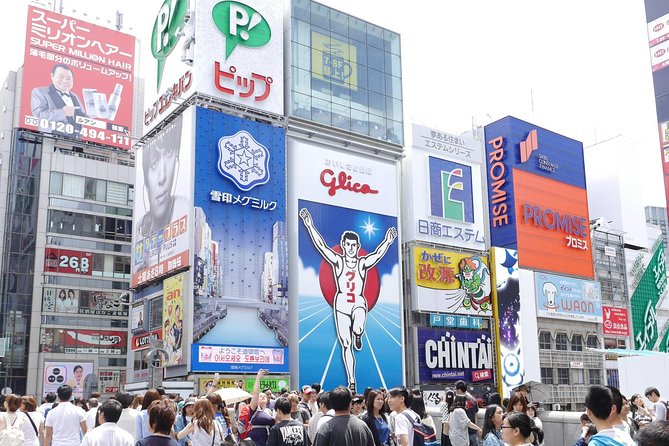
- Dotonbori running man plus quiet backstreets, so you see both headline Osaka and side streets
- Private, flexible pacing, and guides who manage crowds and photo moments well
Why this Osaka half-day walk is a smart first move
Osaka can feel like a lot at first. The city throws neon at you, turns food into a sport, and keeps changing neighborhoods every few train stops. This tour works because it compresses the variety into one clean 4-hour loop, with a guide to connect the dots.
I especially like that the route does not treat Osaka like a museum. You are not just collecting photos. You are moving from place to place where locals actually eat, shop, and hang out. The mix of Osaka Castle park grounds, the Tsuruhashi Ichiba market, Shinsekai’s retro energy, and Dotonbori’s street-level chaos gives you a quick sense of what Osaka is built for.
The cherry on top: you get a human timeline. Guides highlighted in the tour experience, like Kevin and Oisin, are praised for making history make sense in normal language, not in a textbook voice. That matters, because Osaka’s look is tied to changes over time, and you will notice those layers while you walk.
More Castle Tours in Osaka
- Osaka Castle: Museum and Tower Entry Ticket
★ 4.5 · 2,380 reviews - Ultimate Osaka Walking Tour: Castle, Dotonbori & Hidden Gems
★ 5.0 · 862 reviews - Osaka Castle Walking Tour and Castle Tower Admission
★ 5.0 · 561 reviews
Price, time, and what you actually get for $80
At $80 per person for about 4 hours, you are mainly paying for three things: a private guide, a planned route with sensible pacing, and time saved on how to get around and where to stand. The stops are set up so most admission costs are not the point, since the listed admissions for the tour stops are free.
What is not included is also clear:
- Transportation during the tour (about ¥800 per person)
- Food and drinks
- Hotel pickup and drop-off unless you add it (¥3,000 within central Osaka)
That structure is good value for people who want guided direction but do not want the tour to control their eating. You can snack on your own schedule in Dotonbori, then decide for lunch after the walk.
Budget a little for subway rides and small purchases. And if you plan to buy a subway day pass, do it before you start your day. The tour even suggests that, because it can make the ticket part less stressful while you focus on walking.
Meeting at Tempozan Ferris Wheel, ending in Namba
The tour starts near the Tempozan Ferris Wheel in Minato Ward and ends in the Namba and Dotonbori area near Namba Station. That end point is practical. It drops you right where you want to be if your next step is dinner, arcade time, or a last stroll under neon.
To get to the start, the tour recommends using a subway day pass and getting yourself to the meeting spot by public transit. I like this approach because it makes you independent. You are not stuck waiting around for a hotel shuttle that might not match your day.
One practical note from experience with this kind of urban walk: plan a little buffer around the meeting time. If you do lose contact, the tour experience shows that the guide will help you regroup at the first stop, Osaka Castle. That is a relief when you are juggling train transfers.
Stop 1, Osaka Castle park: what to see, what to skip
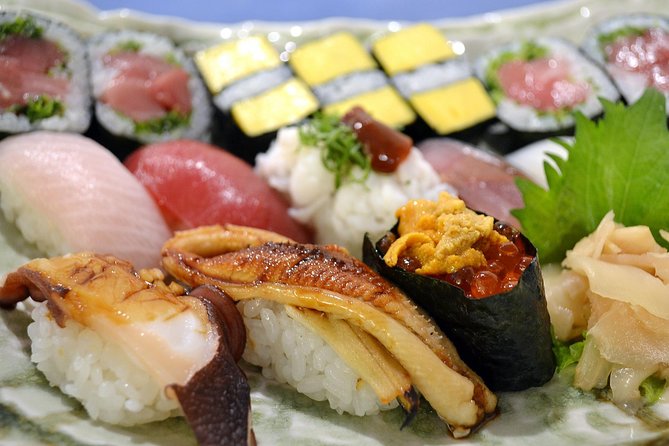
Osaka Castle is the headline, but the best part is not always inside. The tour emphasizes the park and the exterior, and I agree with the logic. The grounds give you the feeling of place fast, and you get that classic Osaka landmark without burning energy on something that may not be your priority.
You get about one hour here. That length is enough for a calm walk around the castle area, photos without rushing, and time to hear the stories that place Osaka’s castle in context. Guides like Ferdinand and Kevin are praised for connecting the castle to broader local history, including stories tied to immigrants and settlers, so it is not just a scenic stop.
If you are the type who wants to read every sign and enter every building, you can still choose your own approach. But if you want time to be spent where the atmosphere is strongest, stick with the castle grounds and enjoy the views. The tour experience even points out that the interior may not be worth it, so you are not paying attention away from the places that matter most.
More Walking Tours in Osaka
- Osaka: Hotspots & Hidden Gems Walking Tour Private or Group
★ 4.9 · 1,300 reviews - Osaka Local Foodie Walking Tour in Dotonbori and Shinsekai
★ 5.0 · 985 reviews - Osaka Bar Hopping Night Walking Tour in Namba (3 bars, 6 tastes)
★ 5.0 · 958 reviews - Osaka: Deep Backstreets Walking Tour with Dinner Option
★ 4.9 · 902 reviews
Stop 2, Tsuruhashi Ichiba: market chaos you can enjoy
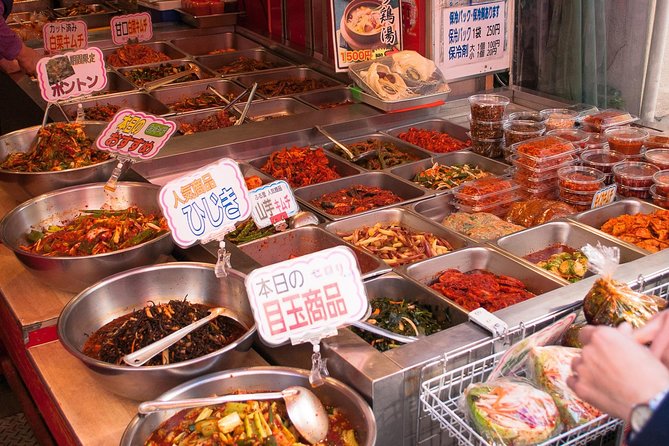
Next is Osaka Tsuruhashi Ichiba, a market where fashion, food, and local culture collide. You will spend about 30 minutes here, and that time is perfectly matched to what markets do best: they are sensory, crowded, and full of tiny discoveries.
This stop is a time-warp in the sense that it still feels local. The tour experience notes that there is not much pre-war Osaka left, but it is still a champion of a neighborhood sight. In practice, that means you get a slice of daily Osaka life instead of a curated show.
What you should do in those 30 minutes:
- Walk slowly, look at what people buy, and do not feel you need to sample everything at once
- Take photos of signage and stalls, then circle back if something catches your eye
- Use the guide to point out what is actually worth tasting, since menus and customs can be hard when you do not read Japanese quickly
If you want an Osaka souvenir that does not look like a generic tourist purchase, a market stop is the move. It is also a great reset after the castle. Markets give you a different kind of energy, more everyday and more immediate.
Stop 3, Abeno Harukas viewpoints: the smart way to see the skyline
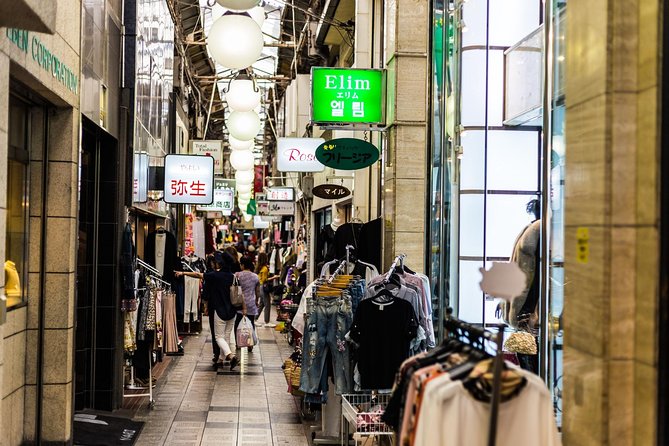
Abeno Harukas is a must on many Osaka itineraries, but the tour does something practical. Instead of spending time and money to go all the way to the very top, it routes you to an almost-as-good view without the line and extra cost.
You get about 30 minutes here. That is enough for the view, quick photos, and a short explanation of what you are looking at from above. The tour experience also mentions a strategy that helps you avoid the top-ticket hassle, which is exactly how I like city viewpoints to work: show me the skyline, then let me spend my energy elsewhere.
How to get the most out of this stop:
- Pick a spot and let your eyes adjust before you start shooting photos
- Pay attention to where the neighborhoods sit relative to each other, since it helps you make sense of the city map you have built on foot
- If it is crowded, trust your guide to steer you to a workable vantage point
Even if you do not go to the top deck, you still get that big-city scale feeling that tells you Osaka is not small. It is a city of long stretches, dense blocks, and fast-changing streets, and the skyline view puts that pattern in perspective.
Stop 4, Shinsekai: retro amusement energy with real texture
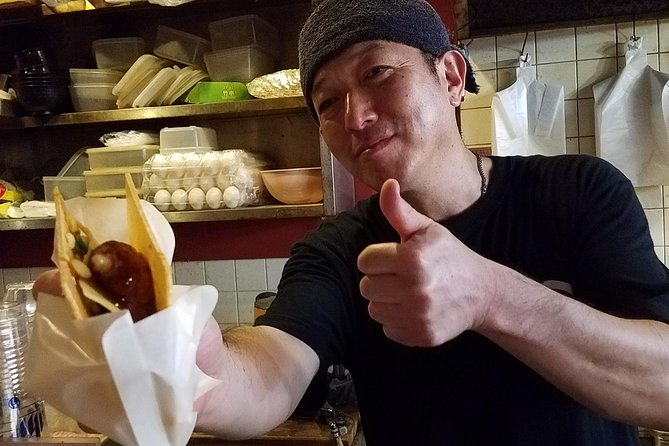
Then you hit Shinsekai, an entertainment district with around a hundred years of history. The tour sets expectations well: you will see places that look shiny and new, but you will also see the worn patina that makes Shinsekai feel real.
You will have about 30 minutes here, which is enough time to take in the atmosphere without turning it into a grind. Shinsekai works best when you slow down and let it happen around you. Watch how people move, look up at signs, and pay attention to the mix of old-school visuals and modern life.
This is also a good stop for photos, because it gives you strong shapes and lighting. If you are traveling as a family, the review vibe around this tour style tends to be that guides can keep kids engaged by breaking the day into short, distinct segments. Shinsekai fits that pattern because it is visually playful.
If your walking day has been heavy, Shinsekai is a small release valve. It feels like walking into a theme of Osaka, but one that still has everyday rhythm under the fun.
Stop 5, Dotonbori: running man, neon edges, and side streets
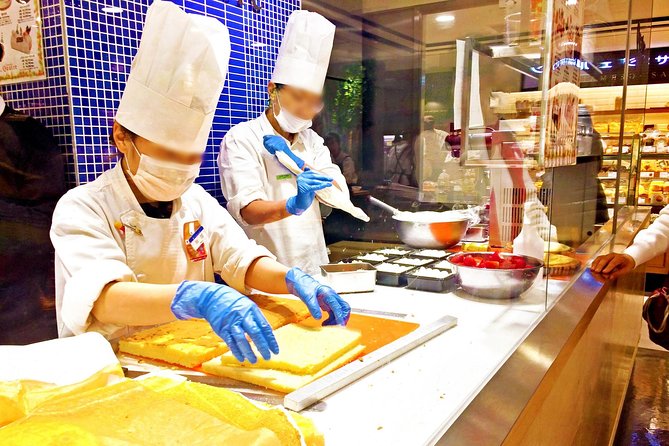
Finally, you end in Dotonbori, where the famous “running man” is part of the deal, but the tour does not stop at the obvious. You also get to walk down smaller backstreets, meaning you can see the contrast between headline Osaka and the quieter lanes that feed the neighborhood’s daily life.
You get about 30 minutes for this area. That is short enough to keep things fun, long enough to absorb the main sights and still find a side-street mood. It also fits the timing of the whole day, since you likely want to leave room for dinner plans right after.
What to focus on in Dotonbori:
- Take one or two classic photos near the main sights, then move
- Look for smaller streets where you can feel the neighborhood more than the crowd
- Plan your first snack before you get too far, because hunger hits fast in this district
The reviews for this tour style mention photo help, and that makes sense here. Dotonbori is bright and chaotic, so having a guide who knows where to stand saves time and frustration.
How the guides like Kevin, Oisin, and Hugo shape the day
A good walking tour lives or dies on the guide. Here, the guide quality shows up again and again in the feedback tied to this experience. Names like Hugo, Kevin, Oisin, and Ferdinand come up with consistent praise for clear explanations and well-paced stops.
What that usually means in real life:
- You get context for why places look the way they do, not just what you are seeing
- The tour avoids rushing, so you can ask questions and keep up
- Guides help with practical moments like where to stand for photos and how to navigate alleys and crowds
One extra bonus that appears in the experience: some guides will point you toward a great food option after the walk. There is mention of a ramen restaurant suggestion after touring, which is a nice way to turn the itinerary into a real meal plan instead of a sightseeing-only day.
If you care about local stories, pay attention to what your guide chooses to highlight at each stop. Castle grounds, markets, skyline views, retro entertainment streets, and neon lanes all tell different sides of Osaka. The best guides connect them so the city starts to make sense as a whole.
What to bring, how much walking, and subway tips
This is a walking-heavy tour. The tour experience clearly flags that you should expect plenty of walking and subway stairs. That is not a negative, it is just good intel.
Bring:
- Comfortable walking shoes (you will use them)
- A charged phone for maps and your mobile ticket
- Some yen for transit, since transportation during the tour is not included
- A day plan mindset. Do not cram it with long errands the same day
The tour also suggests buying a subway day pass. I agree with that strategy for two reasons. First, it keeps decisions simple during the half-day. Second, it reduces the chance you waste time figuring out fare options while you are already moving.
Finally, if you need a buffer for meeting up, give yourself margin at the start. Even on the best-organized walking days, getting trains and finding exact entrances can take longer than you think.
Who this tour is best for
This Osaka highlight walk is a strong fit for:
- First-time visitors who want a clear overview fast
- People who like mixing famous sights with less obvious neighborhoods
- Solo travelers, since the experience explicitly welcomes them
- Families who need a route that stays active but not chaotic, with guides able to adjust pace
- Travelers who want help with navigating by subway and walking alleys
It is less ideal if you want a slow, fully unstructured day, or if you dislike stairs and long walks. But if you can handle a moderate physical pace, the structure will feel efficient instead of exhausting.
Should you book this Osaka Highlights walk?
I would book it if you want a guided loop that covers real Osaka variety in one half day, with practical navigation and stops that are designed for photos and context, not just checklists. The value works best when you like the idea of paying for a guide who connects neighborhoods and helps you avoid time-wasting dead ends.
Skip it if you hate walking, hate subway stairs, or you already have a tight plan for each neighborhood and do not want help shaping it.
FAQ
How long is the Osaka highlights walking tour?
It runs about 4 hours.
What is included in the price?
You get a private tour with a fluent English (or selected language) guide, plus a personalized itinerary with flexibility for your interests.
What does the tour cost, and what is not included?
The price is $80 per person. Transportation during the tour is not included (about ¥800 per person), and food and drinks are also not included.
Where does the tour start and end?
It starts near Tempozan Ferris Wheel and ends in the Namba and Dotonbori area near Namba Station.
Can I choose a morning or afternoon departure?
Yes, you can choose from a morning or afternoon departure.
Is this tour private, and is it okay for solo travelers?
Yes, it is private, meaning only your group participates. Solo travelers are welcome.
More Castle Tours near Osaka
- From Osaka: Himeji Castle, Arima Onsen & Mt. Rokko Day Tour
★ 4.6 · 339 reviews - 5-Hour Osaka Bike Tour to the Neighborhood of Osaka Castle
★ 5.0 · 319 reviews - Osaka Castle Guided Tour
★ 4.7 · 249 reviews - Osaka: Castle History Walking Tour / Castle Tower Admission
★ 4.9 · 230 reviews
Fresh options around Osaka
- Private Car Day Trip to the Kobe Mountains, Gardens and Hot Springs from Osaka★ 4.5 · 16 reviews
- Private Airport transfer OSAKA to Kansai Intl. Airport(KIX)★ 4.5 · 16 reviews
- Osaka Private Food Tours by Local Foodies: 100% Personalized★ 5.0 · 17 reviews
- Private departure transfer from central Osaka city to Itami airport (ITM)★ 5.0 · 17 reviews
- OSAKA:Feel the Power! Learn Taiko Drum from Professionals★ 5.0 · 17 reviews
- Osaka Food Tour Eat Like a Local in Namba and Dotonbori★ 5.0 · 17 reviews
- Hiroshima and Miyajima Private Day Tour from Kyoto/Osaka★ 5.0 · 17 reviews
- Learn Zen in a class of making Matcha tea near Osaka Castle★ 4.8 · 17 reviews
Walking Tours, compared.
Kyoto Geisha Walking Tour: Gion District & Hidden Gems
Read our review →
Tokyo Tsukiji Fish Market Food and Culture Walking Tour
Read our review →
Gion Magical Night Walking Tour with Geisha Trivia
Read our review →
Imperial Palace and Shogun Historical Walking Tour
Read our review →
Gion Geisha District Walking Tour – Stories of Geisha
Read our review →
Shinjuku Local Bar and Izakaya Guided Walking Tour
Read our review →
Browse the lists this tour appears in