
Reviewed · WORKSHOPS
Nerikiri and Matcha Making Class in Kyoto
Kyoto’s tea sweets class feels like quiet therapy. You’ll learn to shape nerikiri step by step, then make and taste matcha in a calm, table-style session.
The class runs about 2 hours 30 minutes with a small group, and it ends right where you start at Matsugasaki Station.
I especially like two things: you make five different nerikiri designs with guided technique, and you get to take some of what you make home in a provided container.
The main thing to consider is that space is limited and it is not set up for spectators, so plan your timing and who comes with you.
Nerikiri and Matcha at Nariko’s Kitchen, What You Actually Do
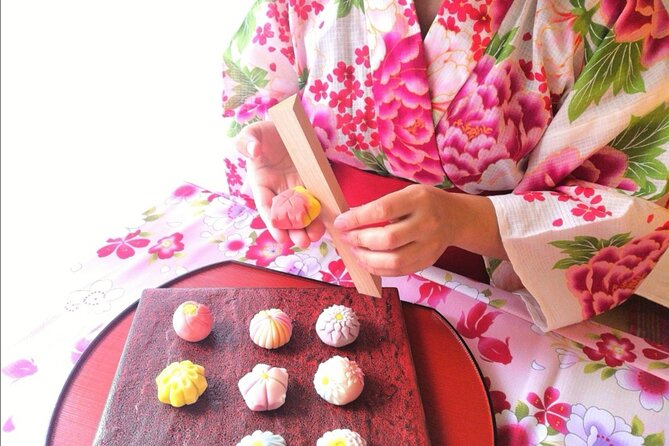
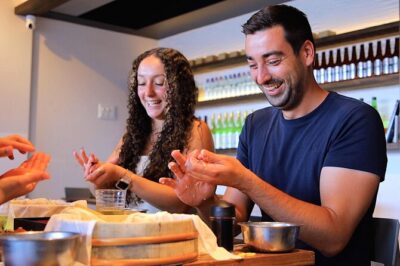
This is a hands-on Kyoto class focused on two skills that pair beautifully: nerikiri (the shaped Japanese tea sweets) and matcha. The point is not just to watch. You follow demonstrations, then you do the shaping yourself, using different tools and techniques. By the end, you’re tasting your own work with your own matcha, which makes the whole experience feel grounded and satisfying.
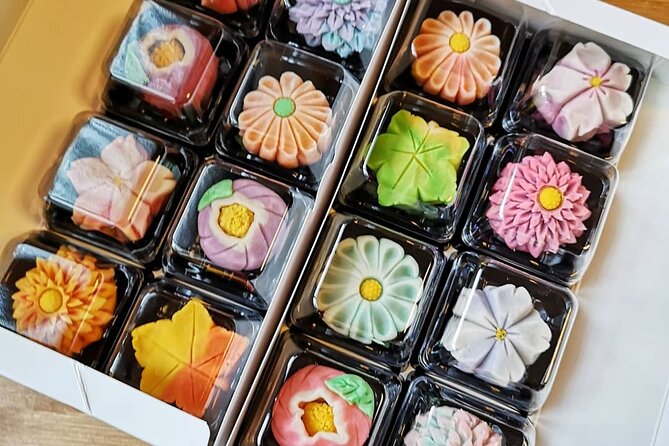
Nerikiri, if you have not met it before, are sweet confections usually made with white bean paste and shaped into delicate designs for tea ceremony. In this class, you are learning the “design step” portion, the part where you take a workable dough and turn it into specific forms.
And yes, the vibe matters. The session is described as peaceful and therapeutic, and that matches the structure: teach, practice, refine, taste. With a maximum group size of 8, you should get enough attention to keep your work moving without feeling rushed.
Price and Duration: Is It Worth $84.92?
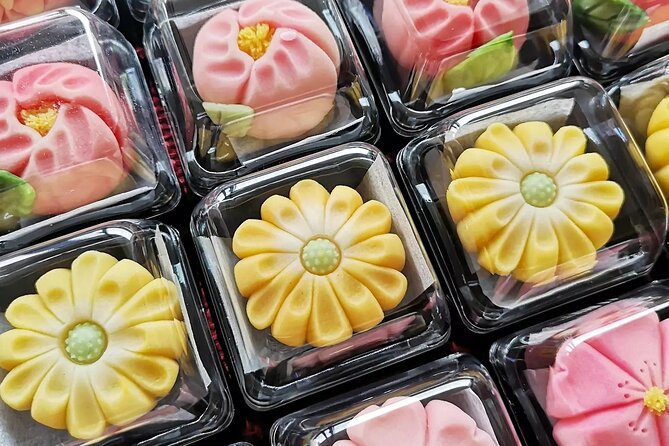
At $84.92 per person for about 2 hours 30 minutes, you are paying for instruction, materials, and what is basically a mini workshop. The class includes 5 nerikiri, matcha, and a container so you can take some home.
Is it a “low-cost” activity? No. But it is also not just a souvenir craft. You leave with a set of sweets you made yourself, you taste matcha right there, and you get extra value after the class through the email recipes (two versions of nerikiri dough) if you share your email address.
One more practical point: this type of class often sells out because it is small and hands-on. If you want a specific date, booking about a month ahead is a good idea since the average booking time is 29 days in advance.
More Tea Ceremonies in Kyoto
- Kyoto: Tea Ceremony in a Traditional Tea House in Kiyomizu
★ 4.9 · 3,519 reviews - Kyoto: Tea Ceremony Ju-An at Jotokuji Temple
★ 4.9 · 3,207 reviews - Kyoto: 45-Minute Tea Ceremony Lesson Experience
★ 4.3 · 2,378 reviews
Meeting at Matsugasaki Station and the Simple Logistics
You start at Matsugasaki Station (Matsugasaki Rokunotsubocho, Sakyo Ward, Kyoto, 606-0915, Japan). The class starts at 10:00 am, and it ends back at the meeting point.
That matters more than it sounds. Kyoto can be confusing when you switch areas, and it is nice when the start and finish are the same place. It means you do not need a private plan for getting home at the end.
Also, the activity uses a mobile ticket, and it is near public transportation. So if you like using transit instead of taxis, this fits your day.
What Happens During the 2.5 Hours
Here is how the class flows, in a way you can actually picture.
1) Warm start: learning the nerikiri dough basics
The instructor explains and demonstrates how to make the nerikiri dough steps by step. In practice, the dough you shape will already be prepared by the instructor before class. That means you spend your time learning shaping techniques rather than waiting through a long cooking or preparation phase.
What you get from this part is understanding the dough’s role and how the work changes when you handle it, not just when it is on display. You will follow instruction and learn what to watch for as you shape.
After the class, you can receive two versions of nerikiri dough recipes by email if you share your address.
Same corner of Japan, a different kind of day:
- PERFECT KYOTO 1-Day Bus Tour
★ 5.0 · 13,518 reviews - Kyoto: Fushimi Inari, Kinkakuji, Bamboo Grove 1 Day Bus Tour
★ 4.8 · 4,316 reviews - Kyoto Geisha Walking Tour: Gion District & Hidden Gems
★ 4.7 · 3,273 reviews - Kyoto: Gion Magical Night Walking Tour with Geisha Trivia
★ 4.9 · 2,393 reviews
2) Your main task: 5 nerikiri designs, tool by tool
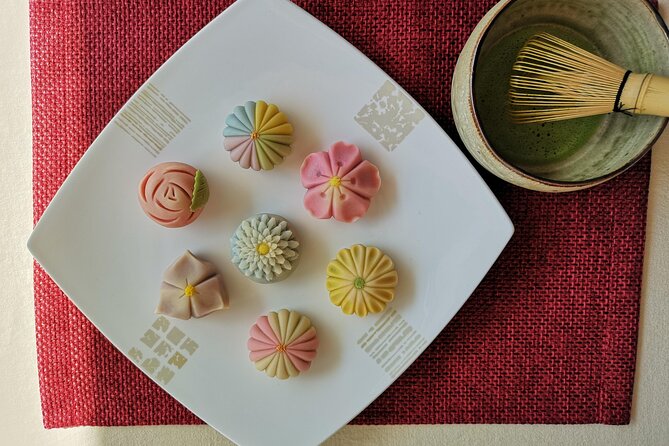
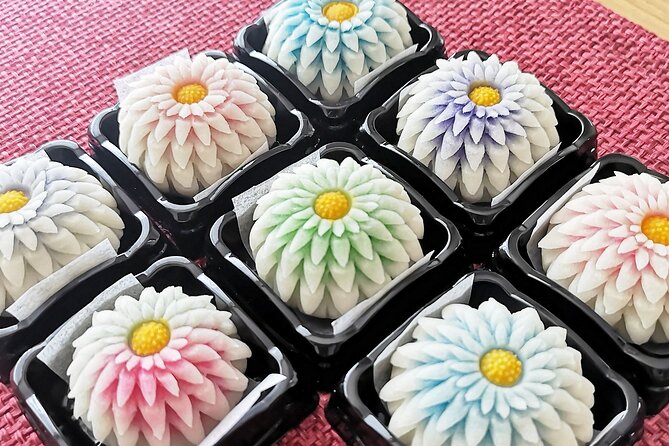
This is the heart of the experience. You will make 5 designs of nerikiri, learning to shape them with different techniques using various nerikiri tools.
That variety is the difference between a casual craft and something that sticks with you. Instead of making only one repeated shape, you practice multiple forms and learn how to approach each one. You also learn that “delicate” does not mean “mysterious.” With step-by-step guidance, the shaping becomes doable.
From the structure and feedback style, the class is organized and precise. You are not just playing with dough. You are learning how to control the details so the designs look intentional.
3) Matcha time: table-style tea making and tasting
After the nerikiri shaping, you shift to matcha. You make matcha tea in a table-style format, then enjoy what you made.
This part is valuable because it links the sweets to the tea. Instead of eating a confection later and forgetting the context, you taste it in the same session where you learned about the designs. The class is set up so the flavors make sense together.
You do not need to know matcha culture theory to enjoy this. The class gives you a simple, hands-on way to experience it.
4) Take-home sweets, with a container provided
You can take the rest of the nerikiri home. A container is provided, so you do not have to improvise.
That is a big practical win. It also turns the class into something you can share without the food getting crushed on the way back to your hotel.
Small Group Size, Attention, and the Calm Factor
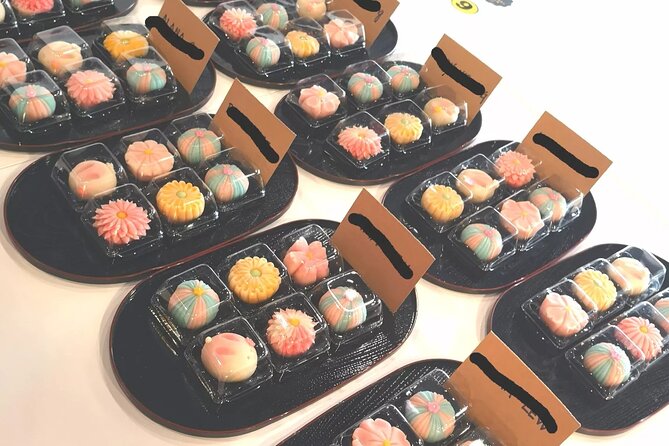
This class caps at 8 travelers, which helps you get direct guidance as you shape. When a workshop is small, you can ask follow-up questions without waiting, and you can correct a technique before you build too many mistakes into your designs.
The experience is described as peaceful and therapeutic, and it makes sense with the format. The shaping process asks for focus. The calm rhythm of explain, do, refine, taste keeps the session from feeling like a busy “Kyoto checkpoint.”
If you like quiet activities that still teach you something real, this fits well.
Who This Class Is Best For
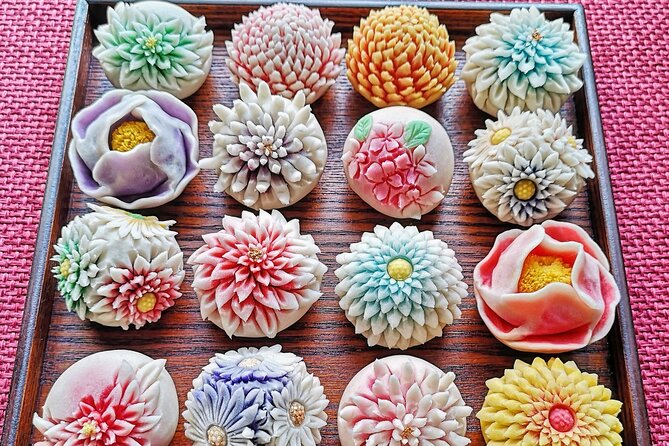
This is ideal if you fall into one of these groups.
- You want a unique Kyoto experience that is hands-on and not just a photo stop.
- You want to learn technique, not just copy a finished sample. The class is built for people who want to seriously improve their skills for future use.
- You like calm, detailed activities where you can slow down for a couple of hours.
It is also a good fit for people who plan to keep doing Japanese food crafts after the trip, since you receive dough recipe versions by email and you already have a sense of how the shaping works.
There are a couple of constraints to note. Participants must be older than 10, and no spectators are allowed because space is limited.
What to Expect From Nerikiri Shaping, Realistic and Useful
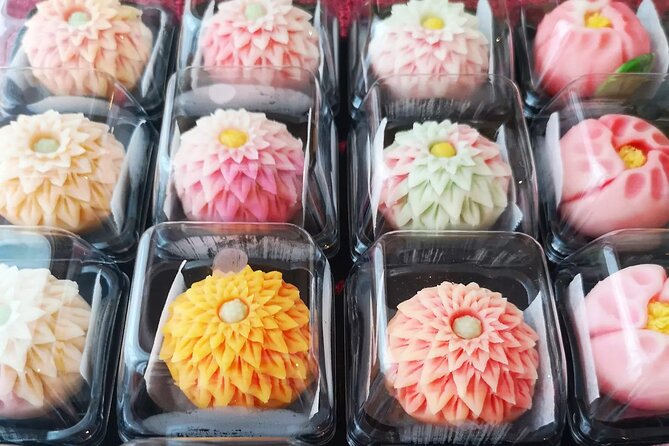
Nerikiri can look advanced in photos. The key takeaway from this class approach is that it is learnable. The instructor prepares the dough ahead of time, so your job is to shape and refine the forms using the tools provided.
You also get repeated practice across 5 designs. That repetition helps you understand common shaping moves, like how to handle the dough, how to use tools precisely, and how to adjust your pressure and timing.
If you tend to feel stressed by crafts, I would still encourage you to try this. The structure is designed to guide you through the steps without leaving you guessing.
The matcha portion adds a sensory payoff. You get something to taste right away, and the sweetness and tea pairing makes the work feel complete.
Value Check: Why This Feels Like More Than a Craft Ticket
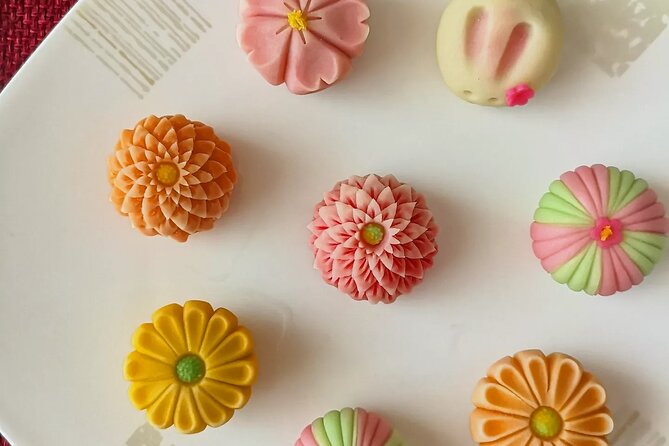
Here is the value angle I would use to decide.
You are not paying only for materials. You are paying for:
- step-by-step instruction on nerikiri dough handling
- guided shaping of five designs
- a matcha-making session plus tasting
- take-home nerikiri in a provided container
- email recipes (two versions) for future practice if you request them
When those pieces come together in one sitting, the class becomes more memorable than a one-item workshop. It also gives you content you can actually use later, like dough recipe versions and a better sense of shaping technique.
Tips to Get the Most Out of Your 10:00 am Session
A few practical habits can make this class smoother.
- Arrive a little early at Matsugasaki Station so you can get settled before starting time.
- Wear comfortable clothing. Even though it is not described as messy, you are handling dough and tools.
- Keep an eye on pacing during the shaping stage. Since you are making 5 designs, small corrections early are easier than big fixes later.
- Bring your attention to the matcha step. It is part of the learning loop, not just a beverage.
If you like structured, calm learning, this is a strong match for your Kyoto schedule.
Should You Book This Nerikiri and Matcha Making Class?
Book it if you want a Kyoto activity that is hands-on, skill-focused, and calm. The five nerikiri designs, the matcha you make and taste in the same session, and the take-home container make it feel substantial.
Skip it if you need a quick, passive experience. This class asks you to participate. Also, if you are traveling with someone who wants to watch only, remember that spectators are not allowed due to limited space.
If you are deciding between a typical souvenir stop and a real craft skill in a small group, I think this one wins. You leave with sweets you shaped yourself, and you learn techniques you can try again later with the recipes you can request by email.
FAQ
How long is the Nerikiri and Matcha making class in Kyoto?
It runs for about 2 hours 30 minutes.
What will I make and learn in the class?
You will learn nerikiri dough techniques, make 5 designs of nerikiri, make matcha tea (table-style), and taste the results.
What is included in the price?
The class includes 5 nerikiri, matcha, and a container to take the nerikiri home.
Where do I meet, and when does it end?
You meet at Matsugasaki Station at 10:00 am and the activity ends back at the meeting point.
Can I take the nerikiri home?
Yes. You can take the rest home, and a container is provided.
Are there age requirements?
Participants must be older than 10.
Fresh options around Kyoto
- Nara Todaiji Kasuga Taisha Private Full Day Tour From Kyoto★ 5.0 · 13 reviews
- Private Sake Tasting in Central Kyoto with Sake Sommelier★ 5.0 · 13 reviews
- Kyoto: Sushi Making Experience in Kawaramachi★ 4.8 · 13 reviews
- Traditional Tea Ceremony with Matcha and Sweets in Kyoto★ 5.0 · 13 reviews
- Kyoto: KITSUNE Nightclub Admission Ticket with Drink★ 4.2 · 13 reviews
- Kyoto Shogun Cycling Tour★ 5.0 · 13 reviews
- Kyoto: Customizable Full-Day Tour with Privarte Transfers★ 3.5 · 13 reviews
- Japan’s Rural Life & Nature: Private Half Day Cycling Near Kyoto★ 5.0 · 13 reviews
Workshops, compared.
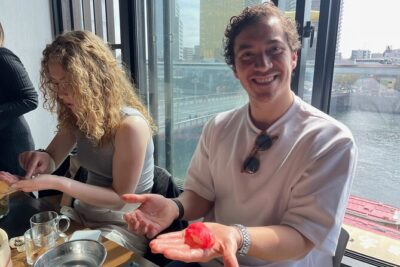
Sushi Making Tokyo Roll and Authentic Japanese Sushi Class
Read our review →
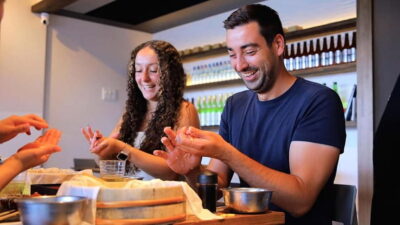
Roll and Authentic Sushi Making Class in Asakusa
Read our review →
Ramen Cooking Class at Ramen Factory in Kyoto
Read our review →
Sushi Making Class in a Happi Coat near a Famous Spot
Read our review →
Sushi Making Osaka Roll and Authentic Japanese Sushi Class
Read our review →Browse the lists this tour appears in