
Kyoto has a way of turning small crafts into big memories, and this stone seal workshop is one of them. In about 90 minutes to 2 hours, you create a personal seal by carving Japanese characters into stone, with patient guidance from a calligraphy teacher.
I especially like the choices you get. You can carve a character yourself or ask the calligrapher to help design it, then pick what you want to carve, including your name in Japanese or a favorite word.
The one real consideration is effort. Stone carving takes focus and precision, so even though beginners are welcome, expect it to be real work, not a quick souvenir photo.
Key things to know before you carve
- Small group size (up to 8) means you are not just watching, you are getting help
- Pick your character (your name, a favorite word, or a calligrapher-designed design)
- English instruction so you can follow techniques and character decisions step by step
- A postcard souvenir you actually stamp with your finished seal, including your name written in Japanese
- You get the stone and a special box, so you can carry your creation home safely
Why a Kyoto Stone Seal Workshop Feels Like Real Kyoto
Kyoto is full of things you can look at. This kind of class is different. You make something with your hands, using Japanese calligraphy and seal-carving methods taught in a calm, structured way. The end result is personal, not generic, because your stone seal is tied to a specific character you chose.
I like that the workshop is built around an outcome you can use emotionally, not just visually. You end up with a stamp impression on a postcard, plus the seal itself in a special box. That combination is great for giving, keeping, or even framing later.
And because it is taught by a Japanese calligrapher who is also a high school calligraphy teacher, the lesson style tends to be practical. In the best workshops, you feel guided through the why, not just the how. Here, the instruction is careful enough that beginners feel confident, while the process still stays challenging for people who want to try hard.
A few more Kyoto days worth comparing
- PERFECT KYOTO 1-Day Bus Tour
★ 5.0 · 13,518 reviews - Kyoto: Fushimi Inari, Kinkakuji, Bamboo Grove 1 Day Bus Tour
★ 4.8 · 4,316 reviews - Kyoto: Tea Ceremony in a Traditional Tea House in Kiyomizu
★ 4.9 · 3,519 reviews
Picking Your Character, So the Workshop Becomes Personal
The class starts with the design decision. This is not a detail you should rush, because the character you carve drives everything after that. You can choose a character on your own, or you can ask the calligrapher to design it for you. That option matters, especially if you are not confident about choosing the right characters or getting the look you want.
You also get to select what you carve. Most people go with something meaningful, like their name in Japanese, but you can also choose a favorite word. That freedom turns a “learn a craft” experience into a “make my memory” experience.
One of the nicest touches is that you are not left alone with translation. Help with proper name translation is part of the experience, and you can get guidance so your seal reflects what you intended. If you care about the style, you can also choose the kanji style to your preference, which helps you end up with something that feels more like your own.
Quick tip for choosing your character
If your name has multiple parts or you want a specific look, take a minute before you start deciding. A few thoughtful moments at the beginning can save frustration later when you are carving small, precise lines.
Carving the Seal Stone: Where Patience Pays Off
This is the heart of the experience. You work on carving techniques while creating an original stone seal. The workshop is built for careful step-by-step teaching, and that is a big deal if you have never carved anything before.
Stone seal carving is not just about cutting away stone. It is about shaping the character with correct lines and rhythm. That is why the class feels both productive and surprisingly relaxing for many people. Even when it is challenging, you are concentrating on one task. There is a quiet logic to it: carve, check, adjust, repeat.
The guidance you get is where the class earns its strong ratings. Instruction is clear, and teachers stay patient while you learn how to approach the work. You will likely spend time refining the details, because seal carving rewards precision more than speed.
Also, small group size matters here. With a group limited to 8, you are more likely to get direct help when something is not reading correctly in the stone yet. When you are carving tiny shapes, that kind of attention makes a difference.
Same corner of Japan, a different kind of day:
- Kyoto Geisha Walking Tour: Gion District & Hidden Gems
★ 4.7 · 3,273 reviews - Kyoto: Tea Ceremony Ju-An at Jotokuji Temple
★ 4.9 · 3,207 reviews - Kyoto: Gion Magical Night Walking Tour with Geisha Trivia
★ 4.9 · 2,393 reviews - Kyoto: 45-Minute Tea Ceremony Lesson Experience
★ 4.3 · 2,378 reviews
How the Postcard Stamp Turns Your Seal Into a Keepsake
Once your seal is complete, you stamp it onto a postcard. That is a smart design of the experience, because it gives you immediate proof that your carving worked. You can see the impression right away, and the stamp becomes a readable souvenir, not just a piece of stone in a box.
Then the calligrapher writes the date and your name in Japanese beside the stamp. This turns it from a craft object into a message you can remember. It also means you do not have to worry about writing Japanese perfectly yourself as part of the outcome.
This postcard step is also a low-stress way to handle the “what if I mess up” fear. The moment of stamping is the moment everything comes together: your carved seal, your chosen character, and the name details all arranged in a neat souvenir.
Why this souvenir format is good value
A lot of classes give you something finished and pretty. This one adds a second layer: the stamp impression is something you can write on, mail, frame, or keep as a record of your choice. It is personal without requiring extra effort on your end.
Time, Effort, and What to Expect in the Room
The workshop runs from 90 minutes to 2 hours, depending on the pace and what you choose to carve. That time window is long enough to learn, carve, and finish, but short enough that it still feels like a focused session rather than a half-day project.
You should expect to concentrate. Even if beginners are welcome, you will be doing careful work with patience and precision. Some people find it hard work, but the payoff feels real because the final seal looks like something you made, not something you watched someone else make.
You will also be working with an instructor who teaches in English. That removes a lot of friction, especially when you are trying to understand both carving technique and Japanese character guidance at the same time.
Group dynamics are usually calm. With such a small group, the class atmosphere tends to be more like a workshop than a show. If you prefer structured, quiet learning, this fits well. If you prefer fast and casual souvenir stops, it may feel slower than you want.
Price and Value: What $77 Buys You (and What It Includes)
At about $77 per person, you are paying for a guided craft session with materials and a take-home set. The price is not just instruction. It includes the stone seal carving workshop, guidance from a Japanese calligrapher, a postcard with your seal stamp and your name in Japanese, and the stone plus a special box to take the stone home.
That matters for value. You are not expected to provide your own carving materials, and you are not just buying a collectible. You are getting a full process that ends with two meaningful outputs, the carved seal and the stamped postcard.
In other words, the money goes toward:
- expert guidance (calligraphy teacher instruction plus carving technique help)
- the main materials (stone) and the finished souvenir packaging (special box)
- a ready-to-keep result (postcard stamp plus date and name in Japanese)
If you are the type who likes experiences where you can point to your own work and say I chose that character, this tends to feel worth it.
Getting There and Workshop Flow, Without the Headache
The meeting point is straightforward: there is a sign board in front of the entrance. Once you are there, the flow is simple.
Typically, you start with character/design decisions, then move into carving, and finish with stamping your seal onto the postcard. It is a clean sequence, and that helps you relax. You are not guessing what happens next, because the class structure is built around a finish line.
Also, the workshop is wheelchair accessible. If mobility matters for you, it is good to know the activity is designed for access, not only for able-bodied movement.
Who Should Book This Kyoto Stone Seal Workshop, and Who Might Not
This workshop is a great fit if you:
- want a hands-on Kyoto activity that does not rely on scenic luck
- care about bringing home something personalized (name or favorite word)
- like careful instruction and patience-based learning
- enjoy crafts where precision is part of the fun
It might be less ideal if you:
- want a low-focus, quick-hit experience with minimal effort
- dislike tasks where you must slow down and work carefully with your hands
The upside is that even first-timers are welcome. The teaching is designed so you can join confidently, but you still end up earning your finished seal through your own attention and effort.
Should You Book This Kyoto Stone Seal Workshop?
If you want a Kyoto souvenir with personality, book it. This workshop is a strong choice because you end up with a carved stone seal and a stamped postcard that includes your name in Japanese. You also get the advantage of English instruction and small group teaching, which keeps the experience from feeling overwhelming.
The main reason to hesitate is effort. If you are hoping for effortless fun, stone carving will ask more from you than a simple craft. But if you like steady, guided work and you want your memory to be something you can hold, this is exactly the kind of experience that pays off.
FAQ
How long is the stone seal carving workshop in Kyoto?
It lasts between 90 minutes and 2 hours.
Is this workshop suitable for beginners?
Yes. Beginners are welcome, and everything is taught carefully and kindly.
Can I carve my name or a favorite word?
Yes. You can choose the character you want to carve, including your name in Japanese or a favorite word.
What souvenir do I take home?
You stamp your completed seal onto a postcard, and the calligrapher writes the date and your name in Japanese beside it. You also take your stone home in a special box.
Is the workshop taught in English?
Yes. The instructor provides guidance in English.
Is there free cancellation?
Yes, you can cancel up to 24 hours in advance for a full refund.
Fresh options around Kyoto
- Kyoto Aquarium Admission Ticket★ 4.7 · 12 reviews
- Kyoto Gion Photoshoot – Private Session | Pro Photographer★ 5.0 · 12 reviews
- Gyoza Cooking Class in Kyoto: Traditional Japanese Dumplings★ 5.0 · 12 reviews
- Kyoto: Guided Food Tour with 12 Dishes & 3 Drinks★ 5.0 · 12 reviews
- Kyoto: Avoid the Crowds at the Hidden Gems of Arashiyama★ 4.9 · 13 reviews
- Kyoto Early Bird English Tour: Gion & Higashiyama(Private opt)★ 5.0 · 13 reviews
- Otsu-e Folk Art Workshop & Local Culture Walk Near Kyoto★ 5.0 · 13 reviews
- Kyoto, Osaka, Nara Full Day tour by Car English speaking Driver★ 3.5 · 13 reviews
Workshops, compared.
Sushi Making Tokyo Roll and Authentic Japanese Sushi Class
Read our review →
Roll and Authentic Sushi Making Class in Asakusa
Read our review →
Ramen Cooking Class at Ramen Factory in Kyoto
Read our review →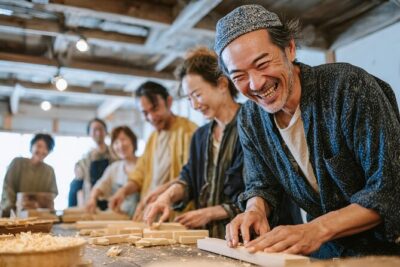
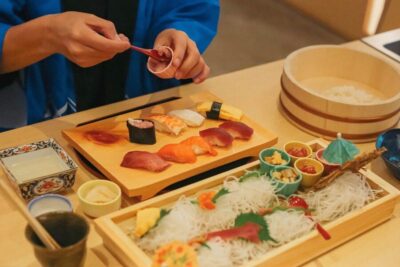
Sushi Making Class in a Happi Coat near a Famous Spot
Read our review →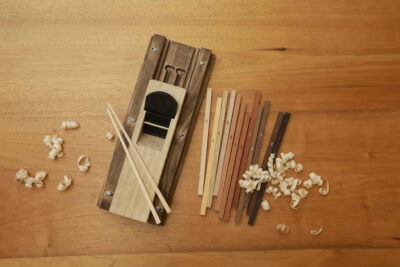
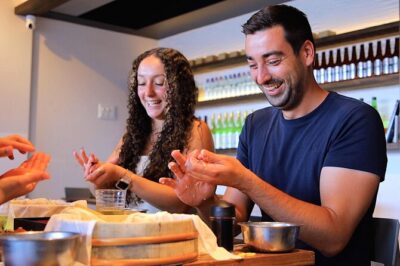
Sushi Making Osaka Roll and Authentic Japanese Sushi Class
Read our review →Browse the lists this tour appears in