
Reviewed · WORKSHOPS
Kyoto Ninenzaka : Japanese Calligraphy Class in Townhouse
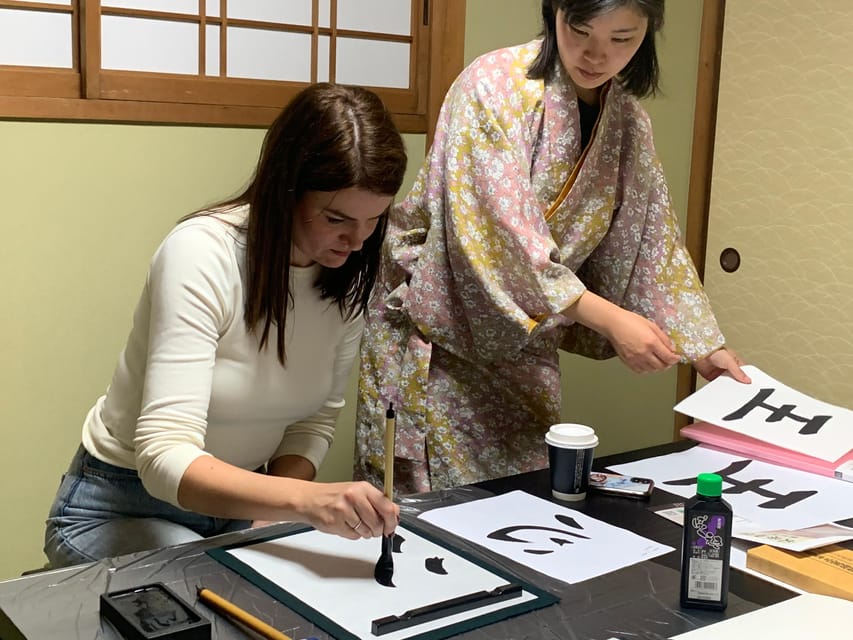
Kyoto has a way of slowing you down, even on a day with temples and streets. This Japanese calligraphy (shodō) class near Kiyomizu and Ninenzaka feels peaceful because it’s taught in a calm townhouse setting, with step-by-step guidance for your first strokes. What I like most is how it covers both the craft basics (tools, brush control, stroke technique) and the cultural why (history, traditions, and seasonal expressions), so you’re not just copying shapes.
The class runs 50 minutes, so the focus is on fundamentals and a finished piece you can take home, not long practice. One thing to consider up front: you need to show up ready for studio rules, especially bringing socks and wearing clothes that won’t mind getting ink on them.
Key things I’d circle before you book
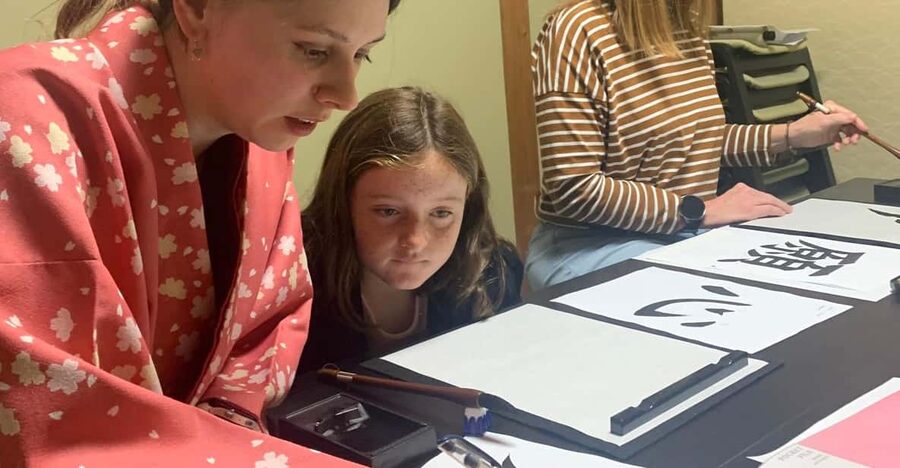
- Beginner-friendly shodō, with clear instruction on brush handling and pressure
- Tools explained properly: ink stick, inkstone, brush basics, paper setup
- Short and focused 50 minutes, designed to get you to a finished kanji piece
- Townhouse calm near Ninenzaka, easy to pair with Kiyomizu Temple sightseeing
- Take-home souvenir, so your practice becomes a real keepsake
A Calming Shodō Lesson in a Kyoto Townhouse Near Ninenzaka
If your Kyoto day is packed with sights, this is the kind of break that actually feels different. You’re not just watching calligraphy from a distance, you’re learning how it’s made, starting from the very hands-on parts: setting up the paper, picking up the brush, and learning how to control each line.
The location also helps. The meeting point is by Ninenzaka, near Kiyomizu Temple, at the end of a narrow alley next to Starbucks. That matters because you can combine it with sightseeing without burning time and energy on transit. You can also reset your pace. Ninenzaka’s old-street atmosphere is busy outside, but the class itself is built to feel quiet and steady.
From the instructor side, the teaching approach is what makes it work for first-timers. Expect patient coaching on grip, stroke pressure, and how the brush moves. Even better, the class stays beginner-friendly, so you don’t need Japanese reading skills or any art background. You will be writing simple kanji by the end, and that’s a big confidence win when you’re in a country where characters can feel intimidating.
A few more Kyoto days worth comparing
- PERFECT KYOTO 1-Day Bus Tour
★ 5.0 · 13,518 reviews - Kyoto: Fushimi Inari, Kinkakuji, Bamboo Grove 1 Day Bus Tour
★ 4.8 · 4,316 reviews - Kyoto: Tea Ceremony in a Traditional Tea House in Kiyomizu
★ 4.9 · 3,519 reviews
Price and Value: What $49 Buys in Real Skill
At $49 per person, this is priced like a short workshop, but the value comes from what’s included with it. For the money, you get experienced instruction, careful guidance, and an original booklet about calligraphy. Most importantly, you leave with your own written kanji piece, which becomes a souvenir you made with your own hand, not something you picked up at a shop.
The 50-minute length is a feature, not a flaw, if you want an efficient Kyoto experience. You’re learning a process: what the tools are, how to set up the paper, how to execute core strokes, and then apply it to a basic kanji. It’s enough time to get a feel for the technique and finish something you can be proud of.
A possible mismatch is if you’re looking for deep, multi-session mastery. This class is built for basics and a finished result. If you want advanced techniques or lots of repeated practice on the same character, you may want a longer program elsewhere. But for a first taste of shodō, this hits a sweet spot.
Finding the Class: Ninenzaka Shortcut Near Kiyomizu Temple
You don’t need complicated directions to get here, which is a relief in Kyoto. The meeting point is conveniently located near Kiyomizu Temple at the end of the alley of the next to Starbucks on Ninenzaka.
That “near Kiyomizu, by Ninenzaka” placement is strategic for planning. You can schedule it either before or after your temple time. If your Kyoto day tends to start strong and end rushed, I’d book this earlier. The calmer you are when you sit down with the brush, the more you’ll get out of the meditative rhythm of practicing.
One practical point: Ninenzaka is a narrow area with lots of foot traffic. That makes the studio rules important. If you show up with oversized items, you’ll feel the friction immediately. The class does not allow luggage or large bags, and it also bans selfie sticks and certain stroller types. Traveling light is your best friend here.
What Happens in 50 Minutes: The Step-by-Step Flow
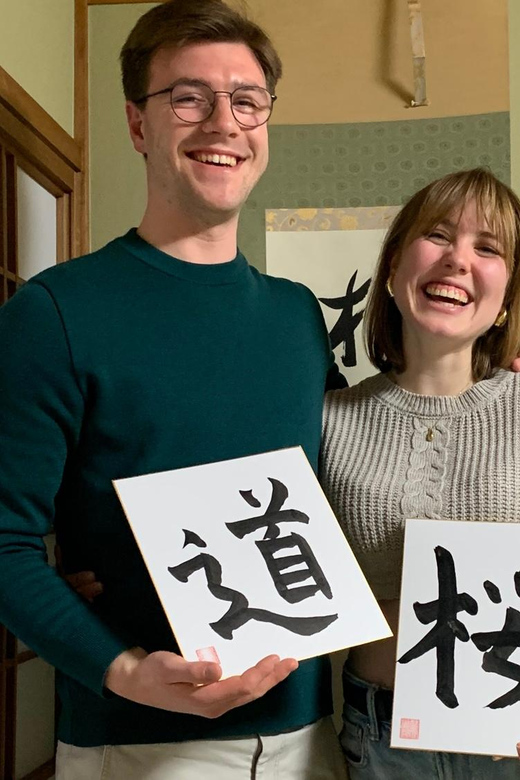
Even without a detailed minute-by-minute timetable, the learning sequence is clear. The class is structured to take you from understanding to doing, then to finishing a piece.
Same corner of Japan, a different kind of day:
- Kyoto Geisha Walking Tour: Gion District & Hidden Gems
★ 4.7 · 3,273 reviews - Kyoto: Tea Ceremony Ju-An at Jotokuji Temple
★ 4.9 · 3,207 reviews - Kyoto: Gion Magical Night Walking Tour with Geisha Trivia
★ 4.9 · 2,393 reviews - Kyoto: 45-Minute Tea Ceremony Lesson Experience
★ 4.3 · 2,378 reviews
1) The why behind shodō
You’ll start with an intro to calligraphy and its history, including how it connects to Japanese traditions. This part matters because it frames the artwork as discipline and intention, not just drawing. When you know that shodō is about rhythm and expression, your strokes feel more purposeful.
2) Tools you handle and tools you respect
Next comes a practical breakdown of essential tools: brushes, ink sticks, inkstones, and paper. The class also covers how to use and care for these tools. That’s valuable because ink and brush care affect your results fast. If you’re careless, you get uneven ink flow, scratchy lines, or blotchy paper.
3) Correct brush handling and pressure control
You’ll receive detailed instruction on how to hold the brush correctly and adjust brush pressure. This is the heart of the skill. In Japanese calligraphy, the brush is not just a pen substitute. The angle and pressure determine how thick or thin a line looks, and how smoothly the stroke finishes.
4) Preparing paper, paperweight, and the quiet ritual
Then you learn how to prepare for calligraphy, including using writing paper and a paperweight. This is the part that can feel surprisingly grounding. You’re doing simple steps, but the result is a calmer mind and more consistent writing.
5) Core brush techniques: lines, strokes, dots, sweeps
After setup, you practice essential brushwork techniques: drawing lines, strokes, and dots or sweeps. This is where you start to understand that shodō uses a small set of moves that combine into character structure. You learn how each stroke behaves, especially when pressure changes.
6) Writing simple kanji with balance and placement
Finally, you write basic kanji characters, with attention to vertical and horizontal balance and overall placement. A character can look wrong even if each stroke seems fine, because composition matters. Getting that placement right is one of the biggest reasons you want live instruction, not just watching videos.
7) Seasonal themes and cultural expression
If you continue within the class structure, you’ll deepen your understanding of Japanese culture through seasonal themes and expressions in your calligraphy. This helps your finished piece feel connected to the time of year and the way calligraphy can communicate more than meaning alone.
Tools, Ink, and Brush Control: Where Beginners Gain Confidence
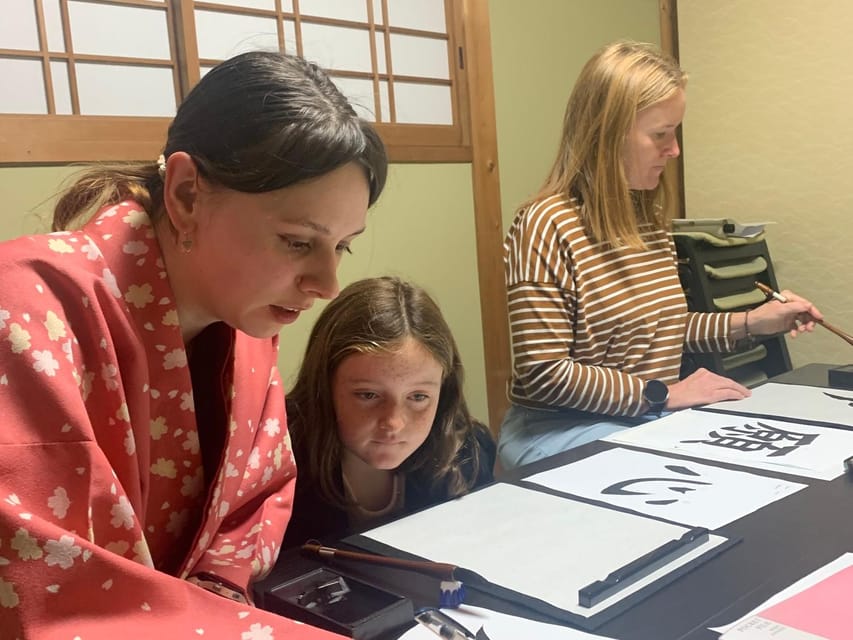
If you’ve never used ink sticks and inkstones, the tool lesson is not filler. It turns your calligraphy into something tactile. You learn how the brush interacts with ink and paper, and you also learn the basic care needed to keep tools in good condition.
The brush handling instruction is the most confidence-building part. When you adjust grip and pressure, you immediately feel the change in line quality. You also learn how strokes start, how they travel, and how they should end. It’s that end point that most beginners struggle with, and good guidance helps you avoid the common wobble.
Also, you’ll be writing with a real purpose: each technique feeds the next one, and you steadily build toward your finished kanji. That structure prevents the common workshop problem where you do a few disconnected steps and end without a satisfying result.
From Paper Setup to Meditative Practice
This class takes the idea of calm seriously, and you feel it in the way you’re asked to prepare your workspace. The paperweight setup matters because it keeps your paper stable while you work. That stability makes your strokes smoother, and it reduces the tiny mistakes that break the visual balance of a character.
There’s also a meditative element built into the process. You’re doing repetitive, focused movements: prepare, ink, practice strokes, then apply those strokes to write a character. The result is that your body and mind settle into the same rhythm. You come away not just with a piece of paper, but with a skill that requires patience.
If you’re the type of traveler who likes hands-on experiences but hates being rushed, this format can be a relief. You are given careful guidance, and you’re not thrown into the deep end.
Your First Kanji: Strokes to a Take-Home Souvenir
Here’s the part that makes calligraphy classes worth it: you leave with something that looks like it belongs to you.
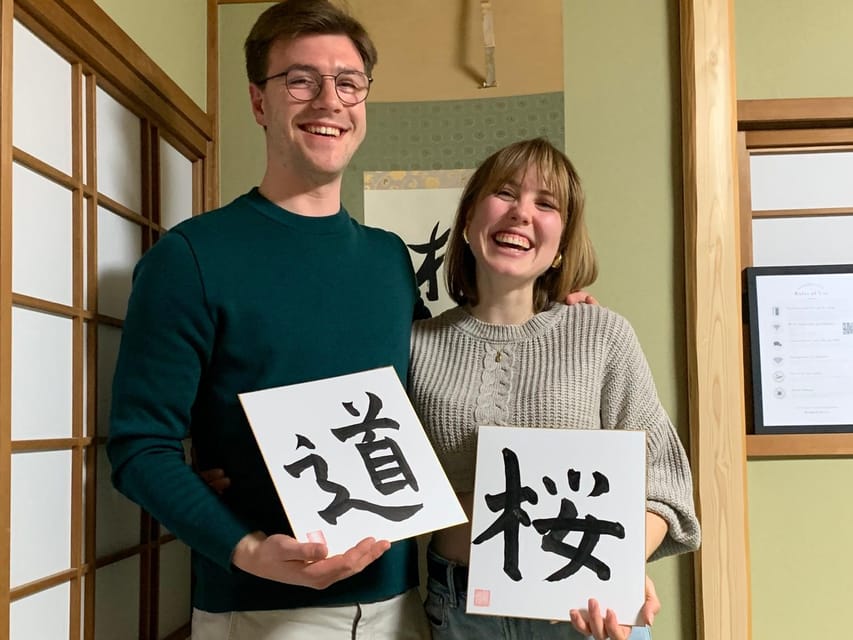
You’ll practice essential strokes first, including dots or sweeps, and then write simple kanji. The key coaching focus is balance and placement, especially how vertical and horizontal structure should fit together. That guidance is what helps your character look intentional rather than accidental.
One review highlight fits the learning outcome nicely: people leave with their own handmade kanji symbol. That aligns with the class promise of a take-home souvenir, and it’s exactly why this is a better buy than a generic shopping souvenir. When you made it yourself, you remember the feeling of learning the strokes.
Cultural Notes That Actually Help Your Writing
A lot of workshops mention culture, but this one uses culture to improve your understanding of what you’re doing. You’ll learn about the history and fundamental concepts behind calligraphy, plus how it connects to Japanese traditions. That background helps you appreciate why the technique matters.
Seasonal themes and expressions are also used to deepen the experience. Even if you are just writing a simple character, the idea that calligraphy can reflect seasonal mood adds meaning. It helps you see shodō as a language of expression, not merely a decorative hobby.
In short, you’re getting cultural context that makes your finished piece feel more grounded.
How the Teaching Feels: Patient, Detailed, and Small-Group Friendly
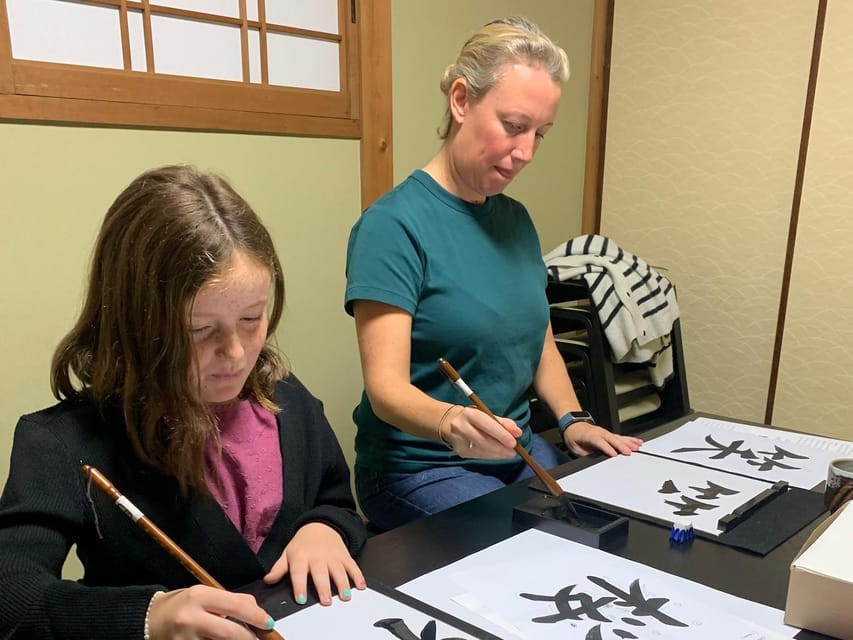
The class is led by instructors, and the support structure is designed for questions. Reviews point out that teachers are kind and patient, and they guide you through techniques carefully. Another detail that stands out is that the class is small, which means you get more chances to ask questions and get correction while you’re practicing.
That small-group element is important for a beginner. One wrong hand angle or too much pressure can change the entire look of a stroke. If you can get real-time feedback, you’ll improve faster and leave happier.
Also, the instruction is available in English. For some bookings made close to the day, you may find the class conducted in English depending on accommodation. Either way, the main point is clear: it’s designed for people who don’t already know Japanese calligraphy.
What to Bring, Wear, and Respect Inside the Studio
Calligraphy is messy in a controlled way. The studio rules are there to protect the tools and keep the workspace quiet.
Bring
- Socks (required)
- Clothes that can get dirty
If you forget socks, the class provides socks for a fee. So you do have a backup plan, but it’s still smarter to arrive prepared.
Don’t bring or do
The class does not allow:
- Pets
- Baby strollers
- Smoking
- Luggage or large bags
- Selfie sticks
- Making noise
- Alcohol and drugs
And it also lists restrictions for strollers and wheelchairs that do not fold, so check your gear plan before you go. If you’re traveling with bulky items, you may want to store them elsewhere so you’re not stressed at the start.
For clothing, think ink risk. Even with careful technique, it can happen. Choose something you can wear again.
Who Should Book This Calligraphy Class
This workshop is built for beginners. If you’re visiting Kyoto and you want one hands-on activity that feels authentic and structured, this fits well. You don’t need Japanese language skills, and you don’t need art experience.
It also suits travelers who:
- Want a short activity that doesn’t swallow the whole day
- Prefer calm experiences over chaotic sightseeing
- Like taking home a personal souvenir
One note: it is not suitable for children under 10. So plan on an adult-focused schedule or choose an alternative family-friendly activity.
Price vs. Alternatives: Why This One Makes Sense
Kyoto is full of options, from shopping to tours to workshops. If you’re deciding between buying a souvenir and doing a workshop, this class is a smart middle choice: it’s affordable, short, and produces something meaningful.
You spend $49 for:
- instruction from experienced teachers
- careful guidance while you practice core strokes
- a calligraphy booklet
- and a take-home piece
That combination is hard to beat if you care about value and learning. A store purchase gives you an object. This gives you a story, plus a skill you can understand and repeat.
Should You Book? My Straight Answer
Book it if you want a focused, beginner-friendly introduction to shodō in a calm setting near the sights of Kiyomizu and Ninenzaka. It’s the kind of activity that upgrades your Kyoto day, because it slows you down and gives you a real outcome: your own kanji piece.
Skip it if you want long-form practice, multi-session progression, or a class that’s flexible with bulky gear and noisy interruptions. Also, if you dislike studios rules like sock requirements and strict no-noise policies, you may feel constrained.
If you go, show up with socks, wear ink-safe clothes, and plan your day so you arrive unrushed. Then take advantage of the guidance while you’re writing. That’s where the experience becomes more than just a souvenir.
FAQ
Where is the meeting point for the Kyoto calligraphy class?
The meeting point is near Kiyomizu Temple, at the end of the alley next to the Starbucks on Ninenzaka.
How long is the class?
The class lasts 50 minutes.
How much does it cost?
The price is $49 per person.
Is the class beginner-friendly?
Yes. It is designed for beginners, and you do not need Japanese language or art experience.
What language is used during the class?
The class is available in English.
What should I bring with me?
Bring socks and clothes that can get dirty.
Is transportation included?
No. Transportation to the venue is not included.
What is included in the price?
It includes experienced instructors, careful guidance, and an original booklet about calligraphy. You also keep your calligraphy as a take-home souvenir.
Is there an option to cancel or pay later?
Free cancellation is available up to 24 hours in advance for a full refund. There is also a reserve now and pay later option.
Fresh options around Kyoto
- Kyoto Aquarium Admission Ticket★ 4.7 · 12 reviews
- Kyoto Gion Photoshoot – Private Session | Pro Photographer★ 5.0 · 12 reviews
- Gyoza Cooking Class in Kyoto: Traditional Japanese Dumplings★ 5.0 · 12 reviews
- Kyoto: Guided Food Tour with 12 Dishes & 3 Drinks★ 5.0 · 12 reviews
- Kyoto: Avoid the Crowds at the Hidden Gems of Arashiyama★ 4.9 · 13 reviews
- Kyoto Early Bird English Tour: Gion & Higashiyama(Private opt)★ 5.0 · 13 reviews
- Otsu-e Folk Art Workshop & Local Culture Walk Near Kyoto★ 5.0 · 13 reviews
- Kyoto, Osaka, Nara Full Day tour by Car English speaking Driver★ 3.5 · 13 reviews
Workshops, compared.
Sushi Making Tokyo Roll and Authentic Japanese Sushi Class
Read our review →
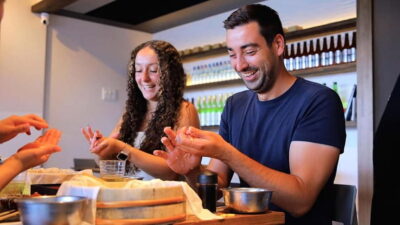
Roll and Authentic Sushi Making Class in Asakusa
Read our review →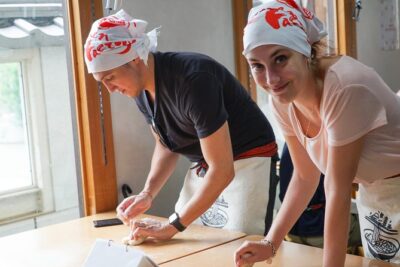
Ramen Cooking Class at Ramen Factory in Kyoto
Read our review →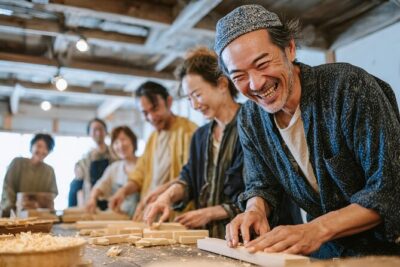
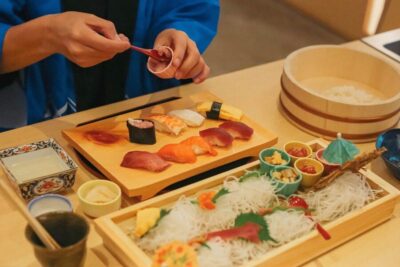
Sushi Making Class in a Happi Coat near a Famous Spot
Read our review →
Sushi Making Osaka Roll and Authentic Japanese Sushi Class
Read our review →Browse the lists this tour appears in