
Reviewed · WORKSHOPS
Fish Cutting workshop in Kyoto Japan
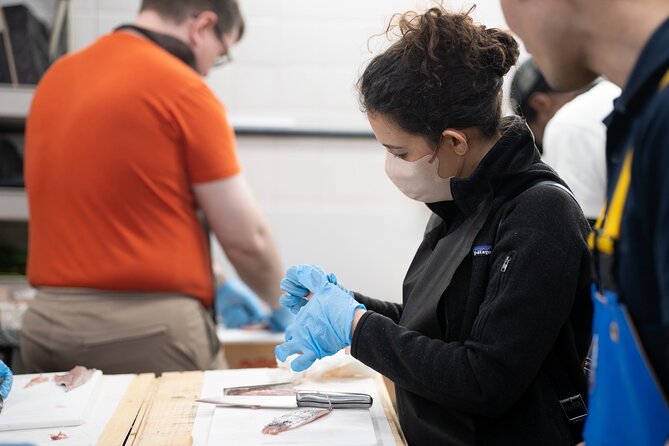
Cutting fish in Kyoto beats watching from afar. This hands-on fish cutting workshop shows you how raw fish becomes sashimi, guided by a long-time fishmonger in a market setting. I especially like the small group size, which makes it easy to ask questions, and I love that you eat what you prepare. One drawback to consider: you will handle knives during the cutting part, so this is not for everyone, especially if you feel anxious around sharp tools.
You start at 10:00 am at Kimura Fresh Fish (483 Nakauoyachō, Nakagyo Ward), in a neighborhood you can reach by public transportation. The class runs about 2 hours 30 minutes, and lunch is included, so you are not just learning, you are tasting.
Key things I’d highlight before you book
- A fishmonger with serious experience: A historic fishmonger teaches basic Japanese fish processing techniques passed down through generations.
- Small group, real coaching: Maximum group size is 6, so instruction stays personal and questions get answered right away.
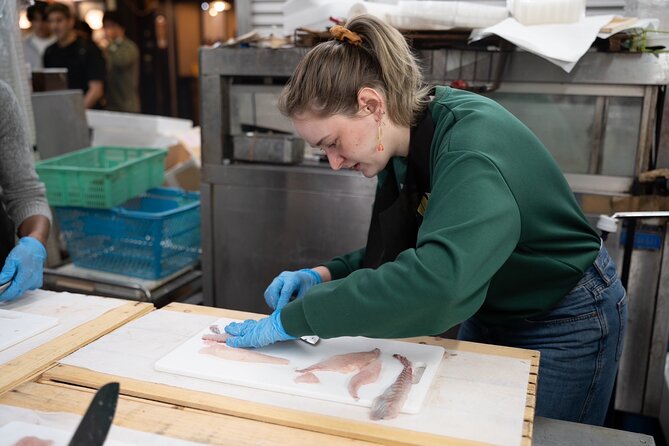
- You cut the fish yourself: You practice until you can cut into your own sashimi pieces.
- Beginner-friendly fish handling first: They teach you how to handle fish carefully before you start your own cutting.
- Lunch is your handiwork: After cutting, you eat the sashimi you prepared.
- Mobile ticket, easy check-in: You get a mobile ticket for a straightforward arrival.
Fish cutting at Kimura Fresh Fish, Kyoto market style
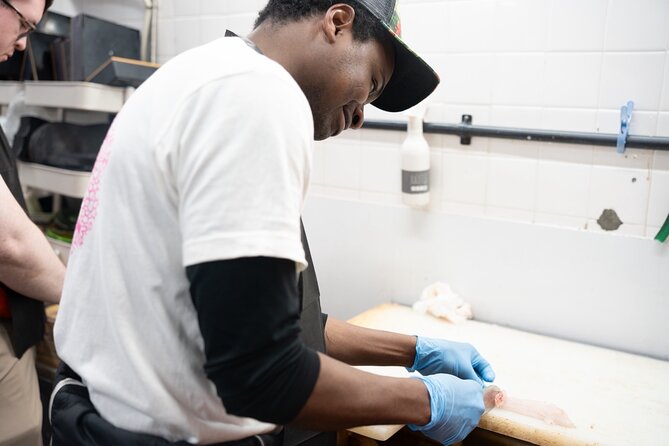
This workshop is all about one thing: learning to prepare raw fish the Japanese way, not just picking up sushi tips. You meet at Kimura Fresh Fish in Kyoto, at 483 Nakauoyachō, Nakagyo Ward. That location matters, because you are learning in the real world of a fish shop and market atmosphere, where fresh fish and practical knowledge go together.
You do not need to be a chef. The setup is designed for regular people who want to understand fish beyond ordering it on a plate. The focus is on fish handling, cutting technique, and what makes sashimi taste so clean and satisfying.
The schedule starts at 10:00 am, and the experience ends back at the meeting point. You should plan for roughly 2.5 hours total, which is a good length: long enough to learn real skills, short enough that it does not eat your entire day in Kyoto.
A few more Kyoto days worth comparing
- PERFECT KYOTO 1-Day Bus Tour
★ 5.0 · 13,518 reviews - Kyoto: Fushimi Inari, Kinkakuji, Bamboo Grove 1 Day Bus Tour
★ 4.8 · 4,316 reviews - Kyoto: Tea Ceremony in a Traditional Tea House in Kiyomizu
★ 4.9 · 3,519 reviews
What makes the class work, small group attention and careful supervision
My favorite part is the teaching style. With a maximum of 6 people, you get direct attention, not a lecture where you have to wait your turn. When you are learning knife work, that matters. You want to be corrected early, when it is still easy to adjust your grip, angle, and pace.
They teach fish handling first. That is huge for first-timers. If you are worried about touching raw fish or making a mistake, you get guided through the basics before you do the cutting portion. The goal is confidence and correct technique, not speed.
You will also have time to ask questions during the session. If you have concerns about fish, they answer them immediately. That turns the class into more than a cooking demo. You get practical explanations you can use later, like how to think about cutting, portions, and what to watch for as you work.
The hands-on flow, from fish basics to sashimi lunch
Here is the typical arc of the experience, and it stays focused on what you do during those 2 hours 30 minutes.
1) Start with fish handling and safety basics
At the beginning, the instructors walk you through how to handle fish properly. You are learning the foundation: how to keep the fish steady, how to respect the cutting process, and how to avoid common beginner mistakes.
They also set expectations around knife use. This is why the activity has a clear note about children under 8 not joining, since they will be handling knives. For adults, this rule is also a good signal that safety is taken seriously and you should follow instructions closely.
Same corner of Japan, a different kind of day:
- Kyoto Geisha Walking Tour: Gion District & Hidden Gems
★ 4.7 · 3,273 reviews - Kyoto: Tea Ceremony Ju-An at Jotokuji Temple
★ 4.9 · 3,207 reviews - Kyoto: Gion Magical Night Walking Tour with Geisha Trivia
★ 4.9 · 2,393 reviews - Kyoto: 45-Minute Tea Ceremony Lesson Experience
★ 4.3 · 2,378 reviews
2) Step-by-step demonstrations you can actually copy
After the basics, you see the cutting approach broken down step by step. You are not left guessing. The teaching is designed so that each movement makes sense, not just so the knife looks impressive.
This is the part where the small group helps you: you can watch, then immediately try, while an instructor is close enough to guide you.
3) Your turn, cutting the fish into sashimi pieces
Then comes the real moment. You cut the fish yourself. The experience includes cutting into three pieces by yourself, and the class ends with you eating sashimi made from what you processed.
In practice, this is where the course turns from interesting to memorable. Knife technique is hard to learn from a cookbook, but you get direct feedback while you work. It also helps that the teachers supervise carefully, so if your cuts are off, you notice sooner and correct faster.
4) You eat your sashimi lunch
When cutting is done, you sit down and enjoy a sashimi lunch. The food is not separate from the class. Your meal is the outcome of your work, which makes the taste feel different right away.
And yes, if you came hungry, this experience delivers. It is built around no hunger pangs, because you prepare the food and then eat it.
Why making sashimi yourself changes how it tastes
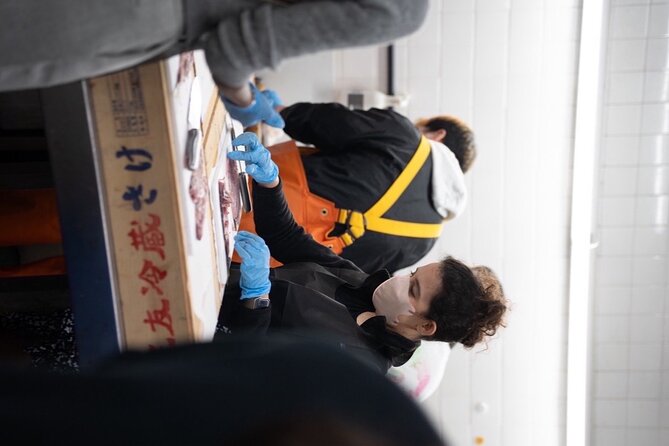
Sashimi has a reputation for being delicate and hard. That reputation is not wrong, but the workshop adds a key insight: the difference is often technique and handling, not mystery.
When you learn how to break down raw fish and portion it properly, you start to understand why sashimi can taste so clean. You are not just eating fish. You are eating fish you handled correctly, cut with intention, and served without guessing.
This also makes the whole experience more than a one-time activity. After you learn the basics of fish handling and cutting, you will likely approach Japanese food with better instincts. Even if you never become a home filleting expert, you will know what to look for and what questions to ask when you order fish.
Price and value, what $98.53 buys you in Kyoto
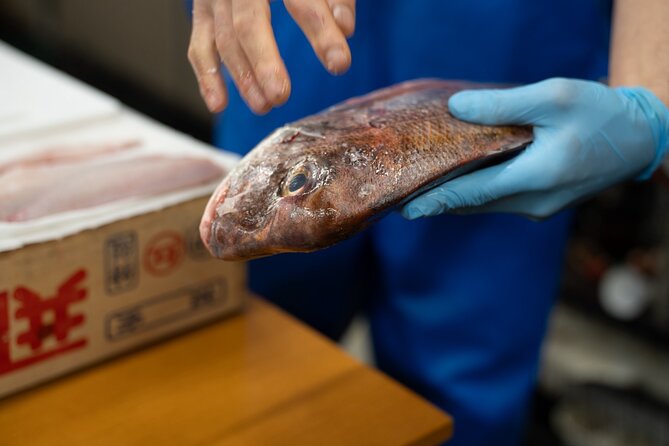
At $98.53 per person, this is not a throwaway activity. You are paying for time, instruction, and the fact that you eat what you make.
Here is the value logic that feels fair:
- You get about 2 hours 30 minutes of structured coaching in a hands-on format.
- Lunch is included, so you are not adding another meal cost on top.
- The teachers focus on fish cutting and fish handling basics, which is skill-based instruction you cannot easily recreate from videos.
- The class caps at 6 people, which helps keep quality high and feedback immediate.
If your Kyoto plan is mostly temple visits and café stops, this workshop is a great counterbalance. If your interest is food and you like to cook, you will find the price easier to justify because you get both skill and lunch in the same experience.
Practical notes so you show up ready
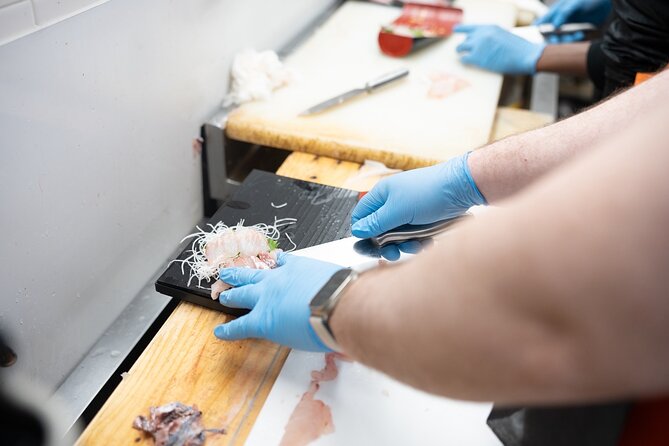
A few practical points will make your day easier.
Wear comfortable shoes. You will be in a market shop setting, and you want stable footing when you start cutting.
Come with an open mindset. This is a raw fish workshop, and you are learning knife work. If you dislike the idea of handling raw food, you will probably feel stuck the whole time.
If you are a beginner, you are welcome. The format is designed so that fish handling is taught first. The supervision is careful, which helps nervous first-timers feel at ease.
And if you care about Japanese food culture, you will enjoy the conversation side too. The vibe is interactive, and you can expect friendly back-and-forth while you learn.
Who should book this fish cutting workshop
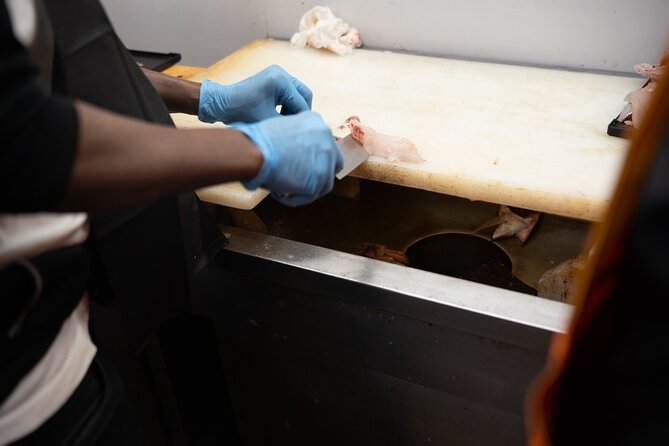
This is a strong fit if:
- You want a hands-on Kyoto food experience, not just tasting
- You like cooking or want to improve your knife comfort and technique
- You want to understand sashimi at the level of cuts and handling
It is not the best fit if:
- You are uncomfortable with knives or the cutting process
- You strongly dislike raw fish, even if it is served as sashimi
Also, keep the age rule in mind. Children under 8 are not allowed since they handle knives. If you are traveling with kids, you may want to plan a different activity.
Should you book Fish Cutting in Kyoto?
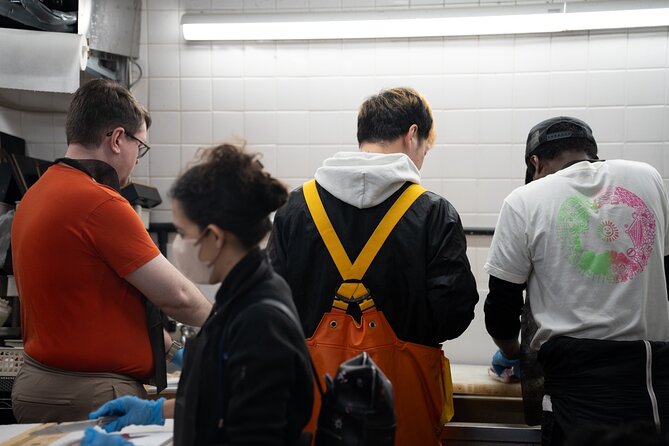
I think you should book this workshop if you want a memorable skill, not just a meal. The combination of small-group instruction, careful coaching for first-time fish handlers, and a lunch that comes directly from your own cutting makes it feel genuinely worth your time.
Skip it if you mainly want sightseeing photos and you would rather not touch a knife or work with raw fish. But if you are curious, enjoy learning, and can handle the idea of sashimi prep, this class is one of the clearest ways to understand Japanese fish culture in a short time.
FAQ
Where does the workshop start?
The workshop starts at Kimura Fresh Fish, 483 Nakauoyachō, Nakagyo Ward, Kyoto, 604-8125, Japan.
What time does it begin?
It starts at 10:00 am.
How long is the experience?
It takes about 2 hours 30 minutes.
What’s included in the price?
Lunch is included.
Is transportation included?
Private transportation is not included.
Are children allowed?
Children under 8 years old are not allowed because they handle knives.
How does cancellation work?
You can cancel for a full refund up to 24 hours before the experience starts. If you cancel less than 24 hours before, the amount you paid is not refunded.
Fresh options around Kyoto
- Kyoto tea town for matcha lovers★ 5.0 · 16 reviews
- Private Guided Traditional Buddhist Cooking in Japan★ 5.0 · 16 reviews
- Guided Gion Tour: Explore Kyoto’s Historic Geisha District★ 4.5 · 16 reviews
- KYOTO Sake Tasting Tour at Local Breweries(tasting fee included)★ 5.0 · 16 reviews
- Kyo-arashi Shibori Scarf Class★ 5.0 · 16 reviews
- SHIRAKAWA Japanese Culture Experiences with private English staff★ 5.0 · 16 reviews
- Crowd-Free Kyoto: Fushimi Inari, Nijo Castle & Kinkaku-ji★ 5.0 · 16 reviews
- Guided Kyoto City Cherry Blossom One Day Private Tour★ 5.0 · 16 reviews
Workshops, compared.
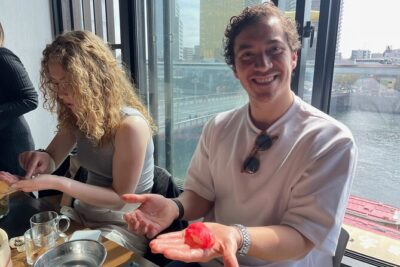
Sushi Making Tokyo Roll and Authentic Japanese Sushi Class
Read our review →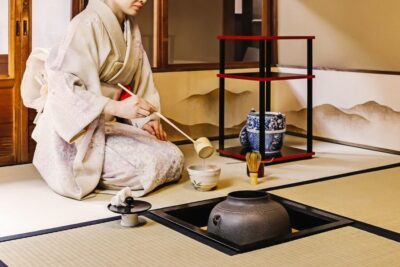
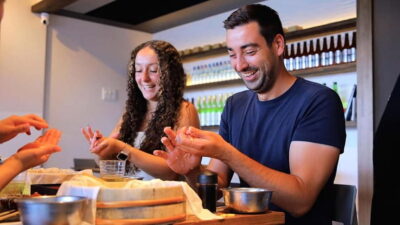
Roll and Authentic Sushi Making Class in Asakusa
Read our review →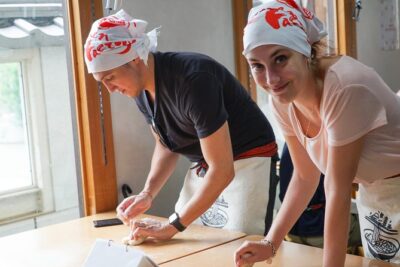
Ramen Cooking Class at Ramen Factory in Kyoto
Read our review →
Sushi Making Class in a Happi Coat near a Famous Spot
Read our review →
Sushi Making Osaka Roll and Authentic Japanese Sushi Class
Read our review →Browse the lists this tour appears in