
Reviewed · WORKSHOPS
Kyoto: Traditional Mini Umbrella Making Workshop
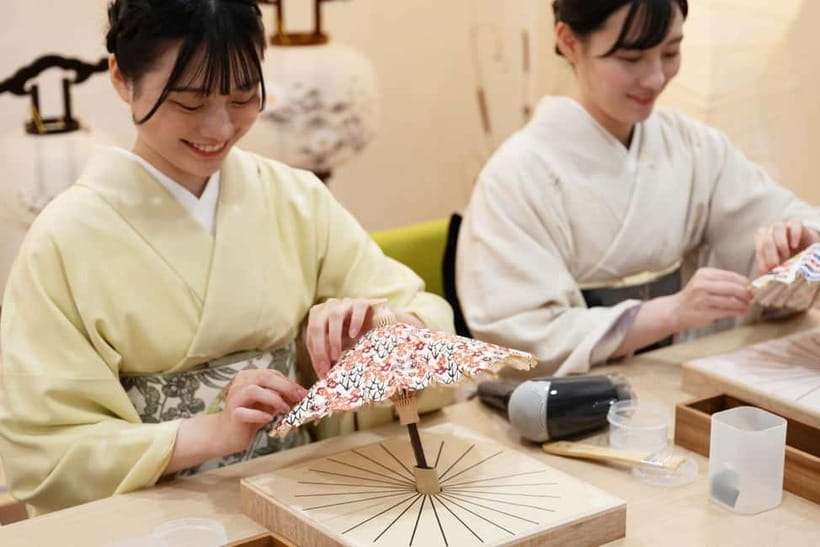
Kyoto umbrellas are made, not bought. This 90 minute mini workshop near Shijo-Kawaramachi is interesting because Japan’s umbrella craft is taught in a calm, hands-on way, with traditional shop lighting and lots of real wagasa around you. I love the focus on true technique, not just a photo op.
You’ll also love the payoff: you craft a mini Hime Wagasa using genuine Japanese materials, then personalize it so it feels like your own work. It comes with a bamboo stand and a decorative box so you can display it at home, not just stash it in a bag.
One consideration: this is detail work. If you want a super fast, casual activity, you may find the small assembly steps require patience and steady attention for the full 90 minutes.
Key Points You Can Count On
- A real workshop feel, close to Shijo-Kawaramachi with an easy central Kyoto meeting point
- You make a mini Hime Wagasa using genuine Japanese materials, not generic supplies
- Personal design time so your umbrella looks like it reflects your taste and attention to detail
- Optional finishing touches by a craftsman for an additional fee
- Take-home presentation included: bamboo umbrella stand, decorative box, and carry bag
Finding the Workshop Near Shijo-Kawaramachi
Central Kyoto is where you want to be for this type of class. The meeting point is in central Kyoto, about a 2 minute walk north from the Shijo Kawaramachi intersection, one of the area’s main shopping hubs. That matters because you can stack it neatly with nearby sights and cafes before or after.
When you get there, don’t expect a big, loud attraction. This is the kind of place where you walk in and the room already sets the tone. Expect a serene atmosphere with traditional lighting and many umbrellas displayed inside. It helps you switch gears from Kyoto walking mode into careful making mode.
A few more Kyoto days worth comparing
- PERFECT KYOTO 1-Day Bus Tour
★ 5.0 · 13,518 reviews - Kyoto: Fushimi Inari, Kinkakuji, Bamboo Grove 1 Day Bus Tour
★ 4.8 · 4,316 reviews - Kyoto: Tea Ceremony in a Traditional Tea House in Kiyomizu
★ 4.9 · 3,519 reviews
The Calm Shop Atmosphere That Helps You Focus
I like workshops that let you concentrate, and this one leans into that. As you step in, the shop setting is part of the experience. You’ll see traditional Japanese umbrellas and the lighting is arranged so the space feels quiet and creative rather than rushed.
That atmosphere is practical. Umbrella making is precise. Even if you’ve never held the materials before, the setting encourages you to slow down, pay attention, and follow the instructor step by step. It also makes it easier to enjoy the cultural side without turning it into a lecture.
Most sessions are guided by an instructor who speaks Japanese and English. Some people learn best by watching, then copying. Others learn by asking questions. Either way, clear guidance is key, and the class format is built for that kind of learning.
What You Create: A Mini Hime Wagasa You Can Display
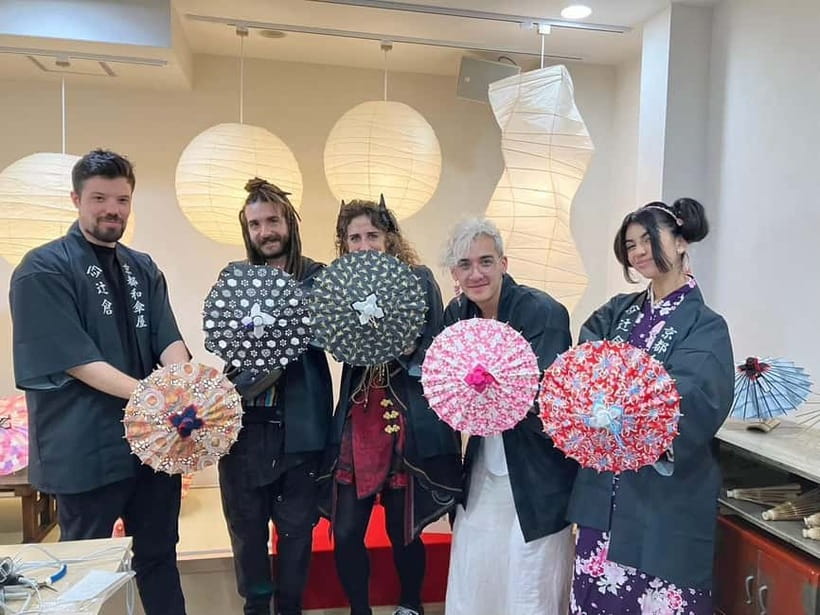
The main product is a mini version of a traditional umbrella, called wagasa, specifically a Hime Wagasa. You’ll use genuine Japanese materials, and that’s a big part of why this class feels different from souvenir crafts.
A full-size umbrella is complicated. The mini version keeps it manageable, while still showing the real structure and craft logic. You shape and assemble components, turning raw materials into a finished piece you can be proud of. And because it’s made with care, it’s not just decorative. It feels like an actual artifact of traditional craft.
You’ll also personalize your mini Japanese umbrella so it embodies elegance and tradition, not just a standard pattern. And there’s an emotional touch to it: the finished wagasa is described as a symbol of happiness. If you’re looking for a gift with meaning, that theme is built into the experience.
Step by Step Crafting, and Why the Details Take Time
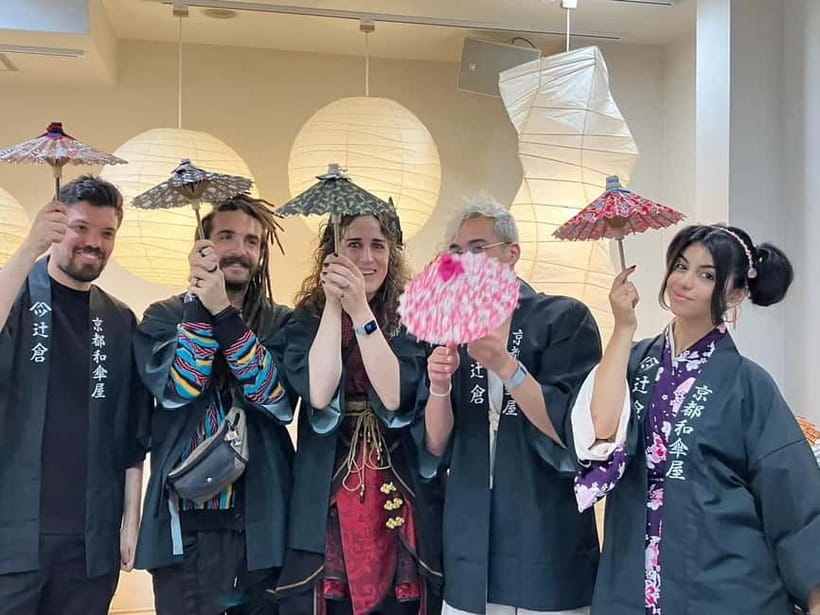
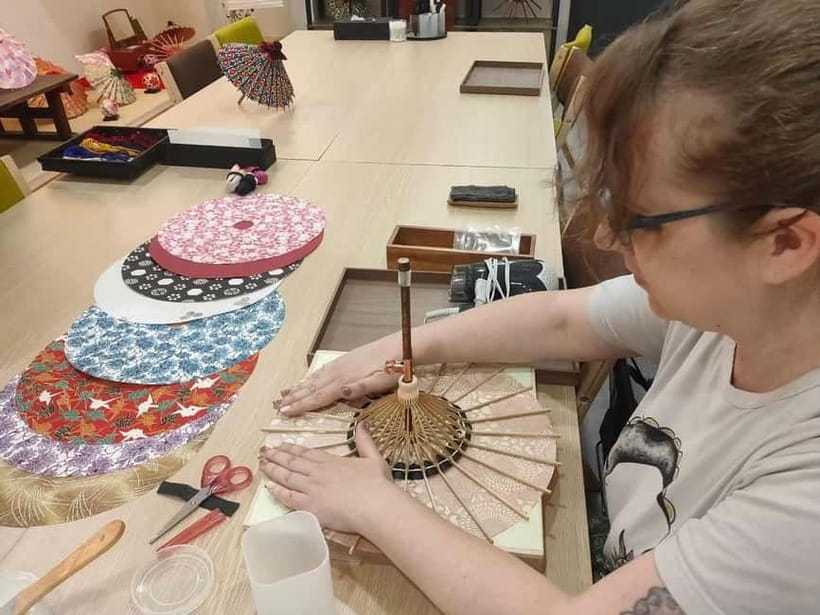
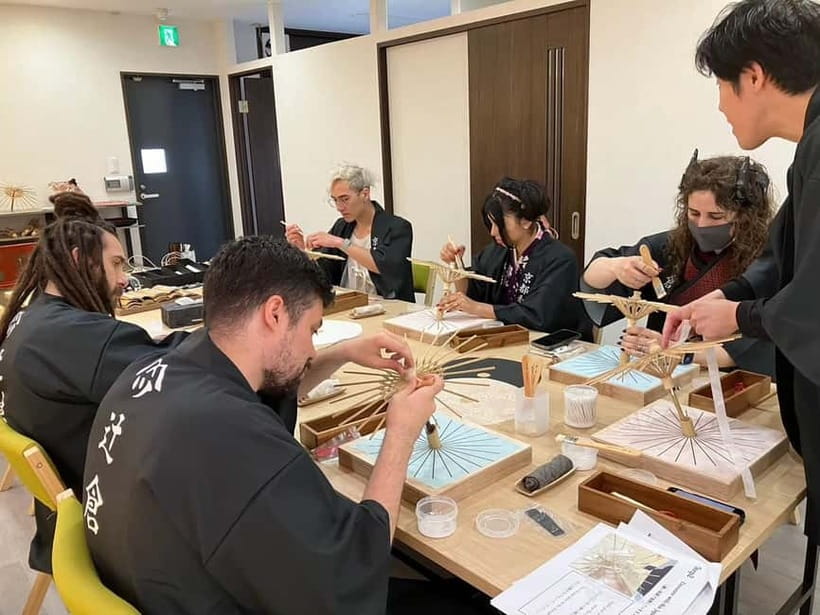
Your 90 minutes are structured around hands-on making. You’re guided through the careful steps that traditional wagasa craftsmen use, and you’re not just watching someone else work.
Here’s what you can expect in the working portion:
- You start with components and materials provided for crafting your mini umbrella.
- You handle bamboo and paper-based umbrella materials as the structure comes together.
- You assemble the umbrella carefully, with attention to alignment and fit.
- You follow guidance on how to complete each part in a way that looks neat and feels sturdy.
This is the part where patience pays off. Small mistakes can matter when you’re working on something that’s delicate by design. The good news is the instruction style is geared for learning. People mention how helpful and patient the guidance is, and the class is set up so you can keep your mind on the work rather than fighting confusion.
If you’re a slow traveler, this is a great fit. If you’re the type who hates sitting still, bring the right mindset. You can move your body around, but your hands and eyes will be busy for most of the session.
Same corner of Japan, a different kind of day:
- Kyoto Geisha Walking Tour: Gion District & Hidden Gems
★ 4.7 · 3,273 reviews - Kyoto: Tea Ceremony Ju-An at Jotokuji Temple
★ 4.9 · 3,207 reviews - Kyoto: Gion Magical Night Walking Tour with Geisha Trivia
★ 4.9 · 2,393 reviews - Kyoto: 45-Minute Tea Ceremony Lesson Experience
★ 4.3 · 2,378 reviews
Optional Craftsman Finishing Touches (Worth Knowing)
There’s an option to upgrade your result. You can opt for a craftsman to add finishing touches to your mini umbrella for an additional fee.
I like knowing this up front because it changes how you plan your time and expectations. If you want your umbrella to look extra polished, this can be a smart choice. If you prefer to keep it fully hands-on, you can likely stick with the base workshop steps and let your own work be the final version.
Either way, the presence of an option is a nice sign. It acknowledges that everyone’s comfort level with fine craft varies, and it gives you a safety net without taking away your main creation.
Bamboo Stand, Decorative Box, and Carry Bag
One reason I’d put this workshop on a value list is what you take home. Included in the price is not only the mini umbrella itself, but also the bamboo umbrella stand to display it, plus a decorative box and a carry bag.
That matters in practical terms. Kyoto crafts can be beautiful but difficult to travel with. Here, the kit-like presentation helps you manage storage and protection. You can pack it, carry it, and keep it from getting scuffed in your luggage.
The display stand is also key for the experience after the class. You’re not just making something for a moment. You’re making something you can show at home, which is the real difference between a disposable souvenir and a craft you actually keep.
The Cultural Meaning, and Turning Craft into a Gift
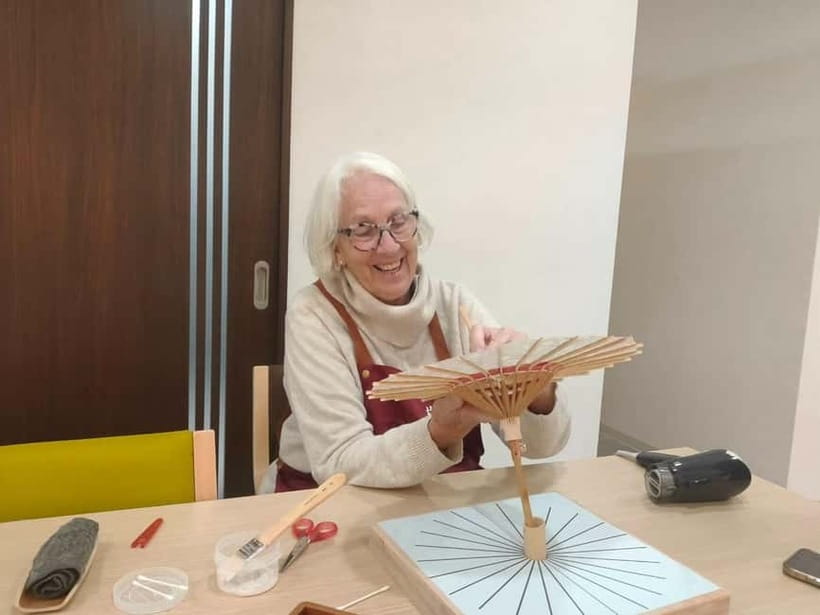
The class doesn’t treat symbolism like a sticker. It frames the wagasa as a symbol of happiness. You’ll make a mini piece meant to reflect elegance and tradition, and the spirit of the workshop includes the idea of sharing that joy through gifting.
If you’re shopping for presents in Kyoto, this kind of gift is often a better choice than another shop item with no personal connection. The umbrella becomes a story you can explain: I made this in Kyoto, in a traditional workshop, using real Japanese materials.
If you’re traveling as a couple or small group, it’s also a nice shared activity that creates matching memories without needing a big group tour.
Price and Value: Is $70 for 90 Minutes Reasonable?
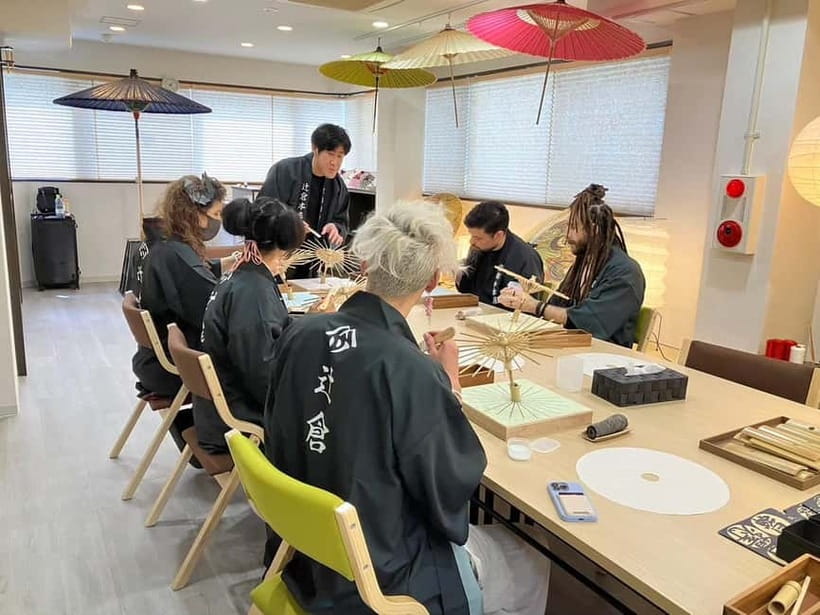
At $70 per person for about 90 minutes, this is not a cheap activity. But it isn’t overpriced either, because the price covers the real inputs and a take-home setup.
You get:
- Materials to make your own Hime Wagasa
- A bamboo umbrella stand
- A decorative box
- A carry bag
Think about how much you’d pay for just a well-made small crafted item in Kyoto, especially if you want something you can display. Then add the labor value of an instructor guiding you through careful steps. For many visitors, the biggest part of the value is that you’re not buying the end product only. You’re buying the learning experience and the time spent creating.
If you like hands-on activities and want an authentic Kyoto memento, this price makes sense. If you only want to pass through quick stops and collect photos, you may feel the cost is high for the time.
Who This Mini Umbrella Workshop Fits Best
This is a strong match if you:
- Want a calm, skill-based activity in Kyoto
- Enjoy crafts where focus and patience matter
- Want a gift with meaning instead of a generic souvenir
- Prefer guided learning with support, especially in Japanese or English
It’s also a good option for people who want something indoor and structured. Kyoto weather can change fast, and a 90 minute workshop is easier to plan around than a sight that depends on perfect conditions.
Age note: it’s not suitable for children under 6 years. If you’re traveling with kids, keep that boundary in mind and choose timing that works for their attention span.
Wheelchair accessibility is listed, so the workshop can work for people who use mobility aids, too.
Practical Tips So Your 90 Minutes Go Smoothly
Here’s how to get the most out of the session without stress.
1) Arrive a few minutes early
Central Kyoto streets can be busy, and you want a calm start. The workshop is close to Shijo Kawaramachi, but you still want time to find the entrance.
2) Wear comfortable clothes
This is careful handwork. You’ll be sitting and focusing for the full session, so prioritize comfort over style.
3) Plan your add-on decision
If you’re considering the optional finishing touches, decide early. You’ll know whether you want full DIY pride or a polished final look.
4) Bring curiosity, not perfection
Umbrella making asks for attention to detail, but the class is set up for learning. Your goal is a finished mini wagasa, not a test.
5) Respect the rules
Smoking and alcohol and drugs are not allowed, and explosive substances are also prohibited. It’s a workshop setting, so keep it simple and follow the house rules.
Should You Book This Mini Umbrella Making Workshop?
I’d book it if you want a hands-on Kyoto experience with a real take-home craft and a meaningful cultural theme. The biggest reasons are practical: the materials are included, you leave with a display stand and gift-ready packaging, and the instructor support is geared to patient learning.
Skip it if your trip style is all about fast sightseeing and you dislike detail work. If you come in expecting a casual activity where you mostly watch and then leave, you’ll likely feel underwhelmed.
For the right kind of traveler, this is one of those classes that makes Kyoto feel personal. You’re not just seeing tradition. You’re making a mini piece of it with your own hands, then taking it home in a form that’s ready to display and share.
FAQ
How long is the Kyoto Traditional Mini Umbrella Making Workshop?
The workshop duration is 90 minutes.
Where is the meeting point?
The workshop is located in central Kyoto, about 2 minutes walk north from the Shijo Kawaramachi intersection.
How much does it cost?
The price is $70 per person.
What will I make during the workshop?
You will craft your own mini Japanese umbrella, a Hime Wagasa.
What is included in the price?
All materials for crafting your Hime Wagasa are included. You also take home a bamboo umbrella stand, plus a decorative box and carry bag.
What languages are spoken during the class?
The instructor speaks Japanese and English.
Is there an option for extra finishing touches?
Yes. You can opt for a craftsman to add finishing touches to your mini umbrella for an additional fee.
Is the workshop suitable for children?
It is not suitable for children under 6 years.
Is the workshop wheelchair accessible?
Wheelchair accessibility is listed for this activity.
What is the cancellation policy?
Free cancellation is available up to 24 hours in advance for a full refund.
Are there any restrictions during the workshop?
Smoking is not allowed. Alcohol and drugs and explosive substances are also not allowed.
Fresh options around Kyoto
- Kyoto: Zen Meditation at a Private Temple with a Monk★ 5.0 · 25 reviews
- Kyoto: Hands-on Takoyaki and Okonomiyaki Cooking (1 Hour)★ 4.7 · 25 reviews
- Kyoto & Uji: Full Day Sightseeing Tour from Osaka or Kyoto★ 5.0 · 25 reviews
- Kyoto: Gion World of the Geisha Guided Walking Tour★ 4.6 · 25 reviews
- Private Kyoto Photography and Dress up Adventure (ALL PLAN)★ 5.0 · 25 reviews
- Kyoto Custom Private Car Tour with Local Guide★ 4.5 · 26 reviews
- Matcha Grinding Experience and Walking Tour in Uji Kyoto★ 5.0 · 26 reviews
- Kyoto: Arashiyama Guided Tour, Bamboo, Monkey, Zen Temple★ 5.0 · 26 reviews
Workshops, compared.
Sushi Making Tokyo Roll and Authentic Japanese Sushi Class
Read our review →

Roll and Authentic Sushi Making Class in Asakusa
Read our review →
Ramen Cooking Class at Ramen Factory in Kyoto
Read our review →

Sushi Making Class in a Happi Coat near a Famous Spot
Read our review →

Sushi Making Osaka Roll and Authentic Japanese Sushi Class
Read our review →Browse the lists this tour appears in