
Reviewed · WORKSHOPS
Kyoto: Small-Group Authentic Sushi Making Workshop
Sushi is simple to eat and hard to make. This Kyoto workshop is a calm, hands-on way to learn nigiri and maki techniques from real sushi people, with fresh local fish and plenty of time to ask questions. The only downside to consider is that it is not suitable for vegetarians and it uses fish.
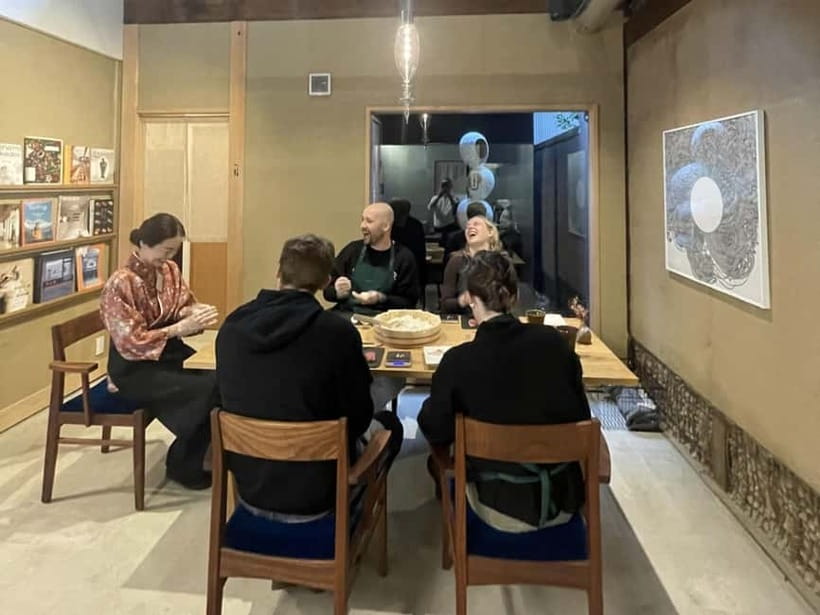
You’ll step into a restored Kyoto townhouse setting, led in English by hosts like Kana (often the teacher) with helpers such as Karim. You make the sushi, eat what you made, then leave with a gift bag that includes the tools you need to try again at home.
Key Things To Know Before You Go
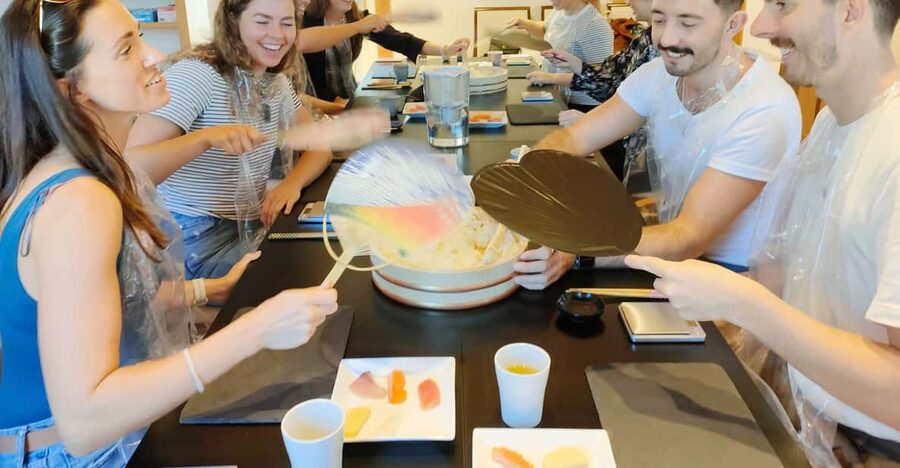
- Small group size (max 8) keeps the pace relaxed and hands-on
- English instruction means you can ask real technique questions
- Fresh local ingredients and careful steps make the sushi you build actually taste right
- You eat your own lunch, with miso soup included
- Take-home kit includes a rolling mat, chopsticks, and a recipe card
- Accessibility limits apply, since it is not suitable for wheelchair users
Why This Kyoto Sushi Class Feels Like a Private Lesson
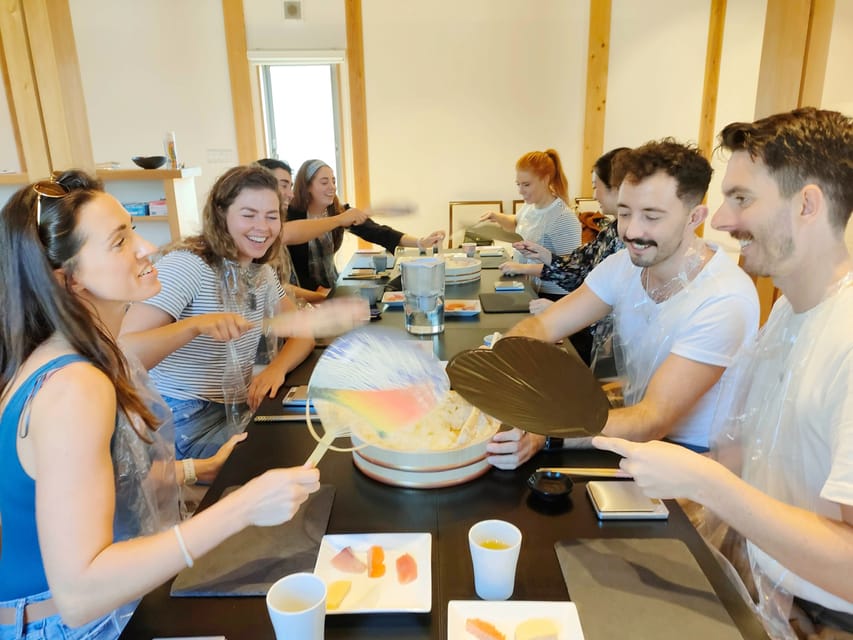
This is not a cooking show where you watch and hope. The workshop is built around doing, step by step, at a pace that feels unhurried for a 90-minute class.
What I like most is the focus on basics that actually matter: how to season sushi rice, how to handle fish and toppings, and how to roll without wrecking your shape. I also like that the mood is social in a natural way, with hosts like Kana and Karim chatting and explaining Japanese culture alongside the cooking.
One consideration: if you are the type who hates working with raw or seafood ingredients, plan ahead. The class is built for fish sushi, and it is not designed for a vegetarian meal.
More Sushi Making Classes in Kyoto
- Sushi Making in Kyoto! Same-day bookings welcome!
★ 5.0 · 713 reviews - The Original Small-Group Sushi Making Class in Kyoto
★ 5.0 · 436 reviews - Sushi – Authentic Japanese Cooking Class – the best souvenir from Kyoto!
★ 5.0 · 93 reviews
Where You Meet in Central Kyoto, Near Kiyomizu and Gion
You meet at the Kyoto Wand building, a short walk from Kiyomizu-Gojō Station on the Keihan Main Line. The location is central enough that you can pair it with sightseeing nearby, like the Kiyomizu-dera area and Gion.
If you like arriving without stress, this helps. You do not need hotel pickup, and you can walk in from the places you are already visiting.
A practical tip: since you are cooking with hands-on steps, wear something you can move in comfortably. The workshop provides an apron and gloves, but you still want sleeves and shoes that make your hands feel free.
The 90 Minutes Plan, From Seasoned Rice to Finished Sushi
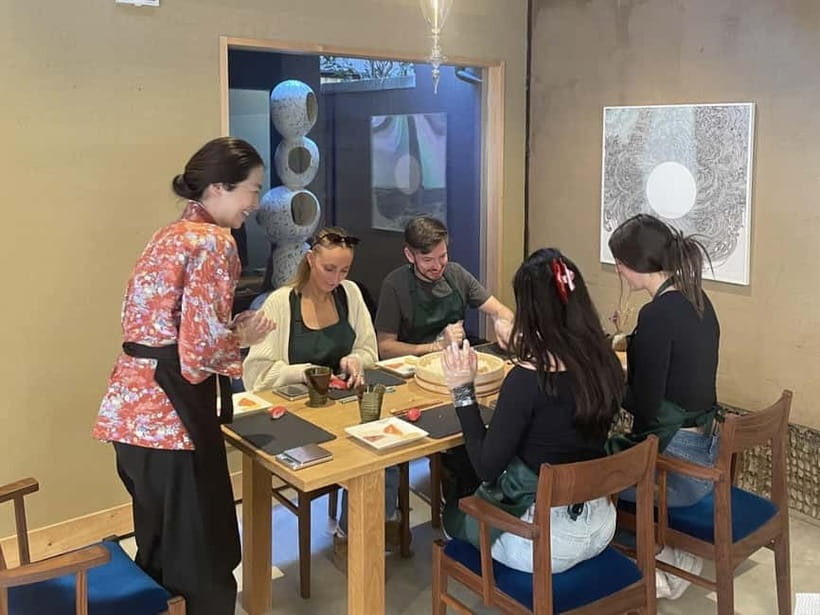
The structure is straightforward, and that is part of the appeal. In one session, you learn how to make multiple styles of sushi so you leave with skills, not just a plate of food.
Expect to cover:
- Sushi rice seasoning and shaping basics
- Nigiri (hand-formed sushi)
- Maki rolls (rolled sushi, like the classic cucumber or fish-forward roll style)
Then you eat what you made, in a peaceful setting that fits Kyoto’s calm, careful food culture. You also get miso soup, so your lunch feels complete rather than like a snack break.
The “hands-on” part matters here. The hosts guide you through technique, but the work is yours, and that is why you end up with sushi you can replicate later.
Sushi Rice: The Skill That Makes Sushi Taste Right
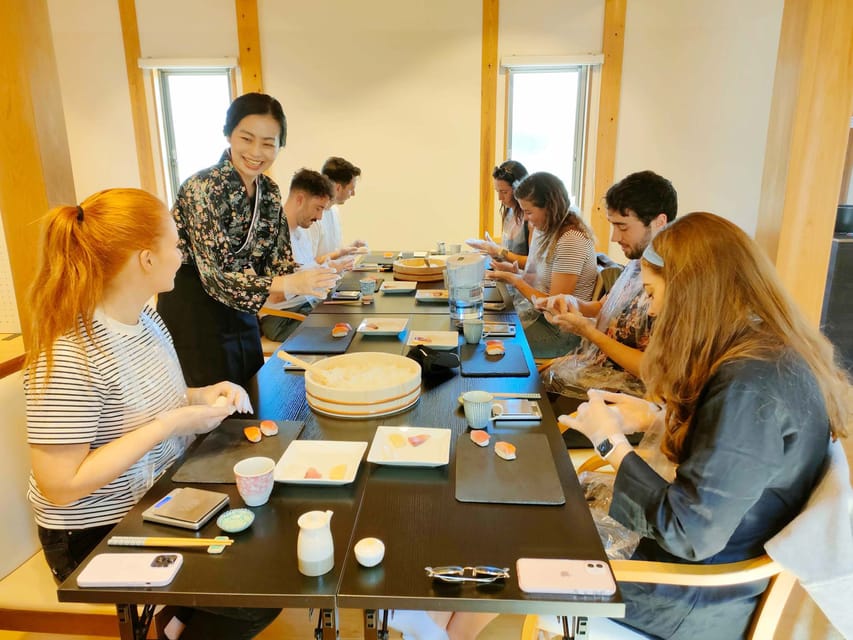
Most people think sushi is mostly about fish. In practice, rice is the make-or-break part, and this class teaches that clearly.
You’ll learn how to season sushi rice properly and how to handle it once it is ready. That includes getting the texture right and making sure the rice works with the topping or filling, not against it.
I like this approach because it transfers well. If you get rice right at home, you can improve everything else fast, even if you later change the fish or toppings.
A small detail that shows up again and again in what people say about the workshop: instruction is patient and repeated. Kana is known for walking you through steps carefully, so you do not feel lost when you try the technique yourself.
Same corner of Japan, a different kind of day:
- PERFECT KYOTO 1-Day Bus Tour
★ 5.0 · 13,518 reviews - Kyoto: Fushimi Inari, Kinkakuji, Bamboo Grove 1 Day Bus Tour
★ 4.8 · 4,316 reviews - Kyoto: Tea Ceremony in a Traditional Tea House in Kiyomizu
★ 4.9 · 3,519 reviews - Kyoto Geisha Walking Tour: Gion District & Hidden Gems
★ 4.7 · 3,273 reviews
Nigiri Technique, Including the Small Motions That Matter
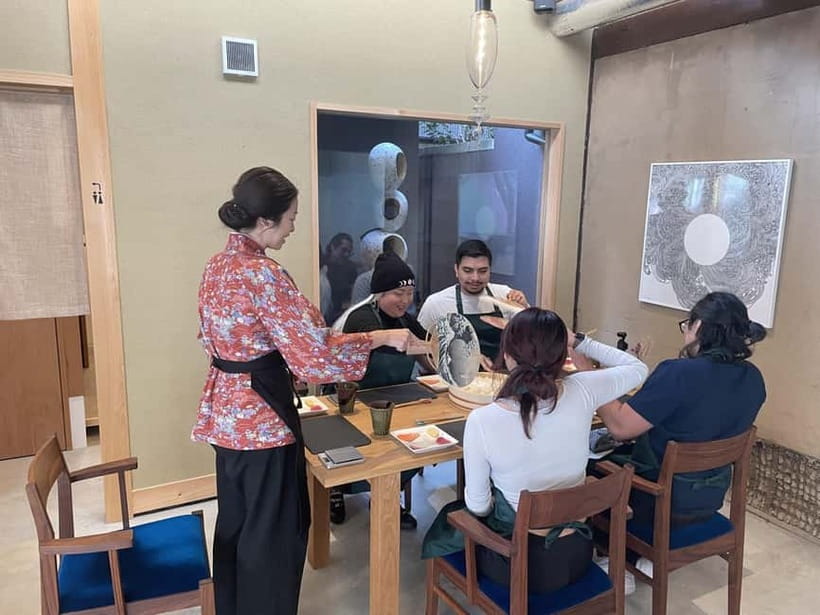
Nigiri looks simple until you try it. Then you realize it depends on timing, pressure, and even how you place the fish.
In the class, you’ll create nigiri under guidance, learning the exact steps for shaping and assembling. The instructors emphasize precise technique, and the small group format helps because you can get corrections when you need them.
What makes this valuable for you is that you are not just copying a finished example. You’re learning the “why” behind the method, and that is what helps you make better sushi at home instead of repeating mistakes.
Hosts like Kana (and often an assistant such as Karim) also answer questions about Japanese food culture. Several sessions include conversation that goes beyond sushi, which makes the time feel warmer and less mechanical.
Maki Rolls: Rolling Skills That Stop Sushi From Falling Apart
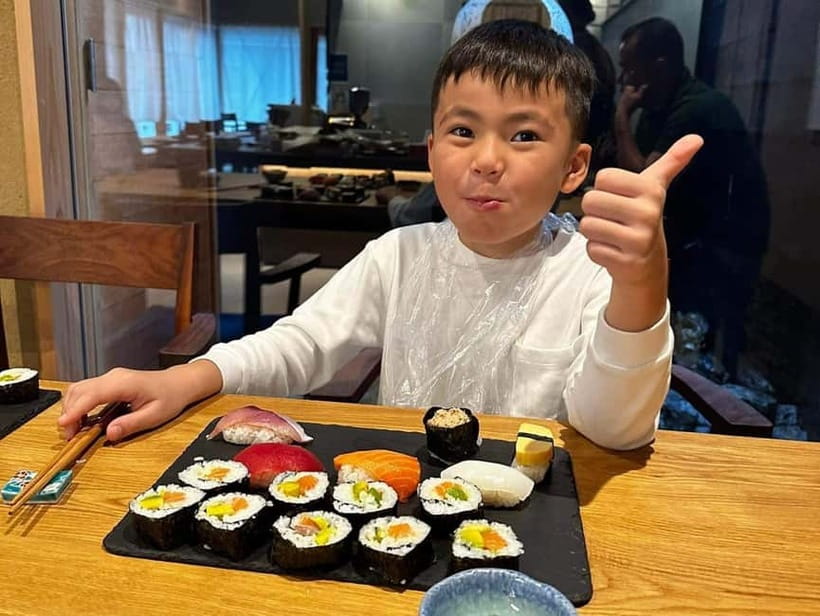
Rolling maki is where beginners usually get frustrated, because you have to balance a tight roll with even thickness.
You’ll learn the steps for making maki rolls, using the tools provided (including a sushi rolling mat as part of the take-home gift). The instruction style is hands-on, so you can redo parts if your first attempt needs adjusting.
I especially appreciate that you cover maki in the same class as nigiri. It means you leave with two core skills, and you can switch between them later depending on what ingredients you can source.
And since you are working in a restored space with a calm rhythm, the rolling part does not feel like a stressful race. It feels like practice that turns into real results.
Lunch Is Included, and You Really Eat What You Make
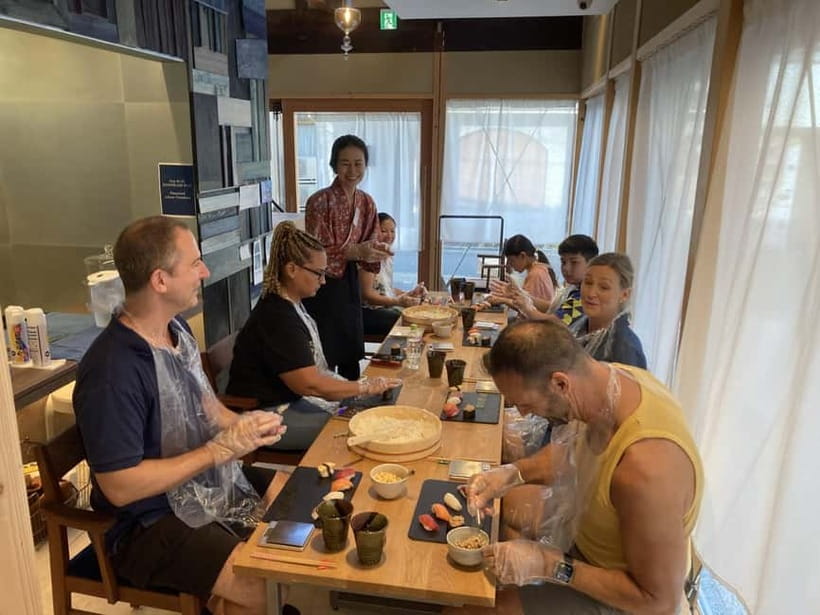
This workshop avoids the awkward feeling of making something you barely taste. You make sushi, and then you eat it for lunch, plus miso soup.
The amount of sushi is another part people highlight. In a 90-minute session, you’re not just assembling a bite or two. You should plan to come hungry, because you’ll likely leave full and satisfied.
There’s also a practical value here: you get immediate feedback. If something is too salty, too loose, or just not right, you taste it before you go. That makes your learning stick.
The Kyoto Setting: A Restored Townhouse Where Food Feels Personal
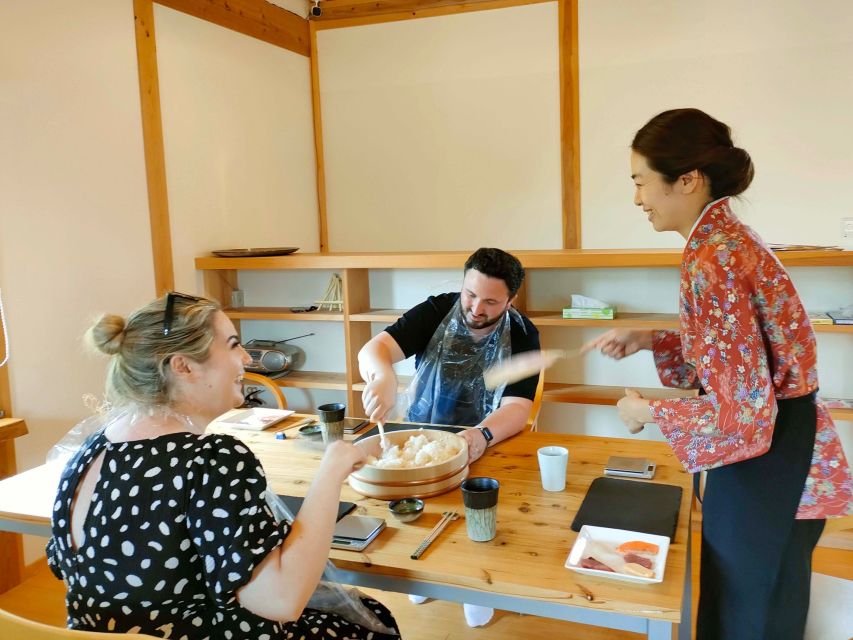
You’re not in a big production kitchen. The class takes place in a beautiful traditional setting in the Kyoto Wand building, described as calm and cozy.
That matters because sushi is delicate work. When the setting is peaceful, you can focus on technique instead of rushing.
It also helps you feel the cultural side of Japanese food in a tangible way. The hosts often share stories about life in Osaka and Japan, and they connect sushi techniques to broader food habits. Even if your main goal is cooking, that context makes the whole experience more memorable.
Your Take-Home Sushi Kit (So You Can Practice Soon)
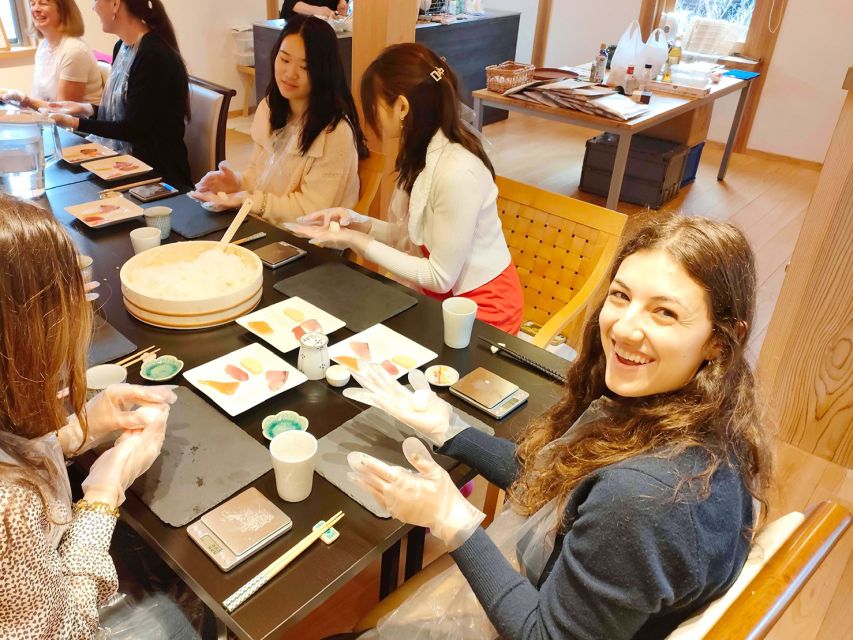
One reason I think this workshop is good value: it does not end when you walk out the door.
You receive a gift bag that includes:
- Sushi rolling mat
- Chopsticks
- Recipe card
Disposable gloves and an apron are provided during the class too, so you can cook without worrying about mess.
If you want to keep momentum after your trip, this kit is key. Recipes help, but having the tools ready makes practice actually possible. It’s the difference between learning a technique and forgetting it.
Price and Value: What You’re Really Paying For
At $60 per person for 90 minutes, you are not just paying for lunch. You’re paying for instruction, ingredients, and a small-group setting where a teacher can correct your technique.
Sushi making classes can vary a lot. Here, you get:
- English instruction
- Hands-on coaching for nigiri and maki
- Fresh local fish and carefully selected ingredients
- Your lunch, miso soup, and a take-home kit
So the value is in the skill transfer. If you’ve ever tried to make sushi at home and ended up with rice that won’t stick or rolls that unravel, this class is exactly where you fix those problems.
If you are already planning to eat sushi in Kyoto, this is worth considering as a different kind of experience. One is about taste in a restaurant. The other is about making and understanding the technique.
Who This Workshop Suits Best (And Who Might Skip)
This workshop is a great fit if you:
- Want a real hands-on class instead of a lecture
- Are curious about Japanese food culture, not just sushi
- Like small groups and personal attention
- Want repeatable skills for cooking at home
It may not be a fit if you:
- Need a vegetarian option (it is not suitable for vegetarians)
- Use a wheelchair (it is not suitable for wheelchair users)
- Dislike working with seafood ingredients
It’s also a solid family choice. Some past participants attended as multi-generation groups, including kids, and the class still worked because the pace stays manageable and the teaching is step by step.
My Booking Checklist Before You Go
Before you reserve, do these quick checks:
- If you have any dietary restrictions, tell the provider when booking.
- Plan for a seafood-focused menu since the class is centered on authentic sushi making.
- Wear comfortable clothes for hands-on work, and use the provided apron and gloves.
- Check that you can comfortably walk to Kyoto Wand near Kiyomizu-Gojō Station, since pickup is not included.
If your schedule is tight, you’ll also like the flexibility options offered by the booking system, since you can adjust plans with the stated policies.
Should You Book This Kyoto Sushi Workshop?
If you want a sushi experience that teaches you something you can use again, book it. This class is small, calm, and structured around technique, with English instruction and hosts who explain both cooking and culture. You leave with a full lunch, new skills for nigiri and maki, and a take-home kit.
Skip it only if you need vegetarian food or wheelchair accessibility. Otherwise, it’s an efficient, satisfying use of 90 minutes in Kyoto, especially if you want to pair it with nearby sightseeing in the Kiyomizu and Gion area.
FAQ
How long is the Kyoto sushi making workshop?
The workshop lasts 90 minutes.
What group size is this class?
It is a small group limited to 8 participants.
Is the workshop taught in English?
Yes, instruction is in English.
What is included with the price?
You get the sushi-making workshop with an English-speaking host, the sushi you make for lunch, miso soup, a gift bag with a sushi rolling mat, chopsticks, and a recipe card, plus disposable gloves and an apron.
Is hotel pickup or drop-off included?
No, hotel pickup and drop-off are not included.
Is the class suitable for vegetarians?
No, it is not suitable for vegetarians.
Where is the meeting point?
The workshop takes place in the Kyoto Wand building near Kiyomizu-Gojō Station on the Keihan Main Line. The Google Plus Code is XQVC+J7 Kyoto.
What dietary information should I share when booking?
You should advise of any dietary restrictions when booking.
Fresh options around Kyoto
- Kyoto: Quiet and Graceful Tea Ceremony★ 4.5 · 19 reviews
- Oboro | Mindful Tea Ceremony in a 100-Year-Old Kyoto Teahouse★ 5.0 · 19 reviews
- Ikebana Traditional Japanese Art of Flower Arranging★ 4.5 · 19 reviews
- Kyoto Satoyama Cycling with Lunch and English Guide★ 5.0 · 19 reviews
- Kyoto International Party Solo Friendly Expats and Locals★ 5.0 · 19 reviews
- Tea Ceremony Experience in Traditional Kyoto Townhouse★ 5.0 · 19 reviews
- Kyoto: Amanohashidate Ine Funaya Tour★ 4.4 · 19 reviews
- Kyoto Private Food Tours with a Local Foodie: 100% Personalized★ 4.5 · 19 reviews
Workshops, compared.
Sushi Making Tokyo Roll and Authentic Japanese Sushi Class
Read our review →
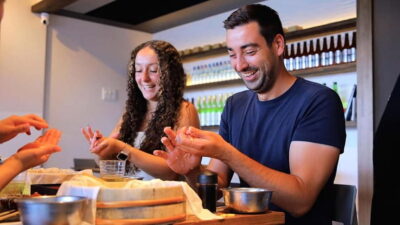
Roll and Authentic Sushi Making Class in Asakusa
Read our review →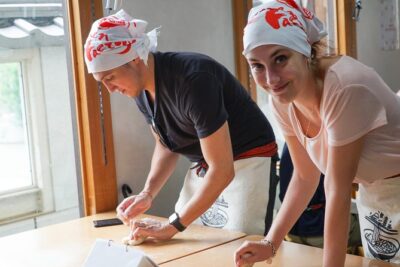
Ramen Cooking Class at Ramen Factory in Kyoto
Read our review →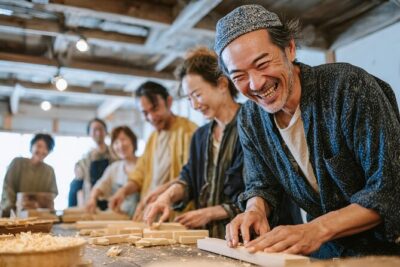
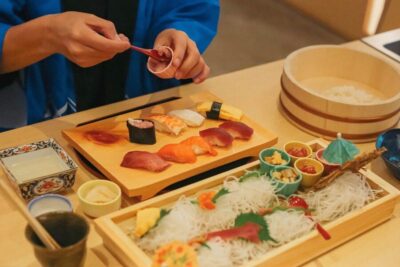
Sushi Making Class in a Happi Coat near a Famous Spot
Read our review →
Sushi Making Osaka Roll and Authentic Japanese Sushi Class
Read our review →Browse the lists this tour appears in