
Reviewed · WORKSHOPS
Kyoto: Japanese Koto & Shamisen Concert and Koto Class
Kyoto has big sights. This is a small sound stage.
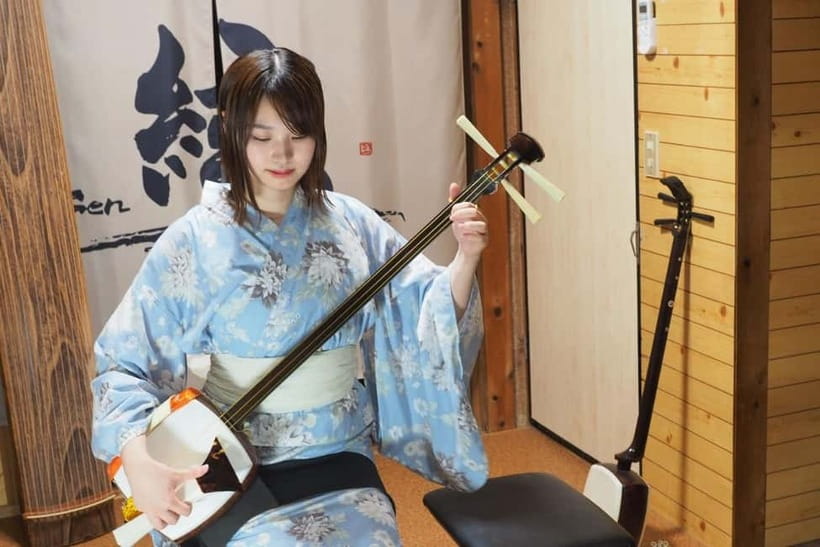
What makes this experience special is the setting: a tiny old Japanese house where you sit close enough to hear details, and the music comes from the players’ hands, not a screen. You also get a real cultural intro, including how to read the sheet music style used for these instruments.
I especially like two things. First, the program moves beyond one mood, from classical pieces to contemporary and original compositions. Second, it ends with a guided koto try-it, so you are not just listening, you are participating.
The one drawback to consider is practical, the venue is in a residential area and can be tricky to spot at first. I’d plan to arrive early so a late arrival does not shorten your time.
Key Things That Make This Experience Worth Your Time
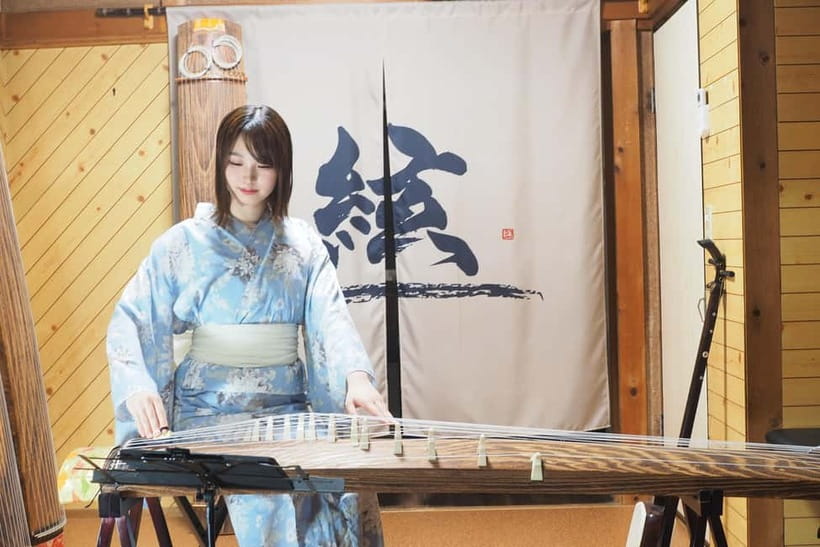
- A rare cozy-house concert setup, not a temple stage or big theatre
- Professional koto and shamisen performance, with a mix of classical, modern, and original works
- A close-up Q&A where you can ask questions and talk directly with the koto player
- Beginner-friendly koto class that lets you play a simple piece with guidance
- Photos included, plus time for pictures right after the performance
- Repertoire changes by season and performer, so it can feel different each time you go
Why a Koto and Shamisen Concert in a Kyoto Home Feels Different
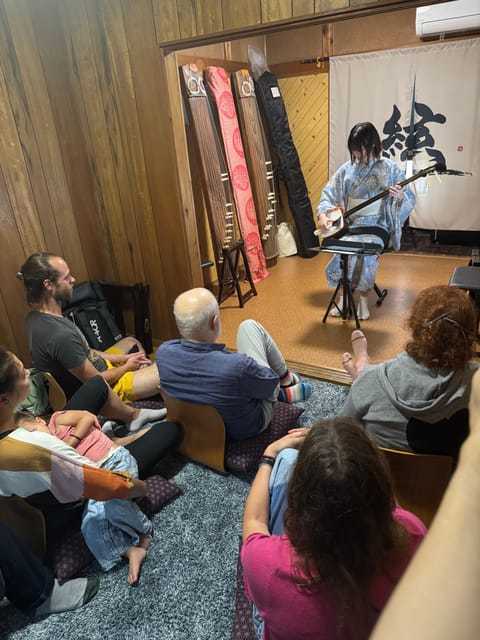
If you only do the headline Kyoto experiences, you miss the smaller, more human side of the city. This concert leans into that. Instead of a formal venue, you spend the evening in an old, small Japanese house, the kind of place that makes you lower your voice without being told.
That closeness changes how the music lands. With koto and shamisen, the sound is delicate, but also surprisingly physical. You can hear the texture, the way notes start and fade, and the difference between techniques that control the tone.
I also like that the experience is designed for first-timers. You are not required to know anything about Japanese music theory. You get an intro to the instruments, plus a quick explanation of the score format they use. That matters because it turns the concert from vague sounds into something with structure.
A few more Kyoto days worth comparing
- PERFECT KYOTO 1-Day Bus Tour
★ 5.0 · 13,518 reviews - Kyoto: Fushimi Inari, Kinkakuji, Bamboo Grove 1 Day Bus Tour
★ 4.8 · 4,316 reviews - Kyoto: Tea Ceremony in a Traditional Tea House in Kiyomizu
★ 4.9 · 3,519 reviews
What the 1 Hour to 100 Minute Program Looks Like
Think of the experience as four parts that flow naturally.
First, you start with a short introduction. You learn what the koto and shamisen are, and you get a basic orientation to their music sheets. This is the moment that helps you listen better during the performance.
Second, you enjoy the live concert. The players move between pieces that feel different in rhythm, mood, and vocal style. Some works lean traditional, including sections with vocals, while others feel more contemporary.
Third, you get a close-up Q&A and photo time. This is not just a polite meet-and-greet. You can ask questions and hear explanations about technique, the music, and what you are seeing up close.
Fourth, the koto class happens at the end. Under a pro instructor’s guidance, you try playing a simple piece. You use the instrument, and you get coached as you go. For many people, that is the part they remember most.
The timing is listed as 1 hour to 100 minutes. You should treat it as a short, focused event. Late arrivals can shrink the hands-on time, so do yourself a favor and plan to be early rather than rushing in.
The Concert Part: Classical, Contemporary, and Original Works
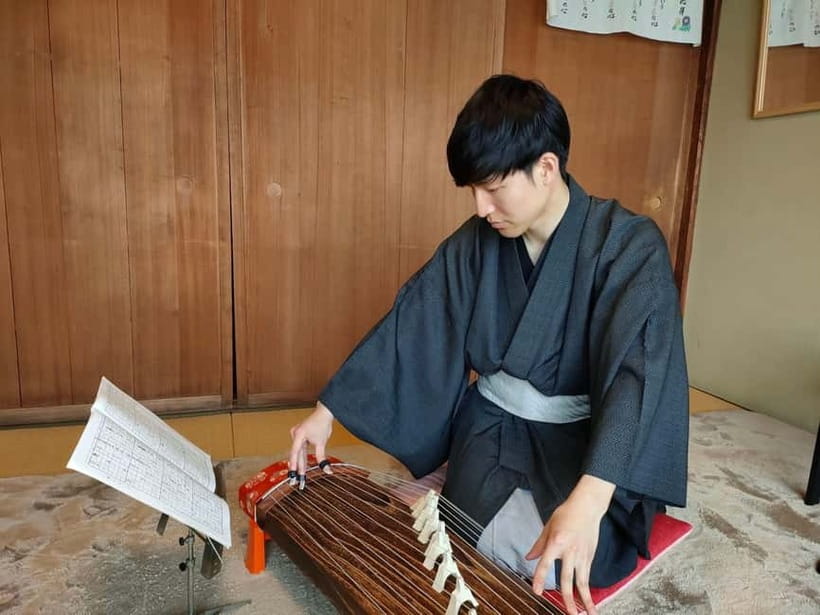
The performance is built for variety. You can expect a mix that spans classical material, contemporary pieces, and even original compositions depending on the season and performer.
That matters because a lot of instrument concerts fall into one lane. Here, the program lets you hear how the instruments can sound both traditional and modern. In particular, the shamisen and koto can shift roles. You may notice how the shamisen’s bite contrasts with the koto’s softer, floating timbre. When vocals appear in the traditional pieces, the sound becomes more story-like, not just background music.
One detail I think makes a big difference: the musicians do not treat this like a museum demonstration. They play with energy. The contemporary pieces can feel quicker and more rhythmic, while the traditional pieces slow your attention down so you catch small changes in tone.
If you are someone who loves hearing professional technique up close, this is a strong fit. Multiple participants highlighted how the performance felt intimate, even when you are only a short distance away.
The Close-Up Q&A, Photos, and Talking With the Pros
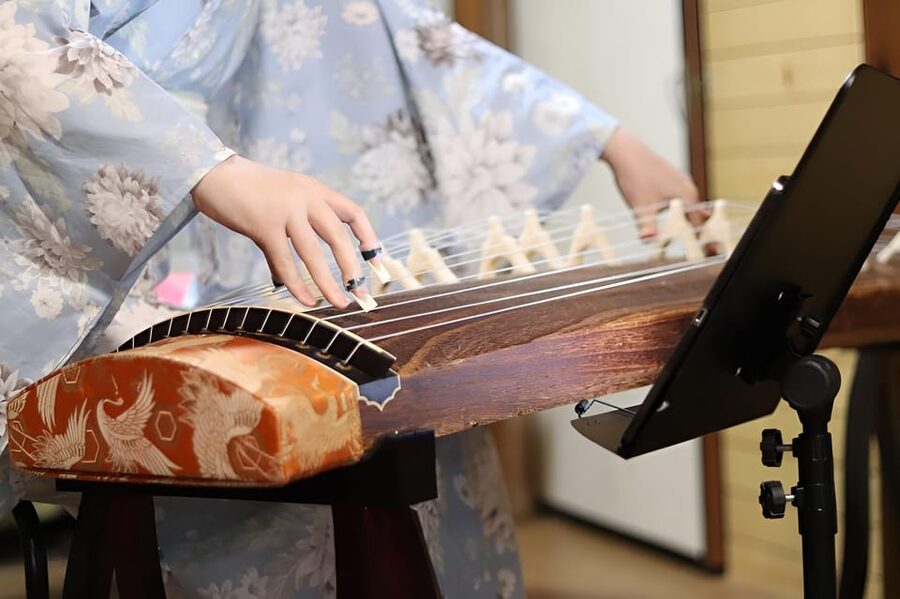
After the music, you shift from audience mode to curiosity mode.
The Q&A segment is a major plus. You are sitting with the performer and the instructor, and you can ask questions in English or Japanese. This is where you get the kind of clarifications that never happen in a big venue: why a technique sounds a certain way, what to listen for, how the score relates to what the player is doing, or how the instruments evolved.
The photo opportunity is also included, and it is not an afterthought. You get time to take pictures during the visit, which is especially helpful because a lot of people come to Kyoto for photos of temples, shrines, and streets. This gives you something different, images connected to an actual hands-on cultural moment.
In the names shared by participants, you may hear from performers such as Aoi, or instructors referenced as Kyoko-san, and a supporting musician named Shohei in at least some sessions. Not every booking will match those exact names, but it signals that you could be learning from a team with real performance experience and a warm teaching style.
Same corner of Japan, a different kind of day:
- Kyoto Geisha Walking Tour: Gion District & Hidden Gems
★ 4.7 · 3,273 reviews - Kyoto: Tea Ceremony Ju-An at Jotokuji Temple
★ 4.9 · 3,207 reviews - Kyoto: Gion Magical Night Walking Tour with Geisha Trivia
★ 4.9 · 2,393 reviews - Kyoto: 45-Minute Tea Ceremony Lesson Experience
★ 4.3 · 2,378 reviews
The Koto Try-It Class: Beginner-Friendly Without Feeling Cheesy
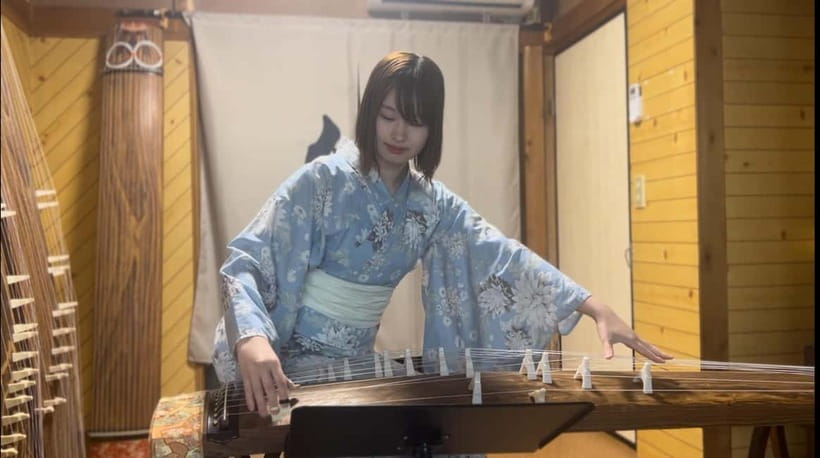
The koto class is where the experience turns from listening to learning.
You get the instrument, and you get tools and guidance. The instructor helps you play a simple piece, focusing on basics and technique rather than expecting you to perform like a pro. That is why it works even if you do not read Japanese music. The coaching is hands-on.
A good sign, based on feedback from past participants, is how supportive the instruction feels. People with zero musical background have described being encouraged and taught in a way that feels safe, not intimidating. When a teacher is patient here, it is not just politeness. It changes whether you can actually make a sound and understand what you just played.
You can also expect some flexibility in how the lesson is handled, depending on the group and the performer. For example, one participant mentioned being invited to try their own ideas, which suggests the class is not rigid drill-and-quit.
If you want to maximize this part of the experience, come in with a simple goal: learn how to make the instrument sound good, not how to master a full composition. The value is in getting your hands on it and hearing how your notes relate to what you just heard during the concert.
Price and Value: What $38 Gets You in Kyoto
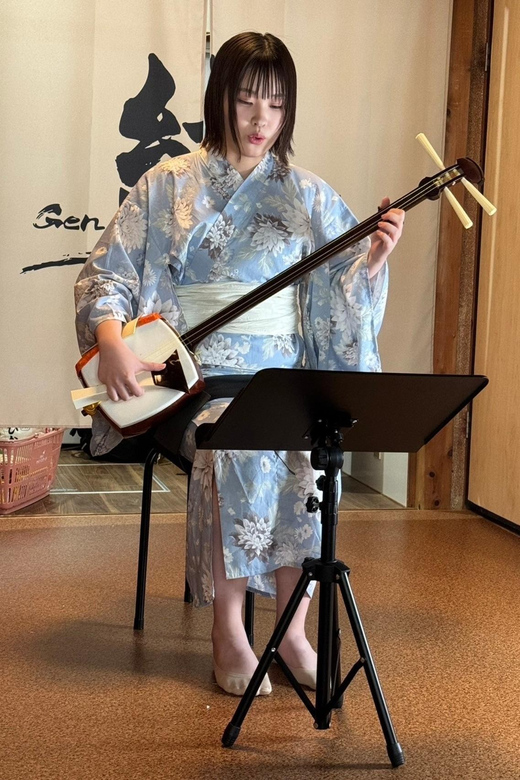
At about $38 per person for a 1 hour to 100 minute experience, you are paying for three things at once: a professional concert, structured cultural explanation, and a guided try-it class with the instrument.
Many Kyoto activities fall into two categories. Either they are performances where you only watch, or they are workshops where you spend more time learning but you might not see professional musicians at work. This blends both, plus includes photos.
Also worth noting: the materials and tools are included, and you use the koto instrument during the class. That removes one common workshop friction point, which is thinking you need to bring something or buy something to participate.
Is it a full-day activity? No. But for the money, it is a high concentration of cultural input in a short time window. If you love music, want something beyond temples, or like interactive experiences, you are getting your value in a way that feels tangible rather than abstract.
If you prefer only the performance, there may be a performance-only option when you book. I recommend checking what is offered for your date, because the try-it part is a big reason this experience lands well.
Where to Fit It Into Your Kyoto Day (Arashiyama, Nijo, Kinkakuji, Nishiki)
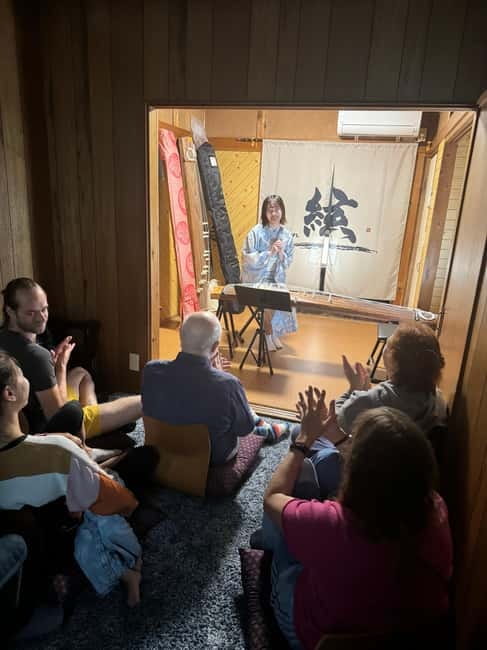
This is the kind of activity you can pair with sightseeing without turning your day into a transportation marathon.
Depending on where you stay and what time your concert starts, you can connect it with several major areas using the nearby transit estimates provided:
- Arashiyama: about 25 minutes by train and on foot. This is a great combo if you want to do Arashiyama earlier, then come back for a calmer evening activity.
- Nijo Castle: about 20 minutes by train and on foot. This works well if you are already in the Nijo area for castles and gardens.
- Kinkakuji (Golden Pavilion): about 20 to 25 minutes by bus and on foot. It pairs nicely if you want one more classic Kyoto stop before something quieter.
- Nishiki Market: about 25 minutes by train and on foot. This is useful if you want to grab snacks and then head to the concert before your hands-on session.
A practical idea: treat this as a reset. Big sights earlier in the day can leave your brain tired. The concert, the small-house atmosphere, and the hands-on koto time feel like a different kind of Kyoto rhythm.
Finding the Small House: One Logistics Tip That Saves Your Evening
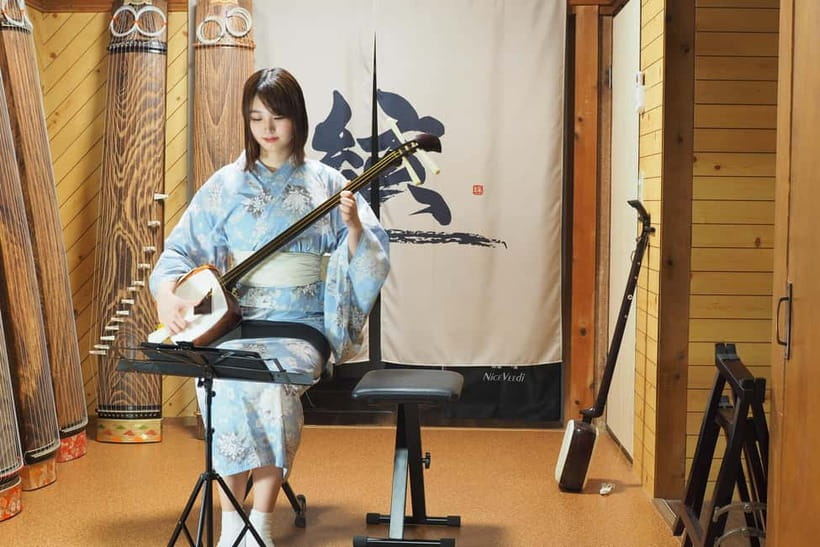
Because this takes place in an old, small house in a residential area, give yourself extra time to find it.
One participant noted it could be a struggle to locate the house at first. Another mentioned the alley felt dark and that there was some waiting outside until close to showtime. Those are not deal-breakers, but they are good warnings.
Here is what you can do:
- Arrive early, so you are not rushing when you see the alley or side street.
- If you use a taxi, it can reduce stress, especially in neighborhoods where landmarks are less obvious.
- If you are walking, keep your eyes on the exact meeting instructions you receive for your booking.
Also keep in mind: late arrivals may mean a shortened experience time. With a koto try-it at the end, that is the part you want, so guard it with good timing.
Language, Group Size, and How the Teaching Feels
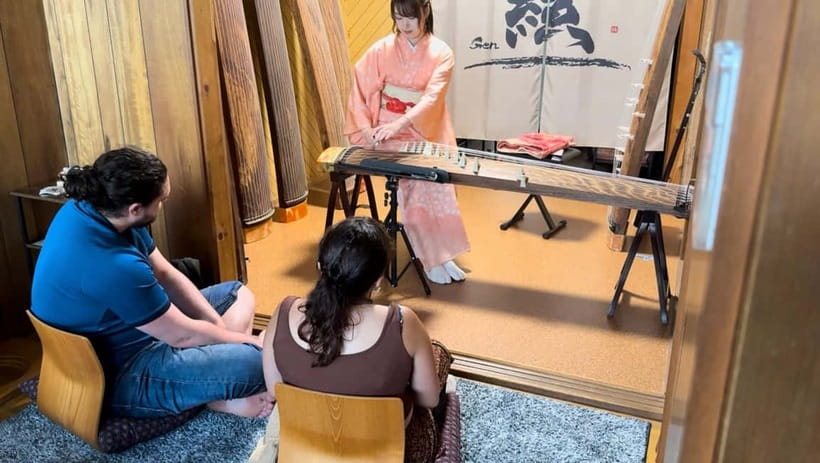
Instruction is offered in English and Japanese. That is a big deal for a musical activity, because it is easier to understand the score explanations and technique tips when you can ask questions in your preferred language.
Group size is listed as private or small groups. In practice, that usually means you are not stuck watching from the back of a room. You are close enough to see hand positions and to hear fine details.
Multiple participants described the atmosphere as intimate and welcoming, and many emphasized that they felt comfortable asking questions. That matters for confidence. If you want to participate in the koto try-it but you worry about looking awkward, a supportive small-group setup reduces that stress.
Who This Is Best For, and Who Might Want Another Option
This experience suits you if:
- You want something cultural and musical that is not a museum-style lecture.
- You love traditional instruments but you also want contemporary variety.
- You want a beginner-friendly try-it moment, not just passive listening.
- You like being able to ask questions and get direct answers.
It may be less suitable if:
- You are traveling with very young children. The activity is marked as not suitable for babies under 1 and children under 2, 3, and 4. (The consistent theme is that it is designed for older kids and adults who can sit through the concert and class safely.)
- You prefer large, organized sightseeing days with constant movement.
If you are a family, check age fit carefully based on your child’s age. If your group includes someone who is nervous about playing an instrument, the guidance style described here sounds encouraging and patient, which is exactly what you want.
Should You Book This Koto and Shamisen Experience?
Book it if you want a Kyoto experience that feels human, small, and music-first. The biggest reasons to say yes are the professional performance in a cozy house, the mix of classical and contemporary material, and the fact that you get to play the koto yourself with guidance. For the price, you are not only buying a ticket, you are buying access to teaching, photos, and the chance to understand what you just heard.
Don’t book it if you only want a quick show with zero participation, or if you need something that is easier to locate without any navigation into a residential area.
My final advice is simple: if you are in Kyoto with an evening slot and you like music, this is one of the most memorable short activities you can do. Show up a bit early, ask your questions, and aim to enjoy the try-it part. That is where the whole experience turns from nice into unforgettable.
FAQ
What instruments are included in the concert?
The experience features traditional Japanese musical instruments: the koto and the shamisen. The program also includes an introduction to these instruments and the music score style used.
How long is the experience?
The duration is listed as 1 hour to 100 minutes. The exact timing depends on the starting time and the flow of your session.
Is the koto class beginner-friendly?
Yes. The class is described as accessible for beginners, and you get guidance from a professional instructor while you try playing a simple piece.
What’s included in the price?
What’s included: all necessary materials and tools, use of the koto instrument, skilled instructor guidance, a brief history and cultural introduction, a private session for your group, and photos of your experience.
What is not included?
Transportation to and from the location, meals and drinks, and souvenirs or additional koto accessories are not included.
Do they offer the experience in English?
Yes. The instructor is listed as English, Japanese, and the program supports both languages.
Is there time to ask questions?
Yes. After the live performance, there is a close-up Q&A session with the professional koto player and performer.
Where is the meeting point?
The meeting point may vary depending on the option booked. You should check the details provided for your specific booking.
What should I do if I have allergies or physical limitations?
You should inform the provider ahead of time about any physical limitations or allergies. This helps them prepare for your needs.
Is this activity suitable for young children?
No. It is not suitable for babies under 1 year and not suitable for children under 2, under 3, and under 4 (as listed).
What if I arrive late?
Late arrivals may result in a shortened experience time, so it’s best to arrive early.
Fresh options around Kyoto
- Kyoto: Beyond the Insider Sake Tasting Experience★ 5.0 · 30 reviews
- Kyoto: Arashiyama Bamboo, Togetsukyo bridge, Sanso, and more★ 4.6 · 31 reviews
- Private Pewter Sake Cup Experience with a Kyoto Artisan★ 5.0 · 31 reviews
- Kyoto Home Cooking Class &Supermarket tour near Fushimiinari★ 5.0 · 31 reviews
- Kyoto Private & Personalized Full-Day Tour with a Local Guide★ 4.5 · 31 reviews
- Kyoto: Casual Pontocho Evening Food Tour★ 4.8 · 31 reviews
- Kyoto: Maiko, Samurai, or Kimono Rental and Tea Ceremony★ 4.3 · 31 reviews
- Kyoto: Historic Higashiyama Walking Tour★ 5.0 · 31 reviews
Workshops, compared.
Sushi Making Tokyo Roll and Authentic Japanese Sushi Class
Read our review →
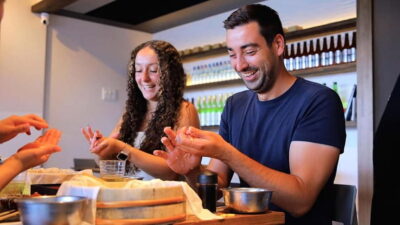
Roll and Authentic Sushi Making Class in Asakusa
Read our review →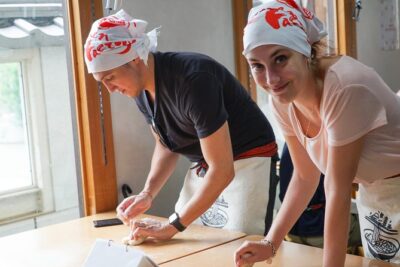
Ramen Cooking Class at Ramen Factory in Kyoto
Read our review →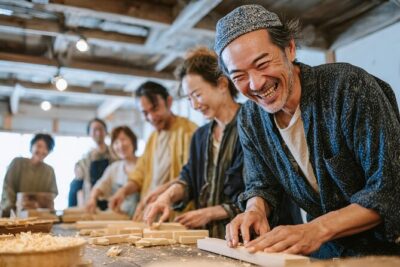
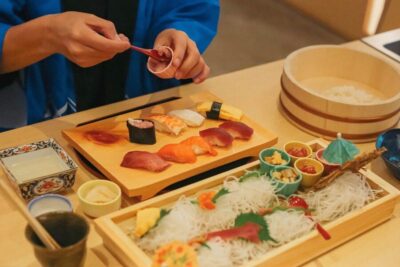
Sushi Making Class in a Happi Coat near a Famous Spot
Read our review →
Sushi Making Osaka Roll and Authentic Japanese Sushi Class
Read our review →Browse the lists this tour appears in