
Reviewed · WORKSHOPS
Kid-Friendly Sushi Making Class in Tokyo (English-Led)
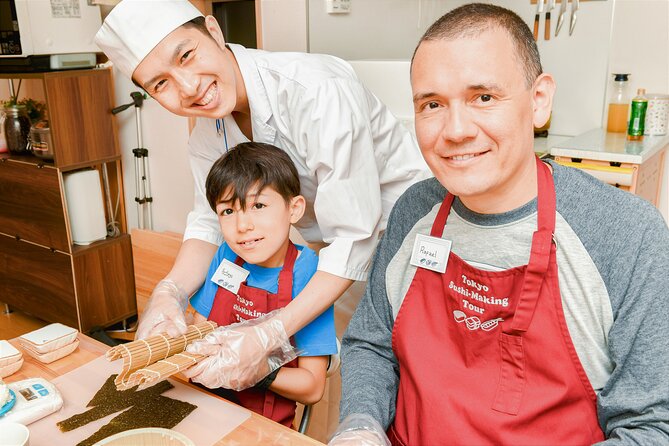
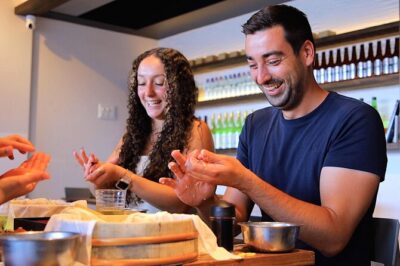
Sushi time feels easier in Japan. This kid-friendly, English-led class is a great way to get hands-on with sushi while learning the stories and rules behind it, not just copying shapes. I also like the small-group feel, because you get more personal coaching as you make multiple sushi styles. One thing to plan for: most menus use raw salmon and tuna, so if you want non-raw fish, vegetarian, or gluten-free, you must request it in advance.
You’ll meet at Kita-Senju around 10:30 AM, then head to the cooking venue for about 2 hours 30 minutes of guided practice. Expect a relaxed pace with Japanese phrases and travel tips, a fun sushi etiquette quiz, and time to savor what you make.
Key Points Worth Knowing Before You Go
- English-led instruction that works well for families and cooking beginners
- Max 8 travelers, so hands-on guidance stays personal
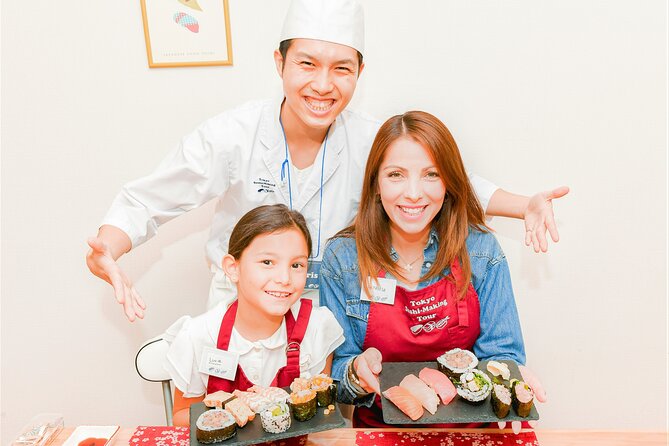
- Four sushi varieties plus sushi rice practice, so you leave with real skills
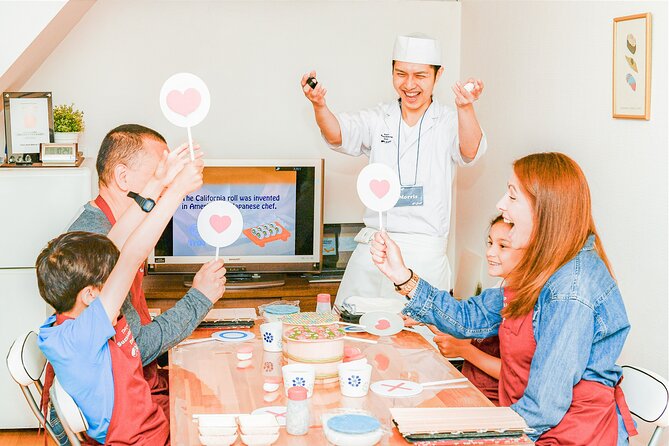
- Etiquette and trivia quiz that turns sushi manners into something kids can remember
- Dietary menu options like non-raw fish, vegetarian, and gluten-free if you request ahead
Why This Sushi Class Works So Well for Families
Tokyo has plenty of food tours, but a sushi-making class is different. You are not just watching or sampling, you are practicing the steps that matter, then eating your own results. This one keeps things structured but still laid-back, which is exactly what you want when kids are involved.
The class also tackles the stuff most people miss: sushi etiquette and the meaning behind the food. You will learn how sushi is approached, how to eat it properly, and basic travel-friendly Japanese phrases along the way. That makes the experience feel more like culture than a short cooking workshop.
The small-group cap of 8 travelers is a big part of the value. With fewer people, you are more likely to get a quick fix when something is tricky, like getting sushi rice to cooperate or shaping neat pieces. Past participants specifically praised instructors for being kind, patient, and fluent in English, including leads named Nat and Morris.
The only drawback is the ingredient reality. Many sessions use raw salmon and tuna, so your comfort level matters. If you are picky, feeding kids who do not like raw fish, or you have dietary needs, request the correct menu up front.
More Sushi Making Classes in Tokyo
- Sushi Making Tokyo Roll and Authentic Japanese Sushi Class
★ 5.0 · 3,971 reviews - Tokyo: Roll and Authentic Sushi Making Class in Asakusa
★ 4.9 · 1,957 reviews - Make Sushi and Create Unforgettable Memories in Tokyo
★ 5.0 · 1,413 reviews
Getting There in Tokyo: Kita-Senju, a Practical Choice
You meet in Kita-Senju at 10:30 AM, at the East exit of Kita-Senju station. The activity also lists a nearby address in Adachi City, and the class team takes you from the meeting point to the cooking venue. Either way, the idea is simple: you show up, and they guide you from there.
Kita-Senju is not as famous as some central areas, but that is often the point. You can reach it from major sightseeing zones like Asakusa, Akihabara, Ueno, and Ginza. For a family day, that matters, because you are not burning energy crossing the city.
You will also get a mobile ticket. That helps if you are traveling light, since you do not have to juggle printed papers.
Time-wise, a 10:30 AM start is smart for families. It gives you a clear plan for the day, and it usually avoids the late-afternoon “everyone is tired and hungry” spiral. And because the class ends back at the meeting point, you are not stuck figuring out transport in a new neighborhood.
The First Hour Feel: History, Japanese Phrases, and a Sushi Etiquette Quiz
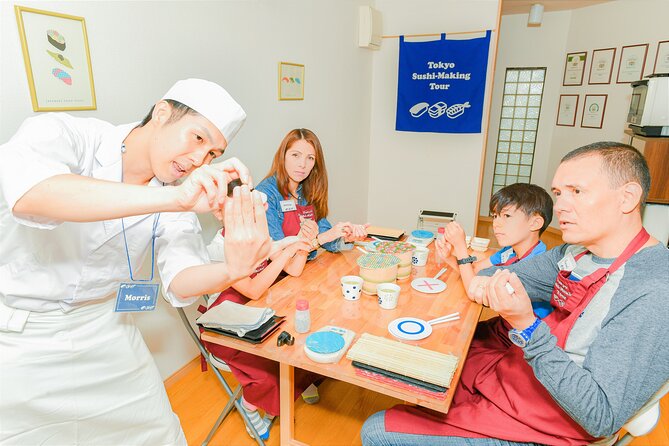
Before your hands are anywhere near rice, you get the learning foundation. The class covers sushi history, plus Japanese phrases and travel tips. This matters because sushi is more than ingredients and technique. It is a food culture with rules, and kids often remember stories and silly games better than a plain lecture.
One of the most praised parts is the opening quiz. It is described as a pop quiz, and it focuses on sushi etiquette and trivia. That is a clever setup. It gets everyone paying attention right away, and it also turns etiquette into something you can apply later, instead of forgetting once you sit down to eat.
If you have ever tried to explain Japanese eating manners on the fly, you know the value here. The quiz nudges you toward the right habits without making it feel like homework. Then, when you make sushi and eat it, those rules are fresh in your mind.
English-speaking instructors handle the pacing, and you will have a chance to ask questions. In feedback, participants repeatedly highlighted how clearly the leaders explained things and how they answered questions in English without rushing families.
Vinegared Rice Training: The Skill That Makes Everything Else Easier
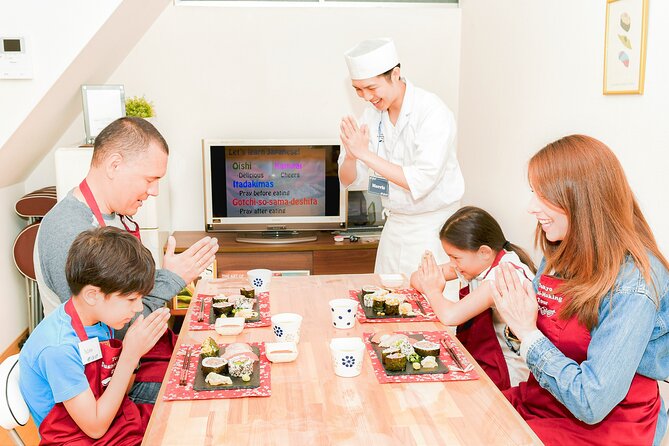
Sushi rice is the base for everything. This class specifically includes time to craft vinegared rice, so you do not start from scratch at home with no idea what to aim for.
Even if you have never cooked before, making the rice is usually where the class becomes real. It is also where you learn the “why” behind technique. When your rice texture and flavor are on target, shaping becomes easier and the sushi tastes right instead of just looking pretty.
You will also hear professional tips and tricks meant for taking the skill home. That is the difference between a class that teaches a recipe and one that teaches a method. Based on what participants described, the instruction is practical, with hands-on support rather than just watching someone else work.
For families, rice is also a forgiving skill in the right setting. Kids can be involved without needing advanced knife skills. And because the class continues into multiple sushi styles, you get to see how the same rice supports very different outcomes.
Same corner of Japan, a different kind of day:
- Mt Fuji and Hakone 1-Day Bus Tour Return by Bullet Train
★ 5.0 · 26,383 reviews - 1-Day Tokyo Bus Tour
★ 5.0 · 14,250 reviews - Tokyo: TOKYO SKYTREE® Admission ticket
★ 4.5 · 11,192 reviews - Tokyo: teamLab Planets TOKYO Digital Art Museum Entry Ticket
★ 4.6 · 9,779 reviews
Four Sushi Styles in One Session: What You Make and Why It Matters
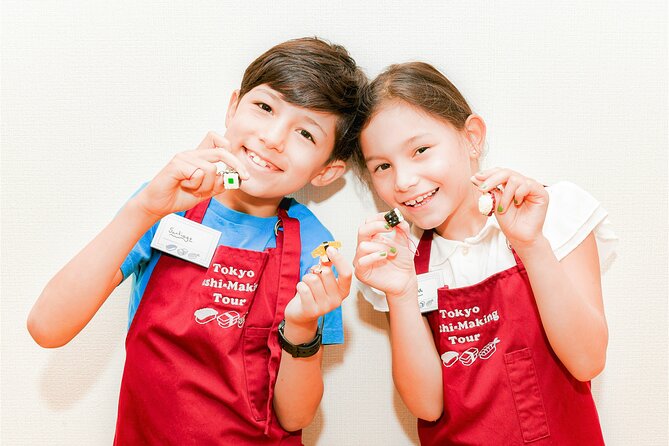
The class structure is built around variety. You make four sushi varieties and you learn how they connect to sushi traditions and different presentation styles.
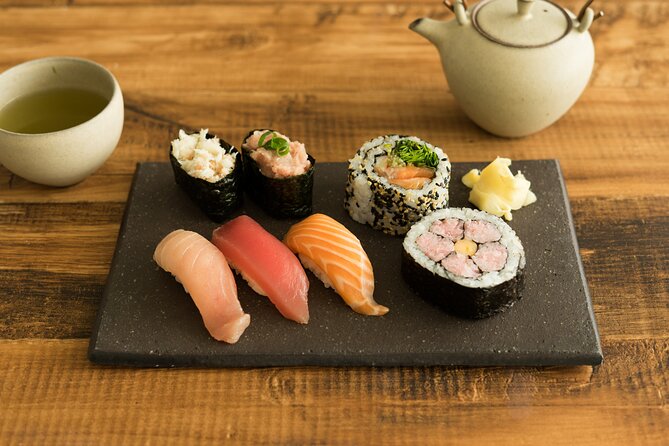
Here is what you create:
- Decorative Sushi Roll
This gives kids a visual win early on. Decorative rolls are about patterns and presentation, so you get instant satisfaction when pieces line up nicely.
- California Roll
This is a familiar style for many visitors, which helps beginners feel confident. You get practice with roll-making while still staying within something easy to recognize.
- Nigiri-Sushi
Nigiri is the hands-on “now you really mean it” style. It tests how the rice and topping balance and how carefully you can form pieces.
- Battleship Roll
The name alone signals why kids love it. It is shaped sushi that feels like a fun craft project, but you still learn how sushi should be assembled properly.
Why this mix is valuable: if you only learn one type of sushi, you leave with a narrow skill. Here you practice different movements and different eating expectations. That means if you later try sushi at home, you are not stuck with one template.
And because the class is designed for groups up to 8 travelers, the leader can help with technique as you go. Participants who brought kids reported that the pacing stayed friendly, with enough structure to keep attention and enough coaching to make results look good on the plate.
Eating Your Creations: It Is Part of the Teaching
You do not just make sushi and then leave it behind. You savor the sushi you craft. That might sound obvious, but it changes how you learn.
When you eat what you made, you can immediately connect technique to taste. If the rice was a little off, you notice right away. If the shaping helped or hurt the bite, you feel it. That feedback loop is why classes like this tend to stick in your memory.
The class also uses the meal as a wrap-up point. By the time you are sitting down to eat, you have already learned etiquette, so you can apply it during the tasting. It turns the quiz and the rice practice into something you can physically experience.
Food-based classes are also a morale boost for families on a travel day. Kids get a tangible takeaway, and adults get real satisfaction from eating something they personally built.
Price and Value: Is $68.97 Worth It?
At $68.97 per person, this is not a budget street snack. But sushi-making classes cost for a reason: instructor time, ingredient handling, and workspace setup. This one includes roughly 2 hours 30 minutes of guided practice, hands-on coaching, and multiple sushi styles plus rice.
The best value angle is that you get more than one outcome. You are not paying just to learn a single roll. You get vinegared rice training, four distinct sushi varieties, and instruction tied to sushi history and etiquette. That makes it feel like a full half-day activity, not a quick demo.
You also get a small-group ceiling of 8 travelers. That matters in price discussions because higher costs can be justified when you actually get time with the leader. Reviews praised the personal feel and the clarity of English instruction, including for families with kids aged 10 and 12 and for younger participants around age 8.
One more value point: the price includes the food experience. You end up eating what you made, so you are not separately budgeting for a pricey lunch afterward.
Who This Class Is Best For (and Who Might Hesitate)
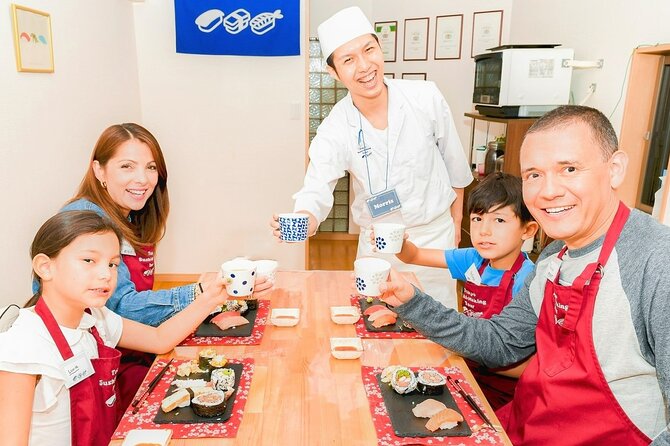
This experience is a strong fit for:
- Families traveling with kids age 8 and up
- Cooking beginners who want hands-on guidance
- Food lovers who care about etiquette and not just taste
- People visiting Tokyo with limited time and want a focused activity in one block
It might feel less ideal if:
- You are uncomfortable with raw salmon and tuna. The class can adjust with non-raw fish, vegetarian, or gluten-free menus, but you must request it in advance.
- You want a strictly “watch and photograph” activity. This is hands-on by design.
Also, note that it is English-led, and the leader’s English clarity was repeatedly mentioned in feedback, including named instructors Nat and Morris. If English is part of your comfort level, this matters.
Should You Book This Kid-Friendly Sushi Making Class in Tokyo?
If you want a Tokyo activity that feels fun for kids and still teaches real technique for adults, I think you should book it. The combination of hands-on sushi rice, four sushi types, and an etiquette quiz makes it more than a one-trick cooking class. Add the small-group limit of 8, and you get a better chance of practical coaching.
Book it especially if you have a family day planned around the Taito or central areas but you do not want a complicated schedule. Kita-Senju is connected to major neighborhoods, and the class ends back where you started.
Just be smart about menus. If you need non-raw fish, vegetarian, or gluten-free, request your dietary preference early. If raw fish is fine for your group, you will likely find the whole day easier and more straightforward.
FAQ
What is the minimum age for this sushi making class?
The class is suitable for children aged eight and above.
How long is the class?
It runs for about 2 hours 30 minutes.
Where do we meet in Tokyo?
You meet at the East exit of Kita-Senju station at 10:30 AM. The activity also lists a meeting address in Adachi City.
What sushi will I make during the class?
You will make vinegared rice and craft four sushi varieties: Decorative Sushi Roll, California Roll, Nigiri-Sushi, and Battleship Roll.
Is the class taught in English?
Yes. The instructors are English-speaking, and the experience is offered in English.
Can the class accommodate dietary restrictions?
Yes. You can choose from menus such as Non-Raw Fish, Vegetarian, and Gluten-Free. You need to inform the provider in advance.
Can I get a refund if I cancel?
Yes. You can cancel up to 24 hours before the experience start time for a full refund.
Fresh options around Tokyo
- Professional Japanese Anime Voice Acting Workshop in Tokyo★ 5.0 · 22 reviews
- Tokyo DisneySea: 1-Day Ticket & Private Transfer★ 4.3 · 22 reviews
- Tokyo: Mount Fuji and Hakone private sightseeing tour★ 4.8 · 23 reviews
- Edo Tokyo & Japanese Culture Tour with Government Licensed Guide★ 5.0 · 23 reviews
- Mount Fuji Full Day Private Tour with English Speaking Driver★ 5.0 · 23 reviews
- Small Group Tour Mount Fuji and Lake Kawaguchi from Tokyo★ 5.0 · 23 reviews
- Explore Akihabara The Ultimate Anime & Food Tour Free For Kids★ 5.0 · 23 reviews
- Tokyo : Yanaka and Nezu-Old Traditional Town Cultural Experience★ 5.0 · 23 reviews
Workshops, compared.
Sushi Making Tokyo Roll and Authentic Japanese Sushi Class
Read our review →
Roll and Authentic Sushi Making Class in Asakusa
Read our review →
Ramen Cooking Class at Ramen Factory in Kyoto
Read our review →
Sushi Making Class in a Happi Coat near a Famous Spot
Read our review →
Sushi Making Osaka Roll and Authentic Japanese Sushi Class
Read our review →Browse the lists this tour appears in