
Reviewed · WORKSHOPS
3-Hour Small-Group Sushi Making Class in Tokyo
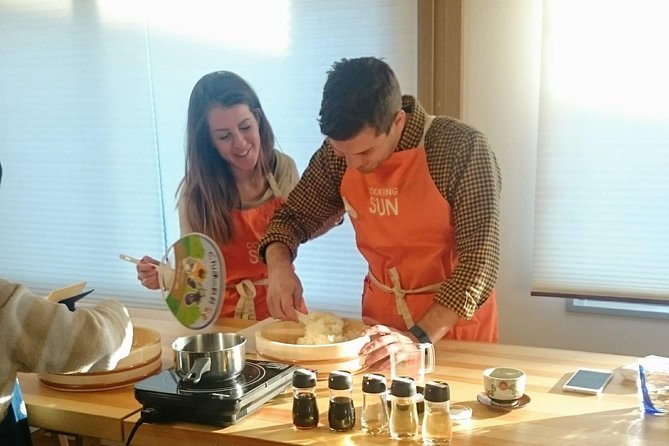
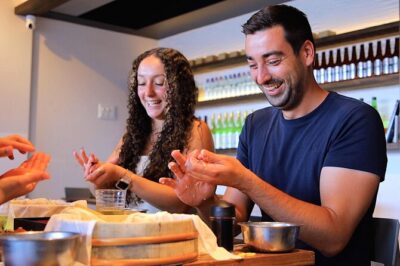
Sushi in Tokyo becomes way more fun when you make it yourself. This 3-hour small-group class at Cooking Sun teaches you classic techniques, with ingredients provided, then lets you sit down and eat your creations.
Two things I like right away are the English-speaking instruction and the hands-on pace that keeps you close to the teacher. And I really appreciate that you get recipes, so you are not just watching and eating, you can recreate the results later.
The main catch to plan for: there is no raw fish cutting instruction. They use pre-sliced fish, so if your dream is mastering knife skills on sashimi-grade fish, this class will not be that.
Key Things I’d Pay Attention To
- Small group size (max 9) means you get real guidance while you shape rice and roll sushi
- English-friendly cooking with local instructors like Miki and Yuki, plus others named in past classes such as Yummy and Aya
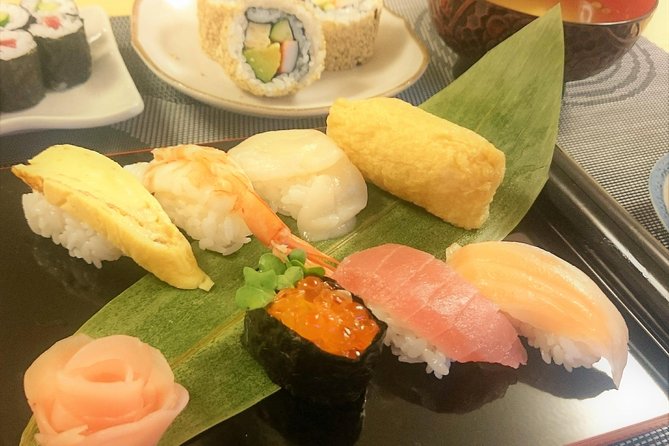
- You learn multiple styles, including nigiri, inari, hosomaki, and California roll
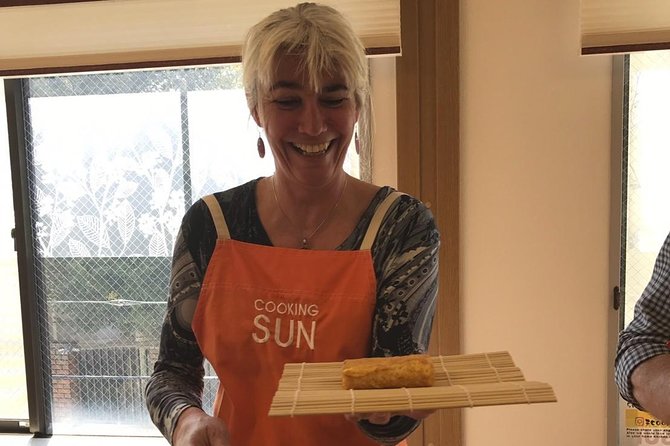
- Tamagoyaki is part of the prep, so you get practice with that sweet rolled omelet technique
- Fish prep is simplified (pre-sliced fish), so the focus stays on sushi assembly and flavor building
- Vegetarian option is available, but you need to request it ahead of time
Cooking Sun Studio: A Calm Way to Learn Sushi in Shinjuku
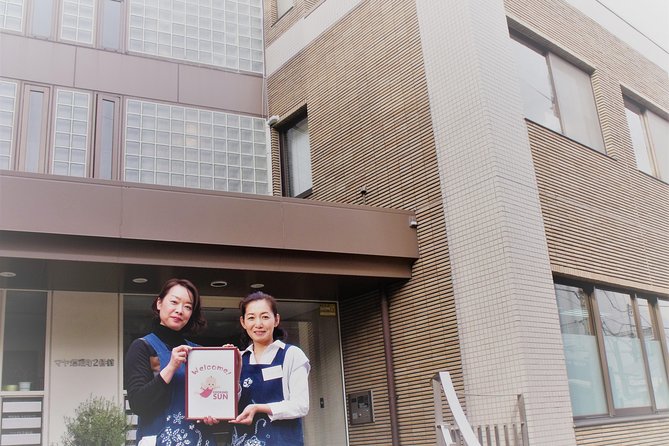
Tokyo can feel intense. This is not one of those tours where you bounce between crowded stops. Cooking Sun is in Shinanomachi, Shinjuku City, in a quiet residential area, and that matters because it makes the class feel more like a focused workshop than a hectic show.
You meet at Cooking Sun Tokyo (18-39 Shinanomachi, Shinjuku City, Tokyo 160-0016). The start time is 1:30 pm, and the experience runs about 3 hours. Since it ends back at the meeting point, you can plan the rest of your evening without stress. And because it is near public transportation, you are not locked into a complicated commute.
Cost-wise, it is $72.67 per person. That might sound steep until you price it the honest way: you get an English-speaking instructor, recipes, ingredients, apron and towel rental, and the meal you make. If you tried to buy everything and then learn the techniques from scratch, you would likely spend more than the class price, and you would still miss the coaching.
More Sushi Making Classes in Tokyo
- Sushi Making Tokyo Roll and Authentic Japanese Sushi Class
★ 5.0 · 3,971 reviews - Tokyo: Roll and Authentic Sushi Making Class in Asakusa
★ 4.9 · 1,957 reviews - Make Sushi and Create Unforgettable Memories in Tokyo
★ 5.0 · 1,413 reviews
What You Actually Make: Nigiri, Inari, Hosomaki, and California Roll
The class is structured around classic sushi forms you can recognize right away at Japanese restaurants. You will learn to make:
- Nigiri (hand-pressed sushi)
- Inari (sweet tofu pouch sushi)
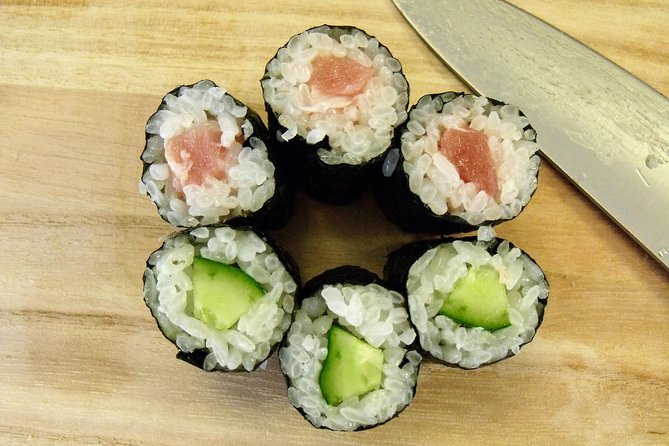
- Hosomaki (thin roll)
- California Roll
That mix is smart for first-timers. Nigiri teaches rice texture and shaping. Inari shows how sweet-savory fillings work with seasoned rice. Hosomaki is your basic rolling practice. And California roll is a very approachable roll concept that helps you understand the mechanics of rolling without needing advanced fish handling.
You also learn key components that make the sushi taste right, not just look neat. The class starts with an introduction to essentials like dashi and miso, plus traditional seasonings. Even if you do not cook often, this part gives you the flavor logic behind Japanese cuisine, so the rice and fillings do not feel random.
The First Builds: Dashi, Miso, Sushi Rice, and Tamagoyaki
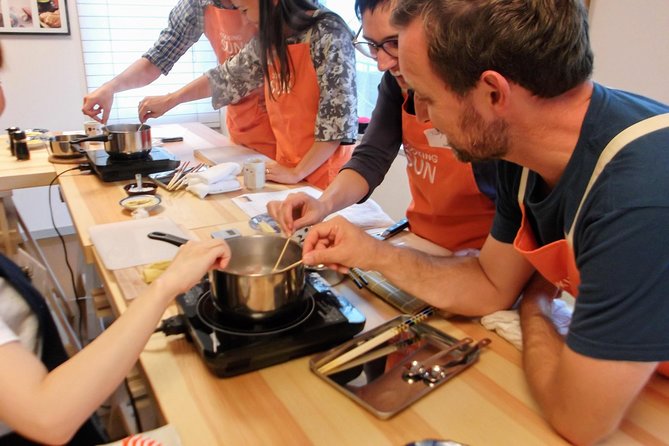
Before you roll anything, you build the foundation. The instructors guide you through sushi prep step by step, starting with a short demo and then moving into hands-on work.
Here is the heart of what you practice:
Sushi rice and seasoning
Sushi rice is not just cooked rice. It is seasoned rice with the right balance of acidity and sweetness. That is why the class spends time on preparation instead of rushing straight to assembling. When you nail the rice, everything else becomes easier: it holds shape, tastes balanced, and behaves the way nigiri and rolls are supposed to.
Same corner of Japan, a different kind of day:
- Mt Fuji and Hakone 1-Day Bus Tour Return by Bullet Train
★ 5.0 · 26,383 reviews - 1-Day Tokyo Bus Tour
★ 5.0 · 14,250 reviews - Tokyo: TOKYO SKYTREE® Admission ticket
★ 4.5 · 11,192 reviews - Tokyo: teamLab Planets TOKYO Digital Art Museum Entry Ticket
★ 4.6 · 9,779 reviews
Tamagoyaki (sweet rolled omelet) as a filling
You will make tamagoyaki, and it is used as part of your sushi rolling practice. A lot of people find the egg part intimidating at first, and that is normal. But the way it is taught is beginner-friendly, and it pays off because tamagoyaki is one of those skills that upgrades your Japanese cooking at home long after the class ends.
Miso soup groundwork
You also cover miso soup. You learn it as part of the meal, but it is also a useful skill for home cooking. Miso is one of the easiest Japanese flavors to build into everyday meals once you understand the basic approach.
Toppings and extra flavor pieces
Toppings like shrimp are part of what you assemble. And at the end, you get miso soup plus wasabi and pickled ginger. Those extras are not just garnish. They help reset your palate between bites, which makes your homemade sushi taste more like the real dining experience.
Rolling and Shaping: How to Turn Practice Into Real Sushi
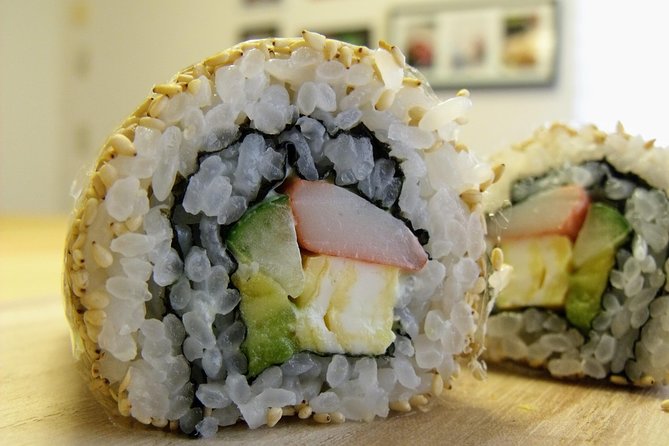
After prep, it is time for the parts most people think they cannot do. This class focuses on technique, not perfection.
You get full guidance while you roll and shape sushi. That matters because sushi assembly is all about small details:
- Rice distribution and pressure
- Clean rolling edge and even shape
- Getting proportions right so fillings are balanced
With hosomaki and California roll, you practice rolling with the goal of getting that neat cylinder shape. With nigiri, you learn hand-pressed sushi basics, where the right amount of rice and pressure makes or breaks the bite.
One important note: you will not be doing raw fish cutting. The class uses pre-sliced fish, so you are not expected to handle knives or prepare sashimi-grade cuts. The upside is you spend your limited class time on what actually helps you succeed at home, which is rice, seasoning, shaping, and assembly.
The Classroom Meal: Eating What You Made (With the Right Extras)
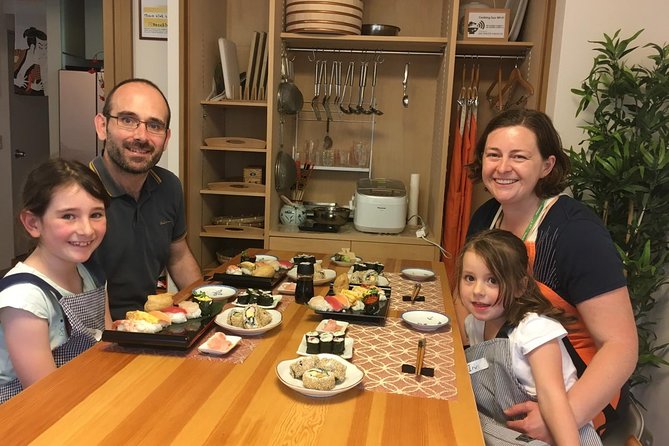
At the end, you sit down to a meal featuring your sushi creations. It is not a token tasting. You get miso soup with fresh wasabi and pickled ginger to round out the flavors.
This meal step is one reason I like this format. Sushi is part craft, part eating ritual. When you eat right after making it, you understand what your choices did to taste and texture. If your nigiri feels too compact, you notice. If your roll tastes slightly off, you connect it to how the rice or filling was handled.
It also keeps the class satisfying. You are not spending 3 hours for the experience only. You leave with food in your stomach and skills in your hands.
Small-Group Size at Cooking Sun: Why Max 9 Changes Everything
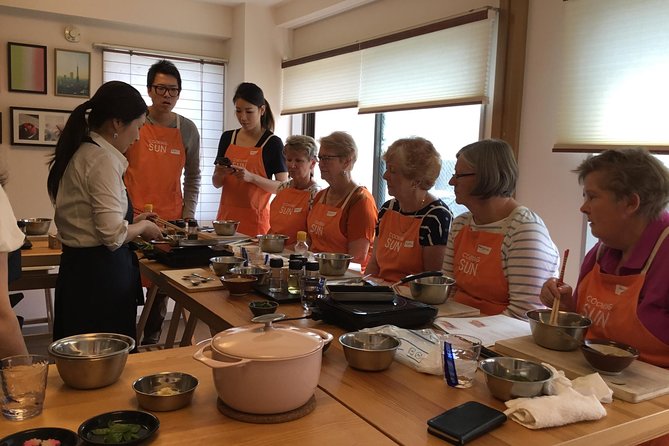
The class caps at 9 people. That is a big deal for a hands-on food workshop. In a larger class, you might watch a demo and then wait while the instructor helps someone else. Here, the small group setup keeps you moving, and you can get questions answered while you are actively shaping sushi.
You also feel the teacher-student rhythm better. In prior classes, instructors named Miki and Yuki, plus others like Yummy, Aya, and Yuko, have been praised for clear guidance and friendly support. Even without knowing which instructor you will get, the consistent theme is attention. And you feel that when you need help with tricky steps like tamagoyaki handling or rolling technique.
Vegetarian Option and Dietary Notes: Plan Ahead
If you prefer not to eat fish, there is a vegetarian option available, but you need to request it at booking. The class also asks you to advise any specific dietary requirements when you book.
That is worth taking seriously. Sushi classes often assume standard ingredients unless you tell them otherwise. If you want tofu inari or a veggie-friendly roll setup, send your request early so the kitchen can prepare accordingly.
Who This Class Is Best For (and Who Should Skip It)
This is a strong fit if you:
- Love sushi and want skills, not just a meal
- Are a beginner with no prior cooking experience
- Want an English-friendly class that still feels authentically Japanese
- Prefer a small group with instructor access
It is also a good choice for families with kids 6 and up, because the minimum age is 6 and the pace is beginner-friendly. The class is hands-on, so it can be fun for older kids who like learning by doing.
You might consider skipping if:
- Your goal is learning to cut raw fish with a knife
- You want a long, slow cooking session with zero structure and lots of freestyle cooking
- You are very sensitive to fish ingredients even though the class can offer a vegetarian option, you still need to communicate dietary needs clearly
Price and Value: Why $72.67 Often Works Out
Let us talk value in a practical way. The price includes:
- Local English-speaking cooking instructor
- Recipes and ingredients
- Apron and towel rental
- The meal you make, with miso soup, wasabi, and pickled ginger
You do not pay extra for food materials. You also get technique coaching during the steps that are hardest to learn from a YouTube video. Sushi rice seasoning and rolling pressure are the kind of things that are hard to guess correctly.
Is it cheaper to buy sushi and call it a day? Sure. But you are paying for learning time, instruction, ingredients, and the chance to make multiple sushi styles in one sitting. For many people, that is a fair deal, especially in Tokyo where cooking activities can cost a lot more than expected.
Practical Tips to Get More Out of Your 1:30 pm Class
Since it starts at 1:30 pm and runs about 3 hours, you want a light schedule around it. I would eat a smaller lunch or a snack beforehand so you are not starving during the prep stages. You will be making several components, and the final meal is part of the experience.
Also, set your expectations for what the class is emphasizing:
- Focus is on sushi assembly and core flavor elements
- Fish cutting is not included, because fish is pre-sliced
- Recipes are provided, so take notes on the steps that felt most useful
If you are going with a group, remind everyone that small-group classes work best when people are ready to participate. You want hands on the sushi mat and rice bowl as much as possible.
How to Use This at Home After You Leave Shinjuku
The class is built around the idea that you can recreate what you learn. The key is not copying every step exactly. It is using the techniques and flavor logic you practice during class.
When you cook at home, keep these three targets in mind:
- Treat sushi rice as the star. If it is right, everything else improves.
- Practice shape before chasing fancy looks. Clean nigiri and tight rolls come from repetition.
- Use the meal elements, miso, wasabi, and pickled ginger, to balance taste the way the class does.
If you love Japanese flavors beyond sushi, you will probably find dashi and miso skills useful too. Even a small understanding of seasonings makes home cooking easier.
Should You Book This Sushi Making Class at Cooking Sun?
Yes, if you want a hands-on sushi skill session in Tokyo that feels organized, beginner-friendly, and focused on technique. The small group size, English-speaking instruction, and the mix of sushi styles (nigiri, inari, hosomaki, California roll) make it a high-value way to spend an afternoon in Shinjuku.
If you specifically want knife skills for cutting raw fish, look elsewhere. But for learning how sushi comes together, and leaving with recipes plus a full meal you made yourself, this is a smart bet.
FAQ
What time does the sushi making class start?
The class starts at 1:30 pm and lasts about 3 hours.
How big is the class?
The class is limited to a maximum of 9 people.
Is the class taught in English?
Yes. It is an English-friendly Japanese cooking experience with a local English-speaking cooking instructor.
Does the class include cutting raw fish?
No. They use pre-sliced fish, and the class does not include raw fish cutting instruction.
What sushi styles will I learn to make?
You will learn to make nigiri, inari, hosomaki, and California roll, plus you will also make tamagoyaki as part of the prep.
Is there a vegetarian option?
Yes, a vegetarian option is available. You need to request it at the time of booking.
Where do I meet and where does the class end?
You meet at Cooking Sun Tokyo in Shinanomachi, Shinjuku City. The activity ends back at the meeting point.
Is hotel pickup included?
No. Hotel pickup and drop-off are not included.
Can I cancel for a full refund?
You can cancel up to 24 hours in advance for a full refund. If it is canceled due to poor weather, you will be offered another date or a full refund.
Fresh options around Tokyo
- Tokyo: Nagano Snow Monkeys and Zenkoji Tour with Temples★ 4.9 · 19 reviews
- Yokohama Port: Private Customizable Tour with Transfer★ 5.0 · 19 reviews
- Sushi Making with Interactive Samurai Experience at JIN-ASAKUSA★ 5.0 · 19 reviews
- Explore Unique Tokyo Streets / Learn with a Pro Photographer★ 5.0 · 19 reviews
- DAIKOKU excursion by car DRIFT automobile encounter★ 4.5 · 19 reviews
- Official Street Go Kart Tour Akihabara 2nd★ 5.0 · 19 reviews
- Cosplay Experience with Professional Makeup and Photo Shoot!★ 5.0 · 19 reviews
- Tokyo: Name Seal & Pouch or Tote Bag Making Experience★ 4.5 · 19 reviews
Workshops, compared.
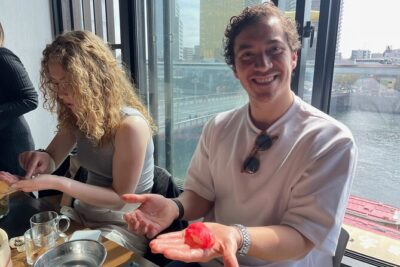
Sushi Making Tokyo Roll and Authentic Japanese Sushi Class
Read our review →
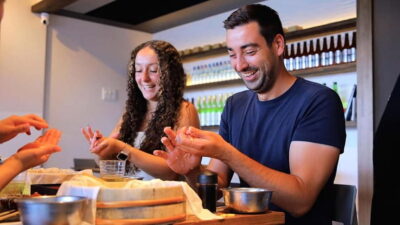
Roll and Authentic Sushi Making Class in Asakusa
Read our review →
Ramen Cooking Class at Ramen Factory in Kyoto
Read our review →
Sushi Making Class in a Happi Coat near a Famous Spot
Read our review →
Sushi Making Osaka Roll and Authentic Japanese Sushi Class
Read our review →Browse the lists this tour appears in