
Reviewed · WORKSHOPS
Sekka Cotton Furoshiki Class
That folded cloth turns into art fast. This Kyoto workshop teaches sekka shibori dyeing and ends with a real, usable souvenir you made yourself. I especially liked the private lesson format, because you get guided attention from the start of folding through dyeing.
I also love the way the class builds in museum time while your cloth dries, so you are not just doing steps, you’re learning what those steps mean. One possible drawback: the hands-on dyeing portion can feel fairly guided and structured, so if you want lots of experimentation or deep customization, you may feel a bit boxed in.
Key Highlights You Should Know
- Private lesson for your group means a slower pace and more chances to ask questions.
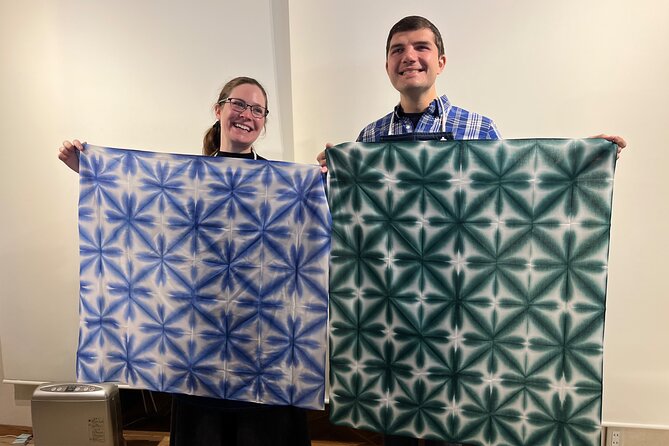
- Sekka shibori technique uses folding, boards, and dye to create the look.
- You take home a cotton furoshiki sized for real wrapping and gifting.
- About 30 minutes of drying time becomes museum browsing and shibori context.
- Museum shop time is built in, so you can plan for extra purchases.
- Mobile ticket keeps things simple once you arrive.
Kyoto Shibori Museum: A Craft Stop That Actually Explains It
Kyoto is packed with temples, but this kind of stop gives you a different lens on the city. The Kyoto Shibori Museum is centered on shibori, the traditional craft of shaping cloth and using dye to create patterns.
The biggest win here is the balance between making and seeing. You spend time folding and dyeing, then you get to look at textile art and tools in the museum while your piece rests and sets.
A few more Kyoto days worth comparing
- PERFECT KYOTO 1-Day Bus Tour
★ 5.0 · 13,518 reviews - Kyoto: Fushimi Inari, Kinkakuji, Bamboo Grove 1 Day Bus Tour
★ 4.8 · 4,316 reviews - Kyoto: Tea Ceremony in a Traditional Tea House in Kiyomizu
★ 4.9 · 3,519 reviews
Your One-Hour Sekka Shibori Lesson, From Folding to Dye
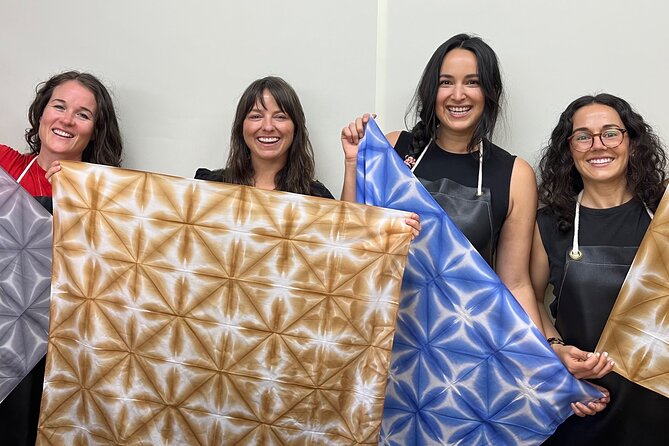
You meet at the Kyoto Shibori Museum at 135-5 Shikiamichō, Nakagyo Ward, Kyoto. From there, the class focuses on a single project: dyeing a cotton furoshiki using the sekka shibori method.
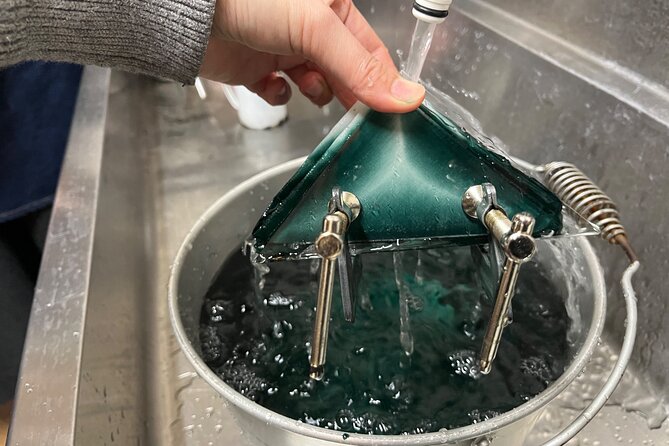
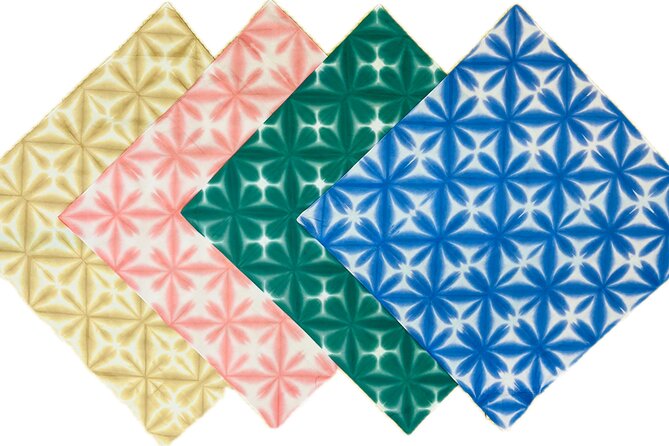
You start by choosing a color, then learning how to fold the fabric in a specific way. After the folding, the folded cloth goes between two boards, and that’s when the dyeing happens.
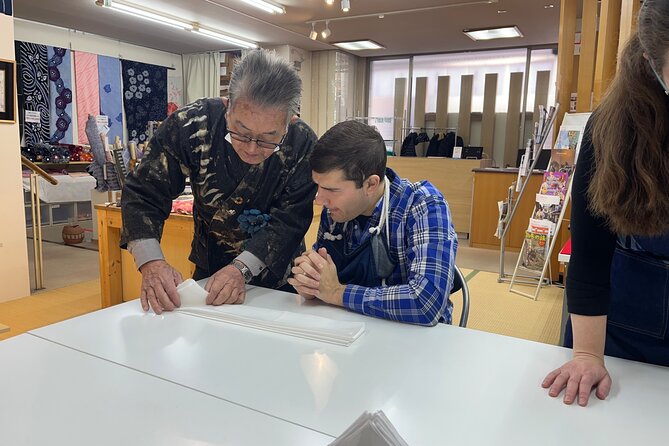
This is set up as a private lesson, so you are working with your own instructor and your own pace. That matters because shibori is detail work, and small changes in folding can change the final pattern.
The Cotton Furoshiki Project: What You Make and Take Home
The cloth you dye is an 86cm by 89cm cotton furoshiki. That size is large enough to feel substantial, and it’s the right scale for wrapping, carrying, or using as a gift cloth in a Kyoto souvenir way.
By the end, you leave with the furoshiki you created during the class. Reviews and the class structure both point to the same feeling: it’s a meaningful souvenir because you made it through the full process, not just watched a demonstration.
Also, cotton is a practical choice. You can keep it for travel memories, but you can also use it without treating it like fragile museum glass.
While Your Cloth Dries: The Museum Time That Adds Context
Dyeing takes real time, but the schedule is smart about it. After you dye your folded piece, you allow about 30 minutes for drying, and that waiting period turns into learning time.
During that break, you walk through the museum exhibits and browse shibori-related art pieces, tools, and samples. One reviewer described this as a two-part experience, create first, then museum upstairs while it dries.
If you love crafts, this is where your understanding catches up. The patterns you made start to make sense in the context of what the museum collects and how artisans approach shibori over years.
Same corner of Japan, a different kind of day:
- Kyoto Geisha Walking Tour: Gion District & Hidden Gems
★ 4.7 · 3,273 reviews - Kyoto: Tea Ceremony Ju-An at Jotokuji Temple
★ 4.9 · 3,207 reviews - Kyoto: Gion Magical Night Walking Tour with Geisha Trivia
★ 4.9 · 2,393 reviews - Kyoto: 45-Minute Tea Ceremony Lesson Experience
★ 4.3 · 2,378 reviews
Price and Value: When $43.35 Makes Sense
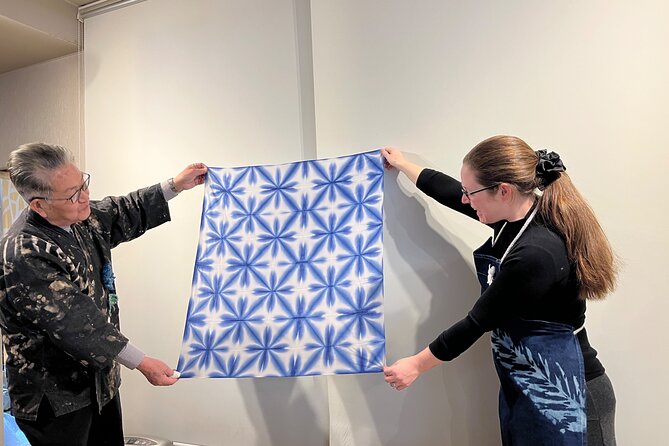
At $43.35 per person for about 1 hour total, the price looks reasonable when you factor in what you actually get. You’re not paying for a generic craft demo. You are paying for a guided private setup and a finished cotton furoshiki to take home.
The private format is also where value shows up. Even if you’re a solo traveler, you are not squeezed into a rushed group workshop. If you come with family or friends, the “your party only” structure usually makes everyone more comfortable and more likely to ask questions.
There is one practical angle too. The museum shop sells shibori items, souvenirs, and fabrics, and some people suggest bringing extra money if you want to buy more than you planned.
Timing and Logistics That Affect Your Comfort
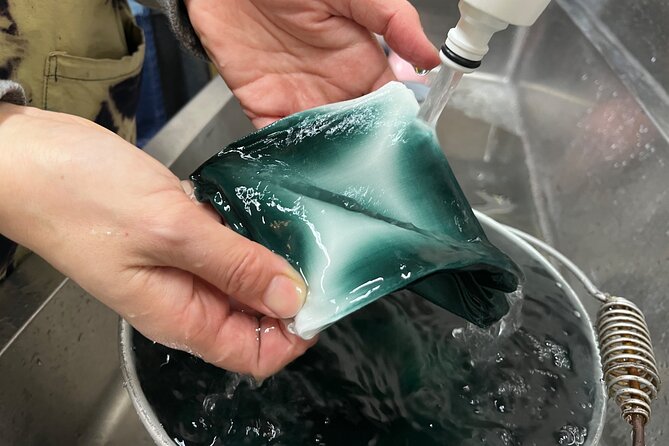
The class runs about 1 hour overall, and the hands-on work typically takes about 30 to 60 minutes per class. Your schedule will stretch across folding, dyeing, and then drying while you explore the museum.
This is near public transportation, so it’s fairly easy to slot into a day in central Kyoto. And because you use a mobile ticket, you can keep things low-stress once you get there.
One more “small but real” consideration: hands-on dye work can be a bit messy as you handle fabric and materials. Wear what you’re comfortable getting slightly stained, and you’ll enjoy it more.
Who This Workshop Fits Best
This class is a strong fit if you want a Kyoto experience that is hands-on but not exhausting. It’s family-friendly in a practical sense, and it works well for teens too, especially if they enjoy making something tangible.
It’s also a great choice if you like craft history without turning the day into a long lecture. You get shibori context in the museum during the drying window, so the learning is built into the craft rhythm.
If you are an advanced maker who wants lots of experimentation, you might find the dyeing process a bit structured. The upside is that structure reduces mistakes and helps you end with a clean, beautiful result. The downside is limited freedom.
Tips to Get Better Results and Enjoy the Class More
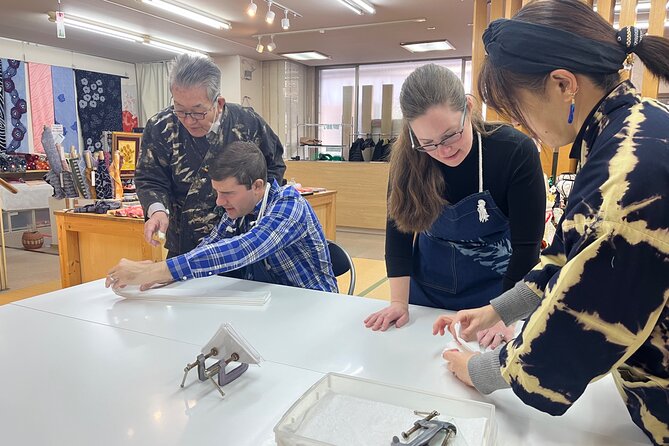
Plan on focusing during the folding steps. That’s where the technique shows up, and it’s also where your instruction time matters most.
Take your color choice seriously. Since your cloth is dyed after it’s folded and set between boards, your color selection is part of the outcome, not an afterthought.
And give yourself a little extra time in the museum shop if you’re tempted. The museum sells additional shibori items and fabrics, and people who love textiles often want to browse longer than they expect.
Should You Book Sekka Cotton Furoshiki Class?
Book it if you want a private, hands-on Kyoto souvenir with real craft process, not just sightseeing. The combination of making a cotton furoshiki and then learning through museum exhibits during the drying time is a smart use of an hour.
Skip it or reconsider if your priority is highly experimental dyeing with lots of improvisation. If you need something more open-ended, a guided technique class may feel too standardized.
For most people, though, this is the kind of workshop that makes Kyoto feel personal. You leave with a pattern you understand, because you made it step by step.
FAQ
How long does the Sekka Cotton Furoshiki Class take?
The class is about 1 hour on average. The hands-on dyeing portion is typically 30 to 60 minutes, with drying time included as part of the overall experience.
What do I make in this workshop?
You dye a cotton furoshiki, a wrapping cloth, using the sekka shibori method. The cloth size is listed as 86cm by 89cm.
Is this class private?
Yes. It is a private tour or activity, and only your group participates.
Where do I meet for the experience?
You meet at Kyoto Shibori Museum, 135-5 Shikiamichō, Nakagyo Ward, Kyoto, 604-8261, Japan. The activity ends back at the meeting point.
Do I need a printed ticket?
No. This experience uses a mobile ticket.
Can I cancel for a full refund?
Yes, free cancellation is available up to 24 hours in advance of the experience start time. If you cancel less than 24 hours before, the amount paid is not refunded.
Is the museum and class easy to reach?
The additional info says it is near public transportation. Most travelers can participate.
Fresh options around Kyoto
- A Privately Guided Photoshoot in Beautiful Kyoto by a Pro★ 5.0 · 18 reviews
- Kyoto: Fushimi Inari Taisha Shrine Walking Tour with Guide★ 4.8 · 18 reviews
- Natural Indigo Dyeing with Local Masters (Private Atelier)★ 5.0 · 19 reviews
- Kyoto: Personalized Guided Private Tour★ 4.8 · 19 reviews
- Kyoto: Quiet and Graceful Tea Ceremony★ 4.5 · 19 reviews
- Oboro | Mindful Tea Ceremony in a 100-Year-Old Kyoto Teahouse★ 5.0 · 19 reviews
- Ikebana Traditional Japanese Art of Flower Arranging★ 4.5 · 19 reviews
- Kyoto Satoyama Cycling with Lunch and English Guide★ 5.0 · 19 reviews
Workshops, compared.
Sushi Making Tokyo Roll and Authentic Japanese Sushi Class
Read our review →
Roll and Authentic Sushi Making Class in Asakusa
Read our review →
Ramen Cooking Class at Ramen Factory in Kyoto
Read our review →
Sushi Making Class in a Happi Coat near a Famous Spot
Read our review →
Sushi Making Osaka Roll and Authentic Japanese Sushi Class
Read our review →Browse the lists this tour appears in