Reviewed · KYOTO TOURS
Natural Indigo Dyeing with Local Masters (Private Atelier)
Blue waits in a 300-year-old vat. This real indigo dye studio in Kyoto is the kind of place most people only ever see from the outside, and it gives you hands-on learning with natural fermented indigo using sukumo vats. You get a studio tour and step-by-step help, plus the calm feeling of watching real artisans work.
What I also like is the small-group format, max 6 people, with bilingual support. In particular, the hands-on parts flow smoothly, and you will likely hear clear translation from staff members such as Sakura, plus guidance from the multi-generational team behind the dyeing. One consideration: the studio is traditional (wooden floorboards) and there is no wheelchair access, and you should expect your clothes to get stained if you are not prepared.
Key things I’d circle first
- 300-year-old working indigo studio in Kyoto, not a tourist replica
- Natural fermented indigo (sukumo) vats and the color shift from green to deep blue through oxidation
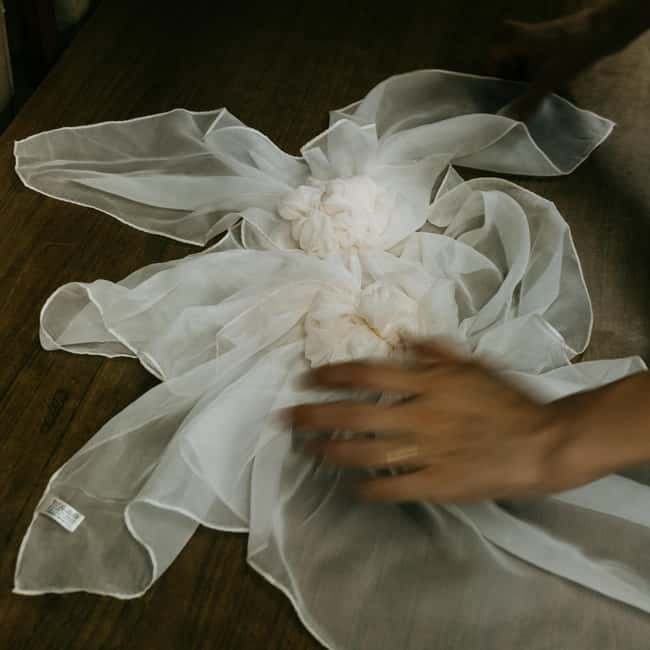
- Small group size, max 6, with hands-on folding, binding, and dipping guidance
- Indigo leaf tea plus cultural stories from a Kyoto local guide and bilingual host support
- Take-home textiles plus optional same-day upgrades like scarves and a wool stole
A 300-Year-Old Indigo Studio in Kyoto, Not a Set
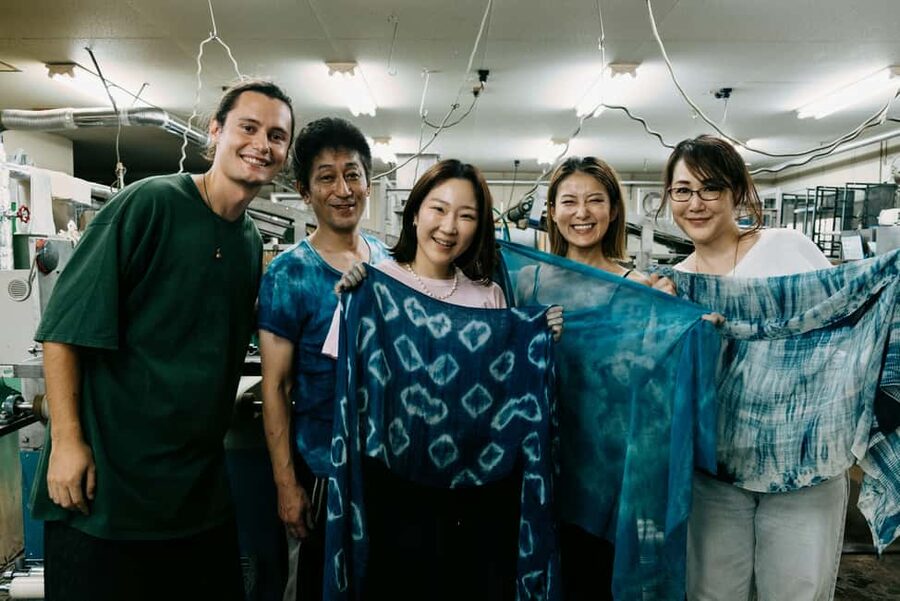
Kyoto has craft workshops everywhere, but this one is built around a genuine working space. You go into a historic indigo dye studio that dates back about 300 years, tucked into Kyoto’s quieter western district. That matters because you are not just watching a demo, you are learning inside the actual rhythm of an artisan workshop.
The workshop is designed for small numbers, max 6 participants. That is a big part of why people leave impressed, because staff can slow down, help you fold correctly, and guide your dipping in the vats. It also means you spend more time looking at the tools up close, including the large vats used for dyeing.
A few more Kyoto days worth comparing
- PERFECT KYOTO 1-Day Bus Tour
★ 5.0 · 13,518 reviews - Kyoto: Fushimi Inari, Kinkakuji, Bamboo Grove 1 Day Bus Tour
★ 4.8 · 4,316 reviews - Kyoto: Tea Ceremony in a Traditional Tea House in Kiyomizu
★ 4.9 · 3,519 reviews
Your 2-Hour Flow: Tour, Dyeing, and Indigo Leaf Tea
Plan on about 2 hours total, sometimes listed as 1.5 to 2 hours depending on timing. The experience moves in three clear phases, and each one sets you up for the next part.
First comes a welcome and studio tour for about 15 minutes. You hear about indigo in Japan and its symbolic role in daily life, then you get to explore the tools, vats, and the feel of a studio that has been operating for generations. This is not rushed, and it helps you understand what you are about to do with your hands.
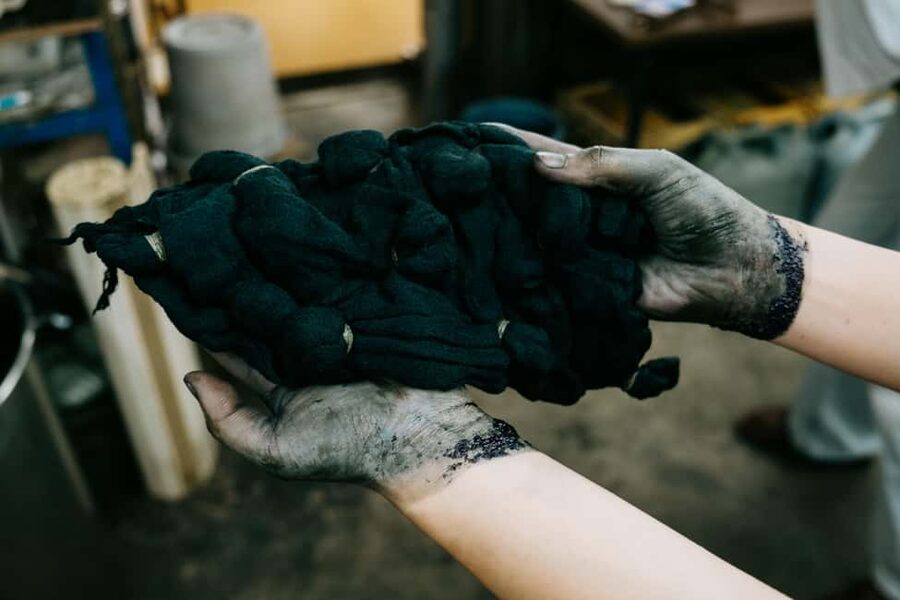
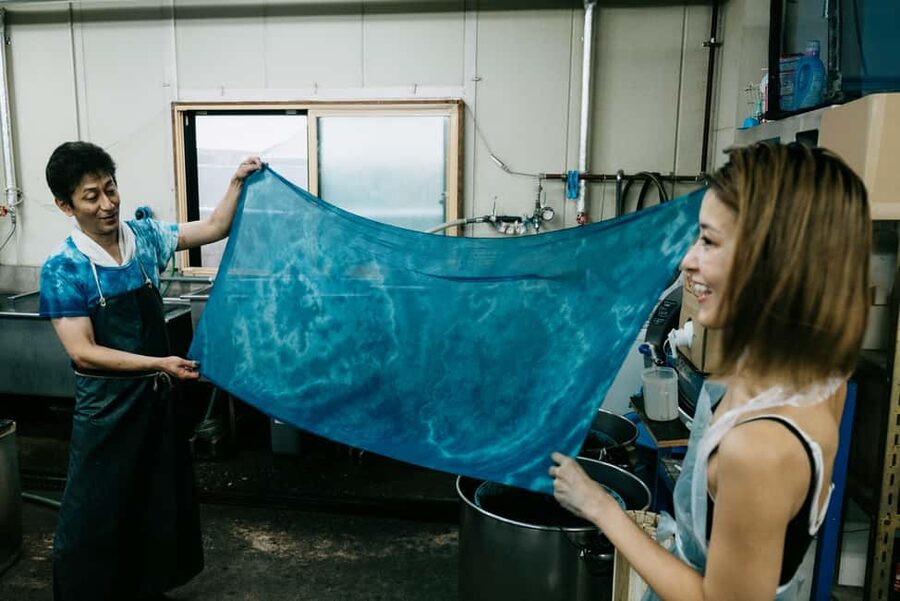
Next is the hands-on indigo dyeing workshop for around 60 minutes. You will learn folding and binding techniques tied to furoshiki wrapping, then you dip your textile into the natural fermented indigo vats. You can actually see the shift from green to deep blue as oxidation happens, which is the satisfying part of natural dyeing that never looks like a video special effect.
Finally, you end with indigo leaf tea and reflection for about 15 to 20 minutes. You get a calmer moment to absorb what you made, ask questions, and take photos with your finished piece. This closing time is also when the cultural stories tend to land, because you are no longer rushing from step to step.
Sukumo Fermented Indigo Vats and the Blue You Can See Form
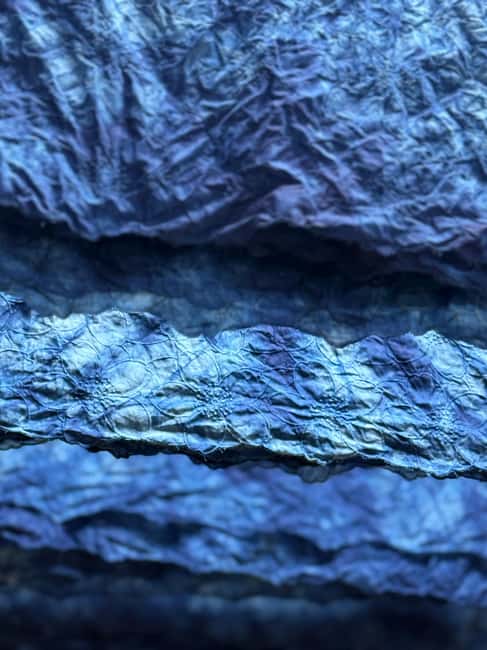
The workshop’s main draw is the use of natural fermented indigo vats, called sukumo. That phrase matters because it signals you are working with a method rooted in long transmission of craft, not a quick chemical shortcut. In the dyeing process, the color development is visible, going from green to deep blue through oxidation.
The studio explains not only what you are doing, but why it takes care. Folding, binding, and dipping are step-by-step for a reason, because natural dyes respond to the way fabric is prepared and handled. The result is a more intentional pattern, even if you are just making one furoshiki-sized piece.
One practical bonus: you will be shown the studio atmosphere and tools before you touch the vats. That reduces the panic factor for people who are curious but nervous about getting it wrong. And because the group is small, staff can correct technique without turning it into a big classroom.
What You Dye, and How Upgrades Work on the Day
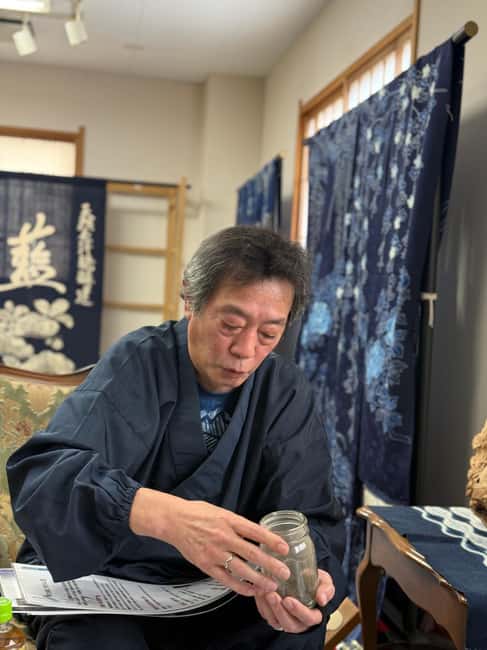
The basic fee includes one dyeable cotton item. Specifically, you receive one cotton furoshiki cloth, about 45 to 50 cm. That size is manageable for a 60-minute workshop, and it keeps the experience focused on technique rather than turning into a laundry project.
You also have an option to choose or upgrade the textile on the day of the workshop, with additional fees. The listed upgrade items include a cotton scarf, silk scarf, or a wool stole. You will decide based on what you want to carry home and how you want the colors to look on different fibers.
There is one limit to be aware of: the experience does not include large-size fabric or garment dyeing. In other words, you are not expected to dye a huge blanket or a full piece of clothing during this session. If you are dreaming bigger, you will want to treat this as a skill-building workshop with a tidy take-home result.
Same corner of Japan, a different kind of day:
- Kyoto Geisha Walking Tour: Gion District & Hidden Gems
★ 4.7 · 3,273 reviews - Kyoto: Tea Ceremony Ju-An at Jotokuji Temple
★ 4.9 · 3,207 reviews - Kyoto: Gion Magical Night Walking Tour with Geisha Trivia
★ 4.9 · 2,393 reviews - Kyoto: 45-Minute Tea Ceremony Lesson Experience
★ 4.3 · 2,378 reviews
Studio Help You Actually Notice: Apron, Gloves, and Shoe Covers
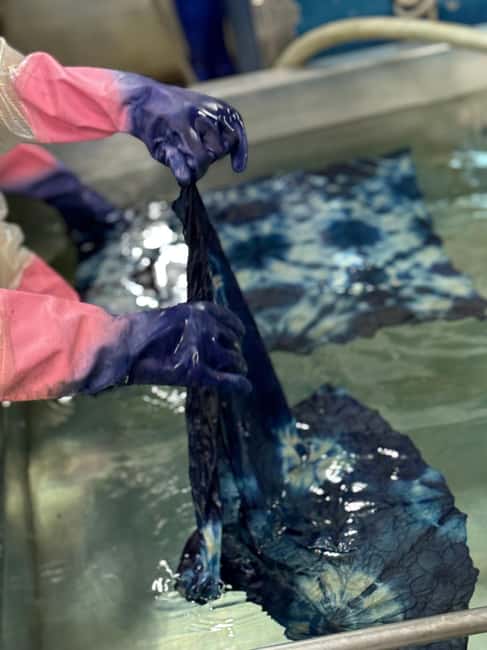
A lot of craft workshops say hands-on, but you can still end up feeling on your own. Here, the support is very real. You are outfitted with an apron, gloves, and shoe covers so your clothes and shoes do not become accidental casualties of indigo.
That practical setup shows up again in the way the workshop guides you through folding and binding. Staff do not just point and hope. They help you get set up properly, then you dip your cloth while they watch and adjust.
This matters for value because you are paying for time with real artisans and real processes, not just renting a basin and getting instructions in a pamphlet. You also get a small takeaway souvenir gift, plus you have time for photos when you are done.
The Cultural Part: Stories, Tea, and a Local Host Named Chie
This is not only about color. You are also there for the culture around indigo in Japan. The studio tour includes historical context and the symbolic role of indigo in daily life, explained in a way that fits the workshop pace.
Language support is part of why the experience feels smooth for international guests. The experience runs with English and Japanese, and you may work with translators and apprentices who make the master’s guidance easy to follow. One name that shows up clearly in the experience is Sakura, credited for excellent translation during the process.
There is also a Kyoto local guide component, and the experience provider listed for this workshop is Chie. You will feel the difference when the cultural stories do not sit in a lecture format. You get them right where they matter, while you are holding the cloth and watching the color change.
Price and Value: Why $95 Feels Fair Here
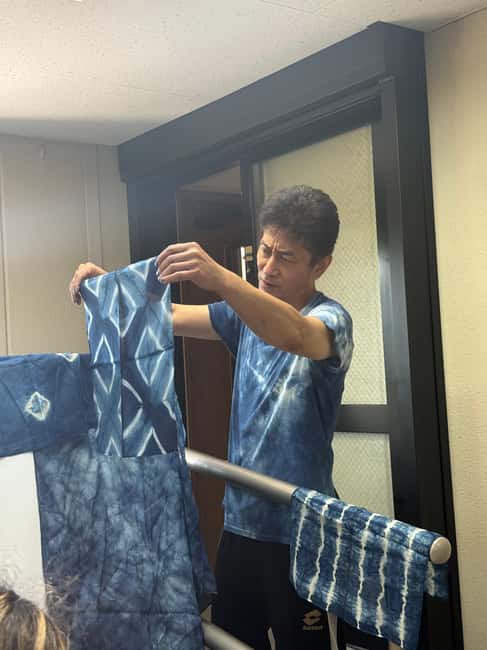
At $95 per person for about 2 hours, this workshop sits in the “serious craft experience” category. The value comes from a few specific things you cannot fake easily: a historic working studio, natural fermented indigo vats (sukumo), and a maximum group size of 6.
You are not paying just for the final product. You are paying for:
- tools and materials included
- guided step-by-step technique for folding, binding, and dipping
- English-language support from a bilingual host and staff
- indigo leaf tea as part of the session
- time for photos and a small souvenir gift
You also get optional spending paths that feel optional, not forced. Many people choose upgrades on the day, such as scarves or a wool stole, because the base item is a good start but the nicer textiles are tempting. If you like shopping for handmade craft in Kyoto, you might also want extra money, since there is an opportunity to peruse and purchase dyed items from the studio shop and gallery.
Who Should Book, and Who Might Want to Skip
This workshop is a strong fit if you want hands-on craft with real materials and a genuine workshop setting. It also works well for a mixed group of ages, with a minimum age of 8+. That makes it one of those Kyoto activities you can bring kids to without it turning into a short attention span contest.
You should also consider it if you are the type who likes to understand process. The studio explains the tools, vats, and the steps you will perform, and you see the dye shift as oxidation happens. People who are interested in natural dyeing or fiber work tend to enjoy this because it feels like a working atelier, not a one-time stage show.
Skip it only if you know you struggle with getting messy. You should wear casual clothes that can get dirty, since indigo dye can stain. And because wheelchair access is not available, mobility needs might make this difficult.
Quick Tips So Your Day Goes Smoothly
Wear comfortable shoes. The studio is traditional, with wooden floorboards, and you will be standing and moving through the steps.
Wear comfortable clothes you do not mind staining. Even with the apron, gloves, and shoe covers, you are still working in a dye environment where spills are possible.
Plan to keep your expectations realistic about size. You will dye one included textile, plus optional upgrades on the day, but not a large garment.
If you want souvenirs, bring extra money. There is time to peruse dyed items in the shop and gallery, and some people leave with upgraded pieces.
Should You Book This Indigo Dyeing Workshop?
If you want an authentic Kyoto craft experience centered on natural fermented indigo and real artisan technique, I think it is an easy yes. The small group size, bilingual support, and the chance to work inside a centuries-old dye studio make the $95 price feel grounded in real value, not marketing.
Book it especially if you like the idea of making something you can actually use, not just a keepsake photo. And if you are curious about indigo beyond a generic souvenir, you will appreciate the studio tour, the sukumo vats, the visible color change, and the calm tea closing that gives your work time to sink in.
If you are comfortable with messy hands and stained-prone clothes, you will leave with a piece of Kyoto craft and a process you will remember.
FAQ
Where does the indigo dyeing workshop take place?
It takes place in a historic dye studio in western Kyoto. The exact address is provided after booking, and it is about 30 minutes by train and walk from Kyoto Station.
How long is the workshop?
The session runs about 2 hours total, sometimes listed as 1.5 to 2 hours depending on starting times.
How much does it cost?
The price is $95 per person. Upgrades to additional items are paid on-site for extra fees.
What is the group size?
It is limited to a small group, with a maximum of 6 participants.
What languages do you get during the workshop?
Support is provided in English and Japanese.
What textile do I dye?
The basic fee includes one cotton furoshiki cloth, about 45 to 50 cm. You can also dye additional items by paying upgrade fees on the day, such as a cotton scarf, silk scarf, or wool stole.
Is there a restroom at the studio?
Yes, a restroom is available on-site.
Is wheelchair access available?
No, wheelchair access is not available.
Is tea included?
Yes. You will be served indigo leaf tea during the experience.
Can you ship the dyed item?
Shipping service is available only upon request and at an extra cost.
Fresh options around Kyoto
- Kyoto Aquarium Admission Ticket★ 4.7 · 12 reviews
- Kyoto Gion Photoshoot – Private Session | Pro Photographer★ 5.0 · 12 reviews
- Gyoza Cooking Class in Kyoto: Traditional Japanese Dumplings★ 5.0 · 12 reviews
- Kyoto: Guided Food Tour with 12 Dishes & 3 Drinks★ 5.0 · 12 reviews
- Kyoto: Avoid the Crowds at the Hidden Gems of Arashiyama★ 4.9 · 13 reviews
- Kyoto Early Bird English Tour: Gion & Higashiyama(Private opt)★ 5.0 · 13 reviews
- Otsu-e Folk Art Workshop & Local Culture Walk Near Kyoto★ 5.0 · 13 reviews
- Kyoto, Osaka, Nara Full Day tour by Car English speaking Driver★ 3.5 · 13 reviews
Kyoto Tours, compared.
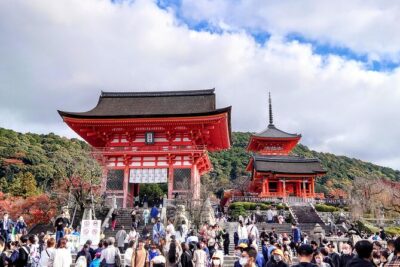
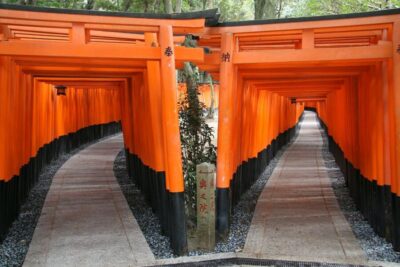
Fushimi Inari, Kinkakuji, Bamboo Grove 1 Day Bus Tour
Read our review →
Tea Ceremony in a Traditional Tea House in Kiyomizu
Read our review →
Kyoto Geisha Walking Tour: Gion District & Hidden Gems
Read our review →

Gion Magical Night Walking Tour with Geisha Trivia
Read our review →