
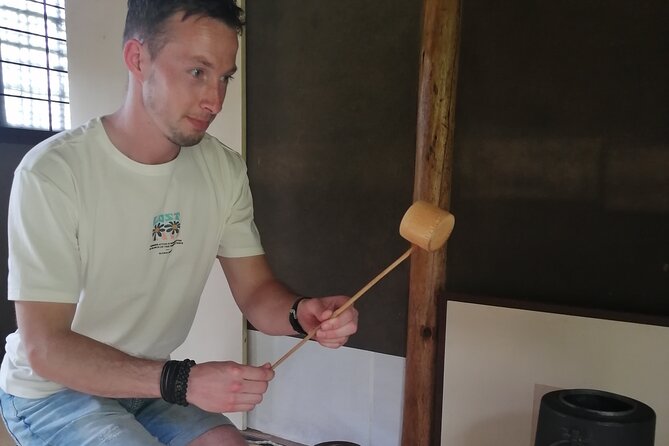
Reviewed · TEA CEREMONIES IN KYOTO
The Art of Mindful Living: Tea Ceremony in Kyoto
Quiet tea steps you out of Kyoto noise. You get a matcha ceremony in a traditional old residence, plus a calm garden setting for photos before you sit down. I like the hands-on part where you actually make matcha yourself, and the focus on sensory detail, not performance. One catch to plan for, the address is a bit out of central Kyoto, so you’ll want to give yourself extra transit time.
This is led by Naomi, with her team helping keep everything smooth and friendly. You’ll also appreciate that they offer vegan and allergy options, plus clear choices for what you eat. The other thing to think about is pace and setting: it’s a quiet, respectful ceremony, so this is not the place for rushing, big group chaos, or loud phone calls.
Why This Kyoto Tea Ceremony Feels Different Than a Quick Demo
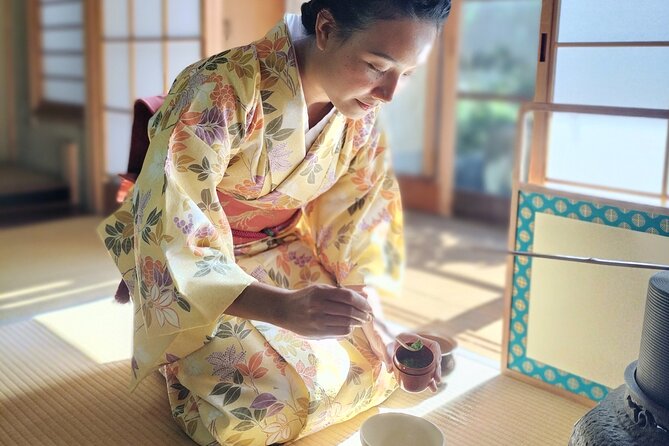
Kyoto has no shortage of tea experiences. This one works because it treats tea like a small ritual you can understand, not just a ticket to watch.
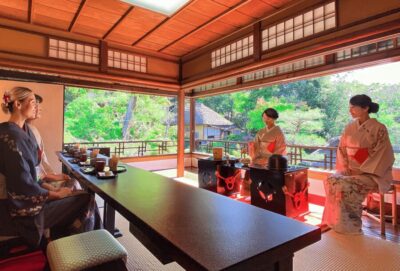
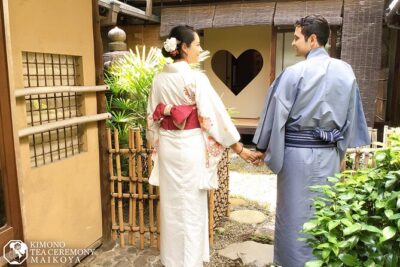
You’ll start in a Japanese old residence with a dedicated tea room and access to a beautiful garden. That matters, because the experience has two moods. First, you arrive and breathe. Then you slow down again once the ceremony starts. Even the photos feel intentional, not accidental.
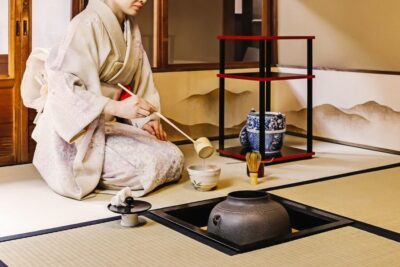
If you care about the ingredients, this tour uses organic Uji matcha made in Kyoto. You’ll learn what makes matcha different from regular tea, why it’s served a certain way, and how to drink it so you taste the whole experience, not just the sweetness.
And yes, you get to make matcha yourself. That single shift, from observer to participant, is why this feels more memorable than a one-way explanation.
The Garden Arrival, Photo Moments, and Getting Seated
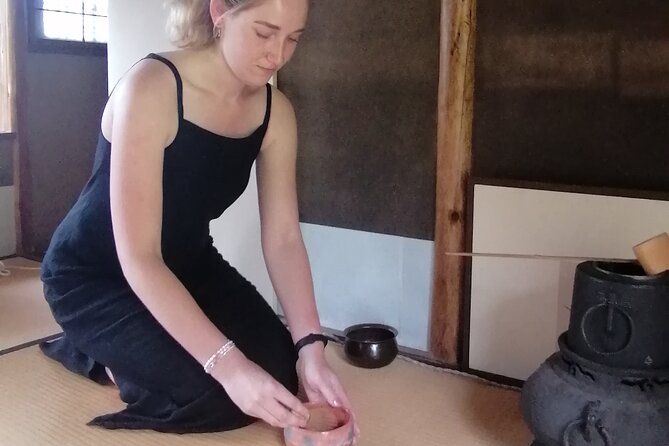
Your session begins at Kaze no Waon, 14 Utanokitanoinchō, Ukyo Ward, Kyoto. It’s near public transportation, so you should be able to reach it without a private taxi. You can enter the premises with a stroller, but you cannot bring it inside the building. Chairs are provided, which is a real quality-of-life detail in Kyoto.
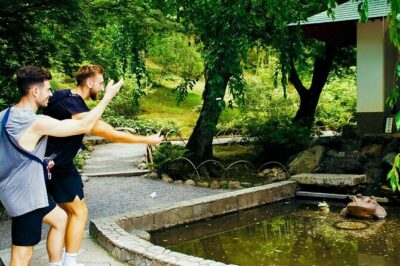
Before the ceremony, you’ll have time in the garden. That’s not just free time. The garden is part of the pacing. You walk in, take a few photos, and get your mind out of sightseeing mode.
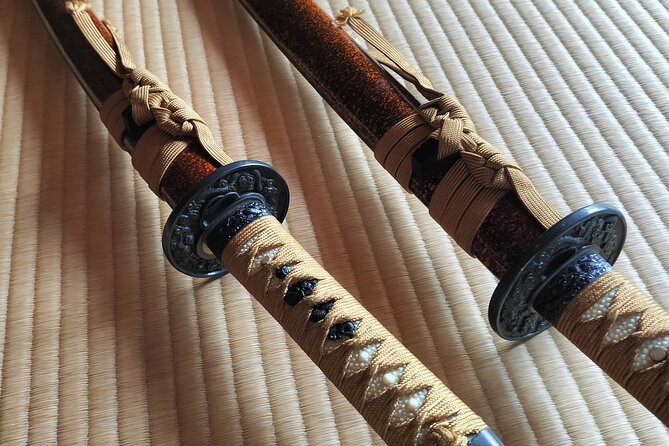
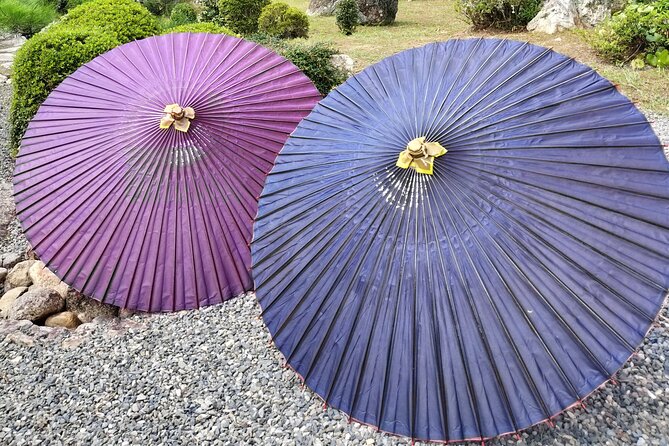
Photography is allowed during the ceremony. There’s also a special photo option: guests can use a traditional umbrella and an imitation sword, but only for taking pictures. It’s a fun contrast to the calm setting, and it helps you get that “Kyoto moment” without turning the ceremony into a costume party.
Rain is the one practical thing to respect. If it’s raining, you’ll take photos while holding an umbrella. It’s not possible to take photos while wearing a kimono if you get wet in rain without that umbrella. If you’re planning a kimono, check the forecast and pack a light umbrella anyway.
More Tea Ceremonies in Kyoto
- Kyoto: Tea Ceremony in a Traditional Tea House in Kiyomizu
★ 4.9 · 3,519 reviews - Kyoto: Tea Ceremony Ju-An at Jotokuji Temple
★ 4.9 · 3,207 reviews - Kyoto: 45-Minute Tea Ceremony Lesson Experience
★ 4.3 · 2,378 reviews
The Ceremony Lesson: Matcha History, Types, and How to Drink It
The ceremony has a built-in teaching flow, with three parts: explanation, tasting, then making your own matcha.
First, you get the meaning and mechanics:
- History and the effects of matcha as they relate to how tea became part of Japanese daily life
- The types of matcha and Japanese tea, so you understand what you’re actually drinking
- How to drink matcha, meaning the rhythm and care that change how it tastes
I like this approach because it prevents the most common mistake. A lot of tea experiences give you a cup and zero context, so you just taste a bitter-green drink and move on. Here, you learn what you’re aiming for, so the tasting becomes more satisfying.
Also, the way the lesson is framed is calm and practical. The ceremony isn’t treated like a museum script. It’s taught as a respectful habit, almost like a slow breathing technique you can do anywhere.
Matcha and Japanese Sweets, What You Actually Eat
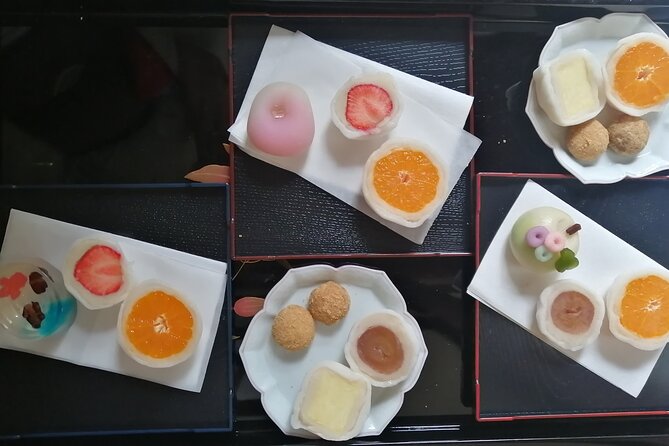
During the tea ceremony, you’ll enjoy matcha along with Japanese sweets. One sweet is included in the price, and you can choose between two options:
- Traditional bean paste sweet
- Fresh fruit daifuku
If you want both, there’s an additional fee of ¥500 per person. That’s useful to know because daifuku can be a big win if you love fruit flavors, but bean paste has that deeper, classic taste.
Dietary needs are handled thoughtfully. The experience accommodates food allergy and vegan requests. That’s especially important with sweets, since Japanese confection can include ingredients that are not obvious at first glance.
Alcoholic beverages are not included. If you’re used to pairing travel experiences with a drink, plan on sticking to tea and sweets here. The value is in the ritual and the taste, not in a bar-style vibe.
From the reviews, what stands out is how the sweets feel in texture and size. People describe soft mochi with fruit, plus a small cookie as part of the treat lineup. In other words, it’s not a giant buffet. It’s a focused pairing.
Hands-On Matcha Making, Where the Experience Becomes Yours
The last major step is your chance to make matcha tea yourself. This is the part that turns a “nice idea” into a memory you can repeat later.
You’ll practice the motions involved in whisking matcha, and you’ll get guidance so you don’t just shake powder into water and call it a day. The goal is to create the right look and experience in the cup, because matcha changes as it’s whisked.
If you’re the kind of traveler who likes to take home a small skill, you’ll appreciate that this is simple enough to do again later, but structured enough to feel authentic while you’re learning.
A practical tip: be ready for your hands to get a little involved. You’re not just watching. Wear sleeves you’re comfortable getting near tea tools and water.
Same corner of Japan, a different kind of day:
- PERFECT KYOTO 1-Day Bus Tour
★ 5.0 · 13,518 reviews - Kyoto: Fushimi Inari, Kinkakuji, Bamboo Grove 1 Day Bus Tour
★ 4.8 · 4,316 reviews - Kyoto Geisha Walking Tour: Gion District & Hidden Gems
★ 4.7 · 3,273 reviews - Kyoto: Gion Magical Night Walking Tour with Geisha Trivia
★ 4.9 · 2,393 reviews
Kimono Options, Costs, and What You Should Know About Styling
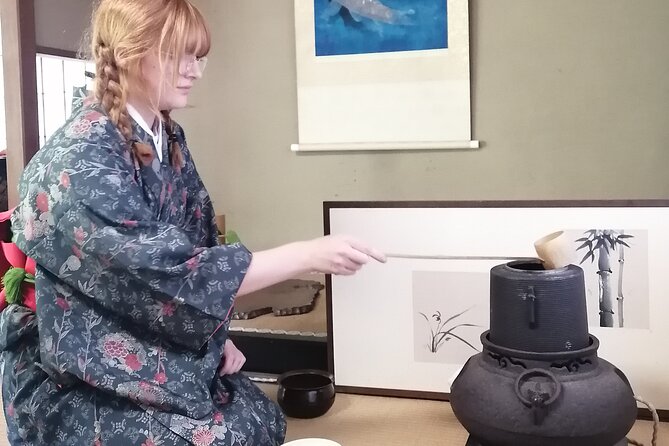
Kimono can make Kyoto feel real fast. This experience offers a kimono rental option during the tea ceremony.
Here’s what’s available, with the listed prices:
- Kimono rental: ¥4000
- Hakama rental: ¥8000
- Baby romper-type kimono (rental): ¥600
- Undershirt rental: ¥200
There’s also helpful realism in the setup. They do not do hair set or make up. Instead, they prepare hair accessories for rental kimono guests to use freely. If you need a full hair and makeup service, plan that elsewhere.
One more detail for rain and photos: you can take photos in the garden, but if it’s wet, you’ll follow the umbrella rule. If you’re wearing kimono, keep your rain plan simple. Use an umbrella. Stay dry. Don’t improvise with “we’ll wing it.”
From the experience itself, chairs are provided, so you can enjoy the ceremony comfortably without the stress of standing or floor sitting. That makes kimono more doable for first-timers.
Private Sessions and Group Size, How the Pacing Changes
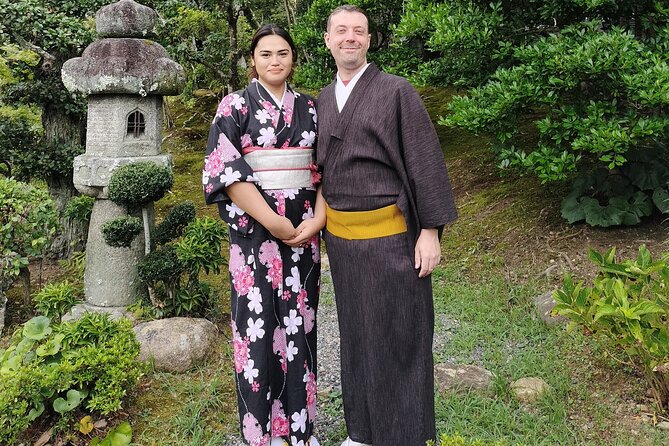
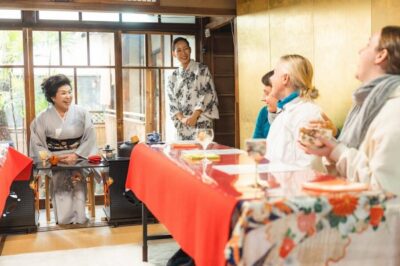
This is a group experience with a maximum of 6 travelers for group sessions. The provider can also accommodate sessions with more than 6 participants, so bigger groups aren’t automatically blocked.
You can book a private tea ceremony as well. Private sessions can be worth it if you want more speaking time, quieter attention, or a family schedule that doesn’t fit a small group. There’s a specific note that you should contact the provider before booking for private arrangements.
One thing I’d treat as a heads-up: upgrades and private options can sometimes come with extra fees or follow-up questions. If the host reaches out about upgrades, ask clearly for the total cost before anything is confirmed, so you start with zero surprises.
If you’re traveling as a couple, a small family, or a group of friends who want a calm Kyoto break without the stress of constant sightseeing, this size works well. You get a shared experience without feeling swallowed by noise.
Price and Value, Is $44.42 Worth It?
At $44.42 per person, this is not a “grab a cup and go” deal. The value comes from what you receive in one hour:
- A ceremony in a traditional old residence
- Organic Uji matcha made in Kyoto
- Japanese sweets (one included, with an optional upgrade to try both)
- Learning about matcha, types of tea, and how to drink it
- Hands-on matcha making
- Snacks included
- Tea room and garden time for photos
In other words, you’re paying for instruction plus participation, not just tasting. For a lot of Kyoto experiences, you pay mainly for the venue and the photo. Here, you pay for the ritual plus the skill, and that tends to make the hour feel complete.
Also, the dietary accommodations matter. If vegan or allergy needs are part of your travel reality, this kind of planning saves you time and anxiety. That’s value you notice immediately.
Who This Experience Fits Best
You’ll enjoy this most if you want a slower, culture-based break in Kyoto. It’s a good fit for:
- First-timers to Japanese tea who want more than a demo
- People who like calm activities and don’t mind quiet pacing
- Families, because there’s cocoa for children instead of matcha
- Anyone who wants a photo-friendly setting without turning it into chaos
If you’re looking for a fast, high-energy attraction where you sprint from stop to stop, you might feel impatient here. This ceremony is about attention, not speed.
If you plan to wear kimono, this also fits you well if you want the look without an all-day styling package. You get the outfit options, accessories for hair, and you can keep the rest of your beauty plan simple.
Should You Book the Mindful Tea Ceremony in Kyoto?
Yes, you should book it if you want a real tea experience with a peaceful setting and a chance to participate. The biggest reasons are practical: you learn and you make, you’re served quality matcha, and the garden adds a real sense of place before you sit down.
I’d think twice only if your schedule is tight and you’re trying to pack Kyoto’s busiest areas back-to-back. Since the location is a bit away from downtown, build in travel time so the calm doesn’t start already stressed.
If you’re planning a mid-morning or early afternoon slot, this often makes a strong “reset” between sightseeing blocks. And if you’re traveling with dietary restrictions or kids, the cocoa option and allergy-friendly approach make this easier to say yes to.
If you want one Kyoto experience that feels small in size but big in meaning, this is a strong choice.
FAQ
How long is the Kyoto tea ceremony?
It runs about 1 hour.
What does the price include?
The price includes snacks and one Japanese sweet. You’ll also enjoy the matcha tea ceremony as part of the experience.
Can I choose what sweet I get?
Yes. You can choose either a sweet with traditional bean paste or a fresh fruit daifuku. Trying both is available for an additional ¥500 per person.
Is the tea ceremony suitable for vegan diets or food allergies?
Yes. The experience accommodates food allergies and vegan options.
What kimono options are available, and is hair styling included?
Kimono rental is ¥4000, hakama is ¥8000, baby romper-type kimono is ¥600, and an undershirt rental is ¥200. There is no hair set or make up included, but hair accessories are prepared for guests to use.
Is there an option for children who do not want matcha?
Yes. Children can have cocoa instead of matcha.
Can I book a private tea ceremony?
Yes, private sessions are available. You need to contact the provider before booking for private arrangements.
What happens if the weather is bad or I need to cancel?
You can cancel for a full refund up to 24 hours in advance. The experience requires good weather, and if it is canceled due to poor weather, you’ll be offered a different date or a full refund.
Fresh options around Kyoto
- Kyoto and Nara Private Car Tour with a Local English Guide Driver★ 5.0 · 16 reviews
- Single- & multi-day Adventures within Kyoto Nara Osaka Kobe★ 5.0 · 16 reviews
- Full day Kyoto Walk in Fushimi, Arashiyama, Monkey, and Kinkakuji★ 5.0 · 17 reviews
- Kyoto: Kiyomizudera, Higashiyama and Yasaka Discovery Tour★ 4.8 · 17 reviews
- Uji: Private immersion into Kyoto’s tea and reglious culture★ 5.0 · 17 reviews
- Kyoto Full Day (8 hours) Ultimate Sightseeing Private Tour★ 4.5 · 17 reviews
- Kyoto Guided Walking Tour: Secret Zen Garden and Fushimi Inari★ 5.0 · 17 reviews
- Explore Hidden Alleyway with a Local Expert (Afternoon Tour)★ 5.0 · 17 reviews
Tea Ceremonies in Kyoto, compared.
Tea Ceremony in a Traditional Tea House in Kiyomizu
Read our review →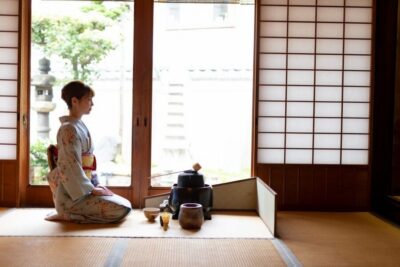
Arashiyama Bamboo Forest, Monkeys, Matcha & Temple Tour
Read our review →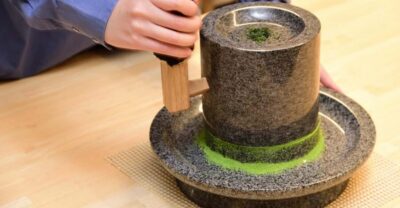
Tea Museum Tickets and Matcha Grinding Experience
Read our review →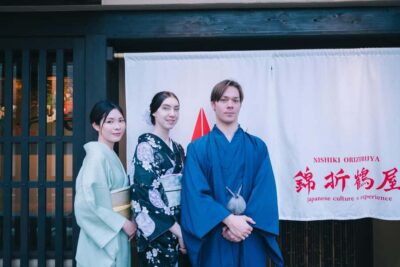
Browse the lists this tour appears in