
Reviewed · WALKING TOURS
Kyoto Guided Walking Tour: Secret Zen Garden and Fushimi Inari
Kyoto can feel like a blur of temples. This guided walk strings together Zen, foresty viewpoints, and Fushimi Inari in one smooth route, so you spend less time figuring out where to go and more time looking closely at what you’re seeing. It’s also small, with a maximum of 8 people, which helps you keep a calmer pace on crowded days.
I especially like the crowd-smart routing and the way the guide keeps the day moving without rushing your photos. From the guide names you’ll hear along the way, like Kenta, Mika, and Naomi, you can expect English explanations that actually connect the sights to Zen practice and temple life.
One possible drawback is the physical side: there’s moderate walking and some uphill hiking, and the tour runs rain or shine, so you’ll want truly comfortable shoes and a light layer.
Key things I’d watch for
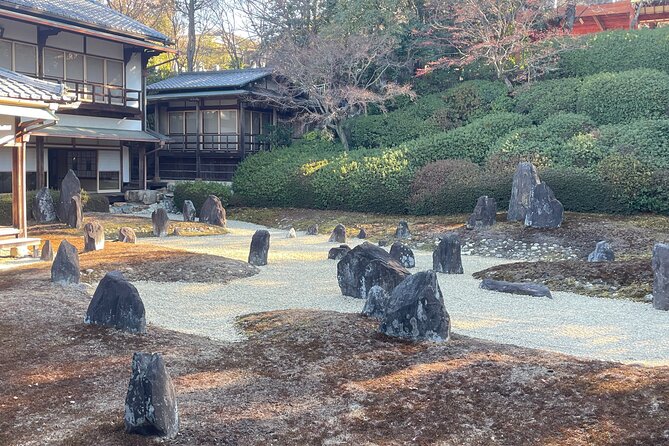
- Secret Zen garden stop at Komyo-in Temple, where the vibe turns quiet fast
- Small group size (up to 8) for easier questions and a less hectic route
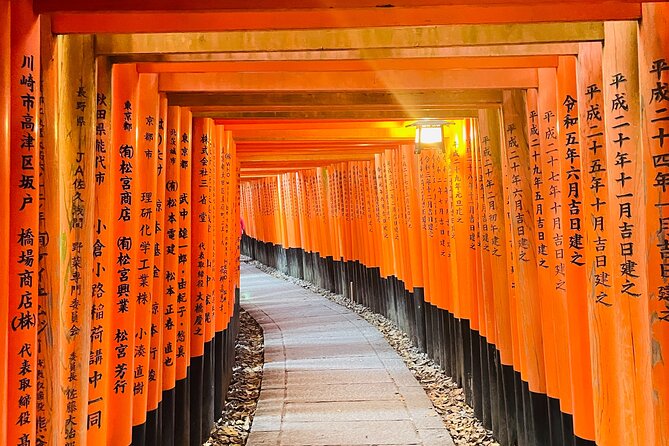
- Fushimi Inari viewpoints beyond the main crowd, including Yotsuji and Kumataka areas
- Sacred stamps and charms access at the worship center within the Fushimi Inari complex
- A guided route that helps you avoid wrong turns on steep, winding paths
Why This Kyoto Walk Works: Fushimi Inari Meets Zen in One Half-Day
If you want a Kyoto hit list, this tour is designed for that. You’ll get a classic Kyoto icon at Fushimi Inari, then you shift into the slower rhythm of Zen at the temple stops, including a lesser-visited garden. The result is a day that feels like two different kinds of travel within the same morning.
I like how the tour is built for first-time visitors and returning visitors alike. First-timers get orientation around major spiritual sites without getting lost. Returning visitors get the chance to see quieter corners, like sub-temples and side-shrines, that many people miss because they only chase the main highlights.
The smart part is the balance. Fushimi Inari can overwhelm you if you arrive mid-day, but with a planned route and a guide pacing you through the best breaks, you still get the magic of the torii gates without spending the whole time stuck in elbows and queues.
More Temple & Shrine Tours in Kyoto
- Kyoto: Fushimi Inari, Kinkakuji, Bamboo Grove 1 Day Bus Tour
★ 4.8 · 4,316 reviews - Kyoto: Tea Ceremony Ju-An at Jotokuji Temple
★ 4.9 · 3,207 reviews - Fushimi Inari Hidden Hiking Tour (Private Option Available)
★ 5.0 · 1,750 reviews
Timing, Meet-Up Points, and What the 4-Hour Pace Feels Like
This is about 4 hours and starts at 9:00 am. The meet-up is at FamilyMart Nakai Tofukuji (12-chōme-232 Honmachi, Higashiyama Ward), and the tour ends at the Outer Oratory inside the Fushimi Inari area (58 Fukakusa Yabunouchichō, Fushimi Ward). You’ll walk enough to feel it, but the stops are frequent enough that you’re not just grinding nonstop hills.
You should plan for moderate fitness and comfortable walking shoes. The route includes uphill segments, and at least one stop is described as hike-like, so think “steady effort,” not “marathon.” If rain shows up, the tour still runs, so you may want a compact umbrella and a small towel for temple steps.
Because it’s a small-group experience, you can usually slow down when something catches your eye. In this kind of Kyoto walking, that flexibility matters. If you’re trying to photograph torii gates, maple-view valleys, or stone details in a shrine, a rigid schedule can be frustrating.
Stop-by-Stop: Gaun-kyo Bridge Sets the Mood Before the Temples
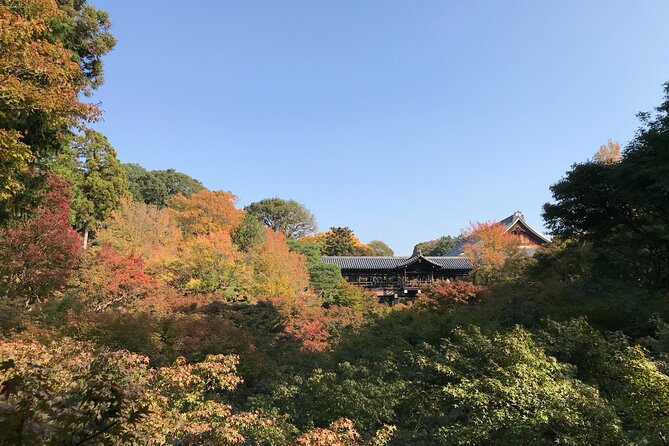
You start with Gaun-kyo Bridge, a wooden bridge spanning a lush valley. The view is framed around Tsutenkyo Bridge and what’s described as a sea of maple trees below, which is the kind of Kyoto scenery you remember because it feels layered, not flat.
This is a good opener because it changes your brain from city mode to temple-walk mode. Before you hit the denser religious sites, you get a scenic breath and a chance to notice how Kyoto’s spirituality is often paired with nature, not just architecture.
Practical note: the stop is short, about 5 minutes, and admission is free. Use it to reset, then keep your pace steady for the longer temple segments that follow.
Tofuku-ji and Komyo-in: The Zen Garden Moment Many People Miss
Right after the scenic start, you’ll head to one of Kyoto’s major Zen temples founded in the 13th century, Tofuku-ji. Even if you don’t know Zen terminology, the tour angle helps you read what you see, because you’re not just sightseeing buildings. You’re getting a basic introduction to Zen philosophy and meditation as you move through temple spaces.
Tofuku-ji gives you that “big temple” feeling, but the tour’s real win is what comes next: Komyo-in Temple. This sub-temple is known for a Zen garden and a calmer atmosphere, and the admission is included for this stop (about 25 minutes). That matters for value, because garden visits in Kyoto often cost extra if you’re managing everything yourself.
Why Komyo-in is such a highlight is simple. Fushimi Inari pulls attention first, but gardens let you slow down. You can look at rock arrangements, notice lines and symmetry, and actually take in the quiet without crowds pressing in from all directions.
If you’re the type who likes photography, this stop can also be easier than the main torii gates because people naturally move slower in garden spaces. Use the time to step back and take a full view before you zoom in on details.
More Walking Tours in Kyoto
- Kyoto Geisha Walking Tour: Gion District & Hidden Gems
★ 4.7 · 3,273 reviews - Kyoto: Gion Magical Night Walking Tour with Geisha Trivia
★ 4.9 · 2,393 reviews - Kyoto: Gion Geisha District Walking Tour – Stories of Geisha
★ 4.7 · 2,187 reviews - Night Walk in Gion: Kyoto’s Geisha District
★ 4.5 · 2,003 reviews
Araki Shrine and Kumataka Shrine: Prayer Stops That Feel Personal
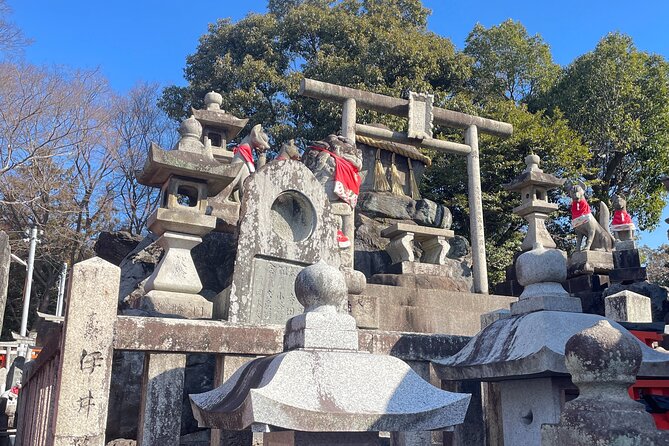
Between big-name landmarks, the tour makes room for smaller, more meaning-focused stops.
Araki Shrine is short, around 10 minutes, and it’s connected to wishes around love, strong relationships, and general well-being. If you’re traveling with a partner, or you’re the practical type who likes to attach meaning to a trip, this is a nice pause. The shrine feel is different from temple-y sightseeing, because you’re there for prayer and guidance, not just photos.
Next is Kumataka Shrine, about 15 minutes. It’s described as secluded and associated with strong spiritual energy, and importantly, it’s away from the busiest torii gate paths. This is the kind of stop that turns a crowded area into something you can breathe in.
The main drawback at shrines like these is also the main truth of Kyoto: it’s easy to feel rushed if your shoes or pace are off. Keep your energy for these segments, because the payoff is the quieter atmosphere the tour is trying to give you.
Fushimi Inari Without the Headache: Yotsuji, Nosatsusho, and the Hon-den
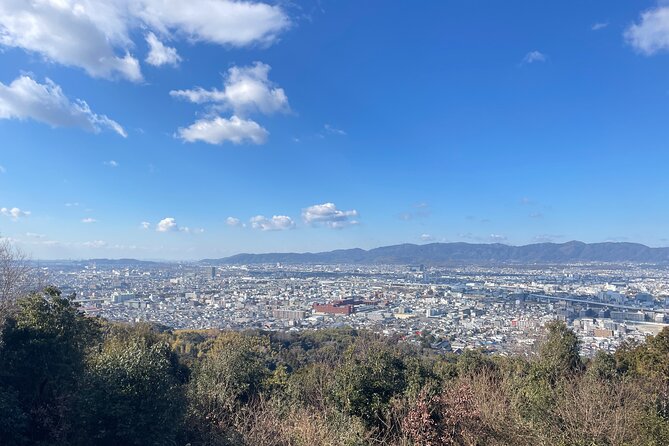
Now you hit the part most people come for: Fushimi Inari Shrine. You’re not just walking the famous Senbon Torii tunnel of thousands of vermilion torii gates. The route includes viewpoints and worship areas that help you spread out the experience.
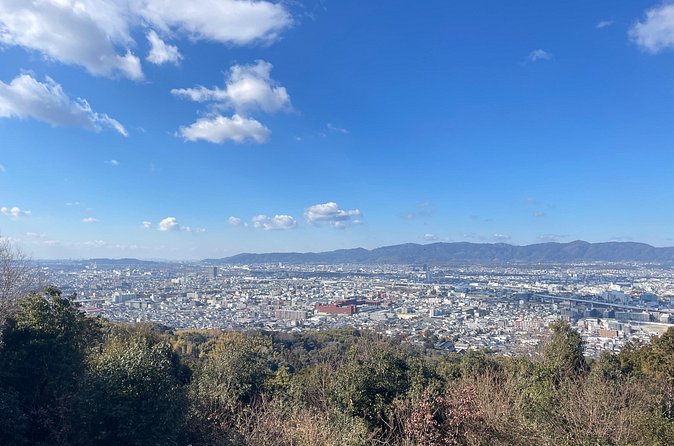
One key stop is Yotsuji, or the Four-Way Crossroad viewpoint. It’s along the well-known Fushimi Inari trail, about 20 minutes, and admission is free. This is one of those Kyoto moments where a short climb can feel worth it, because it gives you a panorama and a break from constant staircase stepping.
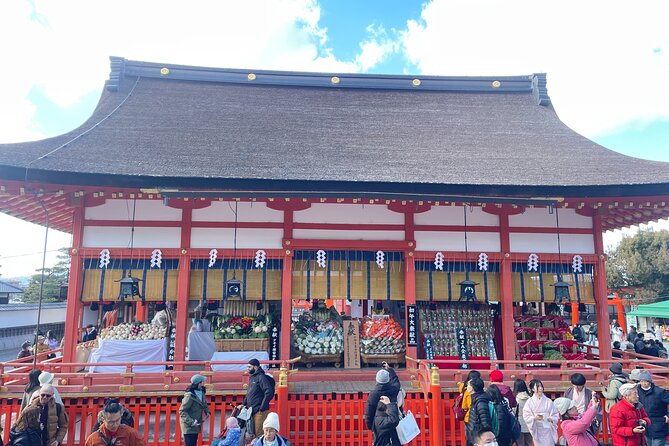
Then you’ll visit the Okusha Worship Center of Fushimi Inari Shrine, listed as the Nosatsusho area. This is where you can obtain sacred ofuda (amulets), omamori (charms), and goshuin (shrine stamps). That’s important because many visitors treat Fushimi Inari like a photo location only. Here, you get the chance to do the ritual side too, if that’s your style.
Finally, you’ll reach the Fushimi Inari Taisha Honden, the main sanctuary (about 10 minutes). The main shrine is where worship happens, and it’s quieter than the torii gate tunnel. It’s a good ending point before the tour finishes at the Outer Oratory nearby.
Even if the torii gates steal your attention, don’t skip the other pieces. The shrine stamp and the main sanctuary are where the day shifts from sightseeing to actual participation.
The Guides and Pacing: Why English Explanations Make the Route Better
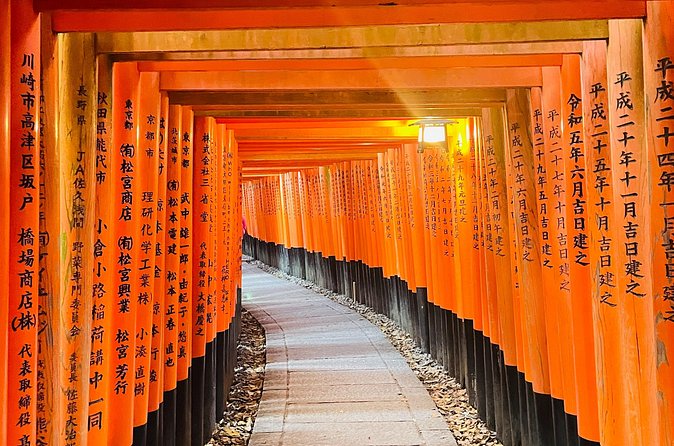
This is one of those tours where the guide matters more than you’d expect. With a small group, your questions actually get answered, and the pacing can be adjusted when you want extra time at a viewpoint or you want to slow down on an uphill stretch.
The most praised guides named in the feedback include Kenta, Mika, and Naomi. What you should take from those names is the general service style: clear English explanations, attentive handling of questions, and a route that tries to avoid heavy crowding when possible. That crowd-avoidance is not just about comfort. It also improves your ability to notice small details, like the mood in a garden or the reason a shrine is placed off the main flow.
If you like having a plan but still want freedom to take your time, this route is a good match. You’re not trapped in a rigid script where you’re marched like luggage. You can keep a comfortable walking pace and spend longer on the stops that click for you.
Price and Value at $78.83: What You’re Paying For
At $78.83 per person, this is a mid-range price for a half-day walking tour in Kyoto. The value comes from three places.
First, you’re paying for a guided route that reduces navigation stress. Kyoto is easy to get turned around in, especially when you’re mixing temples, sub-temples, and shrine paths that branch off. Second, you get the benefits of a small group, max 8 people, which makes the experience more personal. Third, you have a built-in itinerary with a mix of included and free admissions. Komyo-in Temple is listed as admission included, while many other stops are free.
In practical terms, you’re also paying for interpretation. Zen and shrine spaces can feel hard to read if you arrive with zero background. Here, the tour is framed as an introduction to zen philosophy and meditation, so the sights land with meaning instead of remaining just scenery.
If you’re the DIY type who already knows exactly which sub-temple gardens you want, you might skip a guide. But if you want the right mix of famous and less-crowded Kyoto without the research grind, the price makes sense.
Who This Tour Fits Best, and Who Might Want Alternatives
This tour fits best if you want a guided Kyoto experience that covers multiple spiritual sites without turning your morning into logistics.
You’ll probably enjoy it if you:
- Like walking but you want someone else to plan the sequence
- Want both Fushimi Inari and a quieter Zen garden
- Prefer small-group tours over large coach-style crowds
- Enjoy explanations that connect buildings, nature, and practice
You might want a different style of day if you:
- Don’t enjoy uphill walking and uneven temple paths
- Need a fully restful itinerary with minimal climbing
- Are only interested in one single sight, like torii gates, and nothing else
Should You Book This Kyoto Guided Walking Tour?
Yes, if you want a smart, calm half-day that combines Fushimi Inari with a quieter Zen garden stop and a series of less obvious shrine moments. The overall design solves the two biggest Kyoto problems: getting lost and spending too long chasing the same crowd.
Book it especially if you care about pacing. The tour is built for a moderate fitness level, runs about 4 hours, and keeps the day structured so you’re not guessing. And with a max of 8 travelers, you’re more likely to get the kind of guided attention that turns a scenic walk into a meaningful one.
FAQ
How long is the Kyoto guided walking tour?
It’s about 4 hours.
What does the tour cost?
The price is $78.83 per person.
What is the group size limit?
The tour has a maximum of 8 travelers.
What time does the tour start and where does it end?
It starts at 9:00 am at FamilyMart Nakai Tofukuji and ends at the Outer Oratory at Fushimi Inari Shrine.
What should I wear or bring?
You should wear comfortable walking shoes, since moderate walking and hiking are involved.
Does the tour run in the rain?
Yes, it takes place rain or shine.
Are there any admission fees during the route?
Komyo-in Temple is listed as admission included. Other listed stops, including several shrines and viewpoint stops, are listed as free.
Can I cancel for a full refund?
Free cancellation is available up to 24 hours in advance for a full refund. If you cancel less than 24 hours before the start time, the amount paid is not refunded.
Fresh options around Kyoto
- Uji: Private immersion into Kyoto’s tea and reglious culture★ 5.0 · 17 reviews
- Kyoto Full Day (8 hours) Ultimate Sightseeing Private Tour★ 4.5 · 17 reviews
- Kyoto/Nara/Osaka: Highlights Custom Tour with Hotel Pickup★ 4.0 · 17 reviews
- Explore Hidden Alleyway with a Local Expert (Afternoon Tour)★ 5.0 · 17 reviews
- Japanese Traditional Sweets ”Nerikiri” making★ 4.3 · 17 reviews
- Inside of Fushimi Inari – exploring and lunch with locals★ 4.5 · 17 reviews
- Authentic Maiko Experience&Kyoto Dinner (Free drink) at Noh Stage★ 5.0 · 17 reviews
- Taste of Nishiki Market Walking Food Tour with Local guide★ 5.0 · 17 reviews
Walking Tours, compared.
Kyoto Geisha Walking Tour: Gion District & Hidden Gems
Read our review →
Tokyo Tsukiji Fish Market Food and Culture Walking Tour
Read our review →
Gion Magical Night Walking Tour with Geisha Trivia
Read our review →
Imperial Palace and Shogun Historical Walking Tour
Read our review →
Gion Geisha District Walking Tour – Stories of Geisha
Read our review →

Shinjuku Local Bar and Izakaya Guided Walking Tour
Read our review →
Browse the lists this tour appears in