Reviewed · KYOTO TOURS
Uji: Private immersion into Kyoto’s tea and reglious culture
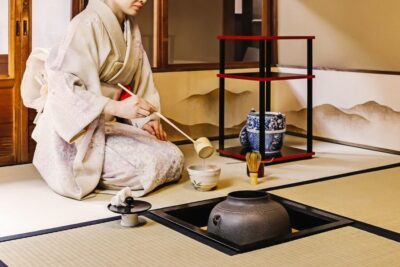
Uji turns tea and temples into one quiet lesson. This private 4-hour guided route threads together Japanese green tea customs and religious ideas, starting with a gyokuro tea session and moving through UNESCO stops like Ujigami Shrine and Byodoin.
I love how the tea portion is hands-on and step-by-step, with a sweet included, and I love that the guide ties the tea ritual to Shinto and Zen practice, not just postcard scenery.
One thing to plan for: the day includes many stairs, so if your legs are not great, tell the operator and they can adjust.
Key things to love about Uji tea and Buddhism
- Hands-on gyokuro tea drinking, with a clear explanation of how it’s prepared
- UNESCO Ujigami Shrine and Byodoin Temple, plus the Byodoin museum included
- Tea and spirituality connections across Shinto shrines and Zen temple traditions
- A calm break from Kyoto crowds, with Uji Park and the river area added in
- Small group size, listed as up to 8 people, which keeps the pacing comfortable
Why Uji feels different from Kyoto tea stops
Kyoto can feel like a conveyor belt. Uji slows things down fast. You’re still in the tea region that Kyoto depends on, but the mood is more measured, more local, and less rushed.
This tour is built around that rhythm. You start with an in-person tea ritual, then you move through places where tea culture and religious life overlap, and you end with a river-side stroll that lets your brain catch up.
A few more Kyoto days worth comparing
- PERFECT KYOTO 1-Day Bus Tour
★ 5.0 · 13,518 reviews - Kyoto: Fushimi Inari, Kinkakuji, Bamboo Grove 1 Day Bus Tour
★ 4.8 · 4,316 reviews - Kyoto: Tea Ceremony in a Traditional Tea House in Kiyomizu
★ 4.9 · 3,519 reviews
Price and what you truly get for $162.41
At about $162.41 per person for roughly 4 hours, the big value is not just “a guide.” You’re paying for a guided flow through sacred sites and a structured tea experience you might not be able to replicate on your own without guessing at etiquette.
You also get key inclusions baked in:
- Admission to the temples and the museum at Byodoin
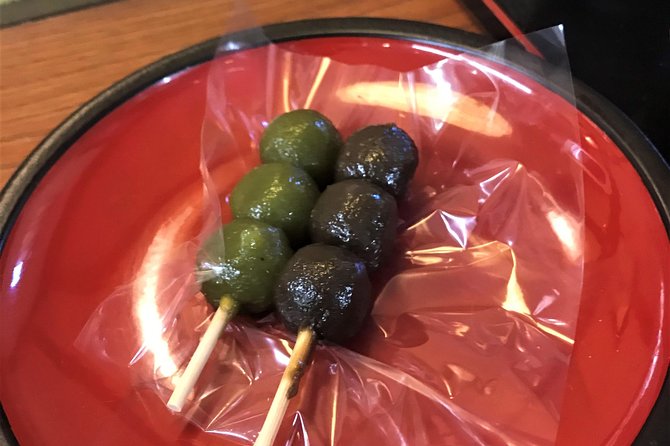
- A gyokuro tea house experience, plus a Japanese sweet
What you should budget for: food and drink outside the tea experience are not included. If you want extra snacks or want to try more from the tea shops on Byodoin Omotesando, plan on spending a bit more. One practical tip, based on real-world experience: carry cash for small purchases.
Getting there: your 9:00 AM start at Keihan Uji Station
You meet at the Keihan Uji Station Information Centre in the Keihan Uji building, near public transit. The start time is 9:00 AM, and the activity ends back at the meeting point, so you do not have to re-plan your day around a different drop-off location.
Arriving a few minutes early helps you settle before the first tea stop. With a tour that moves from site to site, being on time keeps the whole day calm.
Stop 1: Takumi-no Yakata and the gyokuro lesson
Your first stop is Takumi-no Yakata, which sets the theme of the day. This is a special gyokuro tea drinking experience, and it’s not just a sip and a smile.
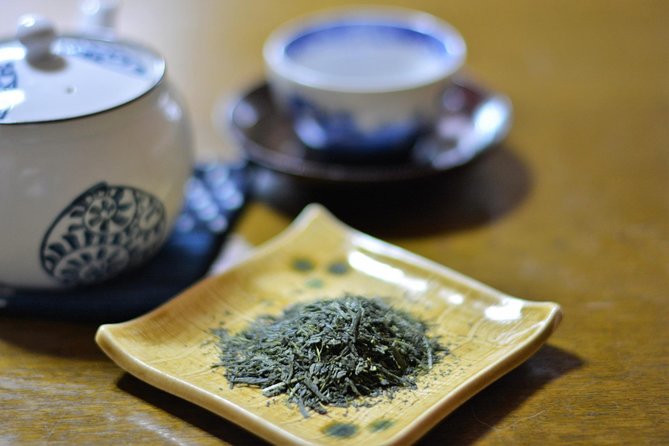
Gyokuro is considered the top tier of Japanese green tea, and the experience focuses on technique. You steam the leaves slowly in increasingly warm water while learning how this preparation shapes flavor and texture. It’s a great start because it trains your senses before you walk into temples.
The plus: the pace here is intentional. You get time to understand what you’re tasting, and the Japanese sweet included with the tea gives you a moment to reset between steps.
Same corner of Japan, a different kind of day:
- Kyoto Geisha Walking Tour: Gion District & Hidden Gems
★ 4.7 · 3,273 reviews - Kyoto: Tea Ceremony Ju-An at Jotokuji Temple
★ 4.9 · 3,207 reviews - Kyoto: Gion Magical Night Walking Tour with Geisha Trivia
★ 4.9 · 2,393 reviews - Kyoto: 45-Minute Tea Ceremony Lesson Experience
★ 4.3 · 2,378 reviews
Stop 2: Ujigami Shrine and the logic of sacred water
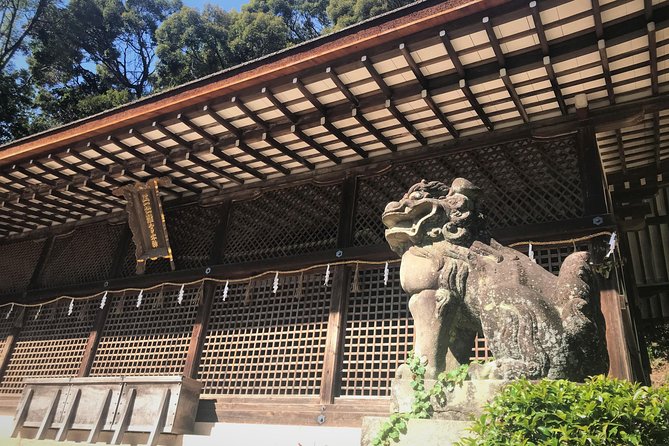
Next you head to Ujigami Shrine, described as the oldest original shrine in Japan and a UNESCO site. The shrine connects directly to water, with the last of Uji’s underground spring water bubbling up to the surface.
This stop matters because it shows how daily life, nature, and belief can be linked. Tea culture is not only a kitchen skill. It’s tied to place, to seasons, and to the idea that water and ritual belong together.
You’ll spend about 30 minutes here. That’s long enough to take in the grounds, catch key points from the guide, and still stay ready for the next walking segment.
Stop 3: Koshoji Temple, Zen, and the tea ceremony connection
Koshoji Temple is where the day leans into Zen Buddhism. You visit the oldest Soto Zen temple in Kyoto, and the guide explains how Zen Buddhism originally came in from China and helped pioneer the tea ceremony in Japan.
This is one of those “tea makes more sense” moments. If you’ve ever wondered why the tea ritual looks like a slow dance, this stop gives you the religious and historical framing for that patience.
You have about 30 minutes at Koshoji. Expect a quieter, more contemplative tone than the street area later in the day. It’s also a good counterweight to the sensory focus of the tea house at the start.
Stop 4: Byodoin Temple and the Phoenix Hall vibe
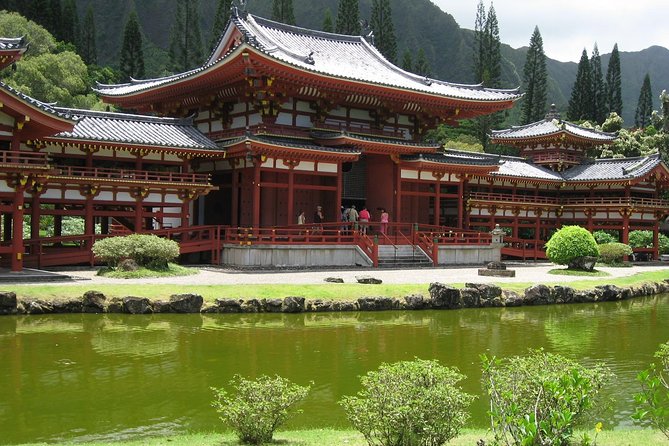
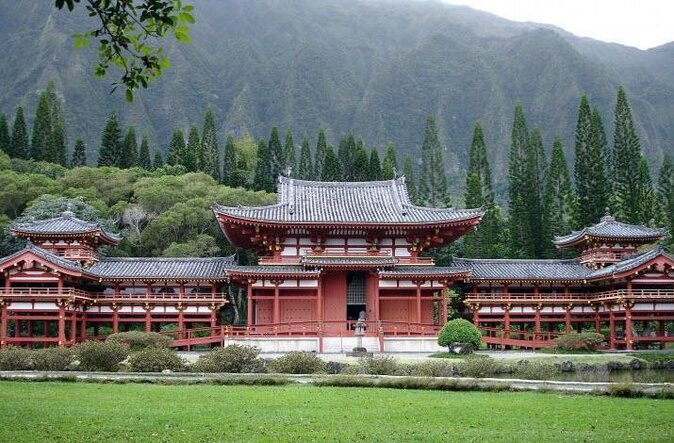
Byodoin Temple is a highlight for a reason. You enter a major temple complex dating to the Heian period, and you get to see the magnificent temple hall sitting on a man-made lake. It’s also a UNESCO world heritage site, and it’s famously tied to the look of the 10 yen coin.
The 45 minutes here are well-placed. You have time to understand the setting, not just rush through photo spots. And because the museum at Byodoin is included, you can connect what you see in the hall with the broader story of the site.
Practical note: this is where the stairs can stack up. Even if you’re comfortable walking, take your time on steps and hold on when needed.
Stop 5: Byodoin Omotesando, the tea-shop pilgrimage street

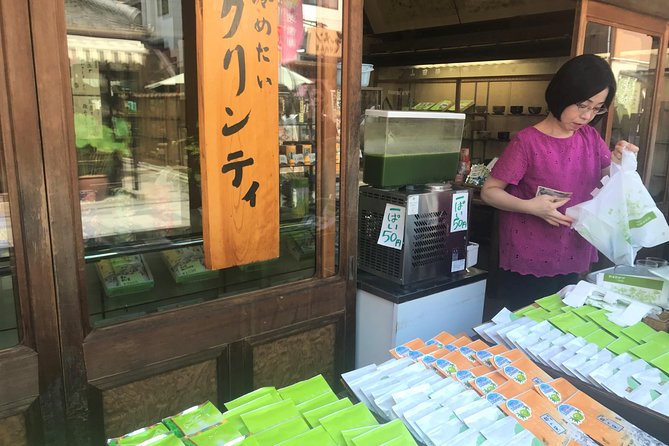
After the temple grounds, you walk Byodoin Omotesando, the historic street leading to the temple. It’s lined with tea shops, and the tour frames it as a long-running pilgrimage route rather than just a shopping strip.
You’ll get about 45 minutes here, which is enough to slow down. You can smell fresh tea, compare styles, and ask questions about what’s good. Since food and drink are not included beyond the tea house experience, this is your chance to decide if you want extra tastings or snacks.
If you’ve been avoiding tea shops in Kyoto because prices feel inflated or choices feel confusing, this street is more manageable. You get context from earlier stops, so you’re not shopping blind.
Stop 6: Uji Park and cormorant fishing on the river
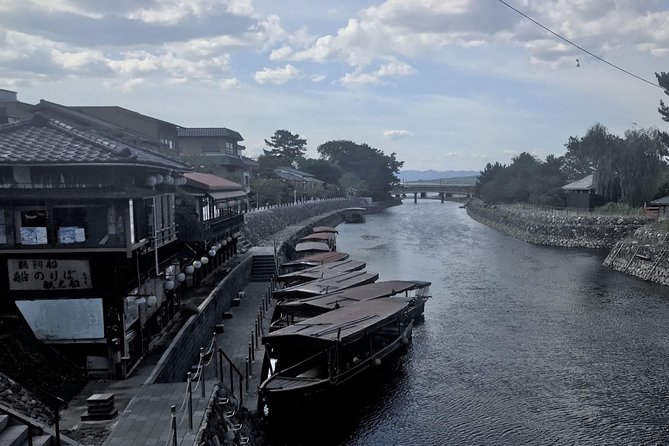
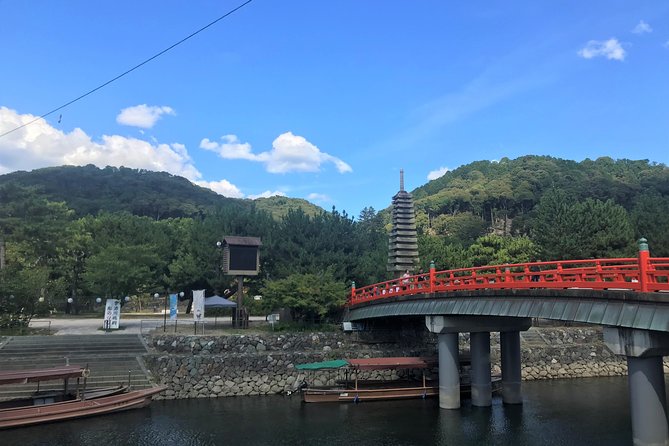
To finish, you stroll along Prefectural Uji Park, described as an island in the middle of the river. It’s not just a pretty walk. The tour also brings up the ancient tradition of cormorant fishing with birds.
This stop gives the day a “breathing space” effect. You’re shifting from sacred sites and tea ritual into the river rhythms that powered trade and everyday life in the region.
Even though it may look calmer now, the river is presented as the lifeblood that supported trade with Kyoto and Nara, bringing in tea, sake, and more. It’s a nice wrap because it ties back to why Uji mattered beyond religion.
Tea and Buddhism, explained in a way you can use
The best thing about this tour is the framing. You’re not only seeing where tea happens. You’re learning why tea can fit inside spiritual life.
Here’s the practical takeaway I think you’ll appreciate:
- You learn the basic logic of gyokuro preparation first, so temple stops feel less abstract.
- Then you connect that discipline to Shinto roots and Zen practice, including the China-to-Japan thread tied to tea ceremony development.
- Finally, you end in a tea-shopping corridor and a river park, so the tea culture you learned becomes something you can point at in everyday Uji life.
If you like your travel with meaning but still want a day that feels light, this approach hits a sweet spot.
Pacing, comfort, and how to make the day easier
The tour lasts about 4 hours. That’s a strong length for getting a real sense of Uji without turning the day into a marathon.
However, the itinerary includes many stairs. If stairs are an issue, let the operator know ahead of time so they can make modifications. Keep in mind that temple sites often have uneven paths, even when the terrain is not extreme.
Your group size is listed as up to 8 travelers. In practice, that small cap usually means:
- you can ask questions
- you’re less likely to be stuck waiting forever
- the tea experience stays calm instead of rushed
Also, it’s near public transportation. That’s useful if you want to pair this with a morning or afternoon plan in the broader Kyoto area.
Who this tour suits best
This is a great match if you:
- want a tea experience that comes with context
- care about the connection between Japanese spiritual traditions and daily ritual
- prefer a quieter alternative to central Kyoto sightseeing
- like small group pacing and a guided narrative
It might not be your ideal pick if you:
- strongly dislike stairs
- only want free time for independent browsing, because the schedule is structured around specific stops
- expect food beyond the tea sweet, since additional meals are not included
Should you book Uji: Private immersion into Kyoto’s tea and religious culture?
If you want one half-day that feels thoughtful, not just busy, I’d book it. The best reason is simple: you get both the hands-on gyokuro tea piece and serious stops at Ujigami Shrine and Byodoin, with the museum included. That combo is hard to reproduce well on your own in a short time.
Do it sooner rather than later. The average booking window is about 38 days ahead, and small-group tours tend to fill when people plan around temple visits and tea activities.
One last practical checklist:
- Wear shoes you trust on steps.
- Bring cash for tea-shop purchases.
- If you have mobility concerns, ask about modifications before you go.
FAQ
How long is the Uji tea and religious culture tour?
The tour is about 4 hours.
What is the meeting point for the tour?
You meet at the Keihan Uji Station Information Centre in Japan, Kyoto, Uji, Otsukata 713, on the first floor of the Keihan Uji building.
What time does the tour start?
The start time is 9:00 AM.
What does the tour include?
It includes admission to the temples and museum at Byodoin, plus a gyokuro tea house experience with a Japanese sweet.
Is food included besides the tea sweet?
No. Food and drink outside of the tea experience are not included.
Which stops are visited during the tour?
Stops include Takumi-no Yakata, Ujigami Shrine, Koshoji Temple, Byodoin Temple, Byodoin Omotesando, and Prefectural Uji Park.
Is the tour suitable if I’m worried about stairs?
The tour includes many stairs and the physical requirement is listed as moderate fitness. If stairs are a problem, you should let the operator know so suitable modifications can be made.
Is free cancellation available?
Yes. You can cancel for free up to 24 hours in advance for a full refund.
Fresh options around Kyoto
- Kyoto Full Day (8 hours) Ultimate Sightseeing Private Tour★ 4.5 · 17 reviews
- Kyoto Guided Walking Tour: Secret Zen Garden and Fushimi Inari★ 5.0 · 17 reviews
- Explore Hidden Alleyway with a Local Expert (Afternoon Tour)★ 5.0 · 17 reviews
- Kyoto/Nara/Osaka: Highlights Custom Tour with Hotel Pickup★ 4.0 · 17 reviews
- Japanese Traditional Sweets ”Nerikiri” making★ 4.3 · 17 reviews
- Inside of Fushimi Inari – exploring and lunch with locals★ 4.5 · 17 reviews
- Authentic Maiko Experience&Kyoto Dinner (Free drink) at Noh Stage★ 5.0 · 17 reviews
- Taste of Nishiki Market Walking Food Tour with Local guide★ 5.0 · 17 reviews
Kyoto Tours, compared.
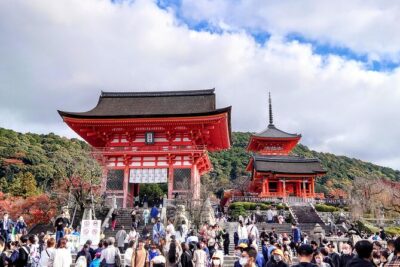
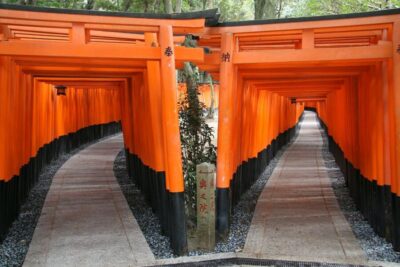
Fushimi Inari, Kinkakuji, Bamboo Grove 1 Day Bus Tour
Read our review →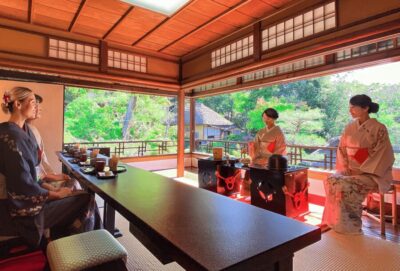
Tea Ceremony in a Traditional Tea House in Kiyomizu
Read our review →
Kyoto Geisha Walking Tour: Gion District & Hidden Gems
Read our review →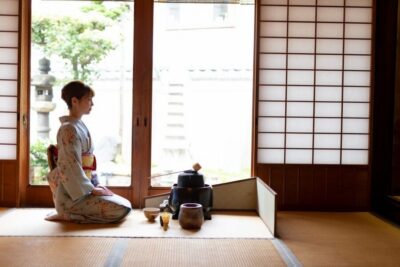
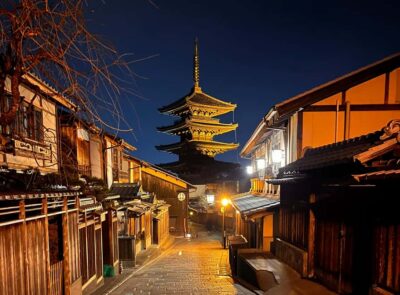
Gion Magical Night Walking Tour with Geisha Trivia
Read our review →