
Reviewed · MUSEUMS
Kyoto: Tea Museum Tickets and Matcha Grinding Experience
Grind tencha matcha in Uji. This 1-hour hands-on workshop at Chazuna pairs soothing tea smells with smart, interactive museum stops that make Uji tea easy to grasp.
I especially like the fact that you grind your own matcha from tea leaves and then make it properly with an instructor. I also love the museum’s interactive approach, including touchable exhibits and big digital screens that connect tea to the town. One heads-up: you need to be on time, since entry after the start time disrupts class flow.
Matcha and Museums in Uji, Made Simple
If you’ve ever tried matcha and wondered what makes it taste different, this experience turns those questions into something you can do. The day’s flow moves from history and visuals to action, so your visit feels purposeful instead of just sitting through a lecture. You’ll learn how Uji tea became famous, then you’ll handle the key step yourself.
The value is strong for what you get, too. For about $23, the ticket bundles the Chazuna museum entry plus a guided matcha grinding and brewing session. The only real drawback is that the format is structured, so if you hate workshops or you arrive late, you may miss out.
Key Reasons This Chazuna Matcha Session Wins
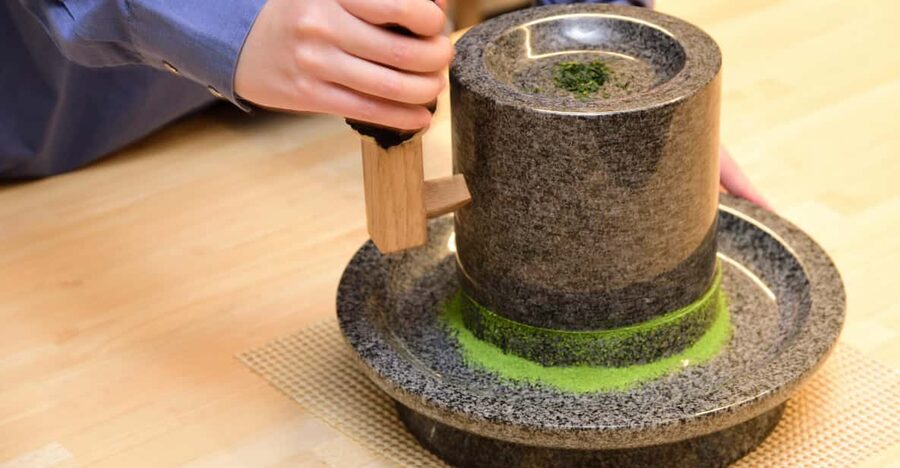
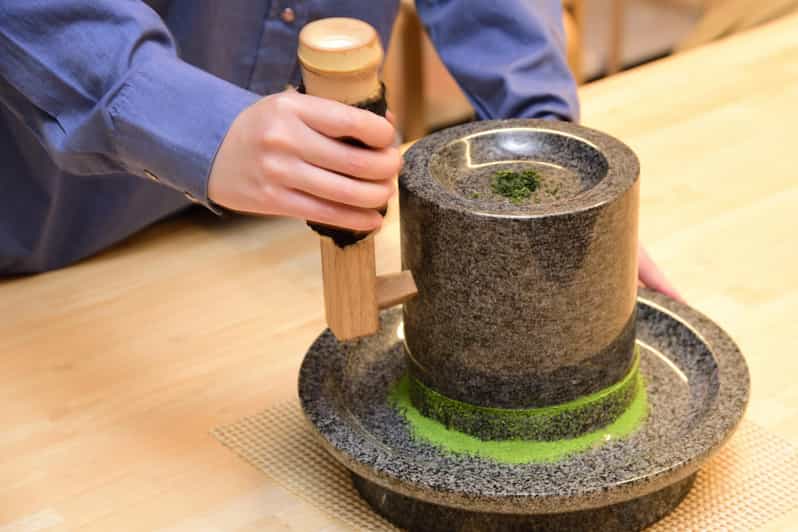
- You grind your own tencha into powder using a tea mill, not just watch it happen
- Interactive museum exhibits make tea history feel concrete, not abstract
- Instructor guidance in Japanese or English, including session leaders like Hideko, Keiko, Sukimoto, and Yano-san
- Views from the tea-field setting add a calm, place-based feeling to the workshop
- Summer-only 2:45 p.m. treats can include iced matcha-style options with ice cream
- A museum ticket is included, so you get context right after the class
More Tea Ceremonies in Kyoto
- Kyoto: Tea Ceremony in a Traditional Tea House in Kiyomizu
★ 4.9 · 3,519 reviews - Kyoto: Tea Ceremony Ju-An at Jotokuji Temple
★ 4.9 · 3,207 reviews - Kyoto: 45-Minute Tea Ceremony Lesson Experience
★ 4.3 · 2,378 reviews
Uji Tea Culture, Not Just Another Kyoto Side Trip
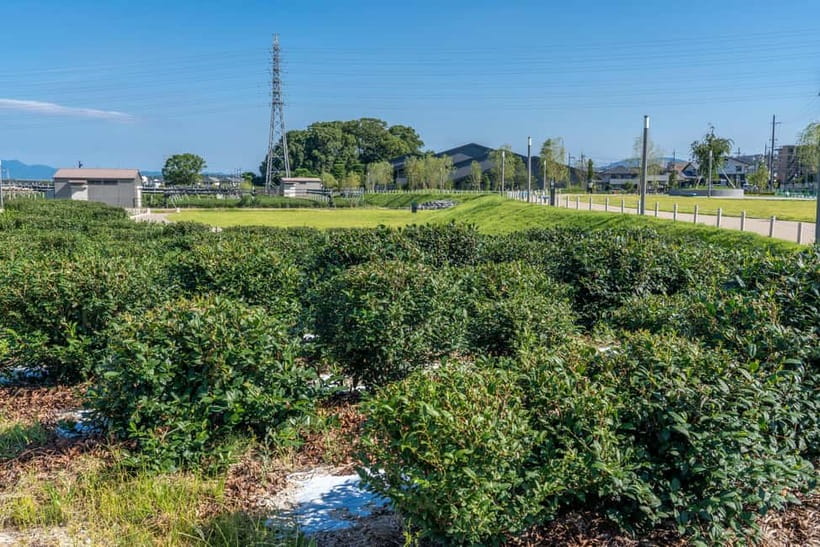
Uji is the tea town connected to Kyoto, and it shows. Even before the workshop starts, the atmosphere helps you slow down, with tea fields and gardens that match the topic you’re about to learn. It makes the whole experience feel tied to a real place, not a generic demonstration.
Chazuna also leans into a key point: Uji tea isn’t one thing. It’s tied to how tea is grown, processed, and prepared, which is why you see multiple “entry points” during the visit. You’re not only making matcha, you’re getting a mental map for why matcha is special.
If you’re short on time in the Kyoto area, this is a smart way to do more than sightseeing. You get a guided cultural experience plus a museum you can explore right away.
Entering Chazuna: Meeting Point and Getting There Without Stress
The meeting point is straightforward: go to the 1F reception area at Chazuna in the Historical Park of Tea and Uji Town. Arrive early, because the experience depends on everyone starting together.
Timing matters here. Please plan to arrive 15 minutes before your reservation. If you arrive more than 30 minutes after the start, you can be refused entry because it affects the class for others.
Getting there is easy by public transit:
- From Uji Station (Keihan Uji Line), it’s about a 4-minute walk.
- From JR Nara Line, South Exit, it’s about a 12-minute walk.
If you’re driving from Osaka, you exit the Keiji Bypass Uji Nishi IC and head toward Uji, about 10 minutes. From Tokyo or Nagoya, turn left at the traffic light at Keiji Bypass Uji-higashi IC Exit, about 3 minutes. The area around Uji Station is used by lots of visitors, so you’re not likely to feel “off the grid.”
The History Room: 10-Yen Coin, Byodoin, and Touch-Friendly Exhibits
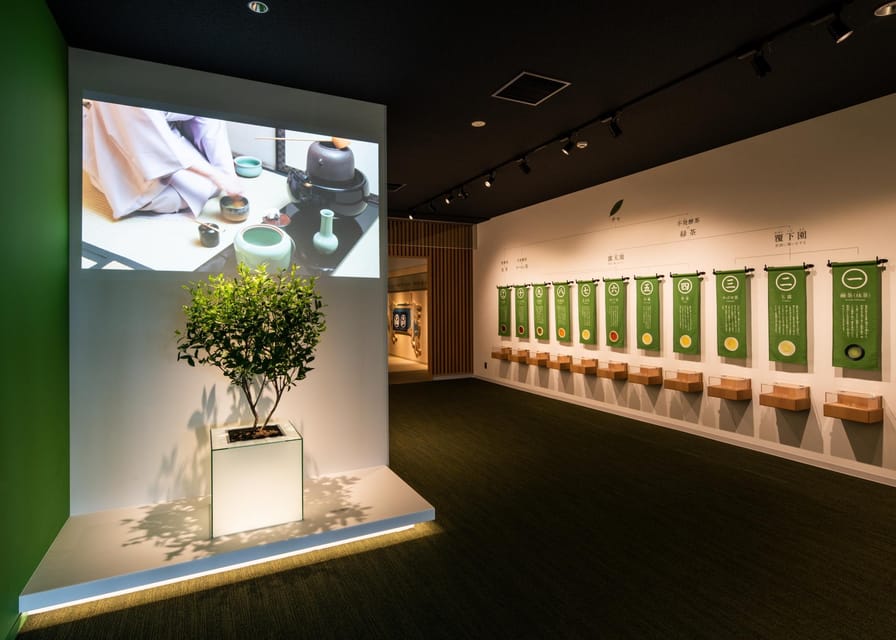
Before you touch a tea mill, you’ll start in the History Room. It’s designed to get your bearings fast with visuals and hands-on elements, so you understand what you’re doing next.
One standout detail is the huge 10-yen coin display featuring the Byodoin Phoenix Hall. That’s not random decoration. It gives you a strong cultural anchor, so Uji tea connects to something you might already recognize from Japan.
Then the museum shifts into modern learning. There are digital exhibitions where you can interact, including a large 4K HDTV screen with modernized townscape drawings known as Meisho-zue. You’ll also see explanations that walk you through the inception and production process of Uji tea at Chazuna in an easy-to-follow way.
What I like about this section for real-life travelers is that it avoids overcomplicated jargon. You’re not trying to memorize a tea textbook. You’re building simple context so matcha brewing makes sense when you get to it.
Same corner of Japan, a different kind of day:
- PERFECT KYOTO 1-Day Bus Tour
★ 5.0 · 13,518 reviews - Kyoto: Fushimi Inari, Kinkakuji, Bamboo Grove 1 Day Bus Tour
★ 4.8 · 4,316 reviews - Kyoto Geisha Walking Tour: Gion District & Hidden Gems
★ 4.7 · 3,273 reviews - Kyoto: Gion Magical Night Walking Tour with Geisha Trivia
★ 4.9 · 2,393 reviews
Grinding Matcha with a Tea Mill: The Moment You Actually Feel It
Now comes the main event: making matcha by grinding tea leaves. Instead of receiving matcha powder, you get to work from the leaves, which changes the whole experience. You’ll grind the tea leaves from a tea mill into a fine powder, guided by an instructor.
This part is sensory. Freshly ground matcha has a strong aroma, and your hands do the work. That matters because matcha isn’t just a drink here, it’s a craft.
You also get the benefit of place. The workshop includes a view of tea fields and gardens, so the process feels connected to the growing environment. It’s relaxing, and it makes the lesson stick. When you understand what’s in the powder, tasting later feels more intentional.
Instructors are often cited by name in feedback, which is a good sign for consistency. Some sessions are led by people like Hideko, Keiko, Sukimoto, and Yano-san. Across these sessions, the common thread is clear instruction and supportive pacing, especially for first-timers.
And yes, you’ll want to pay attention. Small technique details, like how you handle the grinding step and how you portion your matcha, matter later when you whisk and brew.
Whisk, Brew, and Sip: Learning the Basics Like a Ceremony Starter
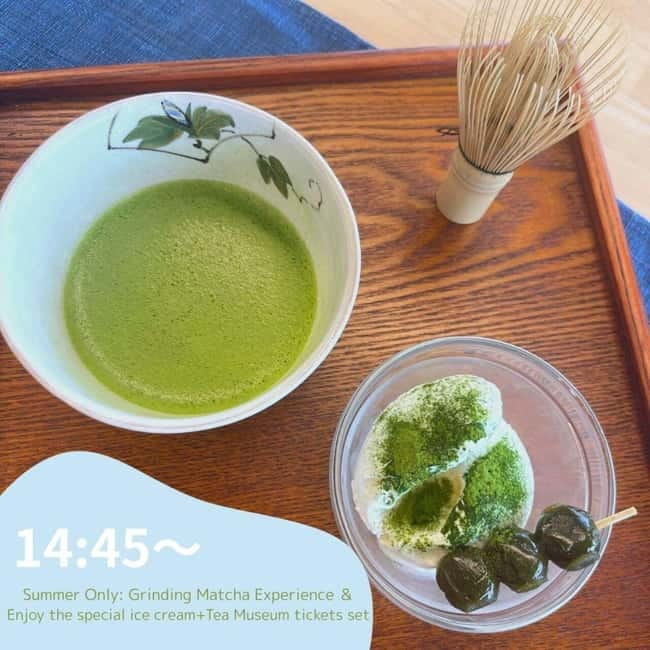
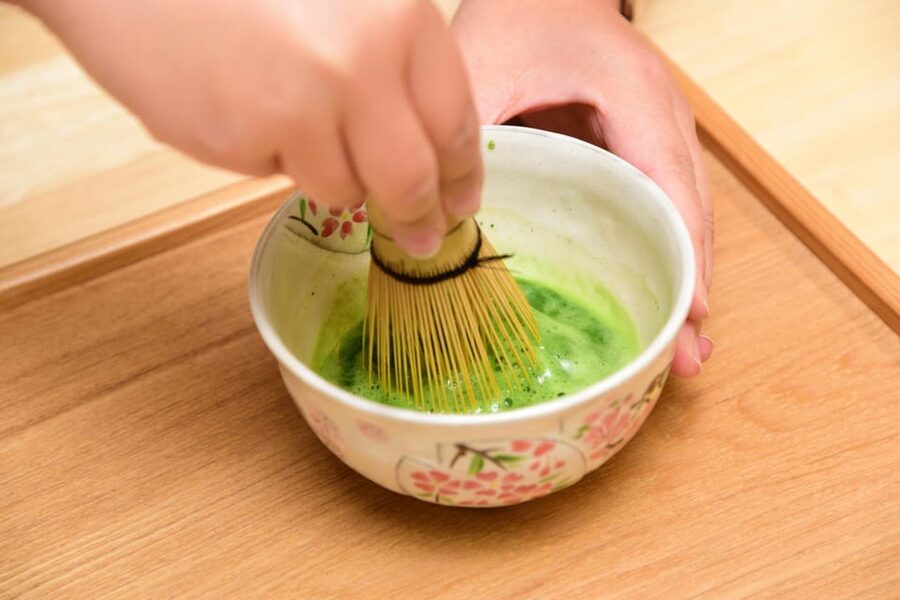
After grinding, you don’t just taste a prepared cup. You learn how to brew matcha properly with guidance from your instructor. The experience includes a Japanese tea instructor who teaches you the technique and then helps you enjoy the matcha you made.
This step is valuable because it’s where many DIY matcha experiences fail. People buy powder and whisk it at home, but they miss the method that makes the drink smooth. Here, you’re taught how to brew matcha in a way that matches Japanese expectations.
Many sessions also pair the finished drink with something sweet. Reviews mention sweets like mochi and treats served alongside the matcha in the broader experience flow. You might find that the pairing helps you taste matcha as a flavor, not just a health drink.
Also, expect a friendly atmosphere. Reviews repeatedly note instructors being warm, patient, and willing to answer questions. The class is interactive, so if you want to ask what you’re tasting or how the process works, you’re likely to get a straight answer.
The Summer-Only 2:45 p.m. Iced Matcha Treat Option

There’s a fun extra that only appears in summer. At 2:45 p.m. only, the restaurant offers a cool experience where visitors can pour their ground matcha over ice cream. You can also drink it, and you can eat it after pouring.
If you’re planning your day around the workshop, this is a useful detail. It adds a playful twist to the same ingredient, ground matcha, and gives you a different way to experience flavor and texture. I’d treat it as an added bonus, not the core reason to book, but it’s the kind of detail that makes the session feel special on a hot day.
Museum Time After the Class: More Than a Waiting Room

The museum portion is included, and it’s not just filler after the workshop. It gives you context that makes your grinding and brewing lesson more satisfying.
A few things stand out about the museum setup:
- It’s designed around digital exhibitions that help you visualize tea processing.
- There are interactive elements you can touch and explore during your visit.
- Some sessions have a fun photo spot, with one review mentioning a playful matcha-themed area.
One common review theme is that the museum is on the shorter side, but still informative. That makes sense for a 1-hour total schedule. You get enough to understand the big picture, and then you leave with a clearer sense of what Uji tea is and why matcha is made the way it is.
This also helps you travel smarter. Instead of guessing what to look for when you shop for matcha later, you’ll have a better set of questions about quality and processing.
Price and Value: $23 for Class Plus Museum Context
At around $23 per person for a 1-hour experience, you’re paying for three things at once:
- Chazuna Museum ticket
- A guided matcha making experience
- An instructor who walks you through grinding and brewing
The value here is not only the price, it’s the structure. Many tea experiences are either a guided tasting or a museum visit. This combines both. You learn, you do, and then you reinforce it with exhibits while it’s fresh in your mind.
It’s also easy to see who the value targets. If you’re a matcha fan, you get the craft step. If you’re new to matcha, the museum context prevents the experience from feeling like a simple “make and drink” activity.
The main value trade-off is time. The experience is only 1 hour, so you’re not getting a long, slow ceremony-style session. If you’re looking for an extended formal tea ceremony, you might prefer something else. But if you want a compact, hands-on overview of Uji tea and matcha prep, the price feels fair.
Who Should Book This Chazuna Matcha Experience?
This is a great fit for:
- Matcha lovers who want to go beyond drinking and into the process
- First-time tea drinkers who want clear explanations without a heavy schedule
- Families and groups of friends looking for a shared activity
- Solo travelers who still want a guided, supportive experience, not a silent museum
Reviews also mention the class feeling family-friendly and welcoming, and some describe being grouped with other participants. That matters if you want to talk to people and not feel awkward.
If you enjoy practical learning, you’ll probably have a smile on your face during the grinding step. If you hate hands-on tasks, you might find the format a bit busy. In that case, you could still enjoy the museum, but you may not love the central workshop component.
Before You Go: Small Tips That Make a Big Difference
Here are a few practical things that help you get more out of the hour:
- Be early. Arrive 15 minutes ahead and give yourself a cushion for finding the reception desk.
- Use the museum while the lesson is fresh. After grinding and brewing, your understanding will click faster if you immediately connect it to what you see in the exhibits.
- Ask questions during the instructor portion. The sessions are set up for interaction, and feedback suggests staff are willing to help.
- Plan for Uji as more than a stop. Reviews mention that Uji is a cute town worth exploring, with the Byodoin temple and market street nearby. If you’ve got time after class, you can turn the workshop into a broader half-day or evening.
Should You Book This Chazuna Matcha Workshop in Uji?
Book this if you want a compact matcha experience that includes hands-on grinding, a guided brewing lesson, and museum context all in one visit. It’s especially worth it if you’re the type of traveler who likes to understand how something is made, not just buy it later.
Skip it only if you have a very inflexible schedule and can’t arrive on time, or if you strongly prefer passive sightseeing over interactive workshops. The 30-minute start-time rule means you should plan carefully.
If you’re visiting Kyoto and want a real tea-town experience, Uji is an easy and rewarding choice. This Chazuna class gives you a calm, practical way to connect the town, the tea, and the taste.
FAQ
How long is the Kyoto Tea Museum tickets and matcha grinding experience?
The duration is 1 hour.
What is included in the $23 per person price?
The ticket includes the Chazuna Museum ticket, the matcha making experience, and an instructor.
Where do I meet for the experience?
Go to the 1F reception area at Chazuna, located in the Historical Park of Tea and Uji Town.
How early should I arrive?
Please arrive 15 minutes before your reservation and come to the reception counter.
What happens if I arrive late?
If you arrive after 30 minutes from the start, you may be refused entry or participation because it disrupts the progress of other customers.
Are the instructors able to speak English?
Yes. The instructor can speak Japanese and English.
Is there free cancellation?
Yes. You can cancel up to 24 hours in advance for a full refund.
Is the experience wheelchair accessible?
Yes, it is wheelchair accessible.
More Museums in Kyoto
- Skip the lines Basic Ticket at SAMURAI NINJA MUSEUM KYOTO
★ 4.5 · 632 reviews - Kyoto : Geiko Maiko Dance of Kyoto & Visits of Gion Museum
★ 4.6 · 415 reviews - Kyoto Sword Experience – includes Museum Ticket/Ninja Experience
★ 4.5 · 149 reviews - Kyoto: Samurai Ninja Museum guided tour
★ 4.8 · 145 reviews
Fresh options around Kyoto
- Kyoto Aquarium Admission Ticket★ 4.7 · 12 reviews
- Kyoto Gion Photoshoot – Private Session | Pro Photographer★ 5.0 · 12 reviews
- Gyoza Cooking Class in Kyoto: Traditional Japanese Dumplings★ 5.0 · 12 reviews
- Kyoto: Guided Food Tour with 12 Dishes & 3 Drinks★ 5.0 · 12 reviews
- Kyoto: Avoid the Crowds at the Hidden Gems of Arashiyama★ 4.9 · 13 reviews
- Kyoto Early Bird English Tour: Gion & Higashiyama(Private opt)★ 5.0 · 13 reviews
- Otsu-e Folk Art Workshop & Local Culture Walk Near Kyoto★ 5.0 · 13 reviews
- Kyoto, Osaka, Nara Full Day tour by Car English speaking Driver★ 3.5 · 13 reviews
Museums, compared.

teamLab Planets TOKYO Digital Art Museum Entry Ticket
Read our review →
Samurai Ninja Museum Guided tour and Experience
Read our review →
Skip the lines Basic Ticket at SAMURAI NINJA MUSEUM KYOTO
Read our review →
Ninja Experience (Family Friendly) at Samurai Ninja Museum TOKYO
Read our review →
Tokyo Studio Ghibli Museum and Ghibli Film Appreciation Tour
Read our review →
Geiko Maiko Dance of Kyoto & Visits of Gion Museum
Read our review →
Tokyo Sword Experience – includes Museum Ticket/Ninja Experience
Read our review →Browse the lists this tour appears in