Reviewed · KYOTO TOURS
Kyoto: Kiyomizudera, Higashiyama and Yasaka Discovery Tour
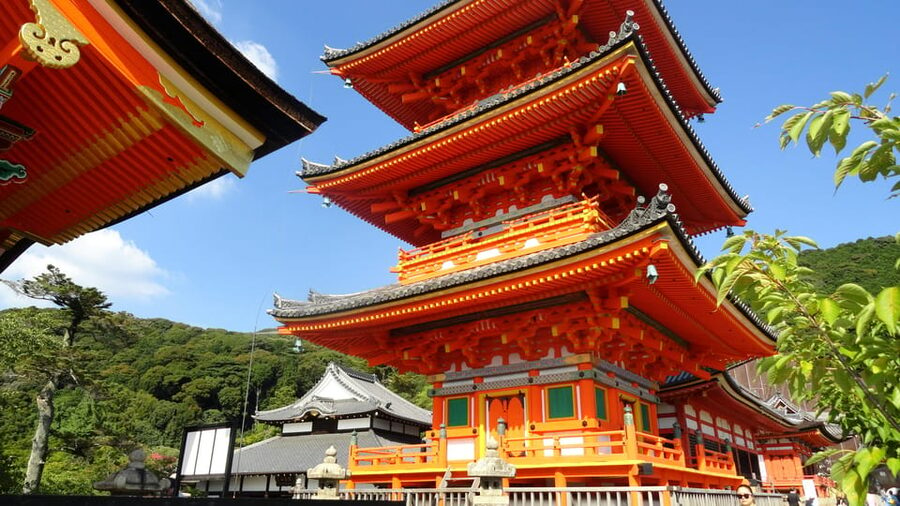
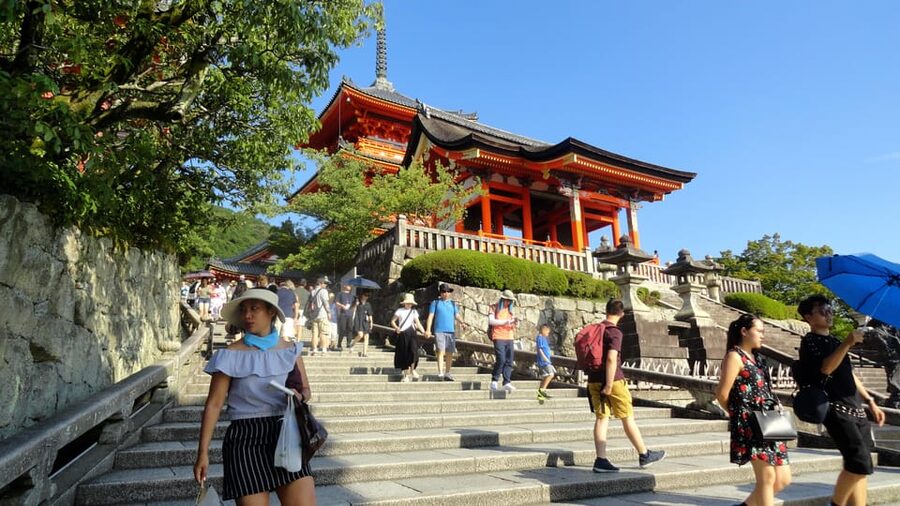
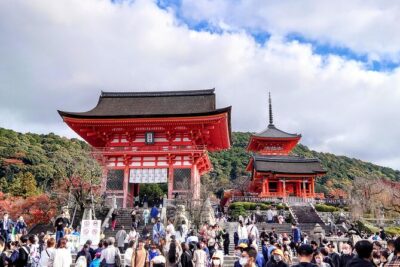
Kiyomizudera hits fast and hard. This 3-hour Kiyomizudera to Gion walk is built around one of Kyoto’s most famous temple stages, and the guide helps you read what you’re seeing, from Kannon, the deity of peace and mercy, to the sacred blue dragon called seiryuu. I also like how the pacing leaves room for short breaks without turning the day into a race.
My second favorite part is the old-street stroll, Sannenzaka and Ninenzaka, plus the nearby Nene no Michi, where you can slow down, look at traditional shopfronts, and get practical photo tips. The only real catch is that you’ll be on your feet for a while, with walking and likely stairs and uneven ground, so it’s not a good fit for mobility limitations, pregnancy, heart conditions, or respiratory issues.
Key Things You’ll Notice on This Tour
- UNESCO Kiyomizudera: you learn the meaning behind Kannon and seiryuu while you take in the big viewpoints
- Old-street flavor in Higashiyama: Sannenzaka, Ninenzaka, and Nene no Michi feel like a living neighborhood, not a theme park
- Kodaiji Temple at a human pace: a focused 30 minutes that still covers the Hideyoshi connection and the gardens
- Yasaka Shrine stories: Shinto culture and practices explained in a way you can actually use
- Maruyama Park at the end: a easy lead-in to cherry blossom season without overplanning your whole trip
How This 3-Hour Higashiyama Walk Gives You Context, Not Just Stops
Kyoto can be overwhelming fast. Temples and shrines stack up, signs are everywhere, and it’s easy to finish a day with photos but not much sense of what you saw. This tour is designed to avoid that problem by threading three major sites together with short, guided walking segments in between.
You start at 112 Tatsumichō, meet at a 7-Eleven, and end at Gion-Shijo Station. The whole thing is about 3 hours with a small group capped at 9. That matters because the guide can keep the group together while still pausing for questions, photo moments, and quick diversions like a matcha break or shopping time. Guides also tend to keep the mood relaxed, so you’re not stressed doing mental math on the fly.
At $54 per person, the value comes from the structure: you’re not only paying for guiding, you’re also covered for entrance fees at Kiyomizudera and Kodaiji, plus you get snacks. If you were to cobble together a self-guided plan, those entrances and the time saved by not figuring out flow and timing add up.
Inside Kiyomizudera: Kannon, Seiryuu, and the Best Viewpoints
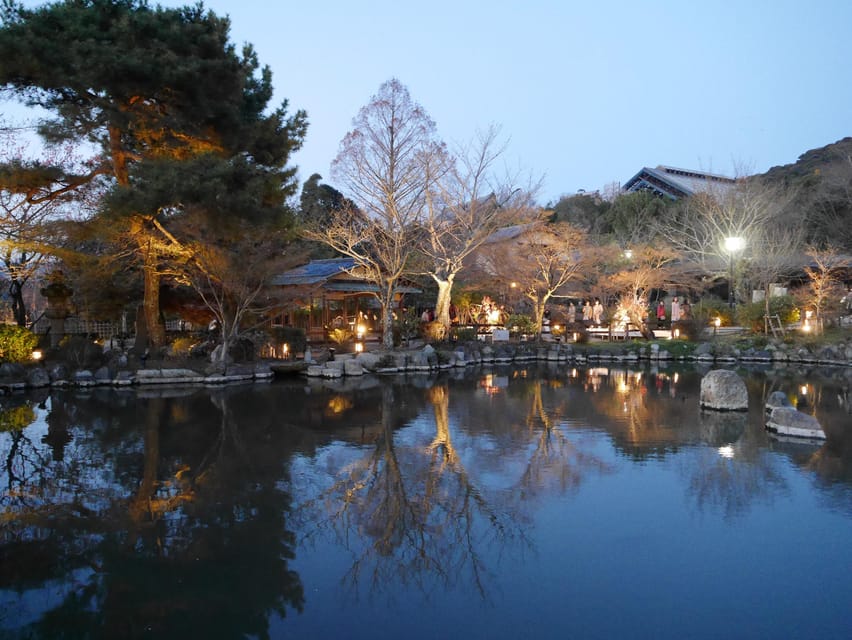
Kiyomizudera is the headliner. The tour starts here for a full guided hour, which is exactly what you want because this place can swallow your time if you wander without direction.
What I like most about this stop is that you’re not just looking at buildings. The guide explains the deity of peace and mercy, Kannon, and connects the sacred blue dragon, seiryuu, to what’s around you. That kind of interpretation helps the temple feel less like a postcard and more like a place with meaning that locals still understand.
You’ll also get panoramic views from the area, and the guide helps you find photo angles at the right moment. That’s one of those small things that makes a big difference in Kyoto. If you’re there during busier times, it helps to have someone who knows where to stand so you’re not constantly repositioning with your camera held awkwardly over your head.
One practical note: expect you’ll be doing indoor and outdoor walking, plus time spent waiting for your turn to see key viewpoints. Comfortable shoes are not optional here.
A few more Kyoto days worth comparing
- PERFECT KYOTO 1-Day Bus Tour
★ 5.0 · 13,518 reviews - Kyoto: Fushimi Inari, Kinkakuji, Bamboo Grove 1 Day Bus Tour
★ 4.8 · 4,316 reviews - Kyoto: Tea Ceremony in a Traditional Tea House in Kiyomizu
★ 4.9 · 3,519 reviews
The Walk Through Sannenzaka, Ninenzaka, and Nene no Michi
After Kiyomizudera, the tour shifts into a neighborhood rhythm. You move along Sannenzaka and Ninenzaka for guided time, with Nene no Michi nearby, where the streets tighten into the classic Higashiyama lanes.
This is where the tour earns its “discovery” label. You’re not just passing storefronts. You’re learning how the streets work, what the shopfronts look like and why they feel so Kyoto, and how to slow down for photos without getting separated from your group.
This segment is also where your guide can work in small, realistic breaks. Some guides are known for being easygoing about quick stops for matcha or shopping, while still keeping you on track for the temples ahead. If you like to wander with purpose, this is a good match. You can take a breath, look at pottery or souvenirs, and then move on when you’re ready.
Keep in mind you’ll be on foot for stretches here. If you’re hoping for a fully seated tour, this part will test you a bit.
Kodaiji Temple: Toyotomi Hideyoshi’s Wife and Two Types of Beauty
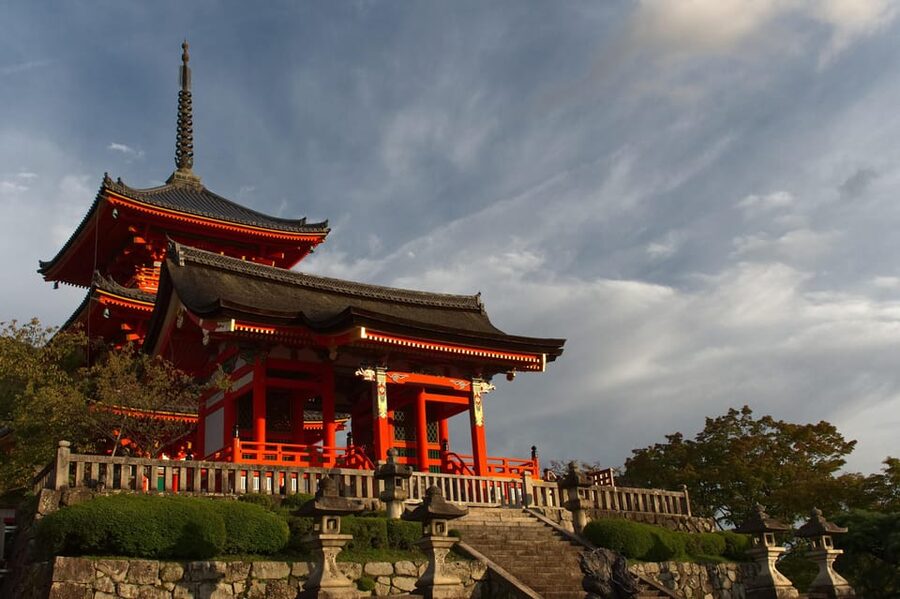
Kōdaiji Temple is the sweet spot for people who want more than a quick temple cameo. You get 30 minutes guided here, which is long enough to take in the main sights, understand the backstory, and still have time to feel your way through the space rather than sprinting to the next photo point.
The big context is personal and specific: Kōdaiji was built in memory of Toyotomi Hideyoshi’s wife. That detail gives the temple a different emotional tone than places that feel purely ceremonial. You start noticing how the design supports reflection.
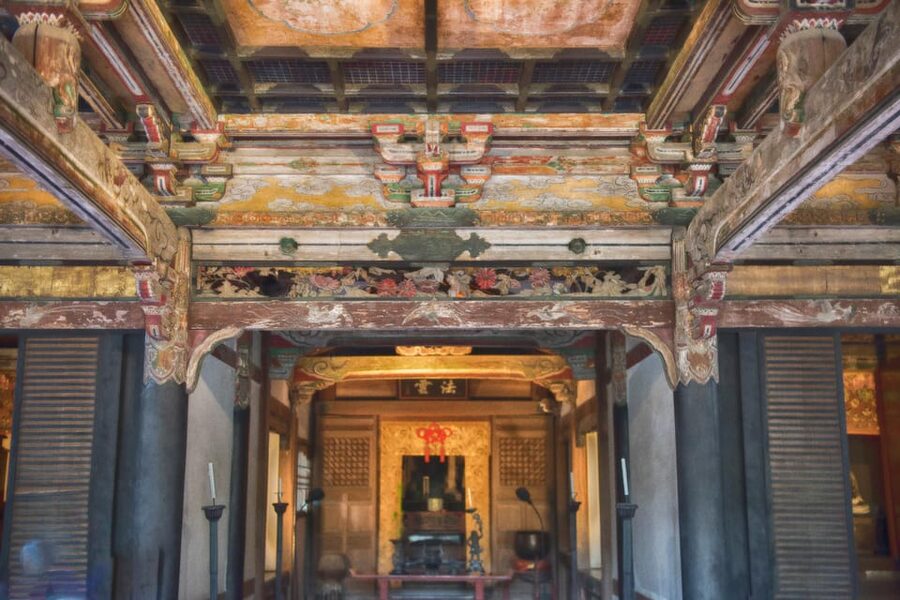
The tour also points out what people often remember about Kodaiji: the zen gardens and the lavish interiors. The garden side tends to reward quiet attention, while the interior details can surprise you if you’ve only focused on exterior gates and halls in other temples. With a guide, it’s easier to spot what you should look for and not get lost in the sheer number of surfaces and details.
Because time is limited, 30 minutes works best when you stay mentally present. If you spend every second taking photos at one angle, you might miss the shift from garden focus to interior highlights.
Yasaka Shrine and Maruyama Park: Shinto Stories That Make the Space Click
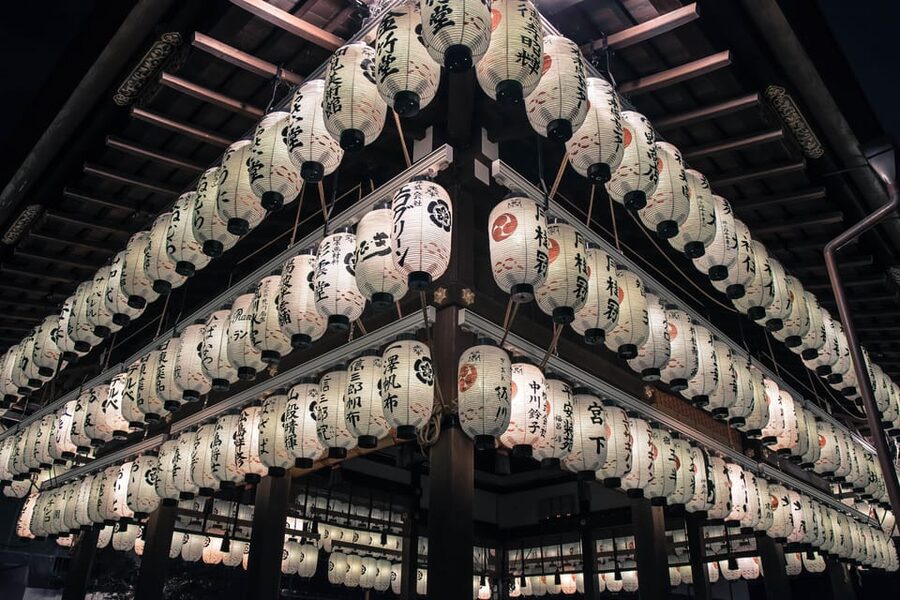
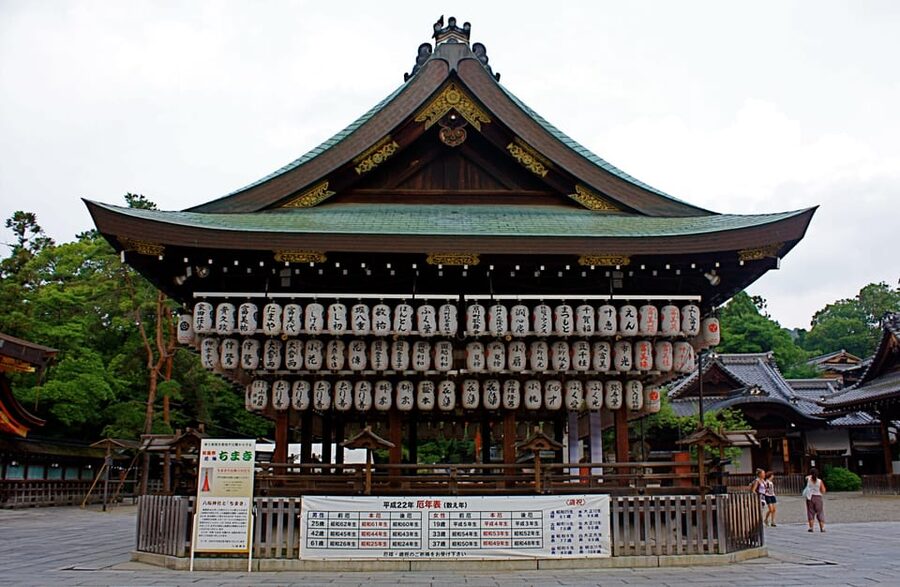
Next comes Yasaka Shrine, another 30 minutes guided. This is where you get Shinto culture and practice explained in plain language, not in a way that sounds like a lecture. The guide will share stories tied to what you see, so the shrine feels like a living tradition instead of just a set of wooden structures.
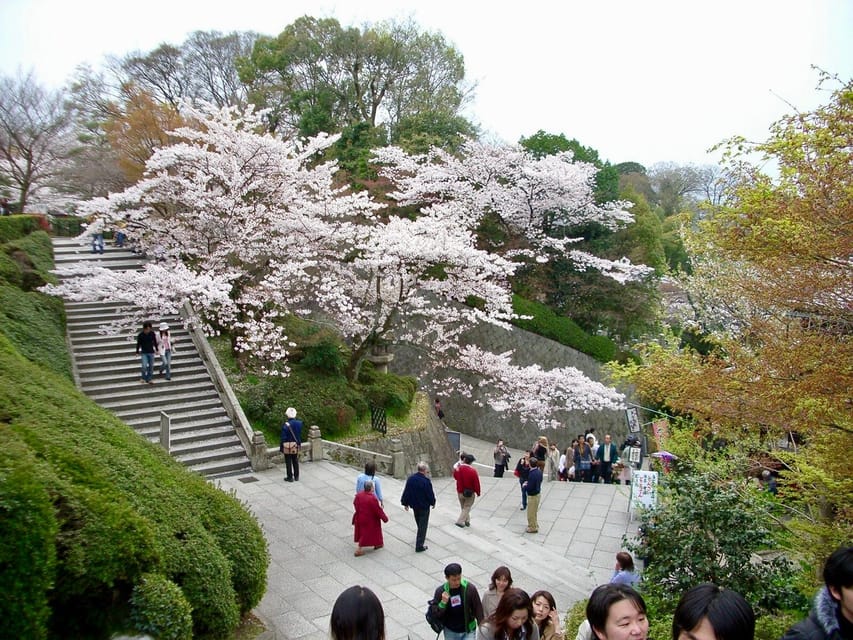
The tour then heads out through the east side and walks you toward Maruyama Park. This park is especially popular during cherry blossom season, and the tour’s timing makes it easy to end with a sense of atmosphere instead of ending inside a building.
If you’re traveling at a different time of year, Maruyama Park still works as a pleasant finishing point because you get a little breathing room after temple-heavy walking. It’s a good way to transition into Gion without your legs feeling like they’re about to revolt.
Same corner of Japan, a different kind of day:
- Kyoto Geisha Walking Tour: Gion District & Hidden Gems
★ 4.7 · 3,273 reviews - Kyoto: Tea Ceremony Ju-An at Jotokuji Temple
★ 4.9 · 3,207 reviews - Kyoto: Gion Magical Night Walking Tour with Geisha Trivia
★ 4.9 · 2,393 reviews - Kyoto: 45-Minute Tea Ceremony Lesson Experience
★ 4.3 · 2,378 reviews
Your Guide Matters: What You’ll Likely Experience With TripGuru
This tour stands or falls on the guide, and the guides associated with it seem to have the skill of blending facts with humor. Names that show up for this experience include CC, Miyake (including Nobumasa Miyake), Jasmine, Alex, Yuko, Rafael, and Katz. Each guide has a different personality, but the common thread is that they keep things lively while staying focused on the sights.
A few guide strengths that can change your whole Kyoto experience:
- They stay relaxed and engaging, so you don’t feel like you’re being rushed.
- They often make room for quick side stops like matcha or shopping, as long as the core route stays covered.
- They help you find better photo spots, so you’re not guessing where to stand.
- They can tailor things when the group is small, like when your party is the only one on the tour.
- They share extra seasonal tips, such as where to catch plum blossoms.
Because the group is limited to 9, you can actually ask questions and get answers that fit what you’re looking at right now. That’s harder on bigger buses and mass walking tours.
Time, Price, and Logistics: Worth It for 3 Hours in Kyoto
Let’s talk money and time in a practical way.
You’re paying $54 per person for:
- English-speaking guide
- Entrance fees for Kiyomizudera and Kodaiji
- Snacks
You’re not paying for:
- Meals and other drinks
- Hotel pickup and drop off
- Personal expenses
The tour lasts 3 hours, and it ends at Gion-Shijo Station. That matters if your next plan is dinner, an evening stroll, or a transit connection. Starting at a 7-Eleven also makes it easy to get there, especially if you’re already in central Kyoto.
The biggest logistics requirement is that you’ll need to meet the group yourself. No hotel pickup means you should plan to arrive a few minutes early, locate the guide, and get your bearings quickly. Also bring cash, since some small shops and snack stops may not match card-only expectations.
The value case for this tour is strongest if:
- You want a guided explanation for Kiyomizudera, Kodaiji, and Yasaka Shrine
- You don’t want to spend time figuring out which routes connect well
- You like a manageable walking day rather than a half-day that eats your whole afternoon
What to Bring (and What to Skip Packing)
This tour is simple, but a few things will make it smoother.
Bring:
- Comfortable shoes
- A camera
- Cash
Don’t overpack your day. The tour includes snacks, so you probably won’t need a full lunch packed in. Also, keep your bag light so you can move through crowded areas and take photos without juggling a heavy backpack.
If you wear shoes that look good but pinch, Kyoto will remind you by the second temple. Go with comfort first.
Who This Tour Suits Best, and Who Should Rethink It
This is best for people who enjoy a walking sightseeing format and want context. It’s ideal if you like:
- temples and shrines with explanation behind the scenes
- short guided time inside larger sites
- old streets and photo-friendly viewpoints
- a small group that does not feel like a herd
It is not suitable for:
- pregnant women
- people with mobility impairments
- people with heart problems
- people with respiratory issues
If you fall into one of those categories, it’s better to choose an option with less walking and fewer stairs. Even if you love the sights, safety comes first.
Should You Book This Kiyomizudera, Higashiyama and Yasaka Discovery Tour?
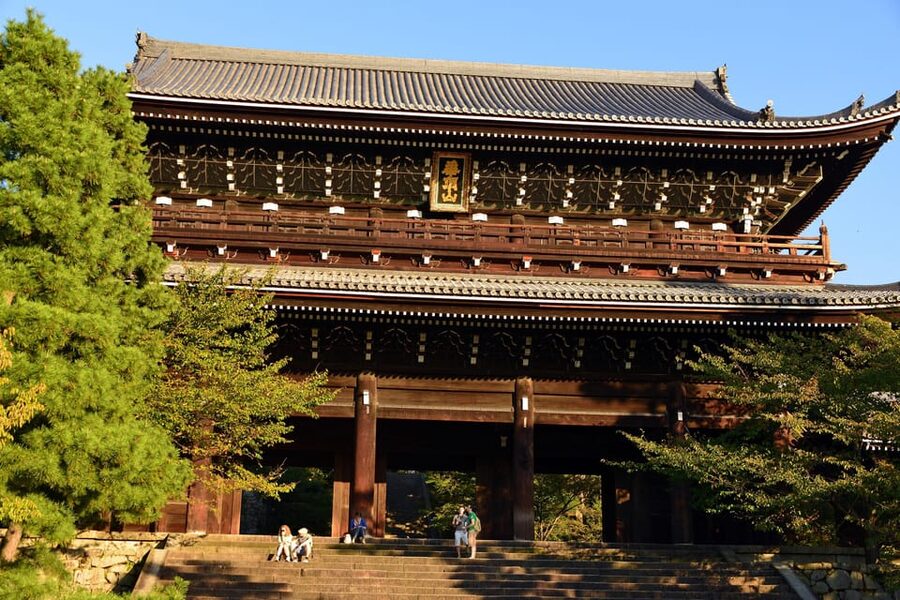
Book it if you want a focused, guided taste of Kyoto’s Higashiyama highlights in just 3 hours, with entrance fees handled and a guide who can explain what you’re looking at. The strongest reason is that Kiyomizudera is the anchor, and the guide helps you understand Kannon and seiryuu while you’re taking in the views, then you build momentum with Sannenzaka lanes, Kodaiji, and Yasaka Shrine.
Skip or reconsider if you need a low-walking itinerary, have mobility limitations, or can’t handle the physical demands of temple stairways and shrine grounds. Also, if you’re the type who hates following a group, the timing structure might feel a bit tight, even though the guide can usually accommodate short breaks.
FAQ
Is this Kyoto tour 3 hours long?
Yes. The experience runs for 3 hours, with guided time at each main stop.
Where does the tour start and where does it end?
It starts at 112 Tatsumichō, with the meeting point at a 7-Eleven. The tour finishes at Gion-Shijo Station.
How much does the Kyoto Kiyomizudera and Higashiyama tour cost?
The price is $54 per person.
What is included in the price?
The tour includes an English-speaking guide, entrance fees for Kiyomizudera and Kodaiji Temple, and snacks.
What is not included?
Meals and other drinks, hotel pick up and drop off, and personal expenses are not included.
Is the tour in English?
Yes, the live tour guide provides English.
How big is the group?
The group is small, limited to 9 participants.
What should I bring?
Bring comfortable shoes, a camera, and cash.
Is the tour suitable for everyone?
No. It is not suitable for pregnant women, people with mobility impairments, people with heart problems, or people with respiratory issues.
Is there free cancellation?
Yes. You can cancel up to 24 hours in advance for a full refund.
Do I have to pay all at once when booking?
You can reserve now and pay later, with the option to keep plans flexible and pay nothing today.
Fresh options around Kyoto
- Kyoto and Nara Private Car Tour with a Local English Guide Driver★ 5.0 · 16 reviews
- The Art of Mindful Living: Tea Ceremony in Kyoto★ 5.0 · 16 reviews
- Single- & multi-day Adventures within Kyoto Nara Osaka Kobe★ 5.0 · 16 reviews
- Full day Kyoto Walk in Fushimi, Arashiyama, Monkey, and Kinkakuji★ 5.0 · 17 reviews
- Uji: Private immersion into Kyoto’s tea and reglious culture★ 5.0 · 17 reviews
- Kyoto Full Day (8 hours) Ultimate Sightseeing Private Tour★ 4.5 · 17 reviews
- Kyoto Guided Walking Tour: Secret Zen Garden and Fushimi Inari★ 5.0 · 17 reviews
- Explore Hidden Alleyway with a Local Expert (Afternoon Tour)★ 5.0 · 17 reviews
Kyoto Tours, compared.
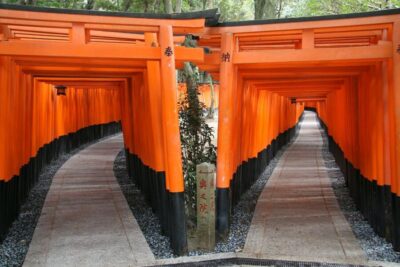
Fushimi Inari, Kinkakuji, Bamboo Grove 1 Day Bus Tour
Read our review →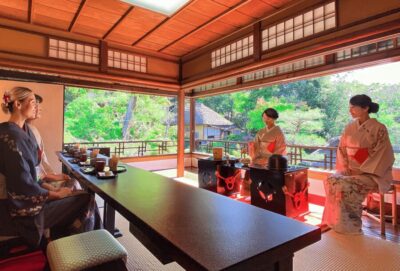
Tea Ceremony in a Traditional Tea House in Kiyomizu
Read our review →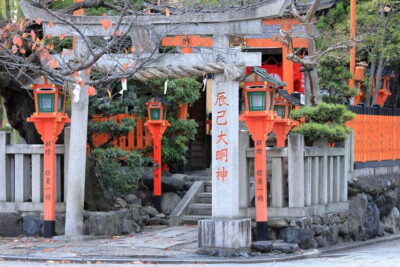
Kyoto Geisha Walking Tour: Gion District & Hidden Gems
Read our review →
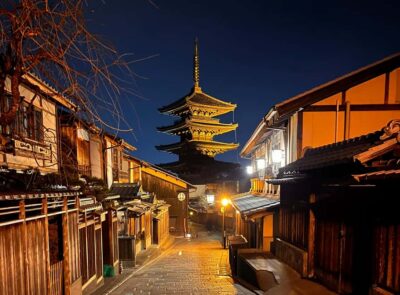
Gion Magical Night Walking Tour with Geisha Trivia
Read our review →