
Reviewed · WORKSHOPS
Tokyo: Sushi Making Class in a Happi Coat near a Famous Spot
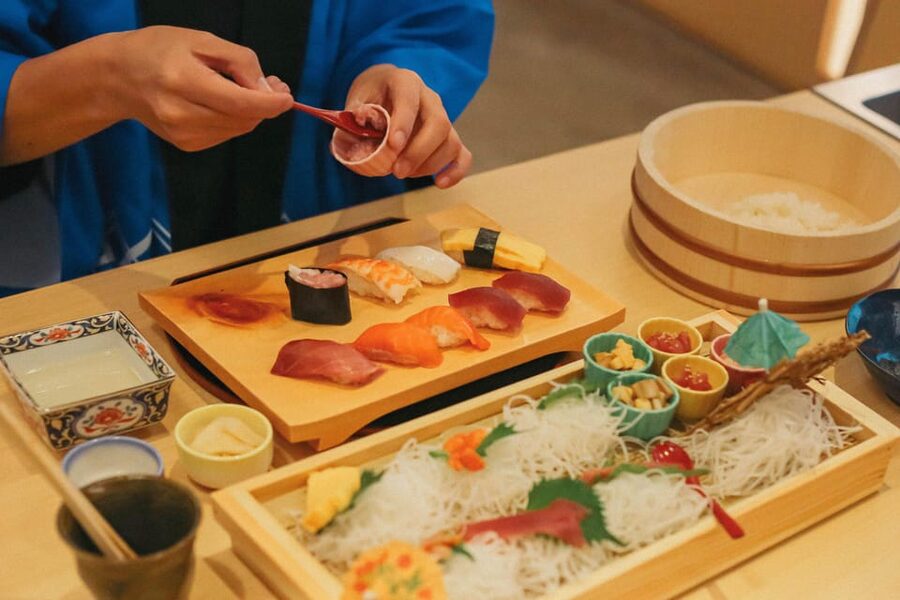
Sushi lessons in Tokyo feel like cheating, in the best way. In this hands-on nigiri workshop, you learn to form sushi from scratch with tuna and salmon, guided by a real sushi chef, and you wear a traditional happi coat to make it feel like the job. The class also brings in Japanese culture through food, technique, and the small details that make sushi taste right.
I especially love that you do the making yourself, not just watch, and you leave with a proper lunch from what you made. A fair heads-up: it is a shared workshop, so depending on how busy the venue is, you may sit with other customers.
Key things I’d bet you’ll care about
- Happi coat fun with real instruction: you dress the part while learning the actual steps
- Nigiri focus with tuna and salmon: the core skill you can practice at home
- Step-by-step guidance in English (plus Japanese): clear explanations, with quick help if you get stuck
- Small-group vibe: many classes run with tight attention, but seating can be shared
- A generous meal outcome: you eat what you make, and people often leave very full
Putting On a Happi Coat Near a Famous Tokyo Spot
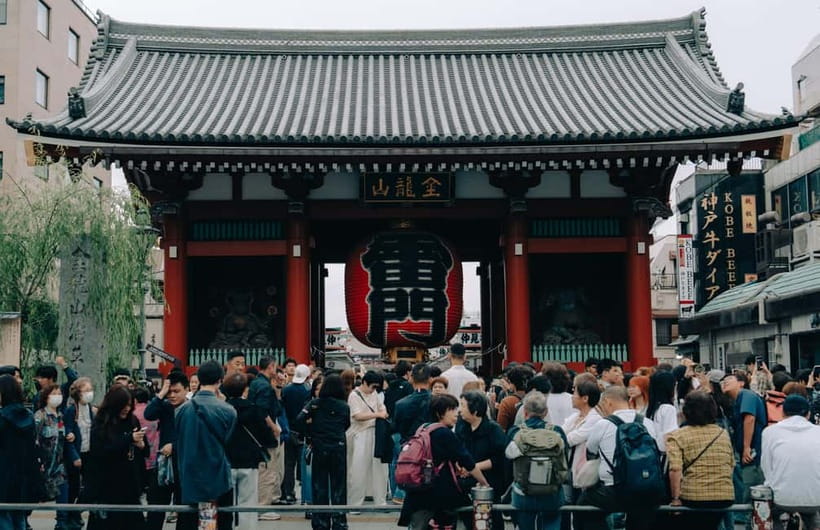
Tokyo has a special way of turning everyday things into rituals, and sushi training is one of them. Here, you start by getting set up in a Japanese tube-sleeved chef coat called a happi. It is a silly-feeling change of costume at first, then suddenly you start paying attention to your hands, your grip, and your timing.
One practical note: the meeting point can vary depending on the option you book, so check your exact details before you head out. If you like to arrive early, do it. In reviews, people repeatedly mention the experience feels cozy and well prepared when they get there.
Also, don’t worry if you are traveling with someone who eats differently. The class offers vegetarian, vegan, and gluten-free options, and it asks you to message ahead. That means you can plan your menu before you walk in.
More Sushi Making Classes in Tokyo
- Sushi Making Tokyo Roll and Authentic Japanese Sushi Class
★ 5.0 · 3,971 reviews - Tokyo: Roll and Authentic Sushi Making Class in Asakusa
★ 4.9 · 1,957 reviews - Make Sushi and Create Unforgettable Memories in Tokyo
★ 5.0 · 1,413 reviews
The 90 Minutes That Actually Teach You Nigiri (Not Just Sushi Theater)
This is a beginner-friendly class with a short lecture first, then you roll up your sleeves. The overall length is 90 minutes, which is long enough to learn the logic, practice the motions, and still eat a meal at the end.
What you can expect in practice:
- You learn how nigiri is built: rice texture, portion size, and the way fish is placed
- You work under a chef’s guidance as you make sushi from scratch
- You taste the sushi you prepare yourself, right after cooking
The highlights emphasize nigiri with tuna and salmon, which is the right starting point. These fish are common, and learning them gives you a base technique you can adapt later with other toppings.
Some sessions also include other types of sushi making, and multiple class reviews mention maki and nigiri, sometimes even onigiri-style rolling. If your heart is set specifically on tuna-and-salmon nigiri, the class is still centered on that core skill set.
How the Chef Turns Technique Into Confidence
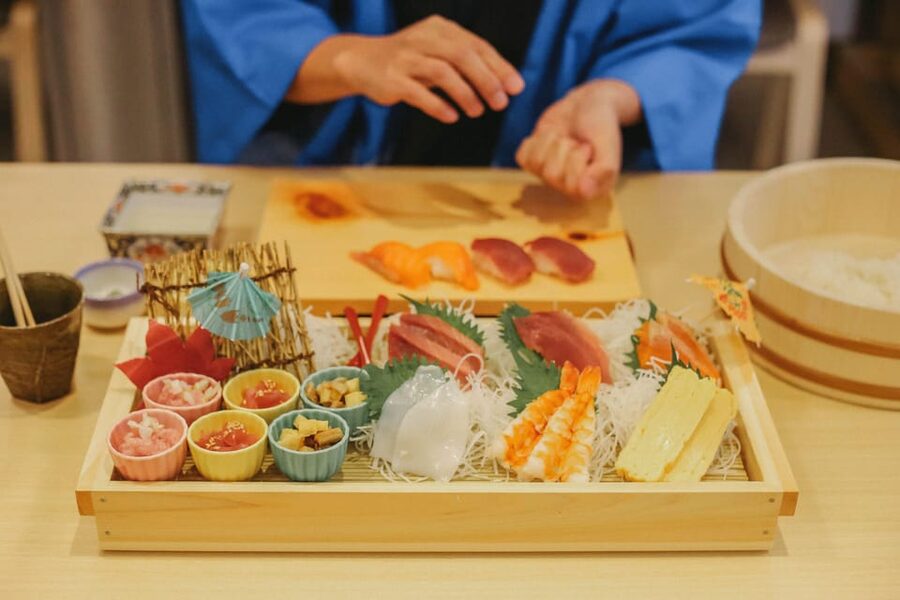
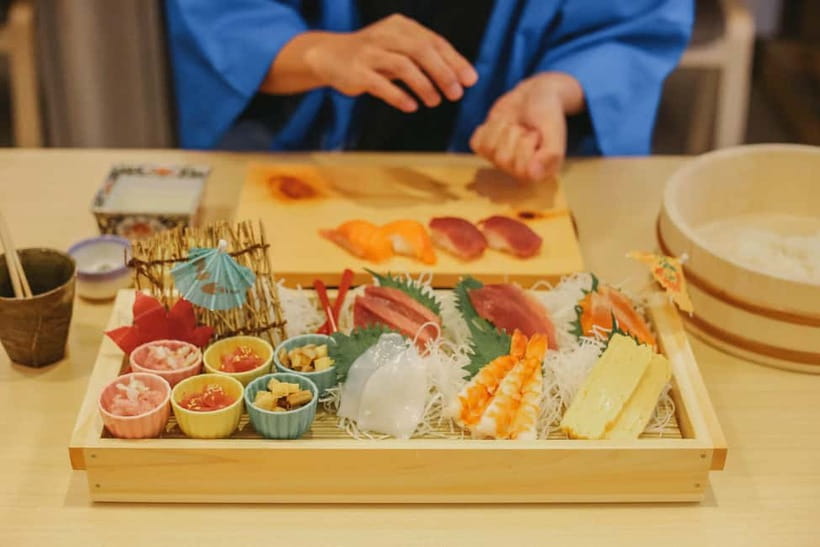
The real value here is how quickly the chef makes your hands understand what your brain cannot yet picture. You are not learning sushi as a memorized recipe. You are learning it as a set of small physical actions: how much pressure to use, how to shape without crushing, and how to keep the rice tidy.
In reviews, instructors pop up by name, and it is striking how consistent the teaching style sounds. People mention Chef Hide and teachers like Mikoto, Kohji, Mikoto again, Masa, Ami, Emmy, and Miwa, often described as fun and patient, with humor and encouragement. That matters because sushi gets frustrating when you feel judged. The tone here seems set up so you can try, mess up a little, and recover fast.
A few specific things you can look for during your lesson:
- Rice handling tips: the right feel before it touches fish
- Knife and topping placement habits: small details that change the taste and presentation
- Question time: many comments mention you can ask questions during the process, not only at the start
English support is built in, with instructors listed as English and Japanese. If you worry about language, you should still be fine. Clear explanations and hands-on correction do most of the work.
What You Make, Then Eat (And Why That’s the Point)
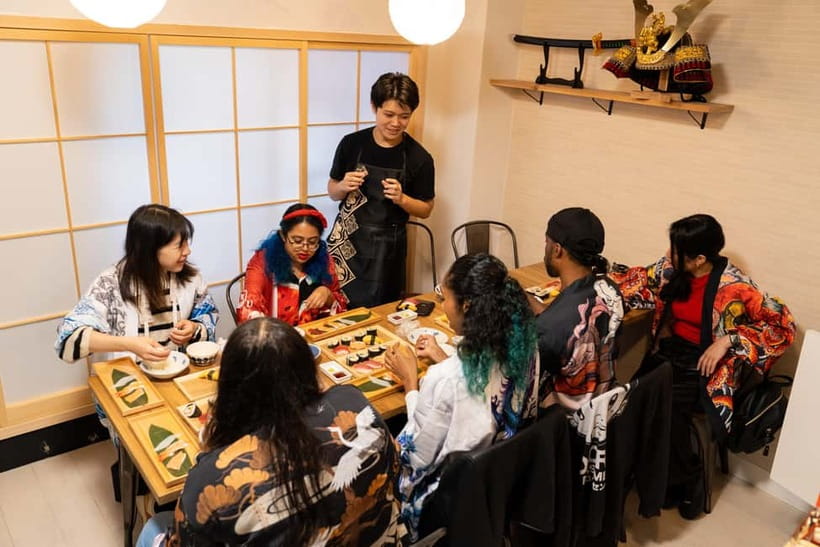
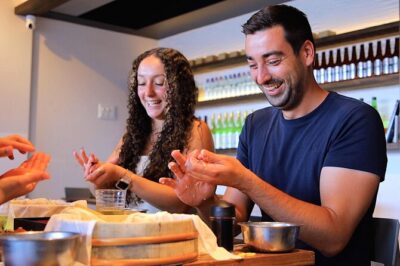
The best part is not the photos, even though there are usually picture opportunities in the Japanese outfits. The best part is that you eat the sushi you make, and you get enough to feel like you had a real lunch.
People consistently describe the portion as generous, more than enough to leave satisfied. That is a key value point for $42. You are paying for a meal plus instruction, ingredients, and an instructor, all packaged into a 90-minute experience.
When you taste your own nigiri, you learn something deeper than flavor. You learn how technique affects taste, rice texture, and balance. That is why this kind of class beats a one-time food stop. It gives you a repeatable skill, not just a memory.
Same corner of Japan, a different kind of day:
- Mt Fuji and Hakone 1-Day Bus Tour Return by Bullet Train
★ 5.0 · 26,383 reviews - 1-Day Tokyo Bus Tour
★ 5.0 · 14,250 reviews - Tokyo: TOKYO SKYTREE® Admission ticket
★ 4.5 · 11,192 reviews - Tokyo: teamLab Planets TOKYO Digital Art Museum Entry Ticket
★ 4.6 · 9,779 reviews
Culture Lessons Built Into Food, Not Museum Facts
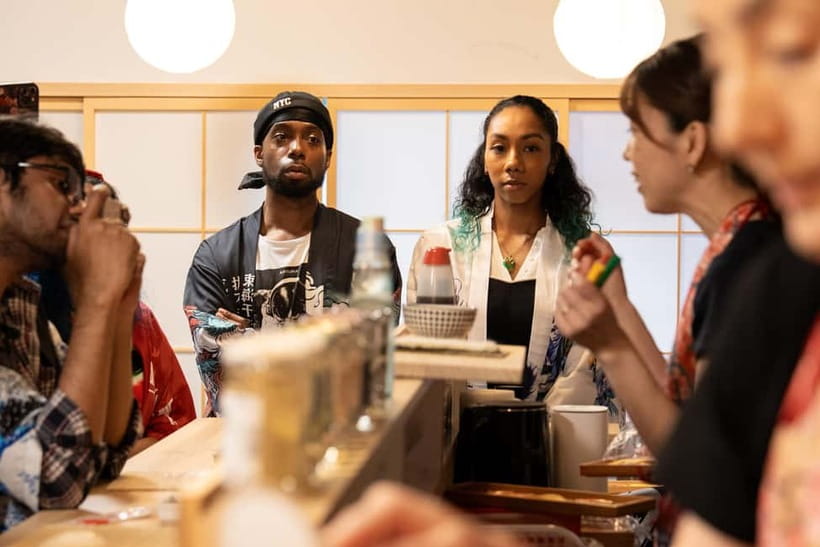
Sushi in Japan is tied to respect for ingredients and timing. That is not a “lecture only” concept. In class, you see it through the way the chef talks about steps, the way hands move, and how attention shifts from one task to the next.
You also get the fun, visible part of culture: the happi coat. Several reviews mention photo spots and the overall cuteness of the setup, but it also functions as a psychological trick. When you dress like a chef, you focus like one, and your effort improves.
There is often a social element too. Some reviews mention being in a small group, and others describe time spent chatting about Japan and culture after the hands-on portion. The exact balance between talk and work can vary by class size and schedule, but the vibe described is friendly and relaxed.
Dietary Needs, Allergies, and Who Should Plan Ahead
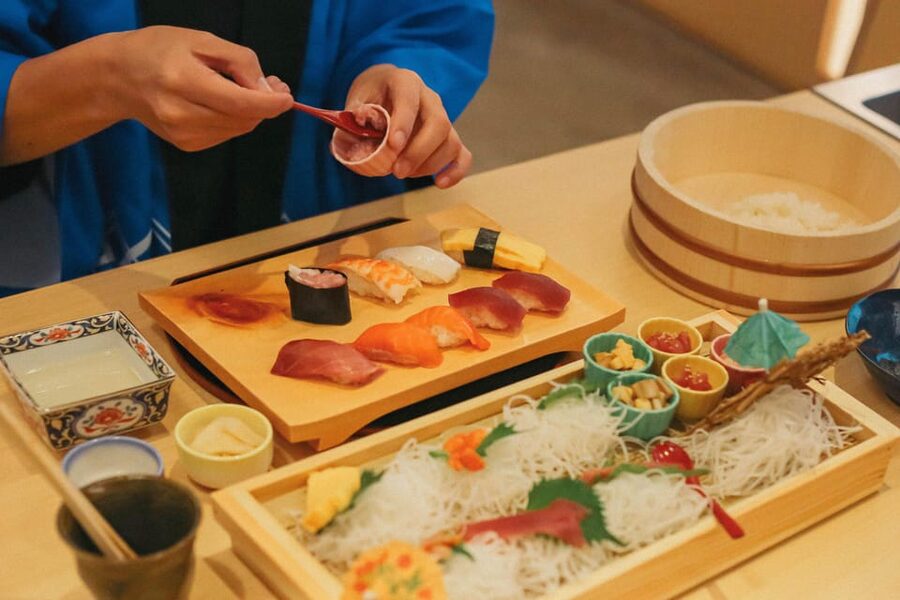
This workshop clearly tells you to communicate needs in advance. If you have food allergies, message ahead so they can adjust. The class also lists options for vegetarian and vegan, plus gluten-free, with the same requirement: request ahead of time.
Here is how I’d handle it:
- If you need vegetarian/vegan/gluten-free, send your request early, not last minute
- If you have allergies, include which ingredients you need to avoid and how strict the restriction is
- Expect that substitutions may depend on ingredient availability that day
The class also notes children considerations: you are charged for children over 4 years old, and you should share a dish under 4 years old. If you are traveling with kids, keep this in mind when you plan meals and portions.
Group Size, Seating, and Your Best Way to Enjoy It
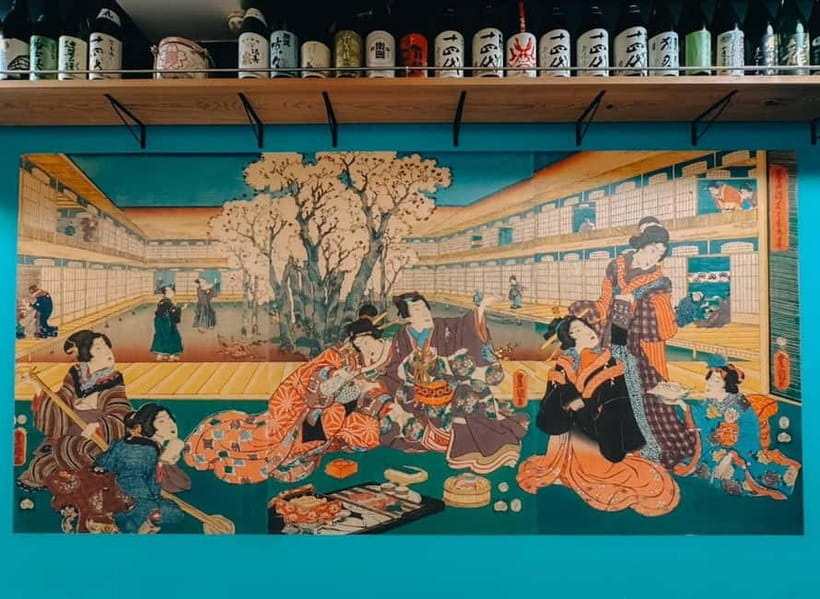
This is not a giant auditorium class. Reviews often describe it as cozy and intimate, with instructors paying attention to small groups. One comment even mentions a setup around five people per host, which suggests you are not just another face in the room.
Still, the activity also notes that depending on how busy the venue is, you may be seated with other customers. So think of it as small group, shared space.
For you, that usually means:
- You get enough personal help to shape your nigiri properly
- You still hear instructions that apply to everyone at your station
- You can enjoy the meal without waiting in a long line
Also, you should bring a good attitude about timing. Sushi rewards calm hands. If you rush, your rice can look rough. Slow down, follow the chef, and let the technique click.
Value Check: Is $42 Worth It in Tokyo?
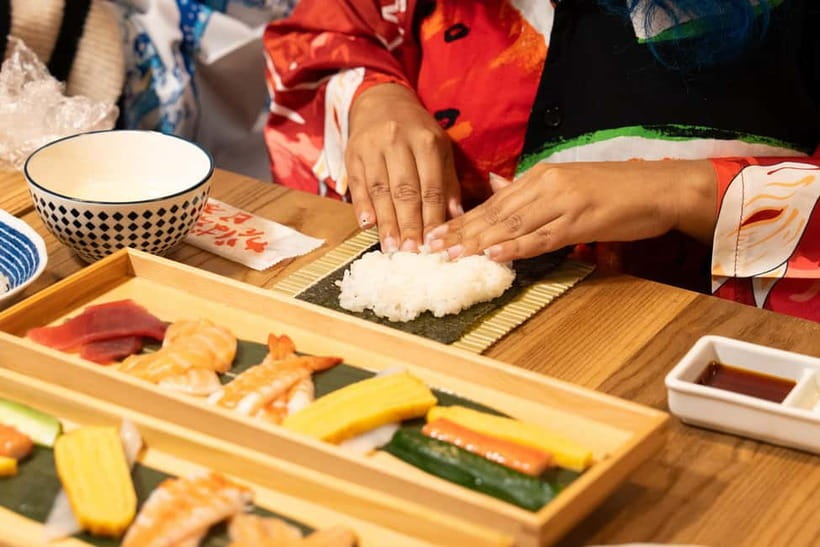
Let’s talk value in a real way. Tokyo is not cheap. A sushi meal alone can run up quickly, especially if you want decent quality. Here, your $42 buys more than fish and rice.
You get:
- Cooking class instruction
- Ingredients
- An instructor
- A finished meal that you eat
Ninety minutes also means you are not spending a whole day on one activity. It fits well between sightseeing blocks, shopping, or temple visits.
One more subtle value point: you are leaving with a skill. Several reviews mention that people can take the technique home, and they felt confident to recreate sushi later. Even if you never become a sushi chef, learning how nigiri rice should feel and how topping placement works is useful food knowledge.
Should You Book This Sushi Making Class?
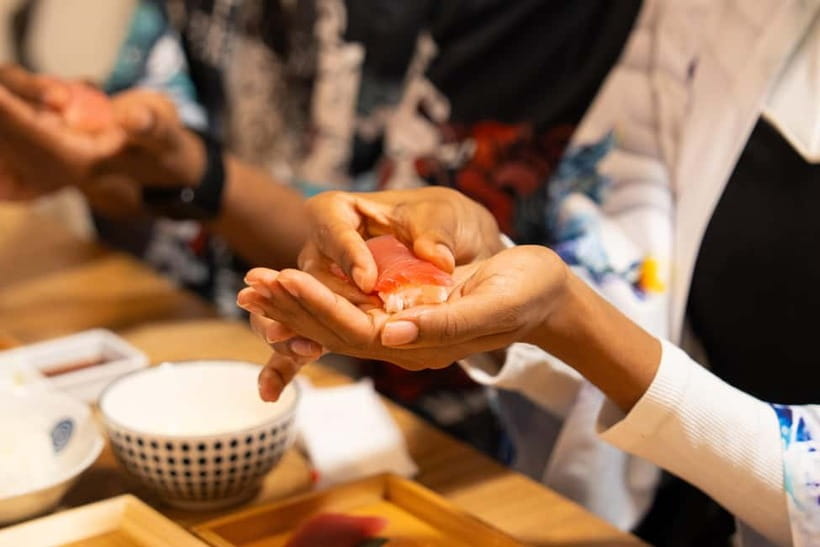
If you want a memorable Tokyo food experience that teaches a real skill, I think this is an easy yes. It is especially good for first-time sushi makers who want guided practice, and for couples who like doing something interactive instead of just eating and leaving.
I’d book it if you:
- Want nigiri instruction with tuna and salmon as your starting point
- Like hands-on learning with clear step-by-step coaching
- Prefer a structured 90-minute activity with a built-in meal
I might hesitate only if:
- You need very specific dietary accommodations but cannot message requests ahead of time
- You hate shared seating in busy venues and need total privacy
Overall, the combination of happi coat fun, real chef coaching, and eating what you make is exactly the kind of experience that turns a Tokyo day into a personal story you can repeat.
Fresh options around Tokyo
- Tokyo: Nagano Snow Monkeys and Zenkoji Tour with Temples★ 4.9 · 19 reviews
- Yokohama Port: Private Customizable Tour with Transfer★ 5.0 · 19 reviews
- Explore Unique Tokyo Streets / Learn with a Pro Photographer★ 5.0 · 19 reviews
- Sushi Making with Interactive Samurai Experience at JIN-ASAKUSA★ 5.0 · 19 reviews
- DAIKOKU excursion by car DRIFT automobile encounter★ 4.5 · 19 reviews
- Official Street Go Kart Tour Akihabara 2nd★ 5.0 · 19 reviews
- Cosplay Experience with Professional Makeup and Photo Shoot!★ 5.0 · 19 reviews
- Tokyo: Name Seal & Pouch or Tote Bag Making Experience★ 4.5 · 19 reviews
Workshops, compared.
Sushi Making Tokyo Roll and Authentic Japanese Sushi Class
Read our review →
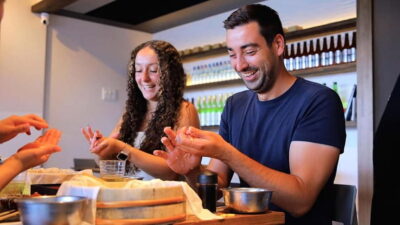
Roll and Authentic Sushi Making Class in Asakusa
Read our review →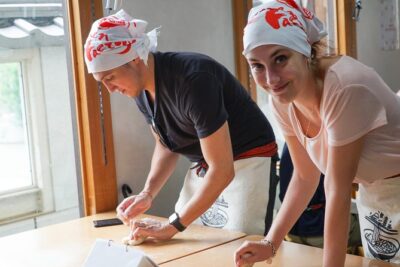
Ramen Cooking Class at Ramen Factory in Kyoto
Read our review →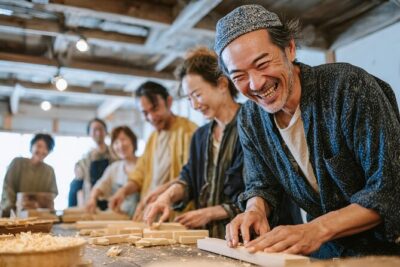
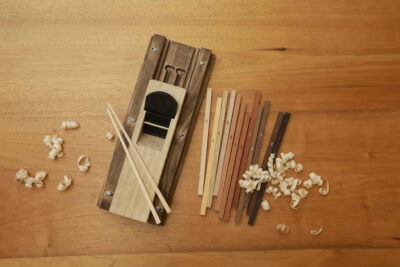
Sushi Making Osaka Roll and Authentic Japanese Sushi Class
Read our review →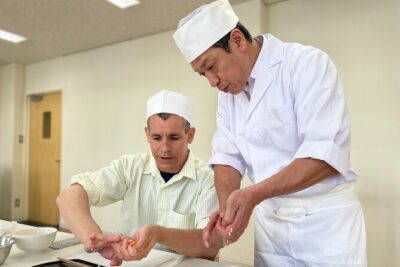
Tokyo Sushi Making Class in Tsukiji with Professional Chef
Read our review →Browse the lists this tour appears in