
Reviewed · WORKSHOPS
Osaka: Sushi Class in Dotonbori
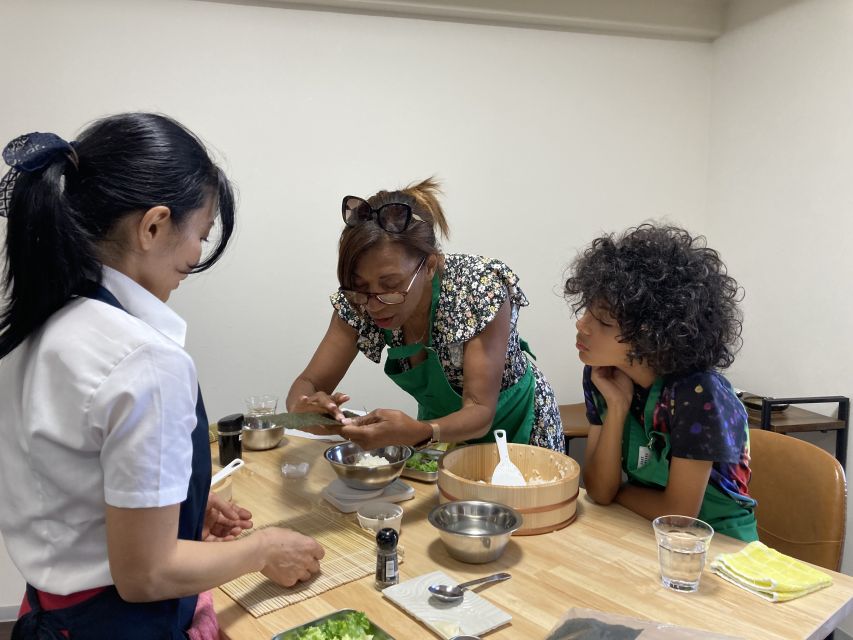
Sushi class can be fun, and this one runs like a mini workshop. You’ll learn three styles, including Osaka’s pressed-square oshizushi, while working in a small group with English guidance.
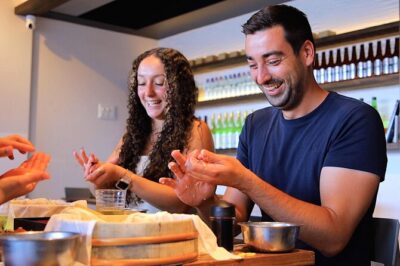
I especially love the hands-on flow, where you go from rice handling to rolling and then to shaping nigiri. I also like how you end up eating what you make, so the value is more than just instruction.
One drawback to consider: the meeting point can be tricky to spot at first, so give yourself a little extra time to find Cooking Sun Osaka, room 202.
Key things that make this class worth your time
- Three sushi styles in 3 hours, so you leave knowing more than one technique
- Oshizushi (Osaka pressed sushi), the Kansai specialty many people miss
- Small group size (8 max), which makes it easier to get corrections fast
- English instruction, with hands-on guidance from instructors like Yoshi, Yoko, Ami, Eriko, and Naomi
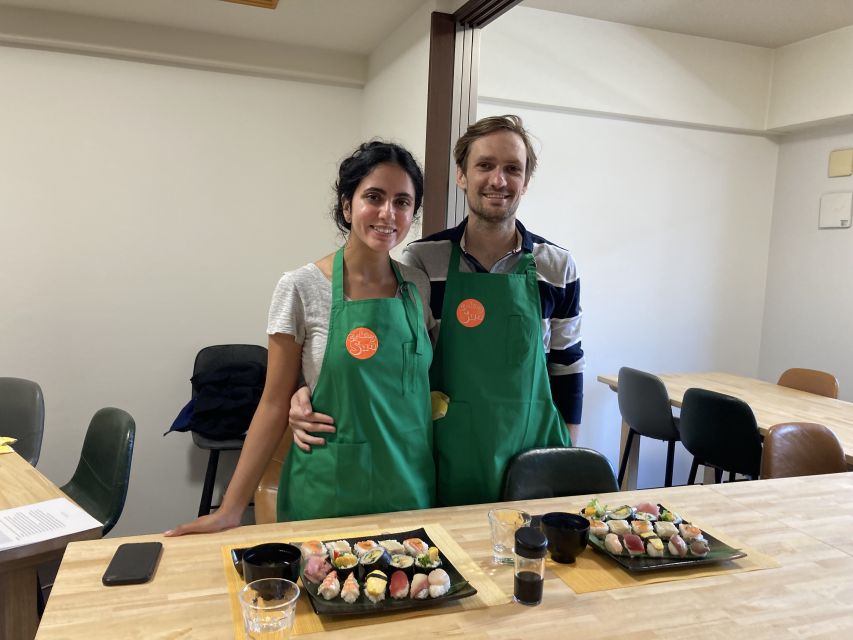
- Big payoff in food, with fresh sushi you actually eat at the end
A 3-Hour Sushi Bootcamp in Dotonbori Area Osaka
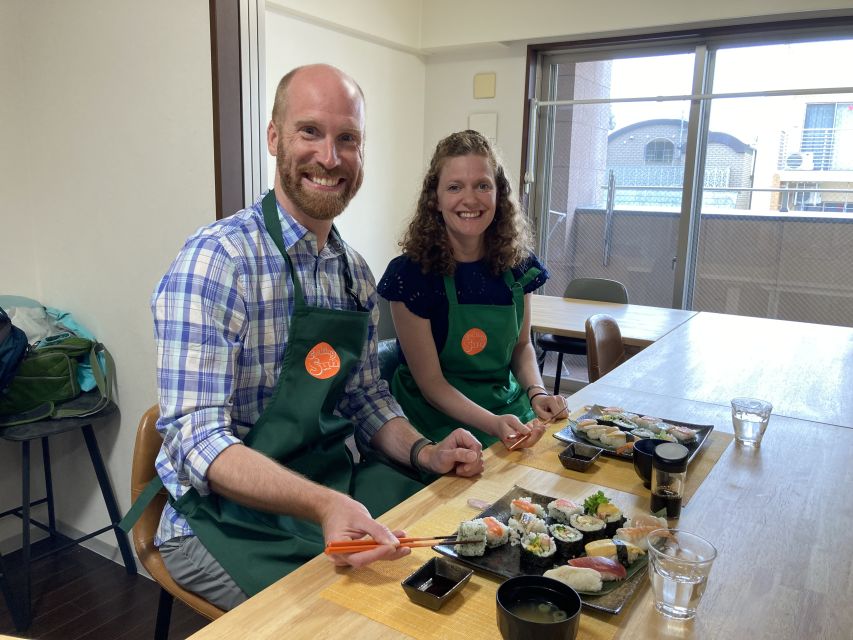
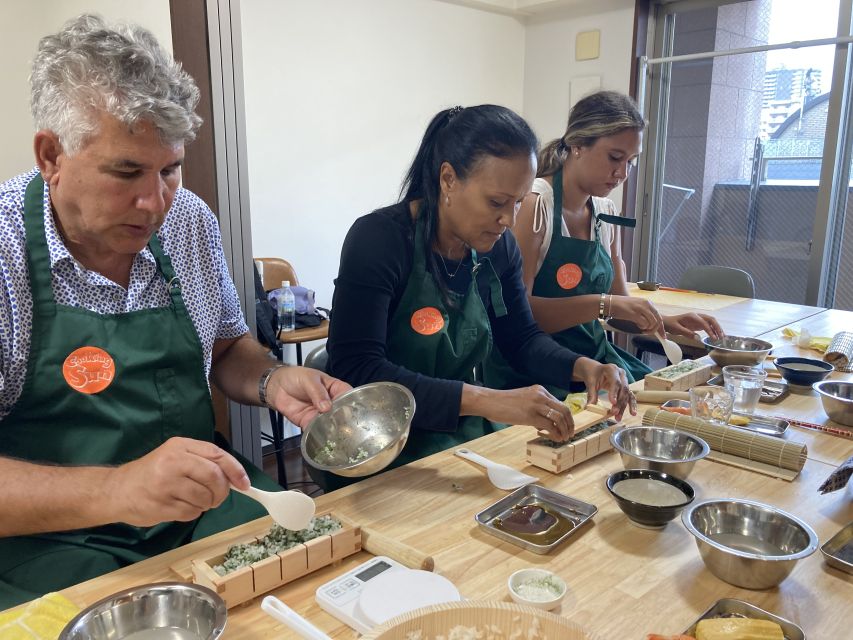
This is a focused sushi class built for real beginners and serious sushi lovers alike. In about 3 hours, you’ll make three distinct types: a salad roll, classic nigiri, and Osaka’s local oshizushi, often called box sushi because of its square shape.
The timing matters. Sushi can look fancy, but it is mostly technique plus attention to texture. You get enough time to practice each method rather than doing a quick demo and calling it a day. And because the group is limited to 8 participants, the instructor can spot small issues early, like rice distribution, nori tightness, or how you press oshizushi so it holds together.
More Sushi Making Classes in Osaka
- Sushi Making Osaka Roll and Authentic Japanese Sushi Class
★ 5.0 · 1,220 reviews - Osaka Sushi Making Experience
★ 5.0 · 400 reviews - Osaka Sushi Making Class – Hands-On Nigiri & Rolls (Same-Day OK)
★ 5.0 · 352 reviews
Where To Meet: Cooking Sun Osaka, Room 202, Call the Entrance
You’ll meet at Cooking Sun Osaka, room 202. When you arrive, press 202 and the call button labeled 呼出 (that is how you alert staff).
This is the part I’d plan for carefully. Even in a city packed with signs, one review notes it can take a bit to locate the place, and a cab driver had trouble finding it. The good news is you’re not left guessing forever. The same feedback also points out a helpful clue: a tree out front can make the location easier to spot once you’re looking for it. Still, I recommend you arrive a few minutes early, then use the call button right away instead of standing around waiting for clarity.
Practical tip: if you’re using a taxi, ask the driver to take you to Cooking Sun Osaka, then go straight to room 202 once you’re at the building. Don’t lose your timing and end up feeling rushed during setup.
What You Learn and Why Each Sushi Type Matters
This class is set up like a skill ladder. Each sushi style trains a different muscle.
1) The salad roll teaches rolling control and how to layer ingredients so the roll stays tight.
2) Nigiri teaches rice plus topping balance, where the goal is shape without crushing the fish or egg.
3) Oshizushi teaches pressing and timing, where the square form is the point and slicing happens right before eating.
You’re not just copying shapes. You’re learning the logic behind how different regions in Japan build sushi for different textures and flavors.
Salad Roll: A Roll That Feels Like Sushi Without Being Intimidating
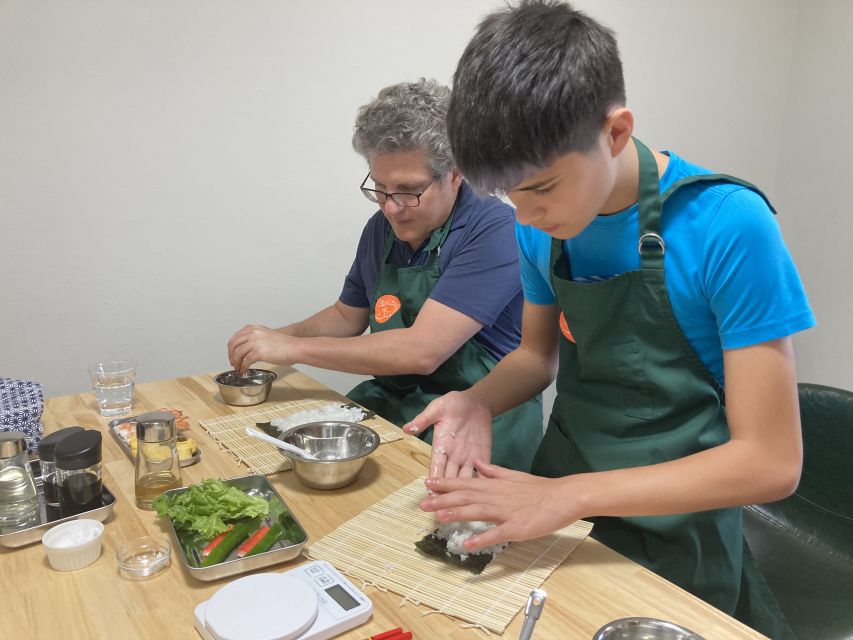
Your salad roll is a great starter because it’s still a real roll, but it gives you multiple things to practice at once: rice handling, nori placement, and filling control.
Here’s what you’ll be making:
- Crab-flavored kamaboko
- Lettuce and cucumber
- Tuna mixed with mayonnaise
- Nori roll with a core of tamagoyaki (egg roll)
That list tells you the lesson. You’re building layers that have different moisture levels. Lettuce and cucumber bring crisp water content, tuna mayo brings richness, and egg adds structure. Done right, the roll stays neat and sliceable. Done wrong, it can get soggy or fall apart.
If you’re new to sushi rolling, focus on spacing. Don’t overload the middle. In a small classroom, you’ll have a chance to adjust while you still have time to learn the correct “amount.” The best rolls look simple, but they’re careful about not choking the nori.
Same corner of Japan, a different kind of day:
- Osaka Go Karting Tour with Funny Costume
★ 5.0 · 2,658 reviews - Osaka Castle: Museum and Tower Entry Ticket
★ 4.5 · 2,380 reviews - Osaka: Shinsekai Food Tour with 13-15 Dishes at 5 Eateries
★ 4.8 · 2,204 reviews - Osaka Food Tour: 13 Dishes at 5 Local Eateries
★ 5.0 · 2,149 reviews
Nigiri: The World-Famous Bite With Real Precision
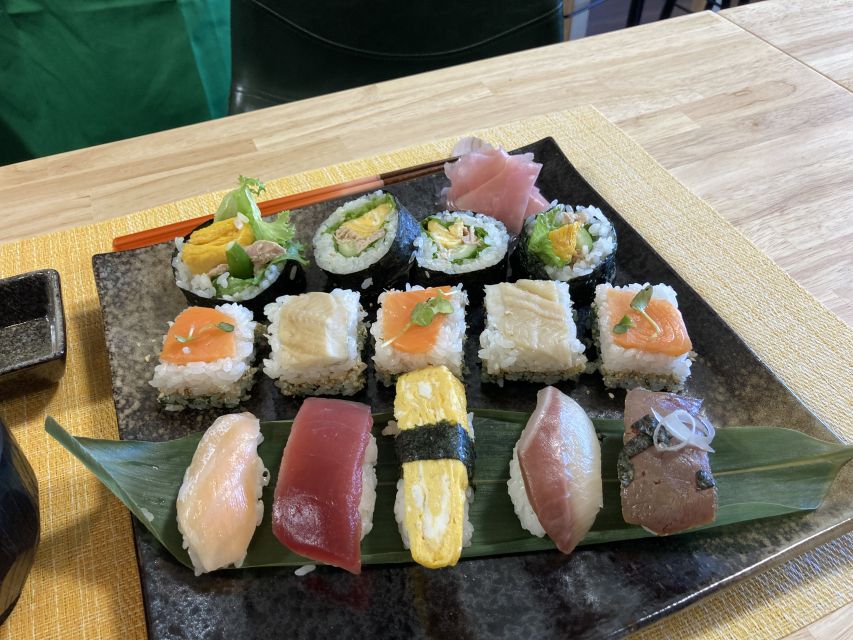
Nigiri is one of Japan’s most representative dishes. The method is elegant: vinegared rice with ingredients placed on top.
In this class, nigiri is taught as:
- Sushi rice shaped into small bites
- Toppings placed directly on top, so each piece looks balanced and eats cleanly
The “challenge” of nigiri is not just handling ingredients. It’s rice pressure. Too firm and it gets dense. Too loose and it won’t support the topping. That’s why nigiri is such a good lesson: it forces you to practice consistency, even if you don’t have a lot of sushi experience.
If you’ve watched nigiri videos online, you know the style can look quick. In real teaching, the instructor can slow the process down and correct your grip and shaping. English instruction helps a lot here. You’ll get clear guidance on how the rice should feel, and how to place the topping without tearing it.
Oshizushi in Osaka: Pressed-Square Box Sushi
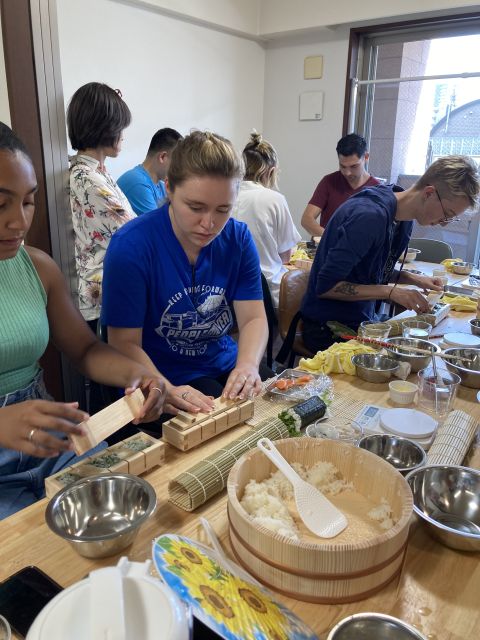
This is the local star. Oshizushi is a traditional sushi style from the Kansai region. Instead of rolling or hand shaping every piece from scratch, you use a square wooden frame. You fill it with sushi rice and toppings, then press the rice so it sticks to the toppings.
Key points from this class:
- Oshizushi is sometimes called box sushi in Osaka
- The finished product is a square
- You cut it into pieces just before eating
Why that matters: oshizushi relies on contact and compression. The pressure is part of the flavor and texture. Press too lightly and the topping can loosen. Press too hard and the rice can become overly compact. That’s why a supervised class is so useful. You get feedback while you’re still learning how much pressure “feels right.”
Also, the square shape is practical. It’s easier to portion than some other styles, and it helps beginners get consistent results without needing advanced knife skills.
The Food You Eat, the Techniques You Keep, and the Value of $67
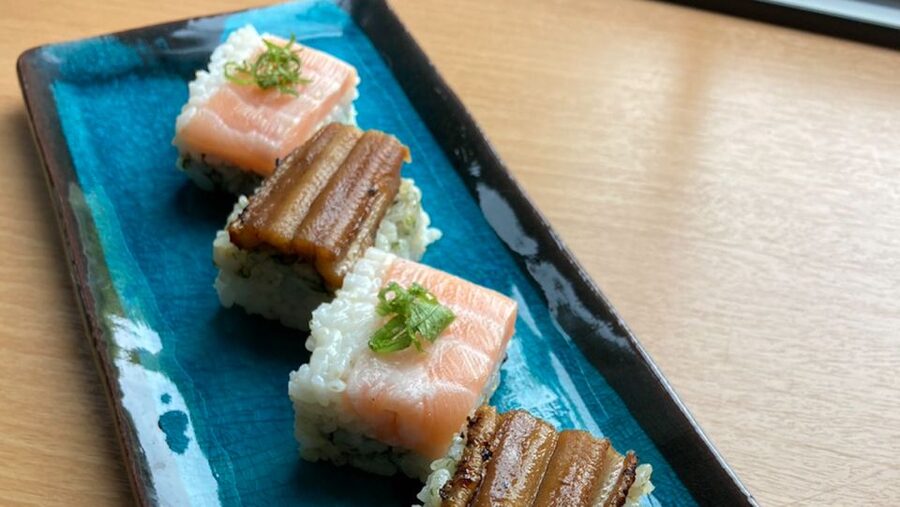
At $67 per person for about 3 hours, this class is good value if you judge it the way a cook would. You’re not just paying for entertainment. You’re paying for ingredient prep, instruction, and the food itself.
Here’s what makes the food end result feel worth it:
- You make three types of sushi, not just one
- Ingredients are provided for the class
- You eat what you make, so you’re not leaving hungry after the lesson
- The class is small, which reduces wasted time and improves instruction quality
In the feedback, people repeatedly emphasize that the sushi is fresh and that the amount is substantial. One person even noted it fed them well after the class. That aligns with the structure: you’ll produce enough pieces to taste each type, not just a single demonstration sample.
If you’re comparing options, I’d weigh this against any “sit and watch” workshop. This one stays hands-on. It’s also a smart way to learn methods you can actually repeat at home, because each sushi style has a clear process.
Small Group Size, Real English Coaching, and Instructor Styles
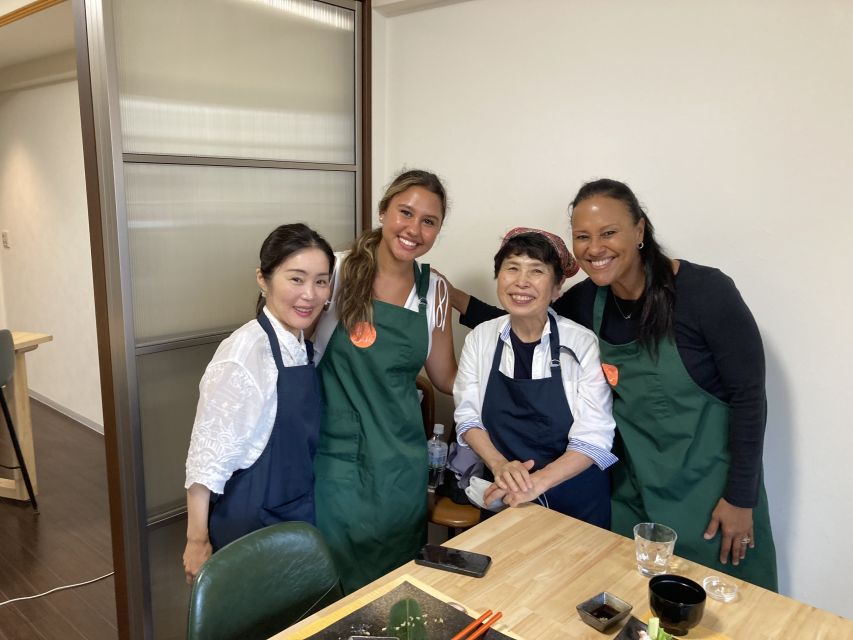
The class caps at 8 participants. That’s a big deal in sushi. Small corrections matter. If your rice is too sticky, too dry, or unevenly spread, it changes everything. If your roll is loose, it unravels at cutting.
You’ll also likely get a more personal experience from the instructor team. Names that come up include Yoshi, Yoko, Ami, Eriko, and Naomi. In multiple accounts, the instructors are described as attentive and interactive, and people highlight how clearly steps are explained.
One practical thing I’d remember: sushi training is part cooking, part cultural context. Some instructors also explain the logic behind Japanese preservation and pickling methods, plus how Japanese food buying and prep works. That makes you smarter in the market too, not just in the kitchen.
Vegetarian and Gluten-Free Needs: Tell Them Before You Start
You should leave a note upon booking for vegetarian option or gluten-free option.
That’s important because sushi ingredients often include hidden gluten sources, like soy sauce or certain seasonings. If you have dietary needs, don’t wait until you show up. Send the note ahead of time so the kitchen can prepare correctly and you can relax during the class.
Who This Osaka Sushi Class Is Best For
This class works especially well if you:
- Want to learn more than one sushi technique in a short window
- Like hands-on cooking, not just tasting
- Are visiting Osaka and want something culture-focused that doesn’t require hours of logistics
- Prefer English instruction and clear step-by-step guidance
- Appreciate regional food, since oshizushi is Kansai-specific
It’s also a solid pick for couples or friends. With a max group size of 8, you won’t feel swallowed by a large crowd. A reviewer even compared it favorably to other cooking classes, noting it was well organized and that the quantity of food was substantial.
Practical Tips Before You Go
A few small moves can make the class smoother:
- Arrive early so you can handle the room 202 call button without stress
- Come hungry. You’re making sushi and eating what you make, and the portions can surprise you
- If you want to buy utensils afterward, plan a little extra time in your day. Some people mention they bought tools after the class
- If you’re hoping to do everything, including fish slicing, don’t count on it. One person wished they had gotten time to slice fish, so the course may focus more on shaping and technique than on knife-heavy steps
Should You Book This Sushi Class in Osaka?
If you like sushi and you want a real skill check, book it. The combination of three sushi styles, English instruction, and a small group size makes it a strong value at $67. You also get a particularly Osaka lesson through oshizushi, which you cannot easily replicate just by eating your way through Dotonbori.
Skip it only if you want a purely sightseeing experience, or if you dislike hands-on cooking activities. Otherwise, this is the kind of class that turns dinner into something you can reproduce later, with techniques that actually make sense when you try them at home.
FAQ
How long is the Osaka Sushi Class?
The class lasts 3 hours.
What types of sushi will I make?
You will make three types: a salad roll, nigiri, and Osaka-style oshizushi (pressed sushi).
Is the class taught in English?
Yes. Instruction is available in English.
How big is the group?
It is a small group limited to 8 participants.
What is included in the price?
All ingredients for sushi making are included.
Where exactly is the meeting point?
You meet at Cooking Sun Osaka, room 202. When you arrive, press 202 and the call button labeled 呼出 at the entrance.
Can I request a vegetarian or gluten-free option?
Yes. You should leave a note upon booking for vegetarian or gluten-free options.
What is the cancellation policy?
Free cancellation is available up to 24 hours in advance for a full refund.
Can I reserve now and pay later?
Yes. You can reserve your spot and pay later.
Fresh options around Osaka
- Osaka : Cooking Class Okonomiyaki & Takoyaki course in Nanba★ 4.9 · 25 reviews
- Traditional Japanese Music show & Experience Tour in Osaka★ 5.0 · 25 reviews
- Osaka: Kimono or Yukata Rental &Photos Service Options★ 4.9 · 25 reviews
- Osaka Half-day E-bike Adventure: Minoh Falls & Katsuoji Temple★ 5.0 · 25 reviews
- 【Family Friendly】Traditional Mochi Pounding Experience★ 5.0 · 26 reviews
- Osaka: PICCADILLY PREMIUM DINNER SHOW&NIGHTCLUB with Tasting★ 5.0 · 26 reviews
- 4/5/6 Hours Private Osaka Tour Designed for Cruise Passengers★ 5.0 · 26 reviews
- Private arrival transfer from Osaka Itami International airport to Kyoto City★ 5.0 · 26 reviews
Workshops, compared.
Sushi Making Tokyo Roll and Authentic Japanese Sushi Class
Read our review →
Roll and Authentic Sushi Making Class in Asakusa
Read our review →
Ramen Cooking Class at Ramen Factory in Kyoto
Read our review →
Sushi Making Class in a Happi Coat near a Famous Spot
Read our review →
Sushi Making Osaka Roll and Authentic Japanese Sushi Class
Read our review →Browse the lists this tour appears in