
Reviewed · WORKSHOPS
Wagashi traditional japanese sweets class
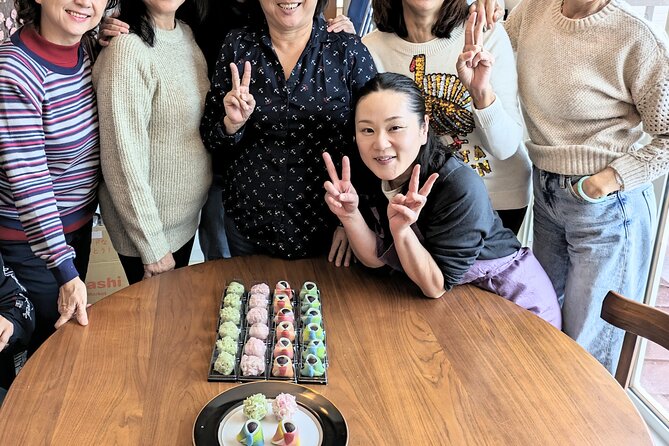
Wagashi making in Sapporo is a rare find. This class with Yuki is held in her own home, far from tourist shortcuts, and you get hands-on practice with Japanese sweets tradition that goes back 1000 years. It is also one of the only wagashi classes in Sapporo, so it feels like a local specialty rather than a generic food tour.
I love the chance to learn nerikiri, one of the most delicate and beautiful wagashi styles, and work on the kind of careful shaping that makes these sweets look like tiny seasonal art. I also love the personal touch, including English support, hot tea served during the lesson, and Yuki’s practical recommendations for what to do in Sapporo after.
One thing to consider is the location. You meet at Makomanai Station and the class takes place outside the city center, so you may spend more time on getting there than you would with an in-town workshop.
Key highlights you will actually care about
- Only Yuki teaches this wagashi class in Sapporo, so you are not just repeating something you could do anywhere
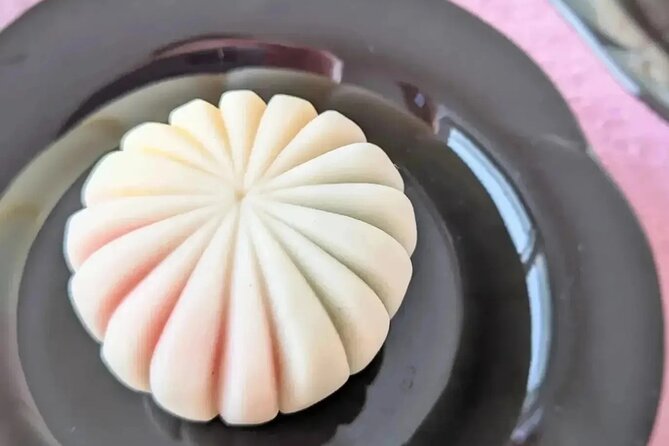
- Nerikiri focus, a detailed wagashi style known for its precision and fine shaping
- Small group size (up to 12), which makes it easier to ask questions and get help at your work station
- Pickup offered from Makomanai Station, plus a calm, home-based setting instead of a busy classroom
- You leave with your finished sweets, packed in containers, after tasting along the way
Why Yuki’s Wagashi Class Feels Like Real Sapporo Living
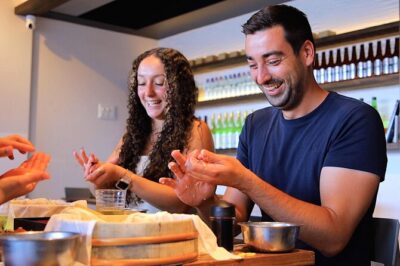
If you want Sapporo in a way that is not just ramen and shopping streets, this class is a strong choice. The lesson happens in Yuki’s own cozy home, and that alone changes the mood. You are not standing in line, you are not sharing a loud room with 30 people, and you are not racing through a scripted experience.
Yuki is also not some faceless instructor. She is known enough that she has appeared on TV, radio, and newspapers multiple times. That matters because her teaching style comes through in the details, like clear step-by-step guidance and a calm atmosphere that helps you focus on the technique rather than panicking about getting it wrong.
And wagashi itself is a big part of why this class works. It is traditional Japanese sweets that are tied to the seasons and designed to look beautiful as well as taste elegant. You are not learning a shortcut dessert. You are learning a craft with a long cultural thread behind it, and it shows in how carefully the class is run.
A few more Sapporo days worth comparing
- Sapporo Bar Hopping Food Tour
★ 5.0 · 232 reviews - Hokkaido Seasonal: Lake Toya & Noboribetsu Jigokudani Valley
★ 4.7 · 173 reviews - Sapporo Private Tour with a Local – Highlights & Hidden Gems
★ 5.0 · 91 reviews
Getting There from Makomanai Station (and Why Pickup Matters)
The meeting point is Makomanai Station in Sapporo, and the activity ends back at the meeting point. That keeps it simple at the end, but the start depends on how you plan your transport.
You will be happy to know pickup is offered, and many participants use it. In practice, pickup turns this from a “how do I get there” problem into a relaxed door-to-door flow. Several people describe the drive from the station as scenic, passing through mountainous regions, and the home area is described as quiet, near a beautiful river.
Still, do plan like it is a suburb lesson, not a downtown activity. If you are staying in central Sapporo and you prefer to spend every hour walking around, this workshop will take you away from the city buzz for a bit. That is not bad, it is just a trade. You get peace and local context in exchange for less downtown time.
The Start of Class: Tea, Calm Attention, and Clean Hands
The class begins with you settling into Yuki’s home setting. People describe it as cozy and homey, not formal or intimidating. You will also be served hot tea, and you may see green tea presented in Japanese teacups. Either way, the drink is not just a welcome. It slows the whole experience down so you can actually pay attention when the wagashi work starts.
Hygiene and organization also come up in the class feedback. That matters for wagashi because you are working with delicate textures like bean paste and precise shapes. When everything stays clean and the station is set up well, you avoid the annoying problems like sticky hands, messy tools, or confusion about what comes next.
If you are traveling with kids or you just want a mellow cultural moment, this tea-and-technique start is a big part of the charm. It is a good reset from busy sightseeing days.
What You Make: Nerikiri Wagashi and the Precision of Seasonal Art
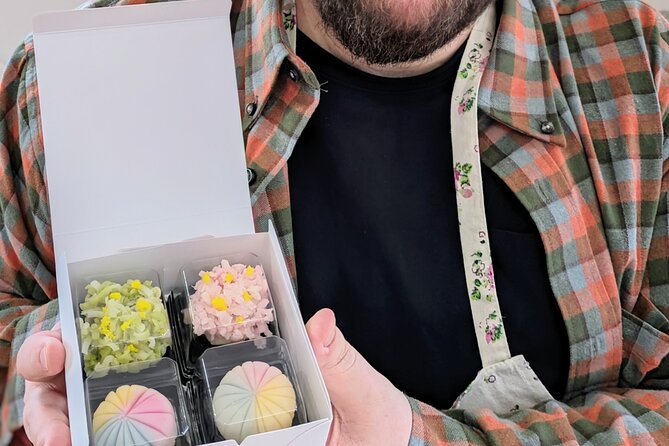
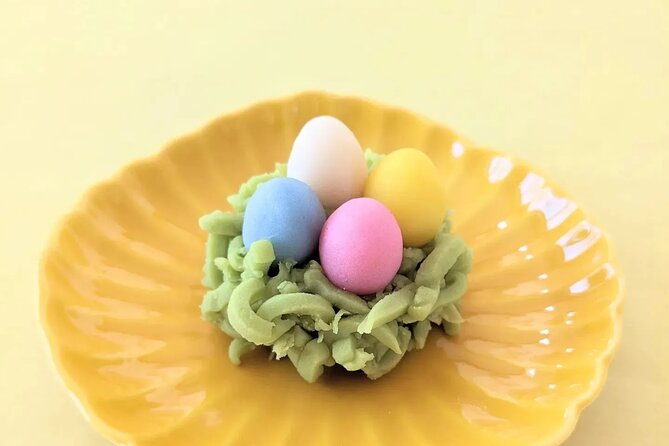
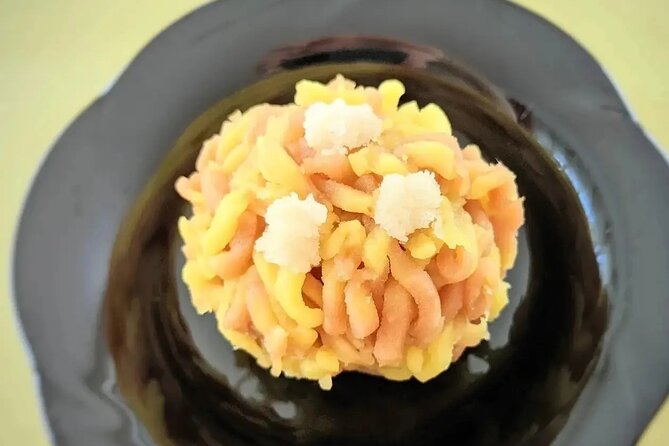
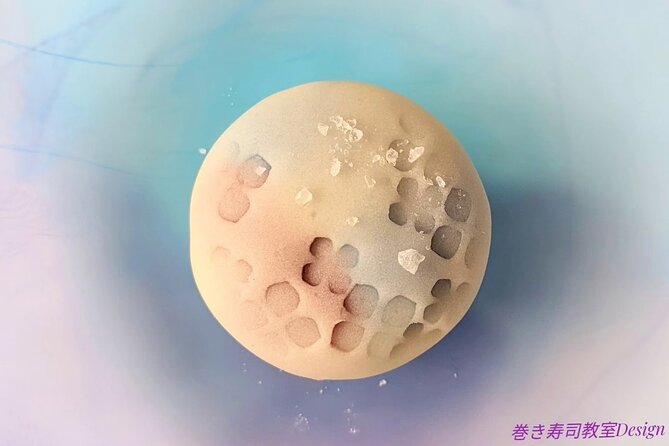
The main sweet you learn is nerikiri. Nerikiri is known for its delicate, beautiful look, and it is popular because it can be shaped into clear seasonal themes. In wagashi, that seasonal connection is a big deal. The color, form, and even the mood of the design often relate to the time of year.
In class, you will learn how to make nerikiri, which means you are working with careful shaping rather than just scooping filling and calling it done. Expect a hands-on technique lesson where you follow Yuki’s instructions at a work station. People mention it can be both fun and challenging, which is exactly what you want from a craft workshop.
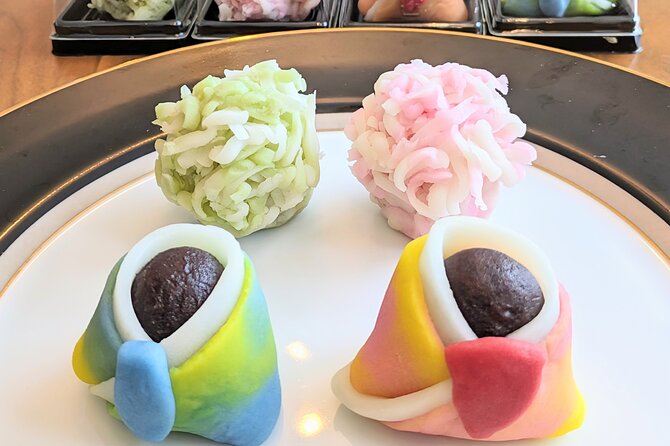
You may also make another wagashi type besides nerikiri. Some class descriptions note that participants make two kinds of sweets and receive multiple pieces of each, but the nerikiri element is the consistent core. Either way, you should come in with the mindset that you are learning technique, not chasing perfect Instagram shapes.
A practical tip for enjoying nerikiri: go slowly. The process rewards patience. If you rush, you usually lose control of texture and form. If you take your time, you end up with sweets that look better and taste great.
Same corner of Japan, a different kind of day:
- Sapporo: Sumo Show Experience with Japanese food & Photo
★ 4.9 · 81 reviews - Popular in SapporoExperience authentic hand-made soba at a real soba shop!
★ 5.0 · 77 reviews - Mondo’s most popular plan! Experience making soba noodles and the king of Japanese cuisine, tempura, in Sapporo!
★ 5.0 · 71 reviews - 【Private Car】Asahiyama Zoo, Blue Pond, Shirahige Falls, Ningle Terrace (from Sapporo)
★ 5.0 · 60 reviews
How the Two-Hour Format Works for Beginners
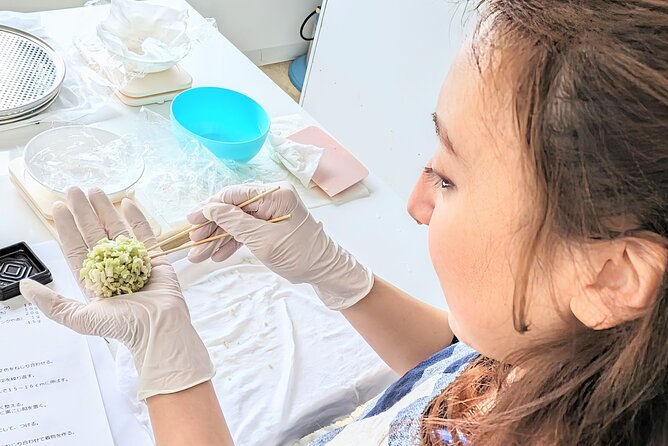
This workshop lasts about two hours. That timeframe is a sweet spot. It is long enough to actually learn a technique and get comfortable with the flow, but short enough that you do not feel trapped in a half-day commitment.
Because the class is limited to a maximum of 12 travelers, you are not lost in a sea of people. You can get individual guidance, especially when you hit the parts that feel tricky, like shaping and handling textures. The small group also helps the atmosphere stay peaceful, which is a theme in the strongest feedback.
English support is also a practical benefit. Yuki is described as speaking English well, and you may receive written English instructions you can keep afterward. That is helpful if you want to repeat the technique later at home without relying on memory.
Tasting Your Wagashi, Then Taking It Home
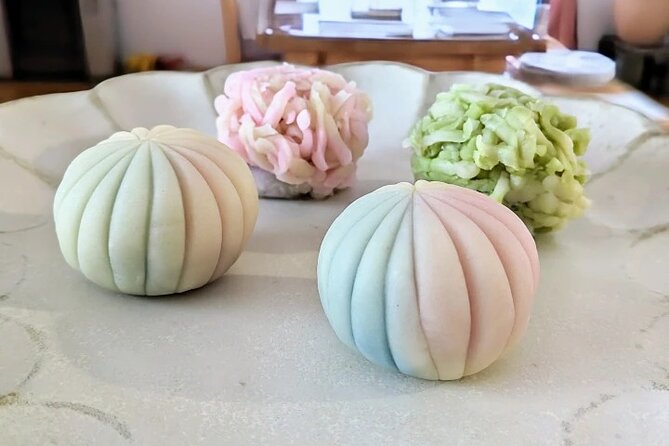
Once your wagashi is shaped, you get to enjoy it. People call out that the sweets are delicious and that they look so good you may hesitate to eat them. That is normal with wagashi. The beauty is not just decoration, it is part of the identity of the sweet.
You will also leave with your finished treats packed in nice containers. That is a smart detail for travelers because it keeps your sweets intact for later, whether you are heading back to your hotel or you want to share them with family before the next day’s plans.
The class also tends to wrap up with a return to the station area, keeping the “what next” part of your day from getting messy.
Sapporo Tips You Can Use Immediately After Class
One of my favorite travel details is when a local teacher gives advice that fits your reality. Yuki does that. Multiple people mention that she offers recommendations for places to see and where to go after the class, including spots that are away from tourist overload.
You might also hear suggestions for food options or an excellent cafe, based on what you like. This is the kind of guidance that is hard to find in standard guides because it is shaped by a real local’s sense of what works.
If you are planning the rest of your Sapporo day, give yourself room after class to follow at least one of those tips. It turns the workshop from a standalone activity into part of a better itinerary.
If You Like Sushi Too: Flower Sushi Roll Is the Nearby Option
Yuki also offers a flower sushi roll class in addition to this wagashi workshop. The info indicates that the sushi class is easier than the Japanese sweets class.
If you are torn between two workshop styles, this is a nice setup because you can choose based on your comfort level. If you want delicate shaping and classic sweets craft, pick wagashi. If you want something visually fun with less hands-on pressure, sushi roll might fit better.
Even if you only do the wagashi class, it helps to know the broader workshop scene here so you can plan your day and avoid scheduling conflicts.
Price and Value: Is $59.31 Worth It?
At $59.31 per person for about two hours, this class sits in the category of experiences that cost more than buying sweets in a store. The key question is what you get for that price, and the answer is mostly “craft time with a real instructor.”
Here is the value math that matters on the ground:
- You learn a specific technique, nerikiri, not just a tasting
- You get tea and conversation during the lesson, which makes it feel like a cultural moment rather than a rushed demo
- You receive clear instruction and, based on feedback, written English notes you can keep
- You leave with multiple pieces of what you made, packed in containers for later
For many travelers, the biggest value is the small-group size and the fact that it takes place in a real home. That makes the class feel personal and calm, and it is exactly the kind of experience you cannot replicate by buying a box of wagashi at a train station.
Who Should Book This Class (and Who Might Not)
This workshop is ideal if you:
- Want a hands-on cultural activity in Sapporo rather than only sightseeing
- Enjoy cooking, crafts, or detailed food work
- Prefer small groups and a calm setting
- Want something English-friendly with clear guidance
It also works as a family activity. Some people describe bringing children who enjoyed shaping and learning along the way.
You might think twice if:
- You want to stay strictly in central Sapporo the whole day. This class is away from the city center.
- You dislike transportation time between your hotel and Makomanai Station.
- You are looking for a quick, low-effort snack experience. This is a technique class, so you will be working with your hands.
Final Call: Should You Book Yuki’s Wagashi Workshop?
If you want a real Sapporo memory that is not just another photo stop, I think you should book this class. The nerikiri instruction, the small-group feel, and the home-based setting make it feel rare and genuinely worth the time. If you take advantage of the pickup and give yourself some buffer for transit, the logistics stop being stressful.
One extra piece of advice: reserve early. The class is popular, and booking tends to happen well in advance. If you are visiting during peak season or on a tight schedule, early booking gives you peace of mind.
If you are the type of traveler who loves learning how something is made, this is your kind of experience.
FAQ
Where is the class located, and where does it start?
The class starts at Makomanai Station in Sapporo, and it ends back at the meeting point.
How long is the wagashi class?
The experience lasts about 2 hours.
Is pickup available?
Yes, pickup is offered.
What sweets will I learn to make?
You will learn how to make nerikiri, which is a traditional and popular Japanese wagashi.
How many people are in the group?
This class has a maximum group size of 12 travelers.
Is there confirmation after booking?
Yes. You receive confirmation within 48 hours of booking, subject to availability.
Is it a mobile ticket?
Yes, a mobile ticket is included.
What is the cancellation policy for a full refund?
You can cancel for a full refund up to 24 hours in advance of the experience start time.
Fresh options around Sapporo
- Sapporo: Furano Lavender & Biei Blue Pond Tour with Lunch★ 4.6 · 13 reviews
- Authentic Sapporo: Nijo Market Seafood Lunch & Local History Tour★ 5.0 · 13 reviews
- Penguin Fun & Snowmobile : Sapporo Winter (Asahiyama Zoo)★ 4.8 · 14 reviews
- Sapporo Highlights: Golden Route Morning Walking Tour★ 4.5 · 14 reviews
- Hokkaido Asahiyama Zoo Ningle Terrace Day trip★ 5.0 · 14 reviews
- Lake Toya and Noboribatsu Hell Valley Private Day Trip★ 5.0 · 15 reviews
- Snowshoe Hike Tour from Sapporo include hotel p/up & drop off★ 5.0 · 16 reviews
- Nopporo Forest Mountain Bike Tour from Sapporo, presenting a retro Cycle cap★ 5.0 · 16 reviews
Workshops, compared.
Sushi Making Tokyo Roll and Authentic Japanese Sushi Class
Read our review →
Roll and Authentic Sushi Making Class in Asakusa
Read our review →
Ramen Cooking Class at Ramen Factory in Kyoto
Read our review →
Sushi Making Class in a Happi Coat near a Famous Spot
Read our review →
Sushi Making Osaka Roll and Authentic Japanese Sushi Class
Read our review →Browse the lists this tour appears in