
Reviewed · SAPPORO & HOKKAIDO TOURS
Popular in SapporoExperience authentic hand-made soba at a real soba shop!
Sapporo gets hands-on, not just sightseeing. You come to a real soba restaurant and work through the full making process, with clear English help and a chef who guides you step by step.
I especially like how practical it is, you mix, knead, stretch, and cut the noodles yourself instead of watching from the sidelines. The second big win for me is the satisfaction factor, you finish by eating your own soba right there in the shop. One drawback to keep in mind: you need to be on time, because the shop runs on a set flow for other groups.
Key highlights to know before you go
- Real soba restaurant setting (not a demo stage), with shop tools used like locals see every day
- Hands-on 100% process: mix, stretch, cut, and sample in one tight session
- English is kept simple, supported by visual cues so you do not get lost in translation
- Chef-guided accuracy with patient help for first-timers and kids
- Optional add-ons like tempura and duck soup can make the meal feel extra complete
Why Hokkaido soba tastes so different
If you care about soba, Hokkaido is the obvious place to learn it. The area is Japan’s number one soba producer, and the local story is pretty straightforward: cold weather helps grow buckwheat, and the region’s clean water supports strong flavor and texture.
That matters because soba is not just about the technique. The dough starts with buckwheat flour, and the quality of the ingredient shows up in the final bite, especially the firm chew and that crisp texture people look for.
A few more Sapporo days worth comparing
- Sapporo Bar Hopping Food Tour
★ 5.0 · 232 reviews - Hokkaido Seasonal: Lake Toya & Noboribetsu Jigokudani Valley
★ 4.7 · 173 reviews - Sapporo Private Tour with a Local – Highlights & Hidden Gems
★ 5.0 · 91 reviews
Enter a working soba shop, not a tourist performance
This experience is built around one idea: you should feel what it is like to make soba the way a restaurant does it. It is not framed as a show, not a casual tasting, and not a lecture with a few photos on the side.
You also get a private setup for your group, so you are not sharing the attention of the chef with a huge crowd. That gives you a better shot at actually doing the steps yourself, even if you are slower with your hands.
English support is kept concise, but it is not just someone talking. The explanations come with visual demonstration, which makes a big difference when you are learning a craft that is heavy on feel. In the reviews, the instructor is described as friendly and patient, and that comes through in how the process is taught: you learn by doing, and small mistakes are part of the learning curve.
The full soba flow: mixing, stretching, cutting, and tasting
The whole session runs about 1 hour and 15 minutes, with around 30 minutes actually spent making noodles. Then you shift into tasting and eating, which is when the work turns into something you can share right away.
Here is what you do, in order:
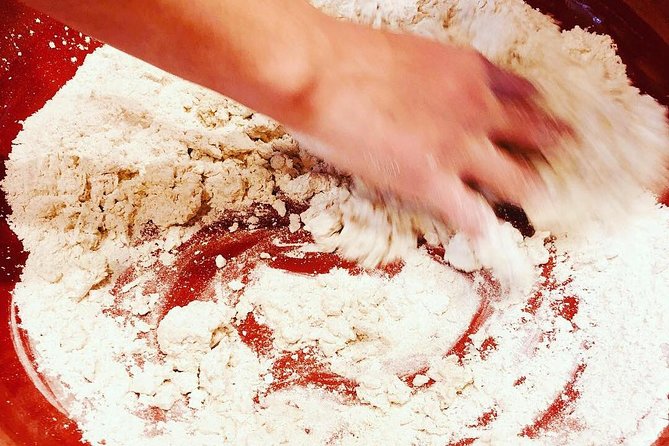
1) Mix buckwheat flour and water
You start with mixing the dough. This is where the experience proves it is not a gimmick. Kneading and stretching depend on getting the dough to the right consistency, and the chef’s guidance helps you avoid the common first-timer problem of overworking it or not bringing it together enough.
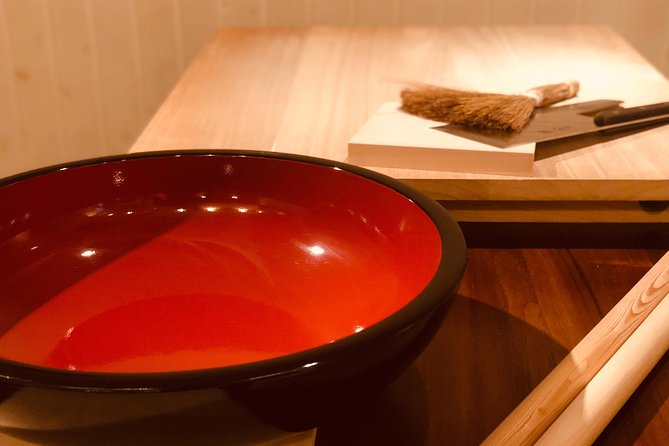
The utensils you use are real ones used in the shop. That is a small detail, but it helps you understand why the method matters. You are not just copying a recipe, you are practicing a workplace routine.
Same corner of Japan, a different kind of day:
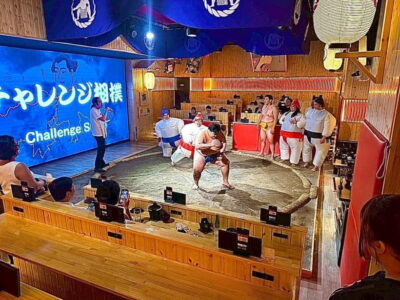
- Sapporo: Sumo Show Experience with Japanese food & Photo
★ 4.9 · 81 reviews - Mondo’s most popular plan! Experience making soba noodles and the king of Japanese cuisine, tempura, in Sapporo!
★ 5.0 · 71 reviews - 【Private Car】Asahiyama Zoo, Blue Pond, Shirahige Falls, Ningle Terrace (from Sapporo)
★ 5.0 · 60 reviews - Sapporo 6hr Private Tour with Government Licensed Guide
★ 5.0 · 57 reviews
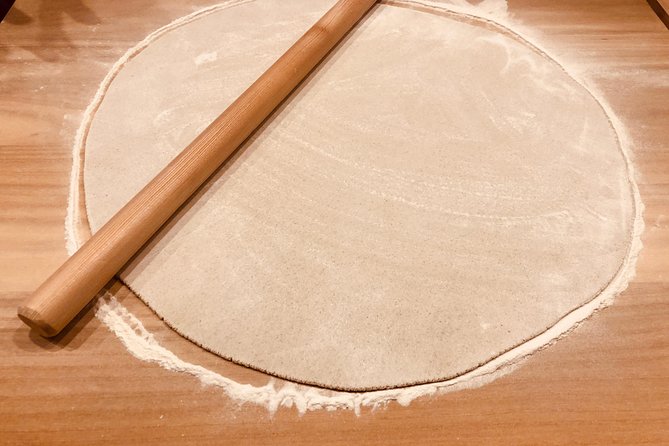
2) Stretch the soba noodles
Next comes stretching. This step is about skill and timing, because the dough needs to move and thin out without tearing. You get guidance while you try, and because the instruction is structured, you are not left guessing what “right” feels like.
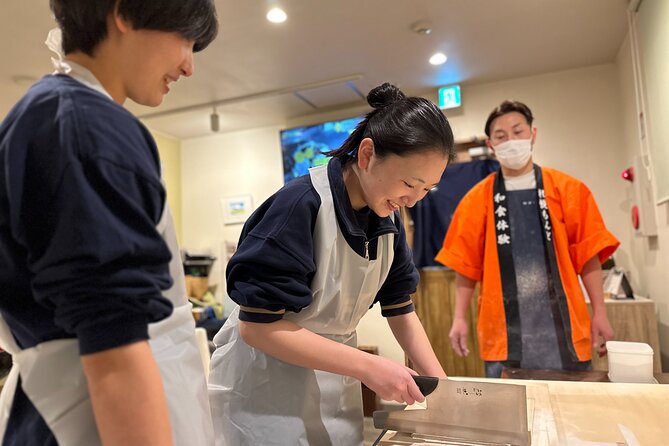
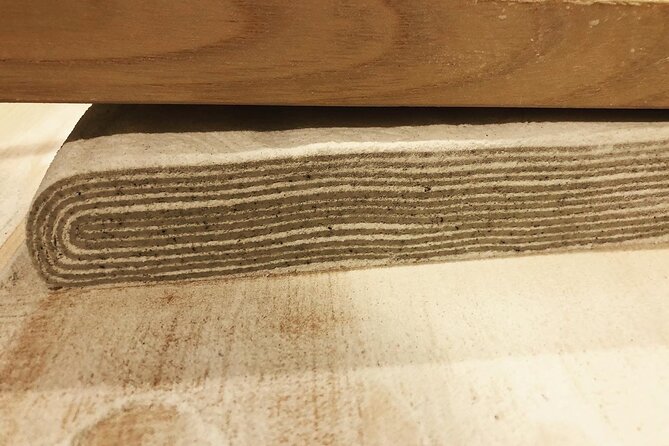
3) Cut the noodles with a kitchen knife
Then you cut the noodles into small pieces. You learn how to handle the knife and what the chef considers a good noodle shape. Even if your cuts are not perfect, the value is that you understand what goes into the texture you usually buy at a restaurant.
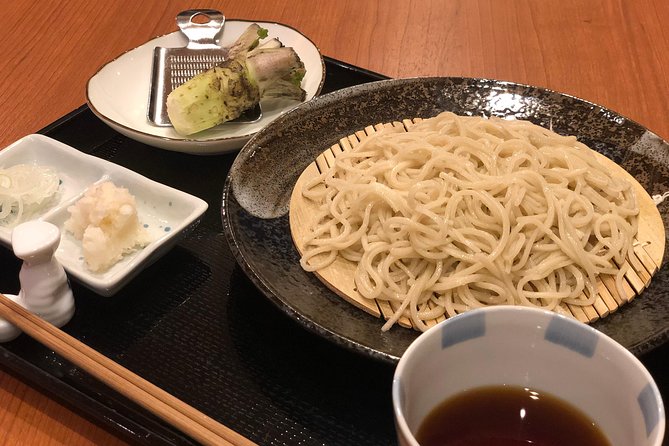
4) Sample your own soba
Finally, you eat what you made. That is the point. Making something is one thing, but tasting it right after, with the chef nearby, turns the experience into a true craft lesson.
In reviews, people repeatedly call out how cool it feels to eat soba made on the spot. That matches the vibe here, you leave with a memory that is tied to a real meal, not just the act of cooking.
What you actually learn about the craft
Even if you have never touched buckwheat dough before, the workshop is designed so novices can participate with confidence. The chef’s job is to keep you moving through the steps while correcting the technique that affects the outcome.
In practical terms, you learn things like:
- How the dough should come together during mixing
- How stretching changes the texture
- How cutting affects the noodles you eat
One review also suggests that some guests wanted a bit more personal background and extra tasting samples before the main tasting. That is a fair consideration if you want a more story-heavy experience. Still, the core focus stays clear: hands-on skills and an honest restaurant meal at the end.
Meal time: your noodles, plus optional tempura and duck soup
After the making part, you get to enjoy your soba noodles. Food at the end is not just a perk, it is part of the learning. You can connect what you did to how the noodles taste and feel.
If you are hungry, look at the extra menu options. Reviews specifically recommend ordering tempura, and some people mention duck soup as a great pair. One common theme is that the tempura feels like a perfect match with soba, especially when you want a warmer, more filling meal after working with your hands.
The workshop experience itself does not require you to bring anything. The shop handles the flour, tools, and the flow, so you can show up and focus on learning.
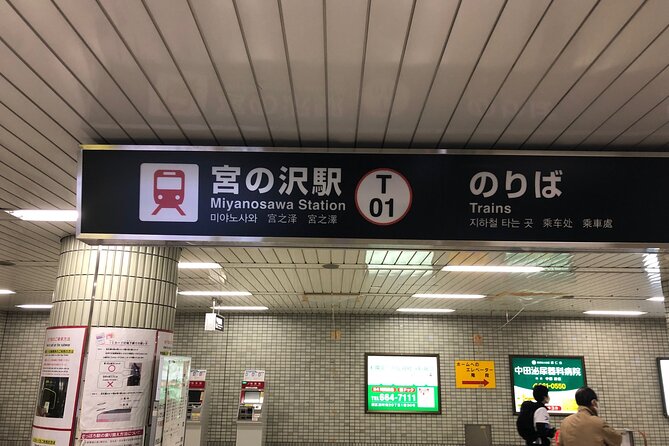
Timing and getting there near Miyazawa Station
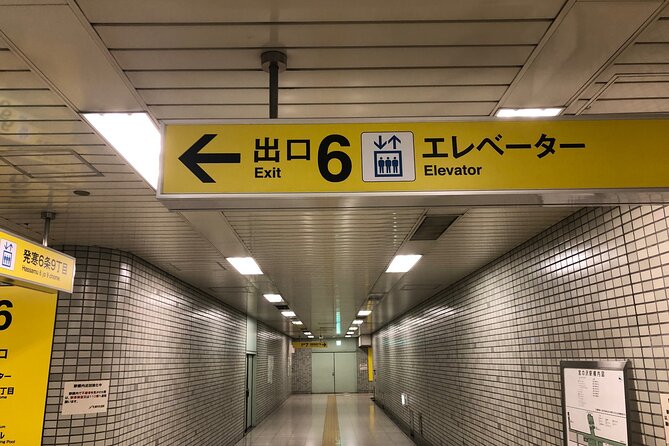
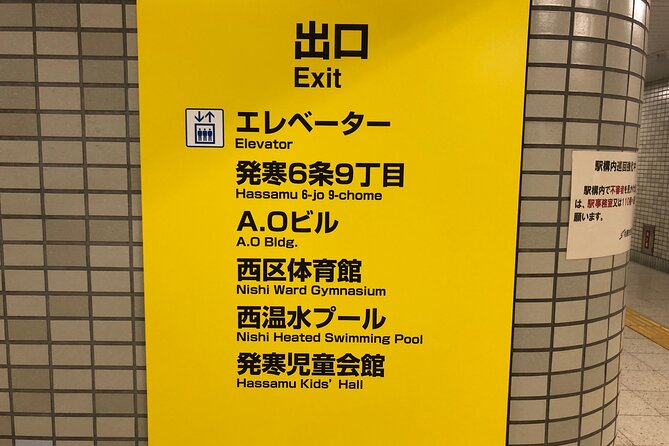
Location matters for anything hands-on, and this one is easy if you plan ahead. The meeting point is in Sapporo, and it is described as a short walk from Miyazawa station on the Tozai line, about 3 to 5 minutes. There are also a few parking spaces in front of the shop, so drivers can manage it too.
What you cannot ignore is start time. The shop warns that if you are late, it can inconvenience other start-time guests, and being unable to arrive before the start time can result in being treated as a no-show. So I suggest giving yourself extra buffer time, especially if you are transferring from another area.
One more practical note: double-check the address details you receive in your booking confirmation. There was at least one case where an address mismatch caused serious trouble for a group, so your best move is to verify before you head out.
Who this Sapporo soba workshop fits best
This is a strong choice if you fall into any of these categories:
- You love food crafts and want to learn by doing, not watching
- You want a more local experience in Sapporo, with a working chef and real shop tools
- You are traveling with family and want an activity that can be fun even on a rainy day
It is also designed to be friendly for kids. The workshop notes that children can participate with confidence as the craftsmen guide you carefully. There is one clear limit: children under 2 years old are free of charge but can only visit.
If your group includes people who are nervous about their ability to cook, this experience is still worth considering. The format is built for first-timers, and the structure helps you follow the process without needing prior skills.
Price and value: is $72.67 worth it?
At $72.67 per person, you are paying for three things at once: the chef’s time, the use of real shop tools and ingredients, and the meal that comes right after you make the noodles.
It is also popular enough that it is typically booked about 29 days in advance, which is a clue that demand is real. The private group setup is another value lever. Even if the group is small, you are not performing the craft alone in a vacuum. You get direct guidance during the steps.
So the best way to think about value is not just cost per hour. It is cost per skill learned plus cost per experience you actually get to taste. The result is the kind of souvenir that does not melt after the photo is done.
Small caveats, plus how to make it better
Here are the only realistic “watch-outs” based on what is known:
- Arrive early: lateness can disrupt the shop’s schedule, and you should plan for it.
- Expect hands-on work: this is not a slow, sightseeing-style class. It is efficient and craft-focused.
- Add-ons can change the meal: if you want a bigger meal, tempura and duck soup are often recommended, and some options cost extra.
- You might want more chef backstory: if you crave a longer personal story or more tasting samples before the main tasting, know that the emphasis here stays on making.
How to get the most out of it? Go in hungry enough to enjoy the tasting and curious enough to ask questions during the steps. The English explanations are concise, but the chef is there to guide you through the practical parts of the craft.
Should you book this soba workshop in Sapporo?
I think you should book it if you want a real, skill-based food experience in Hokkaido. The biggest reason is simple: you do the work and then you eat what you made, in a functioning soba restaurant environment. That combination is hard to beat.
Book it especially if:
- you are already excited about soba and want to understand why good noodles feel the way they do
- you want a rainy-day activity that still feels engaging and different
- you like hands-on travel memories that turn into a shared meal
Skip it if you are looking for a long, story-heavy guided tour or a passive class. This is craftsmanship with a short, purposeful structure. If that sounds like your kind of travel, you will likely come away smiling, with noodles on your mind long after you leave Sapporo.
FAQ
How long does the soba making experience take?
The active soba making time is about 30 minutes. The full experience, including tasting, takes around 1 hour and 15 minutes.
Is this experience private?
Yes. It is a private tour or activity, and only your group participates.
Where is the meeting point?
The experience starts at 9-chōme-17-28 Hassamu 6 Jō, Nishi Ward, Sapporo, Hokkaido 063-0826, Japan. It is also described as about a 3 to 5 minute walk from Miyazawa station on the Tozai line.
Do I need to bring anything or prepare in advance?
No. You do not need anything to bring or prepare.
Can children participate?
Yes. Novices and children can participate with confidence because the chef guides you carefully. Children under 2 years old are free of charge but can only visit.
Can I cancel and get a refund?
Free cancellation is available. You can cancel up to 24 hours in advance for a full refund. If you cancel less than 24 hours before the start time, the amount paid is not refunded.
Fresh options around Sapporo
- Sapporo: Furano Lavender & Biei Blue Pond Tour with Lunch★ 4.6 · 13 reviews
- Authentic Sapporo: Nijo Market Seafood Lunch & Local History Tour★ 5.0 · 13 reviews
- Penguin Fun & Snowmobile : Sapporo Winter (Asahiyama Zoo)★ 4.8 · 14 reviews
- Sapporo Highlights: Golden Route Morning Walking Tour★ 4.5 · 14 reviews
- Hokkaido Asahiyama Zoo Ningle Terrace Day trip★ 5.0 · 14 reviews
- Lake Toya and Noboribatsu Hell Valley Private Day Trip★ 5.0 · 15 reviews
- Snowshoe Hike Tour from Sapporo include hotel p/up & drop off★ 5.0 · 16 reviews
- Nopporo Forest Mountain Bike Tour from Sapporo, presenting a retro Cycle cap★ 5.0 · 16 reviews
Sapporo & Hokkaido Tours, compared.
Hokkaido Seasonal: Lake Toya & Noboribetsu Jigokudani Valley
Read our review →
Sapporo Private Tour with a Local – Highlights & Hidden Gems
Read our review →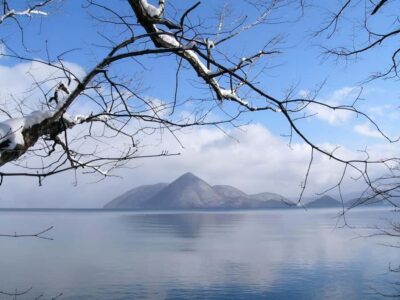
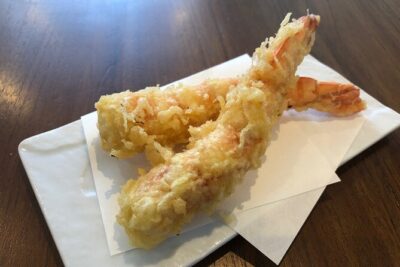
Mondo’s most popular plan! Experience making soba noodles and the king of Japanese cuisine, tempura, in Sapporo!
Read our review →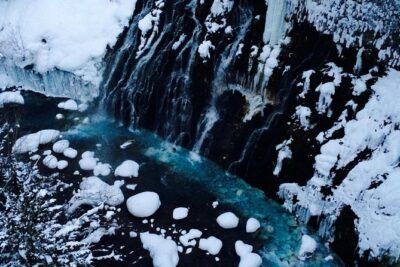
【Private Car】Asahiyama Zoo, Blue Pond, Shirahige Falls, Ningle Terrace (from Sapporo)
Read our review →
Sapporo 6hr Private Tour with Government Licensed Guide
Read our review →Browse the lists this tour appears in