
Reviewed · SAPPORO & HOKKAIDO TOURS
Sapporo: Hokkaido, Noboribetsu and Lake Toya Day Tour
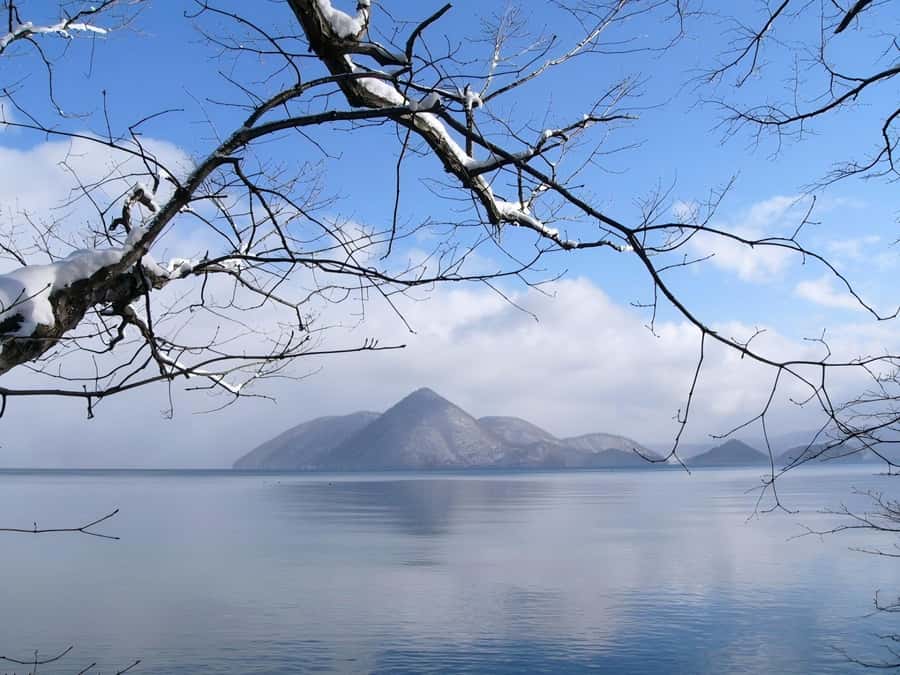
Steam, bears, and lake views in one long day. This Sapporo to Hokkaido loop strings together volcanic steam, a cliffside lighthouse, and big water views in a single guided bus day. If you like getting your bearings fast in Hokkaido, this one has a lot going for it.
I love the Noboribetsu Hell Valley start, with geothermal steam, sulfur smell, and easy-to-walk trails that make the geology feel real. I also like the Cape Chikyu stop, where the Ainu-rooted cliff name, the lighthouse perched high above the Pacific, and the birdy coastline turn a quick photo stop into something more memorable.
One consideration: the schedule can feel tight. With a bus day packed with major viewpoints, you might get fewer unhurried moments than you’d like, and the guide narration can lean into sales or shopping time depending on the group.
Key things I’d bet you’ll care about
- Volcanic walking at Noboribetsu Hell Valley: steam, sulfur, and well-kept paths close up.
- Cape Chikyu lighthouse views: 131 meters above sea level, with far-reaching visibility on clear days.
- Showa Shinzan Bear Farm reality check: about 100 Hokkaido brown bears, often with feeding and close viewing, but not everyone loves the setup.
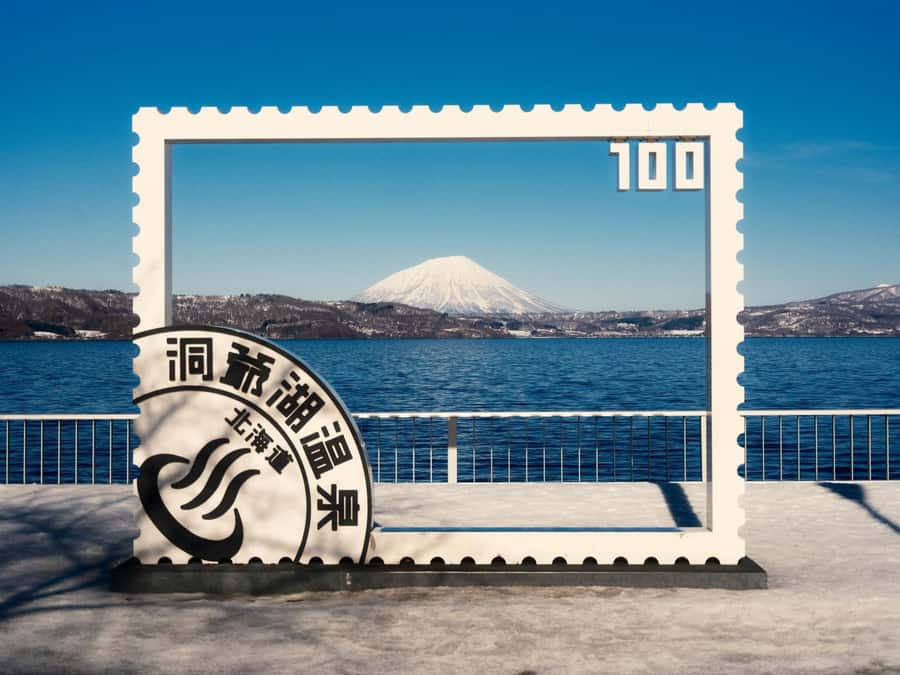
- Lake Toya free time that actually matters: lunch on your own, plus a chance to stroll by the lake.
- Lake Shikotsu’s “won’t freeze” lake logic: a deep lake with strong seasonal scenery and bird interest.
- Seasonal route changes: winter versions can swap in different viewpoints and even shopping time.
Price and value for a one-day bus swing
At $66 per person, this is priced like a classic Hokkaido “hit the highlights” day. You do not just buy a ride, though, because you get a tour bus plus a guide included. That matters in Hokkaido, where distances can feel stubborn and public transit can eat time.
That said, you’ll want to budget for what’s not included. Tickets for the Usuzan Ropeway and Showa Shinzan Bear Ranch admission are not included, and lunch is also on you. Because those add-ons can change the final cost, I think of this tour as good value if you plan to eat lunch locally at Lake Toya and you’re comfortable paying entrance fees for the key attractions.
The overall customer score is solid, 4.1 out of 5 across 88 reviews. The pattern behind that: people who came for a fast overview and a friendly guide tended to rate it well, while people who wanted long breaks and lots of in-depth storytelling were less happy.
A few more Sapporo & Hokkaido days worth comparing
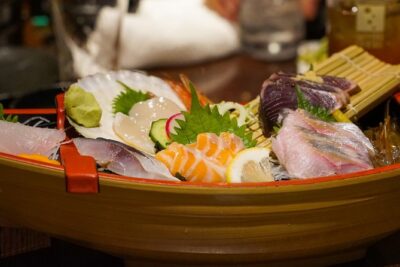
- Sapporo Bar Hopping Food Tour
★ 5.0 · 232 reviews - Hokkaido Seasonal: Lake Toya & Noboribetsu Jigokudani Valley
★ 4.7 · 173 reviews - Sapporo Private Tour with a Local – Highlights & Hidden Gems
★ 5.0 · 91 reviews
How the day feels: packed, scenic, and built for momentum
This is a full day out of Sapporo. You’ll move through several major stops that each give you a different “Hokkaido flavor,” from sulfur steam to ocean cliff air to lake-town downtime.
That design is great if you have limited time and want to see multiple icons without driving. It can be less great if you prefer slow travel, long walks without a clock, or deep cultural context at each place. The upside is you end the day with a mental map of the region. The downside is that quiet moments can be brief.
Also note the tour is not tailored to everyone. It is not suitable for pregnant women, for people over 75, or for babies under 1 year. If you need extra flexibility for mobility or fatigue, you may want to compare this to a shorter or more relaxed option.
Noboribetsu Hell Valley: steam, trails, and instant atmosphere
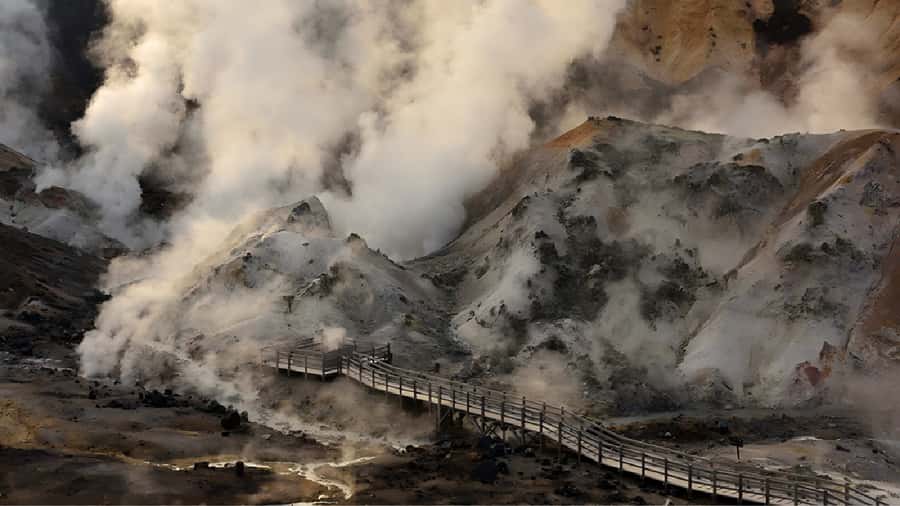
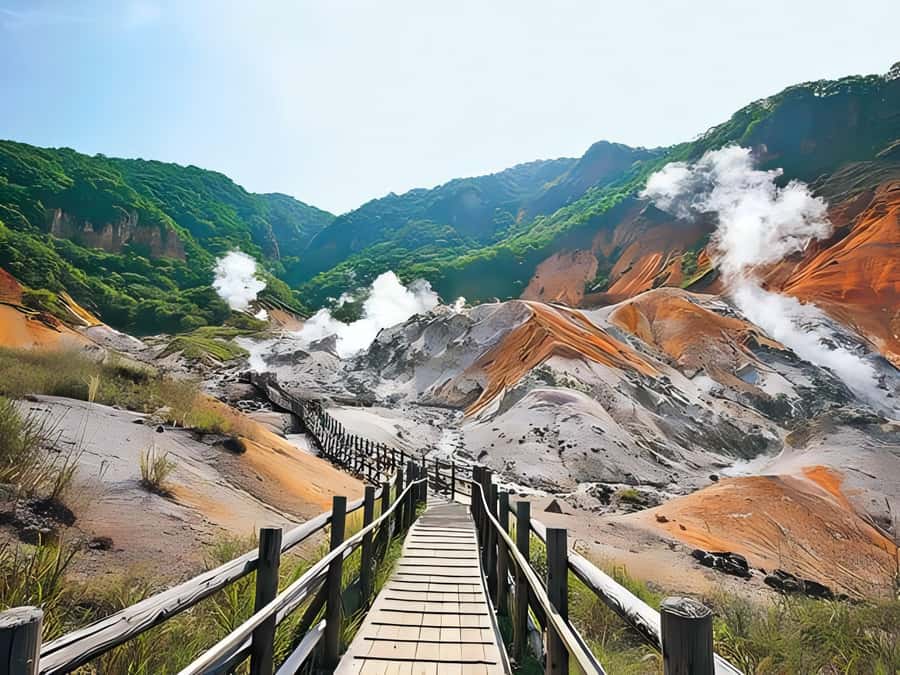
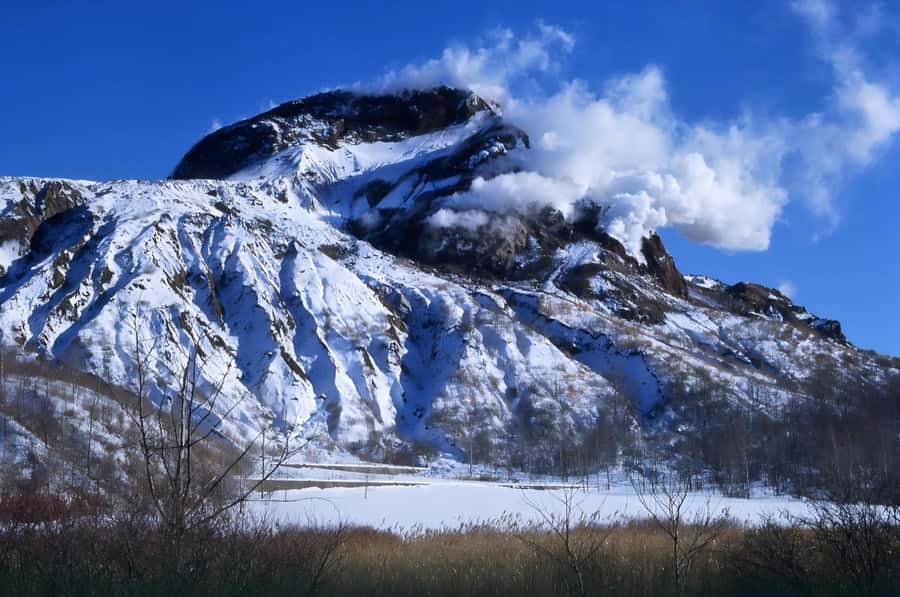
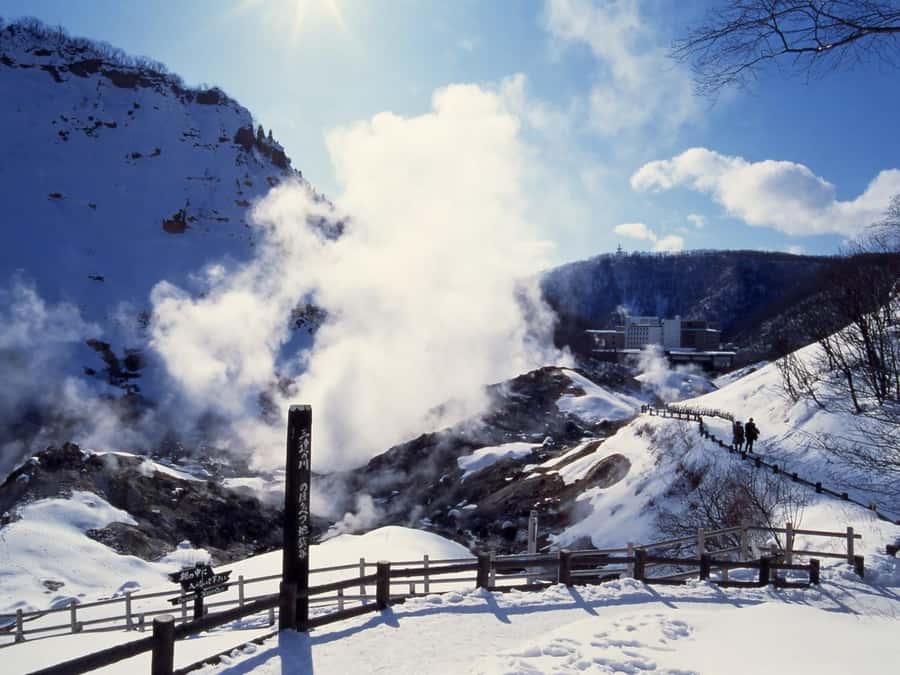
Your first big stop is Noboribetsu Hell Valley, a dramatic volcanic crater shaped by geothermal activity. This is the kind of place where you don’t just look, you notice it: rising steam, sulfur smell, and hot-earth energy right under your feet.
What I like about this start is that it’s visually loud and easy to understand without needing a lot of background. You can walk along well-maintained trails and get close-up views of the forces that shaped the area. It’s also a strong opener because it wakes up the senses immediately, before the day becomes a chain of viewpoints.
Practical tip: wear comfortable shoes. The ground and paths are made for visitors, but you’ll still want traction and support for a longer day.
Cape Chikyu (Earth Cape): a cliff called by Ainu roots
Next comes Cape Chikyu, known for cliffside Pacific views. The name has Ainu roots, tied to the word for cliff, which gives the stop a little extra meaning beyond the obvious scenery.
The lighthouse here is a star attraction. It sits 131 meters above sea level, and its light can be visible up to 44 kilometers away. On a clear day, the height and exposure make the ocean feel huge.
One more detail that elevates the experience: the area is habitat for birds such as peregrine falcons and sits on migratory routes. Even if you’re not a hardcore birdwatcher, it’s the kind of place where you might notice motion in the sky.
If you’re visiting for photos, come prepared for quick framing. Cliff viewpoints are often timed to the group and the wider schedule.
Same corner of Japan, a different kind of day:
- Sapporo: Sumo Show Experience with Japanese food & Photo
★ 4.9 · 81 reviews - Popular in SapporoExperience authentic hand-made soba at a real soba shop!
★ 5.0 · 77 reviews - Mondo’s most popular plan! Experience making soba noodles and the king of Japanese cuisine, tempura, in Sapporo!
★ 5.0 · 71 reviews - 【Private Car】Asahiyama Zoo, Blue Pond, Shirahige Falls, Ningle Terrace (from Sapporo)
★ 5.0 · 60 reviews
Showa Shinzan Bear Farm: close viewing, big responsibility, mixed feelings
Showa Shinzan Bear Farm is where the day turns from views to wildlife. It’s home to around 100 Hokkaido brown bears, and visitors can enjoy feeding and observing them up close.
This stop can be a highlight because it feels immediate and real, not like a distant zoo exhibit. Watching powerful animals up close can also be surprisingly comical, depending on the bears’ mood and behavior.
Still, I want to give you a fair heads-up. Animal viewing setups can land differently depending on your comfort level. One negative theme I’d pay attention to is criticism of the bear enclosure setup. So if you are strongly sensitive about animal welfare or you hate the idea of feeding wild-type animals for entertainment, this is the point where you should think twice before booking.
Lake Toya Hot Spring Town: lunch freedom and easy lake calm

After the wildlife stop, you get time at Lake Toya Hot Spring Town with free time for lunch. That’s a real advantage in a bus tour like this, because it lets you choose what you actually want to eat instead of being locked into one meal style.
The area has many local restaurants focused on Hokkaido specialties. If you want a hot dish in cool weather, or something comforting and simple, this is usually the kind of place where you can do that without much planning.
Lake Toya also gives you space for a low-effort stroll. During winter, there are free foot baths by the lakeside, which is a practical perk when the air is sharp and your feet need a reset. Even if it’s not winter when you go, the lake area is a good spot to slow down for 20 to 40 minutes and just look out.
Lake Shikotsu: the deep lake that never freezes (and why that matters)
Your final major stop is Lake Shikotsu, located in western Chitose and part of Shikotsu-Toya National Park. This lake is special for several reasons.
First, the numbers are impressive. It has an average depth of 265 meters, and it’s Japan’s second-deepest lake. It’s also described as the northernmost lake that never freezes, even in winter. That makes it a consistent environmental stage year-round.
Second, it changes with the seasons in ways you can actually see. In summer, it becomes a habitat for migratory birds and a hotspot for birdwatching. In autumn, the area is known for vivid foliage and sunsets over the lake, which makes it a strong photography stop.
If you care about light and timing, aim to be ready when you arrive at this last location. Late-day sun can be your best friend, but bus schedules mean you might not get a long waiting window.
Guides and language: when narration helps, when it drifts
This tour runs with guides in English and Japanese. In practice, how much you understand can depend on the group and which guide is assigned.
One name that shows up in feedback is Lisa. In at least one case, she was described as speaking English well and guiding the day smoothly. In other feedback connected to English comprehension, the narration could skew shorter in English and support might depend on the guide’s main language.
Here’s the practical takeaway: if you want deep, detailed commentary, don’t count on a long lecture at every stop. Treat this as a scenic overview with helpful context. If you want lots of Q and A, be ready that time is limited and the bus schedule moves fast.
Timing reality check: the tradeoff for seeing more
The most common complaint pattern is not about the destinations, it’s about time. The day can involve long bus stretches between highlights, and your time at each place can be short.
That doesn’t necessarily mean the tour is poorly run. It just means the whole product is built around maximum coverage. If you only have one day and you want to tick off several iconic sites, that’s exactly the right structure. If you want half a day at one place, with unhurried wandering and repeated viewpoints, this one may feel like “one photo and go.”
A smart way to make this work is to set your goal before you board:
- If your goal is a fast mental map of Hokkaido, you’ll likely feel satisfied.
- If your goal is slow travel and lots of time for details, you may wish you’d booked fewer stops.
Seasonal variations: winter adds different sights and sometimes shopping
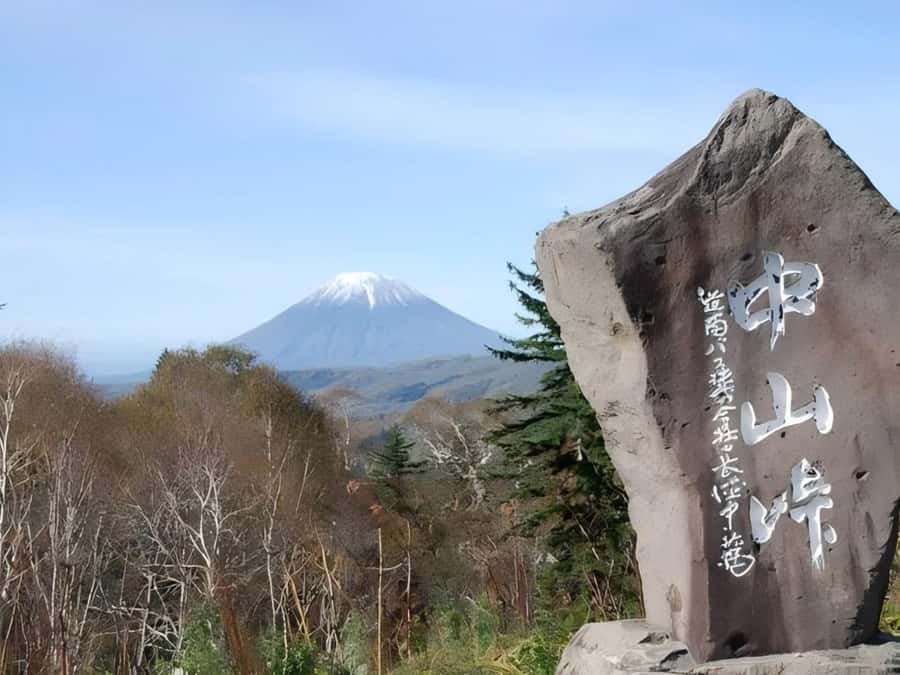
A key detail: the route can change with the season. In winter, the tour description points to options such as driving through snowy Nakayama Pass, viewing Lake Toya from Silo Observatory, strolling Toya Onsen Town, and finishing with shopping time at Mitsui Outlet Park Kitahiroshima.
In other words, what you get can vary depending on when you travel. So if Lake Toya viewpoint stops and shopping time matter to you, consider aligning your travel month with the version that includes those moments.
Also, winter means you should plan for cold. Bring warm layers under your comfortable clothing. If your shoes aren’t good for cold pavement, you’ll feel it by mid-afternoon.
What to bring and what to skip for an easier day
Bring comfortable shoes and comfortable clothes. Cash is specifically recommended, which is usually important for lunch and any optional or excluded admissions.
Follow the vehicle rules too. Smoking is not allowed on the bus, and alcohol and drugs are not allowed. You also can’t bring food and drinks in the vehicle. That’s worth remembering if you’re the kind of person who snacks between stops.
Who this tour fits best, and who should pass
This day trip is a strong match for:
- First-time visitors to Sapporo who want a guided overview of major Hokkaido stops in one day
- People who like scenery and short walks more than museum-style pacing
- Travelers who are okay paying separate admission and buying lunch on the ground
You might want to skip or choose something else if:
- You dislike rushed schedules and want long breaks at each location
- You’re sensitive to animal viewing setup and feeding experiences
- You need mobility-friendly timing and longer rests (the tour is not suitable for certain age and health categories)
Should you book the Sapporo, Hokkaido, Noboribetsu and Lake Toya Day Tour?
I’d book it if you have one day and you want a guided route that hits Hell Valley, Cape Chikyu, Lake Toya, and Lake Shikotsu without the stress of driving. At $66 with a bus and guide included, it’s good value for the coverage, as long as you accept that the day runs on momentum.
Skip it if you want lots of quiet time, deep commentary, or slow wandering at a single place. Also think carefully about the bear stop if animal welfare concerns are a deal-breaker for you.
If you’re on the fence, do this simple math in your head: compare the total day cost you expect, including lunch and any tickets you’ll pay separately, against the convenience of not arranging transport yourself. If that convenience is worth it to you, you’ll probably feel satisfied by the end of the day.
FAQ
What places does the tour visit?
The tour includes visits to Noboribetsu Hell Valley, Cape Chikyu, Showa Shinzan Bear Farm, Lake Toya Hot Spring Town for free time for lunch, and Lake Shikotsu. The exact route can change with the seasons.
Is lunch included?
No. Lunch is not included. You get free time for lunch at Lake Toya Hot Spring Town.
Are entrance tickets for the Usuzan Ropeway and the bear ranch included?
No. Usuzan Ropeway and Showa Shinzan Bear Ranch admission tickets are not included.
What is included in the price?
The tour price includes the tour bus and the guide.
What languages are the tours offered in?
Tours are available in English and Japanese.
What should I bring with me?
You should bring comfortable shoes and comfortable clothes, and cash.
Can I smoke, drink alcohol, or bring drugs on the bus?
No. Smoking in the vehicle is not allowed, and alcohol and drugs are not allowed.
Is the tour suitable for pregnant women or seniors?
No. It is not suitable for pregnant women, and it is also not suitable for people over 75.
Do I need to contact the guide in advance?
No. The guide will not contact you in advance, so you need to arrive at the designated meeting place within the reservation time.
Can I pay later or reserve without paying right away?
Yes. The experience offers a reserve & pay later option, so you can book your spot and pay nothing today.
What is the cancellation policy?
You can cancel up to 24 hours in advance for a full refund.
Fresh options around Sapporo & Hokkaido
- Sapporo: Furano Lavender & Biei Blue Pond Tour with Lunch★ 4.6 · 13 reviews
- Authentic Sapporo: Nijo Market Seafood Lunch & Local History Tour★ 5.0 · 13 reviews
- Half Day – Snow View Rafting in Niseko★ 5.0 · 13 reviews
- From Sapporo: Private Day Trip to Otaru★ 4.8 · 13 reviews
- Sea Kayaking Tour – Otaru Coastal Adventure★ 5.0 · 13 reviews
- Penguin Fun & Snowmobile : Sapporo Winter (Asahiyama Zoo)★ 4.8 · 14 reviews
- 3.5hours Primeval Forest Snowshoe hike and Wildlife Watching Tour★ 5.0 · 14 reviews
- Sapporo Highlights: Golden Route Morning Walking Tour★ 4.5 · 14 reviews
Sapporo & Hokkaido Tours, compared.
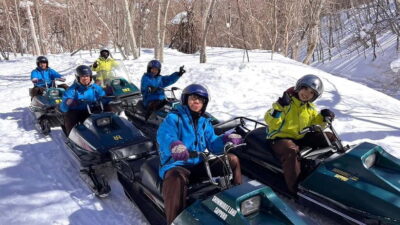
Hokkaido Seasonal: Lake Toya & Noboribetsu Jigokudani Valley
Read our review →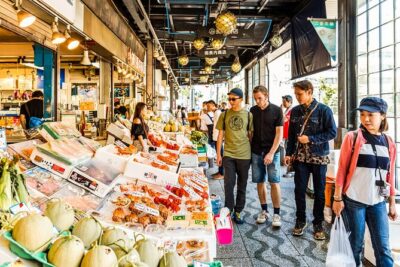
Sapporo Private Tour with a Local – Highlights & Hidden Gems
Read our review →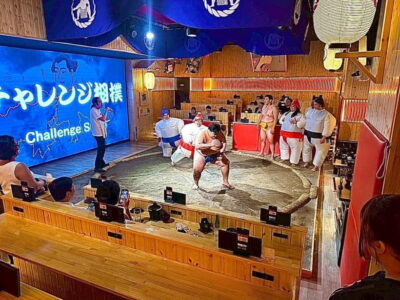
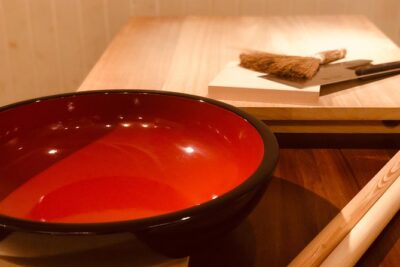
Popular in SapporoExperience authentic hand-made soba at a real soba shop!
Read our review →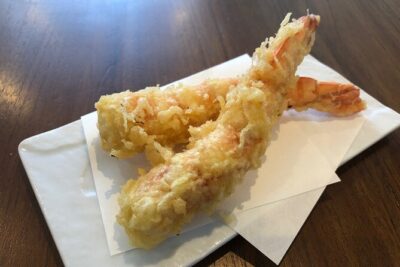
Mondo’s most popular plan! Experience making soba noodles and the king of Japanese cuisine, tempura, in Sapporo!
Read our review →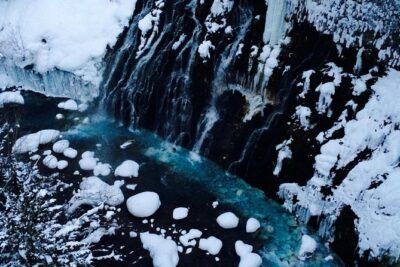
【Private Car】Asahiyama Zoo, Blue Pond, Shirahige Falls, Ningle Terrace (from Sapporo)
Read our review →
Sapporo 6hr Private Tour with Government Licensed Guide
Read our review →Browse the lists this tour appears in