
Reviewed · WORKSHOPS
Traditional Japanese Knife Sharpening Class
Japanese knife sharpening turns craft into a skill you can use. I love the fact that this is hands-on, not just watching, and that it stays small-group so you get real guidance. The class also teaches you the why behind the edge, from basic sharpening theory to how different steels behave.
The second thing I like is that you are not forced to hunt down tools first. You use provided whetstones in multiple grits, then you sharpen a blade yourself and leave with a freshly sharpened knife you can actually cook with. One possible drawback: the session is only about 2 hours, so if you are starting from zero, you will leave with a good foundation, not mastery of every technique.
Key highlights to look for
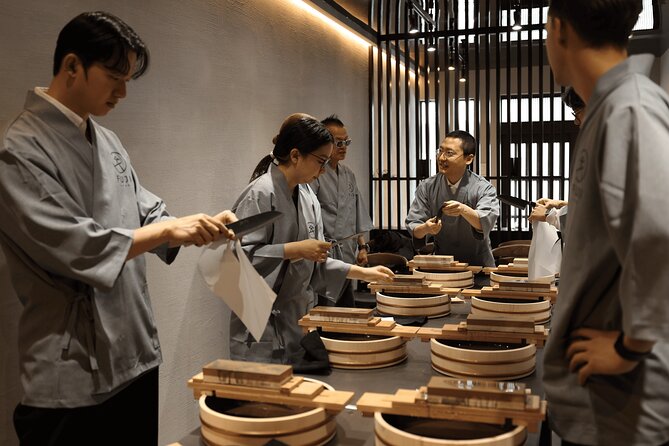
- Small-group instruction up to 6 people, so your questions do not get lost
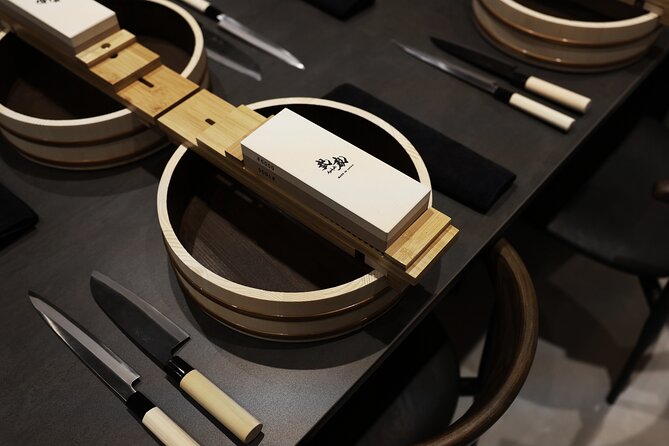
- No need to bring equipment, whetstones and tools are provided
- Learn with multiple whetstone grits, so you understand how edges change
- Traditional sharpening theory plus hands-on practice, not just one or the other
- You take home the knife you sharpen, a useful souvenir
More than a neat souvenir, this is a real kitchen skill
A Japanese chef can tell you a story about the knife long before the food hits the pan. Edge geometry, stone choice, and even how you hold the blade all change how the knife performs. This class takes the mystery out of the process. You are not guessing, and you are not paying for a show. You are learning a method you can repeat at home.
The best part is how quickly you see cause and effect. When you start with a dull knife, then finish with a crisp edge, the difference is obvious. One of the instructors used a great teaching approach, starting with a blade that struggles even with paper, then bringing it to an edge that slices through thin rolled paper while standing upright. That kind of before-and-after makes the whole lesson click.
And yes, the knife you take home matters. It is not just a photo op. You get something you can put to work the next day, whether you cook often or you want a reliable tool for weekend meal prep.
A few more Tokyo days worth comparing
- Mt Fuji and Hakone 1-Day Bus Tour Return by Bullet Train
★ 5.0 · 26,383 reviews - 1-Day Tokyo Bus Tour
★ 5.0 · 14,250 reviews - Tokyo: TOKYO SKYTREE® Admission ticket
★ 4.5 · 11,192 reviews
Tokyo Skytree first, then focus in the workshop
Your experience begins with a stop near Tokyo Skytree, which gives you a quick Tokyo anchor without turning the day into a sightseeing marathon. It helps you get oriented and gives the outing a sense of place before the workshop work starts.
After that, the class becomes all about technique and attention. You will spend your time learning sharpening theory, knife history, and the practical steps of whetstone sharpening. The format is designed so you can follow along, practice, and ask questions without feeling rushed.
If you are coming to Tokyo expecting a big cultural tour with many stops, this might feel more like a focused workshop than a city day. But if you want one memorable Tokyo experience that you can take back home as a working skill, this pacing makes sense.
What you learn, from Japanese sharpening theory to real technique
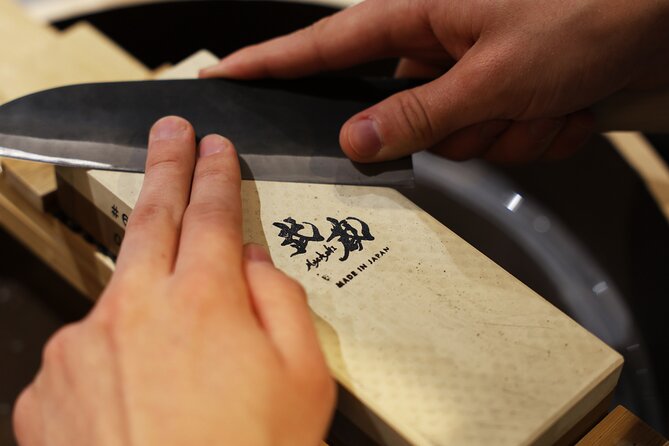
The class teaches traditional Japanese knife sharpening using whetstones in different grits. That sounds simple, but the value is in the sequence. Higher-grit stones refine the edge, while coarser stones do more of the heavy work. When you understand that, you stop treating sharpening like a single step.
You also get knife history and sharpening theory. That matters because the edge is not just about being sharp. It is about the type of edge your knife is designed to have, how it reacts to stone pressure, and how polishing changes cutting feel. Japanese knives often get discussed as world-class tools, and this course helps you understand why people care so much. You learn how traditional sharpening approaches create performance you can feel in the kitchen.
The instructors also make sure you learn the mechanics. That includes how to hold the blade, how to move it across the stone, and how to maintain consistent technique. With a small group size, you can correct problems early, before they become habits.
Whetstone grits, steel types, and how edges actually form
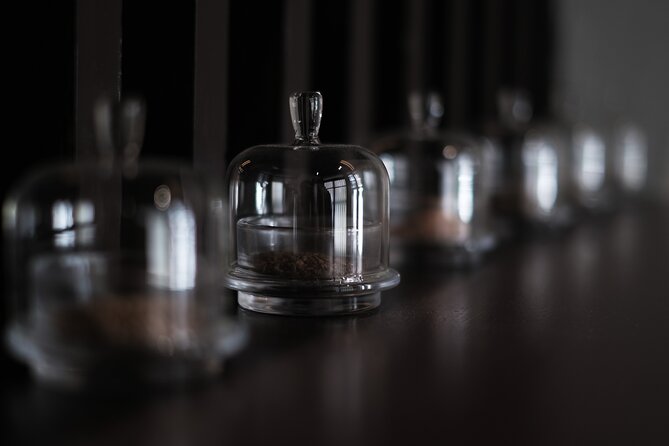
A lot of sharpening advice online is vague. This class gives you structure. You learn how to work through stones and why the progression matters. Using varying grits is not just for show. It is how you build an edge that keeps its usefulness longer and cuts cleanly instead of tearing food.
You will also touch on different steel types. Steel choice affects wear, hardness, and how the edge responds to honing and polishing. If you have ever wondered why one knife seems to sharpen faster than another, or why one keeps its edge better, this is where you start getting answers.
Here is the practical takeaway you will likely want at home: you do not treat every knife like the same project. The stone strategy you use depends on what you are trying to fix, and how the steel behaves. That turns sharpening from a stressful chore into a manageable routine.
Same corner of Japan, a different kind of day:
- Tokyo: teamLab Planets TOKYO Digital Art Museum Entry Ticket
★ 4.6 · 9,779 reviews - Mt Fuji & Hakone Cruise, Drum Show Bullet Train 1 Day from Tokyo
★ 4.0 · 7,413 reviews - Tokyo: Sumo Show Experience with Chicken Hot Pot and a Photo
★ 4.8 · 6,678 reviews - Tokyo: Shinjuku Food Tour (13 Dishes at 4 Local Eateries)
★ 5.0 · 6,603 reviews
The instructor factor: strong teaching makes all the difference
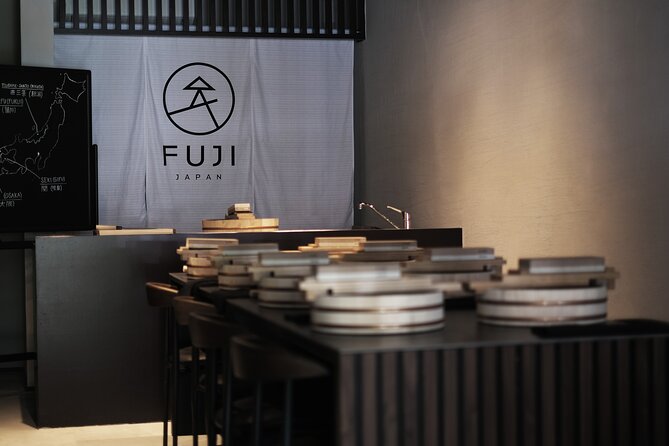
The reviews give a clear pattern: the best part is the instruction. In particular, instructors including Charlie and Timothy are praised for explaining the process in detail and communicating clearly. You can feel that in the lesson structure. You are not left to figure things out on your own.
You will also get the chance to ask questions while you practice. That is a big deal, because sharpening technique is physical. Small changes in angle and pressure change results. When you can get feedback in real time, you learn faster and you waste less time with repeated mistakes.
In a class like this, English clarity can be the difference between learning a technique and memorizing steps. Based on what people experienced, the explanations are meant to be understood, not just delivered.
What the hands-on practice feels like
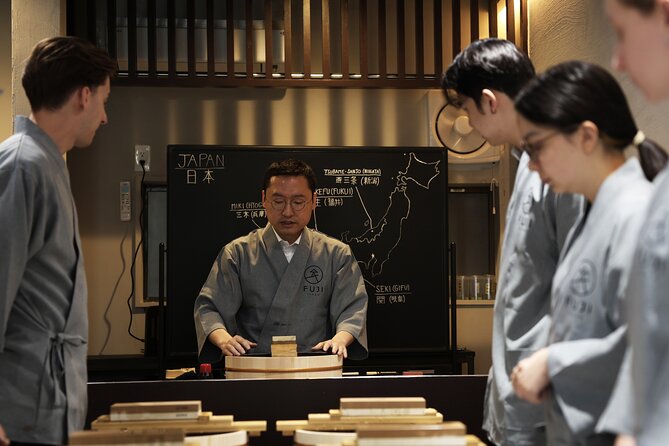
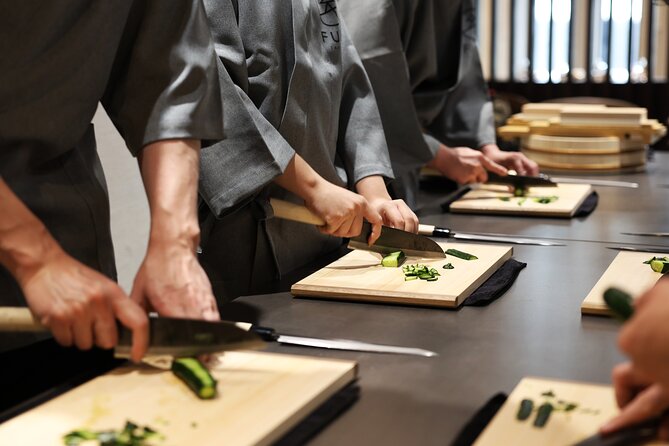
Plan on doing the work yourself. This is not sit-and-watch. You sharpen your own blade using provided whetstones. The lesson walks you through sharpening theory first, then you apply it immediately.
A smart teaching approach in this kind of class is showing the edge change clearly. Starting with a dull knife helps you see that the process is not magic. It is grinding, then refining, then polishing enough to produce a smooth cutting edge. When you end with a knife that slices cleanly, you can connect what you did on the stone to what you get on the cutting board.
You should also expect that you will improve during the session. With a small group, instructors can help you adjust before you get frustrated. That makes it much easier to leave confident about doing it again.
Price and value: $98.53 for 2 hours you can reuse

At $98.53 per person for about 2 hours, you are paying for three things at once: expert guidance, specialized practice materials, and the end result, a knife sharpened by you. If you have ever watched sharpening videos and then felt stuck, you know that the hard part is the coaching.
Value-wise, the deal is better than it looks if you will actually use the skill. A great sharpening routine can keep a good knife performing for years. And since the class provides the equipment, you are not paying extra just to get started.
It is also important that the group stays small, capped at 6 travelers. That keeps the class from becoming a demo with occasional participation. You get real time at the stone.
One more practical point: this is a mobile ticket experience. That usually means fewer hurdles when you arrive, which helps on a first time in Tokyo.
How to get the most out of the class
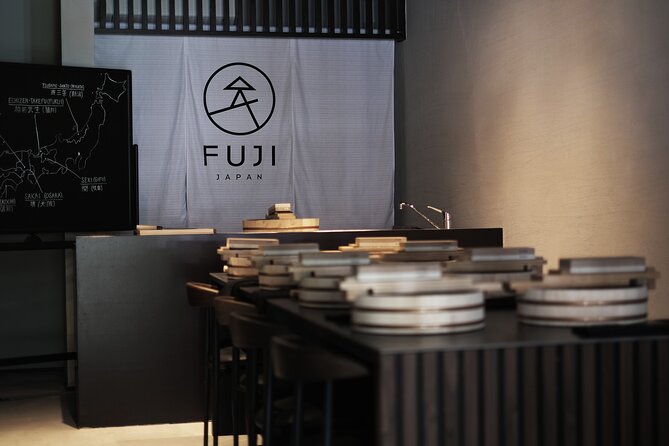
Come in with a simple goal: leave knowing how to sharpen your knife safely and repeatably. Do not aim to be perfect on day one. Focus on consistency.
A few ways you can get more value:
- Pay attention to stone grit order and what each stage is doing.
- Ask about your specific knife needs when you have a question.
- Watch how the instructor corrects angle and pressure, then apply it right away.
- Take notes on your own process while it is fresh, even if it is just a few bullet points.
If you already own a Japanese knife, you are in a great spot. If you do not, you still benefit because sharpening principles are transferable. You will learn the method, then you can adapt it to the knife you own next.
Who this class fits best
This is ideal for cooking enthusiasts who care about how tools perform. It also suits craftspeople and people who like hands-on learning with clear steps.
You will likely enjoy it if you want to understand Japanese knife culture beyond buying one. This experience is about making your edge better and learning the theory so you can keep improving.
If your main travel goal is sightseeing and you want a light, passive activity, this may feel too hands-on. But if you want one Tokyo day that actually improves your life at home, this class is a strong choice.
Should you book this Japanese knife sharpening class in Tokyo?
I would book it if you want a focused Tokyo experience that gives you a practical skill, not just a one-time activity. The small-group cap, the hands-on sharpening, and the fact that you leave with your sharpened knife are the core reasons. At roughly two hours, you get enough time to learn the process without it taking over your whole trip.
Skip it only if you are looking for a broad, multi-stop sightseeing tour. This is a workshop centered on sharpening, whetstones, and technique. If that matches what you want, you are in the right place.
If you do book, do yourself a favor: bring curiosity, ask questions early, and plan to practice once you are back home. That is when the whole day pays off.
FAQ
How long is the Japanese knife sharpening class?
The class lasts about 2 hours.
What is the class price in Tokyo?
The price is $98.53 per person.
Do I need to bring my own knife or sharpening tools?
No. The class provides everything you need, including the whetstones.
Will I learn the hands-on technique or only watch?
You will sharpen your own blade as part of the session, guided by instructors.
Is this a small group class?
Yes. The group size is capped at a maximum of 6 travelers.
Where does the experience start in Tokyo?
You meet at 1-chōme-9-8 Nishiasakusa, Taito City, Tokyo 111-0035, Japan.
Does it include Tokyo Skytree?
There is a stop near Tokyo Skytree as part of the experience.
What do I take home at the end?
You take home a freshly sharpened knife that you sharpen during the class.
What is the cancellation policy?
Free cancellation is available up to 24 hours in advance for a full refund. If you cancel less than 24 hours before the start time, the amount paid is not refunded.
Fresh options around Tokyo
- Tokyo: Nikko Kegon Falls Lake Chuzenji Toshogu Temple & More★ 4.9 · 12 reviews
- Tokyo: Samurai History Walking Tour★ 5.0 · 12 reviews
- Harajuku: Kawaii Fashion and Pop-Culture Tour★ 4.7 · 12 reviews
- Tokyo: Mt. Fuji & Lake Kawaguchi Instagram Full Day Trip★ 4.1 · 12 reviews
- Shibuya Tokyo: Modern Kintsugi Workshop in Shibuya★ 5.0 · 12 reviews
- Tokyo: GTR Guided Daikoku Experience at Night★ 5.0 · 12 reviews
- Tokyo: Daikoku JDM Car Culture Tour★ 4.6 · 12 reviews
- Mt Fuji Private Day Trip from Tokyo with English speaking driver★ 5.0 · 13 reviews
Workshops, compared.
Sushi Making Tokyo Roll and Authentic Japanese Sushi Class
Read our review →
Roll and Authentic Sushi Making Class in Asakusa
Read our review →
Ramen Cooking Class at Ramen Factory in Kyoto
Read our review →
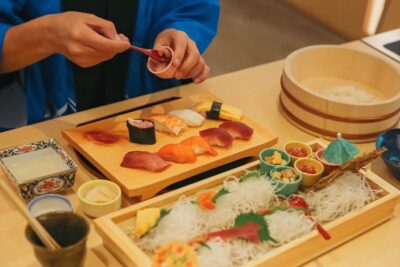
Sushi Making Class in a Happi Coat near a Famous Spot
Read our review →
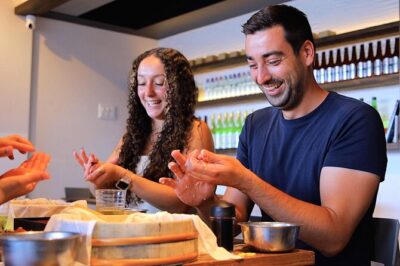
Sushi Making Osaka Roll and Authentic Japanese Sushi Class
Read our review →Browse the lists this tour appears in