Reviewed · SAKE TASTING
Tokyo Sushi Making Class : Sake Ceremony & Matcha Experience
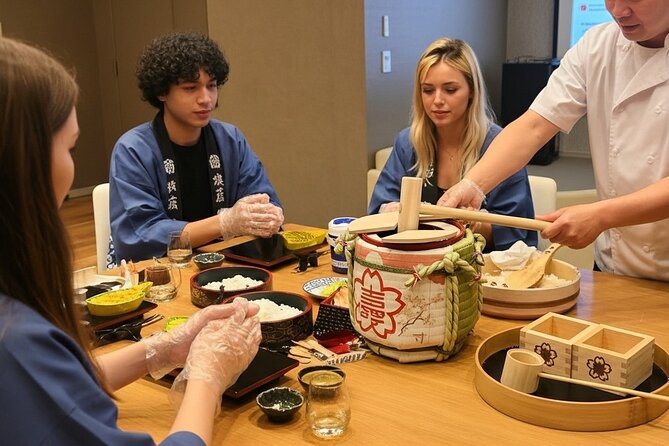
Sake, sushi, and matcha all in one class is a smart use of time. You start with kagami-biraki, the classic sake barrel opening with a group chant, then move into hands-on nigiri shaping with guidance you can actually follow. I also love that you do a clear Tokyo-style highlight, WASSHOI! torched salmon mayo gunkan, then finish with making matcha you can taste while it is fresh.
One thing to think about first: this is a short workshop, about 1 hour 30 minutes, so it is more learn-and-practice than slow, gourmet detail. Come with a bit of patience, and you will leave with sushi skills you can use again, not just photos.
Key highlights you will remember
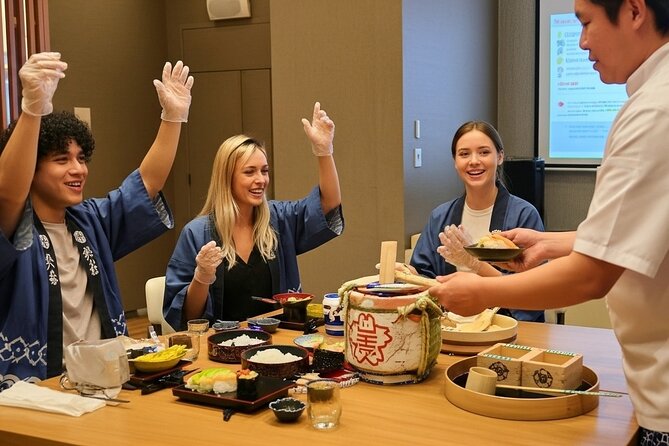
- Kagami-biraki sake barrel opening with group chants and a shared toast (water or warm Japanese tea is available)
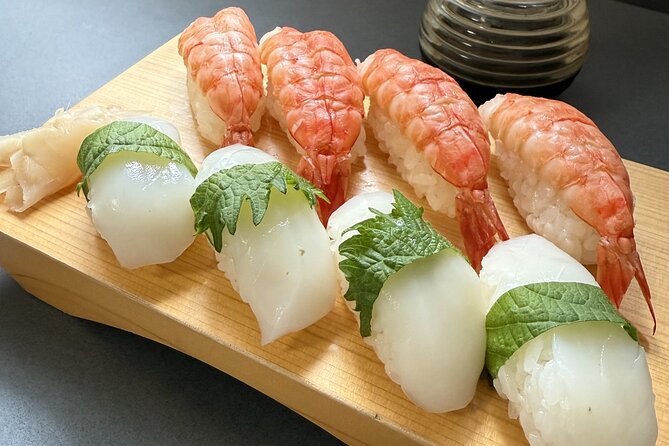
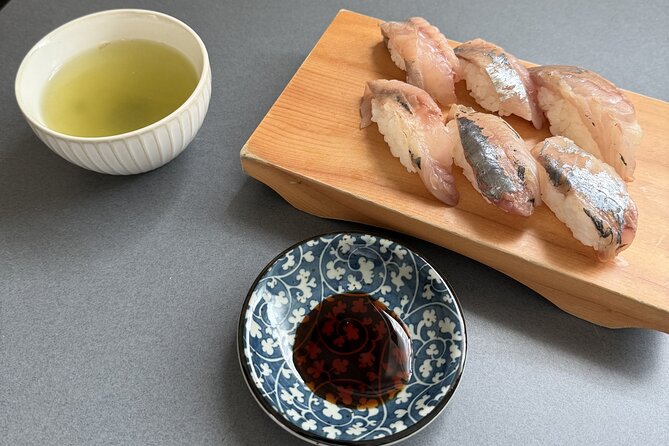
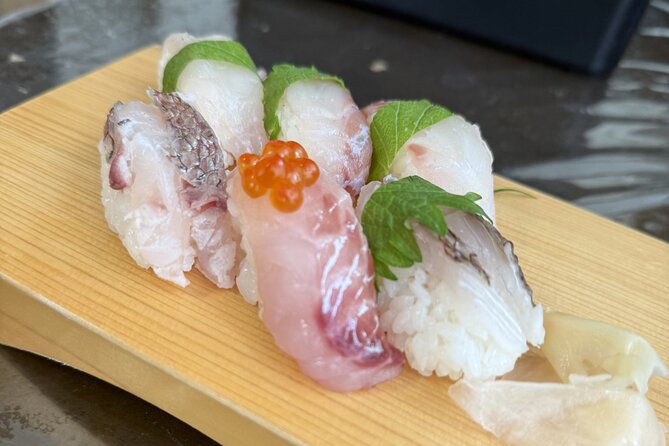
- Nigiri essentials you practice step-by-step, including how to shape rice and place toppings cleanly
- WASSHOI! torched salmon mayo gunkan with a quick torch finish and the right moment for photos
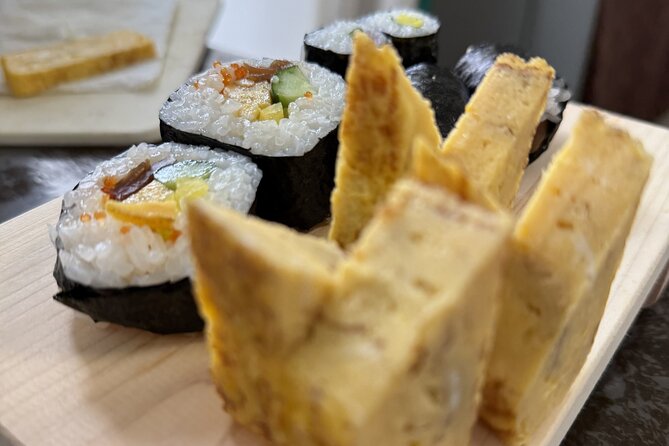
- 6 to 12 pieces made by you, including nigiri and rolls
- Matcha whisking at the end, so the class closes calmly with something you personally prepare
- Small group size (maximum 20) and a beginner-friendly pace
Where Asakusa fits into your Tokyo food plans
This class is based in Asakusa, at 1-chōme-10-16 Hanakawado, Taito City. That matters because Asakusa is not just another neighborhood on the map, it is a place where traditional Tokyo energy still shows up in everyday life. If you are already planning temples, old streets, and casual snacks, this fits perfectly as a structured, hands-on food moment.
The meeting point is described as near public transportation, which is great for a cooking class. You want to spend your mental energy on learning sushi technique, not on figuring out how to get there. Also, you get a mobile ticket, so you are not hunting for paper on a busy day.
With a maximum of 20 people, the vibe stays interactive. You are not stuck watching from far away, and the pace is friendly enough for true beginners.
More Food Tours in Tokyo
- Tokyo: Shinjuku Food Tour (13 Dishes at 4 Local Eateries)
★ 5.0 · 6,603 reviews - Tokyo Tsukiji Fish Market Food and Culture Walking Tour
★ 5.0 · 3,184 reviews - Tokyo: Shinjuku Food Tour (15 Dishes and 4 Eateries)
★ 4.9 · 2,033 reviews
Kagami-biraki sake opening and the group toast ritual
You begin with kagami-biraki, a traditional sake barrel opening meant to mark new beginnings. In the workshop, the moment is social and playful. You join the group to open the barrel and chant the spirited call, Yoisho, yoisho, yoisho.
Then comes the toast. The important practical detail here is that you can choose a non-alcohol option. If you do not want sake, you can have water or warm Japanese tea instead. That small choice makes the whole ceremony feel inclusive, not awkward.
Why this part is worth your time: it turns the lesson into more than cooking. It gives context for why Japanese food culture is often tied to ceremony, celebration, and sharing. It also sets the mood, so by the time you start shaping rice, you are already feeling relaxed and part of the group.
Nigiri basics you can actually repeat at home
After the opening ritual, the class shifts to technique. You learn nigiri essentials with friendly, step-by-step coaching. This is the portion where your results matter most, and where you should pay attention to the small cues.
The workshop focuses on three core skills:
First, shape the rice with the right pressure. This is not just about making it stick. It is about getting a consistent form so the topping sits correctly and your nigiri looks like it belongs in a sushi shop.
Second, learn how to handle toppings. Fish and other ingredients are treated carefully, and the idea is to assemble cleanly, not mash things around.
Third, you practice placing fish confidently on the rice. The goal is control, not luck. You will be building muscle memory for how to position a piece neatly so it does not slip or look sloppy.
As a beginner, you should expect more guidance than you would get if you were doing sushi at home with no plan. The value here is structure. You are learning how to repeat the steps, not just how to copy one final result.
And because it is group-based, you can compare your own pieces to what the class is doing and adjust fast.
WASSHOI torched salmon mayo gunkan, Tokyo style with attitude
Now for the crowd favorite: WASSHOI! torched salmon mayo gunkan. This is described as not strictly traditional Edomae, and that is part of the fun. You try a modern Tokyo flavor built around big, satisfying taste.
Here is the key experience flow:
- You pile salmon high on the rice.
- You add zigzag mayo.
- You finish with a quick torch for a smoky, creamy umami bite.
The class is also performative in a good way. You chant Wasshoi three times and snap photos at the best moment. That means you do not just watch someone torch food, you actively hit the timing so your sushi looks right and your photo turns out.
What you should keep in mind: because this is “modern Tokyo” style, the taste and look will feel more bold than classic nigiri. If you usually order basic fish nigiri when you travel, this is a friendly way to expand your palate without feeling lost.
Also, the torch step is visually memorable. Even if you are not chasing culinary drama, this is where you will feel like you are making something special.
More Sake Tastings in Tokyo
- Ramen and Sushi Cooking Class with Sake Pairing Set in Tokyo
★ 5.0 · 291 reviews - Sake Tasting Masterclass in Shinjuku (8+ Varieties with a Pro)
★ 5.0 · 271 reviews - Sake Omakase in Tokyo: Guided Tasting by Certified Sommeliers
★ 5.0 · 239 reviews - Tasting All Types of Sake with Sommelier
★ 5.0 · 151 reviews
Your matcha finale: whisking and sipping what you made
After sushi, you slow it down with matcha. The class ends by having you make matcha yourself: whisk your own bowl until it is properly foamy, then enjoy it as the finale.
This part is calming for a reason. Sushi-making can be hands-on and slightly intense, especially when you are learning rice pressure and clean assembly. Matcha is simpler in motion but still requires focus. You learn how to whisk for the texture you want, then you get to taste the result while it is fresh.
Practical note: since matcha is included, plan your day if you are sensitive to caffeine. If you are not, it is a great way to close the experience without going heavy again.
How many pieces you make, and what that means for value
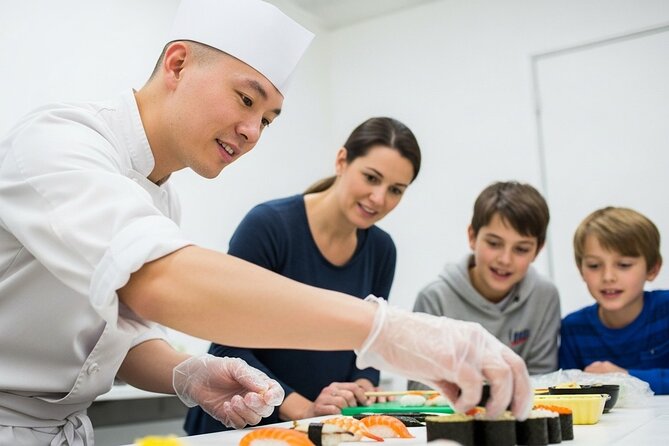
You will create 6 to 12 pieces total, made from nigiri and rolls. That range matters for your expectations. It tells you this is not a quick demo where you get one small bite. You are making enough that technique has a real chance to stick.
Why that matters for value: you pay a single price, but you get multiple “tries.” Instead of learning only the theory, you practice assembly several times. By the end, you should be able to explain what you did differently, like how you shaped the rice and how you placed toppings.
Also, having a mix of nigiri and rolls makes your take-home confidence stronger. You are not limited to one format. Even if you never become a home sushi chef, you will know which steps matter most and what to aim for.
Price and value: is $45.77 actually fair?
The price is listed at $45.77 per person, which is a reasonable entry point for a hands-on cooking workshop in Tokyo, especially one that includes multiple elements.
Here is what you are getting for that money:
- A cultural start with kagami-biraki and a shared toast (with non-alcohol options)
- Guided practice for nigiri essentials, not just observation
- A signature food highlight with torched salmon mayo gunkan, including a photo moment
- You make matcha, then drink it
- You create 6 to 12 pieces yourself
- The class runs about 1 hour 30 minutes with a max group size of 20
On top of the inclusions, the satisfaction signal is strong: the experience is rated 5 out of 5 with 48 reviews, and it is recommended by 100%. That does not guarantee your personal fit, but it does suggest the teaching style and results are consistently meeting expectations.
For value, I look for one key thing: do you leave with skills and not just a meal? This class is built around skills. You shape rice, place toppings, build a gunkan, and whisk matcha. That is what makes the price feel like a bargain instead of a tourist activity.
Timing and pacing so you can fit it into Asakusa
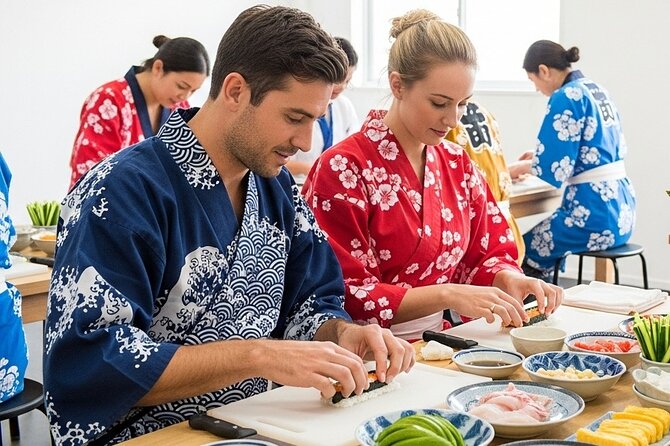
The workshop lasts about 1 hour 30 minutes. That length is ideal because it fits into a Tokyo day without stealing your whole afternoon. If you are moving between sights in Asakusa, you likely want something that gives you a clear start and end. This one does.
Because you can use public transportation nearby, you can plan it as either a morning activity or an earlier evening slot, depending on your schedule. You do not need a half-day commitment.
Also, the group size cap of 20 helps the pacing. You should feel guided rather than rushed. And since the experience is described as beginner-friendly, you should not worry that you will be “too inexperienced” to participate.
Who this class is for (and who might skip it)
This workshop is a strong match if you want a hands-on food experience that still has cultural meaning.
It is especially good for:
- Beginners who want structured instruction and a clear path to success
- People who want both classic technique and modern Tokyo flavors
- Anyone who likes photo-friendly moments, especially during the torch step
- Travelers who want to learn a repeatable skill, like rice shaping and matcha whisking
You might think twice if:
- You are looking for a long, detailed cooking session where every step is slow and deeply technical
- You are not interested in ceremony, chants, or group participation at the start
But if you are open to doing and chanting and learning, this is exactly the kind of activity that makes Tokyo feel personal.
Should you book Sushi Meets Matcha?
I think you should book it if you want a high-return Tokyo experience: short time, lots of participation, and real outputs. You make 6 to 12 pieces, you do the kagami-biraki opening with a toast that includes non-alcohol options, you torch and build a signature WASSHOI! gunkan, and you finish by whisking matcha.
It also makes sense if you are traveling with friends or as a couple, because the group energy helps the class feel like a shared event, not a solitary cooking lesson. And with a 5-star rating and universal recommendation in the available feedback, you are walking into something that consistently lands well.
If you want, tell me your travel dates and whether you prefer classic or modern Japanese flavors, and I can suggest a good time window in your Asakusa day plan.
FAQ
How long is the Tokyo sushi making class?
The experience lasts about 1 hour 30 minutes.
Where does the experience start?
It starts at Sushi Meets Matcha | Tokyo Sushi Making Class & Matcha Experience, 1-chōme-10-16 Hanakawado, Taito City, Tokyo 111-0033, Japan.
Is this class beginner-friendly?
Yes. The experience is described as beginner-friendly, with friendly, step-by-step guidance.
What do I learn to make during the workshop?
You learn nigiri essentials, make a torched salmon mayo gunkan, and whisk and make your own matcha.
Does the sake portion include a non-alcohol option?
Yes. During the group toast, you can choose non-alcohol options like water or warm Japanese tea.
How many people are in the group?
The class has a maximum of 20 travelers.
Can I get a full refund if I cancel?
Yes, you can cancel for a full refund if you cancel at least 24 hours before the experience’s start time.
More Tea Ceremonies in Tokyo
- Matcha Making Class in Tokyo with Authentic Japanese Sweets Set
★ 5.0 · 744 reviews - Tokyo: Traditional Tea Ceremony with a Tea Master
★ 5.0 · 528 reviews - Tokyo: Matcha Making Experience with Mochi Sweets in Asakusa
★ 4.9 · 388 reviews - Tokyo: Matcha and Kimono Experience
★ 4.7 · 219 reviews
More Sushi Making Classes in Tokyo
- Sushi Making Tokyo Roll and Authentic Japanese Sushi Class
★ 5.0 · 3,971 reviews - Tokyo: Roll and Authentic Sushi Making Class in Asakusa
★ 4.9 · 1,957 reviews - Make Sushi and Create Unforgettable Memories in Tokyo
★ 5.0 · 1,413 reviews - Tokyo: Sushi Making Class in a Happi Coat near a Famous Spot
★ 4.9 · 1,377 reviews
Fresh options around Tokyo
- Tokyo: Nikko Kegon Falls Lake Chuzenji Toshogu Temple & More★ 4.9 · 12 reviews
- Tokyo: Samurai History Walking Tour★ 5.0 · 12 reviews
- Harajuku: Kawaii Fashion and Pop-Culture Tour★ 4.7 · 12 reviews
- Tokyo: Mt. Fuji & Lake Kawaguchi Instagram Full Day Trip★ 4.1 · 12 reviews
- Shibuya Tokyo: Modern Kintsugi Workshop in Shibuya★ 5.0 · 12 reviews
- Tokyo: GTR Guided Daikoku Experience at Night★ 5.0 · 12 reviews
- Tokyo: Daikoku JDM Car Culture Tour★ 4.6 · 12 reviews
- Mt Fuji Private Day Trip from Tokyo with English speaking driver★ 5.0 · 13 reviews
Sake Tasting, compared.
Kyoto Night Foodie Tour in Gion (9+ dishes + 6 Sake tastings)
Read our review →
1-Day Snow Monkeys, Zenko-ji Temple & Sake in Nagano
Read our review →
3-Hour Kyoto Insider Sake Brewery Tour with Tastings & Pairings
Read our review →
Arashiyama Bamboo, Temple, Monkeys, or Secret Sake Brewery
Read our review →
Nagano: Snow Monkeys, Zenkoji Temple & Sake Day Trip
Read our review →
Insider Sake Brewery Tour with Sake and Food Pairing
Read our review →