
Carve your own Tokyo chopsticks. This Shinjuku class turns a busy neighborhood into a calm, hands-on craft session where you leave with your own handmade pair.
I like that the workshop is beginner-friendly and guided in English, so you are not stuck guessing what to do with the tools. You also get a real sense of how everyday objects carry Japanese meaning.
The only catch to plan for is cost creep: the ticket includes basic wood options, but extra engraving or upgraded wood can add a bit to the total.
Key takeaways before you go
- Carve and take home a full set of chopsticks, with wrapping for gifting or use
- English-speaking instruction and lots of patience, including help when your wood acts up
- Two wood types included, with higher-grade options available for an extra fee
- Engraving is an add-on (commonly noted at 2000 JPY)
- A small workshop setup, so you’ll likely work closely with your table group and share space
Shinjuku’s chopstick workshop, high craft energy in one hour
Shinjuku is loud. This class is the opposite. The whole point is simple: you sit down at a bench, shape wood using traditional tools, and watch your chopsticks become something you can actually use at dinner. For a lot of people, that switch from neon energy to quiet focus is the best part of the day.
Price is also very fair for what you get. At about $12 per person for a 1-hour session, you are paying for instruction plus the tools plus the materials. And the payoff is tangible: you go home holding the finished chopsticks you made yourself, not a brochure souvenir.
If you hate long classes, this works. It is short. It is practical. And it is the kind of activity that feels good even when you are not a craft person.
A few more Tokyo days worth comparing
- Mt Fuji and Hakone 1-Day Bus Tour Return by Bullet Train
★ 5.0 · 26,383 reviews - 1-Day Tokyo Bus Tour
★ 5.0 · 14,250 reviews - Tokyo: TOKYO SKYTREE® Admission ticket
★ 4.5 · 11,192 reviews
Where to meet: Shinjuku West Building, 10th floor near 617 Bar
Plan to head to the 10th floor of the Shinjuku West Building. Use the elevator, not stairs, and look for the building that has 617 Bar nearby. The coordinates given are 35.6959774, 139.6984349.
This matters because Shinjuku is big, and “near a station” can still mean a lot of walking. The clearer your meeting-point logic is, the less time you spend sprinting to class like a movie extra.
Once you’re there, you’ll find a small room setup with working tables where each person can get hands-on time. The experience is designed for steady guidance, not a fast assembly line.
What’s included for your $12, and what might cost extra
The included package is straightforward. You get a chopstick making workshop with an English-speaking staff member. You choose from the two wood types included in the ticket price. You use traditional, authentic tools. And you finish with your chopsticks to take home, typically in special wrapping.
Here is the practical part to budget for. Several people note that engraving usually costs extra, commonly listed as 2000 JPY. Others also mention that if you want a higher-grade wood, you may need to pay extra because only two wood options are included in the base price.
So I suggest you do this mental math before you book:
- If you keep it simple (included wood, no engraving), you’ll land close to the advertised value.
- If you add premium wood and engraving, your total rises, but you’re also upgrading what you take home.
Either way, for a 1-hour hands-on craft that produces a functional item, it is still good value.
Choosing wood: it affects effort, look, and how smooth your session feels
In this class, wood choice is not just aesthetic. People point out that some wood options are easier to work with than others, so your carving difficulty can change depending on what you pick. That’s important because chopsticks have to be shaped evenly to feel right in the hand.
Your ticket includes two wood types, so you should treat that choice as part of the experience planning, not a side decision. If you are new to carving, consider picking the option that feels more forgiving based on your comfort level with hand tools.
Also keep in mind that you’re finishing more than you’re starting. Even if your carving takes a little patience, the workshop is built around guidance and correction, and instructors often step in quickly when something is going off track.
Same corner of Japan, a different kind of day:
- Tokyo: teamLab Planets TOKYO Digital Art Museum Entry Ticket
★ 4.6 · 9,779 reviews - Mt Fuji & Hakone Cruise, Drum Show Bullet Train 1 Day from Tokyo
★ 4.0 · 7,413 reviews - Tokyo: Sumo Show Experience with Chicken Hot Pot and a Photo
★ 4.8 · 6,678 reviews - Tokyo: Shinjuku Food Tour (13 Dishes at 4 Local Eateries)
★ 5.0 · 6,603 reviews
The hands-on carving process, from shaping to finishing
The core activity happens right at your table. You’re not watching from the sidelines. You’re carving, shaping, smoothing, and finishing until you have a pair of chopsticks that match the style you want.
Expect a step-by-step approach. Multiple instructors are mentioned across the class, and the consistent theme is clear instruction and patient coaching. Names that show up include Masa, Shu, Koji, Fu, Mimi, and Yuki, with people praising how they were guided through each stage and helped when their wood didn’t cooperate.
What you’ll actually do, in plain terms:
- Start by working the wood into the chopstick form
- Shape and smooth the surface so it feels good
- Finish the chopsticks so they’re ready to use and take home
This is also one of those activities that gives you a “quiet wins” feeling. Even if you are slow at first, progress becomes obvious as the wood turns into recognizable chopsticks.
Personalizing: special wrapping, pictures, and optional engraving
You finish with chopsticks that are ready to take home, usually packed with a special wrapping. That makes the class work as a souvenir that’s both personal and practical. It is easy to gift, and you can also use your own pair right away.
A lot of people appreciate the small extras. One person noted the staff can take photos and videos on request, which is handy if you’re traveling solo. Another person praised the engraving work done by an employee, which suggests the class supports clean, readable personalization when you choose that option.
If you want names or a message, plan for engraving as an add-on. It is repeatedly mentioned as costing extra, commonly 2000 JPY. If you’re traveling with kids, that personalization often becomes the “story” part of the day.
Tip: if you are not sure you want engraving, still watch how the final sanding and finishing look. Sometimes people love the result even without extra text.
Wood shavings: a strange souvenir you may actually enjoy
One review mentioned an extra bonus that sounds fun and practical: you can keep the wood shavings. The same note adds a caution that the wood is not treated when you shave, and that you should check whether you can bring the shavings back to your country.
So if you like making your travel memories last, this is a cool option. Think of it as raw craft material. You can keep it for home use like scenting or small projects, as suggested in that note.
If you are traveling with strict airline rules or you are flying internationally with limited flexibility, treat it as optional. Don’t pack it like contraband, and do your own checks before you try to bring it home.
Who this class suits best, and who may not love it
This workshop is great for:
- Beginners who want a guided, calming craft
- Families, since at least one group included kids around 8 years old and they still enjoyed it
- Solo travelers who want an activity with friendly staff and an easy social environment at the tables
- Couples and friends who want a shared “we made this” memory
You might reconsider if:
- You hate any extra costs for options like upgrading wood or engraving
- You want a pure cultural tour with lots of sightseeing stops, rather than a single focus activity
- You expect a private one-on-one class. The room is set up for a small group workshop, so you will be working in shared space.
Overall, the class seems designed for people who like doing things with their hands and appreciate careful instruction.
Price and value: why $12 works, and where to watch your total
Let’s talk value in real traveler terms. At $12, you are buying:
- An English-speaking instructor
- Tools and guidance to carve and finish chopsticks
- Choice between two wood types included
- A functional souvenir you can use at meals
That combination is hard to beat in Tokyo, especially for a class that produces something you take home immediately.
Where value can shift is in upgrades:
- Engraving costs extra (commonly 2000 JPY)
- Higher-grade wood options may cost more than what’s included
So my advice is simple: decide before you arrive whether you want engraving and premium wood. If yes, keep a small buffer in your budget. If no, you can still end up with a very good souvenir that feels meaningful because you made it.
Should you book this Shinjuku chopstick class?
If you want a short craft activity that feels authentic and calming, I’d book it. The class format is beginner-friendly, the instructions are in English, and you leave with a personalized pair of chopsticks made through real shaping and finishing.
The biggest reason to say yes is the outcome. This is not a demo. It is hands-on, and the product is practical. That makes it a great “Tokyo moment” that still matters after your trip ends.
If you are sensitive to add-on pricing, go in with a plan. Stick to the included wood and skip engraving if you want the simplest, closest-to-$12 experience. Either way, it’s one of those activities that turns a single hour into a memory you can literally hold.
FAQ
How long is the chopstick making class in Shinjuku?
The class duration is listed as 1 hour.
What is included in the ticket price?
Your ticket includes the chopstick making workshop, an English-speaking staff/instructor, traditional tools, and the chance to make your own chopsticks. You also get to choose from the two wood types included.
Do I get to choose wood types?
Yes. You can choose from two wood types included in the class.
Is engraving included or extra?
Engraving is available as an add-on, and one review notes the engraving cost as 2000 JPY.
Where exactly is the meeting point?
Meet at the 10th floor of the Shinjuku West Building. The instructions say to use the elevator, and the building with 617 Bar is close by. Coordinates are 35.6959774, 139.6984349.
Is instruction offered in English?
Yes. The class lists an English-speaking instructor or staff.
Can I cancel for a refund, and can I pay later?
Free cancellation is offered up to 24 hours in advance for a full refund. There is also a reserve now, pay later option.
Can I take wood shavings home?
You may be able to keep the wood shavings. One note says the wood is not treated when you shave, but you should check whether you can bring it back to your country.
Fresh options around Tokyo
- Tokyo: Nikko Kegon Falls Lake Chuzenji Toshogu Temple & More★ 4.9 · 12 reviews
- Tokyo: Samurai History Walking Tour★ 5.0 · 12 reviews
- Harajuku: Kawaii Fashion and Pop-Culture Tour★ 4.7 · 12 reviews
- Tokyo: Mt. Fuji & Lake Kawaguchi Instagram Full Day Trip★ 4.1 · 12 reviews
- Shibuya Tokyo: Modern Kintsugi Workshop in Shibuya★ 5.0 · 12 reviews
- Tokyo: GTR Guided Daikoku Experience at Night★ 5.0 · 12 reviews
- Tokyo: Daikoku JDM Car Culture Tour★ 4.6 · 12 reviews
- Mt Fuji Private Day Trip from Tokyo with English speaking driver★ 5.0 · 13 reviews
Workshops, compared.
Sushi Making Tokyo Roll and Authentic Japanese Sushi Class
Read our review →
Roll and Authentic Sushi Making Class in Asakusa
Read our review →
Ramen Cooking Class at Ramen Factory in Kyoto
Read our review →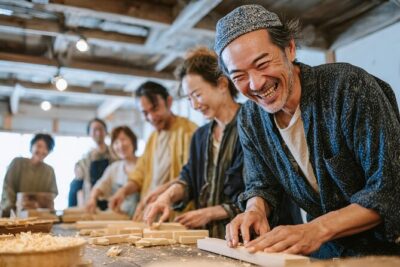
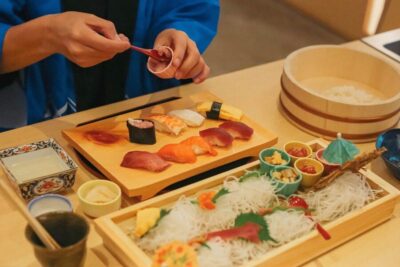
Sushi Making Class in a Happi Coat near a Famous Spot
Read our review →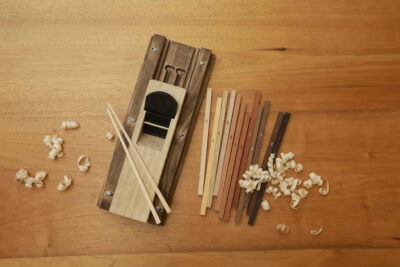
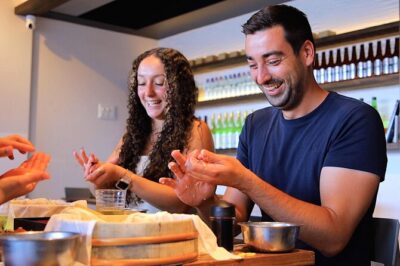
Sushi Making Osaka Roll and Authentic Japanese Sushi Class
Read our review →Browse the lists this tour appears in