
Reviewed · WORKSHOPS
Tokyo: Knife Making Workshop (Sharpening, Engraving)
Tokyo can feel like a million tabs open at once.
This workshop is the opposite: one calm, hands-on task where you slow down and make something useful with your own hands.
I especially liked two things. First, the sharpening part is real work, and you learn the motions instead of just watching. Second, the best souvenir is not generic, you engrave your name in Japanese and attach the handle yourself.
One consideration: the class is mostly about a standard take-home knife, and the bigger, more specialized blade options cost extra. If you’re hoping for a specific fancy knife right away, budget for the upgrade.
Key highlights worth circling
- Asakusa, 5th floor, elevator access, with a straightforward meeting setup
- Haori + name badge in Japanese to make you feel in the shop right away
- Pick from up to 5 knife types, with some upgrades for larger styles
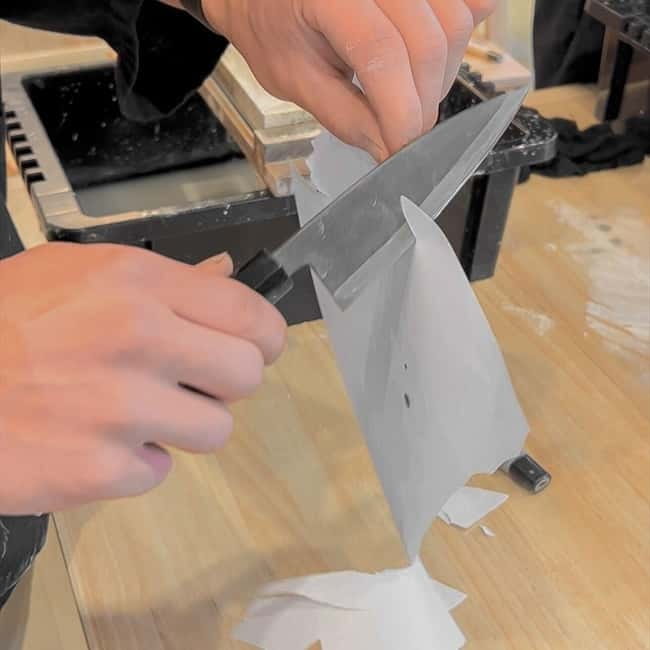
- Guides correct your sharpening technique during the whole process
- Engraving your name on the handle, then attaching it with a traditional hammer
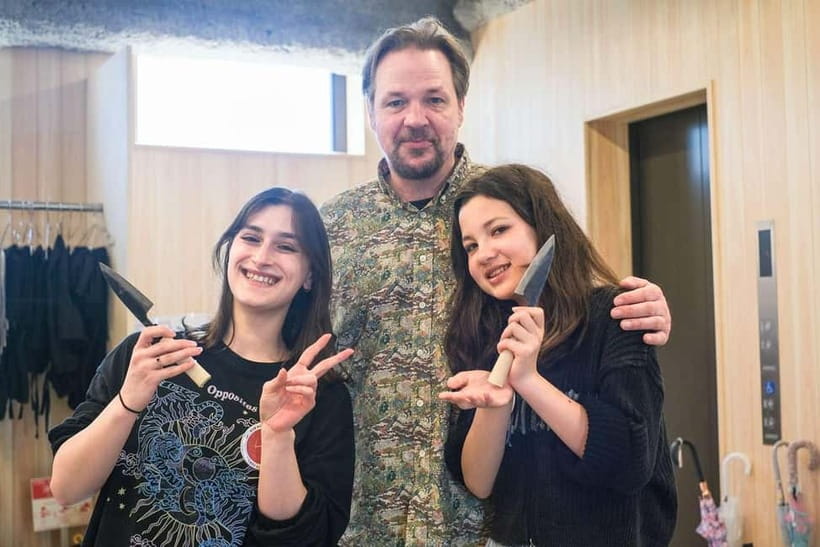
- You leave with an assembled souvenir, plus snacks and aesthetic packaging
Knife Making in Tokyo, Not a Spectator Hobby
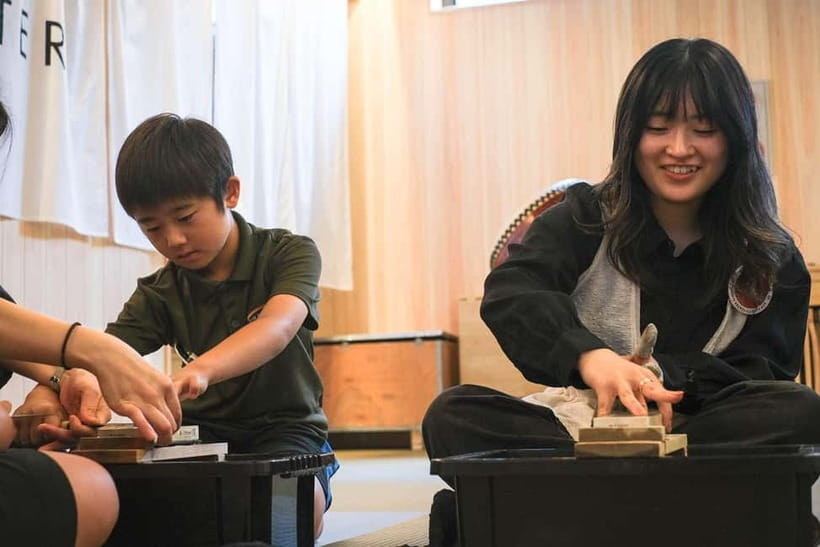
This is one of those Tokyo activities where the value is in the doing. You pick a knife style, sharpen it through a focused sequence, and then build the handle onto the blade. It’s tactile, precise, and surprisingly calming once you get the rhythm.
The class also gives you context. You learn how Japanese knives and even swords are historically different from Western metalwork, plus what those ideas mean in the kitchen. The workshop keeps the tone friendly, and the English instruction is solid, with support from bilingual crew members throughout.
If you like souvenirs you can actually use, this beats the usual shop-bought “Tokyo nice-to-have.” You’re taking home something you helped make.
A few more Tokyo days worth comparing
- Mt Fuji and Hakone 1-Day Bus Tour Return by Bullet Train
★ 5.0 · 26,383 reviews - 1-Day Tokyo Bus Tour
★ 5.0 · 14,250 reviews - Tokyo: TOKYO SKYTREE® Admission ticket
★ 4.5 · 11,192 reviews
From Haori to Name Badge, The Start That Gets You In Motion
The workshop begins right away, and you do not waste time. You put on a light haori-style jacket provided by the crew to protect your clothes from accidental stains. Then you get a badge with your name written in Japanese characters, which you get to keep for the session.
Next comes the warm-up part: tea or juice, plus a short talk on knife and sword background. This is where the vibe turns from craft class to culture lesson. You can chat with the crew while you learn, and the staff keeps things practical for English speakers, not in a rushed lecture way.
In reviews, people repeatedly mention how welcoming the crew feels, and that you always have someone nearby to steady you when your hands need help. Names that show up in the crew stories include Agata, Mori, Lisa, and Joe, so you may meet one of those English-speaking guides or another member of the same team.
Picking Your Blade, and Why the Choices Matter
At the core of the experience is your selection. You choose the type of blade you want to sharpen, and you also select the size. The workshop lists up to 5 types of knives available, and some have a small additional charge.
Here’s how to think about that choice so you don’t end up with the wrong souvenir for your real life:
- If you just want the most versatile kitchen option, start with the standard multi-tasking knife included in the workshop.
- If you already have a preference, like a knife geared to slicing tasks, consider upgrading during the class so you leave with something closer to what you’ll actually use.
Some larger styles mentioned include usuba, deba, and petit yanagiba. These are the types that can cost extra, so treat upgrades as optional, not mandatory. You’ll learn enough in the intro to understand the difference between them, even if you’re a complete beginner.
The Sharpening Session, Where Patience Pays Off
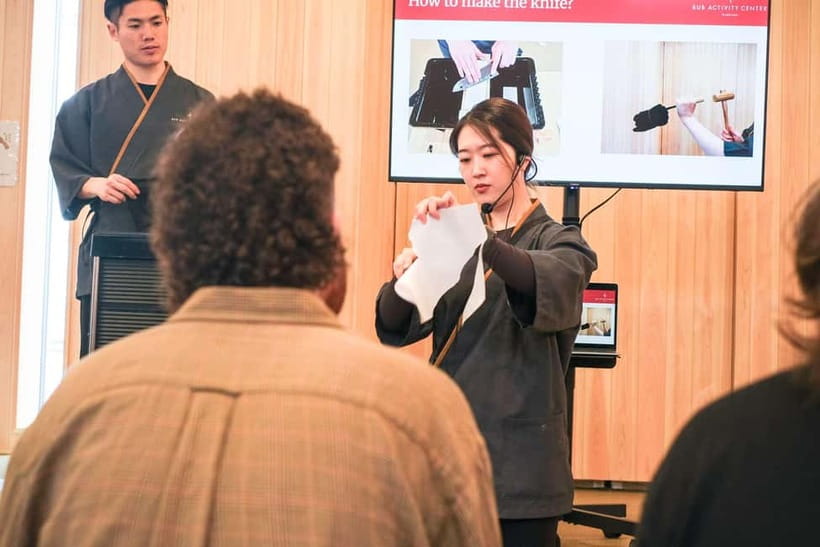
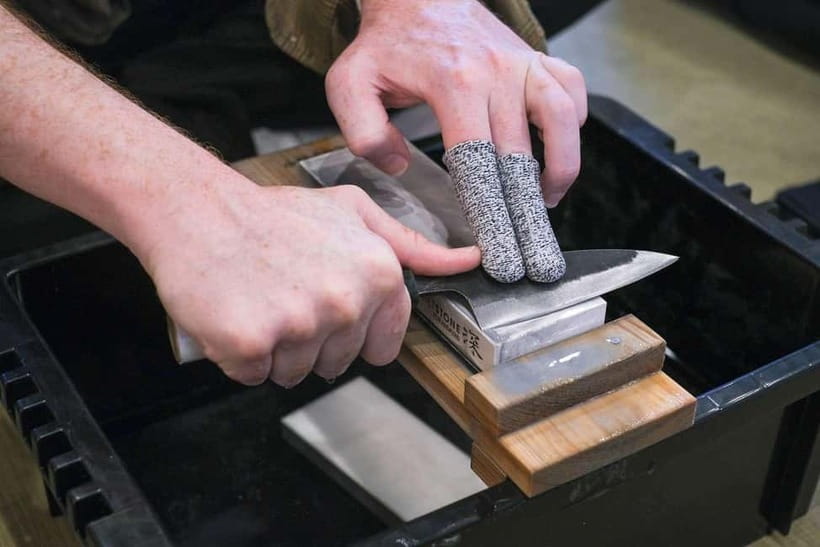
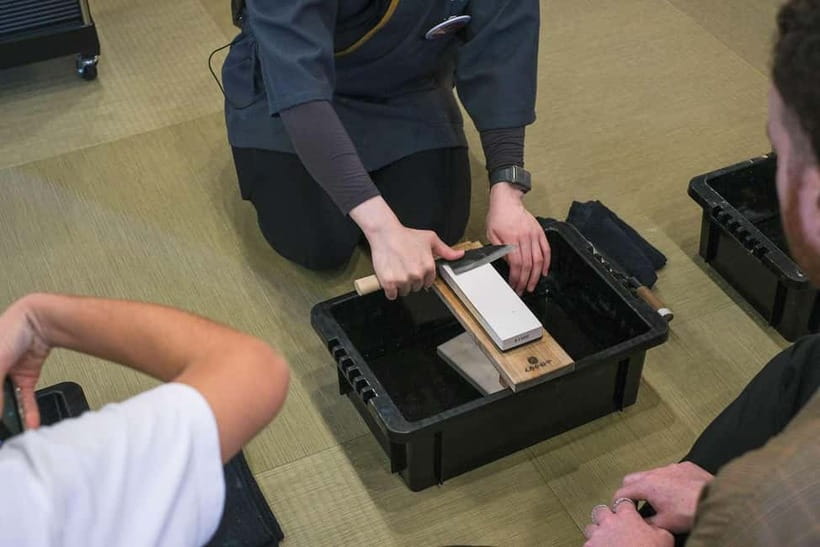
This is the part that turns the workshop from “cute” into genuinely satisfying. Sharpening takes concentration. It’s a repetitive motion that forces you to slow down and focus, almost like a small meditative routine.
What makes it work is the coaching. The crew watches your technique and corrects your movements. Reviews highlight that the guidance is polite and hands-on, with frequent check-ins to make sure you’re doing it right.
If you’ve never sharpened a knife before, that’s normal. The workshop is set up for beginners. You’re not expected to nail it in five minutes. Instead, you build skill step-by-step, and you can see the transformation as you go.
A fair warning, straight from how the class feels: this is work. People mention it takes longer than expected at first. If you hate anything that demands focus, you might get impatient. If you enjoy attention to detail, you’ll probably love it.
Same corner of Japan, a different kind of day:
- Tokyo: teamLab Planets TOKYO Digital Art Museum Entry Ticket
★ 4.6 · 9,779 reviews - Mt Fuji & Hakone Cruise, Drum Show Bullet Train 1 Day from Tokyo
★ 4.0 · 7,413 reviews - Tokyo: Sumo Show Experience with Chicken Hot Pot and a Photo
★ 4.8 · 6,678 reviews - Tokyo: Shinjuku Food Tour (13 Dishes at 4 Local Eateries)
★ 5.0 · 6,603 reviews
Engraving Your Handle in Japanese, Then Hammering It On
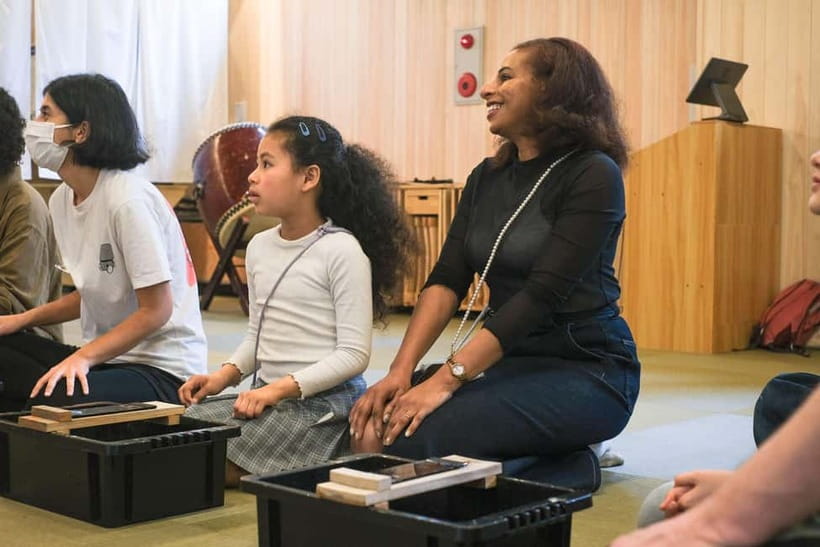
After sharpening, you move into the “wow, I made this” moment. You engrave your name on the knife handle in Japanese. The crew helps with basics if you want guidance on the Japanese writing.
You can also engrave more than just text. The format allows for a picture or other ideas, so you can personalize the handle beyond your name if you’re in the mood to get creative.
Once your engraving is done, you assemble the handle using a traditional hammer. That part is special because you’re not just polishing something already finished. You’re physically completing the artifact, and it gives the session a clear ending point.
In reviews, people point out how fun (and sometimes challenging) the engraving is. Some call out that engraving your name in Japanese takes effort, and you might not feel perfect during the process, but the final result is still something you can genuinely be proud of.
Snacks, Tea, and the Packaging You Actually Want to Keep
You do not go home empty-handed, even beyond the knife. The workshop includes Japanese snacks and tea during the session, which helps make the class feel less like a rushed factory line and more like a small cultural event.
Then there’s the visual payoff. You get aesthetic packaging for your finished knife, plus a customized key-holder with a unique design. It’s a small detail, but it matters in Tokyo, where so many crafts end up in plain plastic bags.
One practical note: you’ll want to plan how you’ll travel with the knife. The workshop notes that you should put your knife box into check-in luggage, or ask staff about shipping if that’s easier for your trip.
Price and Value, What You’re Really Paying For
The price is $161 per person for about 90 minutes, including a standard size take-home knife (multi-tasking), the customized crafting experience, snacks and drinks, bilingual staff help, and aesthetic packaging. You also get that custom key-holder.
So is it worth it? In my view, it depends on what you want from Tokyo.
- If you want a souvenir that looks cool in photos, you could probably find cheaper.
- If you want a usable skill plus a one-of-a-kind item you made yourself, the pricing makes more sense.
The big reason the value holds is that the workshop isn’t just “try this once.” It’s guidance plus a real transformation: sharpening, then assembling, then engraving. In addition, the intro history component helps you understand what you made and why Japanese knife styles are talked about differently.
The potential knock on value is upgrades. If you choose bigger specialty knives like usuba, deba, or petit yanagiba, there can be an additional fee. If you want a specific blade type, decide that early so there are no surprises.
Location in Asakusa, How Logistics Affect the Experience
This is in Asakusa, one of Tokyo’s easier areas to reach. The meeting point is BUB ACTIVITY CENTER in the Heiwa Building, and you take an elevator to the 5th floor.
That elevator detail matters. On busy street corners, it’s easy to waste 10 minutes wandering the wrong entrance. The workshop itself is straightforward to find if you follow the “5th floor, elevator” instruction.
The location being in the heart of Tokyo is a plus. You can pair it with other nearby sights, and you can also head to the kitchen-focused shopping area afterward if you want to compare knives in person.
Rules Inside the Workshop, What to Plan Around
The workshop has a clear rule: no alcohol and no drugs during the activity. That’s not just policy, it also keeps the focus on careful tool work.
Also, bring the right mindset. This is a hands-on session with sharp tools. You should expect to concentrate the whole time, and you’ll likely spend more effort than you initially think, especially with engraving.
If you’re traveling with others, there is an observation option. Friends or family can watch without participating, but an observation fee is charged on site.
Who Should Book This Workshop in Tokyo
This class fits best if you:
- like practical crafts, not just photo ops
- want a skill you can use at home, not only a decoration
- enjoy a mix of hands-on work and cultural context
- travel with someone who might be flexible about buying an observer ticket
It may not fit you as well if you:
- hate tasks that require steady concentration for 90 minutes
- expect a purely passive experience
- want everything included with no chance of upgrade fees
Should You Book It
Yes, if your idea of a great Tokyo day includes making something with your hands and taking home a real, personalized tool. The combination of sharpening coaching, Japanese name engraving, and the final assembly makes it feel like more than a typical activity.
Before you book, decide one thing: are you happy with the standard multi-tasking knife, or do you want one of the larger specialty types that may cost extra? If you’re good with the standard option, this is a solid value. If you want a specific upgrade, plan for the add-on so the experience stays fun rather than financially stressful.
FAQ
How long is the Tokyo knife making workshop?
The workshop lasts about 90 minutes, roughly 1.5 hours.
What is included with the $161 per person price?
It includes a standard size multi-tasking knife to take home, the customized crafting experience, Japanese snacks and drinks, bilingual staff assistance, aesthetic packaging, and a customized key-holder.
Can I choose different knife types, and are there extra fees?
Yes. You can choose among up to 5 knife types, and some bigger or more specialized knives can have an additional charge (including usuba, deba, and petit yanagiba).
Is it beginner friendly, and are instructions in English?
Yes, it’s suitable for beginners with no prior experience required. The instruction is English, and bilingual staff support is included.
Where do I meet for the workshop?
You meet at BUB ACTIVITY CENTER, Tokyo, Taito-ku, Asakusa, 2 Chome 6-11, Heiwa Building. Take the elevator to the 5th floor.
How should I travel with the knife after the class?
You should put your knife box into your check-in luggage, or ask the staff about shipping if that works better for your trip.
Is there free cancellation?
Yes. You can cancel up to 24 hours in advance for a full refund.
Fresh options around Tokyo
- Tokyo: Nikko Kegon Falls Lake Chuzenji Toshogu Temple & More★ 4.9 · 12 reviews
- Tokyo: Samurai History Walking Tour★ 5.0 · 12 reviews
- Harajuku: Kawaii Fashion and Pop-Culture Tour★ 4.7 · 12 reviews
- Tokyo: Mt. Fuji & Lake Kawaguchi Instagram Full Day Trip★ 4.1 · 12 reviews
- Shibuya Tokyo: Modern Kintsugi Workshop in Shibuya★ 5.0 · 12 reviews
- Tokyo: GTR Guided Daikoku Experience at Night★ 5.0 · 12 reviews
- Tokyo: Daikoku JDM Car Culture Tour★ 4.6 · 12 reviews
- Mt Fuji Private Day Trip from Tokyo with English speaking driver★ 5.0 · 13 reviews
Workshops, compared.
Sushi Making Tokyo Roll and Authentic Japanese Sushi Class
Read our review →
Roll and Authentic Sushi Making Class in Asakusa
Read our review →
Ramen Cooking Class at Ramen Factory in Kyoto
Read our review →
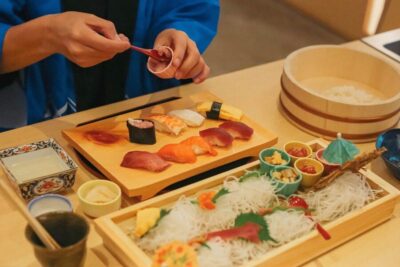
Sushi Making Class in a Happi Coat near a Famous Spot
Read our review →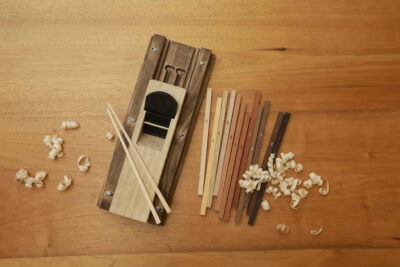
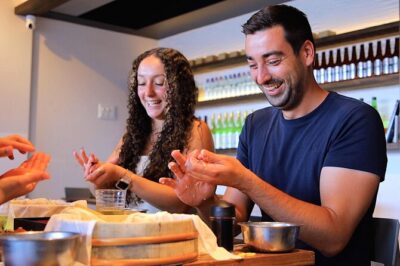
Sushi Making Osaka Roll and Authentic Japanese Sushi Class
Read our review →Browse the lists this tour appears in