
Reviewed · WORKSHOPS
Tokyo: Kintsugi Workshop to Learn the Art of Golden Joinery
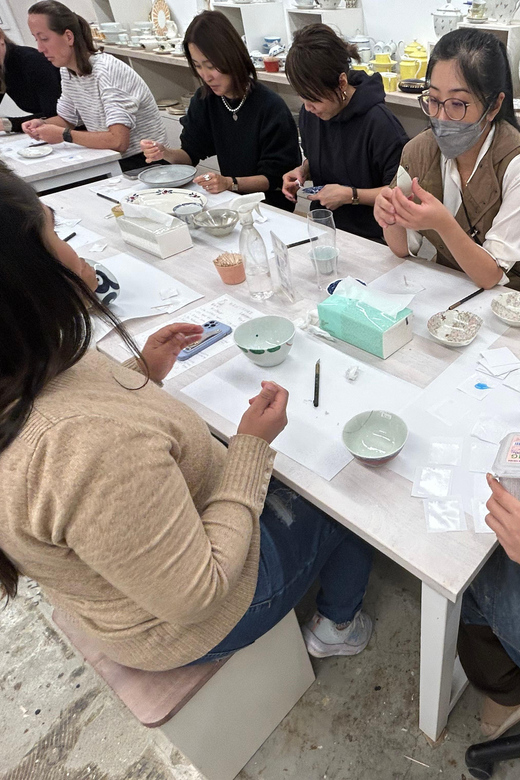
Gold seams turn breakage into art. In a Tokyo Kintsugi workshop, you learn how repairs become the story, not the cover-up, and you leave with a piece that carries your own golden joinery. I love the calm, hands-on rhythm, and I also love that the class explains the philosophy behind the craft, so you understand why the cracks matter. One thing to consider, you are limited by time, so you should expect a focused repair, not a big restoration project like an entire large bowl.
You’ll meet your English instructor at Gakugei Daigaku station, and the guide messages a picture so you can spot them quickly. The group is small, up to 6 people, which makes it easier to get help while you’re working.
This is very much a “slow down and look closely” kind of experience. It’s rooted in wabi-sabi, the Japanese appreciation of imperfection and impermanence, and it turns that idea into something you can hold in your hands afterward.
What makes this Kintsugi workshop click
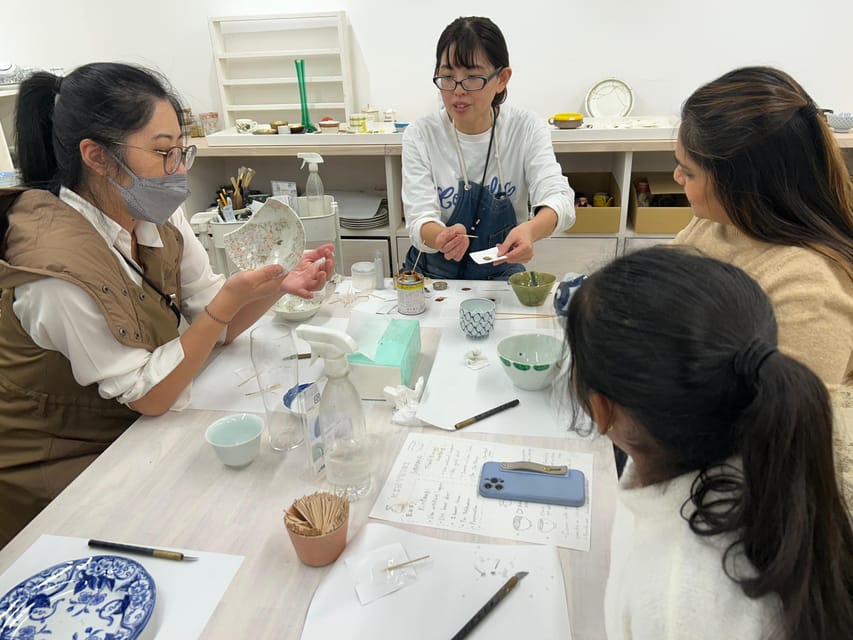
- Golden joinery turns cracks into deliberate gold seams using lacquer and gold powder
- You get a short philosophy intro, so you’re not just copying a craft step
- The pace is reflective, which is rare for a hands-on activity in Tokyo
- You learn practical repair technique, including time spent filing the pottery to prep the surface
- Small group size (max 6) means the instructor can guide you while you work
- You take home your repaired piece as a personal keepsake
Getting to the workshop at Gakugei Daigaku station
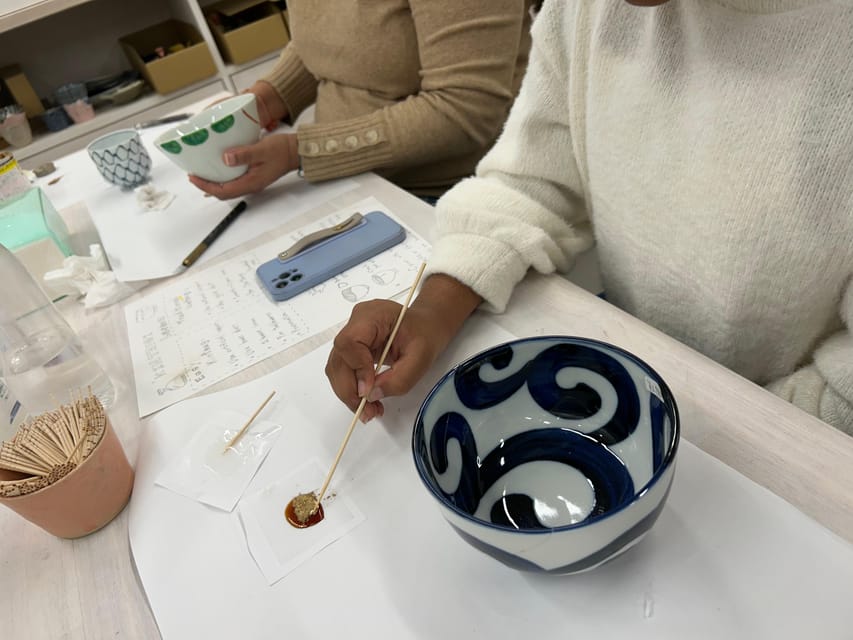
This class starts with an easy meeting point: Gakugei Daigaku station. Before you arrive, the guide will message a picture of themselves, so you can match a face fast. That little detail matters in Tokyo, where “meet here” can sometimes turn into wandering.
You’re also not herded into a crowd. The group is capped at 6 participants, so you’re more likely to get individual attention when you ask questions. The instruction language is English, and the workshop is designed to work for people who do not already know the craft.
The total time is 2 hours. That’s long enough to get into the process without feeling rushed, but it’s also short enough that you should plan for a manageable repair outcome. If you’re dreaming of fixing a large, complex piece, you may be disappointed by what you can realistically finish in the workshop window.
A few more Tokyo days worth comparing
- Mt Fuji and Hakone 1-Day Bus Tour Return by Bullet Train
★ 5.0 · 26,383 reviews - 1-Day Tokyo Bus Tour
★ 5.0 · 14,250 reviews - Tokyo: TOKYO SKYTREE® Admission ticket
★ 4.5 · 11,192 reviews
What you actually learn in “golden joinery” terms
Kintsugi is centuries-old Japanese repair art. The Japanese term 金継ぎ (kintsugi) literally points to golden joinery, meaning the repair lines become visually meaningful. Instead of hiding damage, you highlight it with lacquer and powdered gold, silver, or platinum.
In the workshop, you get a brief introduction to the art and philosophy. The goal is not just technique, it’s meaning. You’re learning that a break changes an object’s identity, and the repair is a new chapter rather than a return to how it used to be.
The philosophy you’ll hear is strongly connected to wabi-sabi. That idea is about valuing imperfection and noticing that everything changes. A repaired crack is a reminder that time leaves marks, and those marks can be beautiful when you treat them with respect.
You’ll also hear a bit about how materials were handled in older times, and the instructor may share details like how glue was made historically. Even if you don’t memorize every step, that kind of context makes the craft feel grounded and specific, not just decorative.
The hands-on flow: from prep to golden seams
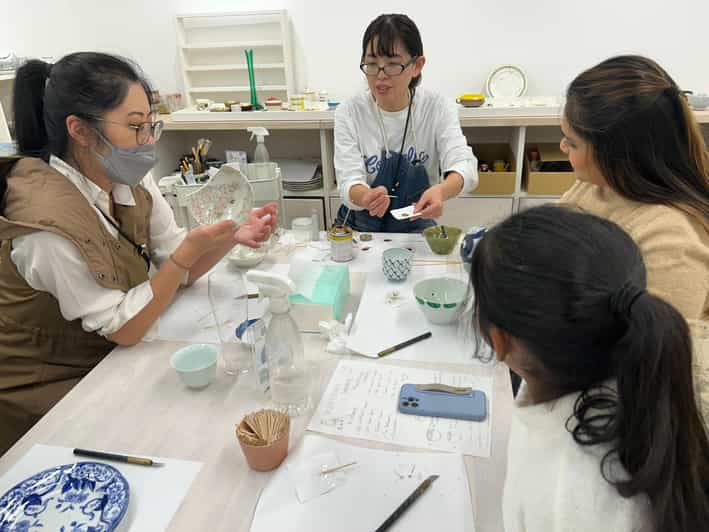
The workshop is genuinely hands-on. You’ll work through the key phases of a Kintsugi repair using provided materials. All the main tools are supplied, including lacquer and gold powder.
One step you should know about up front: you might spend about half an hour filing the pottery. That is not just “play with glue” territory. You’re preparing the surface so the repair can take hold and look clean. It also means the activity asks for patience and steady focus.
Then comes the part most people came for, turning a break into a golden line. You apply artificial lacquer to the prepared area and build the repair so the seam catches the light. The gold powder gives that signature glow, and the effect is surprisingly dramatic for something that starts as something broken.
What I like about this part of the class is the mindset shift. Instead of trying to erase damage, you learn how to place it under a spotlight. Cracks become intentional. Chips and imperfect edges become part of the visible design. That’s a big reason the experience feels calming, even though you’re doing careful manual work.
By the end, you have a repaired piece to take home. You’re not just leaving with a photo. You’re leaving with an object that has your touch built into it.
Materials, what’s included, and the plate question
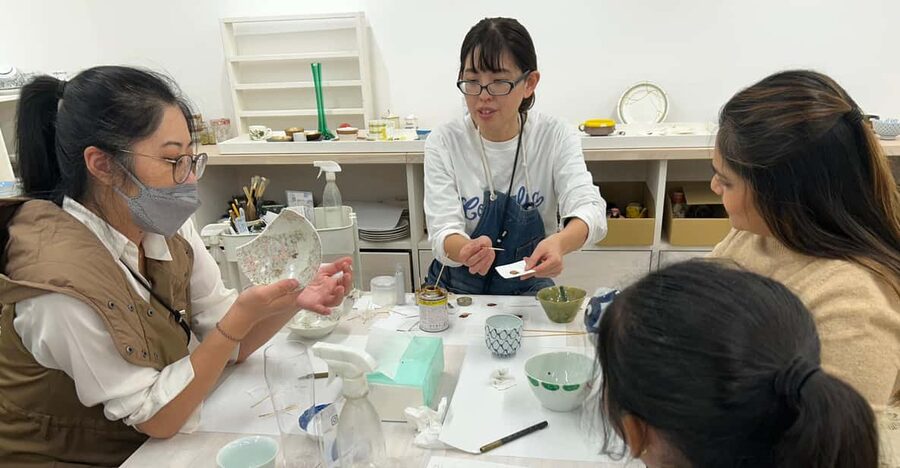
You should expect most of the basics are provided. The workshop includes the main tools, lacquer and gold powder, plus a brief introduction. You also get materials for the activity, including broken pottery and the supplies needed for the repair.
That said, there is one detail that can affect your budget: the plate you work with may be an extra item. It’s listed as not included, and it may be arranged separately for about ¥1,000 to ¥2,000. If you’re the type who wants everything settled in advance, ask what you’ll work on so there are no surprises about whether your project uses a provided broken piece or whether you need to arrange a specific ceramic item.
Either way, the class is set up so you’re not shopping around for specialized supplies. For a short Tokyo activity, having materials included is a big part of the value.
Also note: the workshop duration is 2 hours. That time budget matters because it can limit what you finish, especially on larger breaks or more extensive damage.
Same corner of Japan, a different kind of day:
- Tokyo: teamLab Planets TOKYO Digital Art Museum Entry Ticket
★ 4.6 · 9,779 reviews - Mt Fuji & Hakone Cruise, Drum Show Bullet Train 1 Day from Tokyo
★ 4.0 · 7,413 reviews - Tokyo: Sumo Show Experience with Chicken Hot Pot and a Photo
★ 4.8 · 6,678 reviews - Tokyo: Shinjuku Food Tour (13 Dishes at 4 Local Eateries)
★ 5.0 · 6,603 reviews
The philosophy side: wabi-sabi you can actually use
Kintsugi is famous for its look, but what makes this workshop worth your time is that it connects the look to a way of seeing.
You’ll learn to treat flaws as part of the object’s history. That sounds poetic, but the class translates it into action. When you place gold along a crack, you’re making a choice: you don’t erase the fact of the break. You honor it. That’s why Kintsugi feels reflective, not just crafty.
Wabi-sabi is the core lens behind this. You’re not aiming for perfection. You’re aiming for harmony with what’s real. That can be powerful if you’ve had a hectic trip and you’re craving something quieter than museums and shopping.
This philosophical angle is also why people often come away feeling like the souvenir is more meaningful than a typical purchase. It’s not just a thing. It’s a repaired relationship with an object.
Price and value: what $63 buys you in Tokyo
At $63 per person for 2 hours, this is not a bargain snack. But it also isn’t a high-end luxury workshop either. The value comes from a few concrete things.
First, you get included materials for the repair process, especially lacquer and gold powder. Second, you get an instructor who explains each step in English. Third, you take home the finished piece, which changes the math. A workshop souvenir that’s wearable in your mind and visible in your home tends to justify the price better than a disposable craft token.
The small group size helps too. With a limit of 6 participants, you are less likely to feel like you’re watching from the sidelines while the instructor rushes the demo.
The only real value risk is scope. If your expectations are that you’ll restore something big and dramatic like a full bowl, time constraints may make the result smaller. That’s not bad, it’s just a mismatch to watch for.
And remember the plate detail. If you end up needing to arrange a plate for ¥1,000 to ¥2,000, that’s a small addition. Still, even with that, the experience can be a good deal because the craft supplies and guidance are baked into the main price.
Who should book this class, and who should reconsider
I think this workshop is best for you if you want a Tokyo activity with a slower emotional pace. If you like handmade crafts, thoughtful themes, or you’re curious about Japanese aesthetics beyond food and signage, you’ll likely enjoy it.
It’s also a strong fit for couples and solo travelers. With a small group, you get enough social energy to feel lively, but not so much that you can’t settle into your own focus.
For families, it can work for older kids, but you should read the “active attention” reality first. The workshop includes a step where you may file pottery for about half an hour, which may be tricky for younger children.
As for mobility, the info has a mixed signal. The activity is marked wheelchair accessible, but it is also listed as not suitable for wheelchair users. Because of that contradiction, I’d treat it as something you must confirm before booking, so you don’t show up and find the setup isn’t compatible with your needs.
Finally, it is not suitable for babies under 1 year, so plan accordingly for very young infants.
Meeting the instructor style, and why it matters
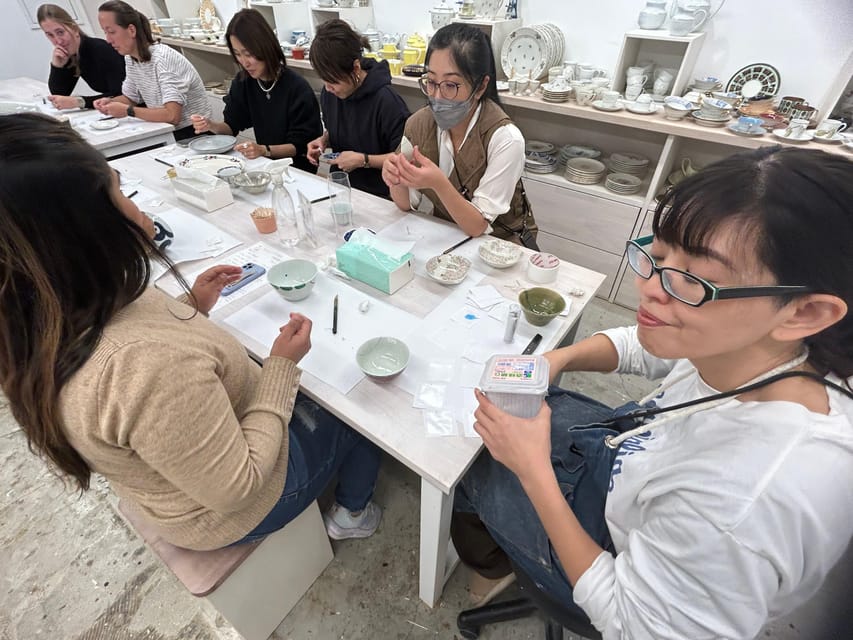
A good craft teacher can make the difference between stress and flow. In this workshop, instructors are described as clear and organized, and the class is designed so you do the work yourself rather than just watching.
English instruction is part of the package, and you can even see how instructors like Anne and Chiara are associated with the experience. One helpful detail is that instruction can include translation support, which can reduce confusion during the trickier steps.
The best part is the balance between guidance and independence. You can make decisions with your own piece, but you’re not left alone when fine motor control matters.
Should you book this Kintsugi workshop?
Book it if you want a meaningful Tokyo keepsake, and you like the idea that repair can be beautiful. The workshop is a strong value when you consider that materials like lacquer and gold powder are provided, you keep what you make, and the class is small enough for real help.
Skip it or adjust expectations if you want a full dramatic restoration or something that requires minimal physical work. The half-hour filing step means you will be doing careful prep, and the 2-hour schedule limits the scale of what you can finish.
If you’re on the fence, ask one simple question before you commit: what piece will you work on, and is there any extra plate cost in your case? Once you know that, the decision gets easy. With its mix of hands-on technique and wabi-sabi philosophy, this is the kind of Tokyo activity that turns a simple souvenir into a story you can actually feel.
FAQ
How long is the Kintsugi workshop?
The workshop lasts 2 hours.
Where do I meet the guide?
Meet the guide at Gakugei Daigaku station. The guide will message you a picture of themselves before the meeting time.
Is the workshop taught in English?
Yes, the instructor teaches in English.
What is included in the price?
The workshop includes lacquer and gold powder, plus a brief introduction to the art and philosophy of Kintsugi. Materials for the repair are also provided.
Do I need to bring a plate?
A plate to work with is not included. You may arrange one separately for about ¥1,000 to ¥2,000.
How many people are in the group?
The group is small, limited to 6 participants.
What is the cancellation policy?
You can cancel up to 24 hours in advance for a full refund.
Fresh options around Tokyo
- Tokyo: Nikko Kegon Falls Lake Chuzenji Toshogu Temple & More★ 4.9 · 12 reviews
- Tokyo: Samurai History Walking Tour★ 5.0 · 12 reviews
- Harajuku: Kawaii Fashion and Pop-Culture Tour★ 4.7 · 12 reviews
- Tokyo: Mt. Fuji & Lake Kawaguchi Instagram Full Day Trip★ 4.1 · 12 reviews
- Shibuya Tokyo: Modern Kintsugi Workshop in Shibuya★ 5.0 · 12 reviews
- Tokyo: GTR Guided Daikoku Experience at Night★ 5.0 · 12 reviews
- Tokyo: Daikoku JDM Car Culture Tour★ 4.6 · 12 reviews
- Mt Fuji Private Day Trip from Tokyo with English speaking driver★ 5.0 · 13 reviews
Workshops, compared.
Sushi Making Tokyo Roll and Authentic Japanese Sushi Class
Read our review →
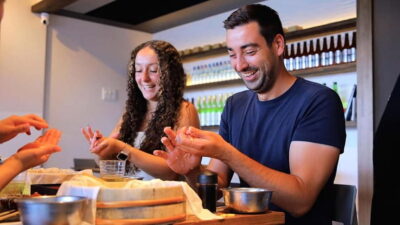
Roll and Authentic Sushi Making Class in Asakusa
Read our review →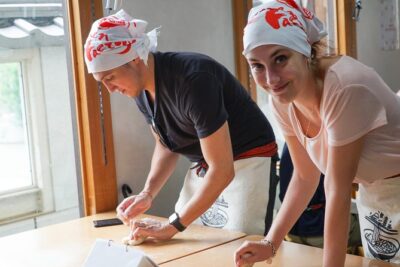
Ramen Cooking Class at Ramen Factory in Kyoto
Read our review →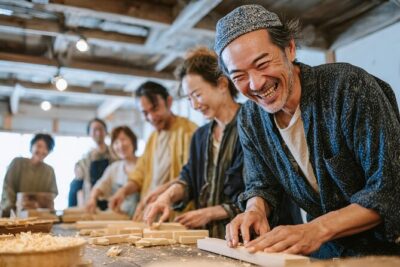
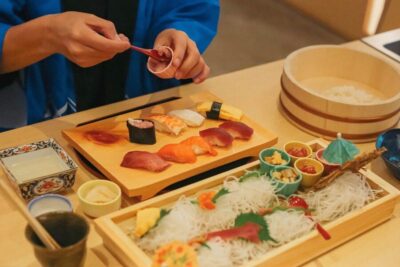
Sushi Making Class in a Happi Coat near a Famous Spot
Read our review →
Sushi Making Osaka Roll and Authentic Japanese Sushi Class
Read our review →Browse the lists this tour appears in