
Carve your own chopsticks in Tokyo. In about an hour in Shinjuku, you pick the wood, shape it by hand, and leave with a take-home set that feels personal. It is simple, guided, and staffed with English speakers, so you are not guessing what to do.
What I like most is the wood choice. You can select lighter or darker tones, and you get a real feel for the grain and texture before you start working. Second, you get to add your name engraving in English or Japanese, turning a fun souvenir into something you actually want to use.
One thing to consider: the workshop location is on the 10th floor of Shinjuku West Square, and the entrance can be a little hard to spot at first. Also, some of the more striking wood options may cost extra, depending on what you choose.
Key points before you go
- Choose from different wood types, then match your preference for color and grain
- Use a hand plane and sanding to shape comfortable, smooth chopsticks
- Add an engraving in English or Japanese for a truly personal souvenir
- English-speaking support helps beginners feel confident through every step
- 1 hour is enough to make something great without turning it into a full day commitment
Why make chopsticks in Shinjuku, not from a shop?
Tokyo sells chopsticks everywhere, but most are mass-made and forgettable after you buy them. This workshop gives you the best kind of souvenir, a usable one, because you create it with your own hands.
I especially like the tactile side of it. You start by selecting wood, then you feel how different pieces look and feel before shaping them. That hands-on “this is my piece” moment makes the whole hour sink in fast.
A few more Tokyo days worth comparing
- Mt Fuji and Hakone 1-Day Bus Tour Return by Bullet Train
★ 5.0 · 26,383 reviews - 1-Day Tokyo Bus Tour
★ 5.0 · 14,250 reviews - Tokyo: TOKYO SKYTREE® Admission ticket
★ 4.5 · 11,192 reviews
Meeting Point: Shinjuku West Square Building 10F
You meet at Shinjuku West Square Building 10F (35.6959774, 139.6984349). That is the big practical point, because Shinjuku is Shinjuku, meaning you will want to follow the coordinates and the building name closely.
The common heads-up is that the entrance can be tricky on a first try. If you arrive early, take a minute to locate the right building level before you get flustered. One of the easiest ways to prevent stress is to treat this like a timed appointment, not a casual stroll.
Picking wood and length that actually fit you
The workshop starts with the fun part, selecting your chopsticks’ material. You choose from a variety of different kinds of wood, and the differences are not subtle. Color, grain, and overall character vary, so even two people in the same class can end up with very different-looking sets.
Then you pick your preferred length, short or long. This matters more than you might think. Shorter chopsticks can feel easier for beginners and smaller hands, while longer ones can feel more natural if you already eat with longer pairs at home.
Some wood options may cost extra. If you are budget-minded, start with the wood that is included, then decide only after you see how much you like the grain. If you are more design-minded, this is where you can aim for something dramatic, like unusual colors or patterns.
Carving with a hand plane, then sanding to comfort
Once you have your wood and length, the shaping begins. You place the chopsticks on a stand and use a hand plane to carve them into shape. It is the kind of activity that makes you slow down, because you are working with something solid, not clicking a screen.
After carving, you smooth the surface and edges with sandpaper. This is where your chopsticks go from rough craft project to something you could actually use at dinner. You are not just making them look good, you are making them comfortable in your grip.
Many people also love the calming pace of the process. It is busywork, but in a good way, especially after walking around Tokyo all day. In a short, structured hour, you end up with a finished object instead of another “view this, view that” memory.
Same corner of Japan, a different kind of day:
- Tokyo: teamLab Planets TOKYO Digital Art Museum Entry Ticket
★ 4.6 · 9,779 reviews - Mt Fuji & Hakone Cruise, Drum Show Bullet Train 1 Day from Tokyo
★ 4.0 · 7,413 reviews - Tokyo: Sumo Show Experience with Chicken Hot Pot and a Photo
★ 4.8 · 6,678 reviews - Tokyo: Shinjuku Food Tour (13 Dishes at 4 Local Eateries)
★ 5.0 · 6,603 reviews
Natural oil finish, plus the feel of real wood
After sanding, you apply a coat of natural oil. That does two helpful things. It protects the wood and brings out the warmth of the grain, so the chopsticks look polished without feeling plastic.
If you care about how things feel, this part is a win. Wood holds heat and texture in a way that synthetic souvenirs do not. When you pick up your finished set, you can tell it is real, not just decorative.
Engraving your name: English, Japanese, and personalization
The optional finishing touch is engraving your name. You can have it done in English or Japanese, depending on what you want on the final pair.
This is also where the workshop can surprise you. If your wood is light enough, it can be possible to engrave more than just plain text, like simple picture-like designs, using a laser engraving method. If you want something patterned, go in with a clear idea, because the workshop tools for engraving are what they are, not a full custom studio.
Practical tip: if you want engraving to look crisp, choose a wood piece whose color will help the engraving read clearly. Dark wood can look amazing, but the contrast for fine details might be harder depending on your design.
The English-speaking staff that keeps it easy
A big part of the value here is the staff support. The class is run with English-speaking guidance, and instructors stay close during the steps that matter, like carving and smoothing.
You can see the pattern in the feedback around names like Masa, Koji, Lucy, Mimi, Shu, and Jen. The praise keeps circling back to clear explanations, patience with beginners, and a friendly tone that makes you feel steady even if your hands are not used to tools.
If you are the type who worries about messing up, this is a good choice. The process is structured, so mistakes become part of the craft rather than a reason to quit.
What the 1-hour schedule really gets you
This is a one hour workshop. That is not a limitation so much as the point. You are not signing up for a half-day commitment, and you still walk out with a complete set: shaped, sanded, oiled, and optionally engraved.
Included in the experience:
- Wood selection
- Carving and shaping
- Sanding and smoothing
- Application of natural oil
That means your main job is choosing your wood and following the steps. You do not have to bring tools or think too hard about a learning curve.
Also, because it is short, you can fit it into a travel day without rearranging everything. It works especially well if you want a hands-on activity that is different from temples, museums, and shopping streets.
Price and value: $6 for a take-home skill
At $6 per person, this sits in the sweet spot for value in Tokyo. You are paying for instruction, workspace, tools, and materials, then leaving with a finished object you can use.
The real reason it feels like good value is that you are not just buying a souvenir. You are making it, so you get both the process and the product. That is why people tend to rate this higher than typical “watch and buy” activities.
Keep in mind the earlier point about wood. If you select an option that costs extra, your final price can rise. Still, even with add-ons, you are getting an experience plus a useful handmade set, not only a product.
Who this workshop suits best in Tokyo
This chopstick-making class is suitable for beginners. That is huge, because you do not need prior woodworking experience to enjoy it.
It also fits a lot of travel styles:
- Solo travelers who want an activity with structure and friendly interaction
- Couples who want a shared, hands-on project
- Families, since the process is straightforward and guided, including for younger participants
If you love food culture but want something more creative than a restaurant meal, this is a great match. Chopsticks are part of daily life in Japan, and making them gives you a stronger connection than just using a random souvenir pair once.
A few tips to make your finished chopsticks look great
You do not need special talent, but you can improve your results with a few practical choices.
First, take your time during wood selection. Pick the piece you genuinely like visually, because the grain will show through after sanding and oiling.
Second, focus on comfort while shaping. Chopstick-making is not about speed. The smoother the edges and the more even the shape, the better the final feel.
Third, be clear about your engraving idea early. If you want English or Japanese text, decide what you want it to say ahead of time so you are not rushing at the finish.
Should you book this Tokyo chopstick-making workshop?
Book it if you want a low-cost, hands-on Tokyo experience with a real take-home payoff. The staff support in English, plus the step-by-step carving, sanding, and oiling, makes it a smart choice when you want something authentic but not complicated.
Skip it if you hate tool-based activities, even light ones, or if you only want passive sightseeing. Also think twice if you are very particular about complex designs, because the engraving options depend on the wood and the workshop’s engraving setup.
If you are in Shinjuku anyway and you want an hour that feels like Japan in your hands, this is an easy yes. You leave with chopsticks that look better than you expected, and you get to say, I made these in Tokyo.
FAQ
What is the price and duration?
It costs $6 per person and lasts 1 hour.
Where is the meeting point?
You meet at Shinjuku West Square Building 10F, at coordinates 35.6959774, 139.6984349.
Is there an English-speaking guide?
Yes. The workshop includes English-speaking staff to guide you through the process.
Is it suitable for beginners?
Yes. The activity is suitable for beginners, and staff are available to assist.
What do I make and what is included?
You make your own pair of chopsticks. Included are wood selection, carving and shaping, sanding and smoothing, and applying natural oil.
Can I engrave my chopsticks?
Yes, you can have your name engraved in English or Japanese as an optional touch.
Is it wheelchair accessible?
Yes, the activity is wheelchair accessible.
Fresh options around Tokyo
- Tokyo: Nikko Kegon Falls Lake Chuzenji Toshogu Temple & More★ 4.9 · 12 reviews
- Tokyo: Samurai History Walking Tour★ 5.0 · 12 reviews
- Harajuku: Kawaii Fashion and Pop-Culture Tour★ 4.7 · 12 reviews
- Tokyo: Mt. Fuji & Lake Kawaguchi Instagram Full Day Trip★ 4.1 · 12 reviews
- Shibuya Tokyo: Modern Kintsugi Workshop in Shibuya★ 5.0 · 12 reviews
- Tokyo: GTR Guided Daikoku Experience at Night★ 5.0 · 12 reviews
- Tokyo: Daikoku JDM Car Culture Tour★ 4.6 · 12 reviews
- Mt Fuji Private Day Trip from Tokyo with English speaking driver★ 5.0 · 13 reviews
Workshops, compared.
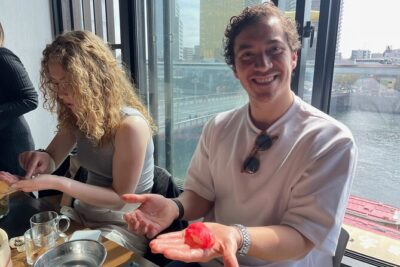
Sushi Making Tokyo Roll and Authentic Japanese Sushi Class
Read our review →
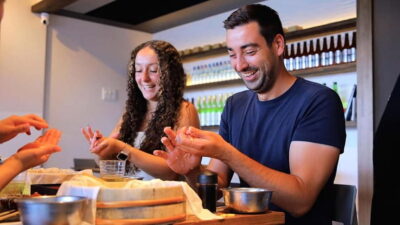
Roll and Authentic Sushi Making Class in Asakusa
Read our review →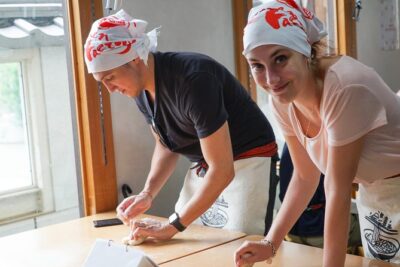
Ramen Cooking Class at Ramen Factory in Kyoto
Read our review →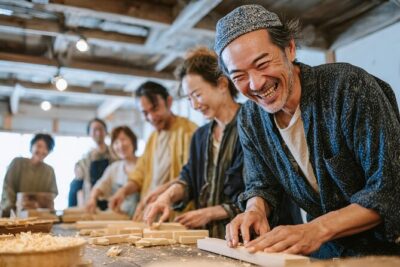
Sushi Making Class in a Happi Coat near a Famous Spot
Read our review →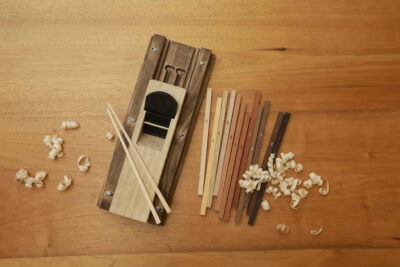
Sushi Making Osaka Roll and Authentic Japanese Sushi Class
Read our review →Browse the lists this tour appears in