
Reviewed · WORKSHOPS
Tokyo Chopstick Making Workshop with Artisan
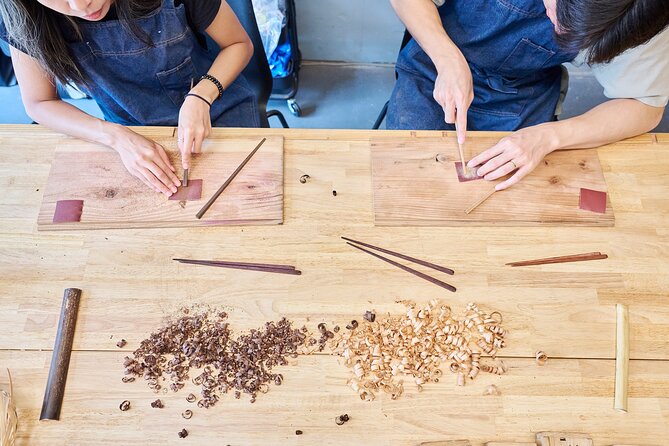
Carving your own chopsticks feels strangely satisfying. In this Tokyo chopstick making workshop, you work with a local artisan to shape and finish real wooden chopsticks, then take them home the same day.
I love the hands-on focus and the fact the group stays small, so instructors like Angie, Kaana, and Sensei can help you get unstuck fast. I also like that you get more than a souvenir, you learn why chopsticks matter in everyday Japanese culture.
One consideration: plan for physical work. If you are not used to planing wood, expect it to be an arm workout, and the session can run closer to 2 hours for some people.
Key things to know before you go
- Small group size (max 10 people) helps you get real guidance instead of watching from the sidelines
- Same-day take-home finish, you leave with chopsticks wrapped and ready to use or gift
- Wood choice affects cost, nicer woods can cost extra
- Engraving is optional, and it adds an extra charge if you want it
- It is hands-on carving, so come ready to use your arms and hands
Tokyo’s craft neighborhood and where the workshop begins
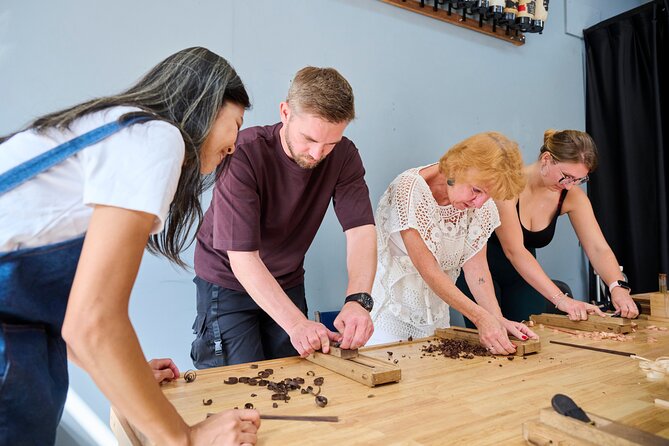
This Tokyo chopstick making workshop is set up for a simple goal: you create your own wooden chopsticks using traditional tools, with a local artisan guiding you through each step. The experience starts and ends at the same place, so you are not wandering around for hours before anything happens.
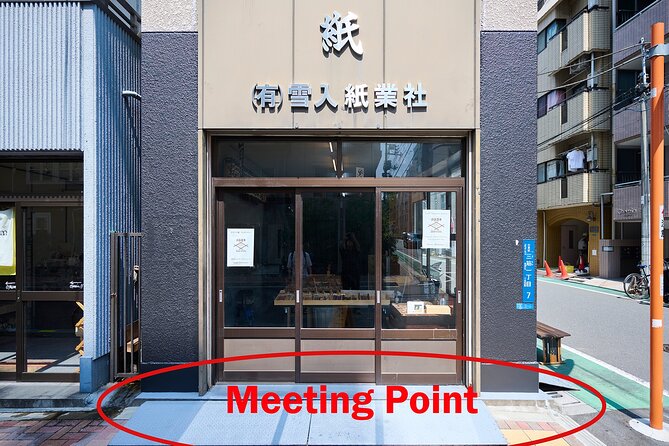
The meeting point is 1-chōme-7-1 Misuji, Taito City, Tokyo 111-0055, Japan. It is near public transportation, which matters in Tokyo, because your time is precious and train transfers can add up. A nice bonus is that the location sits in a craft-focused part of town. One helpful detail I picked up from the experience is that it can be walkable to major landmarks in the area like Ryogoku Kokugikan, so you can often pair it with other sights depending on your schedule.
Inside, you are working in a small room, and the limit of 10 people is not just trivia. It changes the feel of the class. You get attention when you need it, whether it is learning which tool to hold, how much pressure to use, or how to smooth without making things uneven.
You will use a mobile ticket, and you receive confirmation at the time you book. That means less fuss once you arrive, especially if you are already carrying a packed day of trains, meals, and photos.
A few more Tokyo days worth comparing
- Mt Fuji and Hakone 1-Day Bus Tour Return by Bullet Train
★ 5.0 · 26,383 reviews - 1-Day Tokyo Bus Tour
★ 5.0 · 14,250 reviews - Tokyo: TOKYO SKYTREE® Admission ticket
★ 4.5 · 11,192 reviews
Picking your wood: where the $26.53 value can grow or shrink
The base price is $26.53 per person, and on paper it sounds almost too good for a workshop with take-home results. In practice, the value depends on one choice: wood.
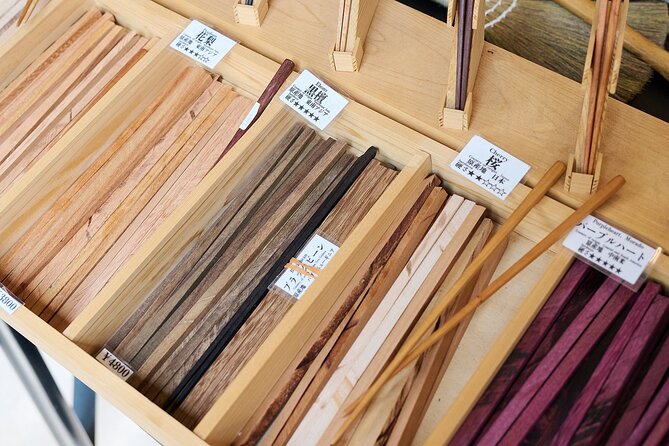
You can usually select from different kinds of wood for your chopsticks. The class gives you guidance, but you still have control over what you want to make. That matters because some woods are simply nicer to look at and feel, and the workshop may charge more for those upgrades. If you choose an upgrade wood, the souvenir becomes more premium.
Here is how to think about the price:
- At the base level, you are paying for instruction, tools, and the finished set that you take home right away.
- If you add nicer wood, you are essentially paying more for a higher-end souvenir.
- Optional extras like engraving can also increase your final total.
If you are aiming for the best deal, you will get there by choosing a wood that is clearly right for beginners. One practical tip I would follow: if you have never planed wood before, consider an easier option rather than the flashiest piece. That choice usually helps you finish cleanly, which is the real goal.
Carving and finishing: what actually happens during your session
This class runs about 1 hour, but do not be shocked if your session stretches to around 2 hours depending on how your work goes and how many people are ready at the start. That is not a problem. It usually means you have enough time to do it properly, and the instructors do not rush you through.
The core steps are straightforward:
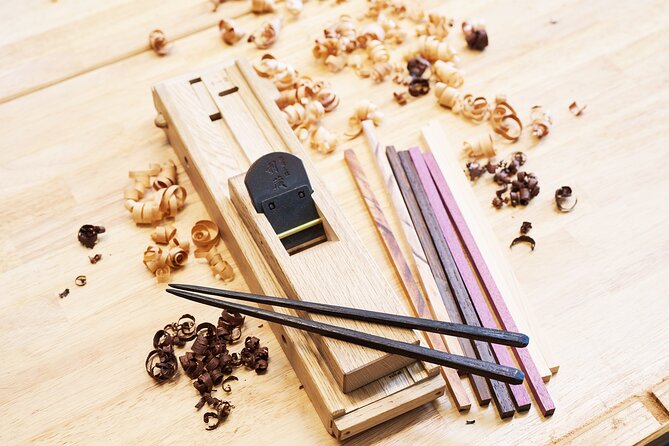
- Shape the wood into chopstick form using traditional tools
- Smooth the surface so the chopsticks feel comfortable
- Finish your set so it is usable and presentable
You are not doing anything like a factory process where you repeat the same motion forever. This is real craft work, and you feel it as you go. Early on, you learn how the tool bites and where you can easily go too far. Then you get better at it, and it starts to feel more like you are building something rather than following instructions.
The staff helps throughout. People remember certain names, which is always a good sign that the teaching is personal. You might be guided by someone like Angie or Kaana, and you may also hear instructions from a Sensei style instructor. Another guide you could encounter is Sakura, and for some groups, Rasmus is part of the team. What you should care about here is the teaching style: you are not left to figure things out alone.
Also, go in with the right mindset about effort. More than one person noted the physical side, especially if you are not used to planing wood. Your forearms get involved. The good news is that the class size keeps the work manageable and the assistance close by.
One sweet detail I liked in the workflow is that the workshop is designed for beginners. That does not mean it is effortless. It means it is paced so you can learn what you are doing without feeling lost.
The chopstick culture lesson that makes the souvenir feel earned
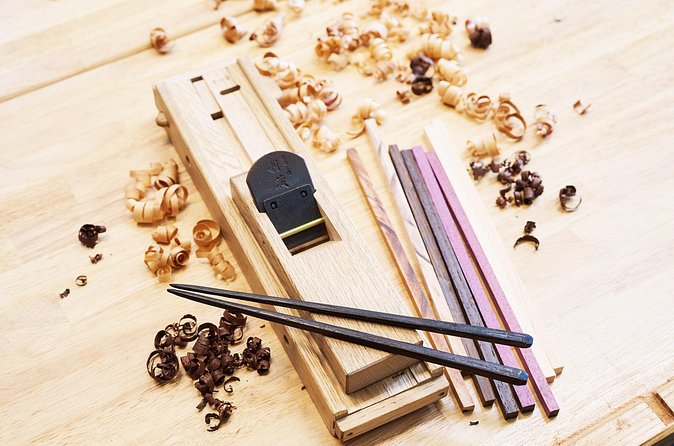
A chopstick set is just two sticks until you learn the cultural context. This workshop includes an explanation of the cultural significance of chopsticks in Japan, which turns your project into something more meaningful than a craft table activity.
You do not need a background in Japanese culture to enjoy this part. The class frames chopsticks as part of daily life, and it helps you understand why these tools are worth caring about. That matters because when you make your own set, you start treating it differently. You may even find yourself paying attention to how people handle chopsticks when you eat afterward.
In other words, the class gives you a story you can tell. Not a vague story, but one rooted in what you made and what you were taught during the session.
Same corner of Japan, a different kind of day:
- Tokyo: teamLab Planets TOKYO Digital Art Museum Entry Ticket
★ 4.6 · 9,779 reviews - Mt Fuji & Hakone Cruise, Drum Show Bullet Train 1 Day from Tokyo
★ 4.0 · 7,413 reviews - Tokyo: Sumo Show Experience with Chicken Hot Pot and a Photo
★ 4.8 · 6,678 reviews - Tokyo: Shinjuku Food Tour (13 Dishes at 4 Local Eateries)
★ 5.0 · 6,603 reviews
Engraving and wrapping: how to make it gift-ready
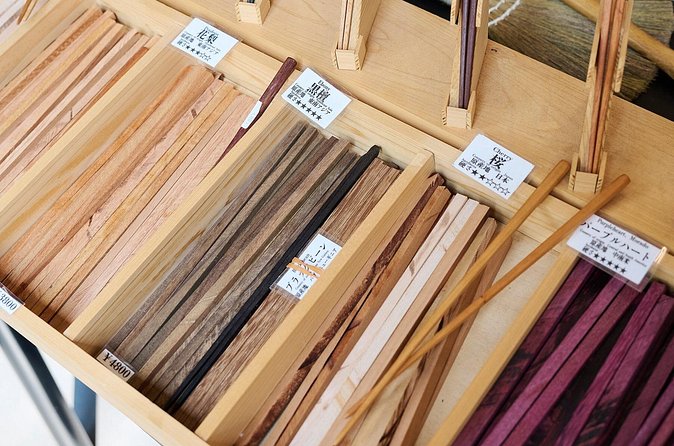
Your chopsticks come wrapped at the end of the session. That is not a small detail. It means you can hand them to someone right away without improvising packaging later.
There is also an optional add-on: engraving. People have had their chopsticks engraved for an extra cost, and the engraving can make the souvenir feel personal, especially if you are traveling with a partner, family member, or a friend back home.
If you plan to add engraving, think about spacing and legibility before you commit. Since you are carving and finishing, it is worth asking the staff what will look best on the final surface. You want it to look clean, not cramped.
Who this workshop is perfect for, and who should adjust expectations
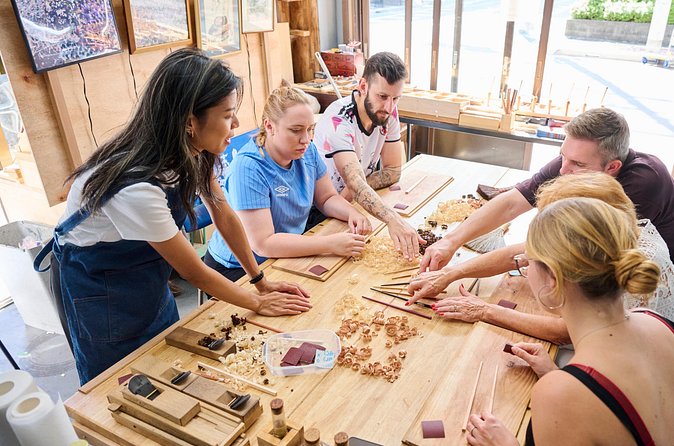
This experience is set up for beginners, and it is a great fit if you want a real Tokyo skill activity instead of another photo stop. The fact that most people can participate is reassuring, but it still helps to know what type of effort you are signing up for.
This is a strong match if:
- You like hands-on workshops and want an authentic handmade souvenir
- You want a break from temples and shopping, but you still want something cultural
- You enjoy learning from local artisans and getting personal coaching
- You travel with kids who can handle careful crafting, because the class can work well for mixed ages when guidance is close
It is also a great fit if you want a “do something” morning or afternoon that does not require a big time investment. A 1 to 2 hour activity is easy to plug into your day.
Adjust your expectations if:
- You hate repetitive hand work. This is not nonstop carving, but it is steady craftsmanship, and your arms will notice
- You want a purely passive experience. This is active, and you are making chopsticks, not watching
- You are trying to keep expenses ultra-tight. Better woods and engraving cost extra, so your final total depends on your choices
Value check: is it worth paying $26.53 for chopsticks you made?
I think the base price is fair, because you are paying for four things:
- Instruction from a local artisan
- Use of tools and guidance through a full process
- A finished souvenir you take home the same day
- A mini lesson about how chopsticks fit into daily life
Even if you treat it like a souvenir purchase, the value holds up because you are not just buying an object. You are buying a story, and you created it yourself.
That said, you should be aware of one practical reality: in some similar workshops, people can sometimes walk in and pay less by choosing wood on-site. If you are staying flexible and you do not mind asking questions when you arrive, you might find a cheaper option. If you want certainty, booking for a specific time is the simpler path.
My rule of thumb:
- Book it if you want a guaranteed spot and a timed plan.
- Consider asking about on-site pricing if you are flexible and trying to squeeze every yen out of your budget.
Timing and practical planning for a smooth day
Plan around a 1 hour class window, but keep a little buffer because some sessions take closer to 2 hours. In Tokyo, that buffer helps you avoid stress when trains, meals, or weather are off schedule.
Since the activity is in a craft neighborhood, it can pair nicely with nearby sightseeing. If you have other plans near Ryogoku Kokugikan, you can usually shape your day around a walkable route and a short ride.
One small practical tip: if you tend to get cold or overheated easily, think about the room conditions. In one instance, instructors allowed early entry because it was hot outside, which suggests staff pay attention to comfort.
Should you book this Tokyo chopstick making workshop with an artisan?
You should book it if you want an authentic Tokyo craft you can actually use at home. It is hands-on, the group stays small, and the take-home result is real and immediate. If you like learning from people who make things for a living, this class gives you direct coaching, and names like Angie, Kaana, Sakura, Rasmus, and Sensei show how personal the instruction can feel.
Skip it only if you are looking for something that is mostly viewing and little effort. This one asks for your hands and arms. Also, if your budget is strict, you will want to decide early whether you will stick to the base wood options or upgrade.
If your goal is a memorable souvenir with a story you can tell at dinner, this workshop does the job.
FAQ
How long is the chopstick making workshop?
The workshop runs for about 1 hour. Some people may finish closer to 2 hours depending on how the session goes.
Where is the meeting point in Tokyo?
You meet at 1-chōme-7-1 Misuji, Taito City, Tokyo 111-0055, Japan. The activity ends back at the meeting point.
How many people are in the group?
The workshop has a maximum group size of 10 travelers.
What do I take home at the end?
You create wooden chopsticks in the workshop and take them home the same day. They are wrapped and ready to use or give as a gift.
Can I upgrade my chopsticks with better wood or engraving?
Yes. You can choose different woods, and nicer woods may cost extra. Engraving is also available for an additional cost if you want it.
Is free cancellation available?
Yes. You can cancel for a full refund up to 24 hours in advance of the experience start time. If you cancel less than 24 hours before, the amount you paid will not be refunded.
Fresh options around Tokyo
- Tokyo: Nikko Kegon Falls Lake Chuzenji Toshogu Temple & More★ 4.9 · 12 reviews
- Tokyo: Samurai History Walking Tour★ 5.0 · 12 reviews
- Harajuku: Kawaii Fashion and Pop-Culture Tour★ 4.7 · 12 reviews
- Tokyo: Mt. Fuji & Lake Kawaguchi Instagram Full Day Trip★ 4.1 · 12 reviews
- Shibuya Tokyo: Modern Kintsugi Workshop in Shibuya★ 5.0 · 12 reviews
- Tokyo: GTR Guided Daikoku Experience at Night★ 5.0 · 12 reviews
- Tokyo: Daikoku JDM Car Culture Tour★ 4.6 · 12 reviews
- Mt Fuji Private Day Trip from Tokyo with English speaking driver★ 5.0 · 13 reviews
Workshops, compared.
Sushi Making Tokyo Roll and Authentic Japanese Sushi Class
Read our review →
Roll and Authentic Sushi Making Class in Asakusa
Read our review →
Ramen Cooking Class at Ramen Factory in Kyoto
Read our review →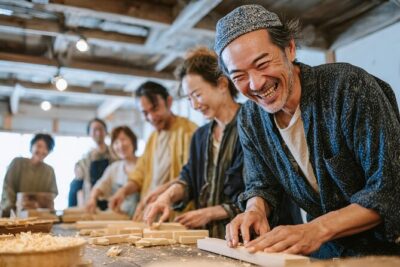
Sushi Making Class in a Happi Coat near a Famous Spot
Read our review →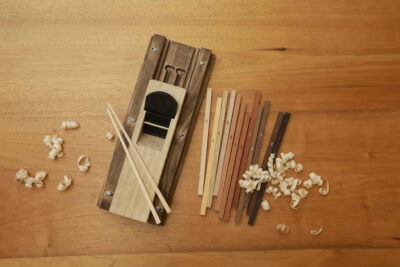
Sushi Making Osaka Roll and Authentic Japanese Sushi Class
Read our review →Browse the lists this tour appears in