
Reviewed · WALKING TOURS
Takayama: Private Walking Tour with a Local Guide
Old streets, local stories, and no rushing. A private walking tour of Takayama (Hida-Takayama) gives you a local guide’s street-level context as you hop between Edo-era lanes, museum stops, and temple grounds. It is also built around customizing the pace and priorities so you do not waste time on what you are not into.
I especially like two things about this kind of guide-led format. First, you get a clear sense of how Takayama worked, with stops like the Takayama Jinya, the former government office with officials dispatched from Edo (present-day Tokyo). Second, you can pair history with everyday life, including the Miyagawa Morning Market where locals buy snacks, crafts, and produce.
One consideration before you book: food, drinks, and entrance fees are not included, so you should plan extra spending for meals and ticketed sites. If you want a full day of grazing and museums, budget a bit more than the base price.
Quick highlights
- Private, licensed local guide in English or Japanese, with the ability to tailor what you see and how long you stay
- Miyagawa Morning Market on the river, typically between 7:00 AM (8:00 AM in winter) and 12:00, for snacks and shopping
- Takayama Jinya as a museum that explains how Edo authorities ran this area, not just what you can photograph
- Festival floats at Yatai Kaikan with four actual floats displayed alongside Takayama Festival context
- Kokubunji Temple with a three-storied pagoda built in 1820, plus a gingko tree over 1260 years old
Why Takayama feels different in Gifu Prefecture
Takayama sits in Gifu Prefecture on Honshu, and the vibe is not like the fast, big-city energy you might get elsewhere in Japan. You get an older town feel, with preserved streets and buildings connected to the Edo period (1603 to 1868), plus the kind of mountain setting that makes photos look like they have atmosphere even on cloudy days.
What I like about this tour is that it treats Takayama as both town and region. You are not only looking at buildings. You are also connecting them to how people lived, governed, and celebrated here. The guide format matters because Takayama can be visually pretty even if you do not know what you are seeing. With context, you start noticing details you would otherwise miss.
More walking tours in Takayama:
- Takayama Old Town Walking Tour with Local Guide
★ 4.5 · 50 reviews - Explore Kiso Valley : Magome – Tsumago Mountain Trail Walk
★ 5.0 · 33 reviews - Takayama: Takayama Jinya & Old Town Private Walking Tour
★ 4.5 · 32 reviews
The real value of a private walking guide in Takayama
At $119 per person for 4 to 6 hours, the cost is really paying for time with a licensed local guide you can steer. That is the key difference between this and a self-guided wander.
Here is what you get in practical terms:
- A guide can shift the route if you care more about temples, festival culture, or everyday shopping.
- You can set the walking pace, so you do not get forced into a rigid “see everything fast” schedule.
- You can ask questions in real time. That matters in Japan where small architectural choices and local place names often carry meaning.
You might also get a guide who has an approach you will enjoy. Named guides that have been connected to excellent experiences include Lily, Annie, Mitsu, Yoko, and Yoyo. If you end up with someone like Lily or Annie, you can often lean into temple stories and historical explanations, then cap the day with food recommendations. If you are paired with a guide like Mitsu, you can ask for more of the “how Takayama works” angle, including hidden corners and practical local context.
A realistic 4 to 6 hour route, without wasting time
A 4 to 6 hour private walk is long enough to cover multiple themes, but short enough that you should avoid trying to cram in too many major museums plus too many hillside stops. The best use of your time is a blend: one or two “wow” cultural sights, one everyday stop (market or street shopping), and then a temple or shrine area that gives you a slower moment.
A guide helps you build that rhythm. If you start with a river-side market, you often get momentum fast. Then you can move into Edo-era neighborhoods and museum-like sites where you slow down and read the spaces. Finally, you finish with a temple or shrine moment that makes Takayama feel special beyond the photos.
Because the itinerary is customizable, you should think of your tour as a menu with priorities:
- Do you want market snacks and crafts?
- Do you want festival floats and shrine context?
- Do you want more museum-style history like the Jinya and folk museums?
- Or do you want the most iconic temple and pagoda experience?
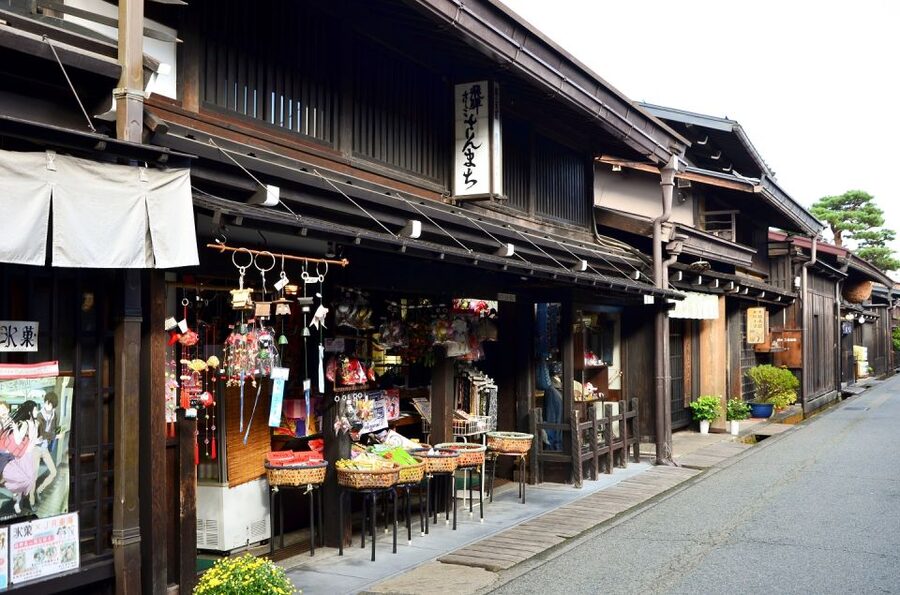
Sanmachi Street and Edo-era lanes you can actually enjoy
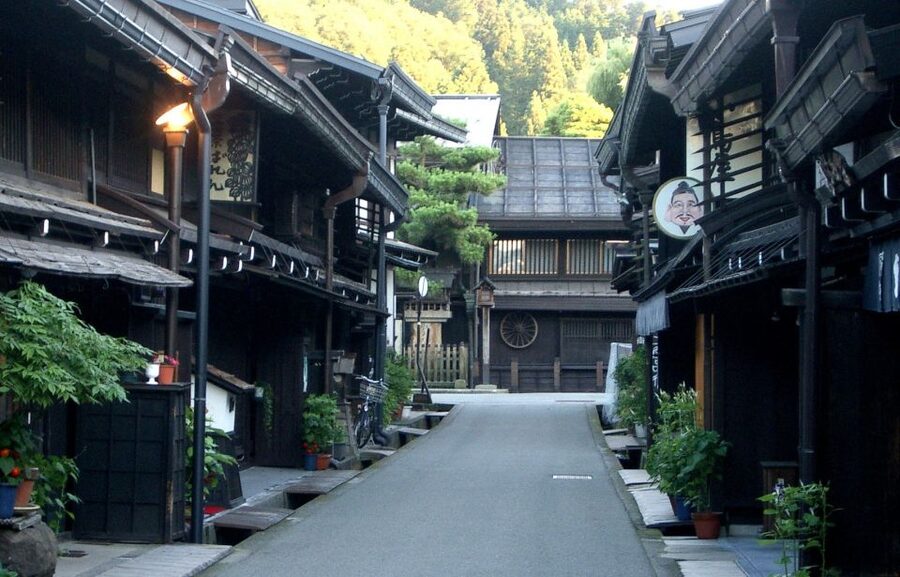
Sanmachi Street is the classic Takayama stroll: houses and shops dating back to the Edo period, lined with local specialties and an old-town atmosphere. Even if you are not shopping, this is where you start feeling the place.
What makes Sanmachi Street worth doing with a guide is that you can connect what you see to how it was used. A local guide can point out the differences in architecture and how commerce shaped street life. You can also ask where to linger, because on a private route you can slow down at the spots you like without holding up a group.
A small practical downside: because it is a shopping street, it can tempt you to stop repeatedly. If you want more museums and fewer storefront breaks, tell your guide early so you can keep your time balanced.
A few more Takayama days worth comparing
- Kanazawa: World Heritage Shirakawa-go Morning Guided Tour
★ 4.9 · 988 reviews - Kanazawa: World Heritage Shirakawa-go & Two Local Experience
★ 4.9 · 274 reviews - Kanazawa/Takayama: Shirakawago & Takayama Private Day Tour
★ 4.8 · 172 reviews - Departing from Takayama [Regular sightseeing bus] World Heritage Sites Shirakawago and Gokayama Ainokura
★ 4.5 · 137 reviews
Miyagawa Morning Market, the easiest way to taste local Takayama
If your tour overlaps the morning, Miyagawa Morning Market is one of the most satisfying stops. It runs daily along the Miyagawa River, typically between 7:00 AM and 12:00, and it starts an hour later in winter at 8:00 AM.
You will see stalls and activity for:
- Snacks
- Crafts
- Produce
Even if you do not plan a big meal, this stop gives you “real day in Takayama” energy. It also helps break up museum time, so the tour does not feel like nonstop reading and ticketed interiors.
Keep in mind: food and drinks are not included on this tour, so think of this as your chance to buy something small and practical rather than a full restaurant sit-down. If you love tasting local snacks, this is the stop that rewards your appetite most.
Takayama Festival Floats Exhibition Hall (Yatai Kaikan) and why it matters
Takayama Festival happens for two days each spring and autumn, and it is often mentioned alongside Kyoto’s Gion Matsuri and Chichibu Yomatsuri as one of Japan’s three most beautiful festival events. If you care about craft, engineering, and tradition, the festival floats are the reason.
At Yatai Kaikan, you get a close-up look at key festival elements. Four actual floats used in the festival are displayed, which is a big difference from just hearing about the festival in the abstract. The guide can also connect the floats to the shrine setting and the autumn schedule.
Two practical tips for getting the most out of this stop:
- Tell your guide if you want more explanation or more time looking at the details. On a private tour you control that.
- If you are also visiting a shrine tied to the festival, you can ask for the connection between the shrine site and the float display so the story sticks.
Takayama Jinya, where Edo officials ran the show
Takayama Jinya served as the local government office headed by officials dispatched from Edo (present-day Tokyo). Today, it is open as a museum.
This stop is valuable because it turns Takayama from a “pretty old town” into a functioning part of Japan’s governance system. Instead of only admiring traditional buildings, you start understanding the paperwork, authority, and administration behind the scenes.
If you like historical context you can walk through, this is one of the anchors of the tour. It also pairs well with Edo-era street time on either side, so you get a before-and-after understanding of daily life versus official power.
Hida Folk Village and Kusakabe Folk Museum for people who like buildings
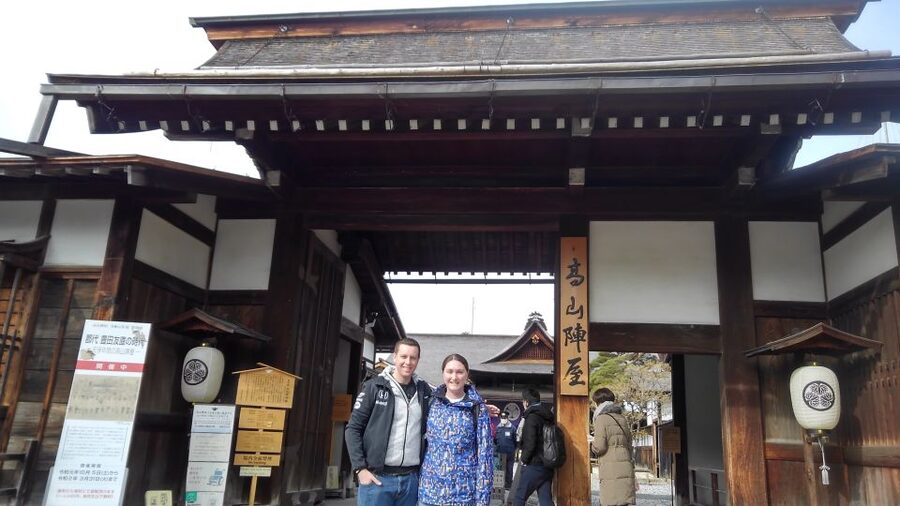
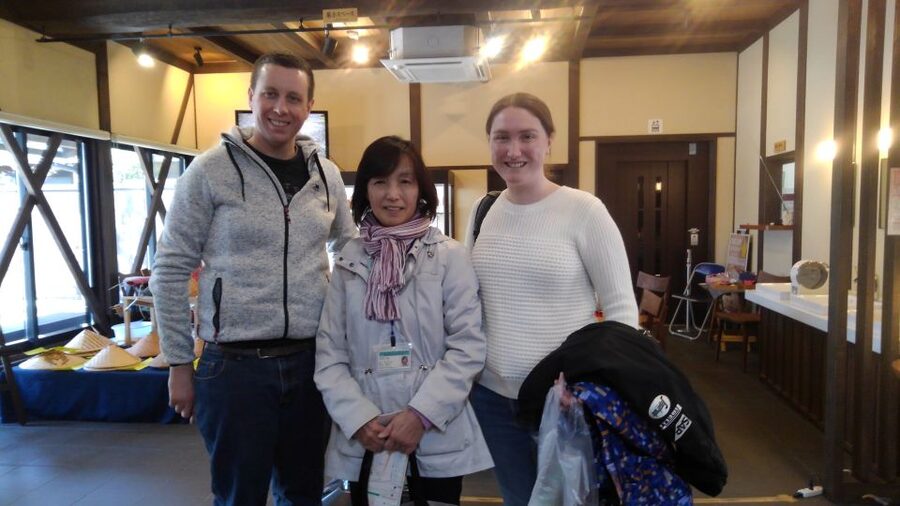
The tour includes two different “folk” experiences, and they work well if you are into architecture and regional culture.
Hida Folk Village
Hida Folk Village is an open-air museum with over 30 traditional houses from the Hida region, the mountainous area around Takayama in Gifu Prefecture. The houses were built during the Edo period and were relocated to the museum in 1971.
What you get here is space. You are not just seeing one building. You are walking through a set of structures that show how homes fit into the region. It is also a nice break from street shops, because it slows you down naturally.
Kusakabe Folk Museum
Kusakabe Folk Museum is a historic private residence opened to the public. The building was constructed during the Meiji period using Edo-style architecture, and it is designated an important cultural property of Japan.
This one hits differently. Instead of an outdoor scatter of structures, you get a residence perspective. A guide can help you look for what changed between the Edo and Meiji periods while staying consistent with local architectural approaches.
If you want the most variety in a limited 4 to 6 hours, these two can be perfect. If you prefer only a lighter dose of museum time, tell your guide and you can swap one for another stop like Yatai Kaikan or Kokubunji.
Temples and shrines: Kokubunji pagoda and Hachimangu grounds
Takayama has a strong shrine and temple presence, and this tour gives you iconic choices.
Hida Kokubunji Temple
Hida Kokubunji Temple includes a three-storied pagoda constructed in 1820. The main building enshrines a Buddhist statue thought to be from the Heian period. Then there is the huge gingko tree on the grounds, which is over 1260 years old.
This stop is not just about the big objects. With a local guide, you get a feeling for why these landmarks were placed where they were and what they meant. The pagoda date alone gives you a concrete time anchor, and the gingko tree is the kind of detail you remember even after you leave.
A practical consideration: temple grounds sometimes mean stairs and uneven paths. This tour is listed as wheelchair accessible, but within that, individual paths vary. If you need smoother routes, ask your guide to prioritize the most accessible paths when planning the day.
Sakurayama Hachimangu Shrine and the autumn festival link
Sakurayama Hachimangu Shrine is tied to the Takayama Festival in autumn. Next to the shrine is the Takayama Festival Floats Exhibition Hall, also known as Yatai Kaikan, where four floats are displayed.
If you want the story to connect in a single thread, this pairing is helpful. Shrine context in the morning or afternoon makes the float displays feel less like a separate attraction and more like part of the same tradition.
Gifu scenery time, and how to plan for photos
The highlights promise stunning scenery of Gifu Prefecture where Takayama is located, and that shows up in the way the city sits inside a mountain region. Even on a walking tour, you should expect moments where streets open toward broader views or where the town feels framed by hills.
A guide helps you catch those moments without wasting time. Ask for a few short photo pauses rather than long detours. In a 4 to 6 hour window, those small adjustments can make a big difference in how many “wow” view moments you actually get.
Price and budgeting: what you pay for, and what you should add
This tour costs $119 per person and runs 4 to 6 hours. What you are paying for is a private walking experience with a licensed local guide, in English or Japanese, with your itinerary customized to your interests.
What is not included is just as important:
- Food and drinks
- Entrance fees
- Transportation to and from the meeting point
- Any additional public or private transportation fees during the tour
So your real budget is the guide fee plus tickets plus meals you choose. The good news is that you control it. If you want more museum time, plan for entrances. If you want market snacks and fewer ticketed stops, you can keep costs lower.
Transportation is also not covered. If you are coming in from elsewhere in the region, you will want to plan how you reach the meeting area on your own so you do not lose tour time on logistics.
Who should book this private Takayama tour
This is a great fit if:
- You want a guided route in a smaller city where context makes a big difference
- You care about Edo-era details, government history at the Jinya, and how people lived in the Hida region
- You want a blend of indoor and outdoor stops, including the morning market and temple grounds
- You have limited time and still want to see the best mix of streets, museums, and festival culture
It is also a good match for anyone who appreciates a calm pace. The tour is private, so you are not stuck with a group schedule.
Should you book this Takayama private walking tour?
I would book it if you want Takayama to feel explained, not just photographed. The combination of Edo-era streets like Sanmachi, a governance-focused stop at Takayama Jinya, and a festival centerpiece at Yatai Kaikan gives you multiple angles on the city in one half-day to full afternoon.
Skip or at least think twice if you only want to wander freely and you already know what you want to see. With DIY touring, you can hit a lot of these places on your own, but you will miss the linking details that make the buildings and traditions click.
If you do book, come with two or three priorities and let your guide shape the rest. That is how you get the most from a 4 to 6 hour walk without feeling like you are racing through Takayama.
FAQ
How long is the Takayama private walking tour?
The tour lasts 4 to 6 hours. Exact starting times depend on availability.
Is this tour private?
Yes. It is a private group experience, and you get a licensed local guide.
What languages are available for the live guide?
The tour offers live guiding in English and Japanese.
What is included in the price?
The price includes the guided tour and a licensed local guide.
Are food and drinks included?
No. Food and drinks are not included.
Are entrance fees included?
No. Entrance fees are not included.
Does the tour include the Miyagawa Morning Market?
A typical itinerary includes the Hida-Takayama Miyagawa Morning Market, which runs daily between 7:00 AM and 12:00 (with an 8:00 AM start in winter).
Is the tour wheelchair accessible?
Yes. The tour is listed as wheelchair accessible.
When will I know if the guide is confirmed, and what about cancellation?
The tour is not confirmed until your guide contacts you, often within 7 days. Cancellation is free up to 24 hours in advance for a full refund.
Fresh options around Takayama
- Takayama: Private Night Walking Tour with Dinner★ 4.5 · 13 reviews
- Ninja experience in Takayama – Special Course★ 4.9 · 13 reviews
- Takayama Rice Ball and Miso Soup Making at a buddhist temple★ 5.0 · 13 reviews
- Takayama Full-Day Private Tour with Government Licensed Guide★ 4.5 · 13 reviews
- Shirakawago&HidaTakayama&GujoHachiman 1 Day Tour from Nagoya★ 4.5 · 14 reviews
- Sake Tasting: Educational Tour of Six Takayama Breweries★ 5.0 · 14 reviews
- Takayama Half Day Tour (Private Guide)★ 5.0 · 15 reviews
- Takayama: Mochi-Making Experience at a Buddhist Temple★ 4.8 · 15 reviews
Walking Tours, compared.
Kyoto Geisha Walking Tour: Gion District & Hidden Gems
Read our review →
Tokyo Tsukiji Fish Market Food and Culture Walking Tour
Read our review →
Gion Magical Night Walking Tour with Geisha Trivia
Read our review →
Imperial Palace and Shogun Historical Walking Tour
Read our review →
Gion Geisha District Walking Tour – Stories of Geisha
Read our review →
Shinjuku Local Bar and Izakaya Guided Walking Tour
Read our review →
Browse the lists this tour appears in