
Reviewed · HISTORICAL TOURS
Departing from Takayama [Regular sightseeing bus] World Heritage Sites Shirakawago and Gokayama Ainokura
Two UNESCO villages, one comfy bus ride. I love how the Nohi Bus guide sets the context for gassho-zukuri life as you travel to hard-to-reach Ainokura, and I love the included stop at Shirakawago Gassho Zukuri Minkaen plus the classic postcard view from Tenshukakau. The tradeoff is that Shirakawago can feel time-tight if lunch lines get long.
This is a shared sightseeing-coach day, not a private tour. You get enough structure to know where to go and what matters, then you still have room to wander the villages at your own pace.
Key highlights at a glance
![Departing from Takayama [Regular sightseeing bus] World Heritage Sites Shirakawago and Gokayama Ainokura - Key highlights at a glance](https://review-japan.com/wp-content/uploads/departing-from-takayama-regular-sightseeing-bus-world-heritage-sites-shirakawago-and-gokayama-ainokura-1.jpg)
- Ainokura first, Shirakawago second for an easier contrast between quiet Gokayama and busier Ogimachi
- Included entry at Gassho Zukuri Minkaen so you are not piecing together which ticket pays off
- Tenshukakau Observatory for the view you see on posters of Shirakawa-go
- A guided ride with practical on-site tips (maps and where to look help a lot)
- Long-enough stops to explore on foot, assuming you plan lunch smart
Takayama to Gokayama and Shirakawago: why this day trip works
![Departing from Takayama [Regular sightseeing bus] World Heritage Sites Shirakawago and Gokayama Ainokura - Takayama to Gokayama and Shirakawago: why this day trip works](https://review-japan.com/wp-content/uploads/departing-from-takayama-regular-sightseeing-bus-world-heritage-sites-shirakawago-and-gokayama-ainokura-2.jpg)
If you have limited time in Takayama, this is one of the most efficient ways to visit two UNESCO World Heritage villages without white-knuckle logistics. Ainokura (Gokayama) and Shirakawa-go are both remote, and that remote feel is part of the magic. The bus ride itself is also scenic, with the mountains and valleys doing their best impression of a living postcard.
What makes this tour especially practical is that it mixes guided orientation with self-guided wandering. You are not trapped in a museum voiceover all day. Instead, the guide gives you the key background, points out what to prioritize, and helps you use your time well once you step off the coach.
The overall vibe depends on the season, but the format stays consistent: early departure from Takayama, two big village blocks, then a return back to the same meeting point.
A few more Takayama days worth comparing
- Kanazawa: World Heritage Shirakawa-go Morning Guided Tour
★ 4.9 · 988 reviews - Kanazawa: World Heritage Shirakawa-go & Two Local Experience
★ 4.9 · 274 reviews - Takayama: Authentic Sake Tasting at a Historic Brewery
★ 5.0 · 65 reviews
Price and value: $64.80 for transportation plus entry
At $64.80 per person, you are mostly paying for transportation plus guided context to places that are not easy to reach on your own. Lunch is not included, so you should plan to eat in Shirakawago. That matters, because Shirakawago also has queues for popular restaurants, and your lunch timing can affect how much time you feel you have for viewpoints and shops.
That said, the value is solid if you want to do both villages in one day. You do not have to coordinate separate rides between Gokayama and Shirakawa-go, and you get included admission at Gassho Zukuri Minkaen and Tenshukakau Observatory.
If you are the kind of traveler who likes to know what you are looking at while still having freedom to roam, this price-to-experience ratio tends to feel fair.
Your day on the bus: what to expect from Nohi Bus
This is run by Nohi Bus and operates on a medium or large coach. You travel with other guests, and the tour is guided rather than fully escorted walking-style at every step. In plain terms, the guide handles the “what matters and where to go” part, then you handle the “how long do I linger” part once you’re in each village.
The guide information is delivered in English (and some departures include Japanese as well). You will get maps, plus suggestions on layout and where to focus inside the villages. Some departures have guides such as Yamashia or Ikuichinami.
One small practical note: you will want to confirm where you redeem your voucher. The smoothest days are usually the ones where you exchange it quickly at the Nohi bus area before boarding.
Stop 1: Ainokura Gassho Community (Gokayama) for a calmer start
![Departing from Takayama [Regular sightseeing bus] World Heritage Sites Shirakawago and Gokayama Ainokura - Stop 1: Ainokura Gassho Community (Gokayama) for a calmer start](https://review-japan.com/wp-content/uploads/departing-from-takayama-regular-sightseeing-bus-world-heritage-sites-shirakawago-and-gokayama-ainokura-4.jpg)
Ainokura is your first stop, and that order is a smart choice. You get about 50 minutes, and the reward is a quieter entrance into the gassho-zukuri world before the larger crowd in Shirakawa-go.
This is Ainokura Gassho-zukuri Village in Nanto City, Toyama Prefecture, and it’s known for having about 20 gassho-zukuri houses still in existence. That smaller number changes the feel. Instead of feeling like you are walking through a theme-park of houses, you can actually notice the slope of the roofs, the village shape, and the way the homes cling to the terrain.
Admission at this stop is free, which is nice because it keeps your spending focused where it counts later.
How to use your 50 minutes well
- Walk a loop at an easy pace, then return to the buildings that catch your eye.
- If you’re snow-season shopping, keep an eye on where you want to stop for photos, since the light can change fast in mountainous areas.
- Avoid the trap of doing only one side of the village. The most “storybook” angles tend to be after you round a bend.
Same corner of Japan, a different kind of day:
- Kanazawa/Takayama: Shirakawago & Takayama Private Day Tour
★ 4.8 · 172 reviews - 1-Day Takayama Tour: Explore Scenic Takayama and Shirakawago
★ 5.0 · 113 reviews - From Takayama: Guided Day Trip to Takayama and Shirakawa-go
★ 4.9 · 113 reviews - Private Afternoon Cycling Tour in Hida-Furukawa
★ 5.0 · 109 reviews
Stop 2: Historic Villages of Shirakawa-go for the UNESCO wow factor
Next comes the big one: the historic village core of Shirakawa-go. You have about 2 hours, and admission is free for the village area.
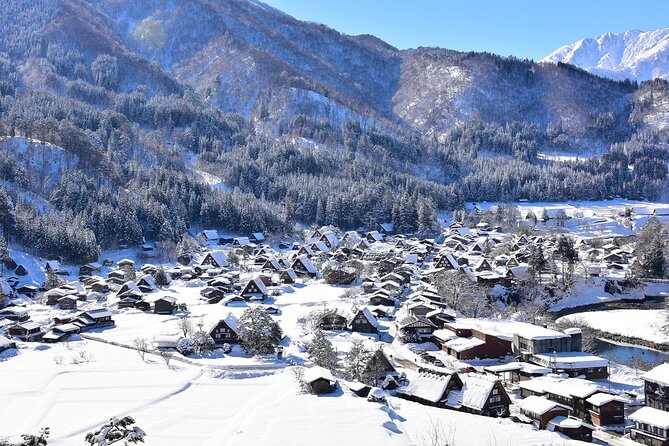
Shirakawa-go is a UNESCO World Heritage site with about 114 thatched gassho-zukuri houses that still retain the nostalgic scenery of old Japan. The most recognizable feature is the steeply sloped triangular thatched roof. In heavy snowfall regions, that roof shape is not just aesthetic, it’s practical engineering. You will see that roofline from multiple angles, and that is where the famous “postcard” look becomes real.
This stop is often the highlight, but it can also be the most crowded part of the day. The good news is that 2 hours is usually enough to get great photos, wander key streets, and still make time for the paid add-ons if you plan your lunch carefully.
The drawback to watch for
If you hit Shirakawa-go at a lunch rush, the queue can eat a big chunk of your time. Then you may have to choose between a viewpoint moment or an extra museum stop. It’s not a deal-breaker, it just means you should eat strategically.
Stop 3: Shirakawago Gassho Zukuri Minkaen (included) for context
You then move to Shirakawago Gassho Zukuri Minkaen, with about 30 minutes on the schedule. This is the stop where you get included admission.
This is a smart add-on because it helps you understand what you’re seeing outside. The open-air museum setting gives you an easier way to compare structures and interiors than you can during a quick village stroll. Even if you enjoy just wandering, this stop often makes the roofs and house layouts feel less random and more intentional.
There is a seasonal caveat: the park is closed on Thursdays from December to March. If it is closed on your date, the tour notes that you will receive an original mascot instead.
Stop 4: Tenshukakau Observatory for the classic view
![Departing from Takayama [Regular sightseeing bus] World Heritage Sites Shirakawago and Gokayama Ainokura - Stop 4: Tenshukakau Observatory for the classic view](https://review-japan.com/wp-content/uploads/departing-from-takayama-regular-sightseeing-bus-world-heritage-sites-shirakawago-and-gokayama-ainokura-5.jpg)
Last big stop is Tenshukakau Observatory, about 20 minutes. Admission is included.
This is where you get the view that shows up on a lot of travel posters of Shirakawa-go. From a hill northwest of the village, you can look down on the gassho-zukuri rooftops, which helps you understand why this place looks so iconic from above. It also gives you a last chance for photos before you head back to the bus.
Quick tip: If you care about the lighting for photos, check how the sun hits the roofs from your side of the viewpoint. You do not get a long time here, so aim for your best angle quickly.
What the guide actually adds (and what you still do on your own)
The best part of this kind of day trip is not just reaching the villages. It’s using guidance to avoid wasting time.
The guide typically:
- explains the layout and key things to spot in each area
- gives you practical direction so you do not start walking the wrong way
- shares seasonal information related to the Hida region, plus food and dialect notes that you might not notice if you are only reading signs
Also, the tone is meant to be helpful without overwhelming you. One of the repeated good points from people who’ve taken this route is that you get just enough information to orient yourself, then you’re free to explore.
So yes, you are doing a shared bus tour. But you are not “passive sightseeing.” You still decide where to linger, what to photograph, and how to pace yourself across four stops.
Lunch in Shirakawa-go: plan this part or it will plan you
Lunch is not included, but the day is designed so you can eat in Shirakawa-go. This is where your experience can swing from very easy to mildly stressful.
The practical approach:
- Eat earlier rather than later if the village feels crowded.
- Consider buying something quick first, then save a sit-down meal for when lines move.
- If you bring your own lunch, you still need to find a place to pause and eat.
The schedule gives you multiple attractions, so queue time can force a tradeoff. If you want every single stop, you’ll want lunch to be efficient.
Best time to go: snow, fall, and seasonal mood
This part is less about official facts and more about what the setting does to your eyes. This region looks incredible in snow. In spring and shoulder seasons, you often still get dramatic mountain views with less pressure on timing.
Even in non-winter conditions, the villages are designed for lingering. The thatched roofs, the village lanes, and the contrast between Ainokura and Shirakawa-go are especially satisfying when you can take your time walking and re-checking viewpoints.
If you are choosing between seasons, think about what you want most:
- Snow season: strongest storybook feeling, but you should plan for weather-based changes.
- Autumn: crisp light, comfortable walking, and that cozy rural mood.
Who should book this tour?
This tour is a great fit if:
- you want both Ainokura (Gokayama) and Shirakawa-go in one day
- you prefer a guided orientation with free time to wander
- you don’t want to wrestle with intercity timing and transfers on your own
- you want included entry for Minkaen and a viewpoint payoff at Tenshukakau
It might feel less ideal if:
- you hate crowds and know Shirakawa-go is your only real attraction
- you are the type who needs a slow, multi-hour deep visit to every museum inside a village
If your goal is simply seeing the roofs and taking photos, you might not need all the structure. But if you want the “why this looks like this” part, the guide helps a lot.
Quick logistics you should know before you go
- You depart from Takayama and end back at the same meeting point.
- The start time is 8:30 am, and the total duration is about 7 hours 20 minutes.
- Your meeting point is 6-chōme-125 Hanasatomachi, Takayama, Gifu 506-0026.
- You ride in an air-conditioned vehicle.
One more helpful note: double-check you’re booking from the real operator pathway. The tour overview explicitly warns about fake site products, and the simplest way to avoid trouble is to stick to the legit seller.
Should you book this Takayama to Ainokura and Shirakawa-go day trip?
I think you should book it if you want maximum UNESCO village time with minimum stress. The combo of Ainokura’s calmer start, Shirakawa-go’s big UNESCO wow, plus included entry at Minkaen and a proper viewpoint at Tenshukakau makes this day trip feel complete for a one-day itinerary.
Skip it or consider a different format if you have a very strict “no crowds, no lines” mindset, because Shirakawa-go lunch timing can squeeze the rhythm of the day. Also, if you hate the idea of a shared bus, keep in mind this is built around a group schedule.
For most people visiting Takayama with limited time, this is one of the best ways to see both villages and leave with stories, not just photos.
Fresh options around Takayama
- Takayama: Private Night Walking Tour with Dinner★ 4.5 · 13 reviews
- Ninja experience in Takayama – Special Course★ 4.9 · 13 reviews
- Takayama Rice Ball and Miso Soup Making at a buddhist temple★ 5.0 · 13 reviews
- Takayama Full-Day Private Tour with Government Licensed Guide★ 4.5 · 13 reviews
- Shirakawago&HidaTakayama&GujoHachiman 1 Day Tour from Nagoya★ 4.5 · 14 reviews
- Sake Tasting: Educational Tour of Six Takayama Breweries★ 5.0 · 14 reviews
- Takayama Half Day Tour (Private Guide)★ 5.0 · 15 reviews
- Takayama: Mochi-Making Experience at a Buddhist Temple★ 4.8 · 15 reviews
Historical Tours, compared.
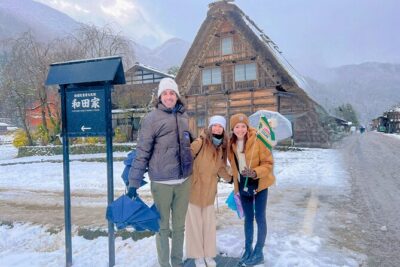
World Heritage Shirakawa-go and Experience Tours from Kanazawa
Read our review →
Imperial Palace and Shogun Historical Walking Tour
Read our review →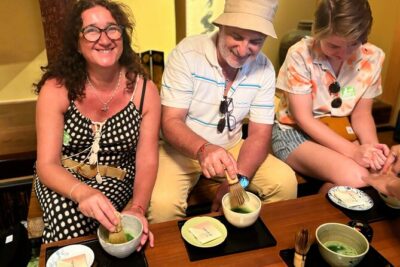
World Heritage Kyoto & Nara Uji Authentic Matcha Experience
Read our review →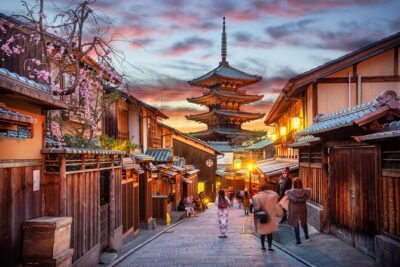
Kyoto Gion: 2-Hour Geisha Culture & History Walking Tour
Read our review →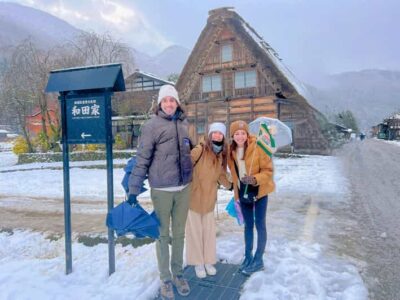
World Heritage Shirakawa-go Morning Guided Tour
Read our review →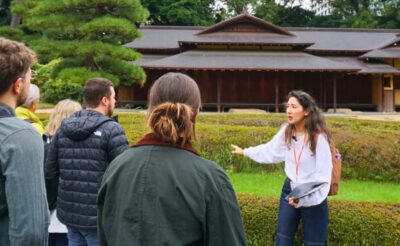
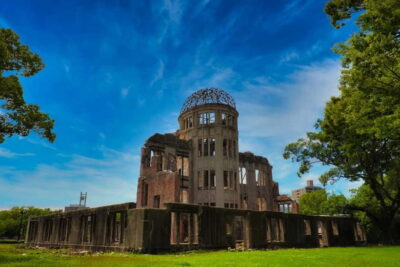
Hiroshima Historical Walking Tour – Why A-Bomb was Dropped
Read our review →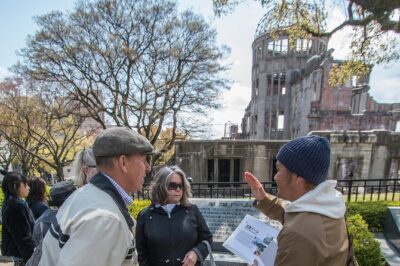
Hiroshima Peace (Heiwa) Walking Tour at World Heritage Sites
Read our review →Browse the lists this tour appears in