
Mochi starts with a clack-clack rhythm. In Takayama, you pound steamed glutinous rice with a wooden mallet, then shape warm mochi by hand in a peaceful temple setting. It’s a hands-on ritual that links food with Japanese celebrations, but the workshop is only one hour, so it is more practice than a long storytime.
I also like the payoff at the end. You get to eat what you make with vegetarian toppings like kinako (soybean flour), sweet bean paste, and even savory-style options like miso flavors, so you leave with a full belly and a clear feel for the texture. The small group setup, limited to 10 people, helps the pace stay friendly and not rushed.
Key moments worth showing up for
- Wooden mallet and mortar mochi method you use with guided coaching
- Temple welcome by ringing the bell at the entrance and being greeted inside
- A shrine-to-kitchen flow that connects prayer space with cooking time
- Guides like Koki and Kazuki who explain the meaning of rice and mochi step-by-step
- Hands-on shaping while the mochi is still warm and stretchy
- Vegetarian toppings so your finished mochi meal feels complete
Temple mochi making in Takayama: what you’re really signing up for
This isn’t a cooking class in a modern studio. You’re making mochi in a Buddhist temple environment, where the mood is quiet and the activity feels like a lived tradition rather than a performance for tourists.
The centerpiece is the rice-pounding ritual. Glutinous rice becomes an elastic, smooth dough through repeated pounding, and that transformation is the whole point. You’re not just learning a recipe, you’re learning a process that has been tied to Japanese celebrations for generations.
You’ll also notice how the session connects food to spirituality. Mochi is often linked with good fortune and festive gatherings, and the way the guide frames it makes the tasting feel like more than dessert.
More temple and shrine tours in Takayama:
- Takayama: Onigiri and miso soup making at a buddhist temple
★ 4.9 · 93 reviews - Kyoto: Fushimi Inari, Kinkakuji, Bamboo Grove 1 Day Bus Tour
★ 4.8 · 4,316 reviews - Kyoto: Tea Ceremony Ju-An at Jotokuji Temple
★ 4.9 · 3,207 reviews
Price and time: is $38 worth 60 minutes?
At about $38 per person for a 1-hour workshop, the value comes from what’s included. You get the mochi-making workshop, ingredients, and guidance from a local host, plus the toppings you eat afterward. For a short window, it is a solid deal because you’re doing the work yourself and then eating the results.
The time limit is the trade-off. You will make mochi, but you won’t get an extended meal, extra craft steps, or a long lecture. If you want a fast, memorable, hands-on experience more than a long cultural seminar, this fits.
Also factor in the setting. A temple experience has its own rhythm, and you’re paying partly for that atmosphere and the host attention that comes with a small group of up to 10.
Meeting point and arrival game plan inside the temple
Plan to show up a bit early so you’re not rushing. The meeting instruction is simple: come inside the temple, ring the bell in front of you, and let staff welcome you.
What helps is treating the first moments as part of the experience. Once you’re inside, you’ll be guided on what to do next, and the tone is respectful rather than casual.
If you’re traveling with a couple or small group, this is one of those activities where being on time matters more than being early. You want the pacing to click from the start so you’re not waiting while others pound rice.
Shrine and kitchen flow: how the session is paced
A strong part of the experience is how it moves you through the temple. In some sessions, you may begin at the main worship area for a short greeting and blessing before you move to where the cooking happens. It sets a meaningful tone before your hands get sticky.
Then the workshop shifts to the practical part. You’ll get explanations about rice and the effort it used to take to make food from grain, and that context makes the pounding feel less like a gimmick. Expect the instructor to explain what mochi represents, then guide you step-by-step while you take turns.
Guides such as Koki and Kazuki are known for combining clear instruction with a fun pace. You might even find the workshop uses call-and-response cues for each stage, which makes the group feel coordinated instead of chaotic.
A few more Takayama days worth comparing
- Kanazawa: World Heritage Shirakawa-go Morning Guided Tour
★ 4.9 · 988 reviews - Kanazawa: World Heritage Shirakawa-go & Two Local Experience
★ 4.9 · 274 reviews - Kanazawa/Takayama: Shirakawago & Takayama Private Day Tour
★ 4.8 · 172 reviews - Departing from Takayama [Regular sightseeing bus] World Heritage Sites Shirakawago and Gokayama Ainokura
★ 4.5 · 137 reviews
Pounding glutinous rice: the hands-on skill that makes mochi real
This is the moment most people remember. You’ll pound freshly steamed glutinous rice using a traditional wooden mallet and mortar, taking turns with other participants.
The texture change is dramatic. Rice starts as grains and steam heat, then through repeated pounding it turns into a smooth, elastic dough. The best part is that you can feel the transformation in your own hands rather than just watching someone else work.
You don’t need culinary talent to enjoy it. What you do need is patience and a willingness to look silly for a minute. The process is physical, but it’s guided, and the instructor keeps you on track so you do not fall behind.
Shaping warm mochi and choosing your toppings
After the dough is ready, you shape the warm mochi with your hands. This stage is where you shift from pounding to forming, and it helps if you keep your hands steady and lightly prepared for stickiness.
Then comes the tasting, and it’s not just one plain piece. You can enjoy your mochi with various vegetarian toppings, such as kinako, sweet red bean paste, and options with miso flavor. You’ll also typically have tea, which makes the meal feel like a complete temple-side break rather than a quick sample.
If you love food variety, you’re in a good place. Even in one small hour, you get a chance to see how different toppings change the character of the same chewy cake.
One practical tip: come with an appetite. If you can, skip a big snack right before you go, because you’ll be eating what you make at the end.
Why mochi matters here: celebrations, good fortune, and community
Mochi is more than chewy rice. In Japan it’s tied to New Year and festive gatherings, where it functions as a symbol of celebration, good fortune, and shared time with others.
That symbolism becomes clearer in the workshop format. When you pound together, then shape and eat together, you experience the same idea that mochi has always carried. It is food that people make and share, often at times when community matters most.
If you’re interested in cultural connections that go beyond surface-level facts, this is one of the more direct ways to learn. You get meaning, then you get your hands on the making process that created the tradition in the first place.
Vegetarian by default: what you should know about toppings
The workshop includes vegetarian toppings for your finished mochi. That matters because you can plan around it, especially if you avoid meat-based flavors and want a predictable menu.
You may see sweet options like red bean paste and savory-style flavoring like miso. If you have allergies, the provided info does not list specific ingredients by brand, so you’ll want to mention your needs to the staff when you arrive or when you book.
The good part is that the experience is designed to be broadly comfortable for common dietary preferences, at least at the topping level that’s provided.
Who should book this, and who might want to skip it
This is suitable for many kinds of visitors. The session works for solo travelers, couples, families, and friends because it’s guided, turn-based, and small group oriented.
But it has clear limits. It is not suitable for children under 3 years, and it is not suitable for people over 70 years. Also note the general temple rules: alcohol and drugs are not allowed.
The physical element of pounding and shaping means you should also consider your comfort with short, hands-on work. If you want a full sitting-down meal or a totally hands-off cultural lecture, this may feel too active. If you want to do something with your hands and taste the result, it’s a great fit.
Practical tips so you enjoy the full hour
A temple setting means you’ll get the most out of it if you treat the space with care. Keep your voice down, follow staff directions, and be ready to switch from warm rice handling to tasting quickly.
Wear clothes that can handle a bit of mess. Mochi dough can be sticky, and even with guidance, you’re doing the shaping yourself. Comfortable shoes are a safe call, since you may move around within the temple area between steps.
Also plan your day so you’re not rushed afterward. This activity ends with eating your mochi, so it can become a meal-like moment. If you’re hopping to another stop immediately, give yourself a little buffer.
Finally, take advantage of the small group size. With only up to 10 participants, ask questions while you’re waiting your turn. That is when you learn the cultural framing that makes the pounding feel like more than a cute photo moment.
Should you book Takayama Mochi-Making at a Buddhist Temple?
Book it if you want a short, hands-on cultural food experience where you actively make mochi, learn what it represents, and then eat your own results with vegetarian toppings. The guided wooden mallet and mortar work is the star, and the temple setting gives it a calm, grounded feel.
Skip it if you’re not up for a physical, turn-based workshop or if you need a long, in-depth tour format. Since it’s a 1-hour session, it’s best for travelers who value doing something practical and tasting the outcome, rather than spending most of the time listening.
If that sounds like you, this is a strong value pick for Takayama.
FAQ
How long is the mochi-making experience?
The experience lasts 1 hour.
How much does it cost?
It costs $38 per person.
Is the group small?
Yes. The workshop is limited to a small group of up to 10 participants.
What language is the instruction offered in?
The instructor speaks English and Japanese.
Where do I meet and what should I do on arrival?
Come inside the temple, ring the bell in front of you, and staff will welcome you.
What is included in the price?
The price includes the mochi-making workshop, guidance from a local host, ingredients, and various vegetarian toppings.
Can I pay later?
Yes. You can reserve now & pay later.
What is the cancellation policy?
Free cancellation is available up to 24 hours in advance for a full refund.
Are there any restrictions on what I can bring?
Alcohol and drugs are not allowed.
Who is the experience not suitable for?
It is not suitable for children under 3 years and it is not suitable for people over 70 years.
Fresh options around Takayama
- Takayama Half Day Tour (Private Guide)★ 5.0 · 15 reviews
- Private Transfer from Takayama to Kanazawa Including Shirakawago★ 5.0 · 17 reviews
- Takayama Local Cuisine, Food & Sake Cultural Tour with Government-Licensed Guide★ 5.0 · 17 reviews
- Short Morning Cycling Tour in Hida★ 5.0 · 17 reviews
- From Takayama: Shirakawago and Gokayama Bus Tour by Nohi Bus★ 4.8 · 18 reviews
- Magome & Tsumago Nakasendo Full-Day Private Trip with Government-Licensed Guide★ 5.0 · 20 reviews
- Ninja experience in Takayama – Special Course★ 5.0 · 20 reviews
- Ninja Experience in Takayama – Trial Course★ 5.0 · 20 reviews
Takayama Tours, compared.
World Heritage Shirakawa-go Morning Guided Tour
Read our review →
World Heritage Shirakawa-go & Two Local Experience
Read our review →
Kanazawa/Takayama: Shirakawago & Takayama Private Day Tour
Read our review →![Departing from Takayama [Regular sightseeing bus] World Heritage Sites Shirakawago and Gokayama Ainokura](https://review-japan.com/wp-content/uploads/departing-from-takayama-regular-sightseeing-bus-world-heritage-sites-shirakawago-and-gokayama-ainokura-400x267.jpg)
Departing from Takayama [Regular sightseeing bus] World Heritage Sites Shirakawago and Gokayama Ainokura
Read our review →
1-Day Takayama Tour: Explore Scenic Takayama and Shirakawago
Read our review →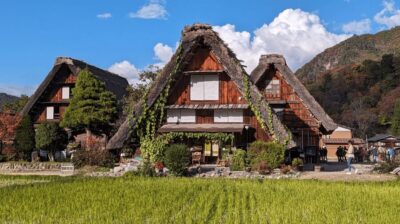
From Takayama: Guided Day Trip to Takayama and Shirakawa-go
Read our review →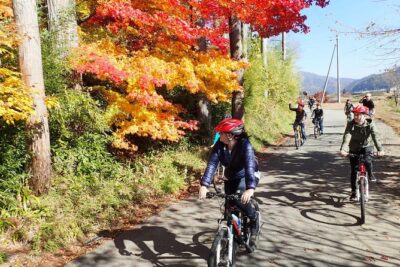
Private Afternoon Cycling Tour in Hida-Furukawa
Read our review →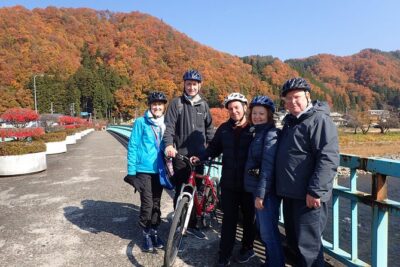
Private-group Morning Cycling Tour in Hida-Furukawa
Read our review →Browse the lists this tour appears in