
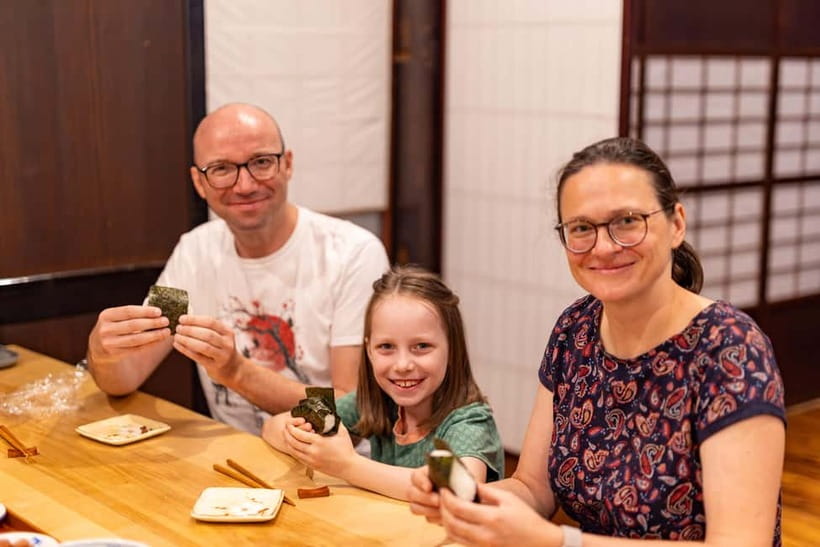
Reviewed · TAKAYAMA TOURS
Takayama: Onigiri and miso soup making at a buddhist temple
A quiet temple meal can change how you taste food. In Takayama, this onigiri and miso soup workshop turns breakfast or lunch into a hands-on, spiritual moment. You learn by doing, in the temple’s kitchen space, with guidance in English.
I especially love how the class connects simple cooking to everyday gratitude, so you’re not just copying steps. I also like that you leave with a real, practical skill for Japan’s most iconic rice dish, not vague cultural talk. One consideration: it’s only 1 hour, so if you want long explanations or lots of extra dishes, this may feel a bit compact.
Key Highlights Worth Your Hour
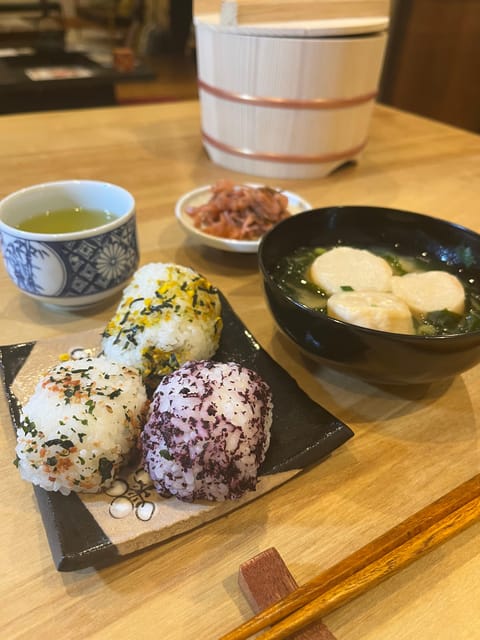
- Temple setting, not a cooking studio: you cook in the peaceful rhythm of a Buddhist site
- Hands-on onigiri shaping: you form the rice balls yourself, then eat them right away
- Miso soup made with care: you get taught the process and ingredients, not just handed a bowl
- English instruction: guides like Kazuki or Tama (you may meet different instructors) explain clearly
- Vegetarian-friendly options: you can still join and eat what you make
- A mindful food lesson: you may begin with a short prayer and learn why food matters beyond flavor
A Temple Kitchen Breakfast You Can Actually Taste
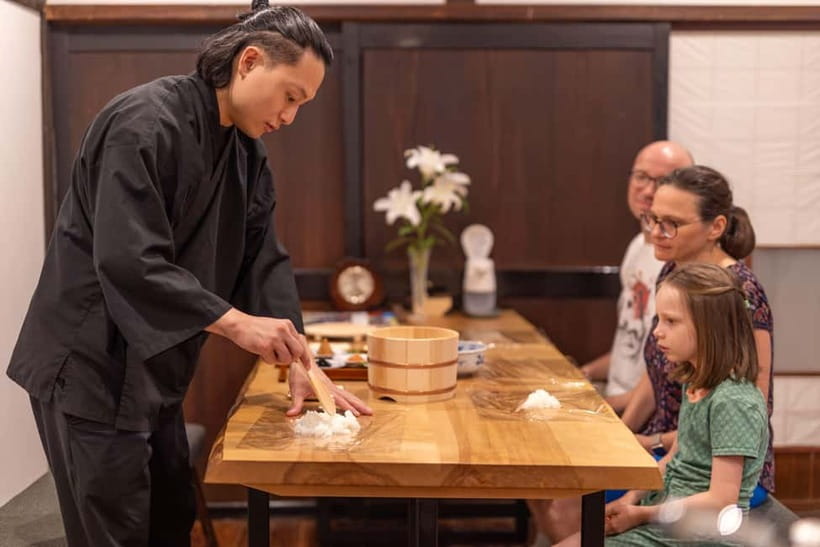
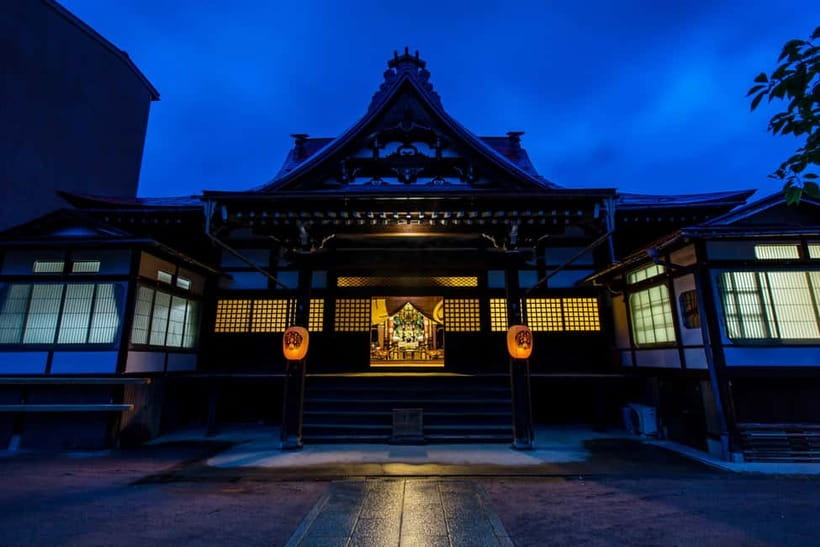
Takayama has a way of slowing you down, and this class leans into that. You’re not just getting a meal. You’re making it in a traditional Buddhist temple environment, where the kitchen space (often called the kuri) feels calm and purposeful. The result is a workshop that sits somewhere between a cooking class and a cultural ritual.
What I like about the format is how direct it is. You handle ingredients, learn the logic behind them, then eat what you created. That means you taste with context. Your onigiri is not just rice with stuff inside. It becomes a real Japanese dish made with attention, portioning, and respect for seasonality.
You should also know this is an active experience, but not physically demanding. Still, it is hands-on and requires standing or sitting close to the work area, so it’s not listed as suitable for wheelchair users. Also, it is not designed for very young kids, since it’s not suitable for children under 10.
More temple and shrine tours in Takayama:
- Takayama: Mochi-Making Experience at a Buddhist Temple
★ 4.8 · 15 reviews - Takayama Rice Ball and Miso Soup Making at a buddhist temple
★ 5.0 · 13 reviews - Kyoto: Fushimi Inari, Kinkakuji, Bamboo Grove 1 Day Bus Tour
★ 4.8 · 4,316 reviews
The 60-Minute Flow: From Rice to Onigiri Shaping
This is a 1 hour class, so the timing is tight in the best way. You’ll spend most of that hour on the core hands-on tasks: preparing rice ball components and shaping your onigiri. Because you make them in real time, you’ll learn what feels right, how the rice sticks, and how to form the shape without turning it into a sticky disaster.
The workshop is built around fresh, seasonal ingredients. That matters because onigiri is not a fixed recipe. In Japan, the filling and flavor direction often follow what’s available. When you learn this in a temple context, the lesson lands differently. Instead of “follow these exact ingredients,” you pick up the idea of cooking with what’s there and what makes sense for the season.
Also, you’ll get guidance from temple staff, with instruction in English. From past participants, instructors can be very friendly and skilled teachers, including hosts named Kazuki and guides named Tama. If you care about understanding why something works, that’s one of the big strengths here. People highlight that the explanations are clear and step-by-step, which is a relief when you’re trying something new.
Because the class is short, you won’t leave with a long grocery list or complicated techniques. You will leave with muscle memory for shaping, plus the confidence to recreate the idea later.
Miso Soup Skills That Actually Improve Your Cooking
Miso soup is one of those dishes that looks simple, but tastes like a lot of thought. In this workshop, you learn how the soup comes together, and you get to taste the result as part of the meal. A standout detail from participants: the miso soup is often described as among the best they’ve had in Japan.
That doesn’t happen by accident. The teaching focuses on the process and how to think about ingredients. Even if you already enjoy miso at home, you’ll likely learn how the balance and preparation steps change the final cup.
This is also where the temple context helps. The experience isn’t just cooking technique. It’s connected to the spirit of mindfulness and gratitude. In practice, that means you’re taught to treat food as something you respect, not something you rush. In a culture where meals are often a quiet daily ritual, that mindset is part of the flavor.
If you want a takeaway, aim to remember the texture, aroma, and timing you notice during the class. Those are the things that help you recreate miso soup later without needing the exact same ingredients.
The Meal Moment: Eating in a Quiet, Sacred Setting
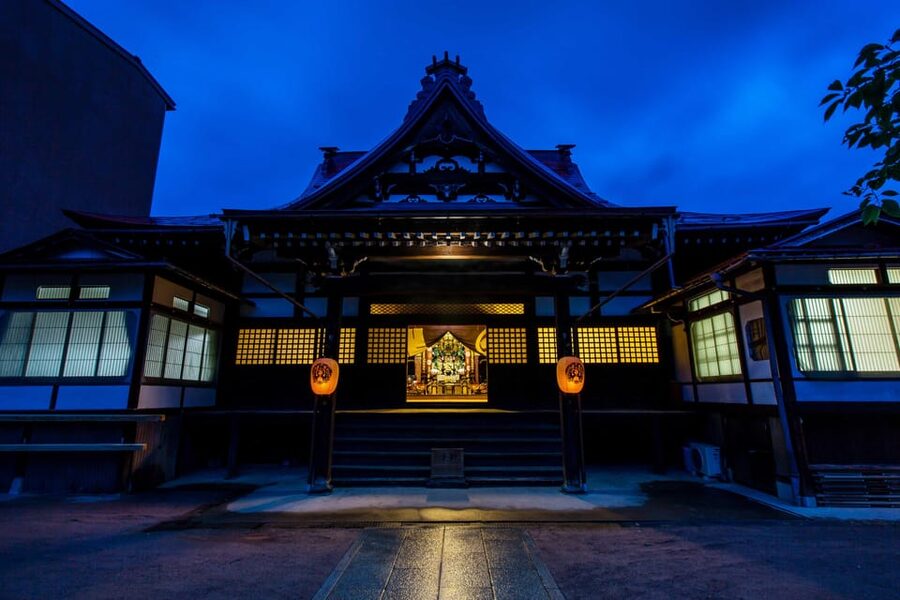
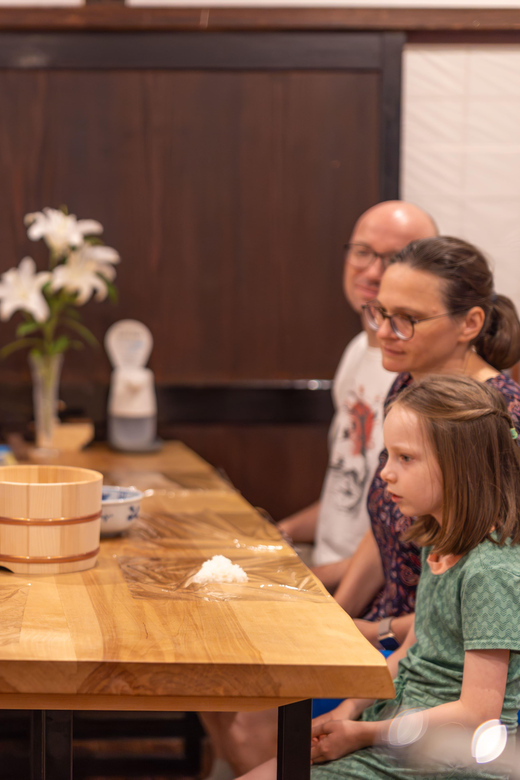
The best part for many people is that the meal is not rushed. You make the onigiri and miso soup, then you eat together in the peaceful atmosphere of the temple. That small change in setting matters. Food tastes different when you aren’t treating it like fuel.
You also get a breakfast or lunch meal included, depending on your session time. So yes, you should treat it like a real meal stop in your day. It’s not a snack. You’re meant to cook, then sit down and eat what you made.
Vegetarian options are available, which is important if you don’t eat meat or want to avoid cross-contamination issues. You’ll still be able to enjoy what you prepare, and the class structure is built to accommodate that.
One more spiritual note: some participants describe starting with a short prayer. Since this detail is not listed as guaranteed in the basic description you receive, treat it as a possible extra. Either way, the tone is calm and respectful, so even if you’re not religious, the experience still reads as meaningful.
A few more Takayama days worth comparing
- Kanazawa: World Heritage Shirakawa-go Morning Guided Tour
★ 4.9 · 988 reviews - Kanazawa: World Heritage Shirakawa-go & Two Local Experience
★ 4.9 · 274 reviews - Kanazawa/Takayama: Shirakawago & Takayama Private Day Tour
★ 4.8 · 172 reviews - Departing from Takayama [Regular sightseeing bus] World Heritage Sites Shirakawago and Gokayama Ainokura
★ 4.5 · 137 reviews
Who This Class Fits Best (and Who Might Skip It)
This workshop is for people who want more than photos. If you’re in Takayama and you want one practical activity that teaches a real skill, this fits beautifully. It’s also ideal if you like cultural experiences that don’t feel like a lecture. You’re doing the work with your hands, and that makes the cultural part easier to understand.
It’s a good match for:
- Food lovers who want authentic technique in a short time
- Travelers who like quiet, reflective settings
- People who enjoy learning with a clear English explanation
On the other hand, it’s not suitable for:
- Children under 10
- Wheelchair users
- People with altitude sickness
If you’re bringing kids who are close to that minimum age, I’d still consider whether they can sit through a full hour of hands-on preparation. The structure seems more designed for adults and older teens.
If you’re traveling with mobility limitations, I’d double-check whether the work area and seating allow comfortable participation. The listing itself says not suitable for wheelchair users, so plan accordingly.
Price and Value for a Hands-On English Workshop
It costs $25 per person for a 1 hour class. That pricing can feel inexpensive or expensive depending on what you compare it to. Here’s the honest value math: you’re paying for labor plus instruction plus ingredients, and you’re getting a complete meal at the end.
You’re not just paying to watch. You’re paying to learn how to shape onigiri and how to build miso soup, then eat the results. That’s why people rate this experience extremely highly, with an average score of 4.9. When classes are this hands-on and so fast to enjoy, the value tends to be strong.
Also, the English instruction is a big deal. In Japan, clear guidance makes the difference between a fun activity and a confusing one. If your Japanese is limited, this is the kind of class that lets you participate without guessing.
One more value angle: you don’t need to plan a whole cooking day around it. This fits neatly into a day in Takayama, especially if you want a lunchtime plan that’s genuinely different from a standard restaurant stop.
Setting Expectations: What’s Included and What You Should Plan
Here’s what you can count on being included:
- Rice ball (onigiri) and miso soup as part of a breakfast or lunch session
- Expert guidance on preparing traditional Japanese meals
- Vegetarian-friendly options
What’s not included:
- Transportation to the temple
- Personal expenses
That means you should build this into your day with some buffer. You’ll want to arrive a bit early so you can settle in. You’re asked to arrive 10 minutes before the activity starts.
As for supplies, the class provides the tools and sets up the ingredient work. You can show up as a beginner and still participate. That’s one reason this style of temple workshop is so popular.
Getting Oriented at the Temple Entrance
The meeting point is described in a simple, temple-friendly way. You’ll see two gates in front of the temple. Enter the gate closer to the traffic lights, walk straight to the entrance, then follow the directions.
This matters because temples can be confusing when you’re arriving on foot and trying to find a specific program. If you’re coming late, you’ll feel rushed. If you arrive early, you’ll have time to orient yourself without stress.
Also, if you’re driving, keep your expectations realistic. One participant noted that parking might be limited or not available on site, so it’s smart to plan for that before you go.
Final Thoughts: Should You Book This Onigiri and Miso Workshop?
Yes, you should book this if you want a short, practical cooking win inside a calm, meaningful Japanese setting. The biggest reasons are simple: you learn two real dishes you can repeat later, and the experience is guided in English in a temple environment that changes how you pay attention to food.
Skip it if you need a wheelchair-friendly setup, if you’re traveling with small kids under 10, or if you’re dealing with altitude sickness concerns. Also, if you’re hoping for a long multi-course meal and deep historical storytelling, the 1 hour format may feel too focused.
If you’re in Takayama for a day and you want your next meal to come with a skill attached, this is exactly the kind of experience that gives you a memory you can taste.
FAQ
How long is the onigiri and miso soup making experience?
The experience lasts 1 hour.
How much does it cost?
The price is $25 per person.
What is included in the class?
You’ll receive onigiri and miso soup as part of a breakfast or lunch, plus expert guidance from the temple staff. Vegetarian-friendly options are available.
What is the meeting point?
You’ll meet in front of the temple at the area with two gates. Enter the gate closer to the traffic lights, walk straight to the entrance, and follow the directions.
Is the class taught in English?
Yes, the instruction is provided in English.
Who is this experience not suitable for?
It is not suitable for children under 10 years, wheelchair users, or people with altitude sickness.
When should I arrive?
You should arrive 10 minutes before the activity starts.
What are the cancellation and payment options?
You can cancel up to 24 hours in advance for a full refund. There is also a reserve now, pay later option where you can book your spot and pay nothing today.
Fresh options around Takayama
- Takayama: Private Night Walking Tour with Dinner★ 4.5 · 13 reviews
- Ninja experience in Takayama – Special Course★ 4.9 · 13 reviews
- Takayama Rice Ball and Miso Soup Making at a buddhist temple★ 5.0 · 13 reviews
- Takayama Full-Day Private Tour with Government Licensed Guide★ 4.5 · 13 reviews
- Shirakawago&HidaTakayama&GujoHachiman 1 Day Tour from Nagoya★ 4.5 · 14 reviews
- Sake Tasting: Educational Tour of Six Takayama Breweries★ 5.0 · 14 reviews
- Takayama Half Day Tour (Private Guide)★ 5.0 · 15 reviews
- Takayama: Mochi-Making Experience at a Buddhist Temple★ 4.8 · 15 reviews
Takayama Tours, compared.
World Heritage Shirakawa-go Morning Guided Tour
Read our review →
World Heritage Shirakawa-go & Two Local Experience
Read our review →
Kanazawa/Takayama: Shirakawago & Takayama Private Day Tour
Read our review →![Departing from Takayama [Regular sightseeing bus] World Heritage Sites Shirakawago and Gokayama Ainokura](https://review-japan.com/wp-content/uploads/departing-from-takayama-regular-sightseeing-bus-world-heritage-sites-shirakawago-and-gokayama-ainokura-400x267.jpg)
Departing from Takayama [Regular sightseeing bus] World Heritage Sites Shirakawago and Gokayama Ainokura
Read our review →
1-Day Takayama Tour: Explore Scenic Takayama and Shirakawago
Read our review →
From Takayama: Guided Day Trip to Takayama and Shirakawa-go
Read our review →
Private Afternoon Cycling Tour in Hida-Furukawa
Read our review →
Private-group Morning Cycling Tour in Hida-Furukawa
Read our review →Browse the lists this tour appears in