
Reviewed · TAKAYAMA TOURS
Takayama Full-Day Private Tour with Government Licensed Guide
Takayama clicks when you have a map in human form. This private 6-hour tour lets you tailor the day, then guides you through classic districts using Japan’s public transport, with a government licensed English guide. I like the way guides such as Akane Ito and Yuriko (Lily) seem to adjust to your interests, whether you care more about old-town streets or festival details.
I love that the experience mixes big-picture anchors with everyday Takayama life: Edo-era lanes at Sanmachi Suji, plus morning market time at the Miyagawa Market area. You also get choice and variety, since the day is built around selecting 3 to 4 stops from the range of options, not being locked into one rigid route.
One thing to consider: the tour price covers the guide and time, but not everything you might touch along the way. You’ll pay for public transportation fees and any entrance fees tied to the places you select, plus lunch is always your expense.
Key highlights worth your attention
- Government licensed English guide guiding your day and translating culture, not just pointing directions
- Pick 3 to 4 stops from a strong menu, so your time matches your interests
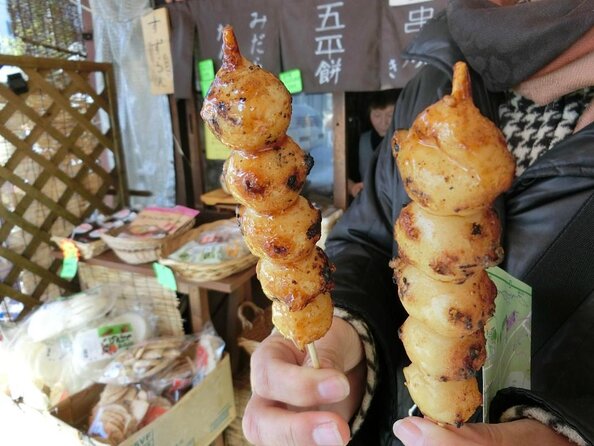
- Market timing built into the day for morning browsing at Miyagawa and Jinya-mae areas
- Takayama Festival culture you can connect across floats, shrines, and festival exhibits
- Free and ticketed options scattered through the program, letting you manage your budget
How this private tour actually helps you enjoy Takayama
Takayama is one of those Japanese towns where the details matter. A single street can tell you why timber mattered, why merchants built certain shop fronts, and why the festival floats are such a big deal. This tour is designed to help you read the town, not just pass through it.
What I like is the structure. You meet your guide at 9am, and then you build a day from nearby, walkable neighborhoods with public transport in between when needed. It’s a private tour, so you are not squeezed into someone else’s schedule. Also, because it’s a walking-style experience (pickup is on foot), you’re not just doing a car ride and a quick stop. You get time to look closely.
The other smart part is flexibility. You customize the day by choosing 3 to 4 sites. That means if you’re the kind of person who wants more old buildings and less museum time, you can. Or if you care more about the Takayama Festival and its floats, you can lean that way. Guides in past groups (like Elvis in one review) were described as making the day feel like a guided walk with real context, not a scripted lecture.
A few more Takayama days worth comparing
- Kanazawa: World Heritage Shirakawa-go Morning Guided Tour
★ 4.9 · 988 reviews - Kanazawa: World Heritage Shirakawa-go & Two Local Experience
★ 4.9 · 274 reviews - Kanazawa/Takayama: Shirakawago & Takayama Private Day Tour
★ 4.8 · 172 reviews
Price and value: what you pay for, what you still cover
At $153.50 per person for a roughly 6-hour private experience, this isn’t a budget tour. But it can feel fair once you factor what’s included. You’re buying the guide time, the government-licensed English interpretation, and a tailored plan that you adjust on the ground.
What is not included matters for value. The tour listing makes it clear that transportation fees, entrance fees, and lunch are not covered. Some stops are free, and some are not. So the final cost depends on what you choose. If you pick mostly free areas, you’ll keep spending down. If you pick multiple museums and ticketed exhibits, you’ll pay more on top of the base price.
One way to make it better value is group size. The tour offers group discounts, so if you can travel with others, you may soften the per-person cost. If you’re traveling solo, it’s still a workable option, but you should budget for the extras you’ll likely add (rides and tickets).
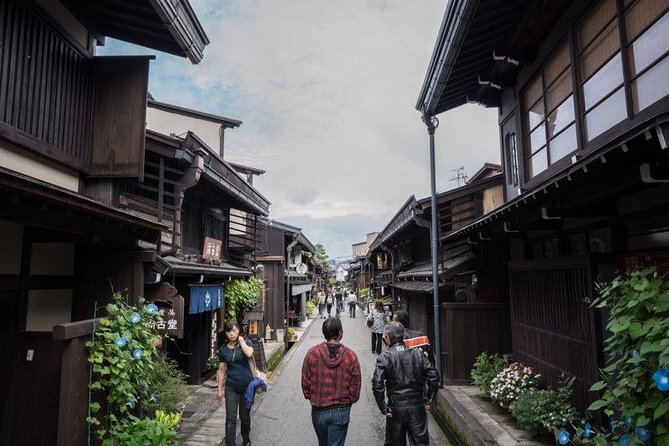
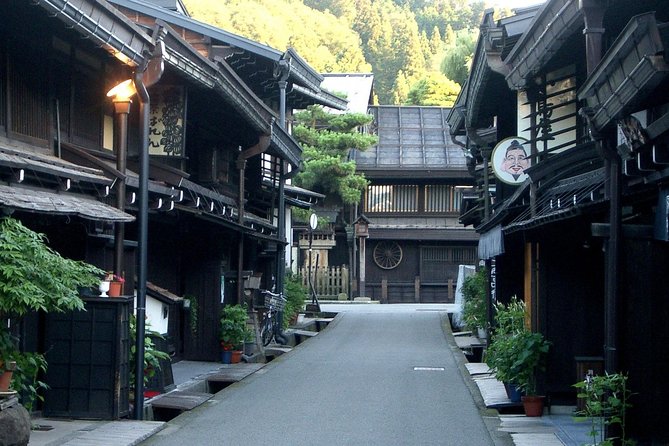
Morning start: Sanmachi Suji and the Edo-street vibe
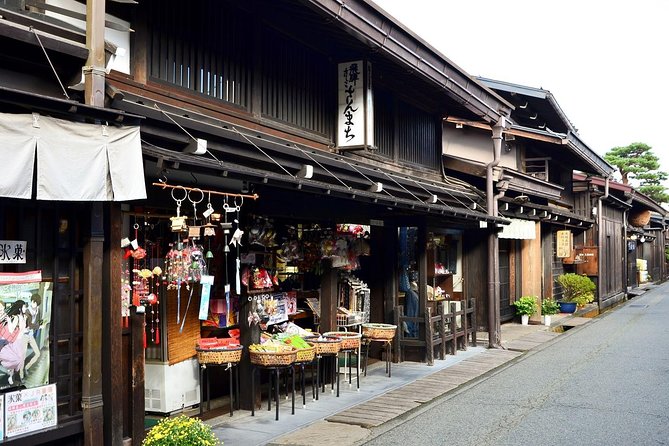
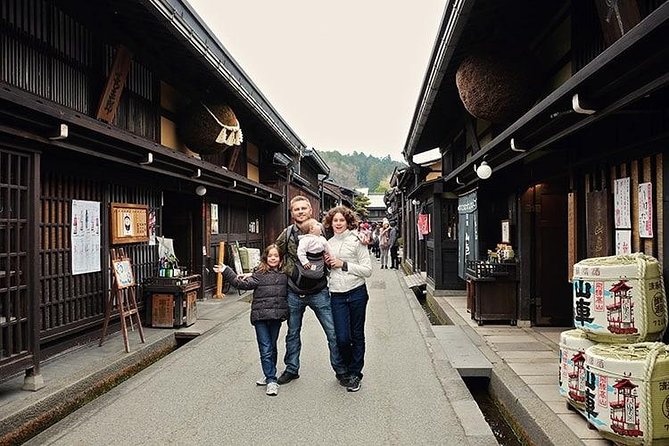
Sanmachi Suji is the old-town showcase area in Takayama. You’re looking at lanes lined with Edo-period-style houses and shop fronts, and the best part is how this place makes it easy to understand Takayama as a merchant town. You’ll find local specialties in the shops, so it’s both sightseeing and a slow walk where you can actually browse.
Why it’s a great first choice for your tour: early light looks better on old wooden buildings, and you also get your bearings for the rest of the day. If you want a gentle start that still feels authentic, Sanmachi is the place.
Watch-outs: it can be shop-heavy. If you want lots of interior spaces and museum-like stops, you may want to balance this with temples or festival exhibits rather than making Sanmachi your whole day.
Hida no Sato: traditional houses without the hassle
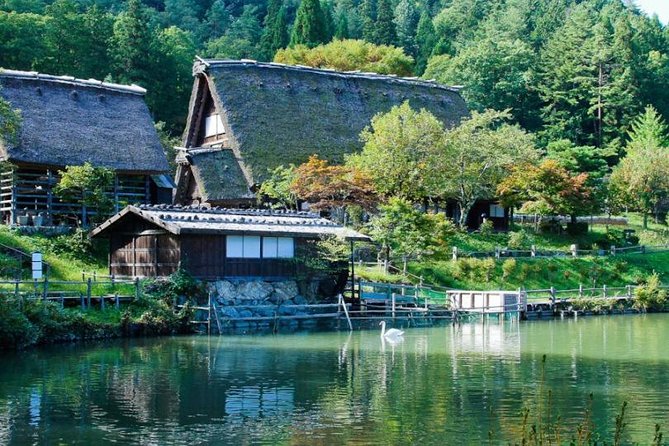
If you choose Hida no Sato, you’re stepping into an open-air museum with over 30 traditional houses from the Hida region. It’s a practical kind of history. Instead of trying to interpret old buildings from photos, you see how houses are arranged and how the architecture reflects the mountainous setting around Takayama.
This stop is especially good if you like “how people lived” more than “what leaders said.” It also tends to be a nice break from just street-walking because you get more space and clearer sightlines between structures.
Possible drawback: it’s another chunk of time where you’re outdoors. If your day is already packed with market and old-town walking, you may want to pick Hida no Sato as your major “culture and buildings” stop rather than adding too many similar areas.
Same corner of Japan, a different kind of day:
- Departing from Takayama [Regular sightseeing bus] World Heritage Sites Shirakawago and Gokayama Ainokura
★ 4.5 · 137 reviews - 1-Day Takayama Tour: Explore Scenic Takayama and Shirakawago
★ 5.0 · 113 reviews - From Takayama: Guided Day Trip to Takayama and Shirakawa-go
★ 4.9 · 113 reviews - Private Afternoon Cycling Tour in Hida-Furukawa
★ 5.0 · 109 reviews
Takayama Jinya: where timber turned into power
Takayama Jinya is the former government office area tied to the Tokugawa Shogunate. The key detail is why it existed: the Hida region’s valuable timber resources led to direct control in 1692. That single fact helps you connect Takayama’s architecture and organization to the resources that made the town important.
For me, this is where a guide earns their fee. A place like Jinya isn’t just a pretty courtyard. With the right explanation, it becomes a story about governance, resources, and how remote areas were managed.
Watch-outs: the site can be more meaningful if you have a bit of curiosity about feudal administration. If you’re only interested in shopping streets and festival floats, you might find it a slower stop. Still, it pairs well with Sanmachi and morning market time because it keeps the theme of how the town worked.
The Takayama Festival, explained through multiple stops
The Takayama Festival (spring and autumn) is famously spectacular, and this tour gives you a way to understand it by visiting related spaces. If you care about festivals, pick at least one float or festival exhibit stop. If you pick two, even better, because you can connect the dots.
Matsuri no Mori and festival exhibit areas
Hida Takayama Art and Festa Forest, also tied to Matsuri no Mori, focuses on the festival and showcases major aspects of it. It’s a useful choice because it’s set up to help you appreciate what you’re seeing elsewhere in the town.
Takayama Festival Floats Exhibition Hall (Yatai Kaikan)
This is where the floats take center stage. If you choose it, you’ll get a clear look at the craftsmanship and the scale of the festival floats, which makes the rest of the festival locations easier to visualize.
A practical note: don’t treat float viewing as something you can rush. If you’re spending time indoors, you might still want to allocate enough time for photos and close looks at details.
Sakurayama Hachimangu Shrine
Sakurayama Hachimangu Shrine is a venue for the autumn festival. It’s a good contrast to museum spaces, since you’re seeing a festival location in its spiritual setting. This stop pairs nicely with a float exhibit because you go from display and context to the place of celebration.
Possible drawback across the festival stops: if you’re not especially interested in the festival, you might feel like the day skews heavily toward one theme. To keep it balanced, mix festival culture with either a market stop or a temple stop.
Higashiyama Walking Course: temple town and wooded views
Higashiyama Yūhodō is a walking route through Teramachi (temple town), rural “suburbs,” and Shiroyama Park. Think of this as a change of scenery from the old merchant lanes. You get a more quiet feel, plus you’re walking through areas where the town relaxes into the hills.
Why it’s worth choosing: it helps you experience Takayama’s layout. You see that the town isn’t only central streets. It’s also connected to temples and green space.
Watch-outs: it’s still a walk. If you choose Higashiyama, I’d avoid stacking too many other walking-heavy stops in the same block unless you’re comfortable with several hours on your feet.
Morning markets: Miyagawa area and Jinya-mae browsing
This is the heart of everyday Takayama. The Miyagawa Morning Market runs along the Miyagawa River in the old town, and the Jinya-mae Market also operates around the same timeframe. Both are held daily from about 7:00, or later in winter, until noon.
Why markets are so valuable on a guided private day:
- You can learn what to buy and what to try without guessing.
- You can navigate the flow and know where the best stalls are.
- You get a sense of local rhythm.
Even if you don’t plan on buying much, the market is one of the fastest ways to feel that Takayama is a living town, not just a stop on a sightseeing route.
Possible drawback: market time can make your plan time-sensitive. If you aim to choose multiple museum stops, you might need to keep your schedule loose around market hours.
Hida Kokubun-ji Temple: the three-storied pagoda effect
Hida Kokubun-ji Temple is well known, especially for its iconic three-storied pagoda built in 1820. This is one of those visuals that sticks with you because it anchors your understanding of the area. Temples like this give the day a spiritual and architectural reference point.
This is a great pick if you want one “anchor” stop that’s both photogenic and meaningful. It also fits well with a walking-focused day because it’s close to JR Takayama Station, so you’re not stuck far away.
Kusakabe Folk Museum: a private residence you can walk through
Kusakabe Folk Museum is a historic private residence opened to the public. It was built in the Meiji period in Edo architectural style, which gives you a fascinating in-between look at Japan’s shifting eras. Even if the term Meiji does not mean much to you yet, the combination of styles makes it easier to understand how traditions were adapted.
Why it’s a good balance: it’s more intimate than a big open-air museum and less festival-focused than float halls. If you choose this along with either Sanmachi or a market, you get three different angles on the same town.
Takayama Showa-kan and the Retro Museum: when time travel turns into fun
Not every Takayama day needs to be only Edo-era. Two options, Takayama Showa-kan and the Hida Takayama Retro Museum, focus on Showa-era life, including recreations of retro streets and nostalgic objects you can interact with.
Takayama Showa-kan recreates the feel of 1950s life inside the museum, with reconstructed streets and details like a Midget Alley barbershop and photo spots. The Retro Museum leans into the idea that you can see, snap, and play with old items and references, including retro games and even pachinko culture.
Why these can be surprisingly effective: if you’re tired of feeling like every day in Japan is only about ancient temples, these museums reset your brain. They still teach you how everyday culture changed over time.
Possible drawback: these are more about themes and recreations than sacred or historical sites. If you’re only in Takayama for “old Japan” authenticity, you might prefer the festival, temple, and old-town stops.
Yoshijima Heritage House: sake history in plain view
Yoshijima Heritage House was built in 1908 and has been a sake brewery for a long time. A huge sakabayashi sign made of Japanese cedar leaves hangs under the shop eaves, which makes this place easy to recognize and visually memorable.
Choose this if you want a practical link between Takayama’s local industries and the built environment. A brewery residence is also a nice change from the more museum-and-street mix of other stops.
Watch-outs: like other ticketed stops, it depends on what you select for your 3 to 4 sites. If you’re trying to minimize extra costs, you might treat this as your one “paid museum” choice.
Walking, transport, and meal reality: planning your day without stress
This tour is a walking experience, but it also uses public transport between chosen areas. The key detail is that transportation fees are not included, so you should expect to pay that additional cost.
Also, lunch is optional and on you. If you want Hida beef, you can. Just keep in mind your meal is your expense, and the guide can suggest choices based on timing and your preferences, but you should still plan for the bill.
My practical tip: keep your top priority in mind and let the day support it. If Takayama Festival floats are your number one reason for being here, pick float and festival-related stops plus one market. If you want old-town atmosphere, build around Sanmachi plus a temple or museum. Then let the rest of the menu fill the gaps.
Who this tour is best for
This private tour is a strong fit if:
- You want a government licensed English guide to explain more than just directions.
- You like tailoring your day rather than following someone else’s fixed plan.
- You’re comfortable with walking and want to use public transport efficiently.
It may be less satisfying if:
- You prefer zero interpretation and mostly self-guided wandering.
- You dislike managing extra costs for transport and entrance tickets.
- You want a heavy focus on only one era without any variety.
Should you book this Takayama private tour?
Book it if you’re looking for a smart way to connect the dots in one day. The mix of old streets, markets, festival culture, and temple landmarks makes it much easier to understand why Takayama is famous, without you having to research everything beforehand.
Skip or rethink it if your goal is purely casual strolling and you already know the exact places you want to hit. In that case, the guide might not feel necessary. But if you want that added layer, and you plan to choose 3 to 4 sites that truly match your interests, this is a good use of your time.
FAQ
How long is the Takayama private tour?
The tour runs for about 6 hours.
What time do I meet the guide?
You meet your guide at 9am.
Is pickup included?
Pickup is offered, and pickup is on foot. You will meet the guide within a designated area in Takayama.
Is lunch included?
No. Lunch is your own expense.
Are transportation fees included?
No. Transportation fees are not included, even though the tour uses Japan’s public transport.
Do I need to pay entrance fees?
Entrance fees are not included. Some stops are free, while others may require tickets.
Can I choose which sites to visit?
Yes. You customize your day by choosing 3 to 4 sites from the available options.
Is this tour only for my group?
Yes. It is a private tour, so only your group participates.
Is free cancellation available?
Yes. You can cancel for a full refund if you cancel at least 24 hours before the experience starts.
Fresh options around Takayama
- Takayama Rice Ball and Miso Soup Making at a buddhist temple★ 5.0 · 13 reviews
- Shirakawago&HidaTakayama&GujoHachiman 1 Day Tour from Nagoya★ 4.5 · 14 reviews
- Sake Tasting: Educational Tour of Six Takayama Breweries★ 5.0 · 14 reviews
- Takayama Half Day Tour (Private Guide)★ 5.0 · 15 reviews
- Takayama: Mochi-Making Experience at a Buddhist Temple★ 4.8 · 15 reviews
- Private Transfer from Takayama to Kanazawa Including Shirakawago★ 5.0 · 17 reviews
- Takayama Local Cuisine, Food & Sake Cultural Tour with Government-Licensed Guide★ 5.0 · 17 reviews
- Short Morning Cycling Tour in Hida★ 5.0 · 17 reviews
Takayama Tours, compared.
World Heritage Shirakawa-go Morning Guided Tour
Read our review →
World Heritage Shirakawa-go & Two Local Experience
Read our review →
Kanazawa/Takayama: Shirakawago & Takayama Private Day Tour
Read our review →![Departing from Takayama [Regular sightseeing bus] World Heritage Sites Shirakawago and Gokayama Ainokura](https://review-japan.com/wp-content/uploads/departing-from-takayama-regular-sightseeing-bus-world-heritage-sites-shirakawago-and-gokayama-ainokura-400x267.jpg)
Departing from Takayama [Regular sightseeing bus] World Heritage Sites Shirakawago and Gokayama Ainokura
Read our review →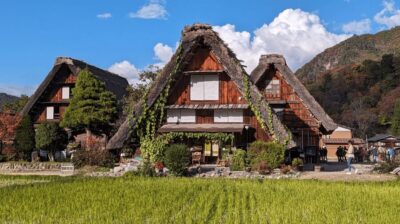
From Takayama: Guided Day Trip to Takayama and Shirakawa-go
Read our review →
1-Day Takayama Tour: Explore Scenic Takayama and Shirakawago
Read our review →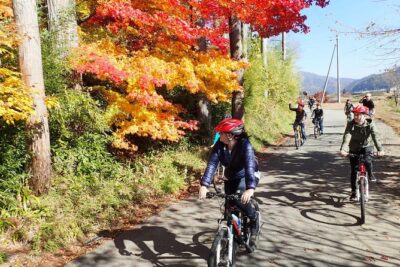
Private Afternoon Cycling Tour in Hida-Furukawa
Read our review →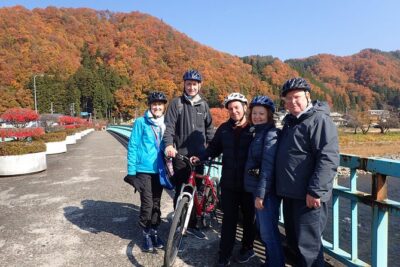
Private-group Morning Cycling Tour in Hida-Furukawa
Read our review →Browse the lists this tour appears in