
Reviewed · WORKSHOPS
Shinjuku Tokyo: Authentic Japanese Home-Style Culinary Class
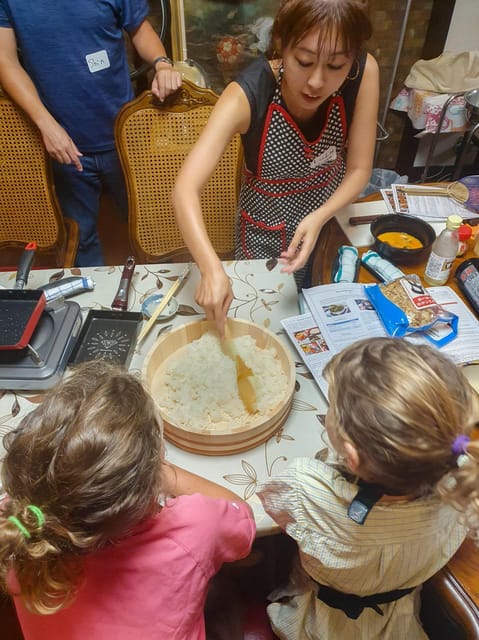
Cook dinner like a Tokyo friend. This Shinjuku-area culinary class turns a typical meal into hands-on practice with Japanese home-style cooking led in English by hosts like Kana, Kayo, Lulu, and Chieko. I especially like the menu options (you pick what you want to make) and the way they work with dietary needs when you tell them ahead of time.
One thing to consider: the studio address is sent after you book, and if you arrive at the wrong entrance or building, it can slow you down a bit.
Key things I’d plan around
Menu choices can depend on the class day
Sometimes you pick from the listed options, but if there are other attendees, your menu selection may be limited.
You cook, then you eat what you made
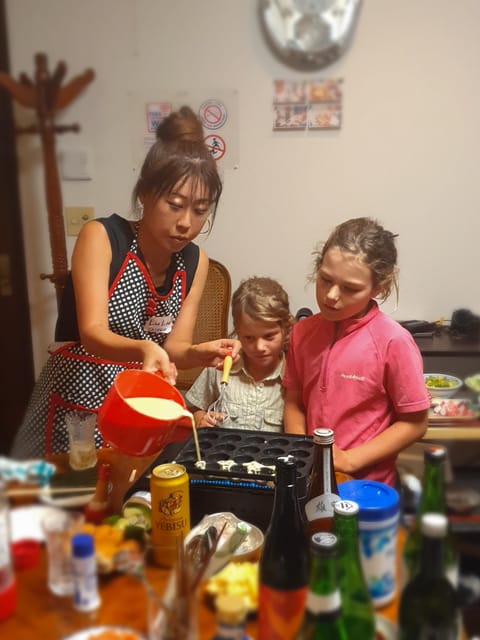
It’s not just watching. You’ll prep multiple components and then share the meal as a group.
English instruction, with lots of Q and A time
You’ll get dish guidance and practical ingredient tips, with hosts like Kana, Kayo, Lulu, Miho, and Chieko showing up in many sessions.
Dietary requests are taken seriously
Vegetarians and vegans are specifically mentioned, plus allergy info can be discussed in advance.
The experience is designed to run about 150 minutes
You’re in and out in a single block, perfect for fitting into a day already packed with Tokyo sights.
Why this Shinjuku-area kitchen feels like local life
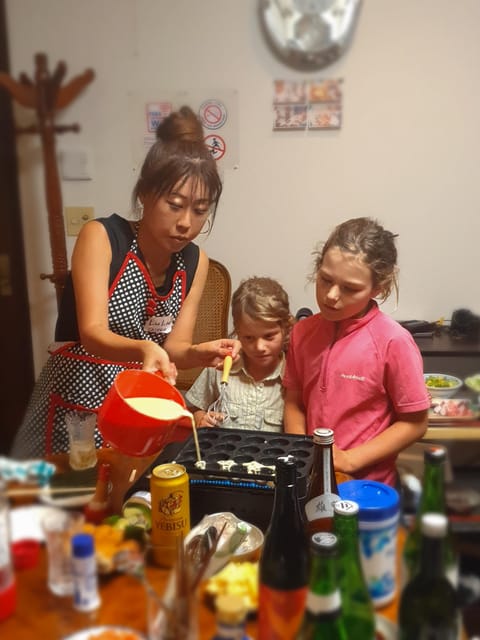
This class is based around a simple idea: Japanese food at home is built from technique, timing, and comfort ingredients, not just fancy restaurant presentation. The kitchen studio sits in or around Shinjuku, so you’re in the center of Tokyo instead of commuting to the far edge of the city.
Instructors like Kana and Kayo (and often assistants) keep things friendly and practical. You’re not expected to have any special skills. You’re there to learn how the dishes come together step by step, then eat the results while everything is still at its best.
A few more Tokyo days worth comparing
- Mt Fuji and Hakone 1-Day Bus Tour Return by Bullet Train
★ 5.0 · 26,383 reviews - 1-Day Tokyo Bus Tour
★ 5.0 · 14,250 reviews - Tokyo: TOKYO SKYTREE® Admission ticket
★ 4.5 · 11,192 reviews
Picking your menu: the most useful part of the whole class
When you book, you choose one menu option from a set of popular Japanese dishes. The big value here is control. You’re not stuck with a random selection that might not match your tastes or your dietary needs.
You can choose among these core options:
- A: Okonomiyaki and yakisoba set
You’ll work with a cabbage-based batter-style pancake and then tackle yakisoba, the stir-fried noodle dish often finished with a sweet-and-savory sauce.
- B: Gyoza and takoyaki set
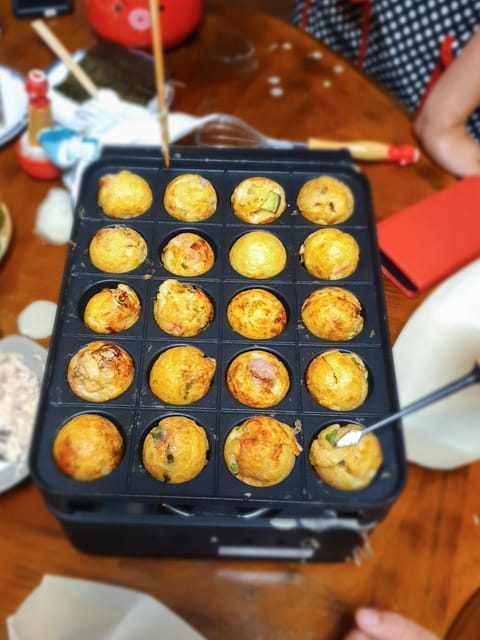
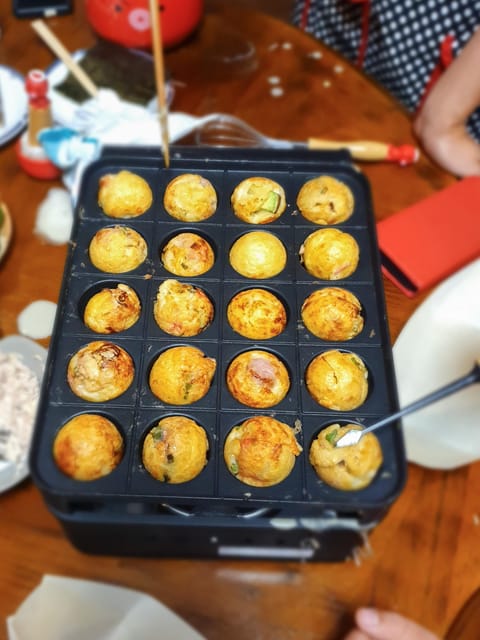
You’ll learn crisp pan-fried gyoza and also make takoyaki, the famous Osaka street snack.
- C: Rolled sushi, teriyaki set, plus miso soup
You’ll roll and chop your own sushi pieces and pair them with a teriyaki option plus miso soup.
- D: Traditional gozen set
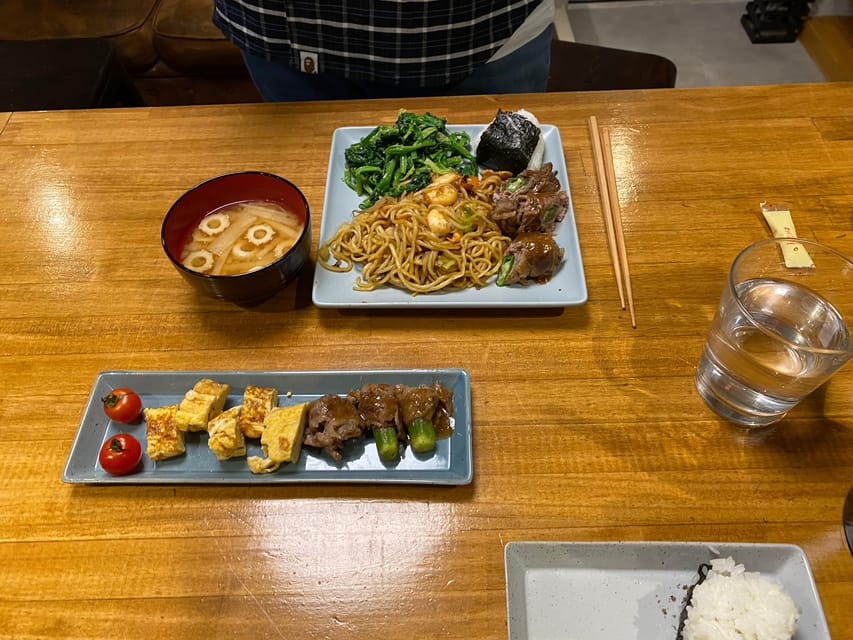
This gives you a “little of everything” meal: meat plate, fish plate, a side, miso soup, and onigiri.
There’s also an option E where you can request and discuss a custom menu. That’s especially handy if you want something specific, or if your group’s preferences are split.
Inside the 150-minute flow, from prep to the last bite
This is a single-session class that runs about 150 minutes. The pace is quick enough to feel like you’re doing a lot, but not so rushed that you can’t ask questions or redo a step you didn’t get right the first time.
In most sessions, the ingredients are prepared beforehand. You’re not chopping everything from scratch, all morning long. Instead, you focus on the parts that teach technique: mixing, shaping, pan work, rolling, and assembling.
Near the end, you eat together. The tone stays cozy and practical, and you’ll get to taste what your hands made. Many people mention finishing very full, because you’re making enough food that it doesn’t feel like a snack.
The dishes, explained like you’ll actually cook them again
Each menu has its own “learning moments.” The best way to choose is to think about what you want to improve at, not just what sounds good.
Same corner of Japan, a different kind of day:
- Tokyo: teamLab Planets TOKYO Digital Art Museum Entry Ticket
★ 4.6 · 9,779 reviews - Mt Fuji & Hakone Cruise, Drum Show Bullet Train 1 Day from Tokyo
★ 4.0 · 7,413 reviews - Tokyo: Sumo Show Experience with Chicken Hot Pot and a Photo
★ 4.8 · 6,678 reviews - Tokyo: Shinjuku Food Tour (13 Dishes at 4 Local Eateries)
★ 5.0 · 6,603 reviews
Okonomiyaki plus yakisoba: grill technique and sauce balance
Okonomiyaki is one of those dishes that looks simple until you try it. You’re working with batter and chopped cabbage, and you need a sense of heat and timing so you get that savory, layered pancake texture. Then yakisoba adds another skill: stir-frying noodles and vegetables with that signature sweet-and-savory sauce.
This combo is ideal if you want food that tastes bold and comforting, with lots of room to practice cooking on a flat surface.
Gyoza plus takoyaki: crisp edges and fun shaping
Gyoza teaches you controlled pan frying. The goal is crispy bottoms with a properly cooked filling. Takoyaki is more hands-on and playful, because you’re working with a batter and forming little dumpling spheres around the filling.
If you’ve ever wanted the kind of cooking that feels like a mini science project, this menu usually delivers. People also bring up how rare it feels to make takoyaki outside Japan, which makes it a memorable souvenir you can actually re-create.
Rolled sushi plus teriyaki plus miso soup: the “at home” win
This menu is for you if you want the most repeatable skill. Rolling sushi sounds intimidating until someone shows you the motion and the structure. You’ll roll and chop your own pieces, then match it with teriyaki and miso soup so the meal tastes complete.
One nice benefit is that sushi plus soup gives you a full spread, not just one item. Many hosts also include cultural context around ingredients and how the flavors typically show up at home.
Traditional gozen: a rounded Japanese meal in one lesson
A gozen set is basically training for how Japanese meals are composed. You’re dealing with multiple components: a meat plate, a fish plate, a side dish, miso soup, and onigiri. It’s not one single technique all the way through. Instead, it gives you a taste of the broader home-cooking approach.
This is a good pick if you like variety, or if you’re traveling with someone who doesn’t want only noodles or only fried food.
About recipes and take-home value
Several people mention getting recipes or instructions they can follow later, and some even bought equipment after the class to keep practicing. So think of this not only as a meal, but as cooking momentum for your kitchen back home.
Dietary preferences and allergies: what they can do and what you should ask
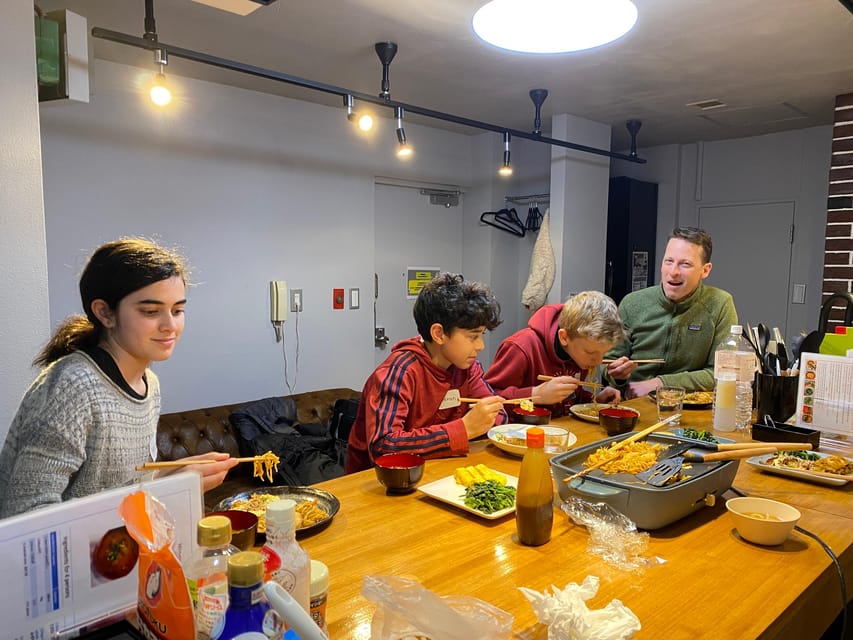
The class is designed to accommodate dietary preferences, including vegetarians or vegans. That matters because Japanese home cooking often depends on dashi and specific sauces, so substitutions require planning, not just wishful thinking.
If you have allergies, you should let the team know in advance. The information you shared can shape what menu options are available and what ingredients they choose. When you book, treat it like a checklist: list your allergy, explain what you can and can’t have, and ask how it will affect your menu.
Also note a practical constraint: menu selection can be affected if there’s another group in the same class day. If dietary needs are part of your planning, message sooner rather than later so there’s time to align the menu.
English instruction and the “ask anything” vibe
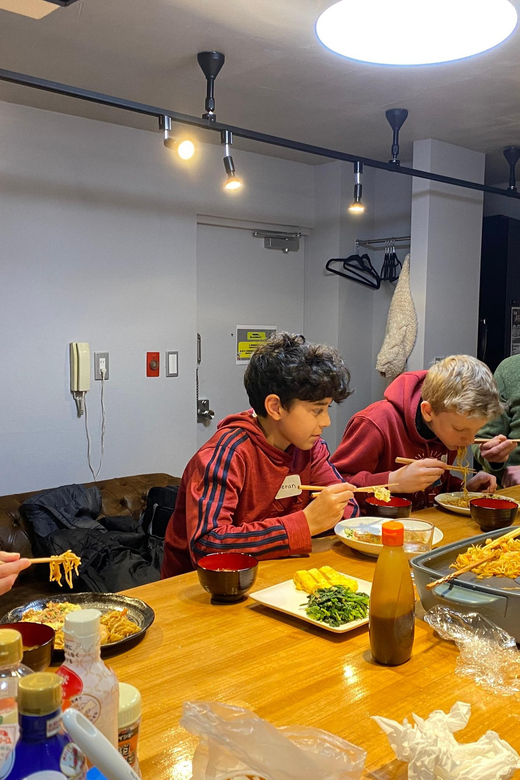
The instructor is listed as English-speaking, and the overall teaching style shows up clearly in what people describe: step-by-step guidance, plenty of time for questions, and cultural background alongside the cooking.
Hosts such as Kana, Kayo, Lulu, Mika, and Chieko show up across sessions in ways that suggest a consistent approach: explain ingredients, explain the why behind techniques, and then let you practice. Even when some parts are demo-style, the class is still hands-on enough that you leave with food you personally made.
If you’re the kind of person who likes to understand how flavors work, you’ll probably enjoy the extra ingredient talk. If you just want the most straightforward path to eating well, the clear structure still helps.
Price and value: why $88 can feel fair
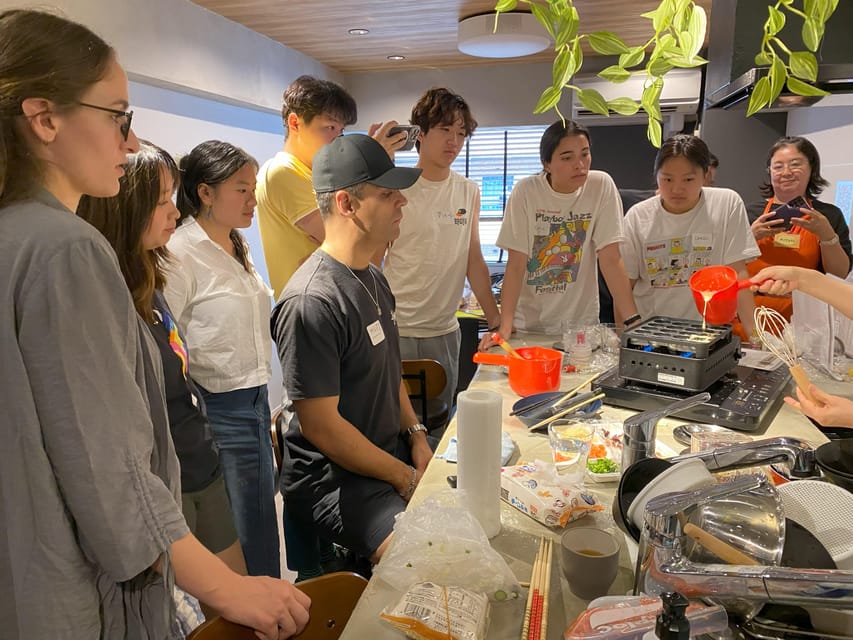
At $88 per person for about 150 minutes, you’re paying for more than a “meal ticket.” You’re paying for:
- ingredients used during cooking
- cooking tools
- drinking water
- the time and instruction to turn you into a competent cook of Japanese comfort food
In a city like Tokyo, that’s often where value sits. You’re not just buying food, you’re buying a controlled cooking experience, plus a meal that uses what you cooked.
And because you can choose among menus, the value is easier to justify. Picking dishes you actually want to eat makes the class feel personal instead of generic.
Logistics near Shinjuku: the stuff that can trip you up
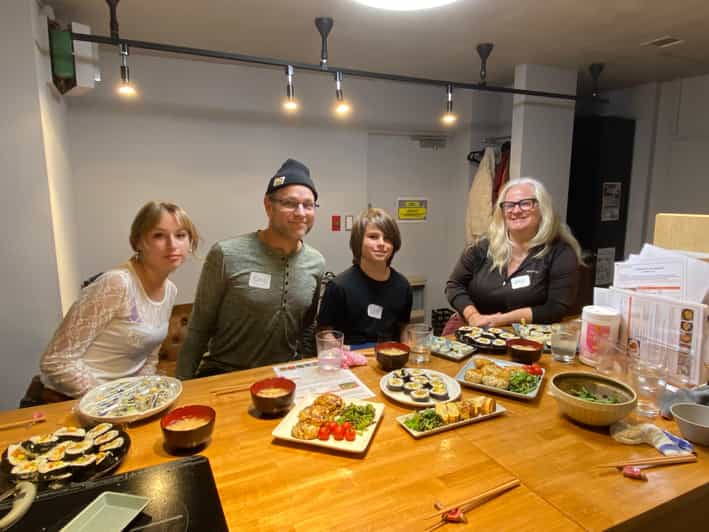
This takes place in a kitchen studio in or around Shinjuku. The exact address is provided after booking, and you’re expected to wait for the message that includes it.
That sounds simple, but Tokyo buildings can be confusing. One person ran into trouble because the address led to a section of the building without an obvious door, and they had to call to get let in. Plan for a little extra time in case the entry point is not your first guess.
Private transportation is not included. So you’ll likely use trains or walking to get there.
If you want to reduce stress, do this: schedule the class earlier in your Tokyo day so you’re not rushing from a late reservation.
Who this class suits best
This is a strong match for:
- food lovers who want technique, not just tastings
- couples who want a shared activity that ends with a meal
- families who want something interactive, since multiple instructors have been noted for patience with kids
- anyone with food preferences who wants to make real Japanese comfort dishes rather than ordering and hoping
It may be less ideal if:
- you hate finding a specific studio address in a big Tokyo district
- you only want to watch and take photos, because the point is doing the cooking
Should you book this culinary class near Shinjuku?
If you want one Tokyo experience that’s both practical and satisfying, I think this is an easy yes. You get to choose your food, cook real Japanese home-style dishes, and then eat a meal that feels like a reward instead of a chore.
Book it if you’re excited to learn technique and bring it home, especially if sushi rolling, gyoza crisping, takoyaki shaping, or gozen variety is your kind of challenge. Skip it only if finding the exact studio location would genuinely stress you out, or if you already have your cooking plans so locked in that you can’t spare a 150-minute block.
FAQ
Where is the meeting point?
The meeting point is a kitchen studio in or around Shinjuku, Tokyo. The exact address is shared after you book, so you’ll want to wait for the message and check it before you head over.
How long is the cooking class?
The class duration is listed as 150 minutes.
What menu options can I choose?
You can choose from four main menu options: A (okonomiyaki and yakisoba set), B (gyoza and takoyaki set), C (rolled sushi, teriyaki set, plus miso soup), or D (traditional gozen set). There is also an option to request a menu (option E) that you can discuss together.
Can the class accommodate vegetarians, vegans, or allergies?
Yes. The experience is designed to accommodate dietary preferences, including vegetarians or vegans. If you have food allergies, you should let the organizers know in advance so they can discuss what options will be available.
What’s included in the price?
Included items are all fees and taxes, cooking tools, ingredients, and drinking water.
Is the instructor English-speaking and is there free cancellation?
The instructor is listed as English-speaking. Free cancellation is offered up to 24 hours in advance for a full refund.
Fresh options around Tokyo
- Tokyo: Nikko Kegon Falls Lake Chuzenji Toshogu Temple & More★ 4.9 · 12 reviews
- Tokyo: Samurai History Walking Tour★ 5.0 · 12 reviews
- Harajuku: Kawaii Fashion and Pop-Culture Tour★ 4.7 · 12 reviews
- Tokyo: Mt. Fuji & Lake Kawaguchi Instagram Full Day Trip★ 4.1 · 12 reviews
- Shibuya Tokyo: Modern Kintsugi Workshop in Shibuya★ 5.0 · 12 reviews
- Tokyo: GTR Guided Daikoku Experience at Night★ 5.0 · 12 reviews
- Tokyo: Daikoku JDM Car Culture Tour★ 4.6 · 12 reviews
- Mt Fuji Private Day Trip from Tokyo with English speaking driver★ 5.0 · 13 reviews
Workshops, compared.
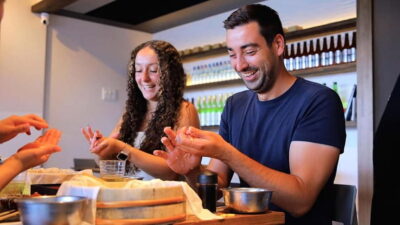
Sushi Making Tokyo Roll and Authentic Japanese Sushi Class
Read our review →
Roll and Authentic Sushi Making Class in Asakusa
Read our review →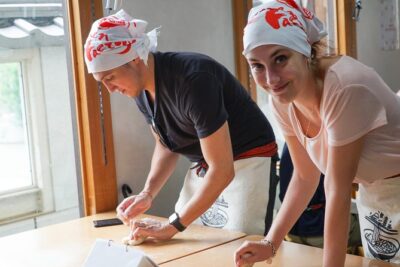
Ramen Cooking Class at Ramen Factory in Kyoto
Read our review →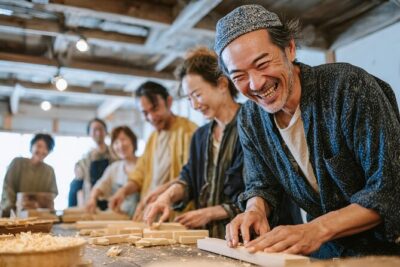
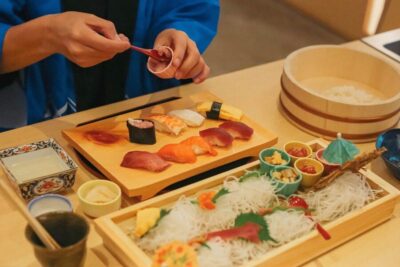
Sushi Making Class in a Happi Coat near a Famous Spot
Read our review →
Sushi Making Osaka Roll and Authentic Japanese Sushi Class
Read our review →Browse the lists this tour appears in