
Reviewed · WALKING TOURS
Kyoto: Meet the Geisha Maiko with Gion Walking Tour
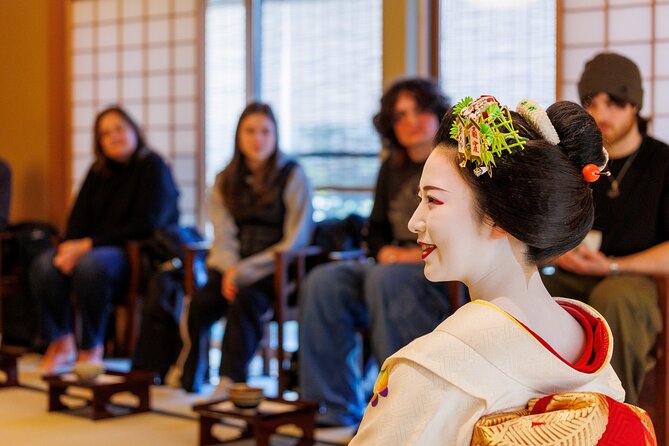
Geisha culture, minus the street chasing. This tour pairs a walk through classic Gion sights with a private ochaya visit, plus a real maiko and retired geiko performance and conversation. The one catch: you need to follow venue rules, like wearing socks and using stairs for the 2nd floor.
I like that the guide doesn’t just point at buildings. You get story time as you move through Higashiyama, from Shirakawa and Hanamikoji to a cultural venue and a Zen precinct walk, then you finish with a live show you can ask questions about. Still, it is a steady walking tour in real weather, rain or shine, and the schedule can run a bit longer.
Key highlights to expect in Gion (and why they matter)
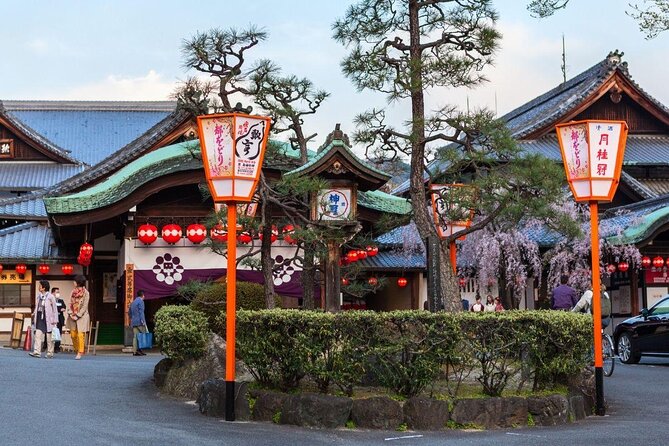
- Private ochaya access: a place typically off-limits to first-time visitors, where you meet and watch
- Maiko plus retired geiko time: not only a performance, but also conversation and questions
- Gion walking flow that teaches context: you learn what you are seeing before you see it
- Cultural stops beyond the photo spots: shrine, Hanamikoji, and Gion Corner add meaning
- Venue etiquette rules: socks required, and social media uploads need direct permission
Kyoto Gion is the right stage for a maiko encounter
Gion is one of those Kyoto areas where the background is part of the performance. Even if you know the basics of geisha culture, the district has layers, and this tour is built to give you a map of what to notice.
The biggest value here is the difference between street spotting and guided introduction. You get to understand who the maiko are, how their training works, and how geiko culture shows up in daily routines and arts. And then, instead of hoping you bump into someone by chance, you step into an ochaya setting designed for hospitality and arts.
One practical thing I appreciate: the tour frames Gion as living culture, not a museum display. That means the stops you walk past are not random. They connect to protection and good fortune (via a Shinto shrine), to traditional neighborhood design (wooden machiya streets), and to performance culture (Gion Corner and the tea house show).
More Walking Tours in Kyoto
- Kyoto Geisha Walking Tour: Gion District & Hidden Gems
★ 4.7 · 3,273 reviews - Kyoto: Gion Magical Night Walking Tour with Geisha Trivia
★ 4.9 · 2,393 reviews - Kyoto: Gion Geisha District Walking Tour – Stories of Geisha
★ 4.7 · 2,187 reviews
From Miyagawasuji to the private venue, here is how the 3 hours really goes
You start and end at Miyagawasuji in Higashiyama Ward. Expect about 3 hours on the clock, but the tour notes it may run longer depending on the day. The group size is capped at 30 travelers, which helps keep the ochaya portion from feeling like a cattle call.
This is a walking tour with a moderate fitness requirement. It is not a marathon, but you should plan on covering a few Kyoto lanes and dealing with stairs at the performance venue. The tour runs rain or shine, and there are specific rules for rainy weather around socks and wet items.
Two logistics details that matter for your comfort:
- You need comfortable walking shoes, since you are outside during the Gion walk.
- The maiko performance takes place on the 2nd floor, and you only access it via stairs.
If you tend to get distracted in groups, this tour can still work well. The guide keeps you moving and gives you context so you are not just waiting for the show to begin.
Gion Shirakawa to Tatsumi Bridge: classic lanes with a story behind them
The tour starts with a walk through Gion Shirakawa, one of the most picturesque sections of the district. The guide shares who geishas in Kyoto are and how their lifestyle fits into the neighborhood. This is where the experience begins to feel more than sightseeing, because you learn the social and cultural rhythm behind what you are looking at.
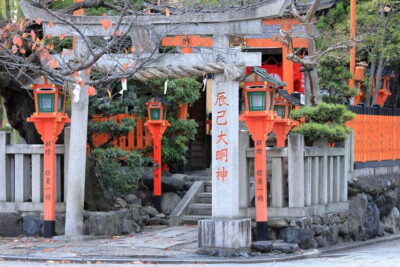
Then you hit a quick Shinto stop at Tatsumi Daimyojin Shrine. Even though the shrine visit is short, it gives you a useful grounding point for travelers and daily life. The shrine is tied to protection, good fortune, and safety, and it traces back to the Heian period (794 to 1185). In a town built on tradition, that matters.
From there, you get to Tatsumi Bridge, a small traditional bridge area that feels cinematic. This is the kind of spot where photos are easy, but the guide attention makes the difference. Instead of treating it like a backdrop, you understand why these streets and corners get attention in geisha-district storytelling.
Finally, you move to Hanamikoji Street, the main Gion artery. The machiya houses, tea houses, and shops create that old-world elegance you came for. The smart part is that the tour doesn’t stop at aesthetics. It connects the street’s look to how the arts and hospitality traditions operate in real life.
Hanamikoji to Gion Corner to a Zen precinct walk
After Hanamikoji, the tour includes Gion Corner, a cultural venue that showcases traditional arts. This helps set you up for the ochaya performance, because it gives you a broader framework for what you are about to watch.
Next comes a Zen Buddhist temple stop, described as the oldest Zen temple in Kyoto located next to a geisha district. The tour does not enter the temple buildings, but you do walk through the temple precinct like locals. That matters, because it keeps the focus on respectful observation rather than turning the site into another quick photo stop.
This segment is worth it for one reason: it balances the geisha story with Kyoto spirituality and everyday discipline. You leave the performance feeling like you understand more than costumes and dances. You understand why structure, manners, and tradition show up everywhere in Kyoto, including in entertainment culture.
More geisha experiences in Kyoto:
- Best of Kyoto: Gion, Geisha, Pagodas & Cobblestones
★ 4.9 · 2,058 reviews - Night Walk in Gion: Kyoto’s Geisha District
★ 4.5 · 2,003 reviews - Kyoto Night Foodie Tour in Gion (9+ dishes + 6 Sake tastings)
★ 5.0 · 1,762 reviews - Kyoto Gion Geisha District Walking Tour – The Stories of Geisha
★ 5.0 · 1,441 reviews
The private ochaya at Miyagawasuji: socks, stairs, and a real performance setting
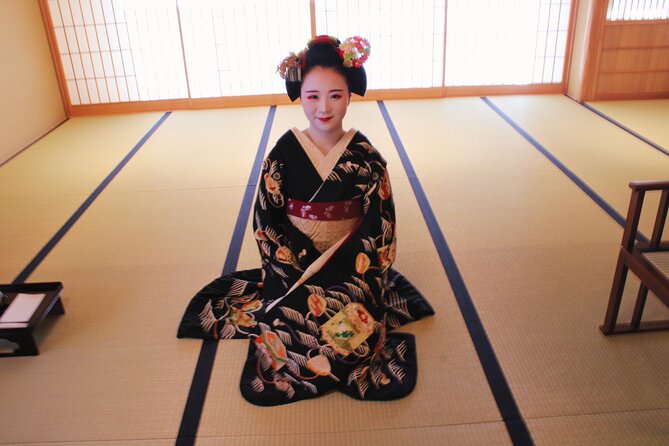
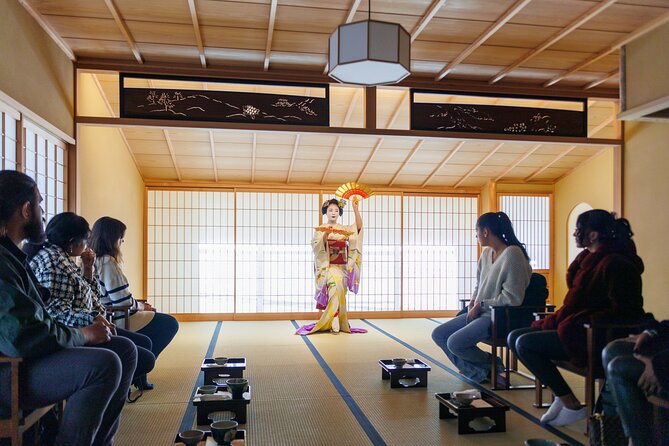
Here is the part that makes this tour different: stepping inside a private ochaya. The experience is built around an ochaya atmosphere where guests are entertained through arts, and where access is rare for first-time visitors.
The performance happens in an exclusive private house on the 2nd floor, and you can only access it via stairs. That means you should wear footwear that works on steps and slow down if you have any knee trouble.
Then come the venue rules, and they are not optional:
- You MUST wear socks at the performance venue.
- On rainy days, no wet cloth and no wet socks are allowed at the venue. You are told to use an umbrella during the walk.
- Photography and video recording are allowed only during the performance and a photo session.
- If you want to upload photos to social media, you must get direct permission from the maiko beforehand.
These rules change how you should prepare. I recommend bringing a small plan for rainy weather, like keeping a spare pair of socks in your day bag, if that is allowed and practical for you. At the very least, keep your socks dry on the way in. The tour’s emphasis on etiquette is part of the cultural respect you are stepping into.
Meeting a maiko and retired geiko: what the conversation is really for
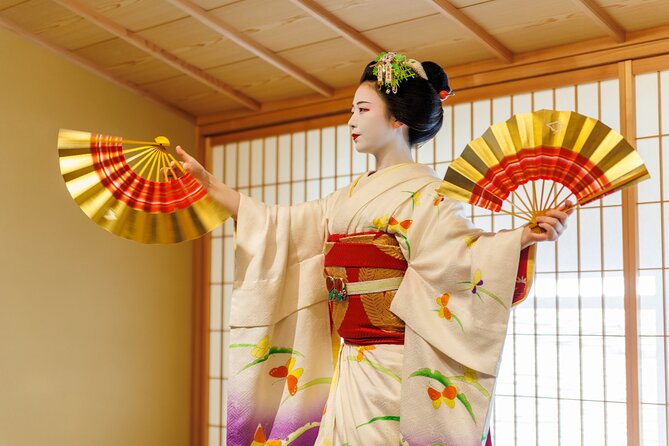
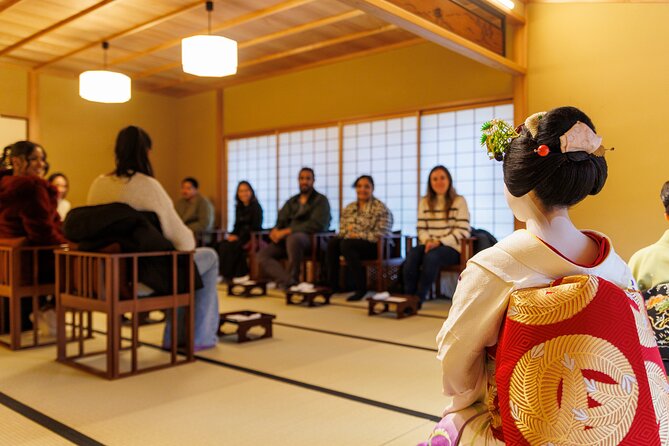
The heart of the experience is not just watching. You meet a maiko and a retired geiko, then you get an elegant performance. After that, you can chat and ask questions, with the guide translating so you can actually follow what is being said.
This is where the tour earns its trust. The guide makes the interaction feel personal and respectful, not staged for spectacle. The reports mention guides like Haruki, Takuma, Ayako, Miko, Mika, Naomi, and Yoko doing a good job keeping the tone right and answering questions in clear English. If you are lucky with your guide, the translation really helps you connect with the stories behind the arts.
What should you ask? Stick to basic, respectful curiosity:
- How training works for a maiko
- What performance means to them
- What daily life looks like behind the scenes
- How traditions get passed along
Also, remember this is a setting where etiquette matters. Listen closely during the questions and try not to take over the conversation. If you want photos, follow the timing the guide sets and wait for your cue.
Price and value: is $109.43 really paying for what you get?
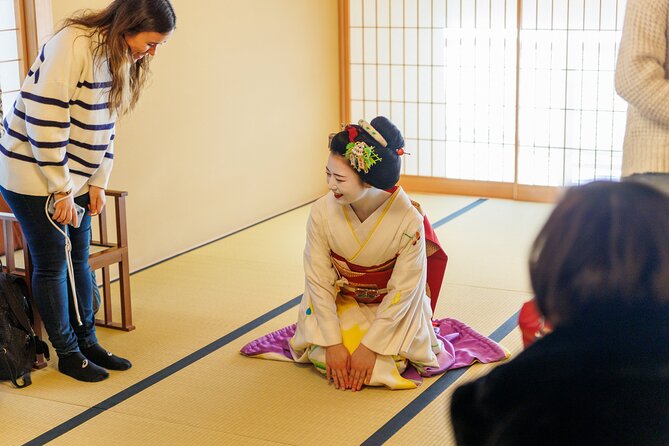
At $109.43 per person for about 3 hours, this tour is not cheap. But it is not priced like a generic walking tour either. You are paying for two high-value pieces that are hard to replicate on your own in Kyoto:
1) Private ochaya access
Most visitors cannot just drop into an ochaya. Even locals treat it as special, and the tour is designed around that rarity.
2) A live meeting plus Q and A
A show without conversation can still be enjoyable, but here you have time to ask questions. That changes the experience from entertainment into education and human connection.
Group size also factors in. With a maximum of 30 travelers, you should expect a more manageable setting than larger bus-style group tours. And the stops before the performance help you understand what you are seeing, which adds value for your time.
One note on value tradeoffs: because the performance happens inside a specific venue with strict etiquette rules, this experience rewards preparation. If you arrive unready for socks, stairs, and timing, the experience may feel less comfortable than you hoped.
Who this tour suits best, and who might not love it
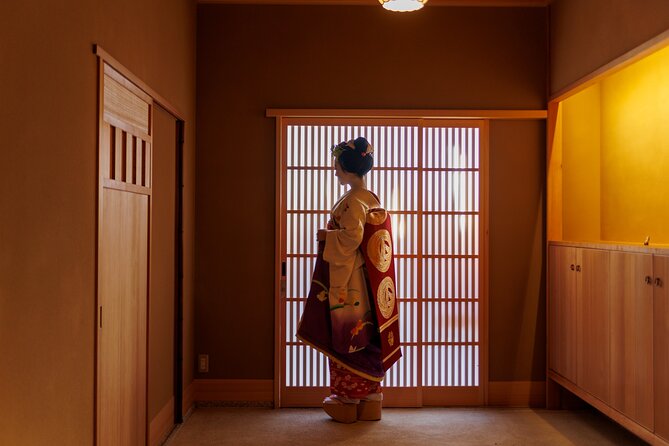
This is a strong match if you:
- Want geisha culture explained in context, not just photographed
- Appreciate traditional performance and want time for questions
- Prefer a guided structure to random street hunting
- Like walking, but still want a schedule that ends with a meaningful payoff
It may be less ideal if you:
- Have trouble with stairs, since the performance is on the 2nd floor
- Hate walking in weather, since it runs rain or shine
- Need very loud audio to catch every word, because the experience relies on you listening during the show and conversation
Also, note the age limit: no children under 10. That keeps the setting focused and calm, but it also means it is not a family pick for younger kids.
Final verdict: should you book this Kyoto geisha maiko tour?
I think you should book if you want the closest thing to a proper introduction to geisha arts without relying on chance. The biggest reason is that the tour is built around rare ochaya access plus a real meeting with a maiko and a retired geiko, not just a walk past tea houses.
Before you buy, do two quick checks:
- Are you comfortable with socks, stairs, and venue etiquette?
- Do you enjoy guided cultural walking, where you learn why places matter before you reach the performance?
If you say yes to both, this tour is one of the best ways to understand Gion beyond the postcards, and you will leave with stories you can actually explain at dinner. If you say no to etiquette rules or stairs, you might prefer a different style of Kyoto cultural experience where the logistics are less strict.
FAQ
What is the duration of the Kyoto Geisha Maiko with Gion Walking Tour?
The tour is about 3 hours.
Where does the tour start and end?
The meeting point and end point are both at Miyagawasuji in Higashiyama Ward, Kyoto (605-0801).
Is it a walking tour, and is there any fitness requirement?
Yes, it is a walking tour. You should have a moderate physical fitness level, and you will walk around Gion.
What should I wear or bring for the performance venue?
You must wear socks at the venue. On rainy days, wet socks and wet cloth are not allowed, and you are advised to use an umbrella during the walk. The performance is on the venue’s 2nd floor, which requires stairs.
Can I take photos and post them online?
Photography and video recording are allowed only during the performance and the photo session. If you want to upload photos on social media, you must obtain direct permission from the maiko beforehand.
What is the cancellation policy?
You can cancel for free up to 24 hours before the experience start time for a full refund. If you cancel less than 24 hours before, there is no refund for your payment.
Fresh options around Kyoto
- Kyoto Gion Photoshoot – Private Session | Pro Photographer★ 5.0 · 12 reviews
- Kyoto Aquarium Admission Ticket★ 4.7 · 12 reviews
- Gyoza Cooking Class in Kyoto: Traditional Japanese Dumplings★ 5.0 · 12 reviews
- Kyoto: Guided Food Tour with 12 Dishes & 3 Drinks★ 5.0 · 12 reviews
- Kyoto: Avoid the Crowds at the Hidden Gems of Arashiyama★ 4.9 · 13 reviews
- Kyoto Early Bird English Tour: Gion & Higashiyama(Private opt)★ 5.0 · 13 reviews
- Otsu-e Folk Art Workshop & Local Culture Walk Near Kyoto★ 5.0 · 13 reviews
- Kyoto, Osaka, Nara Full Day tour by Car English speaking Driver★ 3.5 · 13 reviews
Walking Tours, compared.
Kyoto Geisha Walking Tour: Gion District & Hidden Gems
Read our review →
Tokyo Tsukiji Fish Market Food and Culture Walking Tour
Read our review →
Gion Magical Night Walking Tour with Geisha Trivia
Read our review →
Imperial Palace and Shogun Historical Walking Tour
Read our review →
Gion Geisha District Walking Tour – Stories of Geisha
Read our review →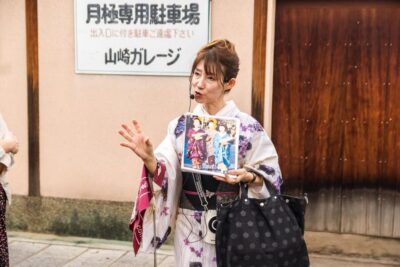
Shinjuku Local Bar and Izakaya Guided Walking Tour
Read our review →
Browse the lists this tour appears in