
Reviewed · WALKING TOURS
Kyoto: Meet the Geisha Maiko with Gion Walking Tour
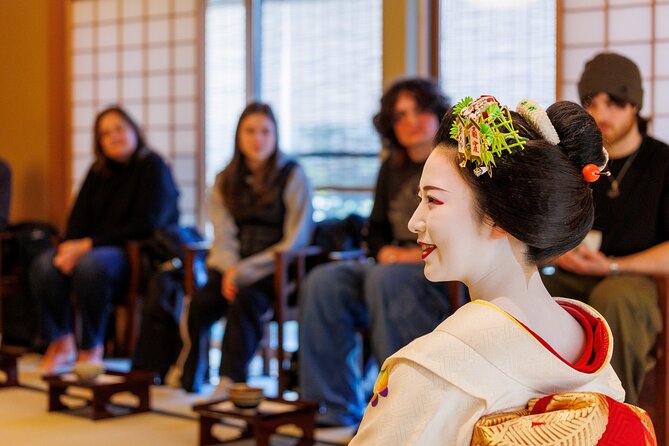
Kyoto’s Gion maiko world isn’t set up for mass tourism. It’s intimate: a small-group walk through the streets, then a private Ochaya tea house where you meet a maiko and a former geiko, with real conversation right after a live performance.
Two things I love most are the face-to-face Q&A (not just a staged show), and the chance to see how this tradition actually works inside a residence and tea house setting. One thing to consider: you must follow strict venue rules, including wearing socks and allowing photography only during the performance and the photo moment.
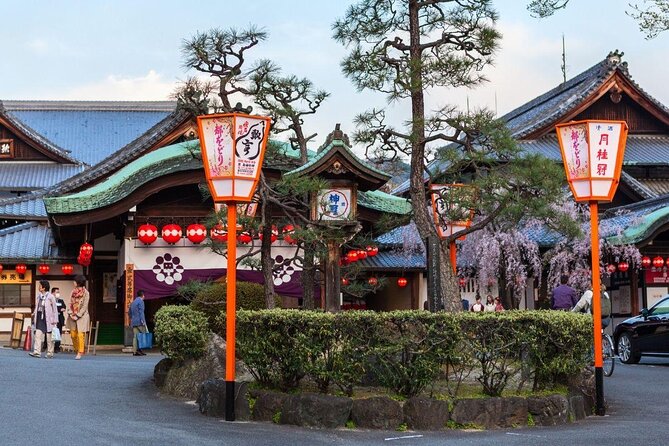
After the introduction, the tour makes sense fast because you’re guided through Gion’s key landmarks before you sit down for the performance. The route includes the river area, shrine and streetscape stops, photo breaks, and a guided explanation of places like Gion Corner, Kenninji Temple, and Miyagawasuji. A possible drawback is that the dance segment can be brief (often 1 to 2 dances), with most of the time going to questions and discussion.
Key highlights worth your attention
- Private Ochaya meeting with a maiko plus a former geiko, in a setting most visitors never access
- Guided Gion walk that gives context before the tea house encounter
- Live maiko performance followed by candid conversation and Q&A
- Photo session with the maiko, with clear rules on when you can shoot
- Small group and English guide support, with time for your questions
- Socks required at the venue, and a rain-day clothing reminder you should take seriously
Why the Ochaya Maiko Meeting Feels Like the Real Deal
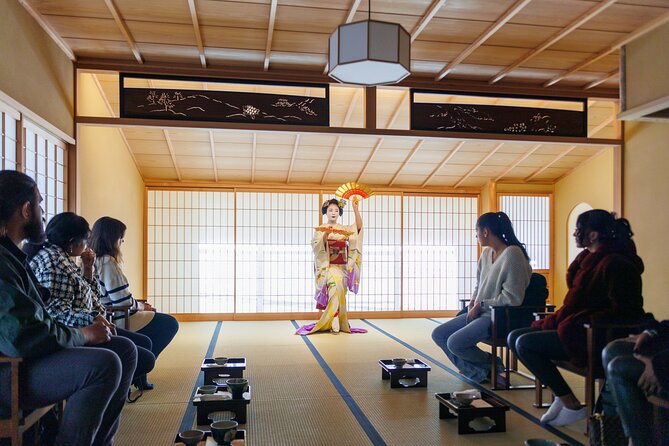
The big reason this experience lands is that it is not just about watching someone perform. You start with a short, guided walk through Gion, and that makes the tea house time click. Then you step into a private residence and venue called an Ochaya, where a maiko (apprentice geisha) and a former geiko are there with stories, not scripts.
In a lot of Kyoto attractions, you get “look, photo, move on.” Here, the heart is the exchange. The tour includes both a live performance, typically 1 to 2 dances, and then a long conversation with both the maiko and a former geiko, plus time for questions. Multiple named guides were praised for translating and staying respectful and patient, including people like Takuma, Yuko, Mika, Ellie, Eric, Tom, Naomi, Ayako, and Chiko. That matters, because you do not just want facts, you want clarity when someone answers your question.
You should also know the setting involves stairs. The performance happens on the second floor of the private house, and you can only access it via stairs. If you are traveling with anyone who struggles on stairs, this is one of those “skip it” situations.
More Walking Tours in Kyoto
- Kyoto Geisha Walking Tour: Gion District & Hidden Gems
★ 4.7 · 3,273 reviews - Kyoto: Gion Magical Night Walking Tour with Geisha Trivia
★ 4.9 · 2,393 reviews - Kyoto: Gion Geisha District Walking Tour – Stories of Geisha
★ 4.7 · 2,187 reviews
Your Gion Walk: from Shirakawa Canal to Miyagawasuji
The tour gives you about 70 to 80 minutes of walking through Gion before the tea house meeting. The pacing is built for understanding the streets, not racing from stop to stop. This part helps you learn what you are looking at when you finally see a maiko in person.
You typically start with either a short canal-area segment at Shirakawa Canal (about 30 minutes) or a kimono-rental start option, depending on what you book. The canal area is a good opener because it sets the tone of old Kyoto right away. Even if you have seen photos online, the scale and layout look different in real life.
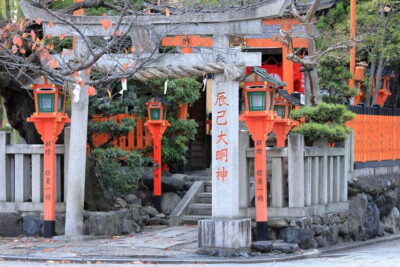
Next comes Tatsumi-jinja Shrine for a brief stop (about 5 minutes). This is short on purpose, because the tour is not trying to turn into a full temple day. Instead, it gives you a waypoint and a visual reminder that Gion is tied to local community spaces and routines.
Then you move to Hanamikoji Street (about 10 minutes). This is where you start to read the neighborhood like a local. It is also one of the areas where photo timing matters, because pedestrian flow can change quickly.
A guided stop at Gion Corner follows. You get context here so the place stops being just a name on a map and becomes part of the performance culture that surrounds geiko and maiko life.
You then get a photo stop and guided visit at Kenninji Temple (about 15 minutes). One review pointed out that the temple complex can feel more like a quick look than a full inside visit, so set your expectations accordingly. This is a “frame the district” stop, not a deep dive into temple architecture.
The walk finishes with Miyagawasuji, with photo time plus about 1.5 hours of visit depending on the flow of your group. Miyagawasuji is ideal late in the tour because you have the stories in your head already. After you meet the maiko, the street details suddenly feel like part of the same conversation.
Tatsumi-jinja, Hanamikoji, Gion Corner, and Kenninji: what the stops really teach
Each stop has a job. Your goal is to understand why Gion looks the way it does and why the geisha world has a place in this neighborhood.
- Shirakawa Canal helps you catch the “Kyoto rhythm,” the kind of slow, canal-and-street choreography that frames everyday life.
- Tatsumi-jinja Shrine reminds you that the arts are not floating in isolation; they sit beside community religion and local tradition.
- Hanamikoji Street gives you the iconic streetscape you expect, but with a guide’s explanation so you can notice more than storefronts and lanterns.
- Gion Corner acts like a bridge between sightseeing and the performing arts culture you are about to meet.
- Kenninji Temple functions as a quick visual pause that still fits the half-day structure.
The practical upside is that this route stays short enough to enjoy Kyoto, yet focused enough to make the tea house encounter feel grounded instead of random.
Inside the Ochaya: meeting a maiko and a former geiko
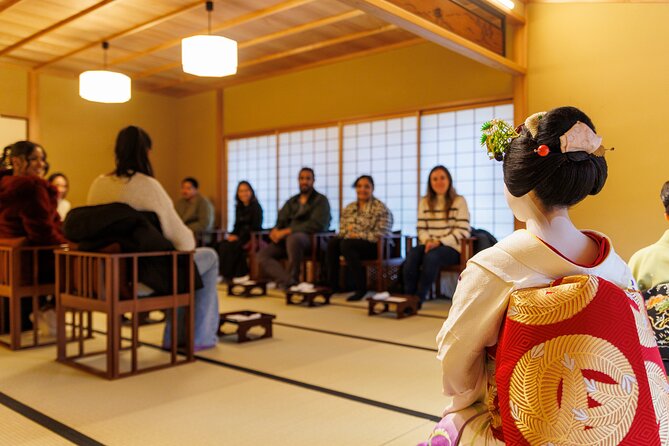
The meeting experience runs about 90 minutes and takes place at the private Ochaya. This is the section that most people will remember years later, because you are not just watching. You are sitting close enough to treat it like a conversation.
You will meet both a maiko and a former geiko, and the venue owner is also part of the talk. The program includes a live performance, then a personal conversation with stories about training and daily traditions. The Q&A is a major part of why this feels different. You are allowed to ask questions, and your guide supports communication in English.
One review mentioned a maiko named Hidenagi giving two dances and then a longer Q&A. Another review described the former geiko speaking for quite a while with laughter and warmth. Even if your specific schedule varies by day, the theme stays the same: you get the art, then you get the human behind the art.
One more important note: photography and video have rules. You can capture images during the performance and during the photo session, but not outside those windows. Also, if you plan to share Maiko photos online, you need direct permission from the maiko beforehand. Videos cannot be uploaded to the internet.
More geisha experiences in Kyoto:
- Best of Kyoto: Gion, Geisha, Pagodas & Cobblestones
★ 4.9 · 2,058 reviews - Night Walk in Gion: Kyoto’s Geisha District
★ 4.5 · 2,003 reviews - Kyoto Night Foodie Tour in Gion (9+ dishes + 6 Sake tastings)
★ 5.0 · 1,762 reviews - Kyoto Gion Geisha District Walking Tour – The Stories of Geisha
★ 5.0 · 1,441 reviews
The performance: what you will actually see (and how to time your expectations)
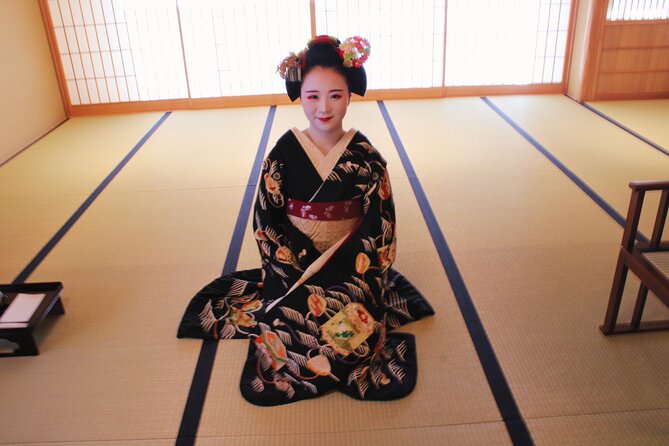
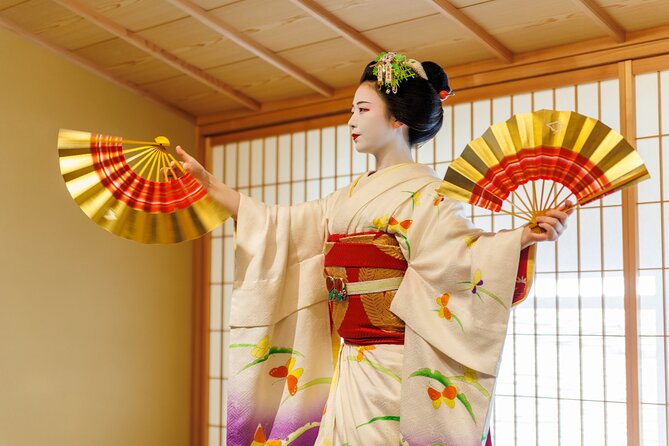
The tour includes a live maiko performance of typically 1 to 2 dances. For some visitors, that is the wow moment they came for. For others, the best part is that the dancing acts like an opening ceremony for the talk that follows.
One review specifically warned that the dance could be under five minutes, with more time dedicated to Q&A. That matches the broader structure here. So if you are expecting a long stage show, this is not that format. Instead, treat it like a cultural exchange with a short visual centerpiece.
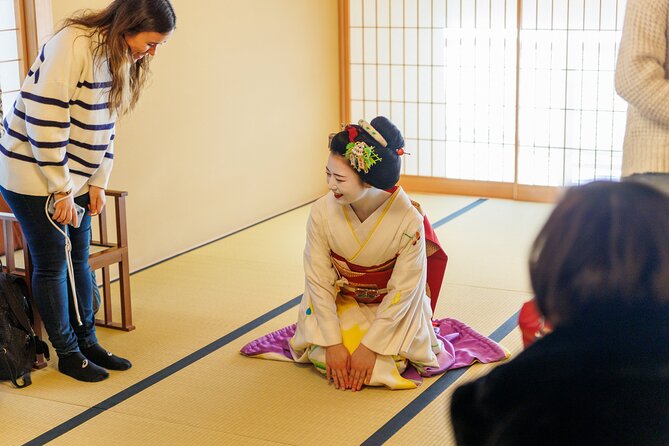
You also get a photo session with the maiko. That is not a random snapshot. It is part of the designed flow of the visit, and it is the time you should focus on getting respectful, well-composed shots.
And yes, you will probably feel the “formal” side of Kyoto culture in your body. The room, the attention, the polite pacing, and the fact that this happens inside a private house all change how you watch.
Photos, socks, and the venue rules that can trip you up
This is one of those tours where the rules are not annoying, they are protective. They keep the experience smooth for the household and the performers.
Bring socks, and wear them for the performance venue. You should plan for the fact that you may not be able to move comfortably or quickly if you forget. In rainy weather, the tour still runs, but you need to keep wet clothes and wet socks out of the venue area. The instructions say no wet clothes and socks at the venue on rainy days, and you should use an umbrella during the walk.
Photography is limited on purpose:
- Photos and video recording are allowed only during the performance and photo session.
- If you want to upload photos of the maiko online, you must obtain direct permission beforehand.
- You cannot upload any video to the internet.
These rules affect your trip planning in a simple way: charge your phone fully, bring a compact umbrella, and do not assume you can record the whole time. When you do get your photo window, slow down and shoot with intention.
Kimono rental option: a neat add-on with a small logistics step
Some bookings include kimono rental. If you choose that option, the process adds a specific instruction. After you change into your kimono, you go on your own to the Izumo-no-Okuni statue, which is about a 3-minute walk from the rental store. Your guide then waits for you at that statue.
This is a good option if you want to feel the streets of Gion in costume. One review mentioned kimono fitting as a highlight, and another described kimono help for photo-taking. Just remember that socks still matter later at the venue, and rainy-day clothing rules still apply.
If you are the kind of traveler who likes to move fast and keep clothes simple, you might prefer skipping kimono and saving yourself the extra pre-tour steps. Either choice can work, but the kimono option needs you to follow the handoff point.
Price and value: is $106 per person fair for what you get?
At $106 per person for 3 to 5 hours, this is not the cheapest thing to do in Kyoto. But the value case is strong if you care about access.
A big chunk of what you pay for is that you get:
- a guided Gion walk with multiple context stops,
- a private tea house meeting with a maiko and a former geiko,
- a live performance,
- conversation and Q&A,
- and a photo session.
Many geisha-related activities in Kyoto are either harder to access or more show-heavy. Here, you pay for the time and access inside the Ochaya setting, plus the translation and moderation that make the Q&A meaningful.
Timing can also influence perceived value. The stated duration is 3 to 5 hours, and the tour may run a bit longer depending on the day. One review said the experience ran longer than expected, which can matter if you are trying to catch a train. If you have a tight schedule after, give yourself buffer time.
One more value-positive detail: the tour is described as small group and in English with a live guide. That combination matters because the experience depends on conversation, not just viewing.
Who this tour is best for, and who should skip it
This is a great fit for you if:
- you want a cultural exchange, not a quick photo stop,
- you enjoy asking questions and learning from first-person stories,
- and you care about respectful, structured etiquette.
It is especially worth considering if you are trying to understand the difference between maiko, geiko, and the broader geisha arts culture. The former geiko and teahouse owner involvement adds depth because you hear about life from different angles, including training and the day-to-day traditions.
Skip it if:
- you are traveling with children under 10,
- you have mobility impairments or use a wheelchair,
- or you strongly prefer venues without stairs, since the performance is on the second floor via stairs.
Even if you are comfortable with stairs, think about rain-day sock and clothing restrictions. The venue rules are part of how the experience stays respectful and clean, so plan to comply.
Booking advice: should you go, or choose something else?
If you want Gion atmosphere, you can get a lot for free by walking the streets on your own. But this tour adds the one thing you cannot casually replicate: a private Ochaya encounter with a maiko and a former geiko, plus guided context beforehand and translation support during Q&A.
I recommend booking if you meet two conditions. First, you are okay with a short dance segment followed by a bigger conversation portion. Second, you are willing to follow the rules about socks and where photography is allowed. If both are true, this is one of the most focused, best-structured ways to experience the geisha world in Kyoto.
On the other hand, if you mainly want hours of stage performance, or you are traveling with someone who cannot do stairs, then look for an alternative style of Kyoto show. For the right traveler, though, this half-day tour is the kind of experience that gives you context you keep thinking about long after you leave Gion.
FAQ
How long is the Kyoto Meet the Geisha Maiko with Gion Walking Tour?
The tour duration is about 3 to 5 hours, depending on the starting time and the day.
What does the tour include?
It includes a local English guide, a Gion walking tour of about 70 to 80 minutes, a meeting maiko experience of about 90 minutes, a live performance by a maiko and a former geiko (typically 1 to 2 dances), conversation and Q&A with the maiko and the teahouse owner, and a photo session with a maiko.
Where does the tour start?
There are two starting location options, and the exact meeting point may vary depending on the option booked: Izumo-no-Okuni statue area (near the kimono rental store) or Shirakawa Canal.
Is the tour offered in English?
Yes. The live tour guide provides English.
What should I bring?
Bring socks, since you must wear socks at the performance venue.
Are photos and videos allowed?
Photography and video recording are allowed only during the performance and the photo session. You need direct permission from the maiko before uploading Maiko photos online, and you cannot upload any video on the internet.
Does the tour run in the rain?
Yes, it runs rain or shine.
What should I do on rainy days regarding clothing?
The venue requires no wet clothes and socks. Use an umbrella during the walk, and plan so you do not arrive with wet socks.
If I choose the kimono rental option, what do I do after changing?
After changing into kimono, go by yourself to the Izumo-no-Okuni statue, about a 3-minute walk from the rental store. Your guide waits for you there.
Is the performance venue accessible for wheelchair users?
No. The tour is not suitable for people with mobility impairments or wheelchair users, and the performance happens on a second floor accessible only by stairs.
Fresh options around Kyoto
- Kyoto Aquarium Admission Ticket★ 4.7 · 12 reviews
- Kyoto Gion Photoshoot – Private Session | Pro Photographer★ 5.0 · 12 reviews
- Gyoza Cooking Class in Kyoto: Traditional Japanese Dumplings★ 5.0 · 12 reviews
- Kyoto: Guided Food Tour with 12 Dishes & 3 Drinks★ 5.0 · 12 reviews
- Kyoto: Avoid the Crowds at the Hidden Gems of Arashiyama★ 4.9 · 13 reviews
- Kyoto Early Bird English Tour: Gion & Higashiyama(Private opt)★ 5.0 · 13 reviews
- Otsu-e Folk Art Workshop & Local Culture Walk Near Kyoto★ 5.0 · 13 reviews
- Kyoto, Osaka, Nara Full Day tour by Car English speaking Driver★ 3.5 · 13 reviews
Walking Tours, compared.
Kyoto Geisha Walking Tour: Gion District & Hidden Gems
Read our review →
Tokyo Tsukiji Fish Market Food and Culture Walking Tour
Read our review →
Gion Magical Night Walking Tour with Geisha Trivia
Read our review →
Imperial Palace and Shogun Historical Walking Tour
Read our review →
Gion Geisha District Walking Tour – Stories of Geisha
Read our review →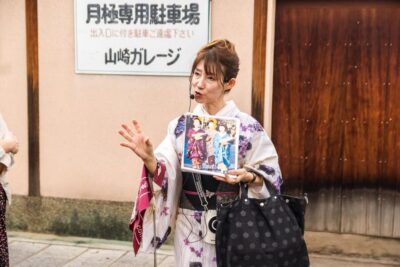
Shinjuku Local Bar and Izakaya Guided Walking Tour
Read our review →
Browse the lists this tour appears in