
Reviewed · WALKING TOURS
Kyoto: Gion Geisha District Walking Tour and Hidden Gems
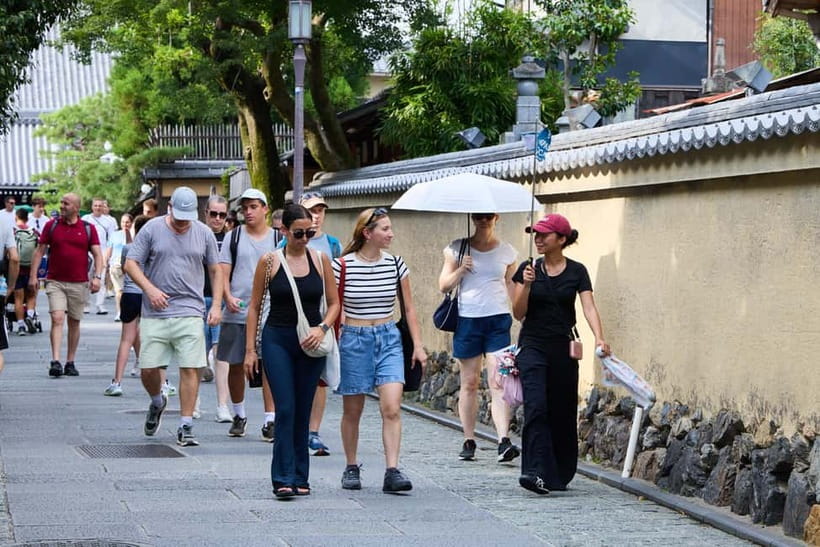
Kyoto can feel like a living museum, in a good way. This 3-hour Gion walking tour keeps things moving, but it also gives you the context to understand what you are seeing, from preserved streets to religious landmarks and the ideas behind geisha culture. You will walk lantern-lined lanes, pause for stories, and learn how Kyoto’s past and daily life fit together.
I love the way this tour turns famous Gion sights into something you can actually interpret. Two standouts for me: the geisha culture explanations that connect traditions to real street scenes, and the focus on quiet backstreets and hidden shrines that help you see Kyoto beyond the usual postcard angles. It’s not just photos, it’s meaning.
One possible drawback: the route has a lot of steps, so if you struggle with stairs or uneven stone, plan for a slower pace and bring water.
Key things you will notice on this Gion walk

- Geisha and maiko training, in plain words: You get the basics of how the system works and how it shows up in everyday life.
- Hidden shrines between buildings: You will see small, easy-to-miss stops that most self-guided walkers skip.
- A tight route across Higashiyama: You cover major areas without spending the whole day commuting.
- A guide who talks history with context: Past guides like Mr J, Jay, and Ben were praised for making long timelines easy to follow.
- Small-group energy (possible): Some groups have been very small, which makes questions feel natural.
- Finish at Kiyomizu-dera Niomon Gate: The ending location gives your walk a strong sense of arrival.
Gion at walking speed, with stories that stick
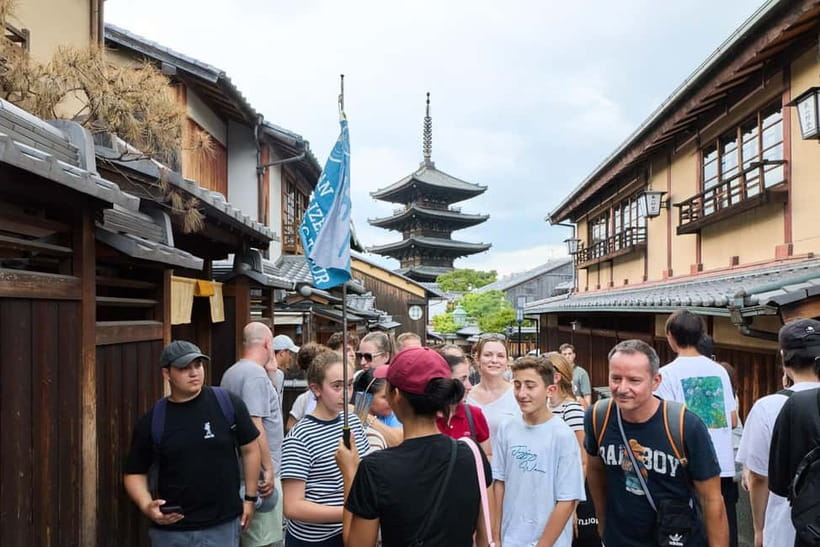
Gion looks simple on a map. In person, it’s layered. You’re surrounded by old wooden townhouses, narrow lanes that change character every few minutes, and places where religion and neighborhood life sit side by side. The best part of walking with a guide is that you stop treating the area like a set of landmarks and start reading it like a place.
This tour also has a smart length. At 3 hours, you are not stuck for an entire half-day, but you still have time to go beyond the front windows. You get the famous atmosphere, then you get the quieter angles too, including spots most people only notice if someone points them out. The route is also designed to connect themes: Kyoto as an imperial capital, Kyoto as a city of tradition, and Kyoto as a modern cultural center that still carries old practices.
More Walking Tours in Kyoto
- Kyoto Geisha Walking Tour: Gion District & Hidden Gems
★ 4.7 · 3,273 reviews - Kyoto: Gion Magical Night Walking Tour with Geisha Trivia
★ 4.9 · 2,393 reviews - Kyoto: Gion Geisha District Walking Tour – Stories of Geisha
★ 4.7 · 2,187 reviews
Starting at Ben’s Cookies Kyoto Shijo, and why it matters
The meeting point is Ben’s Cookies Kyoto Shijo, where the guide holds a sign out front. Starting at a clear, easy-to-find location is underrated. Kyoto can be confusing at first, and you do not want to spend the first 20 minutes hunting for the right street while everyone else is already walking.
This start also nudges you to do something practical. Before you go, take a quick look at your route and decide what you want from the walk. If your goal is cultural context, you will enjoy the early explanation time. If your goal is photos, you can mentally tag the lanes for later shots. Either way, you’ll get your bearings fast, then the guide takes over.
Past tours have run with lively, friendly guides who share history with anecdotes, so the first stage feels like you are stepping into a conversation, not lining up at stops.
Gion Tatsumi Bridge: the calm before the alleyway storytelling
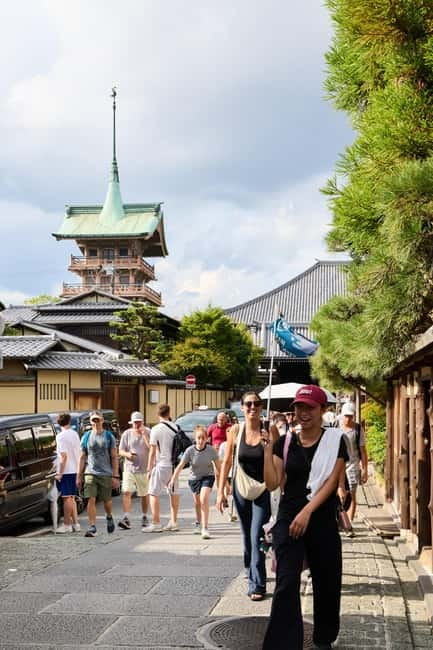
Your first big walk segment includes Gion Tatsumi Bridge, with guided time to take in the area. Bridges in Kyoto matter because they often frame a change in perspective. You go from one mood to another, and you start noticing details you missed when everything felt too big.
From here, the tour logic becomes clear. The guide isn’t just taking you to famous places. You’re moving through a set of streets where the atmosphere changes with the light, the narrowness of the lane, and the way buildings guide your sightline. This is where you start to understand why locals care about these corridors, not just the major sights.
If you like quiet visuals, this part is good for that. It’s also a nice warm-up for the physical side of the day, because you’re not thrown immediately into the longest climbs.
Chion-in: religion you can see, not just read
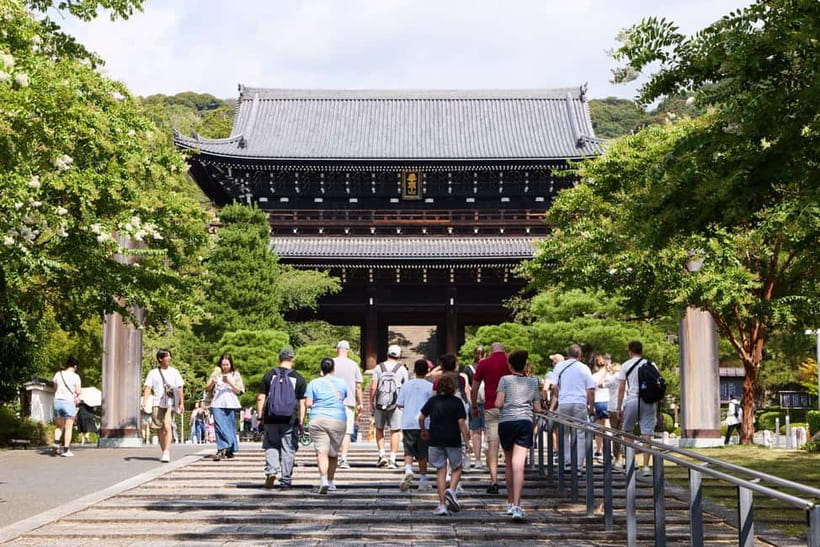
Next up is Chion-in, a major temple stop with guided time. Temple areas are often the hardest to experience on your own because you can stare at architecture and still miss why it feels the way it does. With a guide, you get the human angle: what these sites meant historically, and how religious tradition influences what you see today.
Chion-in works well for this tour because it supports the bigger theme you’ll keep hearing. Kyoto’s culture isn’t isolated. The religious tradition is part of the city’s rhythm, and the guide connects that to what you see later in Gion.
A quick practical note. Temple entrances and grounds can involve uneven paths. If you’re wearing shoes that look good but slip a bit, this is the time to fix that choice.
More geisha experiences in Kyoto:
- Best of Kyoto: Gion, Geisha, Pagodas & Cobblestones
★ 4.9 · 2,058 reviews - Night Walk in Gion: Kyoto’s Geisha District
★ 4.5 · 2,003 reviews - Kyoto Night Foodie Tour in Gion (9+ dishes + 6 Sake tastings)
★ 5.0 · 1,762 reviews - Kyoto Gion Geisha District Walking Tour – The Stories of Geisha
★ 5.0 · 1,441 reviews
Maruyama Park: a pause that keeps the walk from feeling rushed
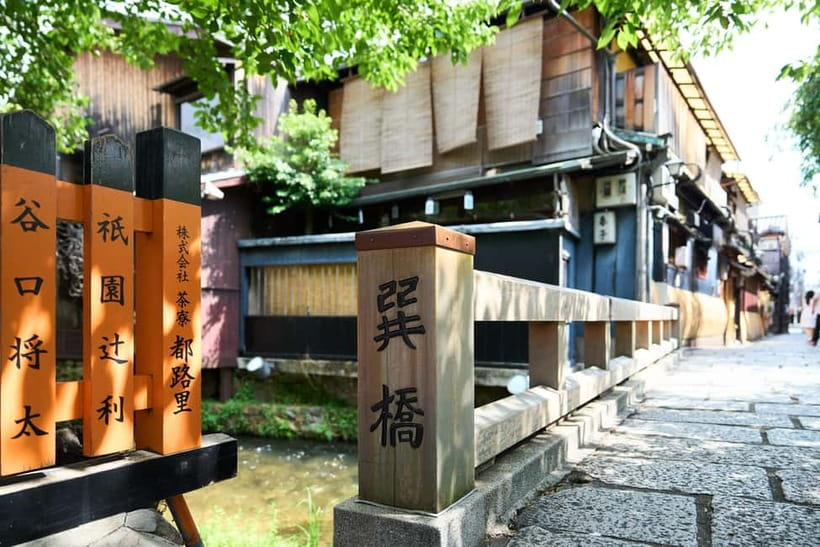
Then you move to Maruyama Park, another guided stop. Parks can sound like a break, but on walking tours they also help you recalibrate. You get a little breathing room, you can reset your legs, and you can regroup your attention before more steps and more lanes.
This stop also supports the cultural story. Kyoto is not only about structures. It’s also about public spaces where the city’s seasonal life happens. Even if you’re traveling outside peak season, the park setting makes the walk feel more like being in Kyoto rather than moving through a list.
Also, one review insight that matters for your comfort: guides have been praised for giving time to rest when possible during a long 3-hour route. If you’re prone to fatigue, this is one of those tours where you should feel comfortable asking for a short pause.
Hōkan-ji Temple: a short stop with outsized payoff
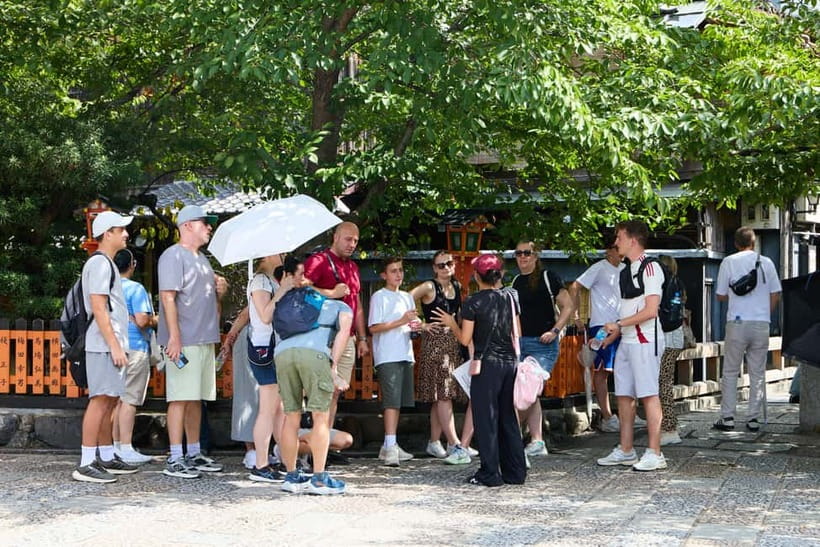
Hōkan-ji Temple is a shorter guided visit, but that’s a good thing on a steps-heavy walk. The value here is focus. You do not want to spend too long in one place and then feel rushed everywhere else.
This stop helps balance the route. You get temple atmosphere, then you transition back into the street scale again. Kyoto is best experienced at different scales, from grand sites to small, intimate corners between buildings.
If you like learning by contrast, you’ll appreciate how Hōkan-ji fits. It adds texture to the day so the walk doesn’t become one long stretch of “pretty lanes” without context.
Ninen Zaka and Sannenzaka: the famous approach, handled well
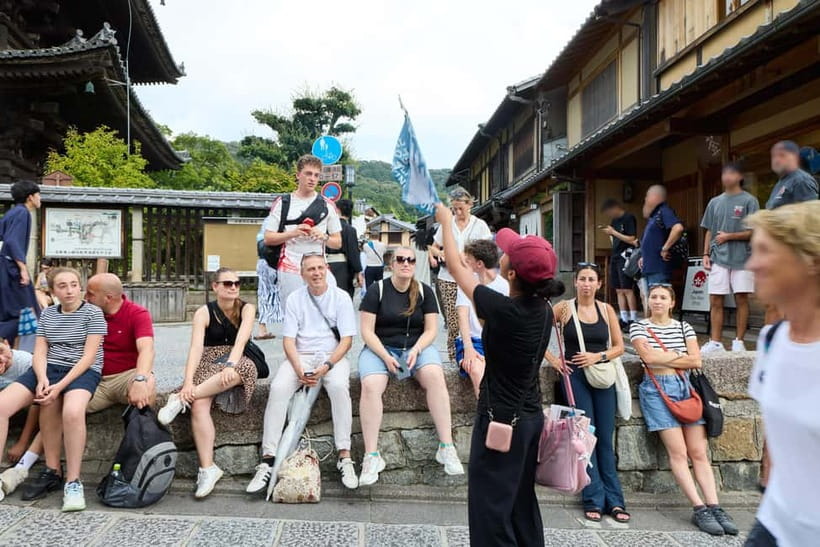
Next you reach Ninen Zaka Path and Sannenzaka for guided time. These are among Kyoto’s most iconic slopes for a reason. The lanes have that layered, old-street feel that makes you slow down even if you didn’t plan to. You also get classic photo territory: stone steps, traditional storefront style, and the sense that the city is holding onto its older identity.
What I like about doing these with a guide is that you’re not just walking the steps. You’re learning how the city’s structure and traditions shape the experience of moving through it. You’ll understand why certain street features matter, and you can tell the difference between background decor and things that reflect long-running practices.
The drawback is obvious but important: steps. These lanes can be tiring, and it’s better to know that going in than to tough it out at the last minute.
Practical tip: keep water handy, take breaks before your legs feel angry, and don’t let photo stops turn into marathon stops.
Ending at Kiyomizu-dera Niomon Gate: a satisfying finish
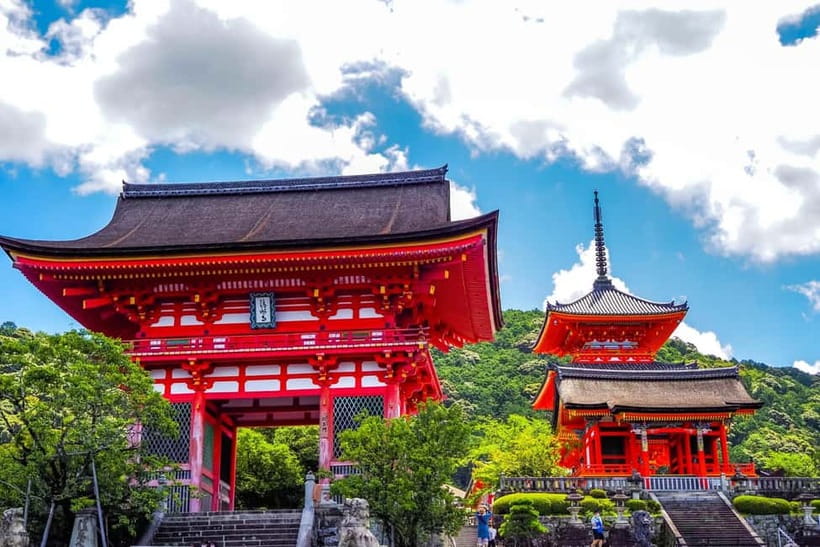
The tour ends at Kiyomizu-dera Niomon Gate, and it’s a strong finale. Finishing at a major entrance gives the whole walk a frame. You started in Gion, then moved through temple and park, and now you end with a gateway that makes your route feel complete.
This ending location also helps if you plan to continue exploring after the tour. You’ll likely feel ready to look around more, because you’re no longer “waiting for the next stop.” The gate area sets up a natural next step for your day.
One more reason this ending works: it matches the tour’s theme. Kyoto’s culture is not only in one neighborhood. It spreads across districts and keeps connecting.
The geisha culture explanations that make the street scenes click
The headline is geisha culture, and the best part is how it connects to what you walk past. You’ll hear about geisha traditions and daily life, including how maiko and geisha train and work. The tour also covers Kyoto’s transformation from imperial capital to modern cultural center, which helps you understand why these districts remain culturally significant.
I also appreciate that the focus isn’t just romanticized lore. The guide’s stories put tradition into a bigger picture: why certain customs exist, and how the city’s rules and spaces shape behavior.
You’ll likely notice small cues as you go, like how people move through lanes, how the area feels quieter behind the main street, and how religious and neighborhood life overlap. That’s the kind of understanding that stays with you after you leave.
If you get a guide like Ben, Jay, or Mr J, you may also find the conversation extends into broader Japanese context. One guide was praised for connecting history to what you see, and even taking questions in directions like daily life, samurai, and other cultural references. That kind of flexibility is useful, because you can ask what you actually care about.
Hidden shrines and backstreets: why “off the main lane” pays
A lot of people come to Kyoto for famous sights. The problem is that famous sights can feel repetitive because you’re all looking at the same angles. This tour counterbalances that by targeting quiet backstreets and tucked-away shrines between buildings.
When you find these smaller places, you feel the city’s scale change. It’s like the neighborhood becomes a maze, and you understand why locals treat these areas as part of home life, not just sightseeing. Even if the shrines themselves are small, the experience of discovering them is big.
This is also where a good guide earns their fee. Without help, you might walk right past a shrine entrance because it does not scream tourist sign. With guidance, you stop and see.
Price and value: is $25 worth it for this route?
At $25 per person for a 3-hour guided walk, the value is all about what you get besides movement. You’re paying for interpretation: the guide translates the setting into human stories, and that is hard to replicate with a phone app alone.
You also get practical route management. The walk is organized enough to cover multiple major areas without you guessing how to connect them. And you get English narration, which is huge if you want to ask questions and not just read signs.
Is $25 a lot? Not really, especially in a city like Kyoto where a short guided experience can easily cost more. The bigger question is fit. If you love history, culture, and asking questions while walking, this price feels fair. If you only want the broadest sightseeing with minimal talking, you might prefer a self-guided plan.
Practical tips: shoes, water, and how to pace yourself
This tour includes a lot of steps, and it is not marketed as low-fitness friendly. Plan around that. Wear grippy shoes and choose socks that won’t betray you after the second climb.
Bring water. It sounds obvious, but on steps-heavy days people forget until it’s too late. The walk also includes multiple short stops, so you can rest, but don’t assume you can fully undo the effort at the end.
Alcohol and drugs are not allowed. That’s normal for a cultural walk, but it’s worth noting because it keeps the experience respectful and focused.
Also, the guide provides an active, story-led pace. If you hate being guided, this may feel like too much direction. If you want a plan, it’s exactly the point.
Should you book this Kyoto Gion walking tour?
I think you should book if you want a guided introduction to Gion and surrounding Higashiyama areas with meaningful context about geisha culture and Kyoto’s traditions. It’s especially worth it if you like learning from stories tied directly to what you are walking past.
Skip it if stairs will derail you, because this route includes a lot of steps and it is not framed for low mobility. And if you prefer quiet sightseeing with no talking, you might find a guided format too structured.
If you’re on the fence, a good rule is simple: if you want Kyoto to make sense as you walk, this tour will deliver. If you just want a checklist of landmarks, you can DIY. But if you want both atmosphere and explanation, this is a very solid use of a half-day.
FAQ
Where does the tour start?
The tour starts at Ben’s Cookies Kyoto Shijo. The guide will be holding a sign in front of the store.
Where does the tour end?
The tour finishes at Kiyomizu-dera Niomon Gate.
How long is the walking tour?
The duration is 3 hours.
What language is the guide?
The tour is led by a live guide in English.
Is the tour suitable for people with low fitness?
It is not suitable for people with low level of fitness because the tour includes a lot of steps.
What should I bring?
You should bring water.
Are alcohol or drugs allowed on the tour?
No, alcohol and drugs are not allowed.
Fresh options around Kyoto
- Kyoto : Family-Friendly Sword Lesson at Samurai Ninja Museum★ 4.4 · 14 reviews
- Kyoto: Geisha Dinner & Gion Cultural Walk★ 5.0 · 14 reviews
- Kyoto Early Morning E Biking Tour Fushimi Inari Kiyomizu Temple★ 5.0 · 14 reviews
- Arashiyama Hidden Gems: Walking Tour escaping crowds★ 5.0 · 14 reviews
- Kyoto: Arashiyama UNESCO Walking Tour with Admission★ 5.0 · 14 reviews
- Kyoto: The Geisha Districts of Kyoto Walking Tour★ 4.9 · 14 reviews
- Kyoto Lazy Bird Walking Tour★ 5.0 · 14 reviews
- Kyoto: 1 Day:Traditional Japanese Kimono Rental Experience★ 4.9 · 14 reviews
Walking Tours, compared.
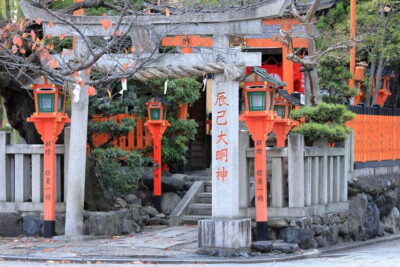
Kyoto Geisha Walking Tour: Gion District & Hidden Gems
Read our review →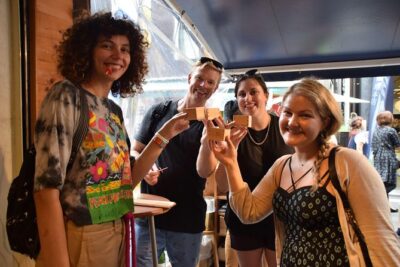
Tokyo Tsukiji Fish Market Food and Culture Walking Tour
Read our review →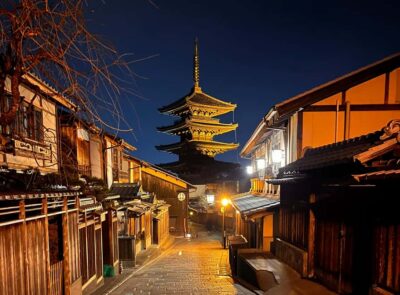
Gion Magical Night Walking Tour with Geisha Trivia
Read our review →
Imperial Palace and Shogun Historical Walking Tour
Read our review →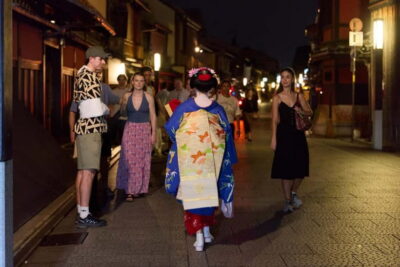
Gion Geisha District Walking Tour – Stories of Geisha
Read our review →
Shinjuku Local Bar and Izakaya Guided Walking Tour
Read our review →
Browse the lists this tour appears in