
Reviewed · WALKING TOURS
Kyoto Gion Early Morning Walking Tour
Kyoto feels calmer before breakfast. This Kyoto Gion early morning walking tour strings together the sights most people rush past, at a time when Gion still feels like a neighborhood, not a festival.
I love the small group size and the fact you stay close enough to your English-speaking guide to ask real questions. You’ll also get the timing right, which means fewer photo headaches and more breathing room as you move between classic streets and temples.
One thing to plan for: Kiyomizudera costs extra (¥500) and, even on a morning tour, that landmark can start filling in. If crowds at Kiyomizudera are a make-or-break issue for you, arrive with a photo game plan and keep expectations flexible.
Key highlights you’ll feel on the route
- Early arrival strategy that prioritizes calm streets and better photos around Higashiyama
- Up to 12 people so your guide can actually answer questions while you walk
- A tight, efficient loop that covers Gion, Kiyomizudera, and the Sannenzaka/Ninenzaka lanes in about 3 hours
- Landmark variety from Shirakawa River charm to Yasaka-no-To and Yasaka Shrine
- Simple logistics with a mobile ticket and no hotel pickup, but a clear meeting point near public transit
Kyoto before the crowds: what early Gion gets you
This tour is built around one simple idea: go when everyone else is still waking up. The payoff is real. You’ll experience Gion Shirakawa, Hanamikoji Street, and the Higashiyama lanes in softer light, when the streets feel more like Kyoto lives here day to day.
Afternoons in this area can turn into a crowd puzzle. By contrast, an early start gives you a better rhythm. You can look up at wooden machiya facades, watch river views change as you walk, and actually take a breath between stops.
If you care about photos, this is the big reason to choose a morning option. You’ll still see famous sites like Kiyomizudera, but you’re more likely to catch them before peak density pushes everyone into photo-line mode.
More Walking Tours in Kyoto
- Kyoto Geisha Walking Tour: Gion District & Hidden Gems
★ 4.7 · 3,273 reviews - Kyoto: Gion Magical Night Walking Tour with Geisha Trivia
★ 4.9 · 2,393 reviews - Kyoto: Gion Geisha District Walking Tour – Stories of Geisha
★ 4.7 · 2,187 reviews
Price and what you actually get for $49.42
At $49.42 per person, you’re paying for three things: an English-speaking guide, a planned route, and about 3 hours of structured walking. Most of the stops on the list are free to enter, so your costs mostly come down to one add-on: Kiyomizudera.
That ¥500 admission for Kiyomizudera is the main extra you should budget. If you were going to visit Kiyomizudera anyway, the tour price feels less like a premium and more like buying time, routing help, and context.
Also, you’ll use a mobile ticket. It’s a small detail, but it reduces friction when you’re moving through Kyoto with trains, buses, and tight start times.
Meeting at Izumo-no-Okuni: start here, then follow your feet
You start at the Statue of Izumo-no-Okuni in Kawabatacho, Higashiyama Ward, Kyoto. It’s an easy anchor point, and it puts you in the right neighborhood to begin your morning walk without wasting time figuring out where to go first.
There’s no hotel pick-up, so you’ll want to plan to arrive under your own steam. The good news is the meeting point is near public transportation, so you can build in a little buffer time instead of sprinting to catch the group.
The tour ends back at the meeting point. That matters more than you might think. When your return plan is simple, you can focus on enjoying the sites rather than stress-managing directions after walking all morning.
Stop 1: Gion Shirakawa and the calm river vibe
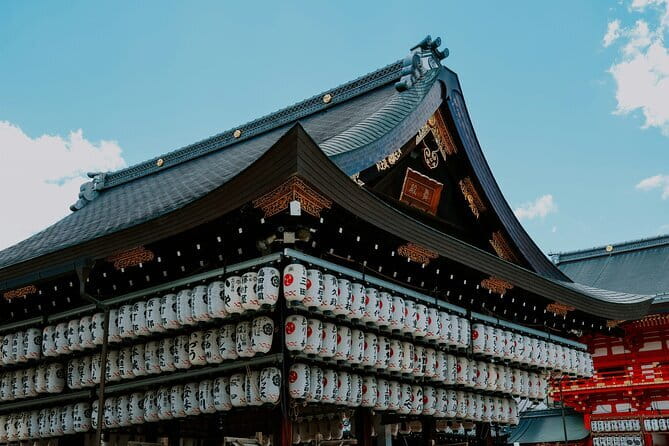
The first stop is Gion Shirakawa, about 15 minutes. You’ll stroll through an area known for its traditional machiya houses along the Shirakawa River. Early in the day, the water and willow-lined setting can feel almost cinematic, but in a quiet, local way rather than a staged way.
What I like here is the way it sets the tone. Before you hit bigger, busier attractions, you start with atmosphere: wood, stone, and the sense of a neighborhood that hasn’t turned into a souvenir corridor yet.
Practical note: don’t treat these 15 minutes like a free time slot. This is the part where your guide’s context makes a difference. If you want to understand what you’re seeing, this is where you’ll get the foundation.
More geisha experiences in Kyoto:
- Best of Kyoto: Gion, Geisha, Pagodas & Cobblestones
★ 4.9 · 2,058 reviews - Night Walk in Gion: Kyoto’s Geisha District
★ 4.5 · 2,003 reviews - Kyoto Night Foodie Tour in Gion (9+ dishes + 6 Sake tastings)
★ 5.0 · 1,762 reviews - Kyoto Gion Geisha District Walking Tour – The Stories of Geisha
★ 5.0 · 1,441 reviews
Stop 2: Hanamikoji Street, where the drama is in the design
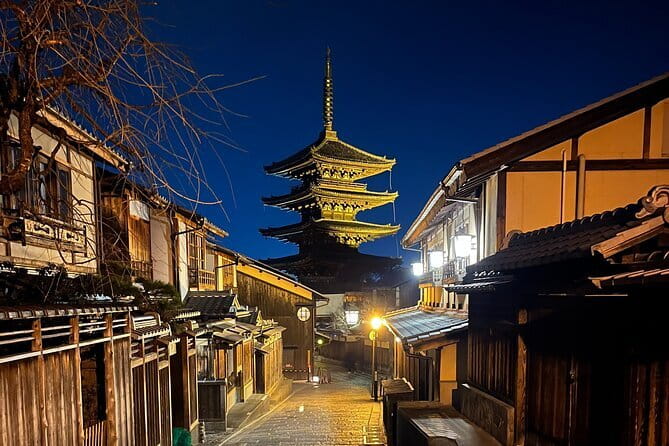
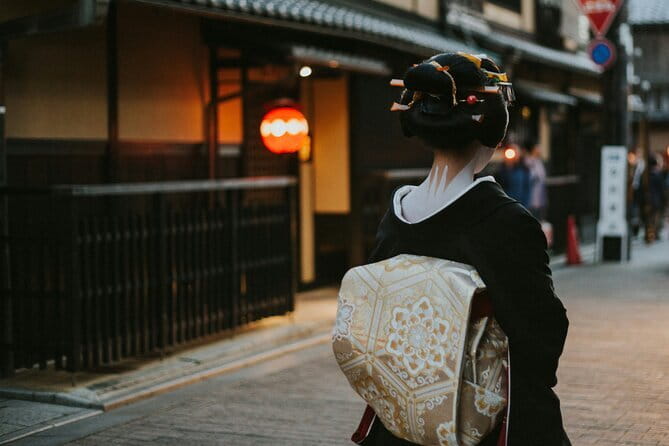
Next up is Hanamikoji Street, around 20 minutes, with the geisha district energy on full display. You’ll walk past traditional wooden townhouses and historic teahouses (ochaya), and the street’s design does the heavy lifting even before you start talking about people and customs.
This is also one of the easiest parts of the day to enjoy without overthinking. The early morning timing helps a lot. Even if you’ve seen pictures of this street, experiencing it in person while the pace is slower feels different.
As you walk, keep an eye on the details your brain usually skips in a rush: the rhythm of the façades, the narrowness of the lane, and the way side streets branch off. Your guide can point out what’s worth noticing, and it helps you move beyond surface-level sightseeing.
Stop 3: Kiyomizudera views, plus that ¥500 admission

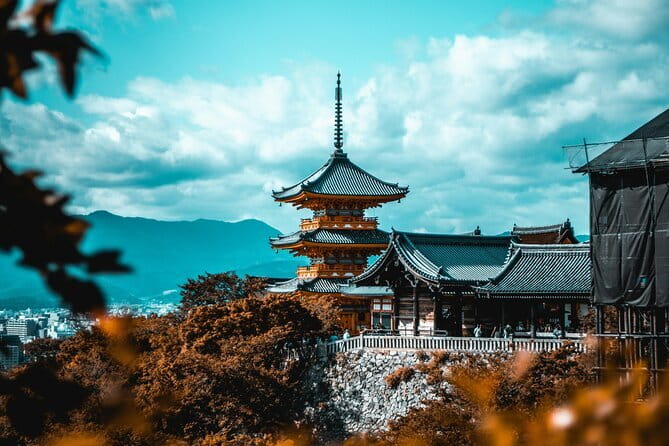
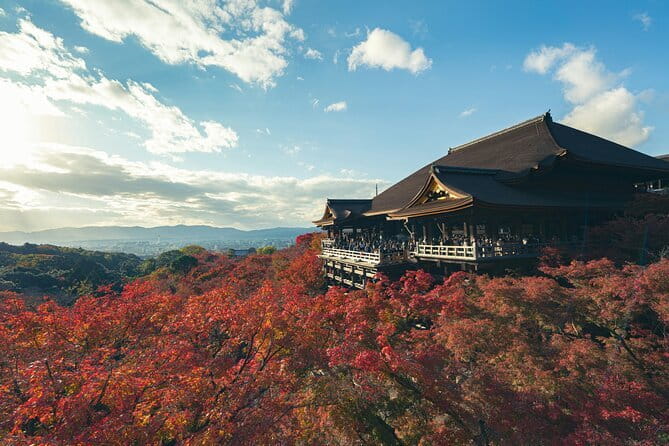
Your Kiyomizudera stop is about 1 hour. The tour includes the visit, but admission is not included, and you’ll pay ¥500 per person.
Kiyomizudera is famous for a reason. The temple’s famous wooden stage and the viewpoints over Kyoto give you that classic “I’m really here” feeling. Even if you’ve seen it before in photos, the scale and the sightlines hit differently once you’re standing there.
One important consideration: Kiyomizudera can still get busy as the morning progresses. One of the most useful things you can do is set your expectations for peak conditions in that one spot. If you want the calmest photos, plan to look for your angles early after you arrive, then use the later portion of your hour for deeper exploration and questions.
Stop 4: Sannenzaka and Ninenzaka, stone lanes and small discoveries
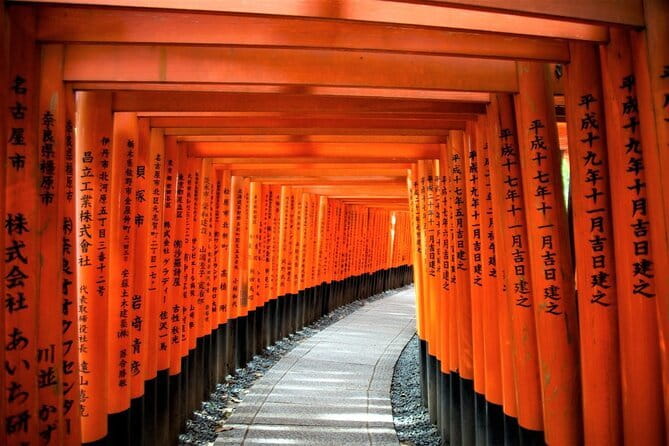
After Kiyomizudera, you’ll walk through Sannenzaka and Ninenzaka for about 30 minutes. These lanes are known for stone-paved paths, traditional wooden townhouses, and the kind of shopfronts that make you slow down without meaning to.
This stop is a great reset after Kiyomizudera. You’re shifting from big landmark viewing to street-level exploring. And because you’re on foot with time to look, you’ll likely notice more than you would if you only passed through.
A downside to know: this area can be visually tempting, which means it’s easy to lose track of time. The tour gives you a time box, so stay aware of where the group is heading next. If you want a snack or small purchase, do it quickly so you don’t end up sprinting back to catch up.
Stop 5: Yasaka-no-To (Yasaka Pagoda) in quick, elegant form
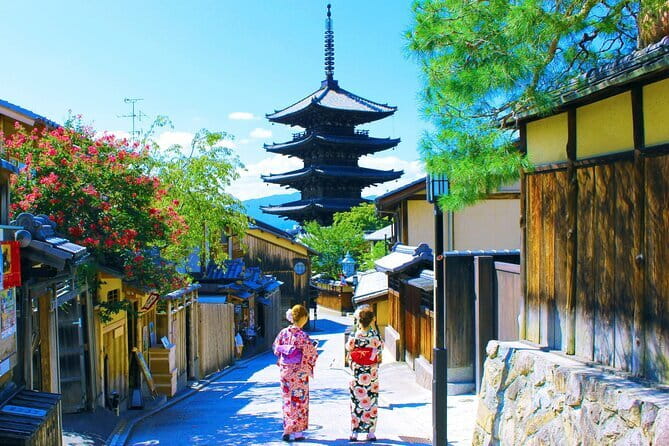
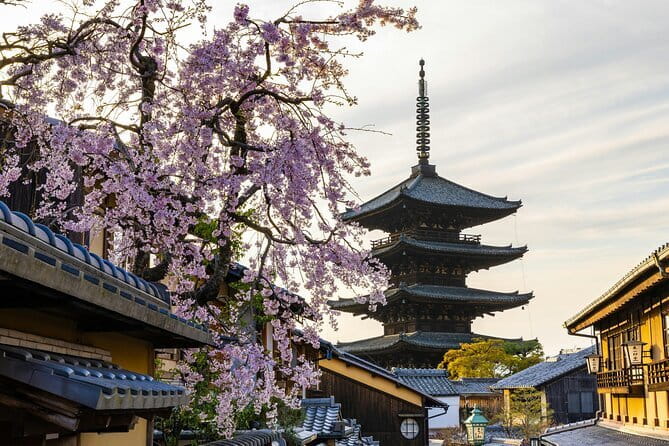
You’ll also see Yasaka-no-To (Yasaka Pagoda) for about 10 minutes. It’s brief, but that’s part of the logic. You’re not spending a long time stuck waiting or looping. You get a clean look at one of Kyoto’s most recognizable silhouettes, then you move on while the day is still moving at an early pace.
Because it’s a quick stop, it’s the moment to do a “check your framing” photo. Get a few angles, look for sightlines along the street, then move. If you linger too long here, you’ll feel it later at Yasaka Shrine.
Stop 6: Yasaka Shrine, vermilion gates, and a calmer finish
The final major stop is Yasaka Shrine, about 30 minutes. You’ll see its famous vermilion gate, and your guide can help you understand the traditions connected to this revered Shinto shrine.
This is a nice way to end the route because it’s both visually iconic and mentally grounding. You’ve already covered geisha district streets and temple viewpoints, so the shrine lands with a different feel.
If you like asking questions, finish strong. The shrine stop is long enough for conversations about what you’ve seen earlier in the morning, and it’s a good time to connect the cultural context dots.
Guide style in a group of up to 12
A big part of why people rate this tour so highly is the guide experience. You’ll have an English-speaking guide, and the group size is kept small, up to 12 travelers. That matters because it changes the whole feel of a walking tour.
When you’re not packed in, you can ask follow-ups. One guide style you may run into, based on what’s been shared, is a history-loving approach, like Caleb being described as a passionate history buff. Another is a deep knowledge style and strong English, like Hiro. And some guides are praised for being friendly and highly informative, like Vincent, with answers that go beyond the script.
You’ll also see a consistent theme: guides make space for questions and explain what you’re looking at while you’re still in the middle of it. That is the difference between looking at temples and actually understanding why those specific places mattered.
Pacing is also a factor. At around 3 hours, you’ll feel active without feeling dragged. You’ll cover enough ground to hit the big names and still have moments where you can stop, look, and reset.
What the itinerary choices mean for your day plan
This isn’t just a list of famous sites. It’s a practical “morning-first” route through Higashiyama.
- You start with Gion and Hanamikoji so you get atmosphere early, before crowds build.
- You shift into Kiyomizudera when you likely have your best chance at a calmer arrival.
- You move into Sannenzaka and Ninenzaka once you’re ready for street-level wandering and quick shopping stops.
- You close with Yasaka-no-To and Yasaka Shrine, so the last part feels like Kyoto’s heritage in a quieter register.
For you, the value is that you’re not doing random point-to-point navigation. The tour includes guide navigation, so you spend your energy looking around instead of checking your map constantly.
Where you might need to adjust your expectations
Even an early tour can’t fully erase crowd physics. Kiyomizudera is popular, and timing only helps so much.
The other realistic consideration is extra admission. If you budget only the tour price, you might get surprised by the ¥500 Kiyomizudera ticket. It’s not a deal breaker, but it’s the one cost you should account for up front.
Finally, it’s a walking tour. The duration is about 3 hours, and you’ll be moving between stops. If you’re nursing sore knees or you prefer slow sightseeing with long breaks, you might find it a bit more active than the words walking tour suggest.
Who should book this Kyoto Gion early morning walk
This tour makes the most sense if you fit one of these profiles:
- You’re seeing Kyoto for the first time and want the classic highlights in a sensible loop.
- You want fewer crowds and better photo opportunities without doing complicated logistics.
- You enjoy learning something while you walk, not just posing for pictures.
- You like small-group interactions where questions are welcome.
If you already know the Higashiyama basics and you’re hunting for long, unstructured wandering, you might prefer a self-guided morning. But if you want an efficient plan that still feels personal, the small group approach is a strong match.
Should you book this Kyoto Gion Early Morning Walking Tour?
I’d book it if you’re an early riser who wants Kyoto’s most famous sights with less stress. The best value is in the combination: guide navigation, small-group size, and an itinerary that front-loads calmer streets.
I’d think twice if Kiyomizudera crowd levels would ruin your day or if you’d rather control every minute without a timed route. Still, even with a bit of crowd reality at Kiyomizudera, the rest of the morning can feel peaceful and well-paced.
Overall, it’s a straightforward way to experience Gion and Higashiyama like you’ve got a plan, not like you’re improvising your way through a popular neighborhood.
FAQ
How long is the Kyoto Gion Early Morning Walking Tour?
It’s approximately 3 hours.
What does the tour cost?
The price is $49.42 per person.
Is Kiyomizudera admission included?
No. Kiyomizudera admission is not included, and the fee is ¥500 per person.
Where do I meet the tour?
Meet at the Statue of Izumo-no-Okuni in Kawabatacho, Higashiyama Ward, Kyoto, 605-0076, Japan.
Does the tour include hotel pickup?
No, hotel pickup is not included.
How big is the group?
The tour has a maximum of 12 travelers.
Fresh options around Kyoto
- Kyoto Aquarium Admission Ticket★ 4.7 · 12 reviews
- Kyoto Gion Photoshoot – Private Session | Pro Photographer★ 5.0 · 12 reviews
- Gyoza Cooking Class in Kyoto: Traditional Japanese Dumplings★ 5.0 · 12 reviews
- Kyoto: Guided Food Tour with 12 Dishes & 3 Drinks★ 5.0 · 12 reviews
- Kyoto: Avoid the Crowds at the Hidden Gems of Arashiyama★ 4.9 · 13 reviews
- Kyoto Early Bird English Tour: Gion & Higashiyama(Private opt)★ 5.0 · 13 reviews
- Otsu-e Folk Art Workshop & Local Culture Walk Near Kyoto★ 5.0 · 13 reviews
- Kyoto, Osaka, Nara Full Day tour by Car English speaking Driver★ 3.5 · 13 reviews
Walking Tours, compared.
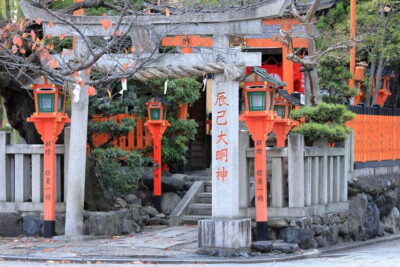
Kyoto Geisha Walking Tour: Gion District & Hidden Gems
Read our review →
Tokyo Tsukiji Fish Market Food and Culture Walking Tour
Read our review →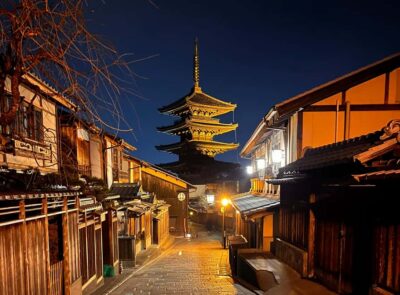
Gion Magical Night Walking Tour with Geisha Trivia
Read our review →
Imperial Palace and Shogun Historical Walking Tour
Read our review →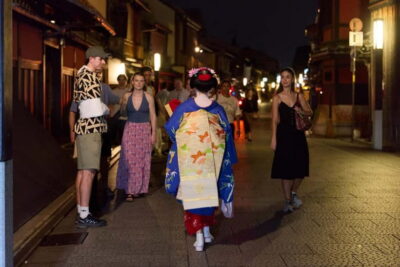
Gion Geisha District Walking Tour – Stories of Geisha
Read our review →
Shinjuku Local Bar and Izakaya Guided Walking Tour
Read our review →
Browse the lists this tour appears in