
Reviewed · WALKING TOURS
Kyoto Gion Cultural Walk & Geisha Show with Dining Options
Geisha culture in Kyoto feels real here, fast. This small-group Gion walk ties together theater roots, shrine and temple ideas, and ends with a 45-minute apprentice geisha meeting plus a dance show.
What I like most is the way the guide turns the neighborhood into a story you can see, not just a checklist. I also like that the evening includes a respectful meet-and-ask-questions moment, with performers who are there for the audience, not as a photo prop.
One thing to watch is the dining side, because this experience can be booked with dining options, and the details can vary. If you are counting on the meal to carry you through the evening, double-check what your specific package includes so you do not end up hungry.
Key Highlights You’ll Care About
- Small group format (maximum 9 travelers) means you can ask questions without shouting into the night.
- 45-minute meeting and show with an apprentice geisha, including a dance with one or two songs.
- Gion Shirakawa and Hanamikoji Street give you the classic streetscape where geiko and maiko culture lives.
- Theater connections at Izumo-no-Okuni Statue and Minamiza help you understand why Kabuki and geisha-world history overlap.
- Tatsumi-jinja, Kennin-ji, and Zenkyo-an add Shinto and Zen context, not just pretty buildings.
- Guides lead the route so you stay oriented instead of wandering in the dark.
Geisha Culture, Explained Through Real Kyoto Streets
Kyoto’s Gion district can feel like a stage from a distance. Up close, though, it is a working neighborhood with shrines, temples, and long-running traditions that shape daily life. This tour is built to help you see those connections in a logical order, not random stops.
The best part is that you are not only getting a performance. You are also learning why the performance exists where it does, how theater history connects to geisha-world arts, and how religion and everyday etiquette show up around you. You get guidance for the walking part, plus a focused meeting and show segment that is structured for questions.
Also, the group size cap at 9 travelers matters. In places like Gion, that small number can be the difference between feeling rushed and actually understanding what you are being taught.
More Walking Tours in Kyoto
- Kyoto Geisha Walking Tour: Gion District & Hidden Gems
★ 4.7 · 3,273 reviews - Kyoto: Gion Magical Night Walking Tour with Geisha Trivia
★ 4.9 · 2,393 reviews - Kyoto: Gion Geisha District Walking Tour – Stories of Geisha
★ 4.7 · 2,187 reviews
The 45-Minute Apprentice Geisha Meeting and Show (Plus Questions)
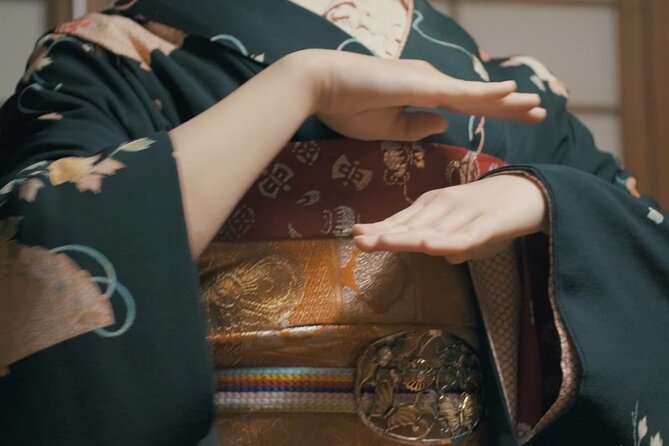
The centerpiece is a 45-minute meeting and geisha show featuring an apprentice geisha (maiko). You will watch a dance performance with one or two songs, then have time for a Q and A style interaction where you can ask questions.
This part is valuable because it is not only visual. You get context about manners, training, and what it means to perform in the geiko-world tradition of Kyoto. The fact that the tour includes time to ask questions makes it much easier to separate common misconceptions from what is actually relevant.
Expect a respectful, curated environment. That is important in Gion, where the difference between observant curiosity and disruptive behavior is everything. Your guide helps set the tone, and the pacing is designed so you do not feel like you are being marched from one moment to the next.
How the Walk Connects Geisha and Kabuki Theater Roots
The route starts with a theater-history gateway: the Statue of Izumo-no-Okuni. The stop is there to explain what Kabuki is and to highlight the early feminine roots of the theater tradition. It is a useful correction to the common assumption that Kabuki always belonged to a male-only tradition, because the origin story adds texture to what you see later in Kyoto’s arts culture.
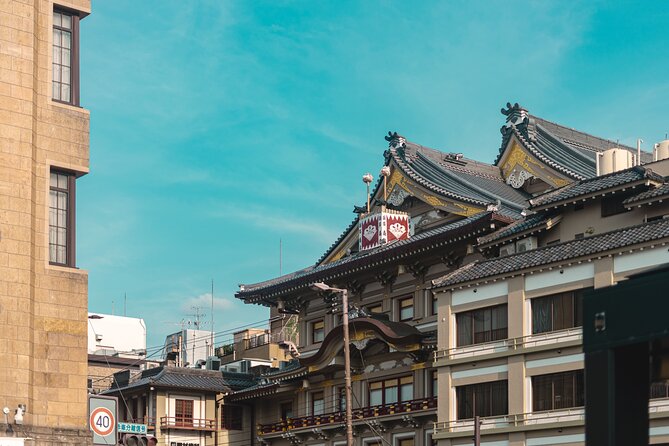
Next comes Minamiza Theater, one of the oldest Kabuki theaters. This stop is short, but it gives you a sense of place and design, and it also sets up the idea that traditional arts still adapt. The guide talks about the story of the connection between VR and Kabuki, which can be surprisingly relevant if you are wondering how old-school performance stays alive in modern media.
These two stops do a smart job: they give you the arts backdrop so the geisha-world performance later does not feel like a standalone event. Instead, it feels like a branch of the same tree.
Gion Shirakawa and Hanamikoji: Streets That Carry the Culture
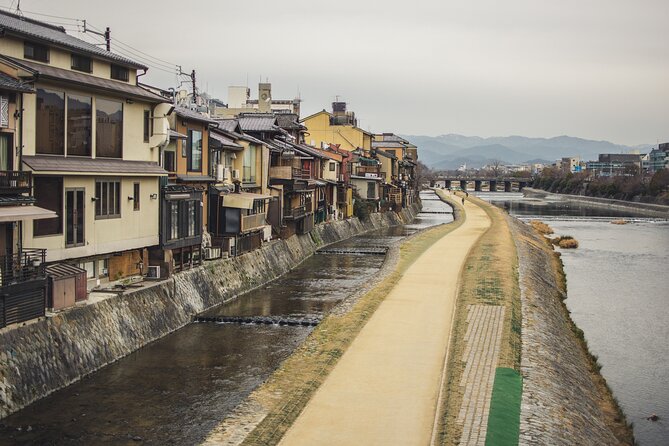
After the theater context, the walk turns fully toward Gion Shirakawa, described as the largest geisha district area and especially beautiful in its older streetscape. This is the part where you slow down and actually look at what you are walking past: traditional buildings, riverside views, and the layout of the neighborhood that supports performance culture.
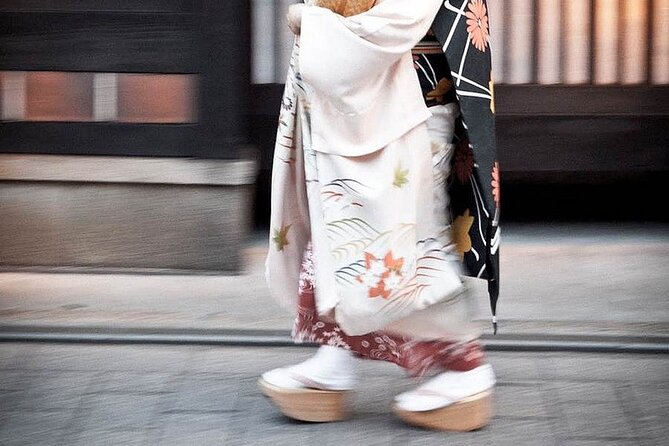
Then you head to Hanamikoji Street, the main street of Gion. If you are lucky, you may spot geisha walking around. Even if you do not catch anyone on the move, this segment is still worth it because it helps you understand how the streets themselves function as part of the tradition.
Practical note: if you care about seeing geiko or maiko in motion, dress neatly but comfortably. You are standing and walking for a while, and Gion at night can include sudden weather changes.
More geisha experiences in Kyoto:
- Best of Kyoto: Gion, Geisha, Pagodas & Cobblestones
★ 4.9 · 2,058 reviews - Night Walk in Gion: Kyoto’s Geisha District
★ 4.5 · 2,003 reviews - Kyoto Night Foodie Tour in Gion (9+ dishes + 6 Sake tastings)
★ 5.0 · 1,762 reviews - Kyoto Gion Geisha District Walking Tour – The Stories of Geisha
★ 5.0 · 1,441 reviews
Shinto at Tatsumi-jinja, Zen at Kennin-ji
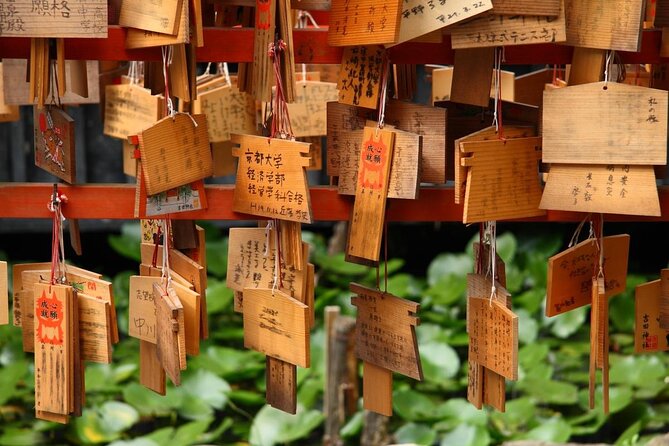
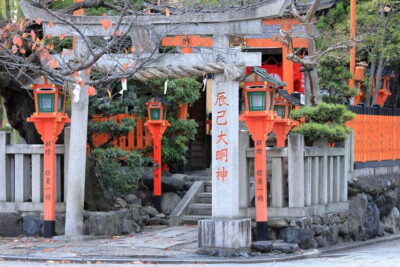
The route includes a Shinto stop at Tatsumi-jinja Shrine (Tatsumi Dai-myojin), with a lesson on what Shinto is and the idea that Japan has eight million gods. Even if you have only basic familiarity with Shinto, a local shrine stop makes the concept feel less abstract.
Then you move into Kennin-ji Temple, a Zen Buddhist temple built in 1202. This is a chance to connect the geisha-world conversation you are hearing with Kyoto’s larger religious and cultural landscape. Zen Buddhism is presented in a way that fits the route, so you do not feel like you are switching topics randomly.
You should also know that admission for Kennin-ji is not included. If you plan to enter, keep a little extra cash or card access ready.
Zenkyo-an and the Boar Guardians Detail
One of the more specific and fun stops is Zenkyoan (Marishitendo), a Kennin-ji subtemple in Gion known for boar guardians, luck, and safety. This is the kind of detail that makes a tour memorable, because it connects symbols to meaning instead of treating the site as scenery.
Admission for Zenkyo-an is also not included, so budget accordingly if you want to go inside.
This stop is a good example of why the route feels thoughtful. It is not only famous-photo locations. It is also places with a specific local belief attached to them.
Price and Value: What $121.37 Actually Buys You
At $121.37 per person, the headline value is not just the dance show. You are paying for a guided route in Gion plus the structured chance to meet an apprentice geisha and ask questions in a limited time window.
A few practical value points:
- You get 1.5 to 2 hours of guiding through the district.
- You get a 45-minute meeting and show with an apprentice geisha, including dance with one or two songs.
- Several early stops include free admission, which helps keep costs down for the walking portion.
Where the price can feel tricky is the dining side. The tour name includes dining options, but the provided included items focus on guiding and the geisha show. Some bookings may include a meal, while others may not, so the real value depends on what you selected.
If you are booking specifically for the geisha meeting and show, it looks like the core is strong. If you are booking for dinner as part of the main value, read your specific package details carefully and compare portion expectations.
The Guides: Why Akari and Ken Are Mentioned So Often
The guides really shape the experience. Names that stand out include Akari and Ken (also written as Kenta in some comments). Their common thread is clear presentation and respectful tone around geiko and maiko culture.
They also help you ask better questions. When you meet an apprentice performer, you will get much more out of the Q and A if the questions are specific. A guide who sets context makes that easier, and it often turns a short meeting into the highlight of the trip.
What the Small Group Means in Real Life
With a maximum of 9 travelers, you can expect:
- Less jostling when you pause at shrines, theaters, and street corners
- More room for questions during the meeting
- A smoother pace so you are not constantly catching up
This group size also helps in Gion, where space is tight and you want to stay considerate to residents and businesses.
Walking, Timing, and Comfort Tips for Kyoto Nights
This is an approximately 3-hour experience and you should plan for walking on uneven sidewalks and steps. It is not recommended for travelers with leg problems.
You should wear comfortable shoes. Also, Kyoto weather can change fast, even within the tour window. If you want to be prepared, bring a light layer and consider a small umbrella.
If you are hoping for the most comfortable photos, keep your camera ready but follow the guide’s cues. In Gion, the line between respectful attention and blocking someone’s way is thin.
Who This Tour Is Best For
This tour is a great fit if you:
- Want the Gion district story, not just photos
- Like cultural context that connects theater, religion, and tradition
- Really want the chance to meet an apprentice geisha and ask questions
It is also a strong choice for first-time Kyoto visitors who feel overwhelmed by trying to plan Gion on their own.
If you hate guided groups or you want total freedom to wander without structure, you might find the fixed route less appealing. And if your mobility is limited, skip this one because the walking route and timing are part of the design.
Should You Book This Kyoto Gion Cultural Walk and Geisha Show?
I think you should book it if your priority is learning the culture in a focused way and ending with a real Q and A meeting and dance show. The combination of theater-history stops, Gion Shirakawa and Hanamikoji street time, plus the apprentice geisha meeting is what makes this experience feel “worth it,” not just scenic.
If you are tempted because of dining options, treat the meal as a bonus and verify exactly what is included in your chosen package. Then you can judge the value on your own terms.
Overall, this is the kind of Kyoto night activity that gives you more than a performance. It gives you context, plus a structured chance to talk respectfully with someone trained in an old art form.
FAQ
How long is the Kyoto Gion Cultural Walk & Geisha Show?
The tour lasts about 3 hours.
Is this tour a small group?
Yes. There is a maximum of 9 travelers.
What is included in the experience?
You get 1.5 to 2 hours of guiding in Gion, and a 45-minute geisha meeting and show featuring an apprentice geisha with one or two songs.
Are there any ticket costs for stops on the route?
Admission is free for several stops, but admission for Kennin-ji and Zenkyoan is not included.
Where does the tour start?
It starts at the Statue of Izumo-no-Okuni, Kawabatacho, Higashiyama Ward, Kyoto, 605-0076, Japan.
Where does the tour end?
The activity ends in a different location. The end location details are provided with your booking.
Do I need to tip?
A tip for the maiko (apprentice geisha) is not included.
What if the weather is bad?
This experience requires good weather. If it is canceled due to poor weather, you will be offered a different date or a full refund.
What is the cancellation policy?
You can cancel for free up to 24 hours in advance for a full refund. If you cancel less than 24 hours before the start time, the amount paid is not refunded.
More Dining Experiences in Kyoto
- Kyoto Gion Cultural Walk & Geisha Show with Dining Options
★ 5.0 · 518 reviews - Dinner with Maiko in a Traditional Kyoto Style Restaurant Tour
★ 5.0 · 175 reviews - Kyoto: Geisha Dinner & Gion Cultural Walk
★ 5.0 · 73 reviews - Private Dinner with a Geisha
★ 5.0 · 65 reviews
Fresh options around Kyoto
- Kyoto Aquarium Admission Ticket★ 4.7 · 12 reviews
- Kyoto Gion Photoshoot – Private Session | Pro Photographer★ 5.0 · 12 reviews
- Gyoza Cooking Class in Kyoto: Traditional Japanese Dumplings★ 5.0 · 12 reviews
- Kyoto: Guided Food Tour with 12 Dishes & 3 Drinks★ 5.0 · 12 reviews
- Kyoto: Avoid the Crowds at the Hidden Gems of Arashiyama★ 4.9 · 13 reviews
- Kyoto Early Bird English Tour: Gion & Higashiyama(Private opt)★ 5.0 · 13 reviews
- Otsu-e Folk Art Workshop & Local Culture Walk Near Kyoto★ 5.0 · 13 reviews
- Kyoto, Osaka, Nara Full Day tour by Car English speaking Driver★ 3.5 · 13 reviews
Walking Tours, compared.
Kyoto Geisha Walking Tour: Gion District & Hidden Gems
Read our review →
Tokyo Tsukiji Fish Market Food and Culture Walking Tour
Read our review →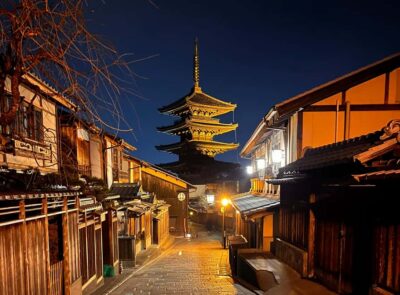
Gion Magical Night Walking Tour with Geisha Trivia
Read our review →
Imperial Palace and Shogun Historical Walking Tour
Read our review →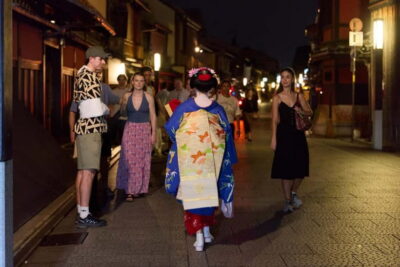
Gion Geisha District Walking Tour – Stories of Geisha
Read our review →
Shinjuku Local Bar and Izakaya Guided Walking Tour
Read our review →
Browse the lists this tour appears in