
Reviewed · WORKSHOPS
Kintsugi Workshop Class in Shibuya, Tokyo with mon cadeau
Gold lines on broken pottery feel oddly calm. This hands-on kintsugi workshop in Shibuya turns a quiet repair practice into a friendly, creative Tokyo break, starting with matcha tea and local sweets. I especially like the tiny group size (max 6), because you get real attention, not a rush-through. I also like that you repair a chosen piece and leave with a beautifully restored souvenir.
There is one catch: it is not a quick photo stop. You will spend the full time learning the process and doing careful work, so it helps if you want to slow down and focus for a couple hours.
The experience also benefits from warm, patient instruction. In past sessions, hosts like Michiko-san and Yuki-san have been praised for guiding each step clearly, including for beginners who simply want to get it right.
Key things I’d plan around
- Matcha tea and local sweets to set the mood before you start repairing
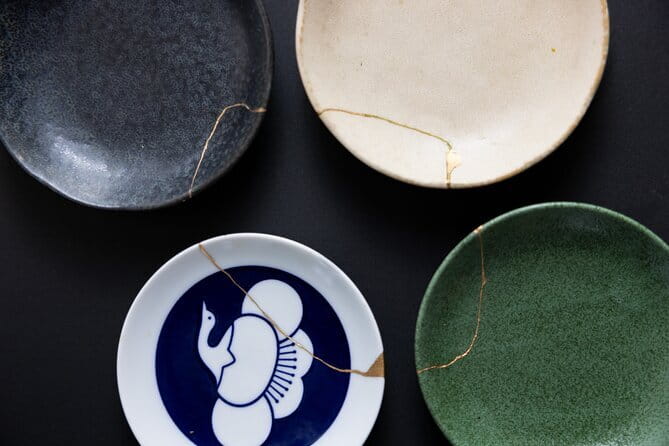
- Pick your own crockery piece from Mon Cadeau’s collection to work on
- Step-by-step demonstrations plus personal coaching during the repair
- A max of 6 people for a calmer pace and more instructor time
- Gold glue kintsugi tradition explained alongside the practical technique
- You take home your restored piece, so the time feels purposeful
Where Shibuya Fits Into a Tokyo Craft Day
Shibuya is intense, so a workshop like this feels like a reset button. You go from busy streets to a calmer, seated activity that lasts about 2 hours (approx.). That makes it realistic to slot into a day when you still want to see Tokyo, not just “do one activity and collapse.”
The meeting point is clearly set: Central Hospital, 25-1 Shinsenchō, Shibuya, Tokyo 150-0045. You’ll want to arrive a little early so you can settle in and not feel rushed before the matcha part starts. If you are relying on transit, it is described as being near public transportation, which helps a lot in Shibuya.
This is also a private tour/activity for your group only. That matters because you are not competing for attention or equipment, and the instruction can stay more personal.
A few more Tokyo days worth comparing
- Mt Fuji and Hakone 1-Day Bus Tour Return by Bullet Train
★ 5.0 · 26,383 reviews - 1-Day Tokyo Bus Tour
★ 5.0 · 14,250 reviews - Tokyo: TOKYO SKYTREE® Admission ticket
★ 4.5 · 11,192 reviews
Matcha Tea First, Then Hands On
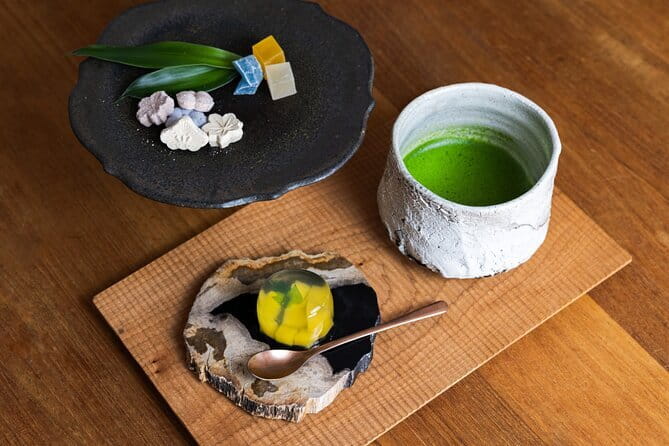
The workshop begins with a calming matcha tea moment. It is not just a nice extra. Starting with tea helps you shift from street mode to craft mode, and it sets expectations for the kind of focus kintsugi requires.
You are also offered local sweets along with the matcha. In feedback from participants, the tea and snack part shows up as a consistent comfort point, and it matches the overall tone people describe: you feel welcomed rather than processed.
The vibe is practical and human. Sessions are led by hosts including Michiko-san and Yuki-san, and the repeated theme in feedback is patience. If you think you might be intimidated by a hands-on art class, this kind of welcome is exactly what you want.
Choosing Your Crockery Piece (And Making It Worth Your Effort)
A big reason this workshop feels personal is that you choose your own piece of crockery to repair. Instead of watching from the sidelines, you are actively working on something you will take home.
Mon Cadeau provides pieces from its collection. That means you are not trying to find a broken teacup on your own while jet-lagged in Tokyo. It also means the host can plan the workshop around repair steps you can actually complete in the time you have.
When you pick your piece, choose what you would actually enjoy keeping. Think about:
- how interesting the shape is
- where the repaired area will be most visible
- whether you want something that looks good even if the repair line stands out
Kintsugi is about making breaks part of the design, not hiding them. So picking a piece you like to begin with helps the finished result feel like your “real” souvenir.
The Kintsugi Workshop: Step by Step, No Guesswork
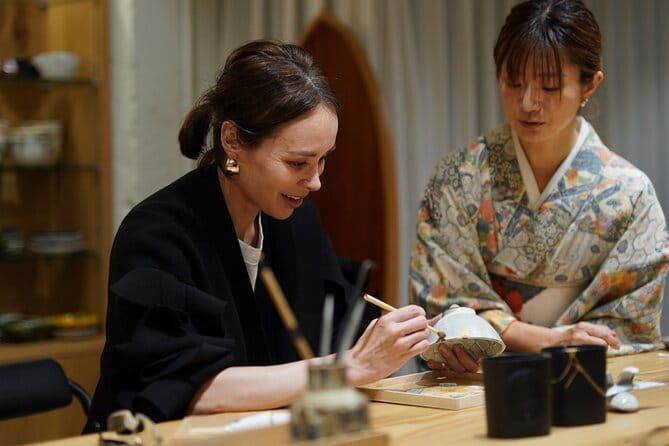
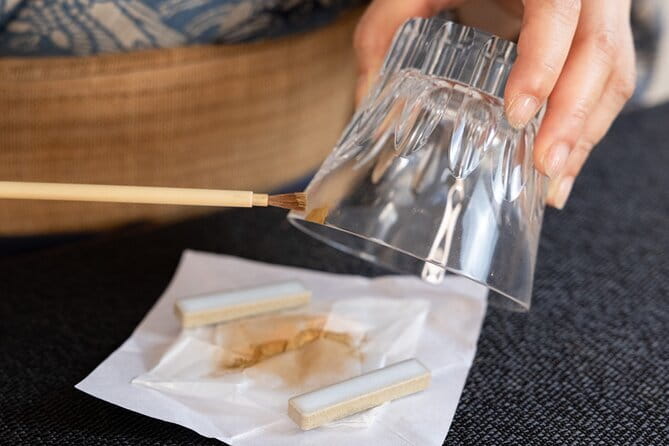
Throughout the class, the instructor gives step-by-step demonstrations. Then you get hands-on experience repairing your selected crockery with personalized guidance.
Here is what that usually means for you as a participant: you will not be left to figure out the process alone. You get coached while you work, which is a big deal for something detail-based like kintsugi.
Kintsugi itself is described as a centuries-old Japanese practice of fixing broken pottery and, in a way, making it more beautiful with gold glue. The workshop pairs that tradition with the practical method, so you are not just applying materials without context.
If you learn by doing, this format is strong:
- you watch the technique once or more
- you try it on your own piece
- you get adjustments so your result is successful
And because the group is capped at 6 travelers, those check-ins are easier to receive.
Same corner of Japan, a different kind of day:
- Tokyo: teamLab Planets TOKYO Digital Art Museum Entry Ticket
★ 4.6 · 9,779 reviews - Mt Fuji & Hakone Cruise, Drum Show Bullet Train 1 Day from Tokyo
★ 4.0 · 7,413 reviews - Tokyo: Sumo Show Experience with Chicken Hot Pot and a Photo
★ 4.8 · 6,678 reviews - Tokyo: Shinjuku Food Tour (13 Dishes at 4 Local Eateries)
★ 5.0 · 6,603 reviews
The Traditions Behind the Gold Glue

The class does more than teach technique. You also learn about the origins and traditions surrounding kintsugi. That matters because the practice is not only craft. It is a way of thinking about damage and change.
The key idea you will leave with, based on how the workshop is framed, is that broken pottery in Japan has long been fixed and treated as something that can be visually enhanced with gold glue. In other words, the repair is part of the story, not an afterthought.
Some workshops keep the meaning vague. This one includes the cultural background alongside the steps, so you can explain what you are making when you show friends back home.
Why the Max of 6 People Feels Like Real Instruction
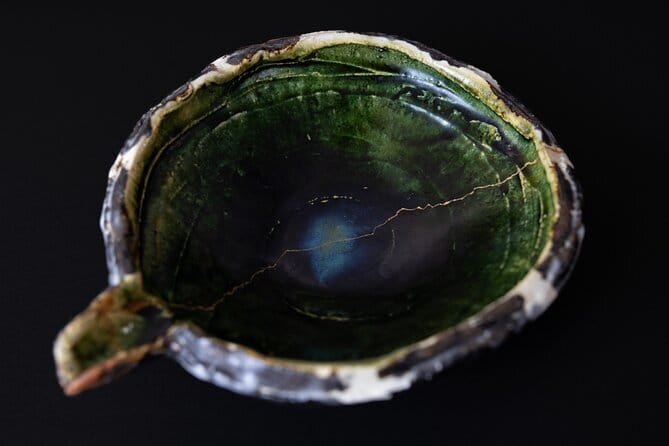
A max group size of 6 may sound like a small detail, but it changes the whole experience. In a room with only a handful of people, you can ask questions without waiting your turn for the instructor.
That personalized rhythm is a standout theme in feedback. People describe hosts like Michiko-san as welcoming and supportive, and they highlight how step-by-step help makes it easier to produce a result you feel good about. Yuki-san also appears in participant notes as helpful and engaged.
Also, when the workshop is private for your group, you are more likely to get a comfortable pace. You are not trying to “keep up” with a fast-moving class while you are still figuring out the first stages.
Matcha Breaks, Sweet Snacks, and a Homey Kind of Atmosphere
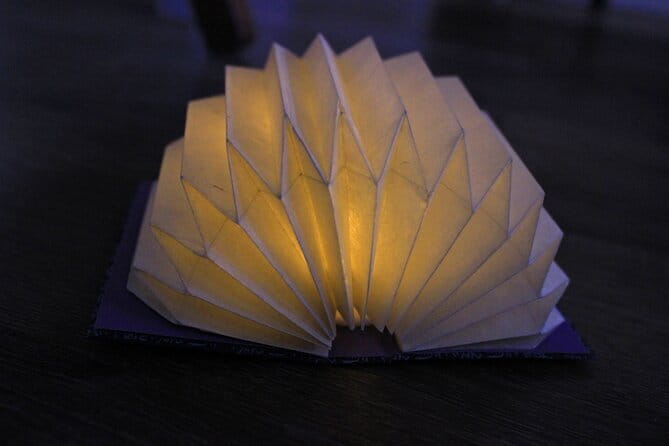
The workshop location is described as a place you start at and end back at, and participants consistently mention arriving at a beautiful home setting. That matters more than you might think.
In Tokyo, many classes happen in hotel rooms or shop spaces where you barely exhale. Here, the tea, snacks, and calm start makes it feel like an intentional moment in the middle of a travel schedule.
So if you want your Japan day to include more than temples and trains, this style is a good fit.
What You Take Home (And How to Think About It)
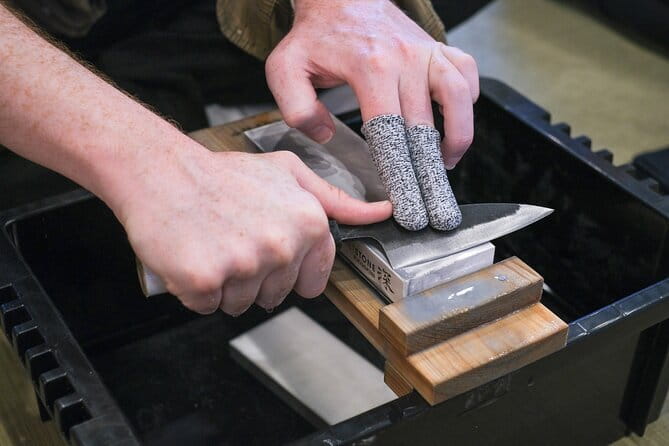
The workshop is designed so you leave with your beautifully restored crockery. That is the whole point: your time turns into an object you can actually use or display.
Because you are repairing an item from the host’s collection, the workshop is built around the idea that everyone can finish during the session length of about 2 hours. You are not signing up for a slow, multi-day art project.
To get the best outcome, treat it like a careful craft task, not like a casual craft activity. That sounds obvious, but it is the difference between a repair that looks intentional and one you rush.
Practical tip: when you finish, be sure you understand any handling guidance you are given so your new gold-accented lines stay looking their best.
Price and Value: Is $145.35 Worth It?
At $145.35 per person, this sits in the middle of the Tokyo experience range. The value comes from what you actually receive in that 2-hour window.
What you are paying for:
- a small group cap (max 6)
- a private experience for your group
- matcha tea and local sweets
- step-by-step instruction and personalized coaching
- repairing a chosen piece and taking it home
So yes, you are paying for more than a “class.” You are paying for a guided, intimate session plus a take-home craft result. That is also why booking happens ahead of time. On average, it is booked about 23 days in advance, which suggests people like this exact format.
One other consideration: the price is non-refundable and cannot be changed once booked. That is worth remembering because you cannot treat this like a flexible add-on if your plans might shift.
Who This Workshop Suits Best
This is a great match if you:
- want a calmer activity in Tokyo that is still very hands-on
- like learning Japanese culture through craft, not just through sightseeing
- enjoy making something tangible you can bring home
- appreciate small group settings with real instructor attention
People have come as pairs, and some schedules include family members too. The workshop description also says most travelers can participate, so it should work for a wide range of ages and comfort levels, as long as you can sit and focus for about two hours.
If your ideal Tokyo moment is a fast, high-energy “walk and see everything” style activity, this may feel slow. But if you want a meaningful break, it is a strong choice.
Practical Notes Before You Go
A few details to plan around:
- Meeting point: Central Hospital, 25-1 Shinsenchō, Shibuya
- Duration: about 2 hours
- Ticketing: you get a mobile ticket
- Group setup: max 6, and it is a private session for your group
- Start ritual: matcha tea plus local sweets
- Instruction style: step-by-step demonstrations, then guided repair work
- Where to plan your route: it is near public transportation
- Service animals: allowed
Also, confirmation is received at time of booking, so you are not left guessing.
Should You Book This Kintsugi Workshop in Shibuya?
Yes, if you want a Tokyo souvenir with meaning, not just a shop bag. This workshop is built around the things that make craft classes worth the money: small group size, patient instruction, and a take-home result.
I would book it if you:
- like the idea of repairing instead of hiding damage
- want your Japanese culture experience to include technique and tradition
- value guided hands-on time more than big sightseeing days
I would hesitate only if you hate slow, detail-based work or if your schedule is too fragile for a time-specific, non-refundable booking.
If you are planning a Shibuya day and you want one part of your itinerary to feel calm, personal, and creative, this is one of those rare experiences that turns a couple hours into something you can actually keep.
FAQ
How long is the kintsugi workshop in Shibuya?
The workshop is about 2 hours.
How many people will be in the group?
It is capped at a maximum of 6 travelers, and it runs as a private tour for your group.
What happens at the start of the workshop?
You begin with matcha tea and local sweets, then the instructor demonstrates the process and guides you while you repair your chosen crockery.
Where do we meet for the class?
The meeting point is Central Hospital, 25-1 Shinsenchō, Shibuya, Tokyo 150-0045, Japan.
Do I need a paper ticket?
No. You receive a mobile ticket.
Can I bring a service animal?
Yes. Service animals are allowed.
Fresh options around Tokyo
- Tokyo: Nikko Kegon Falls Lake Chuzenji Toshogu Temple & More★ 4.9 · 12 reviews
- Tokyo: Samurai History Walking Tour★ 5.0 · 12 reviews
- Harajuku: Kawaii Fashion and Pop-Culture Tour★ 4.7 · 12 reviews
- Tokyo: Mt. Fuji & Lake Kawaguchi Instagram Full Day Trip★ 4.1 · 12 reviews
- Shibuya Tokyo: Modern Kintsugi Workshop in Shibuya★ 5.0 · 12 reviews
- Tokyo: GTR Guided Daikoku Experience at Night★ 5.0 · 12 reviews
- Tokyo: Daikoku JDM Car Culture Tour★ 4.6 · 12 reviews
- Mt Fuji Private Day Trip from Tokyo with English speaking driver★ 5.0 · 13 reviews
Workshops, compared.
Sushi Making Tokyo Roll and Authentic Japanese Sushi Class
Read our review →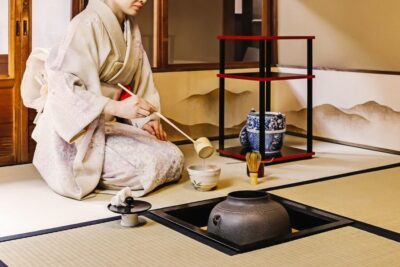
Roll and Authentic Sushi Making Class in Asakusa
Read our review →
Ramen Cooking Class at Ramen Factory in Kyoto
Read our review →
Sushi Making Class in a Happi Coat near a Famous Spot
Read our review →
Sushi Making Osaka Roll and Authentic Japanese Sushi Class
Read our review →Browse the lists this tour appears in