
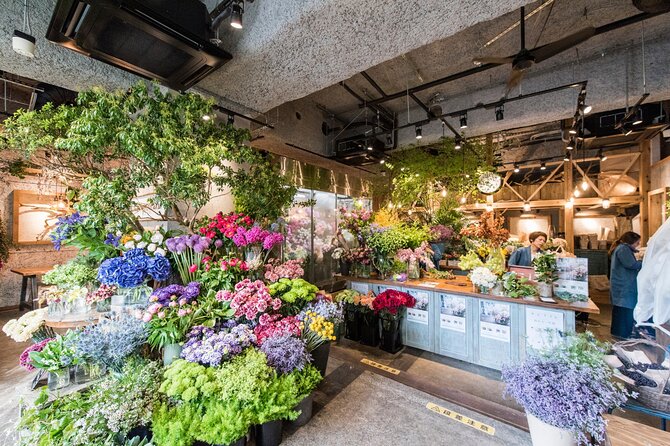
Reviewed · WORKSHOPS
Japanese flower arranging (Ikebana) Experience/Workshop in Tokyo
Tokyo gets quiet for 90 minutes. This ikebana workshop trades a slice of city stress for a hands-on, mindful floral session with guided creative time and photos to take home. You’ll learn the why behind the art, not just how to arrange.
I love the personalized instructor guidance in a small group, because you get help while you’re actually making your arrangement. I also like that you leave with photos from the workshop, so the memory is more than just a vase on a shelf.
One thing to consider: the containers and the kenzan (the pin-holder used for many arrangements) cost extra if you want them for take-home display. So you may want to budget a little more if you fall in love with your final piece.
Key Highlights You Should Care About
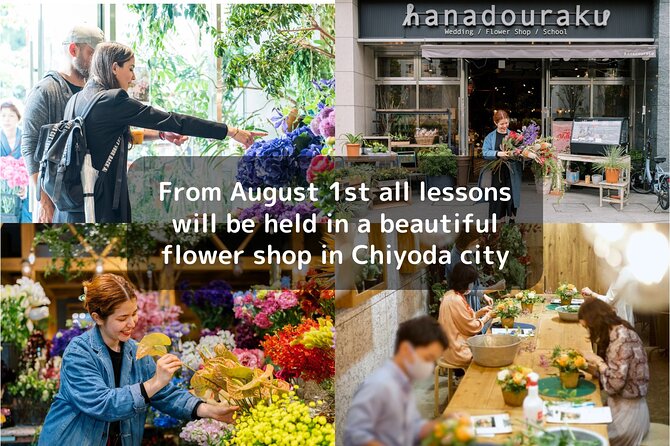
- Small-group coaching: up to 15 people, so the instructor can actually answer your questions.
- Mindful, hands-on focus: 1 hour 30 minutes that feels like a break from Tokyo chaos.
- Not just rules: you use ikebana tools, but the approach is more free and playful than strict.
- Included materials: tools and flowers are provided, so you do not need to bring anything fancy.
- Photos included: you share photos taken during the event.
- You can buy display pieces: containers and kenzan are available to purchase if you want to take it further.
A 90-Minute Ikebana Reset in the Middle of Tokyo
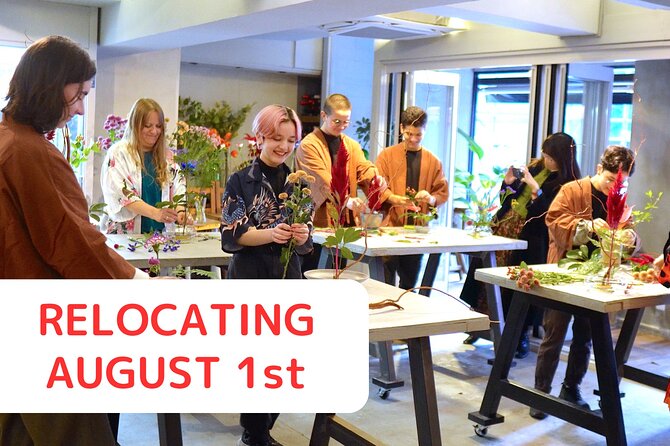
If Tokyo feels like it runs at full volume, this workshop is a smart antidote. For 1.5 hours, your attention shifts to simple choices: flower by flower, stem by stem, shape by shape.
What makes it interesting is the balance. You’re not only doing crafts. You’re also learning how ikebana fits into Japanese life, including why flowers mattered to people over time. Then you apply that thinking right away, while the instructor nudges your design so it feels intentional, not random.
Another nice touch is the tone. This isn’t taught as a strict, precision-only system. You’ll use the same tools and ideas, but the workshop encourages self-expression. That makes the class feel friendly for beginners, and it helps if you want something calm and creative rather than technical.
A few more Tokyo days worth comparing
- Mt Fuji and Hakone 1-Day Bus Tour Return by Bullet Train
★ 5.0 · 26,383 reviews - 1-Day Tokyo Bus Tour
★ 5.0 · 14,250 reviews - Tokyo: TOKYO SKYTREE® Admission ticket
★ 4.5 · 11,192 reviews
Finding the Studio Near Kōjimachi (And Using Your Mobile Ticket)
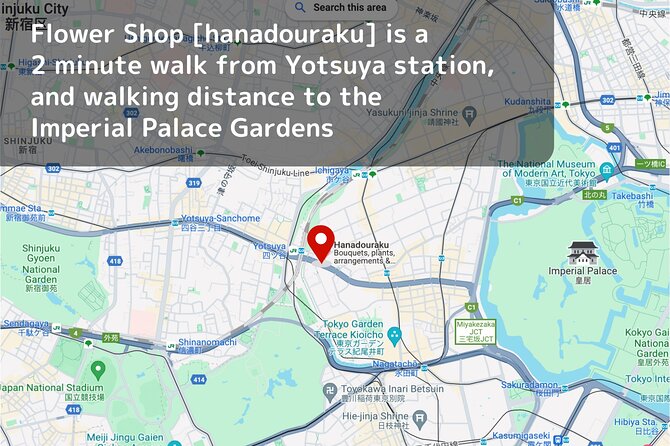
The workshop meets at Japan, 102-0083 Tokyo, Chiyoda City, Kōjimachi, 6-chōme46. It ends back at the same spot. That simple loop matters, because you are not piecing together a complicated itinerary after a busy day.
You’ll have a mobile ticket, and you receive confirmation at booking. The activity is near public transportation, which is a big deal in Tokyo where time can evaporate fast. Plan to arrive a few minutes early so you can settle in before the lesson starts.
The setting is a florist-shop style space. One of the commonly described locations is Hanadouraku, which matches the vibe you want for this kind of workshop: real flowers, real tools, and a place built for making floral arrangements.
What You’ll Learn Before You Start Arranging
The workshop has a short teaching phase before your hands start moving. You’ll learn the history of ikebana, and why flowers have mattered to humans through the years. The goal here is not to memorize dates. It’s to give you a reason for the choices you’ll make with your arrangement.
Then comes the practical part: how to use ikebana tools to shape your design. The instruction is geared toward helping you connect what you’re doing to the idea behind it. You’ll also get guidance on the types of flowers you’re using and how to work with them.
I also appreciate that the approach is flexible. You’re not forced into one single “correct” look. That matters in a class like this, because flowers are naturally different, and your composition should reflect what the materials are telling you.
Instructors in this experience include Ruby (the provider) and Aki, who has led sessions and shared history, flower guidance, and design tips in English. Both show up as supportive, clear teachers who explain what you’re doing while you’re doing it.
The Small-Group Advantage: Personalized Help While You Work
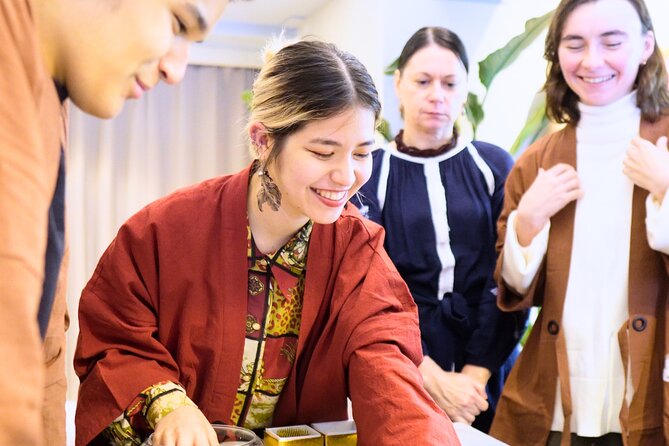
The group size cap is 15. That is the difference between watching a demonstration and actually getting feedback.
In practice, you’ll get personal advice while you arrange. The instructor can show you how to hold stems, how to balance shapes, and how to adjust your layout when something looks off. Instead of waiting your turn, you get nudged as you go.
This is also why the workshop works as a solo activity. You are not stuck feeling awkward. The class is structured so you have support, but you still get creative control.
It’s also a workshop where you can go at your own pace. Many people pick it as a short break during a tighter Tokyo schedule, because you can treat it like an hour-and-a-half pause, not a major time commitment.
Same corner of Japan, a different kind of day:
- Tokyo: teamLab Planets TOKYO Digital Art Museum Entry Ticket
★ 4.6 · 9,779 reviews - Mt Fuji & Hakone Cruise, Drum Show Bullet Train 1 Day from Tokyo
★ 4.0 · 7,413 reviews - Tokyo: Sumo Show Experience with Chicken Hot Pot and a Photo
★ 4.8 · 6,678 reviews - Tokyo: Shinjuku Food Tour (13 Dishes at 4 Local Eateries)
★ 5.0 · 6,603 reviews
Tools and Flowers Are Included, But Here’s the “Buy Later” Part
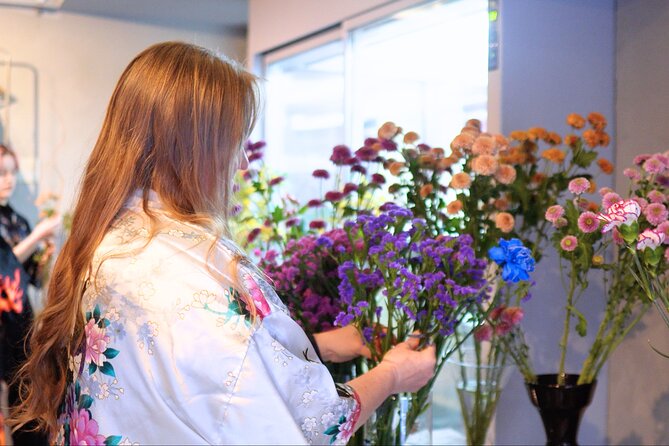
You do not have to bring ikebana supplies. The experience includes:
- Use of ikebana tools
- Flowers used in your arrangement
- Sharing of photos taken during the event
Here’s the one important budget note. Containers used in the arrangement are not included, but you can purchase them. Also, the kenzan is not included, but it is available for purchase.
What that means for you: if you want a finished arrangement you can display at home, you may want to add extra money for the container or kenzan. If you’re okay with a more temporary setup, you can still enjoy the class and take photos.
You may even decide on-site after you see your design take shape. One attendee described purchasing vases so they could transport the piece back to their accommodation and enjoy it longer. That’s the kind of option you’re paying attention to here, not just the workshop itself.
Photos Included: A Memory You Do Not Have to Recreate
This experience includes sharing photos taken during the event. That sounds small, but it solves a real travel problem.
In Tokyo, it’s easy to spend the whole day chasing landmarks and then realize you have no good pictures of you actually doing the thing. Here, you leave with images from the moment you were focused and creating.
It also helps if you’re traveling with friends or family and you want documentation of the process. Even if you are not an experienced “photo person,” someone else is handling the camera while you handle the stems.
The Workshop Flow (What the 1 Hour 30 Minutes Feels Like)
You can think of the timing as three parts: learn, arrange, and finish.
First, you get the lesson context: the history behind ikebana and why flowers matter. Then you shift into hands-on work. The instructor demonstrates and coaches you, but you do most of the arranging yourself.
You’ll work on building your composition step-by-step. You get encouragement to use tools for self-expression rather than copying an exact pattern. That makes the session feel less like school and more like guided creativity.
Finally, you bring things together, get feedback as needed, and take your photos with your finished or near-finished arrangement. The photos are shared as part of the experience, and you can also choose to buy a container or kenzan for take-home display.
Because the workshop is compact, it’s a great fit for travelers who are short on time. You get a meaningful activity without needing half a day and a big travel detour.
Mindfulness Without the Yoga Class Vibe
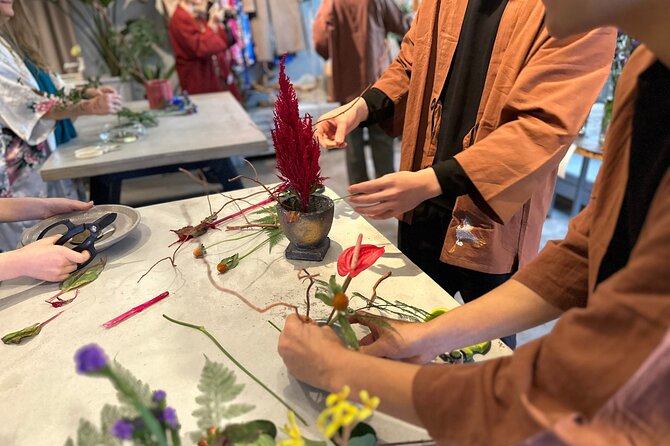
Yes, the workshop is marketed as a mindful activity, and that matches what happens during the work. Flower arranging naturally slows your decisions. You stop rushing. You check balance. You pay attention to shape and spacing.
It’s not meditation with incense. It’s focus through a simple task. Your brain stays busy, but in a soothing way.
That’s why this works well after a day of crowds, trains, and constant moving. If you want something that feels Japanese but not like a performance, this hits the sweet spot: quiet creativity with real materials.
And since kids and families are welcome, it can also work as a lighter cultural activity that still feels hands-on. Bring the family energy, but expect the room to ask for calm attention as you arrange.
Price and Value: What $100 Buys You in Real Life
$100 per person is not pocket change. So you should ask what you’re paying for.
You’re paying for:
- A 1 hour 30 minute guided hands-on workshop
- Small-group instruction with personalized advice
- All tools and flowers for your arrangement
- Event photos shared with you
- A calm, creative experience in central Tokyo
In value terms, the included materials matter. You are not buying supplies yourself, and you are not paying for a passive class where you sit and watch. You get direct support while you create something you can keep thinking about after the session ends.
The only reason the value could feel tight is if you immediately want to buy the extra display components. Containers and the kenzan cost extra, and that can add up. But that’s optional, and many people plan for a little extra once they see what they made.
If you’re choosing among Tokyo activities, this one often wins because it gives you something tangible, personal, and different from the usual sightseeing loop.
Who Should Book This Ikebana Workshop
This is a strong choice if you:
- Want a short, meaningful Tokyo activity
- Like hands-on classes with guidance
- Prefer calm experiences over high-energy tours
- Are a beginner and want help as you build your arrangement
- Travel with family, since kids and families are welcome
It also makes sense for couples and friends. You get separate creative time, but you’re not alone in the process, and the instructor can help you both get confident with the tools.
Pets are welcome. Service animals are allowed too. That means you can plan with fewer worries than you might have with stricter venues.
Should You Book It? My Quick Decision Guide
Book this workshop if you want a calm creative break, and you like the idea of learning the meaning behind ikebana, not just copying a look. The small-group coaching is the real payoff. The photos are a close second, because they capture you in the act of making something.
Skip or reconsider if you know you do not want to spend extra on display components. Since containers and the kenzan are not included, you might end up feeling like the final step costs more than you expected. But if you’re okay with that possibility, you’re in good shape.
If you’re trying to make Tokyo feel more personal in a short time, this is one of the few activities that gives you a finished creation and a story to go with it.
FAQ
How long is the ikebana workshop?
It lasts about 1 hour 30 minutes.
How much does the workshop cost?
The price is $100 per person.
What’s included in the price?
You get ikebana tools, flowers for your arrangement, photos shared from the event, and the experience is guided by the instructor.
Are containers included?
No. Containers used in the arrangement are not included in the price, but they are available for purchase.
Is the kenzan included?
No. The kenzan is not included in the price, but it is available for purchase.
Will I get photos of myself and the group?
Yes. Photos taken during the event are shared as part of the experience.
Is the class suitable for beginners?
Most travelers can participate. The workshop is also described as more free and playful than strict and rule-heavy.
Are kids and families welcome?
Yes. Kids and families are welcome.
Can I bring a pet?
Pets are welcome, and service animals are allowed.
What if I need to cancel?
You can cancel for a full refund if you cancel at least 24 hours before the experience starts. If you cancel less than 24 hours before, the amount you paid will not be refunded.
Fresh options around Tokyo
- Tokyo: Nikko Kegon Falls Lake Chuzenji Toshogu Temple & More★ 4.9 · 12 reviews
- Tokyo: Samurai History Walking Tour★ 5.0 · 12 reviews
- Harajuku: Kawaii Fashion and Pop-Culture Tour★ 4.7 · 12 reviews
- Tokyo: Mt. Fuji & Lake Kawaguchi Instagram Full Day Trip★ 4.1 · 12 reviews
- Shibuya Tokyo: Modern Kintsugi Workshop in Shibuya★ 5.0 · 12 reviews
- Tokyo: GTR Guided Daikoku Experience at Night★ 5.0 · 12 reviews
- Tokyo: Daikoku JDM Car Culture Tour★ 4.6 · 12 reviews
- Mt Fuji Private Day Trip from Tokyo with English speaking driver★ 5.0 · 13 reviews
Workshops, compared.
Sushi Making Tokyo Roll and Authentic Japanese Sushi Class
Read our review →
Roll and Authentic Sushi Making Class in Asakusa
Read our review →
Ramen Cooking Class at Ramen Factory in Kyoto
Read our review →
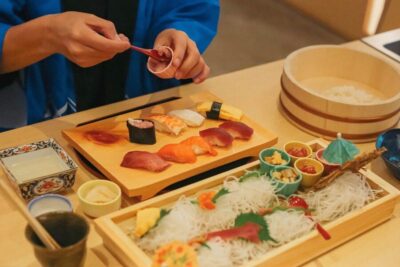
Sushi Making Class in a Happi Coat near a Famous Spot
Read our review →
Sushi Making Osaka Roll and Authentic Japanese Sushi Class
Read our review →Browse the lists this tour appears in