
Reviewed · HISTORICAL TOURS
Hiroshima History Tour : A-Bomb Dome, Peace Memorial & City
Walking Ground Zero changes your sense of time. This Hiroshima tour stands apart because the guide is local and personal, with Japanese families connected to Hiroshima and many guides sharing perspectives rooted in the bombing’s aftermath, including second-generation survivor voices.
I especially love two things. First, I like how Masa-san (and other Hiroshima-born guides) explain the sites with lived-in context, not a scripted lecture. Second, I really appreciate the practical add-ons that make the rest of your day easier, like food tips and smart ways to move through the area without rushing.
One consideration: this is a walking-forward experience. You’ll spend real time on your feet between memorial sites, the museum, and the city stops, so plan for comfort (and don’t treat it like a quick photo loop).
Key Highlights You’ll Feel, Not Just See
- Second-generation family perspectives from Hiroshima guides, including atomic bomb survivor descendants
- Peace Memorial Museum guided visit (about 1 hour) that helps you make sense of what you’re seeing
- Peace Memorial Park pauses that slow the emotional pace, so the story lands
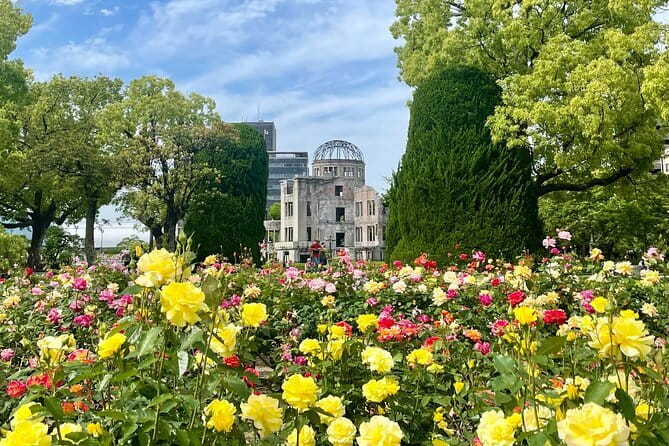
- Atomic Bomb Dome world heritage visit with reflection time, not just a stop-and-go photo
- Hiroshima Castle plus Shukkeien Garden so you get modern city life after the heavy parts
- Private group only, so your questions and your pace actually matter
Why This Private Hiroshima Walk Feels Different
Hiroshima can hit you in two ways at once. You see a place that looks calm today, but you’re standing on a site that still carries deep meaning. What I like about this tour is that it never treats the history like something locked behind glass. The guides talk as Hiroshima people first, survivors or descendants or longtime residents, and that changes the tone right away.
You’ll meet your guide and head out with a route built around walking. You can start from several pickup options around central Hiroshima, and if you tell them your exact location outside the listed spots, they’ll try to pick you up if you’re in the central area. The big value here is that you’re not joining a big bus crowd. It’s just your group, so you can ask follow-up questions and linger where you need to.
The emotional power comes from the guide style. The tour isn’t presented as a performance. Some guides are second-generation survivor descendants, and others were born and raised in Hiroshima or have family members affected by the bombing. You’ll hear perspectives passed down through everyday conversations, and that makes the experience feel quieter, more human, and easier to absorb.
A few more Hiroshima days worth comparing
- Hiroshima Historical Walking Tour – Why A-Bomb was Dropped
★ 4.8 · 893 reviews - Hiroshima Peace (Heiwa) Walking Tour at World Heritage Sites
★ 5.0 · 872 reviews - Miyajima Half-day Trip Historical Walking Tour
★ 5.0 · 284 reviews
Getting Started With Pickup, Pace, and How Walking Fits In
Timing and movement matter in Hiroshima because the sites are close enough to walk, but not close enough to treat like a stroll. Your tour runs about 3 to 4 hours, and the guide adjusts the path depending on where you start and what fits your group.
Your pickup can be on foot, and the day can include public transportation or taxis if you want to reduce walking. Transportation costs aren’t included, so think of this tour as guided orientation plus site access, while local transit is your responsibility. That sounds minor, but it affects value. You’re paying for the guide and the entry tickets, then choosing how you want to handle the city leg.
Comfort planning is smart. You may move from the museum area to the park and then toward city sights like Hiroshima Castle and Shukkeien Garden. Rain can happen, and the guides have experience adjusting routes for different needs, including older visitors. If you’re bringing kids, the tone stays appropriate for all ages, and the guide can keep it moving without steamrolling your questions.
Skip the Ticket Line, Then Use the Museum Time Wisely
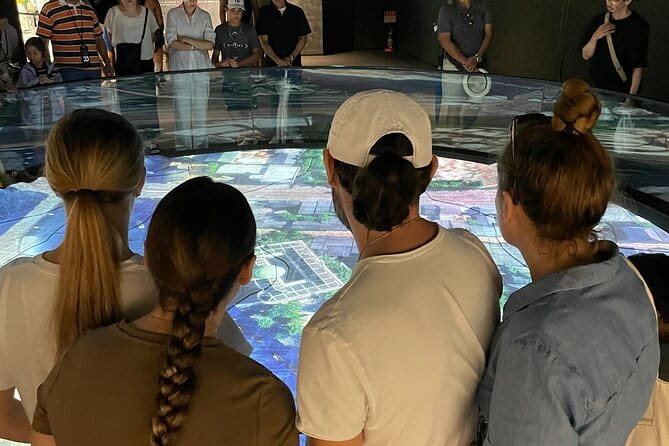
The Peace Memorial Museum is the anchor of the day, and this tour gives it structure. You’ll visit with a guided tour for about an hour, which is a good window. The museum has a lot to read, a lot to look at, and a lot that you might want to process slowly. Without guidance, it’s easy to rush through or miss the points that help it all connect.
With a guide like Masa-san, you get help translating what you’re seeing into meaning you can carry. In past experiences, people have praised her for clear, thoughtful explanations and for connecting Hiroshima’s story to her family experience as a second-generation survivor descendant. Even when the details are heavy, the presentation tends to stay careful and steady.
A practical tip: go in ready to ask questions. The museum can feel overwhelming, and that’s exactly when a good guide adds value. You can ask about timeline details, what certain exhibits are trying to communicate, and how Hiroshima thinks about remembrance today. If you’re trying to make the museum time count, this guided approach is the difference between seeing objects and understanding why they’re there.
One more useful angle: the tour style helps you decide what to focus on in your own pace. If you’re the type who wants to read every label, you can usually slow down. If you’re the type who prefers looking first and asking second, the guide can route you to the key exhibits that provide context.
Peace Memorial Park: How Photo Stops Become Reflection
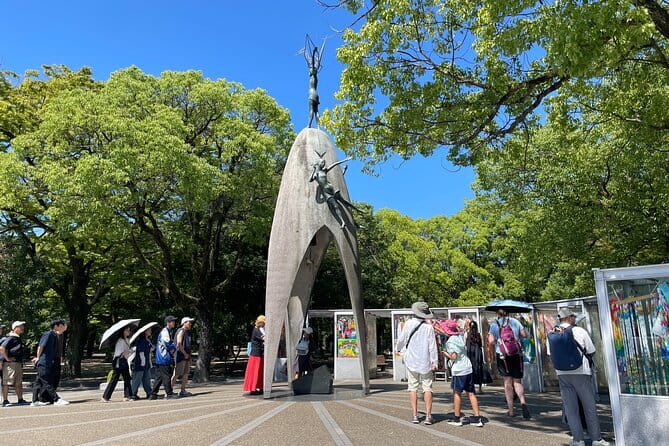
After the museum, you’ll head into Peace Memorial Park. Expect a guided walking segment plus a photo stop that keeps you from treating the park like a checklist. This is where the experience changes from information to feeling.
The park area can be busy, and it’s also emotionally intense. A good guide helps you slow down without turning it into awkward silence. The talking you get here matters because you learn what people remember, what they try to protect, and how the memorial message is used in daily life.
If you’re the kind of visitor who needs the story explained, the guided portion helps. If you’re the kind who needs quiet time, the guide also supports that. A recurring theme in feedback about this tour style is patience, sensitivity, and the way the guide answers questions without rushing you to move on.
And yes, you’ll take photos. But you’ll also pause long enough to connect the photos to the meaning. That makes the pictures feel less like souvenirs and more like reminders.
Same corner of Japan, a different kind of day:
- Peaceful Hiroshima & Miyajima UNESCO 1 Day Bus Tour
★ 5.0 · 5,309 reviews - Hiroshima: Hiroshima and Miyajima UNESCO Sites 1-Day Tour
★ 4.9 · 2,330 reviews - Hiroshima / Miyajima Full-day Private Tour with Government Licensed Guide
★ 5.0 · 1,298 reviews - Hiroshima in a Nutshell: Morning Bike Adventure
★ 5.0 · 524 reviews
Atomic Bomb Dome Visits That Don’t Feel Like a Drive-By
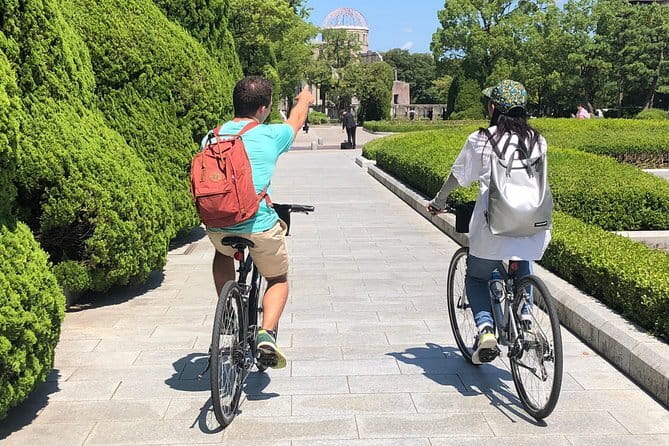
Next up is the Atomic Bomb Dome. This is a world heritage site, and it’s also one of those places where the scale of history can feel bigger than the space you’re standing in.
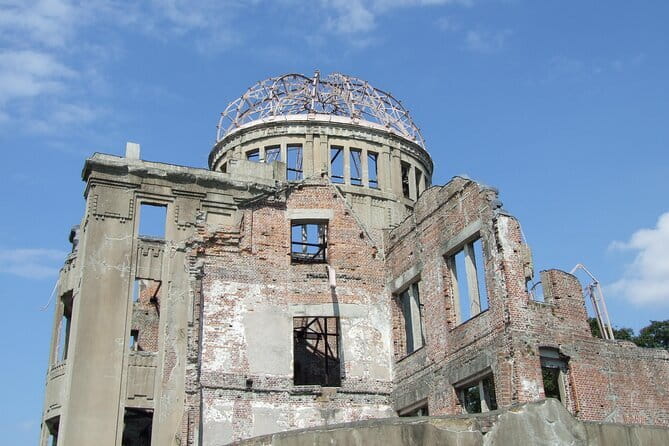
This tour gives you a photo stop and a short guided visit. The pacing is intentional. You’re not trapped in a long monologue, but you’re also not left staring at a landmark with no context. The guide helps you understand why this building is preserved, what it symbolizes, and how people in Hiroshima relate to it now.
What I like here is the restraint. The guide’s job is not to make you feel something on command. It’s to explain what the site represents and then let you take the moment. That “space” is important, because the Dome can hit you in a visceral way. You might want a few extra minutes to look from different angles, and the private nature of the group makes that easier than in a crowded tour.
If you’re a history buff, you’ll likely appreciate the clarity. If you’re here for humanity and meaning, you’ll probably value the reflection more than any single fact.
Hiroshima Castle and Shukkeien Garden for the Post-Heavy Parts
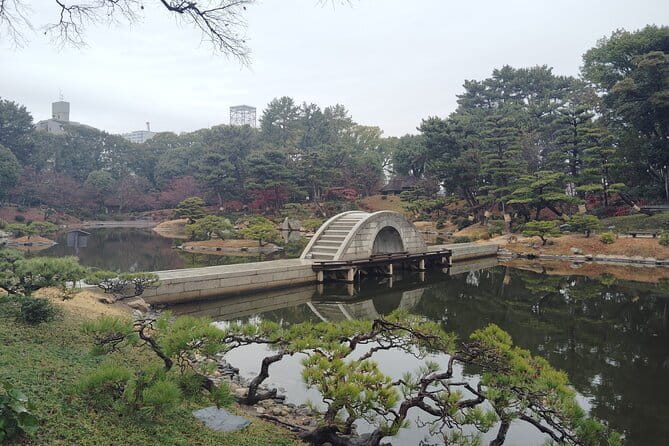
After the memorial focus, the route shifts toward city sights: Hiroshima Castle, then Shukkeien Garden. This is smart for your brain. If your day is only history and remembrance, you can leave feeling heavy but not oriented. These stops help you see Hiroshima as a living city.
At Hiroshima Castle, you’ll have a photo stop plus time with guided sightseeing. The tone tends to loosen a bit, but it doesn’t trivialize what you just learned. The effect is that you get contrast. You see how the city carries forward and rebuilds, and you notice the everyday texture that makes Hiroshima feel real.
Then you’ll get a break at Shukkeien Garden. This is where comfort and timing matter. The garden stop includes about an hour in guided visit time, plus photo moments and a break. Multiple people have called out the gardens as a must-do part of the day, and I agree with the logic. Gardens give you a visual reset. They also give the guide space to talk about Hiroshima’s culture in a way that feels natural after the emotional sites.
If you’re curious about Japanese culture through everyday details, this is a great place to pay attention. Even small observations, like how people move through the space or how the guide explains design choices, can help you understand what “modern Hiroshima” looks like to locals.
What Makes the Guide the Real Value
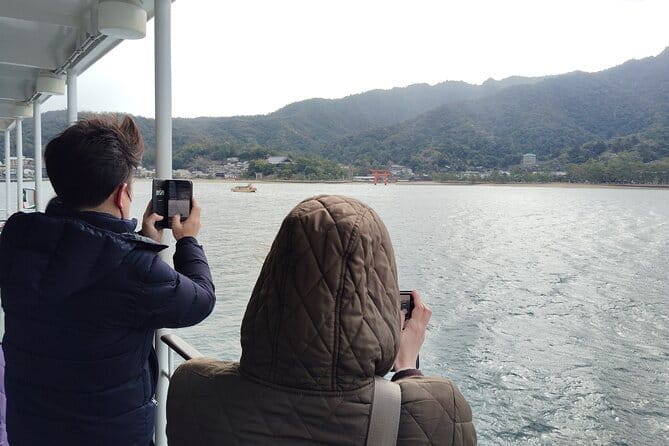
The standout theme across the experience is not the landmarks. It’s the guide.
Guides are Hiroshima-born, local, and deeply connected. Some are second-generation atomic bomb survivors, while others have family ties or were raised in the city. Either way, the stories come with a lived-in quality. The guide doesn’t just tell you what happened. They also show you how people carry it.
People also praise Masa-san specifically for being warm and easy to talk to, for being organized, and for giving thoughtful answers to questions. In one case, she even assisted when a small personal item went missing in the museum, then helped locate it later. That kind of care turns the tour into a service, not just a lecture.
Another detail that matters for real travel: the guide’s practical tips. One strong theme in feedback is that the guide shared food recommendations, and that can be a big help when you’re short on time in Hiroshima. If you want to eat well without guessing, this tour can set you up.
Finally, the private format matters more than people expect. When the group is only your party, the guide can adjust if it’s rainy, if someone needs slower pacing, or if your questions pull you toward a specific theme. That’s hard to get on a group bus.
Photography and How to Take Better Photos Without Stress
This tour includes photography, and you’ll be given the data afterward. That’s useful because it reduces one more thing you have to manage with shaking hands in emotionally heavy places. You can focus on looking and listening instead of constantly juggling a camera or phone.
At the same time, don’t feel like you have to stand motionless for every shot. The guided stops include photo moments, but you’ll also get time to look from different angles. If you want your own photos for memory, you can take them. The built-in photo support just means you’re more likely to get clear images without disrupting the flow.
Price, Time, and Why It Feels Fair for What You Get
The price is listed at $103 per person, and it covers several key parts: a Hiroshima-born guide, Peace Memorial Museum entry, Shukkeien Garden entry, and the included photo service. It also includes pickup service on foot and skip-the-ticket-line access.
When I evaluate value, I look at what’s hard to do on your own. The museum is easier to manage with context, and the memorial sites are easier to carry emotionally when a guide provides careful explanation. If you’re paying for private time with local guides who have deep family connections, that price starts to make sense.
Also, 3 to 4 hours is a realistic amount of time. It’s long enough to feel you got real understanding and not just surface stops. It’s short enough that you can still plan a meal, a second walk, or a night out in Hiroshima after.
If you’re on a day with limited hours, this tour is a smart allocation. You’ll see major sites and also get guided interpretation that makes the day feel coherent.
Timing Note: Museum Closure Dates You Must Check
There’s one important timing detail to plan around. The Peace Memorial Museum is closed from Feb. 16 to Feb. 21 due to renewal. If your travel dates fall within that window, confirm what your guide will do instead, since the museum portion may not be possible.
Other than that, Hiroshima’s weather can shift. The tour is flexible in how it walks and how it moves between areas, and the guide can adjust the route based on your group needs.
Who This Tour Is Best For
I think this experience fits best if you want meaning, not just logistics.
It’s ideal for:
- People who feel overwhelmed by Hiroshima’s history and want help focusing
- Anyone who prefers a private pace rather than a group rush
- Families and multi-generational groups, since the guide can adjust for seniors and children
- Visitors who want to see the memorial sites and also experience Hiroshima’s living culture in the same day
If you already know every exhibit detail and you prefer total independence, you might find a self-guided visit works. But if you want the day to feel connected and respectful, the guided format is the point.
Should You Book This Private Hiroshima History Tour?
Book it if you want your Hiroshima visit to feel personal and purposeful. The private size, the guide’s family-tied perspective, and the way the day moves from museum to park to Dome, then into castle and gardens, all combine into a route that makes sense emotionally and practically.
You should think twice if your group hates walking or you need a very light day with minimal time at indoor exhibits. This tour is paced for real viewing and thoughtful stops, not just quick photos between trains.
If you can handle a guided walk and you care about understanding what you’re seeing, this is one of the most worthwhile ways to experience Hiroshima in a half day.
FAQ
How long is the Hiroshima History Tour?
It runs about 3 to 4 hours, depending on starting point and how your guide adjusts the walk.
Is this tour private?
Yes. It is a private group tour, so no other guests will join.
What sites are included?
You’ll visit the Hiroshima Peace Memorial Museum, Peace Memorial Park, Atomic Bomb Dome, Hiroshima Castle, and Shukkeien Garden.
What is included in the price?
The tour includes a Hiroshima-born guide, entry tickets to the Peace Memorial Museum and Shukkeien Garden, skip-the-ticket-line access, photography (data provided), and pickup service on foot.
What are not included?
Transportation costs like taxi, tram, or bus are not included, and you’ll cover your own food or drinks.
What languages are available?
The live tour guide speaks English and Japanese.
Is the tour wheelchair accessible?
Yes, the tour is wheelchair accessible.
Are there any museum closure dates?
Yes. The Peace Memorial Museum is closed Feb. 16 to Feb. 21 due to renewal.
What is the cancellation and payment option?
You can cancel up to 24 hours in advance for a full refund, and you can reserve now and pay later.
Fresh options around Hiroshima
- The Peace Memorial and Beyond: A Half-Day around Hiroshima★ 4.9 · 12 reviews
- Hiroshima Saijo Sake Tasting Tour with visit to 3 Breweries★ 5.0 · 12 reviews
- Private Hiroshima Calligraphy: Create Your Own Kanji Art Souvenir★ 5.0 · 12 reviews
- Hiroshima:Private lacquer workshop experience tour(gift included)★ 5.0 · 13 reviews
- Sunset Walking Tour at Peace Park, Hiroshima★ 5.0 · 13 reviews
- Kimono and Calligraphy Experience in Miyajima★ 5.0 · 16 reviews
- Hiroshima Peace Memorial Park: A Guided Tour★ 4.9 · 16 reviews
- History of Hiroshima: Small Group Night Walking Tour★ 4.8 · 17 reviews
Historical Tours, compared.
World Heritage Shirakawa-go and Experience Tours from Kanazawa
Read our review →
Imperial Palace and Shogun Historical Walking Tour
Read our review →
World Heritage Kyoto & Nara Uji Authentic Matcha Experience
Read our review →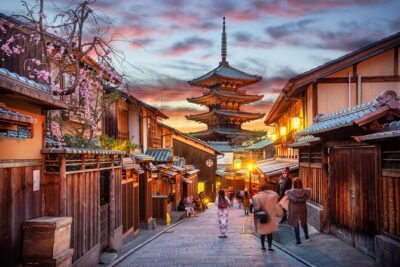
Kyoto Gion: 2-Hour Geisha Culture & History Walking Tour
Read our review →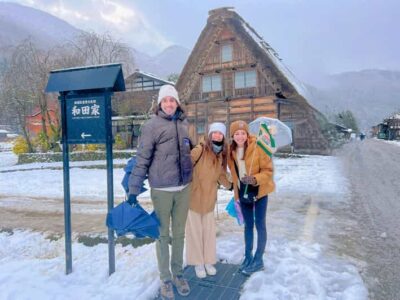
World Heritage Shirakawa-go Morning Guided Tour
Read our review →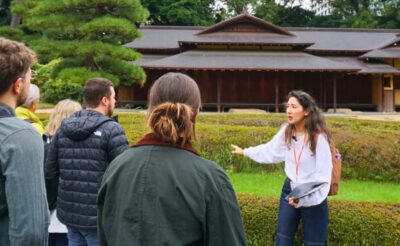
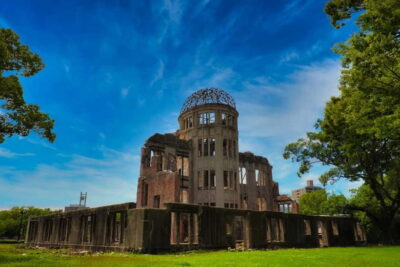
Hiroshima Historical Walking Tour – Why A-Bomb was Dropped
Read our review →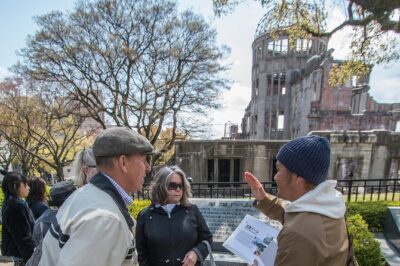
Hiroshima Peace (Heiwa) Walking Tour at World Heritage Sites
Read our review →Browse the lists this tour appears in