
Reviewed · HISTORICAL TOURS
Guided Gion Tour: Explore Kyoto’s Historic Geisha District
Gion can feel like Kyoto put on pause. This private walking tour takes you through the historic geisha district and into nearby landmarks where the streets, shrines, and gardens all tell the same story in different ways. It also gives you built-in time for questions as you go, so you are not just collecting photos.
Two things I really like: you get a smart mix of famous photo stops and smaller cultural beats, like the Chion-in area plus a quick look at the Izumo no Okuni statue. And because it is a private group for up to 8, the pace and focus can feel more like a conversation than a cattle-car walk.
One thing to consider is that seeing a geisha or maiko is never guaranteed. The tour is designed to help you spot them where sightings are most likely, but you should treat it as chance plus guidance, not an arranged meeting.
Key highlights worth marking on your Kyoto map
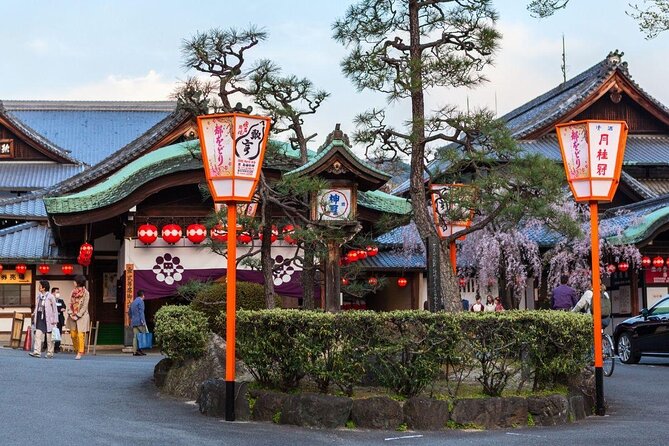
- Hanamikoji Street time in the heart of Gion, where traditional machiya houses line the way
- Yasaka Shrine and lantern-lit atmosphere as a spiritual counterpoint to the sightseeing
- Chion-in Temple gate stop for big wooden architecture and detailed carvings
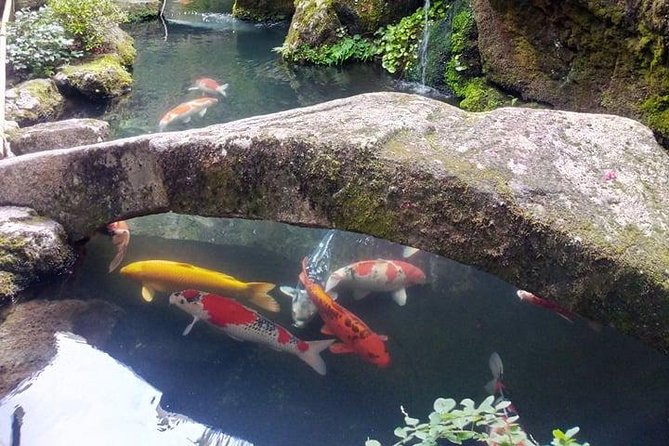
- Maruyama Park break for a calmer walk with ponds and seasonal garden scenery
- Izumo no Okuni statue for a quick cultural link to Kabuki’s origin story
Why Gion is a perfect fit for a 2-hour guided walk
Gion is one of those places where Kyoto looks like Kyoto, not like a theme park. You will be walking through preserved streets where the architecture, shrines, and seasonal festivals shape the mood. In a short time, you can go from temple gate scale to narrow lanes and back out into the open air.
This tour works because it keeps you moving, but not at a blur. You are given a couple of longer blocks (especially in Gion), then a series of shorter stops that help you connect place to meaning. That rhythm is great if you want a full feel for the area without spending your whole day stuck in one neighborhood.
More geisha experiences in Kyoto:
- Kyoto Geisha Walking Tour: Gion District & Hidden Gems
★ 4.7 · 3,273 reviews - Kyoto: Gion Magical Night Walking Tour with Geisha Trivia
★ 4.9 · 2,393 reviews - Kyoto: Gion Geisha District Walking Tour – Stories of Geisha
★ 4.7 · 2,187 reviews
The route: Gion lanes, Chion-in, Yasaka, and Hanamikoji
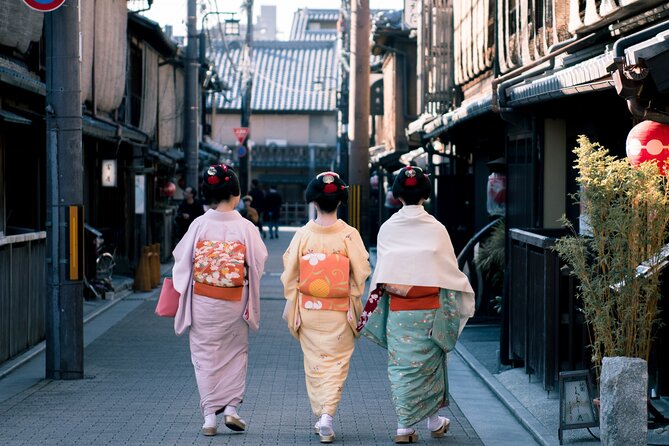
The walking plan starts with Gion itself, where the goal is simple: get your bearings fast and learn how to read what you see. Gion is famous for geisha and maiko culture, so your guide will help you spot the streets where sightings are more likely. If you are lucky, you might notice a geisha in the direction of Hanami street, but again, you are not guaranteed an appearance.
From there, the tour pivots into a couple of quick cultural anchors. You stop at a statue of Izumo no Okuni, the pioneering figure linked with the early roots of Kabuki theater. It is a brief visit, but it adds a useful layer. You are no longer just seeing Kyoto aesthetics, you are connecting the arts to the places.
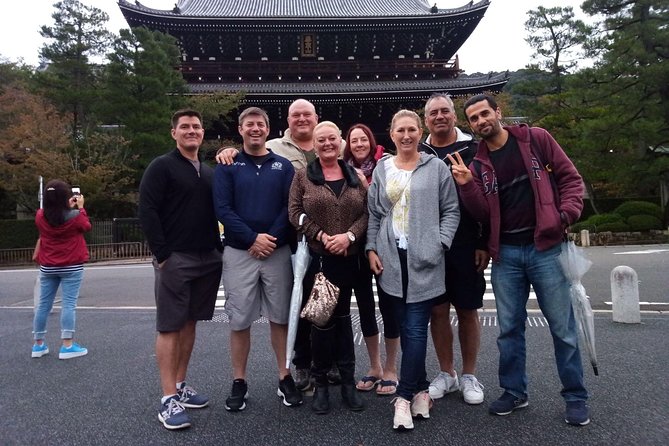
Next comes the Chion-in Temple area, with time focused around the grand gate. The gate is where the scale hits first, especially if you are used to smaller shrine entrances. You will also have time to look closely at the woodwork and carvings, which is the kind of detail you tend to miss when you are walking on your own.
After that, the tour heads to Yasaka Shrine, which is one of the key spiritual stops in the Gion area. This is where the district’s mood shifts toward festivals and lantern pathways. Even if you are not there for a specific event, the shrine energy makes the whole neighborhood feel more grounded.
Then you get a breath of green with a stop at Maruyama Park. This is a short visit, but it matters because it gives your eyes a rest. Parks are where you see the seasonal “signposts” of Kyoto, like pond views and, when in season, cherry blossoms.
Finally, you end on Hanamikoji Street, often considered the symbolic center of Gion’s traditional charm. This is the lane where you will want your camera ready, but you will also want to slow down. It is not just pretty scenery, it is a real working neighborhood, and small details like the machiya houses and street rhythm are what make the place click.
Gion streets and the reality of geisha and maiko spotting
Let’s talk honestly about the big reason many people book a Gion tour. They want a geisha or maiko sighting. Here is the deal: this experience is set up to help you increase your odds, but it is not a ticket to guaranteed time with them.
You will likely hear reminders from the guide that geisha and maiko are not something you chase. The tour’s job is to help you understand where to look and how to behave while you look. In Gion, that means you are watching the street carefully, not blocking paths, and giving people space if you see movement.
You might catch a glimpse on or near the lanes where sightings are most common, like the direction around Hanami street. Some guides aim to spot them during your walk rather than promise a specific moment. One guide name that came up in positive feedback is Ahmed Abu Tayeh, and the tone described is that his explanations make customs make sense, even when the big sighting is just a possibility.
So what should you do? Keep your expectations realistic, and treat any sighting like a bonus. Your best “win” here is understanding the district so that even if you do not see a geisha or maiko, you still come away with a richer picture of what Gion is.
Chion-in Temple gate: big wood, careful details, fast context
The Chion-in area stop is short, but it punches above its weight. Temple gates in Kyoto often do something special: they set your scale. You realize you are walking toward something designed for ceremonies and crowds, not just for individual visits.
The gate stop gives you time to observe the massive wooden structure and intricate carvings. That kind of visual work is hard to do alone if you do not know what you are looking for. With a guide, you can focus your eyes instead of wandering from one landmark photo to the next.
Even if you only take a handful of photos here, you will probably feel the difference. A temple gate is where the city’s spiritual side becomes visible, and it helps balance out the more “street-facing” parts of Gion like Hanamikoji.
A few more Kyoto days worth comparing
- Kyoto Gion: 2-Hour Geisha Culture & History Walking Tour
★ 5.0 · 1,186 reviews - Kyoto Gion Historical Walking Tour
★ 5.0 · 188 reviews - Historical Kyoto E-Bike Tour
★ 5.0 · 181 reviews - Kyoto: Nijo Castle World Heritage Guided Tour with Admission
★ 5.0 · 128 reviews
Yasaka Shrine and Maruyama Park: photos plus a calmer pace
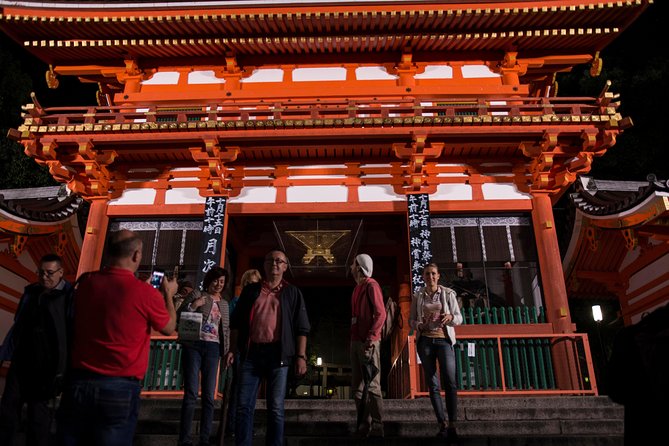
Yasaka Shrine is a short stop, but it is strategically placed. It adds a Shinto anchor to a district that people often think of as purely cultural entertainment. The shrine is known for its lively festivals and lantern-lit pathways, so you get the sense of how this area changes through the year.
Then comes Maruyama Park, which functions like a reset button. It is a small break in the middle of the sightseeing, and that matters because your feet will be doing most of the work on day trips in Kyoto. The park also offers pond views and seasonal charm such as cherry blossoms when they are in season.
If you are coming in summer or shoulder season when temperatures can surprise you, use this stop to recharge. One feedback note flagged that an extremely hot day can make a walking schedule feel tighter for families. Your best move is to bring water and build in small pace breaks, like slowing down for photos instead of rushing through them.
Hanamikoji Street: where the district finally feels like a whole scene
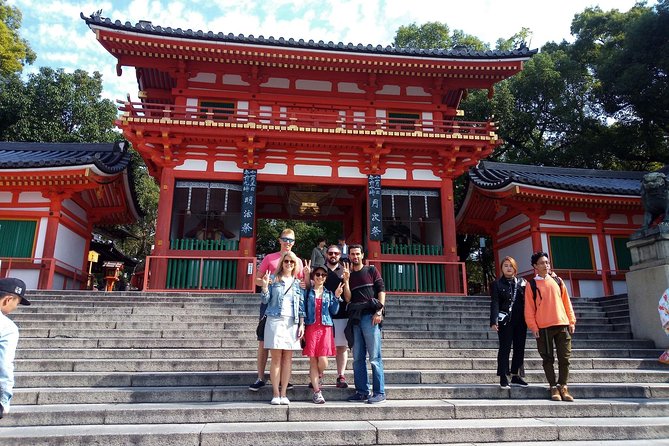
By the time you reach Hanamikoji Street, the tour has already given you context. That means the street is not just a pretty corridor, it is the culmination of what you learned about Gion’s preserved architecture and its role in traditional arts.
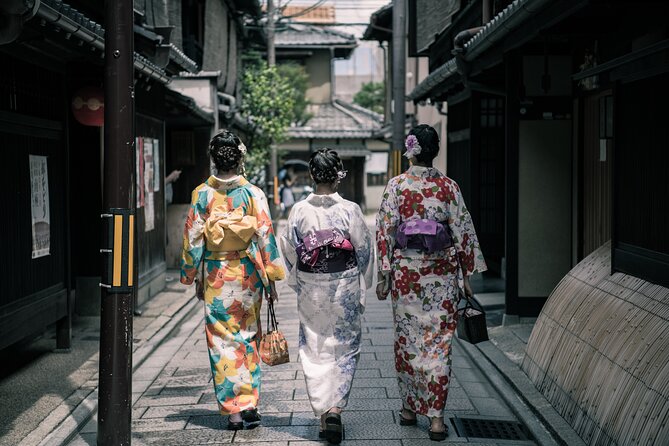
You will see traditional teahouses and elegant wooden machiya houses. The point is not to treat this as a museum display. It is an active neighborhood, and that is why the guide’s approach matters. You get a better sense of what you are seeing, and you avoid the common mistake of treating it like a photo shoot while ignoring how people live around you.
If you are the type who likes to ask questions, this is a good moment to do it. The street is visually dense, and a guide can help you connect the details to cultural meaning instead of just naming buildings.
Price and value: when $350 per group makes sense
The price is $350 per group, for up to 8 people, and the tour runs for about 2 hours. That pricing can look steep if you are traveling solo, but it gets much more reasonable when you split it with friends or family.
Here is the simple math. If your group fills to 8 people, that is about $44 per person for a private guide for two hours plus management. The value jumps because you are not just buying route knowledge. You are buying someone who helps you read Gion, who can adjust how long you linger at particular corners, and who can respond to your questions in real time.
It also helps that many stops have free admission, so you are not adding museum ticket costs into the mix. Your main costs are time, walking, and whatever snack you chase afterward.
Timing matters too. This tour is often booked about 40 days in advance, which tells you it has steady demand. If you want a specific part of the day, reserve earlier and do not wait for the last minute.
When to go: early morning or night streetlights
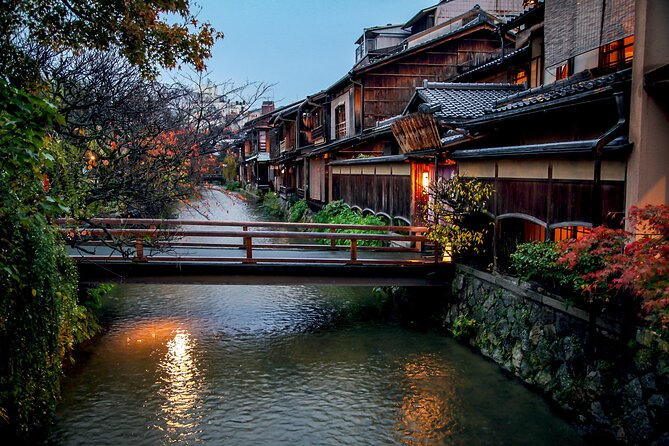
This tour is offered throughout the day, and you can pick an early slot to reduce crowds, or go at night for a different mood as streetlights come on. That choice changes what you notice.
Morning tends to feel more “readable.” You can watch details and step into side views without bumping into as many people. Night tends to feel more cinematic. Lanterns and streetlights can make Yasaka Shrine surroundings and Gion lanes look extra atmospheric.
My practical tip: choose the time based on your energy, not just on photos. If you want relaxed walking and fewer people around you, pick earlier. If you want the glow factor and you can handle evening crowds, choose night.
Private group dynamics: better than joining a crowd
Because this is a private tour, only your group participates. For many people, that is the real value. You can ask questions without hearing the answers bounce around to strangers. You can also keep your group together if someone is slow, or adjust if someone wants more time for photos.
There are also tradeoffs. On a long hot day, a fixed pace can stress the group. One piece of feedback mentioned that a very hot day made the pace hard for some people, and the guide paused for a rest. If you are traveling with kids, older parents, or anyone who tires easily, tell your guide what you need at the start. A good private guide can usually work with the reality of your group, as long as you communicate.
Guide quality: what good looks like on this walk
The strongest praise in the feedback centers on guides who show up on time, explain customs clearly, and answer questions without making it feel like you are interrupting. Names that came up include Ahmed (described as punctual and knowledgeable in the sense of giving meaningful context) and Mat (praised as informative and considerate).
You also do get a reminder that guide style can vary. One low rating complained of a guide who felt not present and not very friendly. Nobody can control that risk for every booking, but private tours do at least narrow who you will get, and when the guide is good, the whole experience feels like it clicks.
If you want to maximize your odds, come ready with questions. Examples that often lead to a better walk are: what should I notice about the architecture, what areas are best for respectful geisha or maiko spotting, and what seasonal cues matter in Gion.
Who this tour is best for
This is a smart choice if you:
- want a focused Gion highlights walk without getting lost
- like architecture and small cultural context, not only crowds and shopping streets
- are traveling with family or friends who benefit from a private pace
- want help spotting where geisha or maiko sightings are more likely, while understanding it is not guaranteed
If you are the type who already knows Kyoto well and just wants the shortest path to photos, this might feel like more structure than you need. But if you want your time to count, the combination of shrines, temple gate scale, park reset time, and Hanamikoji street viewing is a solid use of two hours.
Should you book this Gion guided tour?
Book it if you want a private, well-paced introduction to Kyoto’s historic geisha district with real context at the main stops. The biggest wins are the focus on Gion streets plus the way the walk connects to culture through Chion-in and even the Izumo no Okuni statue.
Skip it or adjust expectations if your entire goal is guaranteed geisha or maiko time. This tour is built for respectful spotting, not staged encounters. Also, plan for heat if you travel in warm months, and be ready to slow down when needed.
FAQ
How long is the Gion guided tour?
It runs for about 2 hours.
What is the group size for this private tour?
It is private, and the group size is up to 8 people.
How much does the tour cost?
The price is $350.00 per group.
What places does the tour include?
The tour includes Gion, the Izumo no Okuni Statue, Chion-in Temple gate, Yasaka Shrine, Maruyama Park, and Hanamikoji Street.
Is admission required for the included stops?
The listed stops have free admission.
Is pickup available?
Yes, pickup is offered.
Does the tour include time with a geisha or maiko?
The tour focuses on visiting the areas where you’re most likely to see geisha or maiko, but it does not include a guaranteed encounter.
What happens if the weather is bad?
The experience requires good weather. If it is canceled due to poor weather, you will be offered a different date or a full refund.
What is the cancellation policy?
You can cancel for free up to 24 hours in advance for a full refund.
Should you book this Gion guided tour?
Yes, if you want a private, efficient walk through the best-known Gion corners with shrine, temple gate, and park stops that add meaning beyond sightseeing photos. If you are chasing a guaranteed geisha or maiko encounter, manage expectations, plan your time accordingly, and treat any sighting as a bonus.
Fresh options around Kyoto
- Private Guided Traditional Buddhist Cooking in Japan★ 5.0 · 16 reviews
- Kyoto tea town for matcha lovers★ 5.0 · 16 reviews
- Fish Cutting workshop in Kyoto Japan★ 5.0 · 16 reviews
- KYOTO Sake Tasting Tour at Local Breweries(tasting fee included)★ 5.0 · 16 reviews
- Kyo-arashi Shibori Scarf Class★ 5.0 · 16 reviews
- SHIRAKAWA Japanese Culture Experiences with private English staff★ 5.0 · 16 reviews
- Crowd-Free Kyoto: Fushimi Inari, Nijo Castle & Kinkaku-ji★ 5.0 · 16 reviews
- Guided Kyoto City Cherry Blossom One Day Private Tour★ 5.0 · 16 reviews
Historical Tours, compared.
World Heritage Shirakawa-go and Experience Tours from Kanazawa
Read our review →
Imperial Palace and Shogun Historical Walking Tour
Read our review →
World Heritage Kyoto & Nara Uji Authentic Matcha Experience
Read our review →
Kyoto Gion: 2-Hour Geisha Culture & History Walking Tour
Read our review →
World Heritage Shirakawa-go Morning Guided Tour
Read our review →

Hiroshima Historical Walking Tour – Why A-Bomb was Dropped
Read our review →
Hiroshima Peace (Heiwa) Walking Tour at World Heritage Sites
Read our review →Browse the lists this tour appears in